Jewelry Brand Packaging: Harmonizing Brand Identity with Supply Chain Scalability
For growing jewelry brands, packaging is the physical anchor of digital equity. The challenge lies in maintaining artisanal quality while establishing industrial-scale reliability.
See Case StudyThe Hidden Friction in Brand Operations
Behind every seamless launch lies a complex web of procurement challenges. These are the internal struggles that brand managers face quarterly.
"The rendering was flawless, but the factory sample feels lightweight and cheap."
"Scaling is a nightmare; our current supplier breaks down when orders exceed 5,000 units."
"Coordinating four different vendors just to match one brand color is inefficient."
Systemic Standardization Gaps
These aren't just isolated vendor errors; they are industry-wide systemic issues that create a gap between brand potential and actual presentation.
The "Golden Sample" Trap
The initial prototype is perfect, but the bulk production suffers from glue marks, color variance, and structural weakness.
Color Integrity Failure
Brand colors often deviate across different materials— custom ring box vs. shopping bags—breaking visual cohesion.
Supply Chain Fragmentation
Treating packaging as ad-hoc orders rather than a system leads to inventory chaos and high management costs.
Hidden Lifecycle Costs
Low upfront quotes often mask poor durability, resulting in higher returns and damaged merchandise during transit.
The Silent Erosion of Brand Equity
Perceived Value Dilution
When a customer invests in a premium piece but receives it in subpar packaging, the perceived value drops instantly. An inconsistent unboxing experience doesn't just annoy customers; it actively erodes the premium status a brand has worked years to build.
Pillars of a Mature Packaging Strategy
Moving beyond transactional "box buying" to a strategic framework that supports long-term growth.
Visual Consistency
Ensuring brand identity remains identical across diverse materials, from rigid boxes to soft pouches.
Scalability
A manufacturing process capable of maintaining quality whether ordering 500 units for a test or 50,000 for Q4.
Production Control
Transparent oversight from design to production to catch structural flaws before mass manufacturing.
Predictability
Stable costs and reliable timelines that allow marketing teams to plan campaigns with total confidence.
The Brand-Centric Manufacturing Architecture
A robust packaging strategy acts as architectural support for a brand's physical presence. It requires a system designed to scale seamlessly.
Modular Tooling Architecture
Creating a cohesive family of packaging where rigid jewelry box and shopping bags share the exact same structural DNA...
Cross-Material Color Standardization
Lab-grade spectral matching to guarantee that your signature brand hue remains identical across printed paper, dyed velvet, and vegan leathers.
Agile Volume Scalability
Production lines engineered to toggle seamlessly between boutique drops (500 units) and global retail expansion (50,000+ units) without re-qualifying quality.
Transactional Sourcing vs. Strategic Partnership
Comparing the traditional procurement approach with a modern, integrated brand partnership model.
Transactional Model
-
Fragmented Suppliers
Paper from A, Velvet from B. Inconsistent results. -
One-off Designs
Every new order requires starting from scratch. -
Reactive Support
Issues are only addressed after they occur.
The Integrated Brand Asset Model
-
Centralized Material Ecosystem
One central hub for all materials and assembly. -
Digital Mold & Asset Management
Building a mold database for future efficiency. -
Pre-Validation DFM Protocols
Optimizing design for manufacturing before payment.
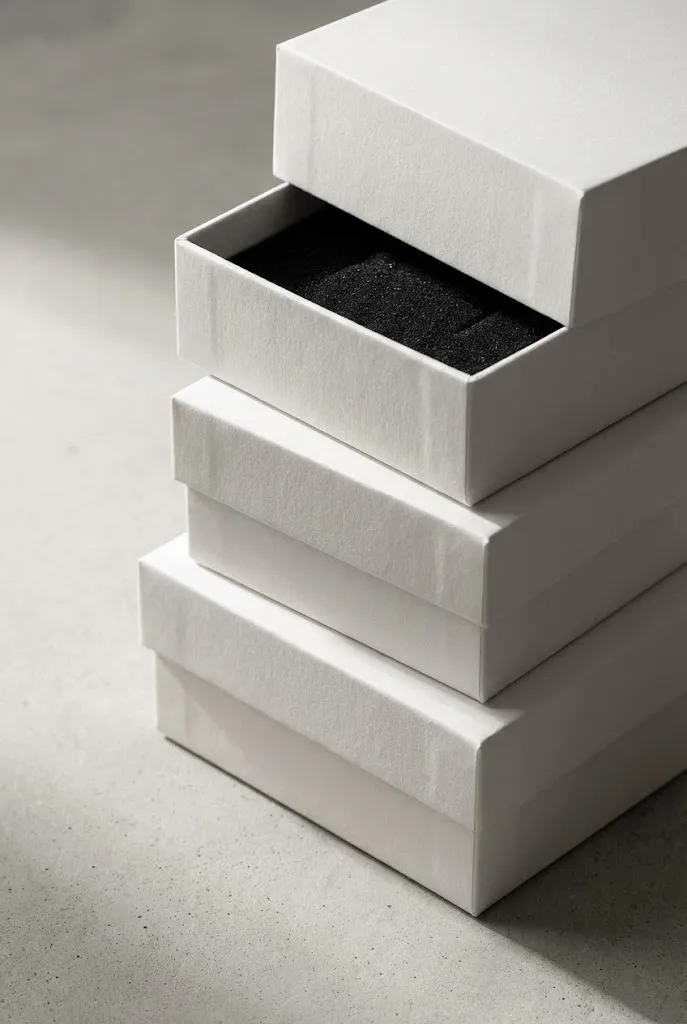
Defining Packaging Roles by Collection Tier
Packaging should reflect the hierarchy of the product line while maintaining core brand identity.



Strategic Misalignments in Procurement
Common oversights that can derail launch timelines and inflate budgets.
Over-Designing Early
Creating complex structures without verifying manufacturing feasibility often leads to unscalable unit costs.
Ignoring Bulk Logistics
Focusing solely on aesthetics but forgetting that a 1cm size increase can double international shipping fees.
Lack of System Planning
Ordering boxes ad-hoc instead of planning a modular system leads to disjointed brand experiences.
Supplier Hopping
Switching factories for marginal savings introduces massive quality variance risks that damage retention.
Partner with a Strategic Manufacturer
Transition your packaging from a transactional expense to a strategic asset. YiXin’s engineering team is ready to execute your brand vision.
- Free samples within 3-5 days
- Professional design consultation
- Competitive wholesale pricing
- Global shipping to 50+ countries
- Quality guarantee with certifications
- Dedicated account manager support
Get Your Free Quote Today
Start your journey to premium packaging solutions. Fill out the form below and unlock exclusive benefits for your business.