
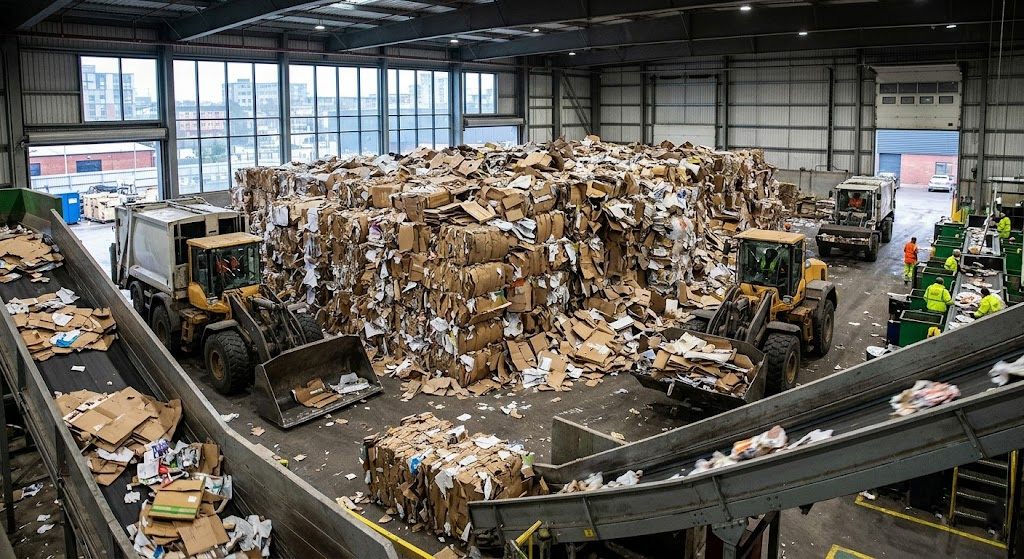
Various packaging materials affect the environment by accelerating resource depletion, increasing global carbon emissions, and creating a persistent waste crisis in both terrestrial and marine ecosystems. You probably see the physical evidence of this every day in the form of discarded plastics and oversized cardboard boxes cluttering shipping docks and local waste centers. This mounting volume of debris isn’t just a logistics headache; it is a primary driver of habitat destruction and chemical leaching that threatens the health of our planet. By choosing sustainable options like custom jewelry packaging , you can reduce your brand’s environmental footprint and meet the growing demand for eco-conscious retail solutions.
What is the true lifecycle cost of packaging?
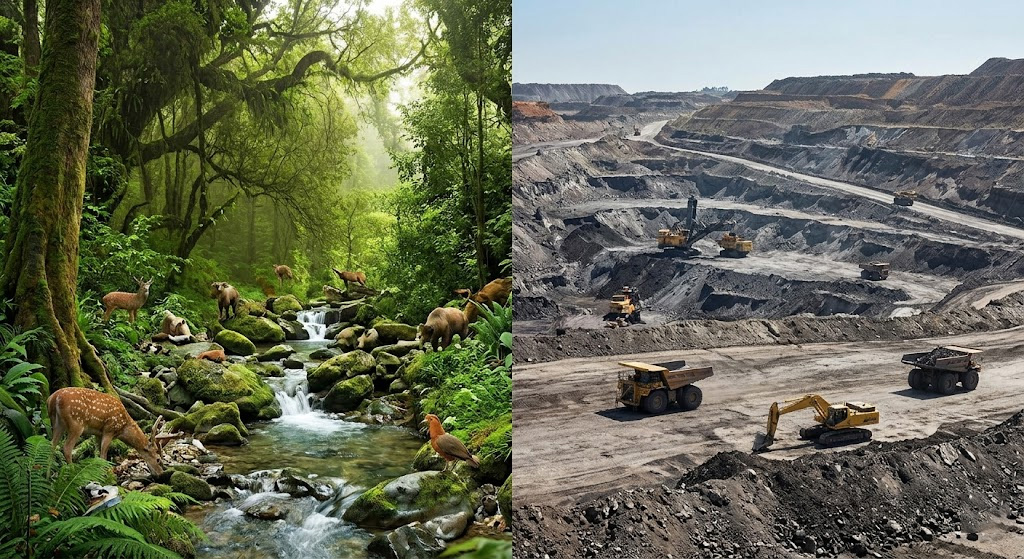
The lifecycle cost includes significant environmental damage caused by the extraction of raw materials, the energy used in manufacturing, and the long-term burden of disposal. It is vital to understand how do various packaging materials affect the environment from the very moment their base components are pulled from the earth.
The Hidden Toll of Raw Material Extraction
- Deforestation for timber and wood pulp production.
- Fossil fuel extraction for plastic polymer manufacturing.
- Water contamination from mining metals and minerals.
Think about this: Every piece of packaging has a history that starts long before it reaches your customer’s hands.
Resource Depletion in Modern Logistics
Modern shipping practices often prioritize speed over efficiency, leading to a massive increase in secondary packaging waste. You can see how this compounding effect creates a cycle of waste that is difficult to break without systemic changes.
Look: Convenience often comes at a steep ecological price that isn’t reflected on the invoice.
| Lifecycle Phase | Primary Impact | Sustainability Solution | |
|---|---|---|---|
| Raw Sourcing | Biodiversity Loss | FSC-Certified Materials | |
| Manufacturing | Carbon Emissions | Renewable Energy Usage | |
| End-of-Life | Landfill Clogging | Circular Design Models |
Analysis: The environmental impact of packaging is a cumulative process that begins at the extraction site and continues through to the final disposal. Key Takeaway: You can lower your brand’s total impact by evaluating the entire lifecycle of the materials you select for your products.
How does material degradation impact soil health?
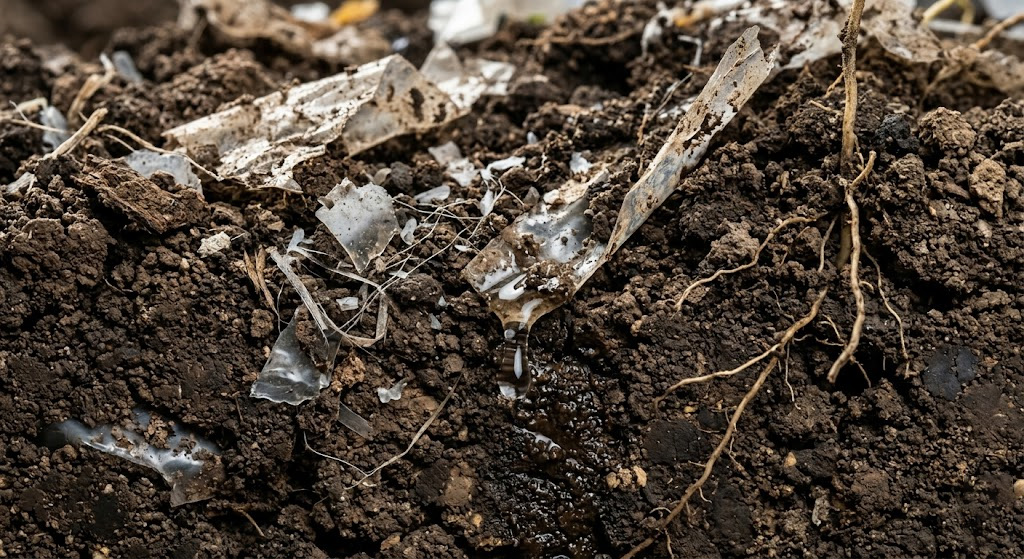
Packaging materials degrade by leaching synthetic chemicals and microplastics into the ground, which fundamentally alters the chemical composition and fertility of the soil. When you choose standard jewelry boxes , it is important to consider how do various packaging materials affect the environment once they are discarded in a landfill.
Chemical Leaching and Soil Toxicity
- Heavy metals found in low-quality printing inks.
- Phthalates and BPA leaching from plastic films.
- Synthetic adhesives that prevent natural decomposition.
The scary part? Many of these chemical residues stay in the ground for centuries, affecting plant growth and local water tables.
The Breakdown of Non-Organic Barriers
Traditional plastics and treated papers do not disappear; they simply fragment into smaller pieces that disrupt microbial life in the soil. You should be aware that these fragments can enter the local food chain, eventually impacting human health.
Wait, there’s more: Even “biodegradable” plastics can cause issues if they require specific conditions to break down that aren’t present in common soil.
| Material Type | Soil Persistence | Primary Contaminant | |
|---|---|---|---|
| Plastic | 400+ Years | Bisphenol A (BPA) | |
| Treated Paper | 12+ Months | Synthetic Glues | |
| Aluminum Foil | 200+ Years | Metallic Oxides |
Analysis: Soil is a living ecosystem that is highly sensitive to the persistent pollutants found in modern, non-recyclable packaging. Key Takeaway: Choosing high-quality, organic-based materials ensures that your packaging doesn’t leave a toxic legacy in the earth.
What are the current waste statistics for retail?
Current waste statistics for the retail sector show that packaging accounts for nearly one-third of all municipal solid waste generated annually. You must realize that how do various packaging materials affect the environment is largely a matter of scale, with billions of tons of waste overwhelming global infrastructure.
The Volume Problem in E-commerce
- Packaging waste has increased by over 20% since the rise of online shopping.
- Less than 10% of plastic packaging is effectively recycled worldwide.
- Corrugated cardboard makes up the largest segment of retail waste by weight.
Here is the kicker: Most of the “protective” layers in your shipments are discarded within seconds of arrival.
Geographic Distribution of Waste
While some regions have advanced recycling systems, a significant portion of global packaging waste is exported to countries with limited waste management. This creates a situation where your brand’s trash becomes another community’s environmental crisis.
Imagine this: Your packaging could end up in an open-air landfill thousands of miles away from its intended destination.
| Region | Recycling Rate (%) | Dominant Waste Type | |
|---|---|---|---|
| North America | ~35% | Mixed Paper & Plastic | |
| European Union | ~65% | Mono-material Paper | |
| Southeast Asia | ~25% | Multi-layer Sachets |
Analysis: The sheer volume of packaging waste produced by the retail industry has outpaced the growth of recycling technology. Key Takeaway: Reducing the physical volume of your packaging is the most effective way to lower your contribution to global waste statistics.
How do microplastics create long-term damage?
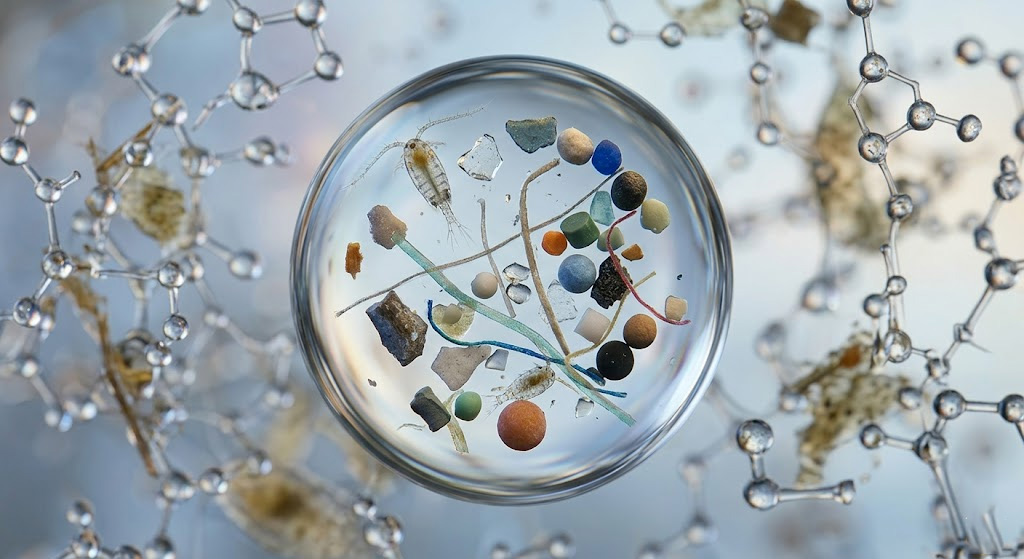
Microplastics create long-term damage by infiltrating every level of the food chain and causing cellular-level toxicity in both animals and humans. When you use synthetic materials for jewelry pouches , you should consider how do various packaging materials affect the environment as they slowly erode into invisible particles.
The Bioaccumulation Crisis
- Plankton and small fish mistake microplastics for food.
- Toxins concentrate as they move up the food chain.
- Microplastics have been found in human blood and lung tissue.
Here is the deal: We are essentially consuming the very materials we use to wrap our luxury goods.
Persistence in the Biosphere
Unlike organic materials that nourish the earth, microplastics remain active in the biosphere for hundreds of years. You cannot simply “clean up” microplastics once they have entered the water table or the air.
The reality is: These invisible particles represent one of the greatest environmental challenges of the modern age.
| Particle Class | Size Range | Primary Source in Packaging | |
|---|---|---|---|
| Macroplastics | >20 mm | Plastic bags and boxes | |
| Mesoplastics | 5-20 mm | Fragments of rigid plastics | |
| Microplastics | <5 mm | Synthetic fibers and eroded films |
Analysis: The long-term threat of packaging is shifting from visible litter to microscopic particles that are impossible to retrieve from the environment. Key Takeaway: You can help prevent microplastic pollution by opting for natural fiber alternatives that biodegrade completely.
How is packaging waste impacting our oceans?
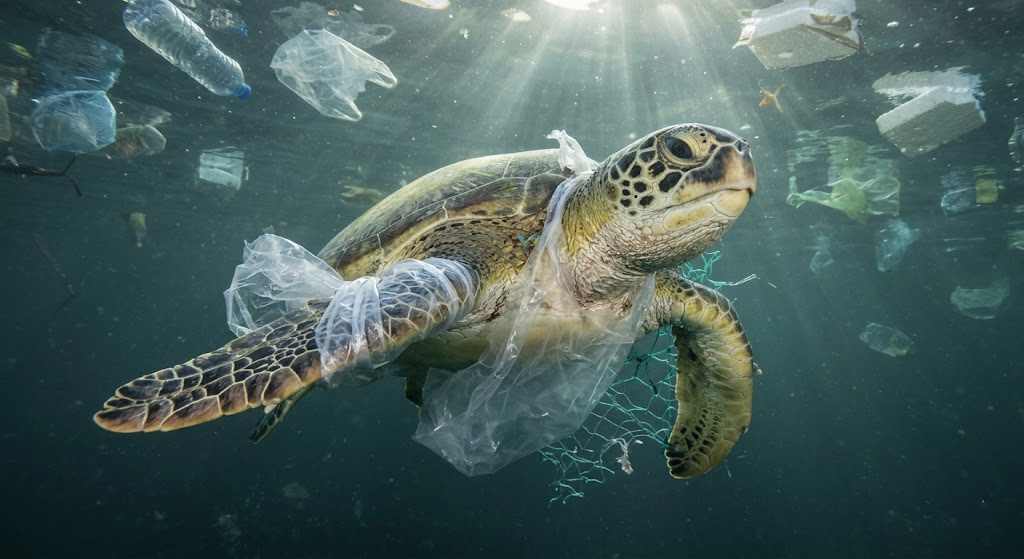
Packaging waste impacts our oceans by forming massive floating debris fields that destroy marine habitats and cause the death of millions of sea creatures annually. Understanding how do various packaging materials affect the environment involves looking at the Great Pacific Garbage Patch, which is largely composed of discarded consumer packaging.
Direct Threats to Marine Life
- Sea turtles mistaking plastic bags for jellyfish prey.
- Whales ingesting pounds of plastic debris that blocks digestion.
- Coral reefs being smothered by discarded films and wraps.
But wait, there’s more: It isn’t just about the floating trash you see on the news.
The Role of Ghost Packaging
A significant amount of packaging waste sinks to the ocean floor, where it disrupts deep-sea ecosystems that we are only beginning to understand. You must consider that the “out of sight, out of mind” mentality is causing irreversible damage to the world’s largest habitat.
Check this out: Even the most remote parts of the ocean floor now contain traces of modern packaging.
| Ocean Impact | Material Culprit | Severity Level | |
|---|---|---|---|
| Surface Litter | Plastic Bags & Wraps | Critical | |
| Entanglement | Strapping Bands | High | |
| Reef Degradation | Polyethylene Films | Moderate |
Analysis: Our oceans serve as the final destination for a massive percentage of unmanaged packaging waste, leading to a collapse in marine biodiversity. Key Takeaway: Your choice of buoyant, non-degradable materials has a direct and often fatal impact on marine life thousands of miles away.
What is the carbon footprint of production?
The carbon footprint of production is determined by the energy-intensive processes required to transform raw resources into finished items like paper bags . To determine how do various packaging materials affect the environment , you must calculate the greenhouse gas emissions from the factory floor to the delivery truck.
Energy Intensity of Manufacturing
- Aluminum production requires massive amounts of electricity.
- Glass manufacturing involves high-temperature furnaces running on natural gas.
- Plastic refining is a major source of methane and CO2 emissions.
You might be wondering: Is glass really a better choice if it takes so much energy to produce?
Emissions from Transport and Logistics
Heavy materials like glass and thick metal increase the weight of a shipment, which leads to more fuel consumption during transit. You can optimize your carbon footprint by choosing materials that provide strength without unnecessary bulk.
Here’s the secret: Lightweighting your packaging can be just as impactful as changing the material itself.
| Material | CO2e per kg | Primary Energy Driver | |
|---|---|---|---|
| Aluminum | 12.5 kg | Smelting Electricity | |
| Virgin Plastic | 2.5 kg | Chemical Refining | |
| Recycled Paper | 0.6 kg | Pulping & Drying |
Analysis: Carbon emissions are a hidden cost of packaging that contributes directly to global temperature increases. Key Takeaway: Transitioning to recycled paper-based solutions can reduce your packaging-related carbon emissions by more than 70%.
Does paper offer a truly better alternative?
Paper offers a significantly better alternative for end-of-life disposal due to its ability to break down naturally and its high recycling rate. However, when asking how do various packaging materials affect the environment, you must acknowledge that paper production is water-intensive and requires responsible forestry.
The Benefits of Biodegradability
- Paper decomposes in weeks rather than centuries.
- It does not produce microplastics during its degradation.
- Recycled paper fibers can be reused up to seven times.
The truth is: No material is perfect, but paper provides a clear path toward a circular economy.
Challenges in Paper Production
The environmental benefit of paper is only realized if it is sourced from forests that are managed to prevent total habitat loss. You should look for certifications like FSC to ensure your paper choices aren’t contributing to illegal logging.
Keep in mind: The water used in paper mills must be treated properly to avoid local stream contamination.
| Comparison Metric | Traditional Plastic | Recycled Paper | |
|---|---|---|---|
| Sourcing | Non-renewable Oil | Renewable Timber | |
| Recyclability | Low (Limited cycles) | High (Multiple cycles) | |
| Decomposition | 450+ Years | 2-6 Weeks |
Analysis: While paper production has its own resource requirements, its end-of-life performance is vastly superior to synthetic plastics. Key Takeaway: Paper is the gold standard for brands looking to eliminate long-term waste from their supply chain.
How does retail packaging influence shipping?
Retail packaging influences shipping by dictating the dimensional weight of a parcel, which directly impacts the fuel efficiency of the global logistics network. When you design custom jewelry packaging , you are making a decision about how do various packaging materials affect the environment during the thousands of miles it travels.
Optimizing Box Dimensions for Transit
- Oversized boxes lead to “shipping air” and wasted fuel.
- Excessive void-fill materials increase the weight of the shipment.
- Modular designs allow for more efficient stacking in cargo holds.
The best part? Right-sizing your packaging saves you money on shipping fees while helping the planet.
The Role of Protective Inserts
Using sustainable inserts like molded pulp or cotton pouches can replace plastic bubble wrap and foam peanuts. You can maintain a luxury feel for your jewelry while ensuring that every part of the package is eco-friendly.
Wait, there’s more: Proper packaging design can reduce the rate of product returns, which significantly cuts down on “reverse logistics” emissions.
| Shipping Strategy | Environmental Benefit | Financial Benefit | |
|---|---|---|---|
| Right-Sizing | Reduced Fuel Burn | Lower Carrier Costs | |
| Lightweighting | Lower Carbon Footprint | Reduced Postage | |
| Reusability | Extended Lifecycle | Increased Brand Value |
Analysis: Logistics and packaging are inextricably linked; efficient design is a prerequisite for a sustainable shipping strategy. Key Takeaway: You can achieve a dual benefit of lower costs and lower emissions by investing in custom-fitted packaging solutions.
Can compostable options save our forests?
Compostable options can save forests by creating a demand for agricultural byproducts and renewable fibers that return nutrients to the soil. You should evaluate how do various packaging materials affect the environment by looking at their ability to integrate back into natural cycles through home or industrial composting.
The Rise of Plant-Based Fibers
- Mushroom-based packaging that grows in custom molds.
- Seaweed-derived films that dissolve in water.
- Agricultural waste like wheat straw turned into sturdy boxes.
Wait: Not every label that says “compostable” will break down in your backyard garden.
Soil Regeneration Through Packaging
True compostable packaging acts as a fertilizer rather than a pollutant, improving soil structure and supporting plant growth. You are essentially turning your waste into a resource that can help grow the next generation of materials.
Here is the kicker: Compostable packaging is the ultimate expression of “cradle-to-cradle” design.
| Compost Type | Temperature Required | Time to Degrade | |
|---|---|---|---|
| Home Compost | Ambient (20-30°C) | 6-12 Months | |
| Industrial | High (55-60°C) | 3-6 Months | |
| Marine Biodegradable | Ocean Temps | Variable |
Analysis: Composting transforms packaging from a waste management problem into an agricultural opportunity. Key Takeaway: You must verify composting certifications to ensure your packaging truly supports soil health and reforestation.
What are the best solutions for B2B brands?
The best solutions for B2B brands involve implementing circular economy principles that prioritize reusability, high-recycled content, and simplified material streams. When deciding how do various packaging materials affect the environment, you should focus on systemic changes rather than superficial “green” labels.
Strategic Material Audits
- Identify and eliminate unnecessary plastic layers.
- Switch to mono-materials (all paper or all one plastic) for easier recycling.
- Partner with suppliers who provide transparent supply chain data.
Finally: The future of your brand is tied to how responsibly you handle your waste.
Implementing Return Programs
Creating a path for customers to return used packaging can build immense brand loyalty while ensuring materials stay in the loop. You can turn your packaging into a conversation starter about your brand’s values and commitment to the earth.
There’s one more thing: Consumer education is the final piece of the puzzle that makes your sustainable choices work.
| Solution Step | Action Item | Success Metric | |
|---|---|---|---|
| Audit | Remove non-recyclables | % Reduction in Waste | |
| Sourcing | Use 100% Recycled Fibers | Carbon Offset Total | |
| Loop | Create a Reuse Program | Return Rate % |
Analysis: Lasting environmental change requires a shift from linear “take-make-waste” models to holistic circular strategies. Key Takeaway: You have the power to influence the entire industry by demanding and implementing smarter, cleaner packaging solutions.
Summary of Environmental Solutions
By exploring the lifecycle, degradation, and logistics of various materials, we have addressed the critical questions surrounding the environmental impact of modern packaging. From reducing microplastics to optimizing shipping dimensions, the path to a cleaner future is clear. Our vision is to lead the luxury industry toward a world where beauty doesn’t come at the cost of the biosphere. We are committed to providing you with the tools and materials necessary to protect both your products and our planet. If you are ready to transform your brand’s footprint, contact us today to start your journey toward sustainable excellence.
Frequently Asked Questions
Can I recycle jewelry boxes that have foil or magnets?Yes, but you usually need to remove the magnets and any plastic inserts before placing the paper box in the recycling bin. Most modern pulping facilities can handle small amounts of foil stamping, but larger metallic elements can contaminate the paper stream.
What’s the best packaging material for a low carbon footprint?Recycled corrugated cardboard is generally the best option because it has a very low energy requirement for production and can be recycled many times. It provides a high strength-to-weight ratio, which also keeps shipping-related emissions low.
How do I know if my packaging is truly eco-friendly?You should look for third-party certifications like FSC (Forest Stewardship Council) for paper or GRS (Global Recycled Standard) for plastics. These logos ensure that the claims made by the manufacturer have been verified by an independent auditor.
Can I use compostable plastic if my customers don’t compost?No, because most compostable plastics will not break down in a standard landfill and can actually contaminate the regular plastic recycling stream. If you aren’t sure your customers have access to composting, sticking to high-quality recycled paper is often the safer choice.
How can I reduce waste without spending more money?You can start by right-sizing your boxes to eliminate the need for expensive and wasteful plastic void-fill. By using a box that fits your product perfectly, you save on material costs, shipping fees, and environmental impact all at once.