
Most jewelry retailers struggle to calculate the real-time value of their inventory with precision. Mispricing a single batch of 14K gold pieces can lead to significant profit leaks or loss of customer trust. To protect your margins, you need a reliable method to determine how much is 14k gold worth and how to maximize its perceived value in your shop.
| Factor | Detail | Impact on Value | |
|---|---|---|---|
| Purity | 58.3% Pure Gold | Primary Value Driver | |
| Current Rate | ~$58.83 per Gram | Subject to Daily Fluctuations | |
| Resale | High Liquidity | Stable Asset for Consumers |
How much is 14k gold worth per gram today?
As of current market rates, a single gram of 14K gold is worth approximately $58.83 in raw material value. This figure represents the “melt value,” which fluctuates daily alongside the global spot price of pure gold.
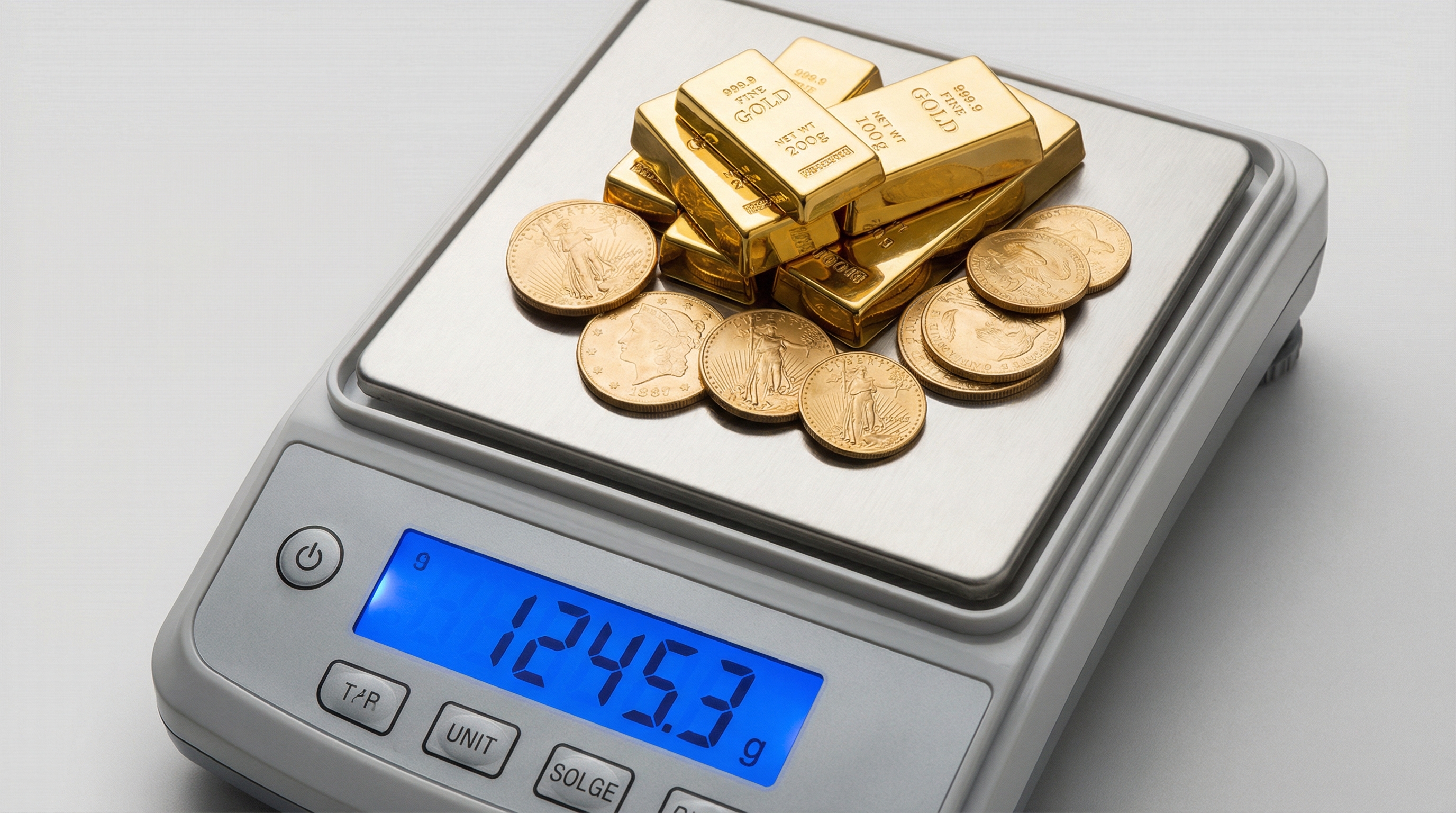
Calculating the spot price for 14k
Determining value begins with the 24K spot price. You must multiply the 24K price by 0.583 to find the specific 14K rate.
The bottom line?
- Purity stays constant at 58.3%.
- Weight is measured in grams or troy ounces.
- Calculations must be updated daily.
Daily market fluctuations explained
The global economy directly dictates your inventory’s worth. Political instability or inflation often causes the price of gold to spike suddenly.
Here’s the catch:
- Rates change every few minutes during trading.
- Most dealers use the “London Fix” as a benchmark.
- High volatility requires frequent price adjustments.
Why custom jewelry boxes impact final price
While raw gold has a set price, the retail markup depends on presentation. Luxury packaging creates a psychological “premium” that allows you to charge more than the melt value.
Think about it:
- Premium boxes justify higher retail margins.
- Branding increases the perceived rarity of gold.
- YiXin custom jewelry boxes protect your brand’s reputation.
Key Takeaway: Raw material value is only the baseline; market timing and presentation dictate your actual profit.
| Unit | Estimated Value | Analysis | |
|---|---|---|---|
| 1 Gram | $58.83 | Baseline for scrap calculations. | |
| 1 Troy Ounce | $1,828.66 | Wholesale benchmark for bulk buying. |
How much is 14k gold worth based on purity?
Purity is the single most important variable when asking how much is 14k gold worth in any market. Since it contains 14 parts gold and 10 parts alloy, it offers the perfect balance of intrinsic value and physical durability.
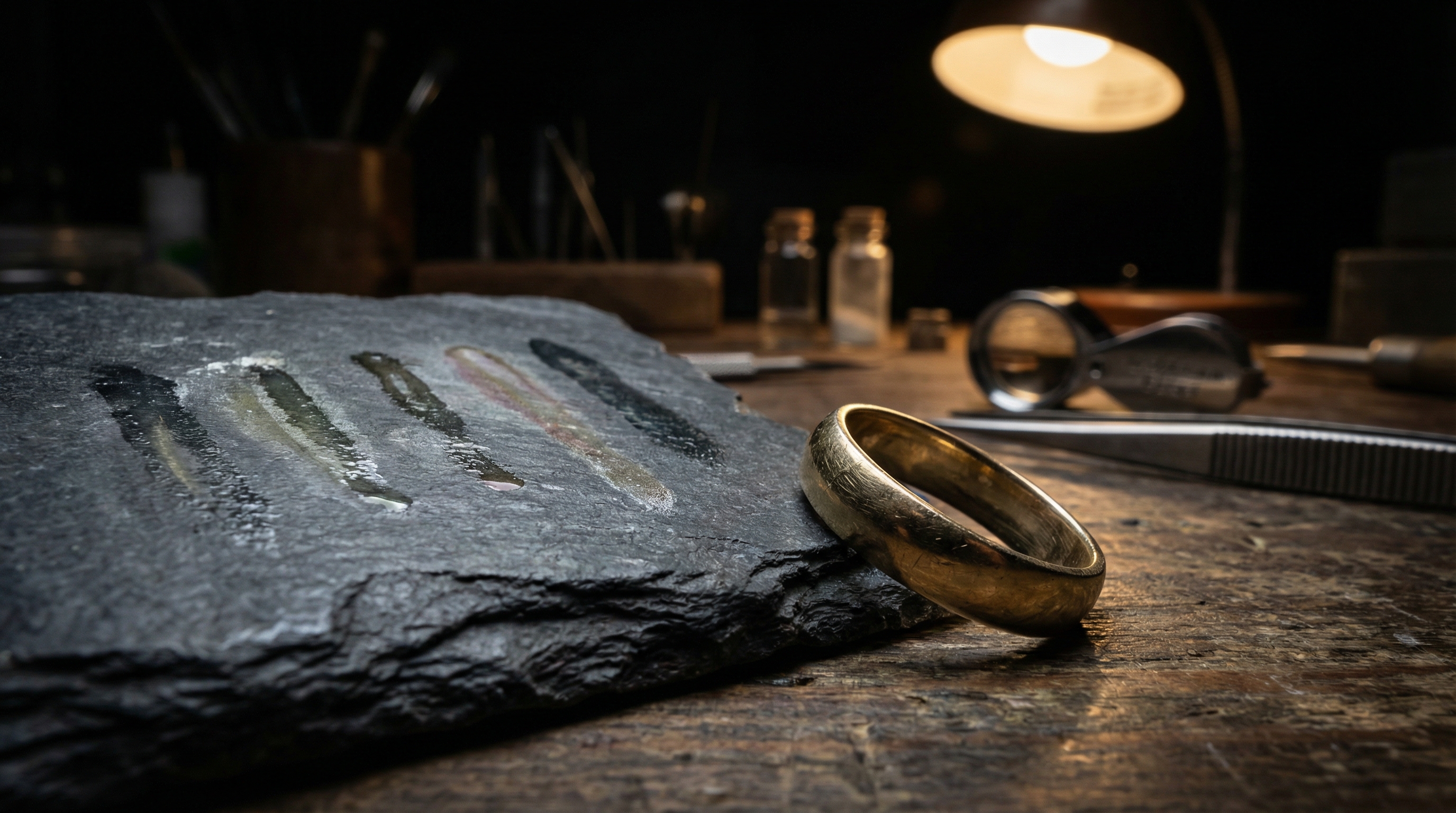
The 58.3% gold purity standard
14K gold is defined by its 58.3% gold content. The remaining 41.7% consists of metals like copper, silver, or zinc to provide strength.
It gets better:
- Purity is verified by professional assaying.
- Alloyed gold is more resistant to scratches.
- 58.3% is the legal threshold for 14K in the US.
Understanding the 585 hallmark
European and international manufacturers often use the “585” stamp instead of “14K.” This number explicitly refers to the 585 parts of gold per 1,000 parts of alloy.
The bottom line?
- 585 and 14K are functionally identical in value.
- Hallmarks are essential for consumer confidence.
- Stamps prevent fraud during wholesale transactions.
Comparison of alloy durability
The alloys mixed into 14K gold do not add to the intrinsic gold value but do add lifespan. Consumers value 14K because it doesn’t bend as easily as 24K or 18K.
Here’s why:
- Higher durability means fewer repairs for your shop.
- Alloy composition determines the final metal color.
- Customers prefer 14K for daily-wear wedding bands.
Key Takeaway: Purity determines the financial floor, but the alloyed strength makes it the most marketable gold variant.
| Karat | Gold % | Commercial Use | |
|---|---|---|---|
| 14K | 58.3% | Everyday fine jewelry (rings, earrings). | |
| 18K | 75.0% | Luxury high-end bridal sets. |
How much is 14k gold worth in different colors?
The color of the gold does not typically change the melt value of the piece. Whether you are holding yellow, white, or rose gold, the gold content remains at 58.3%.
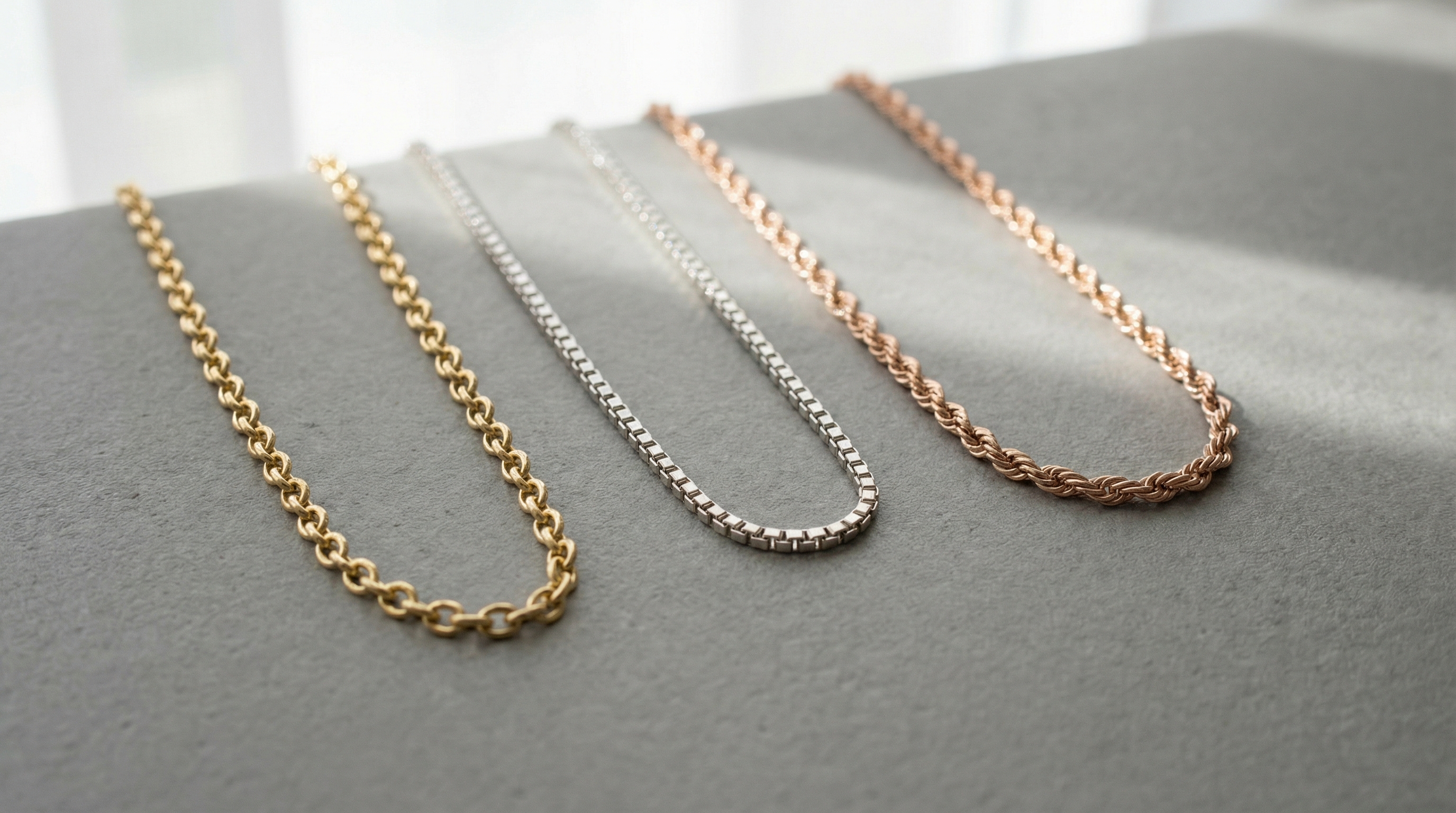
White gold vs yellow gold values
White gold uses nickel or palladium alloys, while yellow gold uses silver and copper. Despite the different additives, the price per gram remains identical based on gold weight.
And the best part?
- White gold often requires rhodium plating.
- Yellow gold is the most classic “investment” look.
- Both colors sell for the same scrap price.
The rose gold copper alloy factor
Rose gold gains its signature pink hue from a high copper content. While copper is inexpensive, the 14K gold within the alloy still carries the same market weight.
Think about it:
- Fashion trends drive rose gold demand.
- Copper content makes rose gold very durable.
- Valuation is strictly based on the 58.3% gold.
Finding the perfect necklace box for colors
Displaying different gold colors requires contrast to highlight their specific brilliance. A deep green or black velvet necklace box can make yellow or white gold pop significantly.
Here is the secret:
- Darker inserts enhance the warmth of rose gold.
- Protective padding prevents rhodium wear on white gold.
- Proper presentation can increase retail price by 20%.
Key Takeaway: Material value is color-blind, but consumer demand varies by trend; use packaging to capitalize on current styles.
| Color | Alloy Mix | Market Perception | |
|---|---|---|---|
| Yellow | Copper & Silver | Classic, high-value look. | |
| Rose | High Copper | Trendy, romantic, durable. |
How much is 14k gold worth at retail versus scrap?
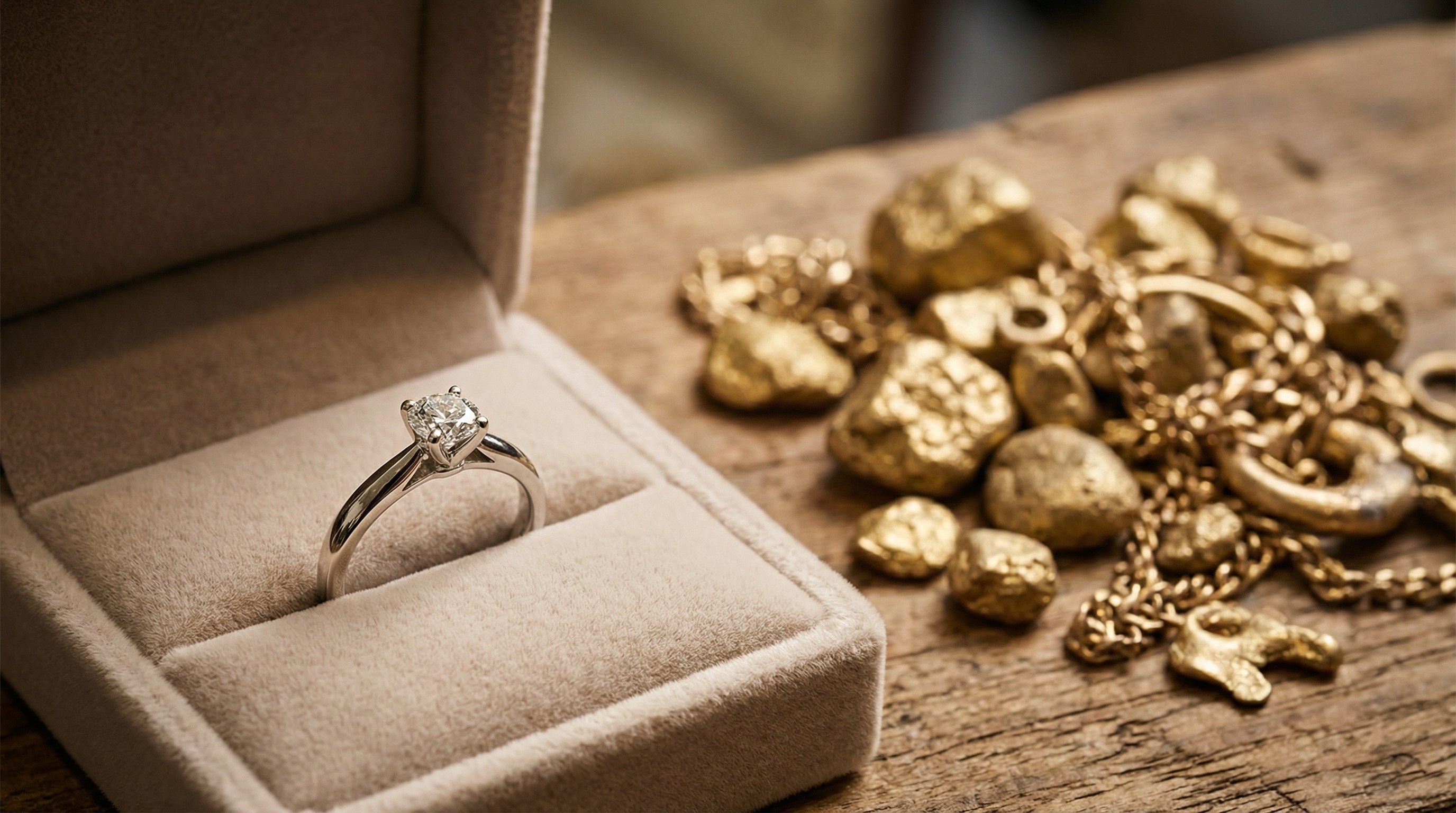
Retail prices are always higher than scrap values due to manufacturing, marketing, and design labor. When you calculate how much is 14k gold worth , you must distinguish between the raw metal and the finished product.
Why brand markup changes everything
Designer jewelry often carries a markup of 300% or more over the gold content. Customers pay for the brand name and the unique aesthetic of the piece.
Here’s why:
- Branded items retain value better in resale.
- Storytelling adds intangible value to the metal.
- Retailers must justify markups through service.
Understanding the melt value formula
Melt value is what a refinery pays for the gold content regardless of design. It is the absolute minimum price any gold item should ever be sold for.
The bottom line?
- Melt value = Weight × 0.583 × Spot Price.
- It ignores labor, gems, and brand history.
- Use this as your baseline for buying inventory.
Craftsmanship and design premiums
Intricate filigree or hand-engraved details add “artistic value” to gold. Retailers who highlight craftsmanship can command much higher prices than those selling plain bands.
It gets better:
- Handmade gold pieces are viewed as investments.
- High-quality finish reduces “scrap” perception.
- Design complexity attracts a wealthier clientele.
Key Takeaway: Always price your retail items based on design and brand, using melt value only as a safety floor.
| Price Type | Typical Markup | Target Customer | |
|---|---|---|---|
| Scrap | 60% – 90% of Melt | Investors/Refiners | |
| Retail | 200% – 500% of Melt | Gift buyers/Luxury consumers |
How much is 14k gold worth for 10g or 20g items?
Large items like thick chains or heavy rings carry substantial intrinsic value. For a 10g 14K piece, the raw material alone is worth nearly $600 at current market peaks.
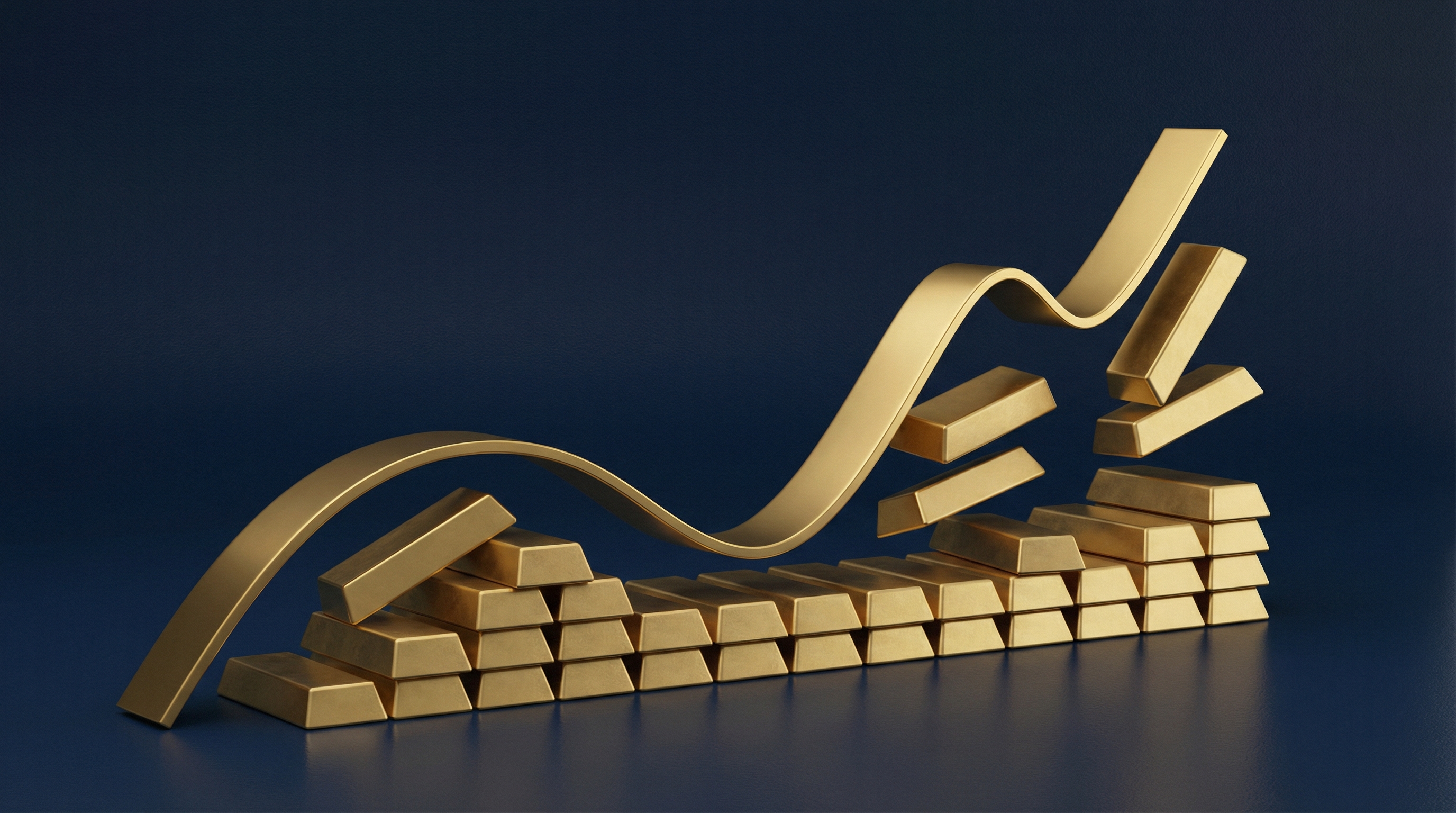
Estimating a standard 14k ring box weight
Rings vary in weight, but a solid 14K men’s band typically weighs between 6g and 10g. Packaging these in a high-quality ring box ensures they feel substantial to the buyer.
Think about it:
- Heavier rings feel more “luxurious” to customers.
- Weight is the first thing a buyer notices.
- Small weight variations significantly change price.
Wholesale calculations for bulk items
Wholesalers often deal in kilograms of gold, where even a tiny price shift matters. You must calculate the total gold weight across your entire bulk order to ensure profitability.
Here’s the catch:
- Bulk buying often lowers the “premium” per gram.
- 100g of 14K gold contains 58.3g of pure gold.
- Accurate scales are mandatory for bulk trade.
Example price table for common weights
Providing customers with a price-per-weight reference builds transparency. It helps them understand why a thicker bracelet costs twice as much as a thin one.
It gets better:
- Clear pricing reduces customer negotiation time.
- Weight transparency builds long-term brand trust.
- Standardized weights simplify inventory management.
Key Takeaway: Weight is the most objective measure of value; always use certified scales to confirm your inventory’s worth.
| Weight (14K) | Raw Gold Value | Recommended Retail | |
|---|---|---|---|
| 10 Grams | ~$588.30 | 1,200−1,800 | |
| 20 Grams | ~$1,176.60 | 2,400−3,500 |
How much is 14k gold worth compared to 18k gold?
18K gold contains roughly 28% more pure gold than 14K. This purity gap makes 18K more expensive and softer, changing how much is 14k gold worth in comparison to high-end alternatives.
Purity gaps and price differences
18K gold is 75% pure, resulting in a higher price per gram. For many consumers, 14K is the “smart” choice because it costs less while looking nearly identical.
The bottom line?
- 18K gold is currently ~$75.60 per gram.
- 14K is roughly 22% cheaper for the retailer.
- Price gaps allow for broader customer targeting.
Choosing the right alloy for your brand
If your brand focuses on durability and value, 14K is the superior choice. If you target the ultra-luxury market, 18K may be required to meet prestige expectations.
Here’s why:
- 14K is preferred for “everyday” fashion jewelry.
- 18K is seen as more “exclusive” and prestigious.
- Most US consumers cannot see the color difference.
Why 14k remains the US market leader
American shoppers prioritize wearability and cost-effectiveness. 14K gold dominates the market because it withstands the rigors of modern life better than pure gold.
Think about it:
- Higher alloy content prevents prong failure.
- 14K is the standard for North American bridal.
- Resale markets for 14K are extremely active.
Key Takeaway: 14K offers the best profit-to-durability ratio for retailers aiming at the mass-affluent market.
| Feature | 14K Gold | 18K Gold | |
|---|---|---|---|
| Gold Content | 58.3% | 75.0% | |
| Durability | High (Harder) | Moderate (Softer) |
How much is 14k gold worth if it has no stamps?
Jewelry without a hallmark is often referred to as “unmarked” gold. Its value is still tied to the gold content, but it requires professional testing to prove it is 14K.

Professional acid testing methods
Acid testing involves scratching the gold on a stone and applying nitric acid. If the scratch remains, the gold purity is confirmed for that specific karat level.
The bottom line?
- It is the most common “pawn shop” test.
- Accuracy depends on the jeweler’s experience.
- It verifies that the piece isn’t just plated.
Electronic testers for retail stores
Electronic gold testers measure the conductivity of the metal to determine karat. They are non-destructive and provide a digital reading within seconds.
It gets better:
- Faster than acid for high-volume buying.
- High accuracy reduces the risk of buying fakes.
- Professional appearance builds customer trust.
Secure earring box presentation tips
Small items like earrings are the most likely to lose their stamps due to size. Using a custom earring box with a branded authenticity card can replace the need for a physical stamp.
Here’s the catch:
- Certification cards prove value when stamps fail.
- Branded packaging replaces the “unmarked” stigma.
- Secure inserts keep small gold items from being lost.
Key Takeaway: Don’t dismiss unstamped gold; verify its purity with tools to uncover hidden value in your stock.
| Test Method | Accuracy | Cost to Retailer | |
|---|---|---|---|
| Acid Stone | Moderate | Low (50) | |
| XRF Analyzer | Very High | High (15k) |
How much is 14k gold worth when sold to a dealer?
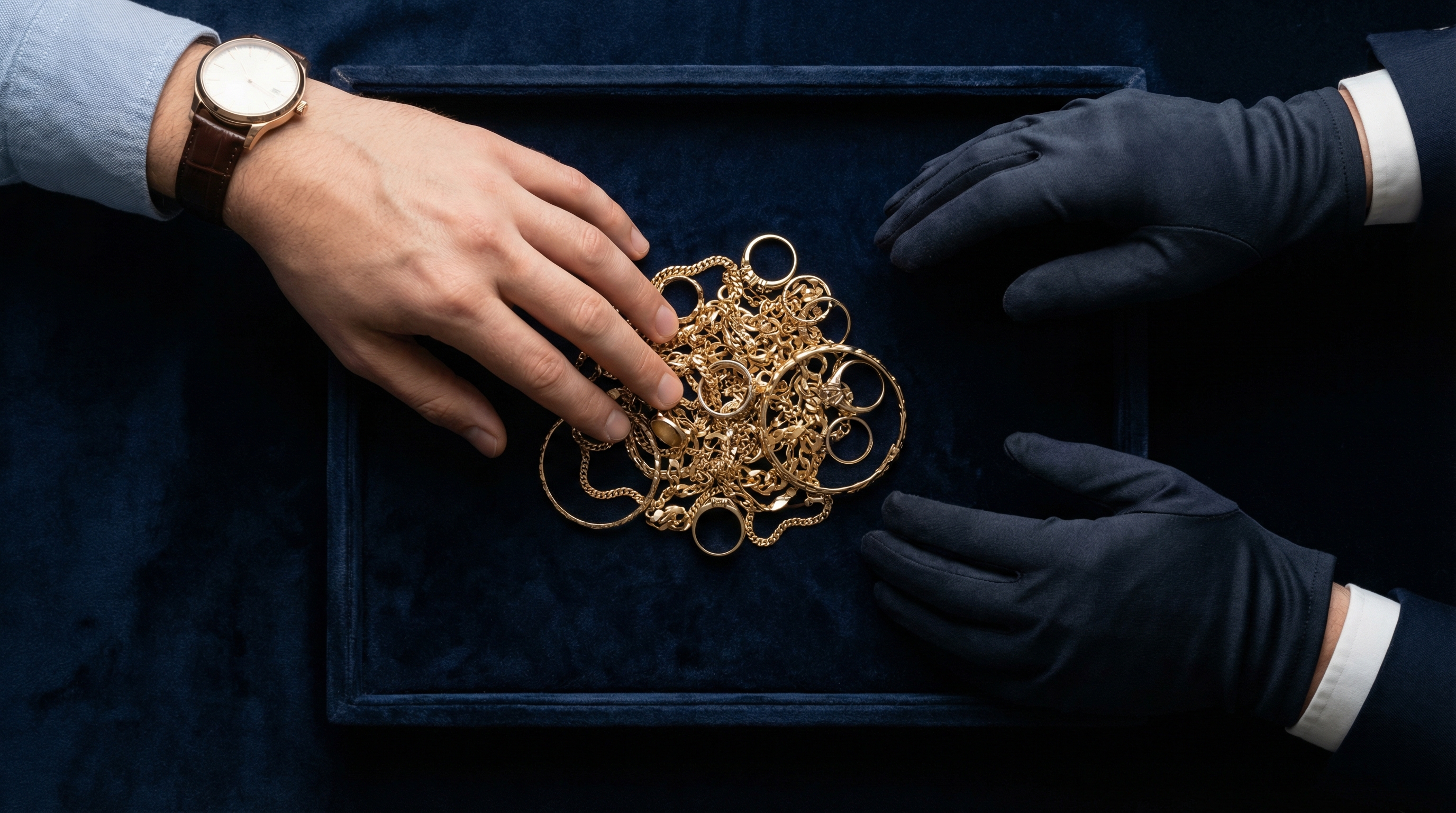
Dealers never pay the full spot price when you are selling how much is 14k gold worth back into the market. They must cover their refining costs and ensure a profit margin on the transaction.
Refinery payouts vs pawn shop offers
Refineries typically pay the highest rates because they process the gold directly. Pawn shops and local “we buy gold” kiosks often take a larger cut for the convenience.
Here’s why:
- Refineries pay 90-98% of melt value.
- Pawn shops may only offer 60-70%.
- Selling in bulk to refineries yields the best ROI.
How to negotiate your scrap value
Knowledge is power when dealing with gold buyers. Knowing the exact weight and current spot price prevents you from being lowballed.
The bottom line?
- Bring your own weight measurements to the deal.
- Watch the spot price on the day of sale.
- Ask about “refining fees” before handing over gold.
Transparency in gold buying transactions
Reputable dealers will weigh the gold in front of you and explain their percentage cut. Avoid any buyer who takes the jewelry to a “back room” for valuation.
Think about it:
- Transparency builds long-term business partnerships.
- Clear receipts are vital for tax and audit purposes.
- Trustworthy dealers help you liquidate dead stock.
Key Takeaway: Aim for refinery partnerships to capture the maximum percentage of your gold’s intrinsic value.
| Buyer Type | Typical Payout | Speed of Sale | |
|---|---|---|---|
| Refinery | 92% – 98% | Slow (Ship & Process) | |
| Local Dealer | 70% – 85% | Instant (Cash on Hand) |
How much is 14k gold worth in luxury packaging?
Presentation is the “multiplier” that turns raw gold into a luxury asset. A 500goldchaincaneasilyretail for 1,200 if the unboxing experience feels elite and exclusive.
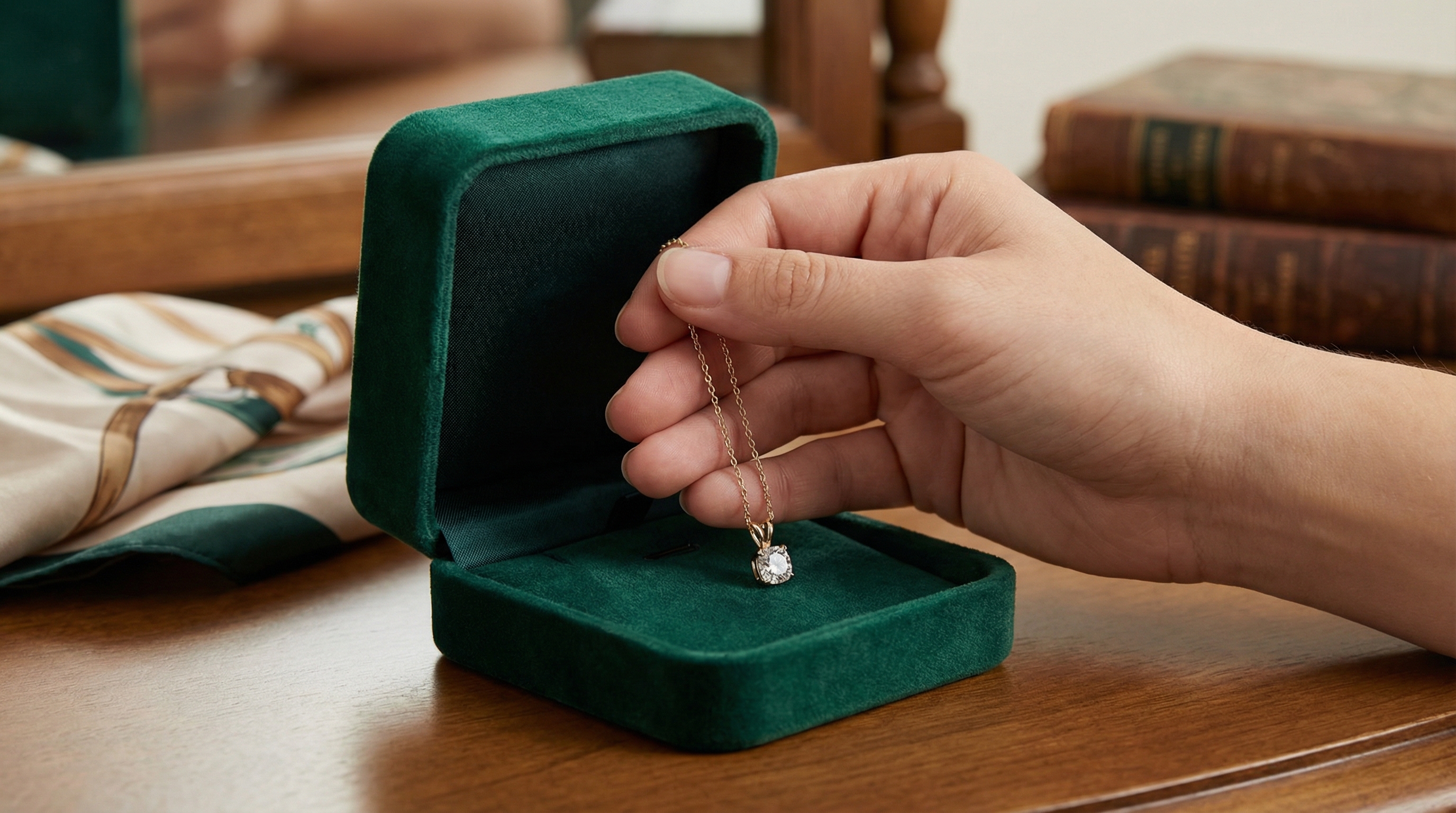
Elevating perceived value via unboxing
The moment a customer opens a box, they are deciding if the purchase was worth the price. High-density foam and velvet linings make the gold feel heavier and more valuable.
It gets better:
- Unboxing videos create free social media marketing.
- Tactile feedback (weight, texture) drives sales.
- Customers equate heavy boxes with “real” gold.
Branding your 14k gold collection
Custom logos and specific color schemes help customers identify your gold as a “signature” product. This builds brand equity that exists independently of the daily gold price.
Here’s the secret:
- Consistent branding allows for price stability.
- Logos on boxes prevent your gold from looking “generic.”
- A strong brand reduces customer price sensitivity.
Sustainable materials and consumer trust
Modern luxury buyers value eco-friendly packaging. Using recycled paper boxes for 14K gold appeals to the ethical concerns of Gen Z and Millennial shoppers.
Think about it:
- Sustainability is now a core luxury value.
- Eco-conscious brands can command a price premium.
- YiXin offers green solutions that don’t sacrifice style.
Key Takeaway: Invest in the box to protect the margin; luxury packaging is the most cost-effective way to increase retail price.
| Element | Effect on Value | Analysis | |
|---|---|---|---|
| Velvet Lining | +10% Perceived | Adds softness and luxury feel. | |
| Custom Logo | +15% Perceived | Establishes brand authority. |
How much is 14k gold worth as a fashion staple?
Gold has been a store of value for thousands of years, and 14K is no exception. Understanding how much is 14k gold worth as a long-term asset helps you sell it as a “smart purchase” to your clients.
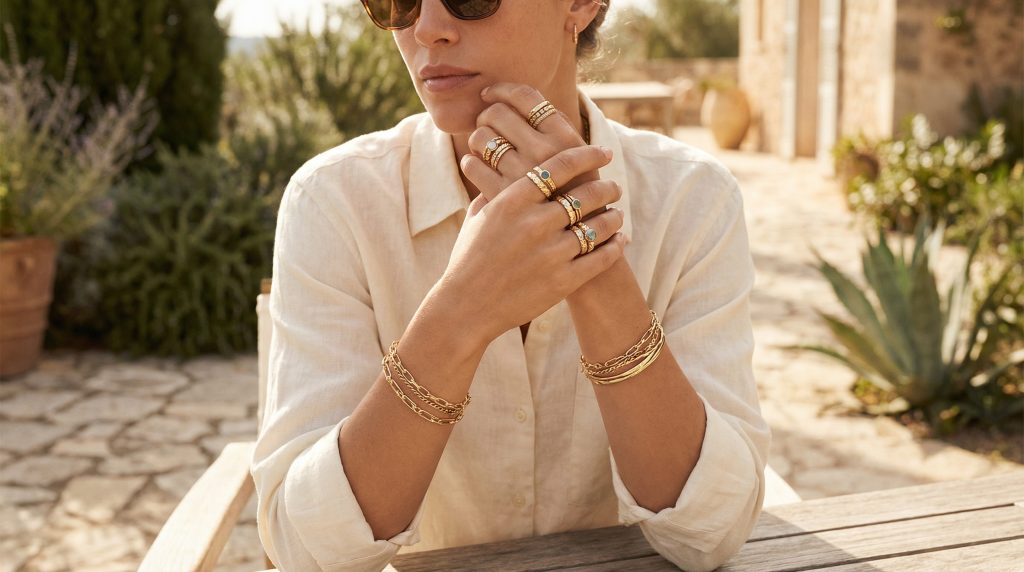
Resale trends in the secondary market
The secondary market for 14K gold is incredibly robust. Unlike costume jewelry, gold always has a buyer, providing customers with a sense of financial security.
The bottom line?
- Gold jewelry is a “liquid” fashion accessory.
- Classic designs hold their resale value best.
- Vintage 14K pieces often sell for above melt value.
Historical price growth of 14k gold
Over the last 20 years, gold has seen massive appreciation. A 14K ring purchased in 2004 is worth significantly more today simply due to metal inflation.
Here’s why:
- Gold acts as a hedge against currency drops.
- Limited supply ensures long-term price floors.
- Historical data supports gold as a safe haven.
Protecting your inventory for the future
Proper storage prevents gold from becoming dull or scratched, which maintains its “new” retail value. Air-tight packaging and soft pouches are essential for inventory longevity.
And the best part?
- Well-maintained stock requires no refurbishing.
- Protective boxes prevent accidental alloy tarnishing.
- Ready-to-wear inventory speeds up the sales cycle.
Key Takeaway: Position gold as a “wearable investment” to overcome customer hesitations about high retail prices.
| Era | Avg. Gold Price | Buying Power | |
|---|---|---|---|
| 2006 | ~$600/oz | Moderate | |
| 2026 | ~$2,100+/oz | Extreme |
Frequently Asked Questions
Can I sell 14K gold if it is damaged? Yes, damaged 14K gold retains its full “melt value” based on its weight and gold content. Refiners will simply melt the piece down, so its physical condition does not affect the material worth.
What’s the best way to clean 14K gold without lowering its value? Use a mild soap and warm water solution with a soft-bristled brush. Avoid harsh chemicals that could pit the alloy or remove decorative plating, which might reduce retail appeal.
Can I tell 14K gold apart from 10K by looking at it? It is difficult for the naked eye, but 14K gold usually has a richer, yellower hue than 10K. 10K gold often looks slightly paler because it contains more silver or zinc alloys.
What’s the best scale to use for weighing 14K gold? Always use a calibrated digital scale that measures to at least 0.01 grams. For professional trade, ensure the scale is “Legal for Trade” certified to meet local weights and measures regulations.
Can I increase the value of my 14K gold inventory through branding? Absolutely. By using premium custom packaging, you transition from selling a “commodity” to selling a “luxury product,” allowing you to increase your retail margins significantly.
To elevate your 14K gold collections with premium, factory-direct packaging, contact us today to start your custom project. Our mission is to empower jewelry brands by transforming standard packaging into high-value brand assets that drive global growth.