You have likely spent months perfecting your jewelry designs, but a single shipping mishap can ruin your brand’s reputation. When a customer opens a premium box only to find a tangled necklace or a scratched gemstone, the perceived value of your product plummets instantly. This “unboxing friction” leads to costly returns and negative reviews that are difficult to erase.
The solution lies in selecting the perfect jewelry box material for your internal inserts. High-quality inserts do more than just hold a piece; they provide structural security and a tactile experience that reinforces your brand’s luxury status. By optimizing your packaging interior, you transform a simple delivery into a memorable brand touchpoint.
Why Is Your Choice of Jewelry Box Material So Crucial?
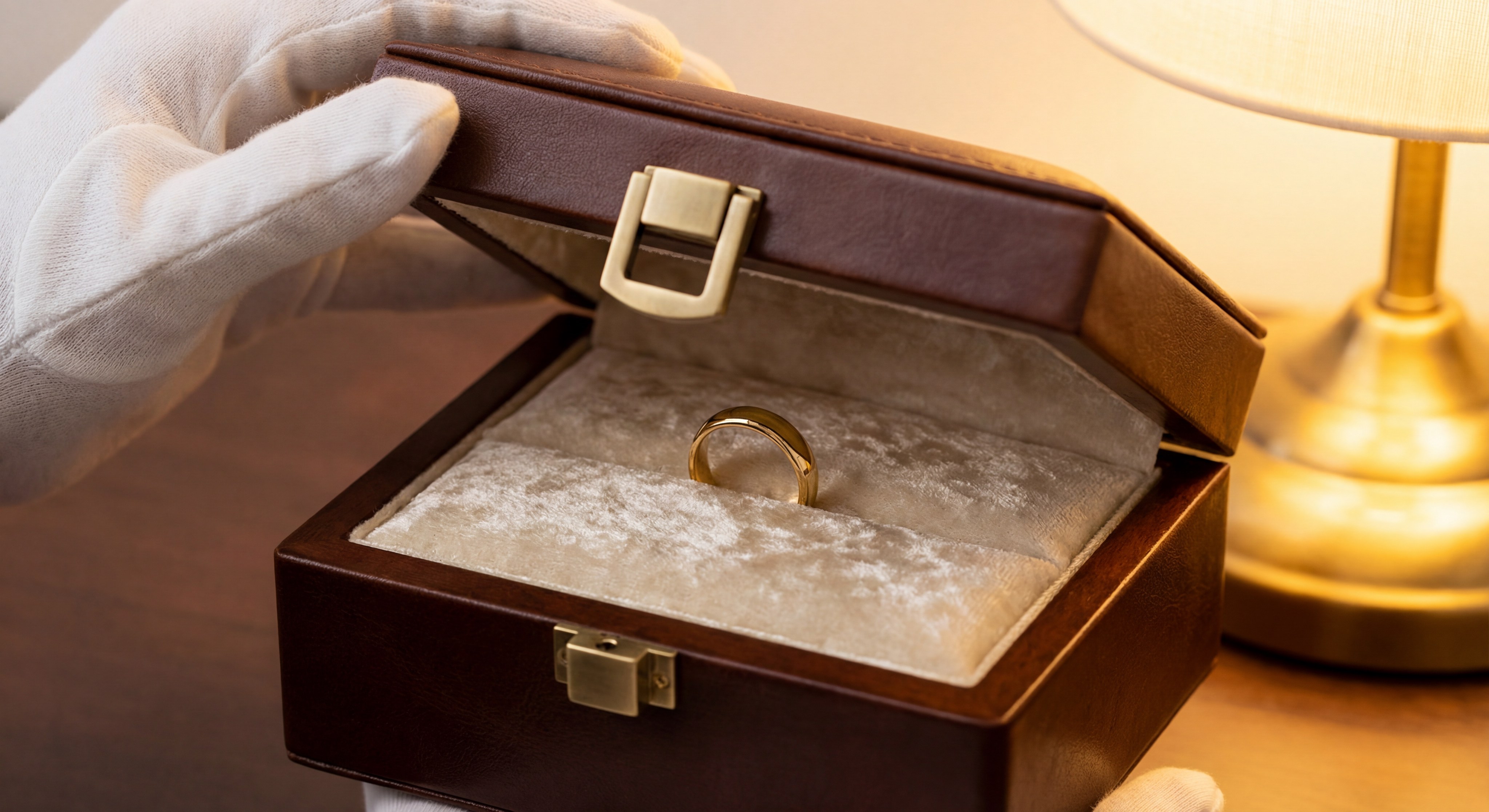
The internal jewelry box material you choose determines the first physical interaction your customer has with your product. If the insert feels flimsy or rough, the jewelry inside—no matter how expensive—feels cheaper by association. Strategic material selection ensures that your items stay centered and presented exactly as you intended during the design phase.
Impact on Product Protection
Inserts act as the primary shock absorber during the rigorous shipping process. They prevent delicate components from shifting, which minimizes the risk of metal-on-metal friction and stone displacement.
Elevating Brand Perception
A well-fitted insert creates a “wow” factor that justifies a premium price point. When the texture of the insert matches the quality of the jewelry, it builds immediate trust with your B2B clients and end consumers.
Key Takeaway: The right insert material bridges the gap between basic shipping protection and a high-end luxury unboxing experience.
| Benefit | Impact Level | Primary Goal | |
|---|---|---|---|
| Shock Absorption | High | Prevent Transit Damage | |
| Visual Alignment | Medium | Professional Presentation | |
| Tactile Quality | High | Brand Trust Building |
Which Jewelry Box Material Works Best for Ring Slots?
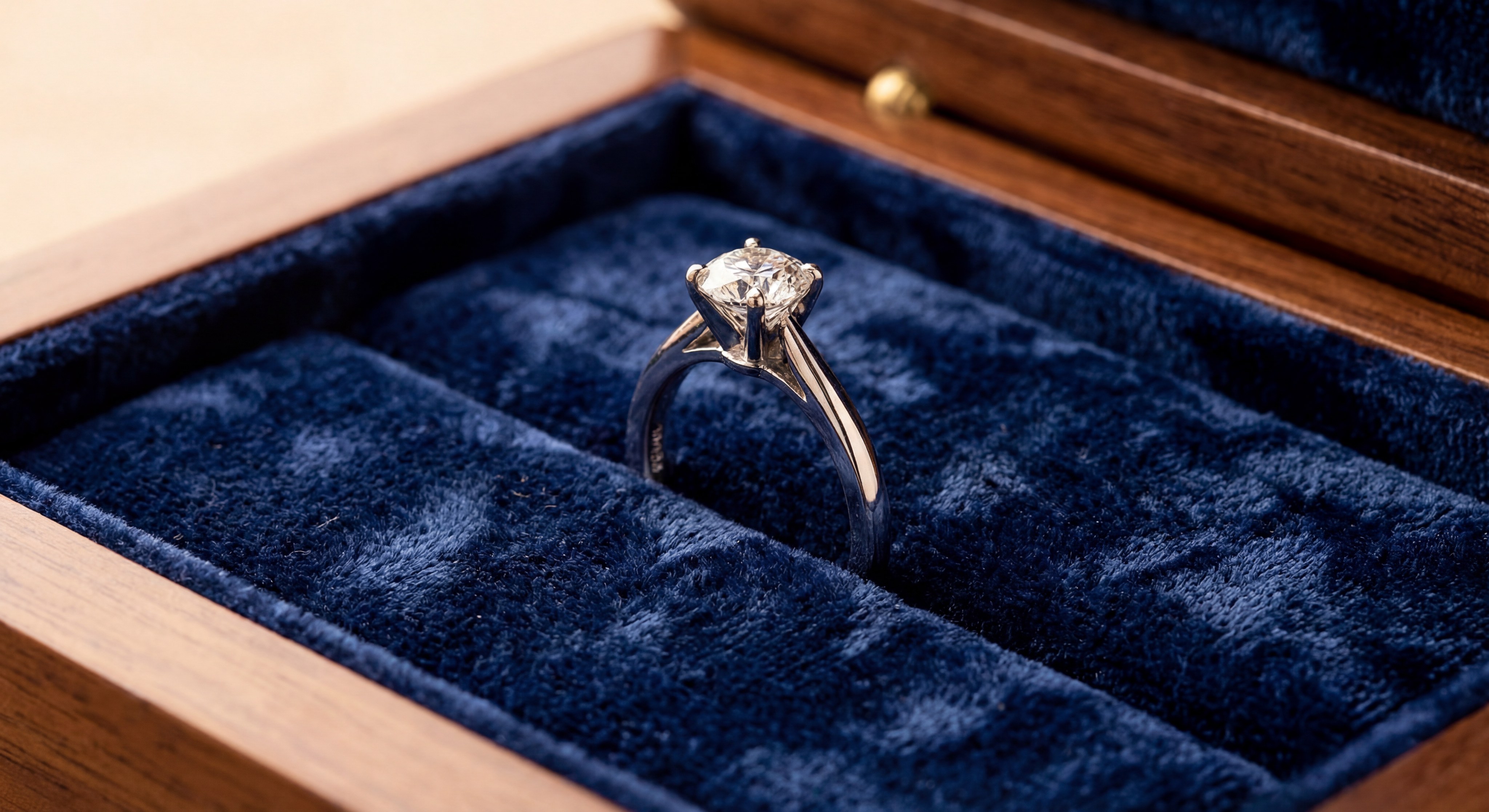
Rings require a specific type of tension to remain upright and visible. Using a high-density foam or a velvet-wrapped plastic core ensures the ring doesn’t flop over during transit. This specific use of jewelry box material allows for a “presentation-ready” look the moment the lid is lifted.
Foam Slotted Inserts
Precision-cut foam slots offer excellent grip for various band widths. This material is cost-effective for high-volume retailers while maintaining a clean, modern aesthetic.
Luxury Velvet Rolls
For engagement and high-jewelry lines, velvet rolls provide a classic, plush environment. They offer superior soft-touch protection and are often favored for their traditional luxury appeal.
Key Takeaway: Secure ring placement depends on the density of the insert, ensuring the gemstone remains the focal point upon opening.
| Insert Type | Best For | Durability | |
|---|---|---|---|
| Slotted Foam | Fashion Rings | High | |
| Velvet Rolls | Fine Jewelry | Premium | |
| H-Slots | Stackable Rings | Versatile |
How Does Jewelry Box Material Affect Earring Safety?
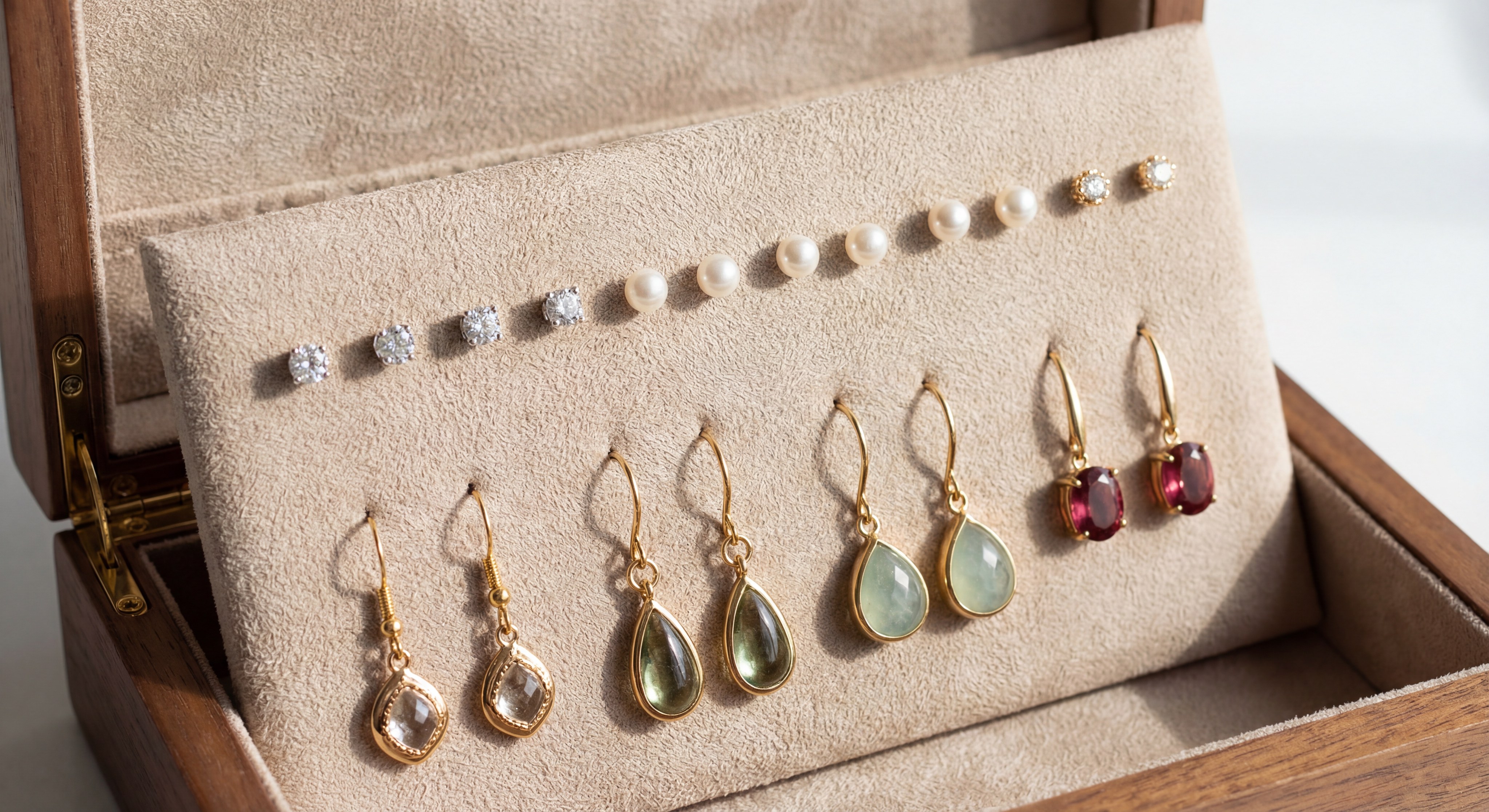
Earrings are notoriously easy to lose or damage if the jewelry box material doesn’t provide enough friction for the posts. Padded boards with pre-pierced holes are the industry standard for ensuring pairs stay together. Without these dedicated spots, earrings can bounce around the box, leading to scratches on the metal surfaces.
Padded Earring Boards
These boards utilize a thin layer of foam covered in microfiber or velvet to hold studs and hoops securely. They provide a flat, organized canvas that allows the customer to see the symmetry of the design instantly.
Structural Stability for Drop Earrings
For longer designs, inserts must include specialized “T-bar” cuts or hooks. This prevents the earrings from swaying and tangling with one another during the shipping cycle.
Key Takeaway: Pre-pierced inserts are essential for keeping earring pairs organized and preventing surface-level abrasions.
| Feature | Stud Earrings | Drop Earrings | |
|---|---|---|---|
| Holder Type | Pierced Hole | Vertical Hook | |
| Material | Velvet Board | Rigid Plastic/Foam | |
| Spacing | Tight Pair | Wide Clearance |
Can Jewelry Box Material Prevent Necklace Tangling?
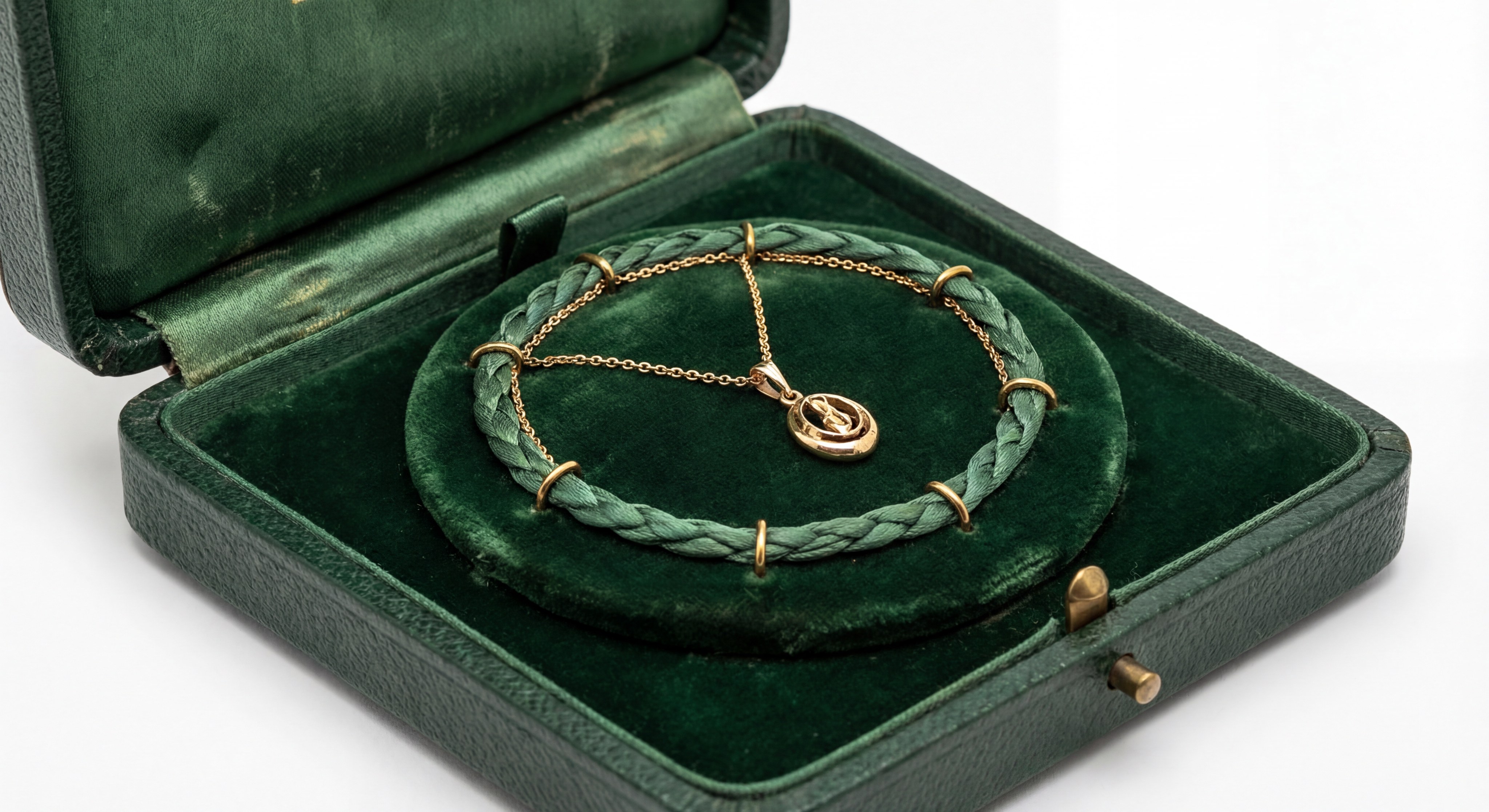
Tangled chains are the leading cause of customer dissatisfaction in the jewelry industry. By utilizing a jewelry box material that incorporates hooks or hidden compartments, you can keep chains taut and separate. This specialized design ensures that the necklace is ready to wear the moment it is removed from the box.
Hooks and Grooves for Tension
High-quality necklace inserts feature top-corner notches that hold the chain in place using tension. This prevents the pendant from sliding to the bottom of the box and nesting into a knot.
Anti-Tarnish Fabric Linings
Many necklace inserts now feature anti-tarnish treatments within the fabric. This is especially important for sterling silver items that may sit in a warehouse for extended periods before reaching the customer.
Key Takeaway: Tension-based inserts are the only reliable way to prevent the “nesting” effect that leads to chain knots.
| Solution | Mechanism | Efficiency | |
|---|---|---|---|
| Corner Slits | Tension Grip | High | |
| Hidden Pocket | Chain Storage | Maximum | |
| Elastic Ties | Fixed Position | Medium |
Is Watch Security Tied to the Jewelry Box Material?
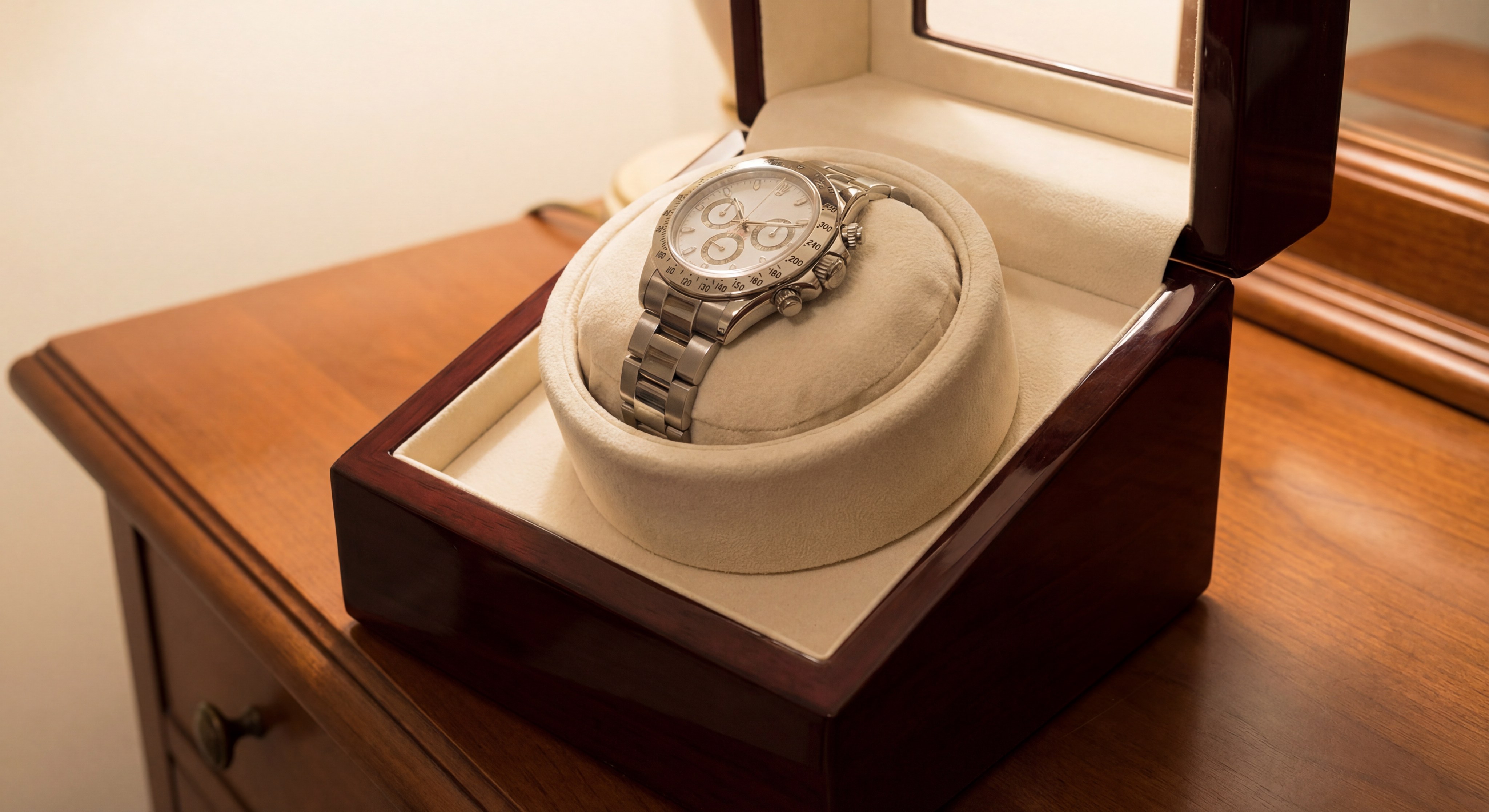
Watches are heavy and delicate, requiring a jewelry box material that can support significant weight without deforming. A rigid C-clip or a plush pillow is necessary to maintain the shape of the leather or metal band. If the insert collapses, the watch movement can be subjected to harmful vibrations during transit.
Pillow Support Systems
Watch pillows are typically filled with soft cotton or high-resilience foam. They expand to fill the watch band, ensuring the piece stays centered within the box regardless of its orientation.
Durable Linings for Heavy Pieces
The exterior of the watch insert must be abrasion-resistant. Materials like PU leather or heavy-duty suede are preferred because they don’t pill or shed fibers into the delicate watch mechanics.
Key Takeaway: Rigid structural support is mandatory for watches to prevent movement-related damage and band deformation.
| Component | Preferred Material | Purpose | |
|---|---|---|---|
| Pillow Core | HR Foam | Shape Retention | |
| Surface | PU Leather | Scratch Resistance | |
| Base | Rigid Board | Impact Protection |
Why Select High-Density Jewelry Box Material for Bangles?

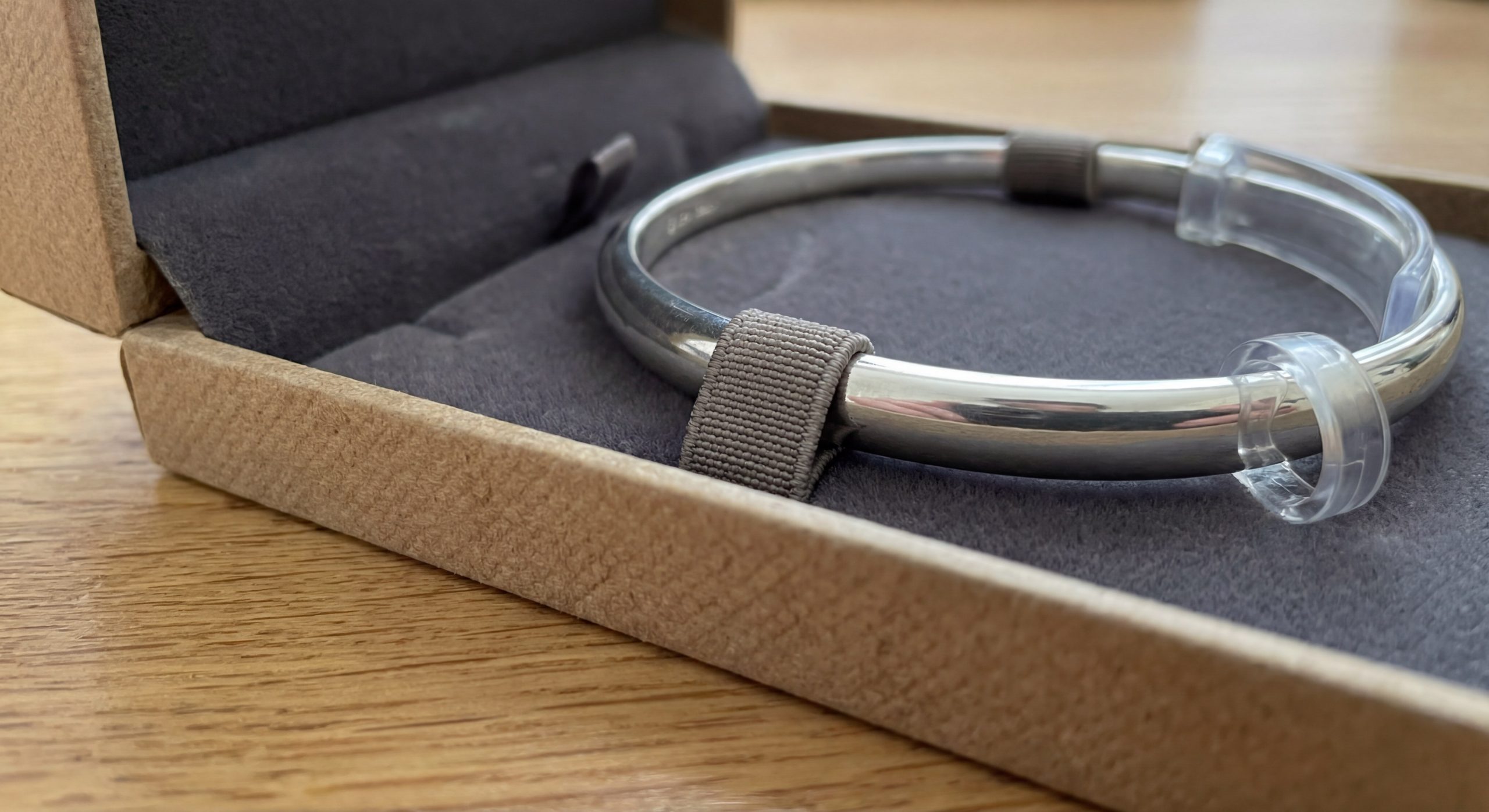
Bangles and rigid bracelets require a jewelry box material that prevents them from rattling. High-density foam inserts with a circular “C-clip” cutout provide the necessary grip to keep the jewelry stationary. This prevents the metal from clashing against the box walls, which can cause dents or scuffs.
C-Clip Holders for Display
These rigid holders allow the bangle to be displayed vertically. This creates a more dynamic visual for the customer and mimics the way jewelry is presented in high-end retail showcases.
Protective Padding for Soft Bracelets
Chain bracelets require flat pads with end-snaps or elastic loops. These keep the bracelet laid out flat, highlighting the craftsmanship of the links and preventing the clasp from scratching the rest of the piece.
Key Takeaway: High-density materials are required for bangles to ensure the heavy metal doesn’t shift or damage the outer packaging.
| Bracelet Type | Insert Style | Material Priority | |
|---|---|---|---|
| Rigid Bangle | C-Clip | Structural Rigidity | |
| Tennis Bracelet | Snap Pad | Soft Lining | |
| Charm Bracelet | Deep Recess | Impact Cushioning |
How Do Textures Differ in Every Jewelry Box Material?
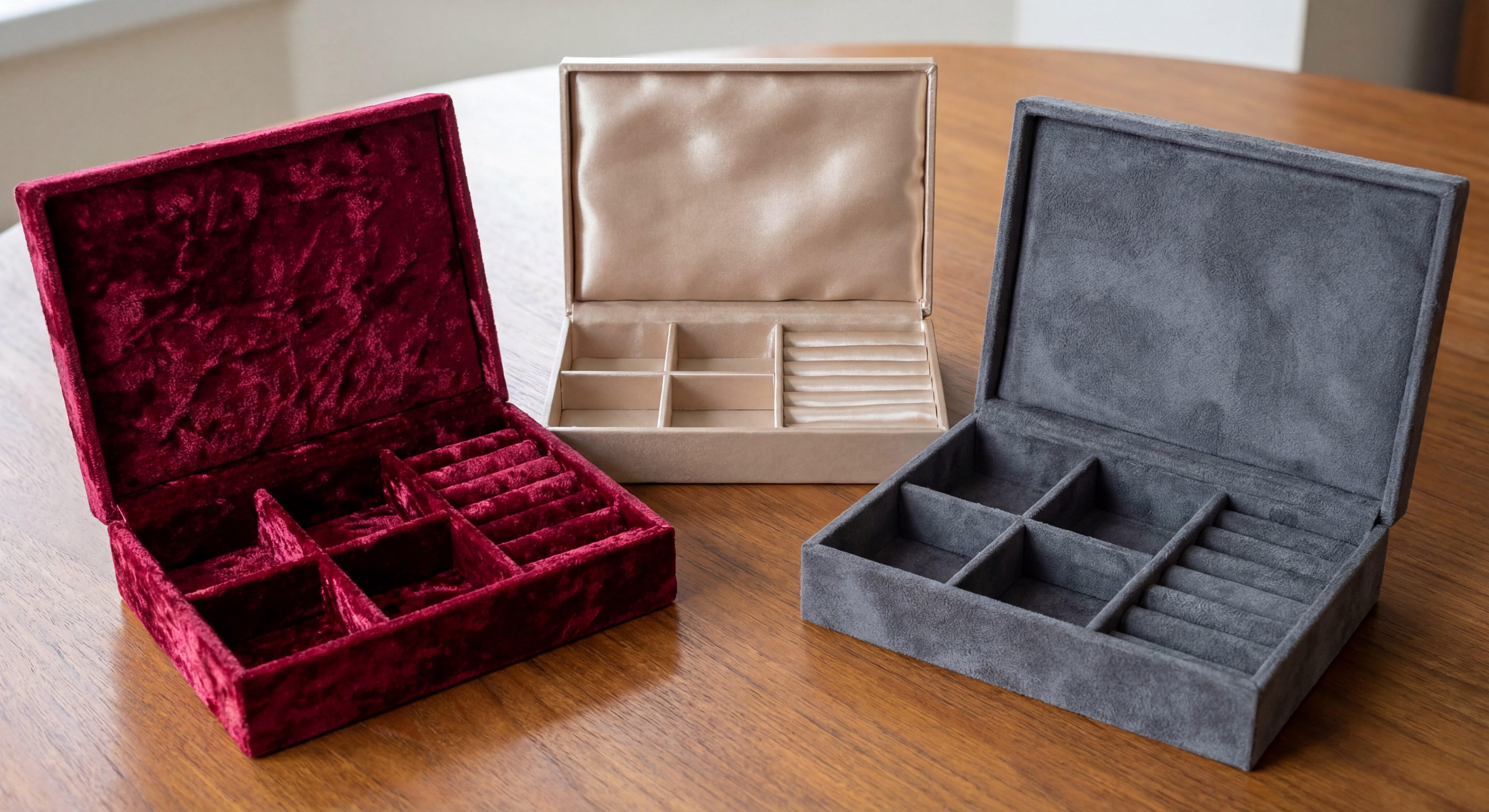
Texture plays a massive role in the psychological “perceived value” of your products. Choosing the right jewelry box material involves deciding between the classic sheen of velvet or the modern, sleek feel of microfiber. Each texture sends a different message to your customer about the price point and style of your brand.
Velvet vs. Suede
Velvet provides a deep, rich color profile and traditional luxury feel. Suede, or faux-suede (microfiber), offers a more contemporary, matte look that is often easier to clean and more durable over time.
Satin and Silk Linings
For extremely high-end items, silk or satin can be used for a fluid, elegant drape. However, these materials offer less friction and may require additional foam backing to keep jewelry from sliding.
Key Takeaway: Match your insert texture to your brand identity; velvet for classic luxury and microfiber for modern sophistication.
| Texture | Visual Vibe | Practicality | |
|---|---|---|---|
| Velvet | Traditional | Medium | |
| Suede/Microfiber | Contemporary | High | |
| Satin | Formal | Low |
Is Eco-Friendly Jewelry Box Material Durable Enough?
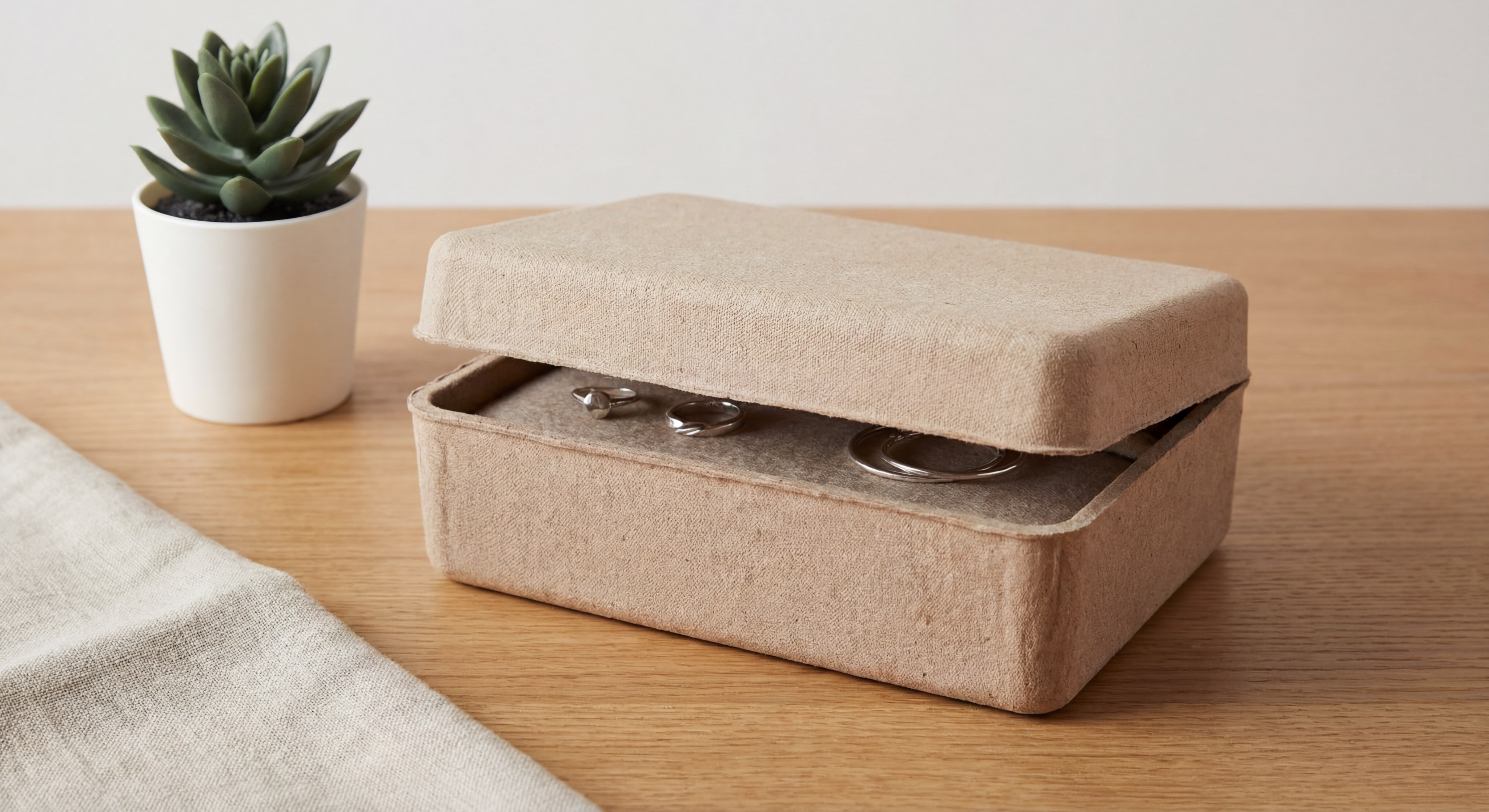
Sustainability is no longer optional in the B2B jewelry space. Modern jewelry box material innovations include molded paper pulp and recycled cardboard inserts that match the durability of plastic. These options appeal to the eco-conscious consumer without sacrificing the safety of the jewelry inside.
Recycled Paper Pulp Inserts
Molded pulp can be custom-contoured to fit any jewelry shape perfectly. It provides a surprisingly rigid structure that is fully biodegradable and recyclable, reducing your brand’s carbon footprint.
FSC-Certified Paperboard
Using certified paperboard ensures that your packaging supports responsible forestry. These inserts can be finished with soy-based inks to maintain a premium look while remaining environmentally friendly.
Key Takeaway: Sustainable materials can now match the protective qualities of traditional plastics, satisfying both safety and environmental needs.
| Material | Eco-Status | Durability | |
|---|---|---|---|
| Molded Pulp | Biodegradable | High | |
| Recycled Paper | Recyclable | Medium | |
| Bamboo Fiber | Renewable | High |
How to Balance Cost and Style for Jewelry Box Material?
Managing your margins requires a careful analysis of jewelry box material costs versus the visual impact. You don’t always need the most expensive material to achieve a high-end look. Strategic use of “flocked” foam can provide the appearance of velvet at a fraction of the price for high-volume orders.
Budget-Friendly Foam Options
Standard PU foam is highly versatile and can be die-cut into complex shapes. By adding a thin layer of velvet flocking, you achieve the luxury look of a premium insert while keeping manufacturing costs low.
Premium Leatherette and Suede
For luxury tiers, investing in PU leather or genuine suede is worth the cost. These materials last longer and can be repurposed by the customer as a permanent storage solution, increasing brand loyalty.
Key Takeaway: Use flocked foam for cost-efficiency in mass-market lines, and reserve genuine fabrics for your premium collections.
| Price Tier | Material Choice | Brand Message | |
|---|---|---|---|
| Economy | Flocked Foam | Value + Care | |
| Mid-Range | Microfiber/Cardboard | Quality + Style | |
| Luxury | Leatherette/Velvet | Exclusivity + Craft |
What Is the Future Trend for Jewelry Box Material?
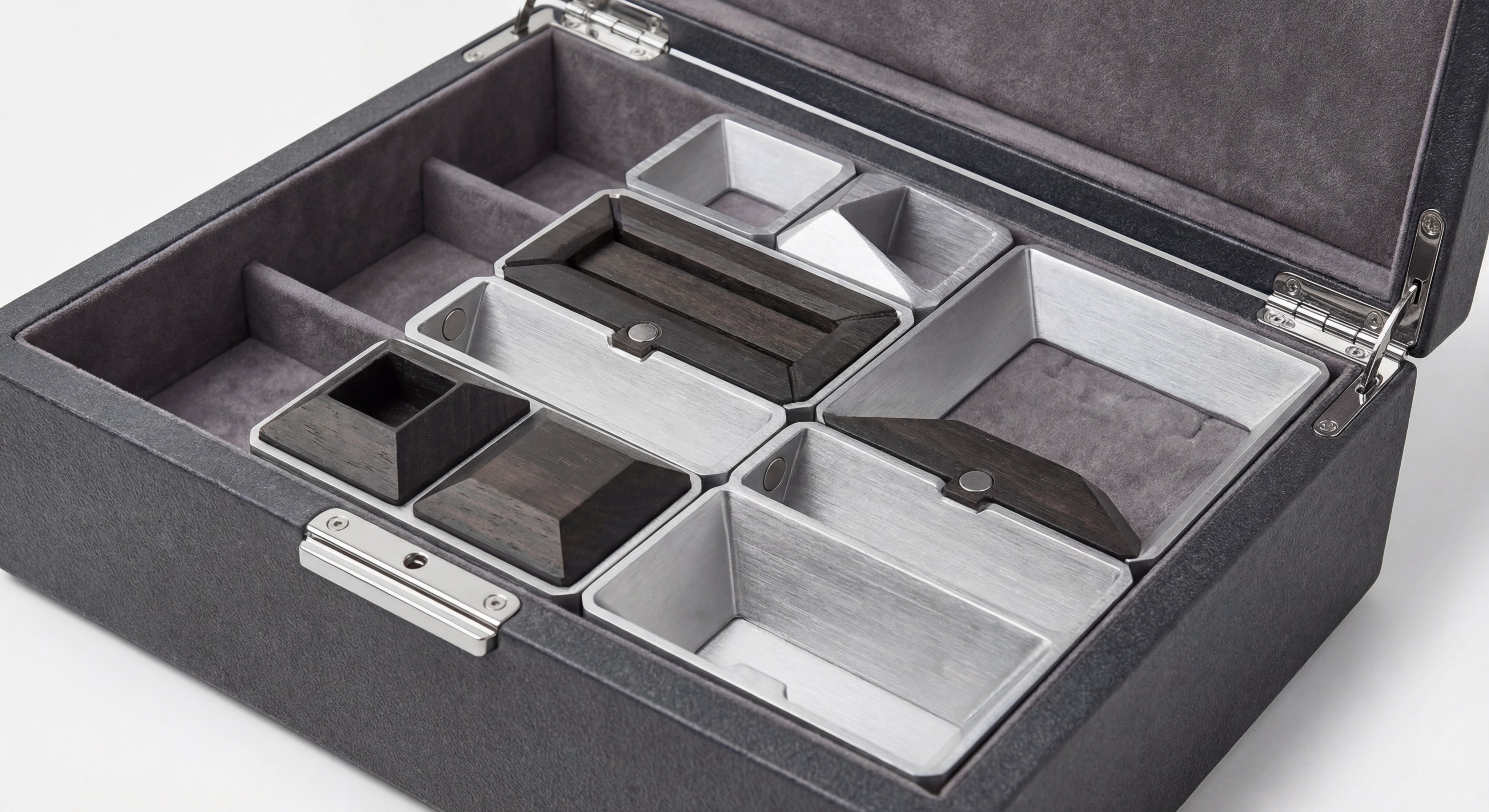
The industry is moving toward “multi-use” and modular jewelry box material designs. Customers increasingly want packaging that doesn’t just end up in the trash but serves as a long-term organizer. Inserts that can be removed and placed into a home jewelry chest are becoming a major selling point.
Modular and Adaptable Designs
Future inserts will feature removable sections that allow customers to customize their storage. This flexibility increases the lifespan of the packaging and keeps your brand in front of the customer for years.
Smart Packaging Integration
We are seeing the rise of NFC-enabled inserts that, when scanned, provide authenticity certificates or care instructions. This high-tech approach to material design adds a layer of modern security and engagement.
Key Takeaway: The future of inserts lies in modularity and digital integration, turning the box into a long-term asset for the consumer.
| Trend | Benefit | Implementation | |
|---|---|---|---|
| Modularity | Longevity | Removable Trays | |
| Tech-Integration | Authenticity | NFC Chips | |
| Monomaterials | Easy Recycling | Single-Source Paper |
Conclusion
The right jewelry box insert is the unsung hero of your brand’s unboxing experience. It serves as the final barrier against damage and the first indicator of quality. By carefully selecting your materials based on the specific needs of rings, necklaces, and watches, you ensure that every customer receives their purchase in pristine condition.
If you are ready to elevate your packaging strategy and secure your products with world-class materials, we are here to help. Our team specializes in custom factory-direct solutions that balance cost, protection, and luxury aesthetics. Please contact us today to begin designing your custom inserts.
FAQ
1. What is the most protective material for international shipping?High-density EVA foam is the superior choice for international shipping. It offers the best shock absorption and does not lose its shape during long-haul transit or under heavy pressure.
2. Can I use eco-friendly materials for high-jewelry lines?Yes. Molded pulp and FSC-certified paperboard can be finished with luxury textures like organic cotton or linen to create a premium, sustainable experience that aligns with modern luxury values.
3. How do I prevent silver jewelry from tarnishing in the box?You should choose inserts treated with anti-tarnish chemicals or use materials like microfiber that don’t trap moisture. Avoid cheap adhesives that can off-gas and accelerate the oxidation process.
4. Is foam or velvet better for rings?For high-volume retail, slotted foam is more efficient and modern. For premium or engagement rings, velvet-wrapped rolls provide a more traditional and luxurious presentation that customers expect at that price point.
5. How can I reduce the cost of my jewelry box inserts?Opt for “flocked foam” instead of full fabric-covered inserts. Flocking provides the visual and tactile feel of velvet but uses a more automated, cost-effective manufacturing process suitable for large orders.