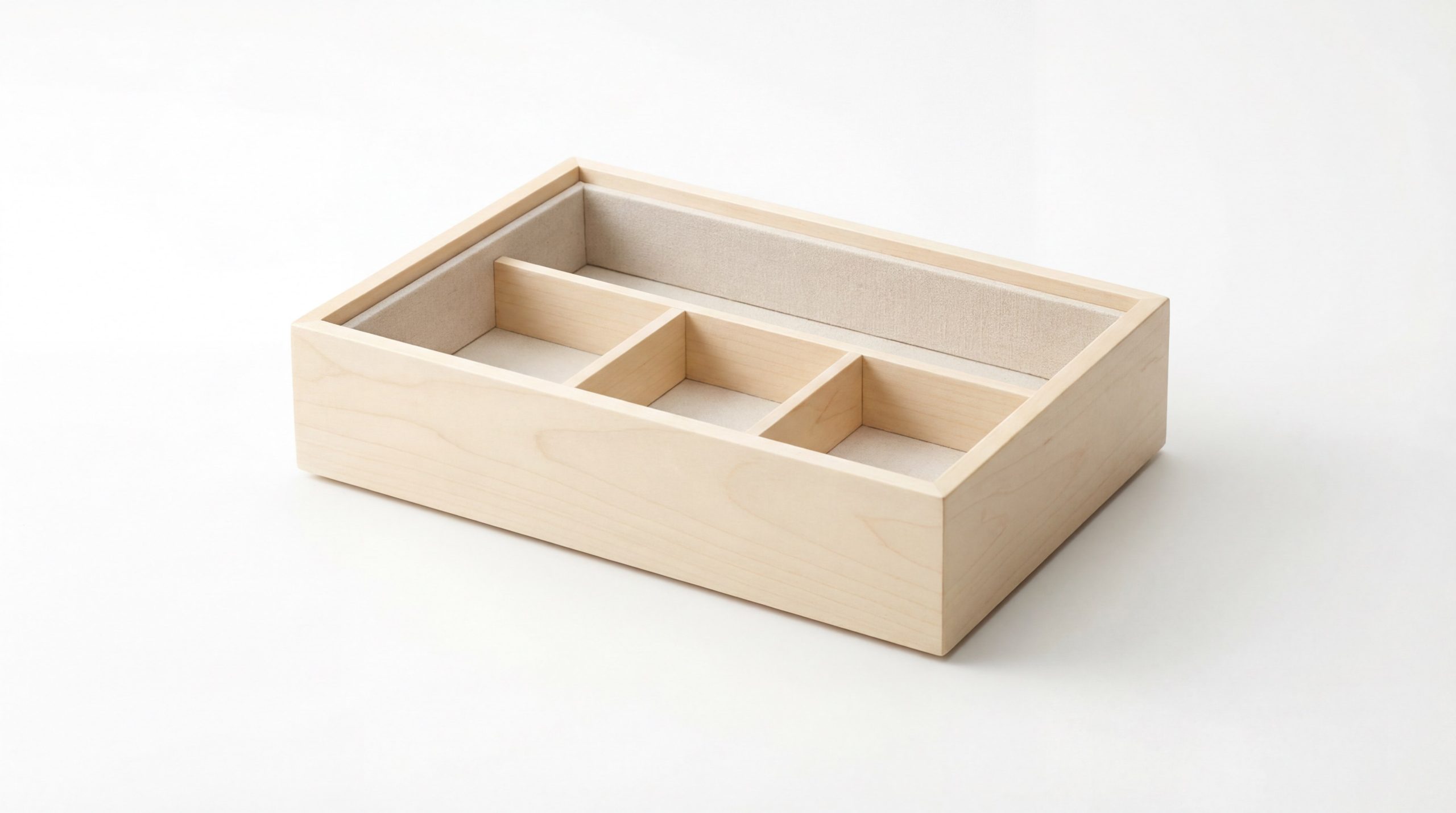
The best wood for jewelry box construction depends on your brand’s balance of luxury, durability, and cost-effectiveness, with Walnut, Cherry, and Mahogany leading the premium market. Finding a material that conveys high-end quality while protecting delicate items is a significant challenge for retailers and designers. Selecting the best wood for jewelry box design ensures long-term preservation and a sophisticated unboxing experience that builds customer loyalty. Low-quality materials warp over time and diminish the perceived value of your high-ticket inventory.
Why does wood choice matter for your brand?
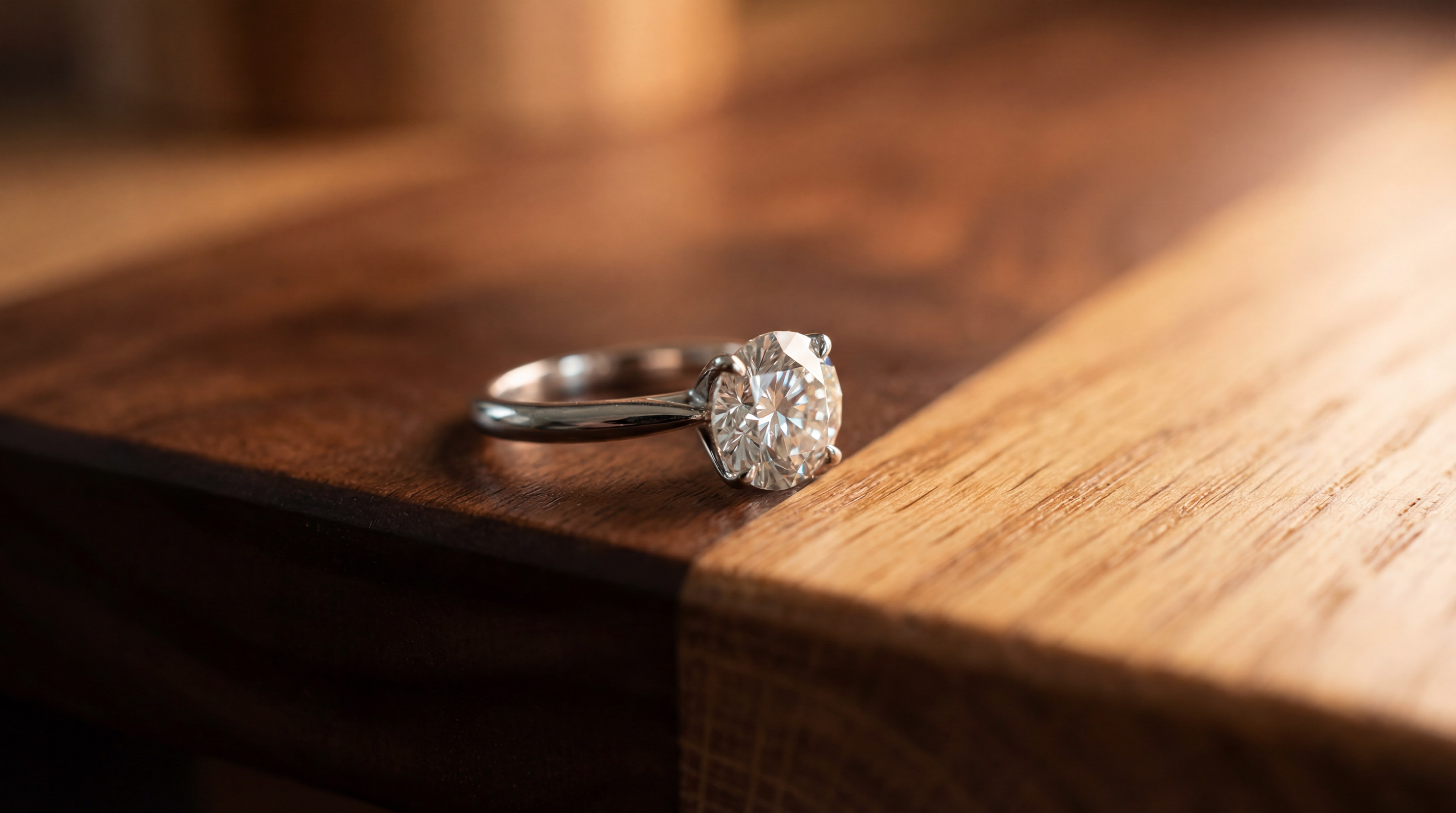
Choosing the best wood for jewelry box production is critical because the material serves as the first physical touchpoint between your product and the customer. The weight, texture, and scent of the wood immediately communicate the value of the items inside.
How does material impact your jewelry’s perceived value?
When you select high-density hardwoods, you are signaling to your clients that the jewelry within is an investment worth protecting. These materials offer a tactile richness that synthetic alternatives simply cannot replicate in a high-stakes retail environment.
- High-density hardwoods feel more substantial in the hand.
- Natural grains create a unique, one-of-a-kind look for every piece.
- Durable woods resist scratches during shipping and handling.
Think about it.
Key Takeaway: The material you choose defines your brand’s quality standards and directly influences the customer’s willingness to pay a premium.
| Feature | Impact on Brand | |
|---|---|---|
| Wood Density | Increases perceived luxury | |
| Grain Pattern | Enhances uniqueness | |
| Durability | Ensures long-term brand presence |
Selecting superior materials is the foundational step in establishing a market-leading jewelry brand.
Is Walnut the ultimate premium wood choice?
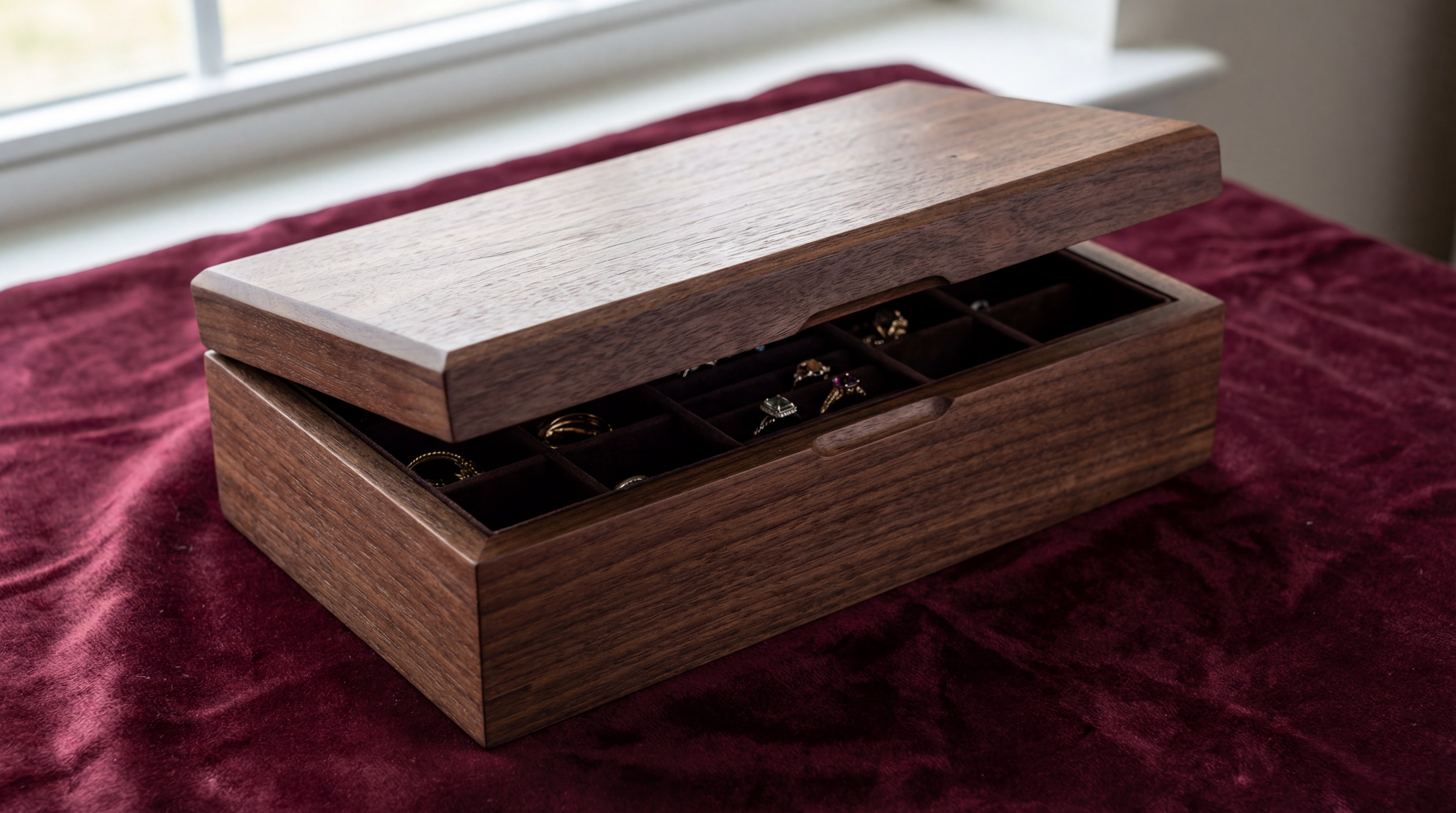
Many luxury designers consider American Walnut the best wood for jewelry box manufacturing due to its deep chocolate tones and exceptional structural stability. Its dark, sophisticated appearance provides a perfect backdrop for gold and diamond pieces.
What are the visual and structural benefits of Walnut?
Walnut is prized for its fine, straight grain that can also feature wavy or curly patterns for added visual interest. It is highly resistant to shrinking and swelling, which is essential for maintaining tight tolerances.
- Rich dark color requires minimal staining or processing.
- Exceptional stability prevents lids from sticking or warping.
- High shock resistance protects contents during difficult transit.
But that’s not all.
Key Takeaway: Walnut offers a combination of aesthetic depth and physical reliability that makes it the gold standard for high-end jewelry presentation.
| Property | Walnut Specification | |
|---|---|---|
| Color Range | Light to dark chocolate brown | |
| Hardness | Moderate to high | |
| Finish | Takes oils and waxes beautifully |
The structural integrity of Walnut ensures that your luxury packaging remains functional for decades.
How does Mahogany enhance luxury packaging?
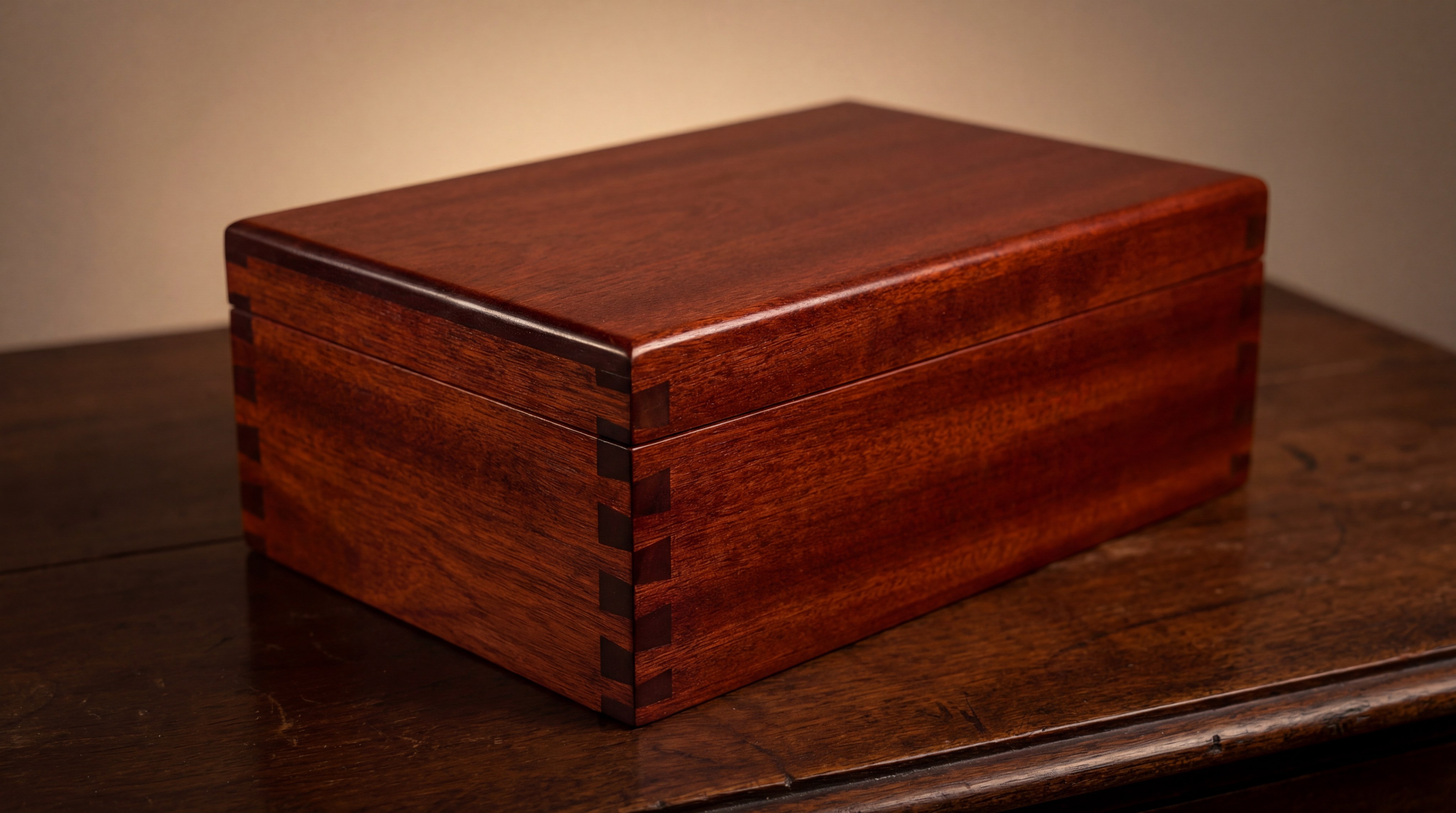
Mahogany is often cited as the best wood for jewelry box designs that require a reddish-brown luster and resistance to rot or warping. This wood has a long-standing association with prestige and classical craftsmanship.
Why is Mahogany used for traditional high-end designs?
The interlocking grain of Mahogany makes it incredibly strong and difficult to split, which is vital for intricate joinery. You will find that its color actually darkens and becomes richer as it is exposed to light over time.
- Natural resistance to moisture prevents internal dampness.
- Consistent grain allows for very smooth sanding and polishing.
- Prestigious history appeals to traditional luxury markets.
Here is the kicker.
Key Takeaway: Mahogany is the ideal choice for brands that want to emphasize heritage, tradition, and timeless durability in their packaging.
| Feature | Mahogany Benefit | |
|---|---|---|
| Grain Texture | Fine and uniform | |
| Workability | Excellent for detailed carvings | |
| Longevity | Lasts for generations |
Using Mahogany allows you to tap into a historical sense of luxury that customers recognize instantly.
Why is Oak popular for durable jewelry storage?
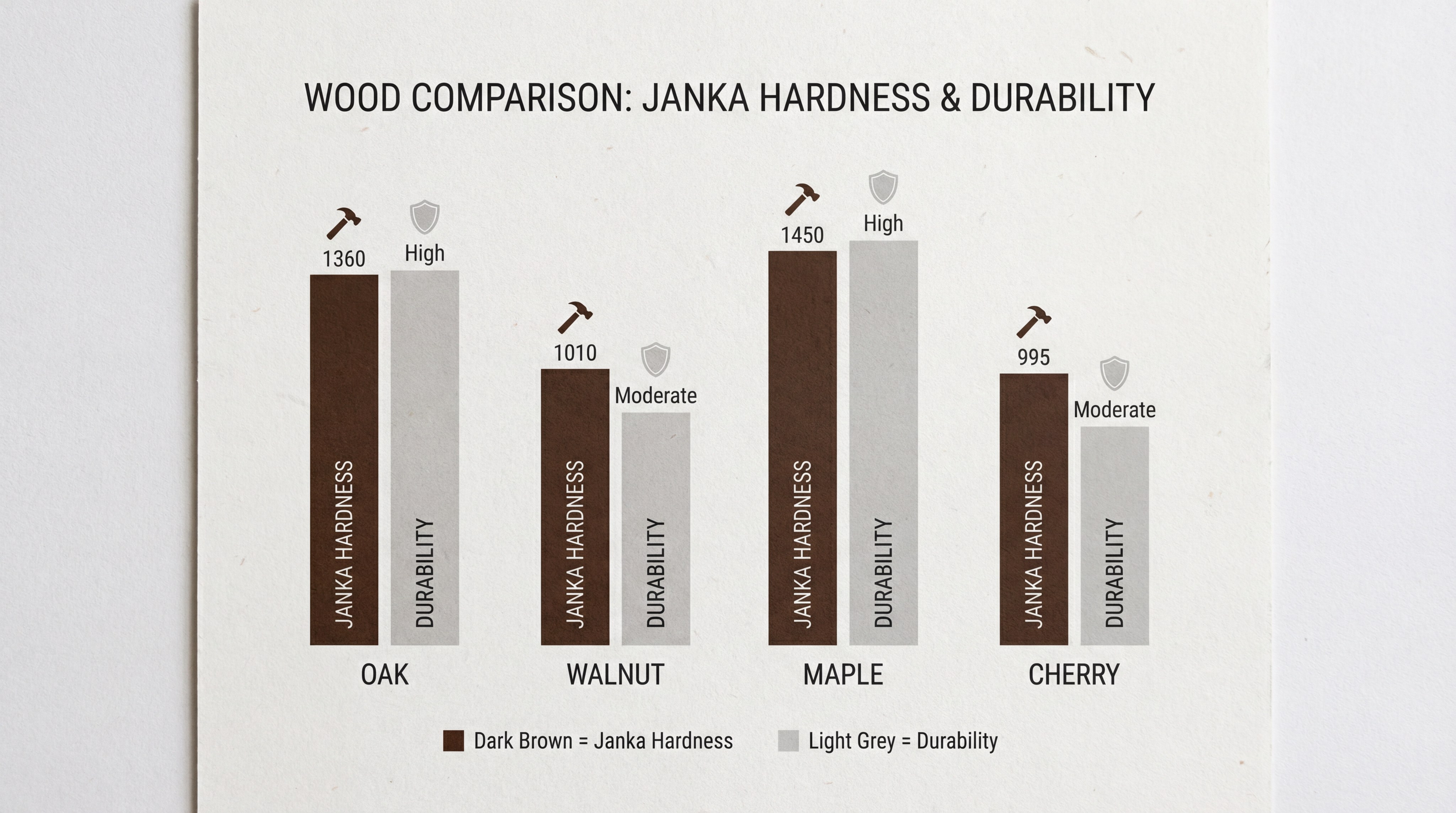
Oak remains a staple choice for the best wood for jewelry box construction when you need a visible, open-grain texture that withstands heavy daily use. Its prominent grain patterns offer a rustic yet refined look that appeals to a wide demographic.
What makes Oak the workhorse of jewelry storage?
Oak is incredibly hard and heavy, providing a sense of permanence and security for the treasures kept inside. It is particularly effective for larger custom cases that may hold extensive collections.
- Deep grain patterns provide a distinct tactile experience.
- High tannin content offers natural protection against pests.
- Available in Red Oak for warmth or White Oak for neutrality.
Let’s dig a little deeper.
Key Takeaway: Oak is the workhorse of the wood world, offering unmatched durability and a classic “solid wood” feel that consumers trust.
| Wood Type | Best Use Case | |
|---|---|---|
| Red Oak | Traditional, warm-toned boxes | |
| White Oak | Modern, neutral-toned storage | |
| Both | High-traffic retail displays |
The incredible density of Oak ensures your jewelry boxes survive even the most demanding retail environments.
Can Cherry wood provide a timeless aesthetic?
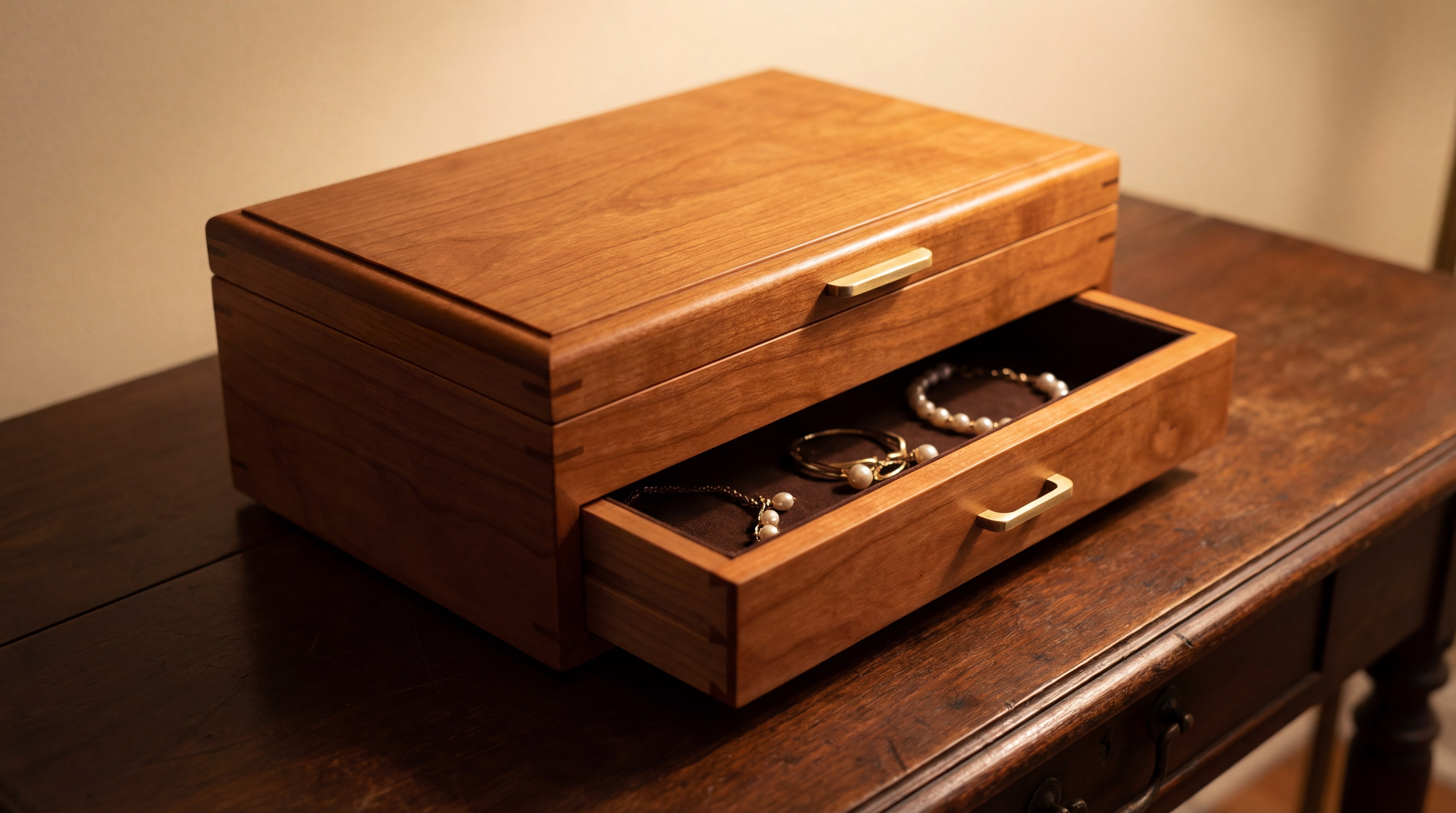
Cherry wood is a top contender for the best wood for jewelry box projects because its color deepens beautifully over time, adding character to the piece. It starts as a light pinkish brown and matures into a deep, warm red.
How does the aging process benefit Cherry wood boxes?
Using Cherry allows you to offer a product that literally gets better with age, a selling point that resonates with many consumers. It has a smooth, closed grain that is easy to finish to a high-gloss luster.
- Light-sensitive wood develops a natural patina over years.
- Smooth texture is pleasant to the touch for customers.
- Flexible enough for steamed-bent designs or curved edges.
You might be wondering.
Key Takeaway: Cherry wood is perfect for brands focusing on organic growth, natural beauty, and a warm, inviting customer experience.
| Attribute | Cherry Wood Detail | |
|---|---|---|
| Aging | Darkens significantly with light | |
| Texture | Very smooth and satiny | |
| Suitability | Ideal for engraved logos |
Choosing Cherry wood provides a dynamic element to your packaging as the color evolves alongside the customer’s journey.
What makes Maple ideal for modern designs?
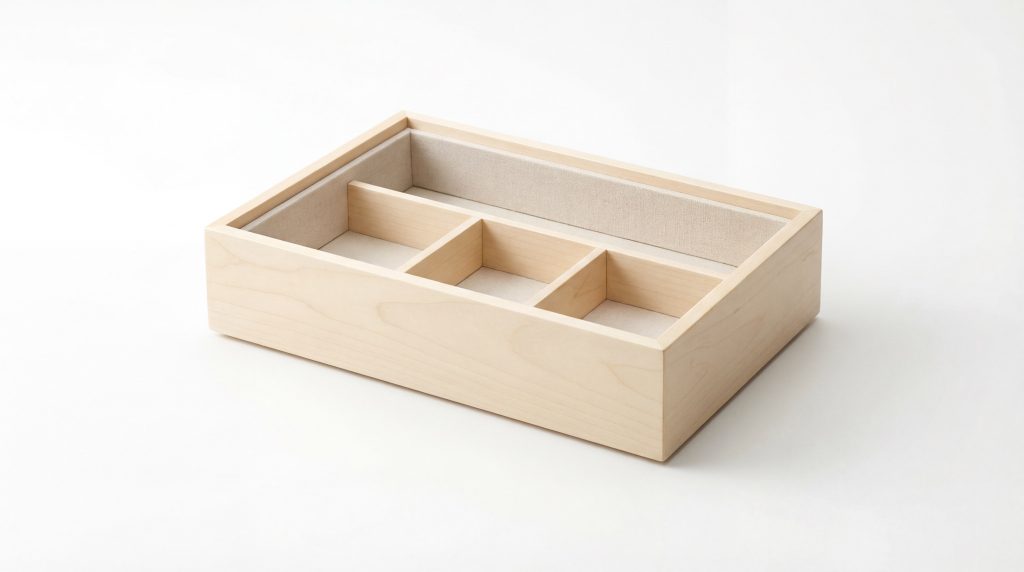
For minimalist or contemporary aesthetics, Maple is the best wood for jewelry box orders thanks to its light, creamy color and fine grain. It provides a clean, bright canvas that makes colorful gemstones pop.
Is Maple the best choice for minimalist jewelry brands?
Maple’s density makes it very heavy and durable, despite its delicate appearance. It is an excellent choice if you plan on using vibrant stains or paints, as the light wood takes color more accurately.
- Hard Maple is one of the most durable woods available.
- Light color fits perfectly with Scandinavian or modern themes.
- Birdseye variations offer high-end exotic looks.
It gets even better.
Key Takeaway: Maple is the preferred choice for modern brands that want a clean, bright aesthetic without sacrificing the weight and feel of a premium hardwood.
| Characteristic | Maple Profile | |
|---|---|---|
| Color | Off-white to light cream | |
| Strength | Extremely high | |
| Aesthetic | Minimalist and clean |
The versatility of Maple allows it to adapt to any modern brand identity while maintaining professional-grade durability.
Does Rosewood offer a unique exotic appeal?
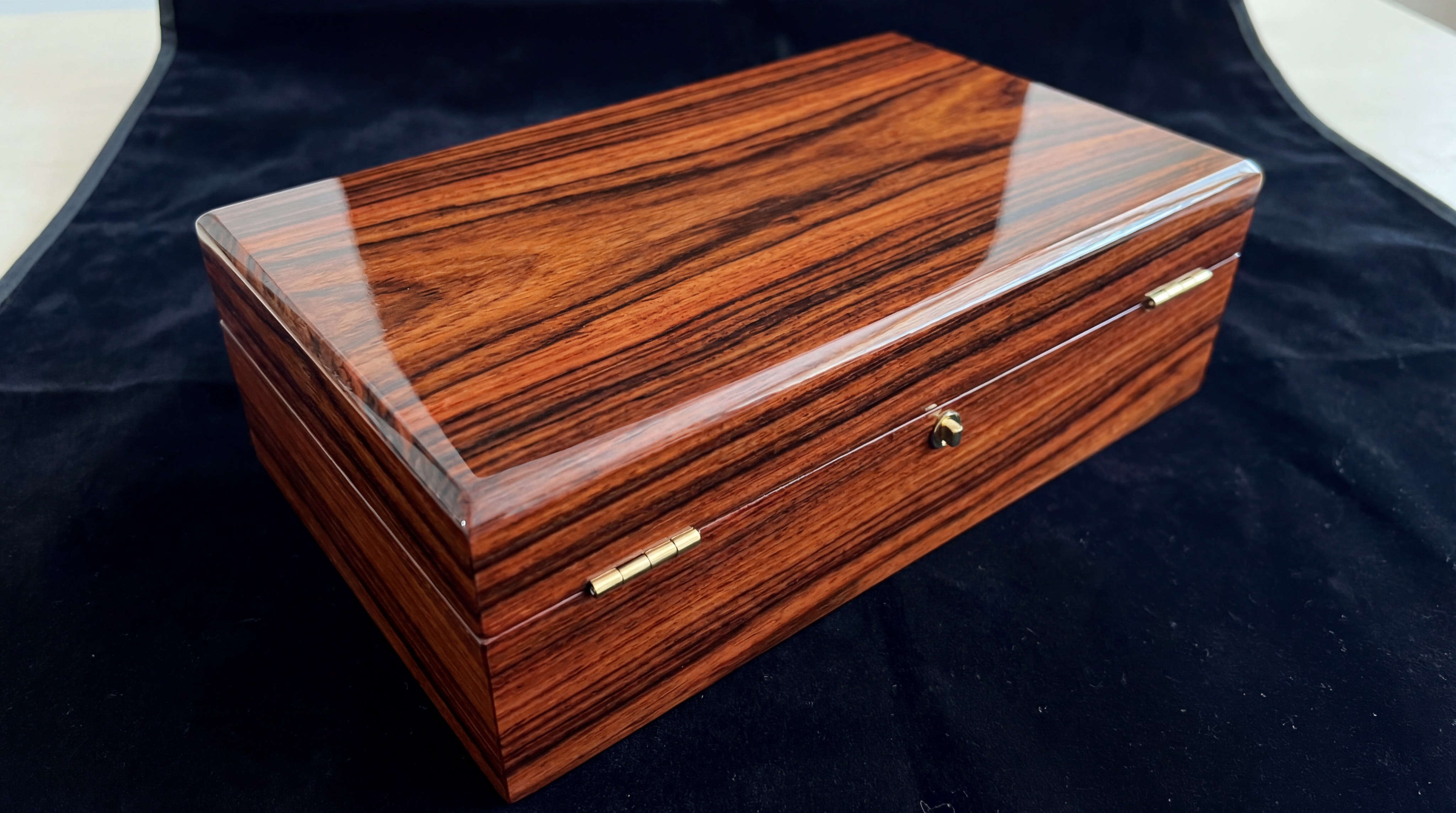
Rosewood is frequently selected as the best wood for jewelry box limited editions because of its striking dark streaks and natural floral scent. Its high oil content gives it a natural luster even without heavy lacquering.
Why is Rosewood considered a luxury material?
The visual drama of Rosewood is unmatched, featuring deep purples and oranges intertwined with dark black lines. This makes every box a unique piece of art that complements the most expensive high-end jewelry.
- Naturally oily wood resists humidity and drying out.
- Striking contrast makes it a centerpiece in any room.
- Very high density provides a heavy, expensive feel.
The best part?
Key Takeaway: Rosewood is the ultimate selection for limited-run or flagship products where visual impact and rarity are the primary goals.
| Feature | Rosewood Impact | |
|---|---|---|
| Visuals | High contrast and dramatic grain | |
| Scent | Subtle, pleasant rose-like aroma | |
| Rarity | High market value |
Rosewood creates an immediate emotional connection through its unique scent and breathtaking visual patterns.
How do softwoods compare to hardwoods?
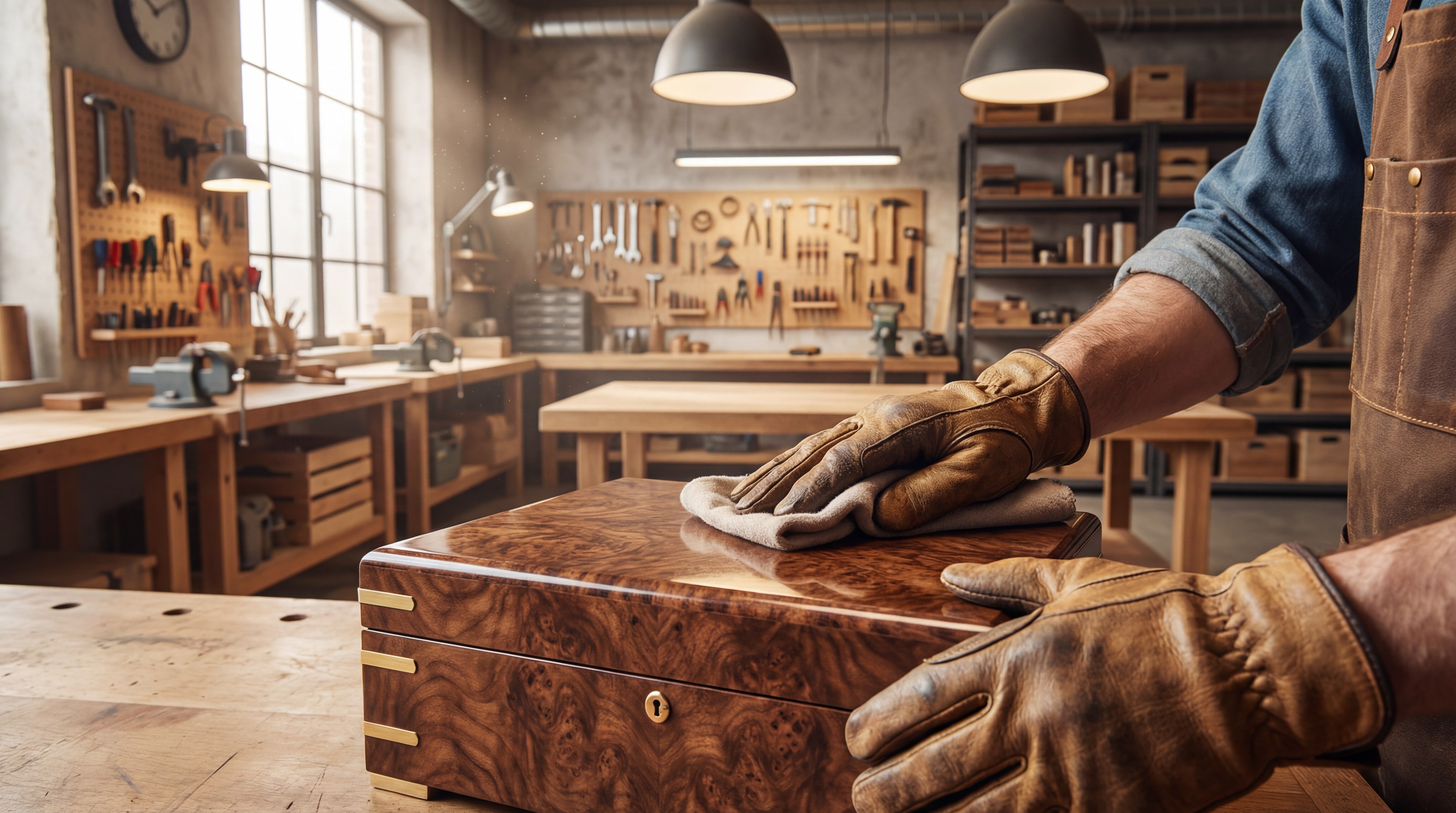
While hardwoods are generally superior, Pine or Cedar can be the best wood for jewelry box budget options if treated correctly. Softwoods are easier to work with but require more care to reach a luxury finish.
When should you choose softwoods for your boxes?
Softwoods are often used for internal dividers or as a base for veneered boxes to keep costs down. Cedar, specifically, is a popular choice for lining boxes because its natural scent repels insects.
- Lower cost makes them suitable for mass-market items.
- Aromatic Cedar provides functional benefits for storage.
- Faster production times due to easier cutting and sanding.
Consider this carefully.
Key Takeaway: Softwoods serve a functional purpose in cost-effective designs, particularly when used as internal components or for their aromatic properties.
| Wood Type | Primary Advantage | |
|---|---|---|
| Pine | Cost-effective and lightweight | |
| Cedar | Insect-repellent and aromatic | |
| Hardwoods | Generally superior for exterior shells |
Balancing softwoods with hardwood exteriors can help you manage production costs without losing the premium feel.
Is sustainable wood sourcing important today?
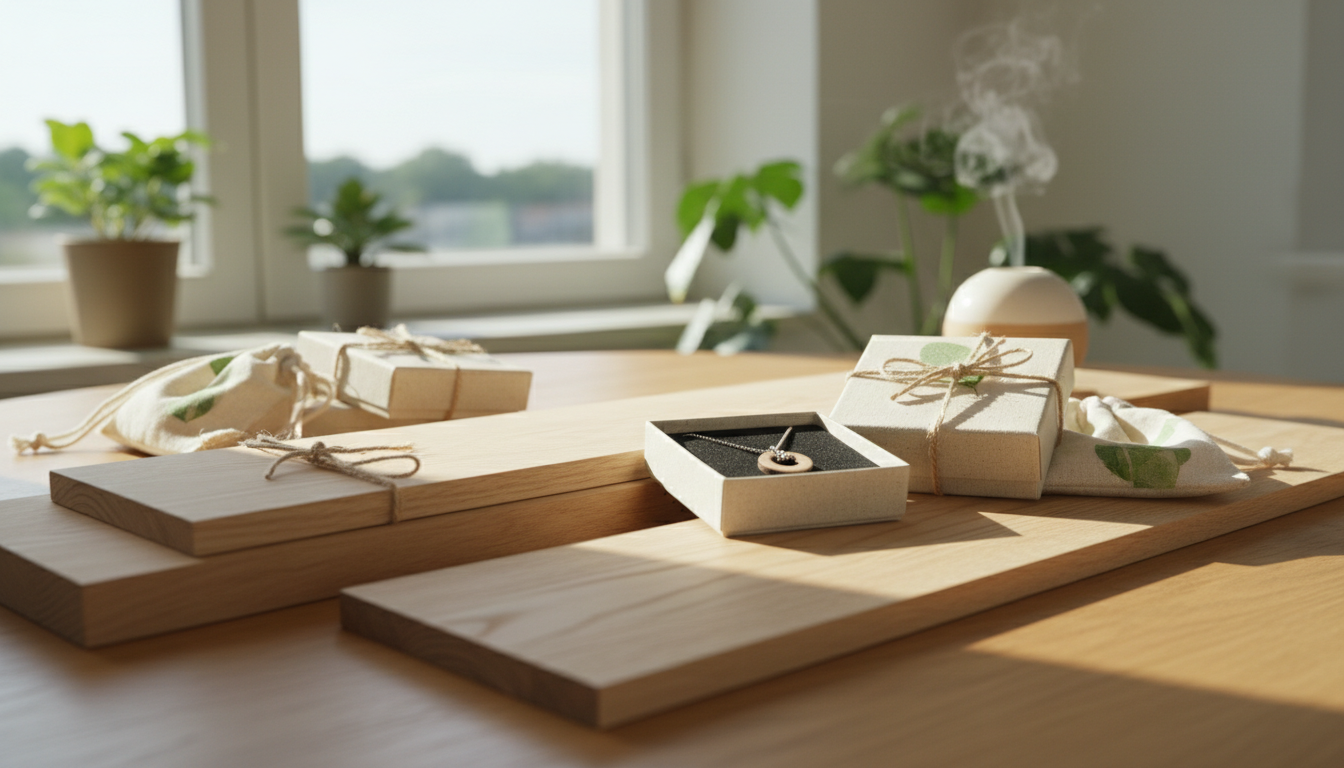
Utilizing FSC-certified timber makes Bamboo or reclaimed Ash the best wood for jewelry box solutions for brands targeting eco-conscious consumers. Modern buyers are increasingly concerned with the environmental footprint of the packaging they receive.
How do eco-friendly materials impact brand loyalty?
Bamboo is technically a grass but offers the hardness of many hardwoods with a much faster renewal rate. Reclaimed wood provides a unique story and a weathered aesthetic that appeals to the “upcycled” luxury market.
- Rapidly renewable materials reduce environmental impact.
- Certification labels build trust with younger demographics.
- Unique textures in reclaimed wood tell a brand story.
Think of it this way.
Key Takeaway: Sustainable wood sourcing is no longer optional for brands that want to maintain a positive public image and appeal to ethical consumers.
| Material | Sustainability Level | |
|---|---|---|
| Bamboo | Extremely High (Fast growth) | |
| Reclaimed Wood | High (Waste reduction) | |
| FSC Hardwoods | Moderate to High (Managed forests) |
Integrating sustainable practices into your packaging design demonstrates a commitment to the planet that modern buyers value.
How do you choose the right finish for wood?
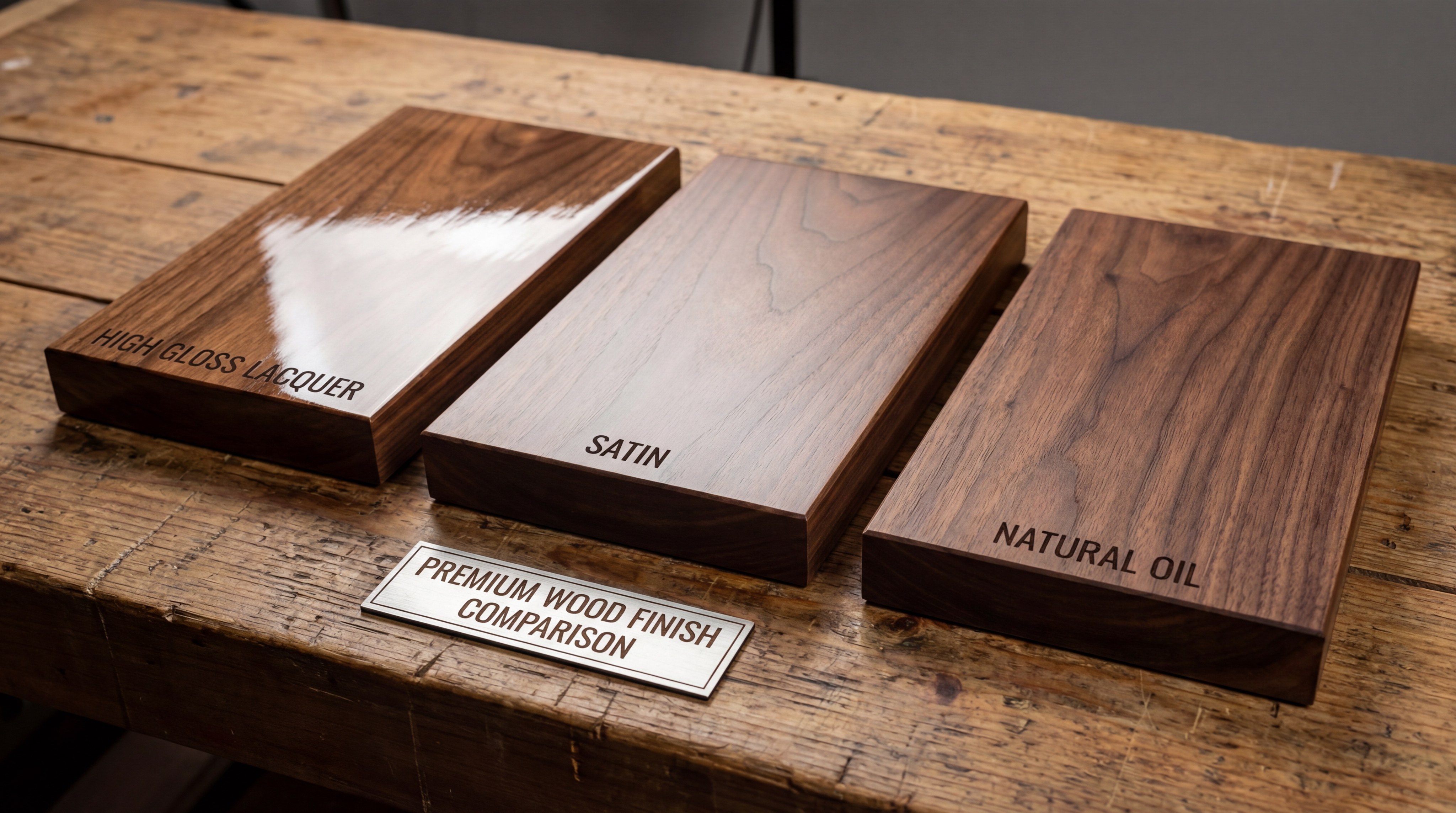
Selecting the right lacquer or oil is as vital as picking the best wood for jewelry box frames to ensure the natural beauty is preserved. The finish determines how the wood feels in the customer’s hand.
Which finish best highlights natural wood grains?
A high-gloss lacquer can make wood look like glass, while a hand-rubbed oil finish highlights the natural texture and warmth. You must choose a finish that aligns with your brand’s specific aesthetic goals.
- Polyurethane finishes provide a hard, protective shell.
- Natural oils are easier to repair if the box gets scratched.
- Satin finishes offer a contemporary, understated look.
As you can see.
Key Takeaway: The finish is the final layer of your brand’s story, transforming raw timber into a polished piece of professional packaging.
| Finish Type | Visual Result | Maintenance | |
|---|---|---|---|
| High Gloss | Flashy and reflective | Difficult to repair | |
| Satin/Matte | Modern and subtle | Hides fingerprints | |
| Natural Oil | Warm and organic | Easy to refresh |
Selecting the perfect finish is the final step in creating a truly premium unboxing experience for your clients.
Conclusion
Selecting the right wood for your jewelry boxes is an investment in your brand’s identity and product longevity. Whether you opt for the classic elegance of Walnut, the durability of Oak, or the modern appeal of Maple, the material speaks volumes before the customer even sees the jewelry. Low-quality packaging can undermine the perceived value of your items, leading to lost sales and poor brand perception. To ensure your packaging reflects the true quality of your collection, you should partner with an expert manufacturer. Please contact us today to discuss your custom project requirements and find the perfect wood for your needs.
FAQ
What is the most durable wood for a jewelry box?Hardwoods like Oak and Maple are the best choice. These species have higher density and Janka hardness ratings, ensuring the box resists dents and scratches over time.
Does the type of wood affect jewelry tarnishing?Yes, it can. Certain woods like Oak contain tannins that can react with silver, so it is vital to use high-quality dried hardwoods and a protective interior lining.
Which wood is best for a budget-friendly jewelry box?Pine and Poplar are the most affordable. While they are softer than premium hardwoods, they provide a cost-effective base for veneers or painted finishes.
Can I use aromatic cedar for the entire box?It is usually not recommended. Cedar oils can occasionally react with metal or finishes, so it is best used as a thin internal lining rather than the structural frame.
How do I maintain a wooden jewelry box?Regular dusting is essential. You should occasionally apply a specialized wood wax or natural oil to keep the grain hydrated and the finish looking professional.