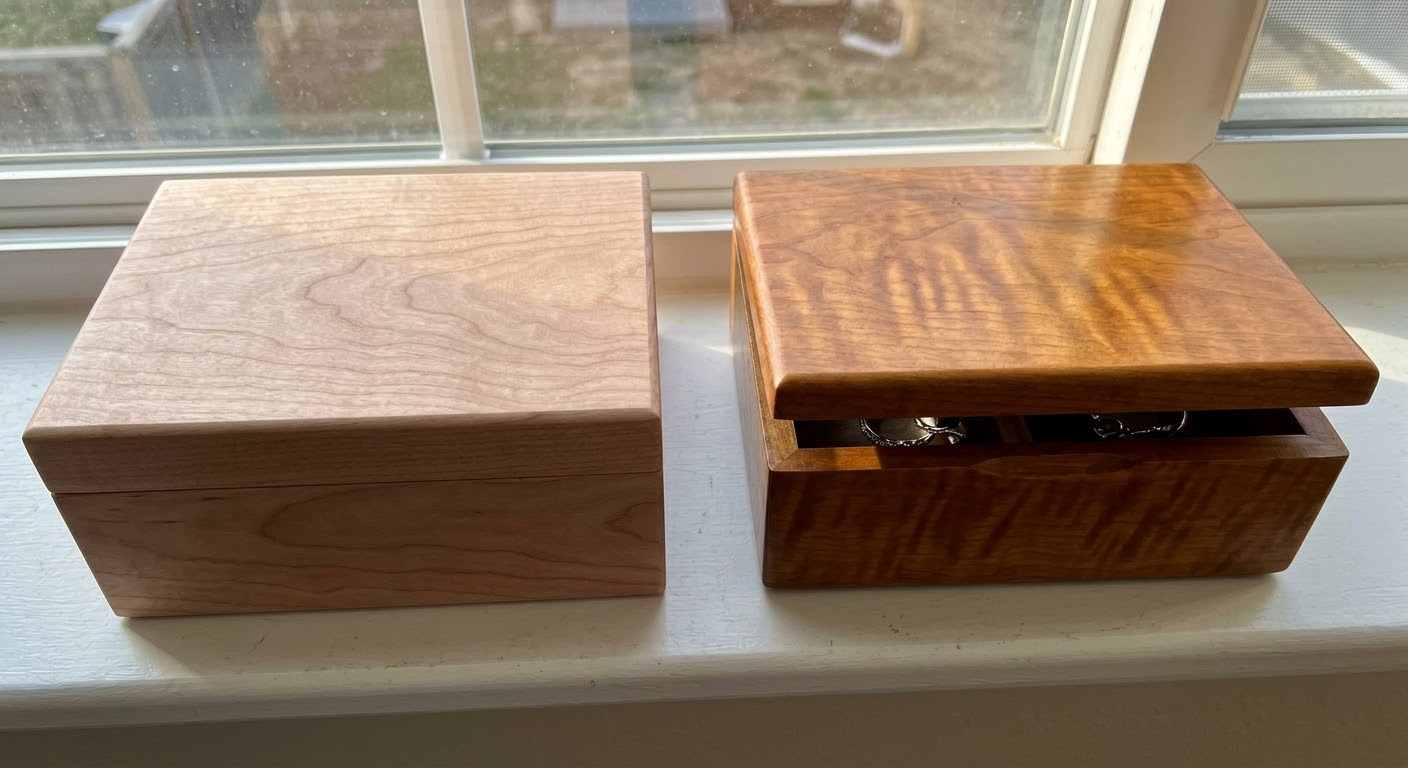
Walnut, Mahogany, and Cherry are widely considered the best wood for jewelry boxes due to their natural durability and timeless aesthetic appeal. You likely understand the frustration of finding your favorite necklaces tangled or your gold rings scratched because of inadequate storage. These minor damages can significantly devalue your precious collection over time, leading to unnecessary repair costs or permanent loss of luster. By investing in the best wood for jewelry box construction, you provide your assets with a secure, climate-controlled, and luxurious environment that preserves their brilliance for decades.
Is Mahogany the best wood for jewelry box projects?

Mahogany is frequently cited as the best wood for jewelry box manufacturing because of its remarkable structural stability and rich, deep color. Its straight grain and resistance to warping make it a favorite for high-end cabinetry and retailers. You will find that this wood provides a consistent finish that looks professional and expensive on any showroom shelf.
Why is Mahogany grain so reliable?
Look at this: The grain structure of Mahogany is exceptionally tight, which prevents the wood from splintering during intricate carving or assembly. This reliability is why premium manufacturers choose it for pieces that require fine joinery.
- Consistency: Uniform patterns across large batches.
- Workability: Easy to sand and polish to a high luster.
- Stability: Minimal movement during humidity changes.
Does Mahogany offer long-term value?
The bottom line is: Mahogany matures beautifully over time, shifting from a light pinkish-brown to a deep, majestic red that signifies heritage. This aging process adds secondary value to the box itself as a standalone collectible.
- Longevity: Resistant to rot and common pests.
- Aesthetic: Traditional look that never goes out of style.
- Marketability: High resale value for finished luxury goods.
| Feature | Mahogany Specification | |
|---|---|---|
| Durability | Very High | |
| Finish Type | Silky Smooth / Glossy | |
| Price Tier | Mid-to-High |
The data above illustrates why Mahogany remains a dominant choice for brands focused on creating lasting heirloom products.
Key Takeaway: Mahogany is the premier choice for stable, warp-resistant boxes that gain character and value as they age.
Why is Walnut the best wood for jewelry box decor?

Walnut is often regarded as the best wood for jewelry box designs that aim for a modern yet sophisticated chocolate-brown aesthetic. It offers a dense, heavy feel that immediately communicates quality and security to the person holding it. You can rely on its natural dark tones to provide a striking contrast against bright gold and platinum jewelry.
Is Walnut naturally scratch resistant?
Check this out: Walnut possesses a high Janka hardness rating, making it naturally resistant to the dings and dents of daily use. This durability ensures that the exterior of your storage solution remains pristine even in high-traffic retail environments.
- Hardness: Excellent resistance to surface impacts.
- Grain Density: Fine pores that create a smooth tactile experience.
- Natural Luster: Requires minimal staining to achieve a deep glow.
How does Walnut enhance branding?
Think about it: The unique “cathedral” grain patterns found in Walnut logs allow for one-of-a-kind box lids that act as natural art pieces. This visual complexity helps your brand stand out by offering products that look artisanal and custom-made.
- Uniqueness: No two grain patterns are exactly alike.
- Versatility: Complements both minimalist and ornate interiors.
- Prestige: Synonymous with executive-level luxury goods.
| Feature | Walnut Specification | |
|---|---|---|
| Color | Deep Umber to Dark Chocolate | |
| Texture | Fine and Uniform | |
| Vibe | Contemporary Luxury |
This structural overview confirms that Walnut is the standard for businesses targeting a high-end, modern demographic.
Key Takeaway: Use Walnut for a heavy, premium feel that provides natural impact resistance and a sophisticated dark palette.
Is Cherry the best wood for jewelry box aging?

Cherry wood is widely celebrated as the best wood for jewelry box items that are intended to be kept for a lifetime. Its unique photosensitive properties mean the wood actually changes color as it is exposed to light, becoming richer over the years. You will appreciate how a light-colored new box eventually transforms into a deep, warm amber masterpiece.
Why does Cherry wood change color?
Believe it or not: Cherry wood contains natural chemicals that react to UV rays, causing the surface to darken significantly over the first year of use. This “living” quality makes every box a dynamic part of your customer’s environment.
- Photosensitivity: Naturally shifts from pale pink to dark red.
- Smoothness: Exceptionally easy to sand to a glass-like finish.
- Weight: Sturdy enough for protection but light enough for shipping.
Is the grain of Cherry wood desirable?
The truth is: Cherry features a subtle, wavy grain that provides a sense of movement without being distracting to the jewelry inside. It is often used for delicate pieces like necklaces because of its soft, non-abrasive texture.
- Pattern: Minimalist and flowing grain lines.
- Scent: Faint, pleasant aroma that doesn’t affect gemstones.
- Flexibility: Works well for both thin veneers and solid builds.
| Feature | Cherry Specification | |
|---|---|---|
| Aging Profile | Darkens to a rich patina | |
| Workability | Excellent for hand tools | |
| Tactile Feel | Warm and Velvety |
The following table summarizes why Cherry is a top contender for products that focus on warmth and evolving beauty.
Key Takeaway: Choose Cherry if you want a box that builds character over time and offers a smooth, warm tactile experience.
Can Maple be the best wood for jewelry box strength?

Maple is frequently chosen as the best wood for jewelry box sets that require maximum durability and a clean, bright appearance. Its creamy white color provides a neutral backdrop that makes colorful gemstones and silver jewelry appear more vibrant. You can trust its incredible hardness to withstand the rigors of frequent handling and commercial transport.
Is Maple the hardest common wood?
Make no mistake: Hard Maple is one of the most rugged domestic woods available, offering superior protection against heavy impacts. It is almost impossible to dent, which is why it is often used for heavy-duty watch chests and ring displays.
- Janka Rating: Significantly higher than Walnut or Cherry.
- Scratch Resistance: Maintains a flawless surface for years.
- Cleanliness: Pale color makes it easy to spot dust or debris.
Does Maple offer decorative variety?
It’s no secret: Maple comes in several “figured” varieties, such as Birdseye or Curly Maple, which add incredible visual depth to a box lid. These patterns create a shimmering effect when viewed from different angles.
- Figured Grain: Birdseye, Quilted, and Tiger patterns available.
- Contrast: Ideal for mixing with darker woods like Ebony.
- Modernity: Perfect for minimalist, Scandinavian-style designs.
| Feature | Maple Specification | |
|---|---|---|
| Hardness | Extremely High | |
| Porosity | Very Low (Doesn’t absorb stains) | |
| Color | Creamy White to Light Gold |
This analysis highlights Maple’s role as the go-to material for high-traffic or modern jewelry storage solutions.
Key Takeaway: Maple provides the highest level of physical protection and a bright, clean aesthetic for contemporary brands.
Is Oak the best wood for jewelry box heritage?

Oak is globally recognized as the best wood for jewelry box construction when the goal is traditional charm and unmatched structural longevity. It has been the backbone of fine furniture for centuries, and you can leverage that history to instill trust in your customers. Its bold, open grain gives it a tactile and rugged feel that many people associate with hand-crafted quality.
What makes Oak so durable?
Here is the facts: Oak is highly resistant to moisture and fungal decay, ensuring that the box remains structurally sound even in humid climates. This makes it an excellent choice for large jewelry chests that sit on dressers for generations.
- Strength: High density for rigid box structures.
- Resistance: Naturally repels many common wood-boring insects.
- Availability: Sustainable and easy to source in large quantities.
Is the texture of Oak a benefit?
Look at this: The prominent grain of Oak provides a physical texture that feels “honest” and substantial in your hands. This sensory feedback is vital for creating a perceived value that matches the jewelry’s price point.
- Tactile Appeal: Distinctive ridges and valleys in the grain.
- Staining: Takes dark stains exceptionally well to mimic exotic woods.
- Style: Perfect for rustic, farmhouse, or traditional aesthetics.
| Feature | Oak Specification | |
|---|---|---|
| Structural Integrity | Massive and Stable | |
| Grain Type | Open and Prominent | |
| Reliability | Centuries-long life expectancy |
As shown in the table, Oak is the ultimate material for creating a sense of permanence and traditional craftsmanship.
Key Takeaway: Oak is the best selection for brands that prioritize a rustic look and nearly indestructible box construction.
Is Rosewood the best wood for jewelry box luxury?
When you are targeting the ultra-luxury market, Rosewood is arguably the best wood for jewelry box masterpieces. Its striking dark streaks and reddish-brown hues create a “landscape” effect on every surface, making the box a work of art. You will find that the natural oils in this wood provide a permanent, glass-like shine that synthetic finishes can’t replicate.
Why is Rosewood so exclusive?
Think about it: Rosewood is highly prized because of its rarity and the incredible density that gives it a heavy, expensive feel. It is the wood of choice for high-end watch collectors and diamond merchants who demand the best.
- Visual Impact: High-contrast grain with deep purple streaks.
- Weight: Sinks in water, signifying extreme density.
- Fragrance: Emits a faint floral scent that enhances the unboxing experience.
Does Rosewood require special finishing?
The bottom line is: Due to its high natural oil content, Rosewood often needs little more than a light wax or buffing to look spectacular. This reduces the need for heavy chemical varnishes that might outgas and damage sensitive jewelry.
- Natural Luster: High natural shine without heavy lacquers.
- Oil Content: Protects the wood from drying out or cracking.
- Maintenance: Easy to keep clean with a simple cloth.
| Feature | Rosewood Specification | |
|---|---|---|
| Exclusivity | Very High | |
| Fragrance | Sweet and Floral | |
| Finishing | Minimalist (Natural oils) |
The comparison above demonstrates why Rosewood is the top choice for creating a “wow” factor in high-end jewelry packaging.
Key Takeaway: Rosewood is the ultimate statement wood for luxury products where visual impact and prestige are the main goals.
Does Ebony make the best wood for jewelry box styles?
Ebony is frequently viewed as the best wood for jewelry box accents or solid builds when a dramatic, jet-black appearance is required. It provides a level of sophistication and mystery that lighter woods simply cannot provide. You can use its pitch-black color to create a stunning frame for diamonds and high-carat gold, making them appear even brighter.
How does Ebony enhance precious stones?
Check this out: The solid black backdrop of Ebony absorbs light, allowing the fire and brilliance of gemstones to take center stage. This contrast is a secret weapon for jewelers who want their products to “pop” the moment the box is opened.
- Visual Contrast: Perfect for white gold, silver, and diamonds.
- Surface: Can be polished to a mirror-like finish.
- Sophistication: Immediately signals a high price point and exclusivity.
Is Ebony difficult to work with?
The truth is: Ebony is so dense that it requires specialized tools and a high level of skill to shape and join. This difficulty of manufacture adds to the final product’s value, as it represents a high level of craftsmanship.
- Density: One of the heaviest and hardest woods on Earth.
- Texture: Extremely fine and smooth, almost like plastic or glass.
- Rarity: Sourced in small quantities, making it a true luxury item.
| Feature | Ebony Specification | |
|---|---|---|
| Color | Pure Jet Black | |
| Polish | High Gloss / Mirror Finish | |
| Market Tier | Ultra-Luxury / Boutique |
This technical breakdown explains why Ebony is reserved for the most exclusive and artistic jewelry storage solutions.
Key Takeaway: Use Ebony for a dark, moody aesthetic that highlights the brilliance of high-end gems through extreme contrast.
Is Cedar the best wood for jewelry box protection?
Cedar is unique because it is the best wood for jewelry box linings rather than the exterior shell. Its functional properties are essential for protecting metal integrity over long periods of time. You will find that adding a cedar interior is a small detail that provides massive value to collectors of silver and delicate alloys.
How does Cedar prevent tarnish?
Believe it or not: The natural aromatic oils in Aromatic Red Cedar act as a moisture barrier and a mild desiccant, which helps prevent the oxidation process that causes silver to turn black. This proactive protection saves your customers the hassle of constant cleaning.
- Tarnish Prevention: Absorbs excess humidity inside the box.
- Aroma: Famous fresh scent that repels pests and odors.
- Softness: Gentle on polished surfaces, preventing micro-scratches.
Is Cedar good for travel boxes?
Look at this: Cedar is a relatively lightweight wood, which makes it an ideal core material for portable or travel jewelry boxes. It provides protection without adding unnecessary bulk to a suitcase or carry-on.
- Weight: Very light compared to Walnut or Oak.
- Insulation: Protects contents from rapid temperature shifts.
- Sourcing: Environmentally friendly and widely available.
| Feature | Cedar Specification | |
|---|---|---|
| Function | Protective / Anti-Tarnish | |
| Scent | Strong and Refreshing | |
| Primary Use | Interior Linings and Dividers |
The data suggests that regardless of the exterior wood used, a Cedar lining is a vital addition for functional jewelry protection.
Key Takeaway: Cedar is the essential lining material for any box designed to store silver jewelry or moisture-sensitive items.
Which timber is the best wood for jewelry box ethics?
In the modern B2B landscape, sustainable timbers like Bamboo or certified Birch are often the best wood for jewelry box projects focused on eco-friendly branding. You can appeal to the growing demographic of environmentally conscious consumers by choosing woods that grow quickly and are harvested responsibly. These materials offer a clean, light aesthetic that aligns with “green” luxury trends.
Is Bamboo a viable wood alternative?
The bottom line is: Bamboo is technically a grass that grows at incredible speeds, making it one of the most renewable resources on the planet for box construction. It provides a unique linear grain that looks very modern and trendy.
- Sustainability: Harvestable every 3-5 years without killing the plant.
- Strength: Highly resistant to splitting and cracking.
- Cost-Effective: Often more affordable than slow-growth hardwoods.
Does sustainable wood look premium?
Think about it: Modern finishing techniques allow sustainable woods to look just as luxurious as traditional hardwoods while telling a better story. You can market the “origin story” of the wood as part of your brand’s commitment to the planet.
- Branding: Connects your products to environmental stewardship.
- Design: Clean, minimalist lines that suit contemporary jewelry.
- Certification: Look for FSC-certified labels to prove ethical sourcing.
| Feature | Sustainable Wood Detail | |
|---|---|---|
| Growth Rate | Very Fast | |
| Eco-Impact | Low Carbon Footprint | |
| Market Trend | Rapidly Growing Demand |
This table illustrates why switching to sustainable wood sources is both an ethical and a smart business decision in today’s market.
Key Takeaway: Sustainable woods offer a modern look and ethical appeal that resonates with the current generation of luxury buyers.
How do you find the best wood for jewelry box needs?
Selecting the best wood for jewelry box manufacturing requires a balance between your budget, the intended luxury level, and the specific pieces of jewelry being stored. You must decide whether the box’s primary purpose is decorative display, long-term preservation, or daily accessibility. Assessing these factors early in the design process ensures a final product that meets all functional and aesthetic requirements.
Which factors are most important?
Check this out: You should prioritize the Janka hardness for daily-use boxes and aromatic oils for long-term silver storage. Mixing a hardwood exterior with a cedar or velvet interior often yields the best results for high-end brands.
- Workability: Ease of mass production and custom carving.
- Shipping Weight: Impact on logistics and fulfillment costs.
- Client Aesthetic: Matching the wood choice to your target market’s taste.
How do materials impact price?
The truth is: While exotic woods like Rosewood or Ebony command a higher price, they also allow for much higher retail margins due to their perceived value. Domestic woods like Oak and Maple provide the best balance of cost and durability for mid-market collections.
- Domestic Woods: Best for high-volume, cost-sensitive orders.
- Exotic Woods: Best for limited edition or boutique luxury sets.
- Lined Construction: Essential for protecting high-karat gold and silver.
| Priority | Recommended Wood | |
|---|---|---|
| Durability | Maple or Oak | |
| Aesthetics | Walnut or Rosewood | |
| Protection | Cedar (Interior) |
The final selection should align with your brand’s core values, whether that is traditional longevity or modern elegance.
Key Takeaway: Balance aesthetic goals with functional needs by choosing a durable hardwood for the exterior and a protective lining for the interior.
Summary and Conclusion
Choosing the right material is the first step in creating a storage solution that reflects the value of the treasures inside. Whether you opt for the classic stability of Mahogany, the modern luxury of Walnut, or the protective qualities of Cedar, your choice will define the user’s unboxing experience and the long-term safety of their jewelry. By solving the problems of damage, tarnish, and disorganized storage, high-quality wood packaging adds a layer of professionalism and care that generic solutions cannot match.
If you are ready to elevate your brand with premium, custom-designed packaging that stands the test of time, we invite you to contact us today for a professional consultation. Our experts are here to help you select the perfect materials to showcase your collection with the elegance it deserves.
Frequently Asked Questions
Can I use any wood for a jewelry box?No, it is important to avoid woods with high resin content or acidic properties that can tarnish metals. Hardwoods like Walnut and Mahogany are preferred for their stability and neutral chemical profiles.
What’s the best wood for a beginner woodworker?Cherry is often considered the best for beginners because it cuts cleanly and sands easily. It is forgiving during the assembly process while still providing a professional-grade finish.
Does the wood type affect the price of the box?Yes, exotic woods like Ebony and Rosewood are significantly more expensive than domestic species like Oak or Maple. The rarity and density of the wood directly impact the raw material and labor costs.
Is it okay to mix different woods in one design?Absolutely, mixing woods like Maple and Walnut creates a beautiful high-contrast look that highlights craftsmanship. This is a popular technique for highlighting decorative joints or lid inlays.
How do I clean a wooden jewelry box?Use a soft, dry microfiber cloth to remove dust and maintain the natural luster. Avoid harsh chemicals or excessive water, which can penetrate the grain and cause the wood to swell or crack.