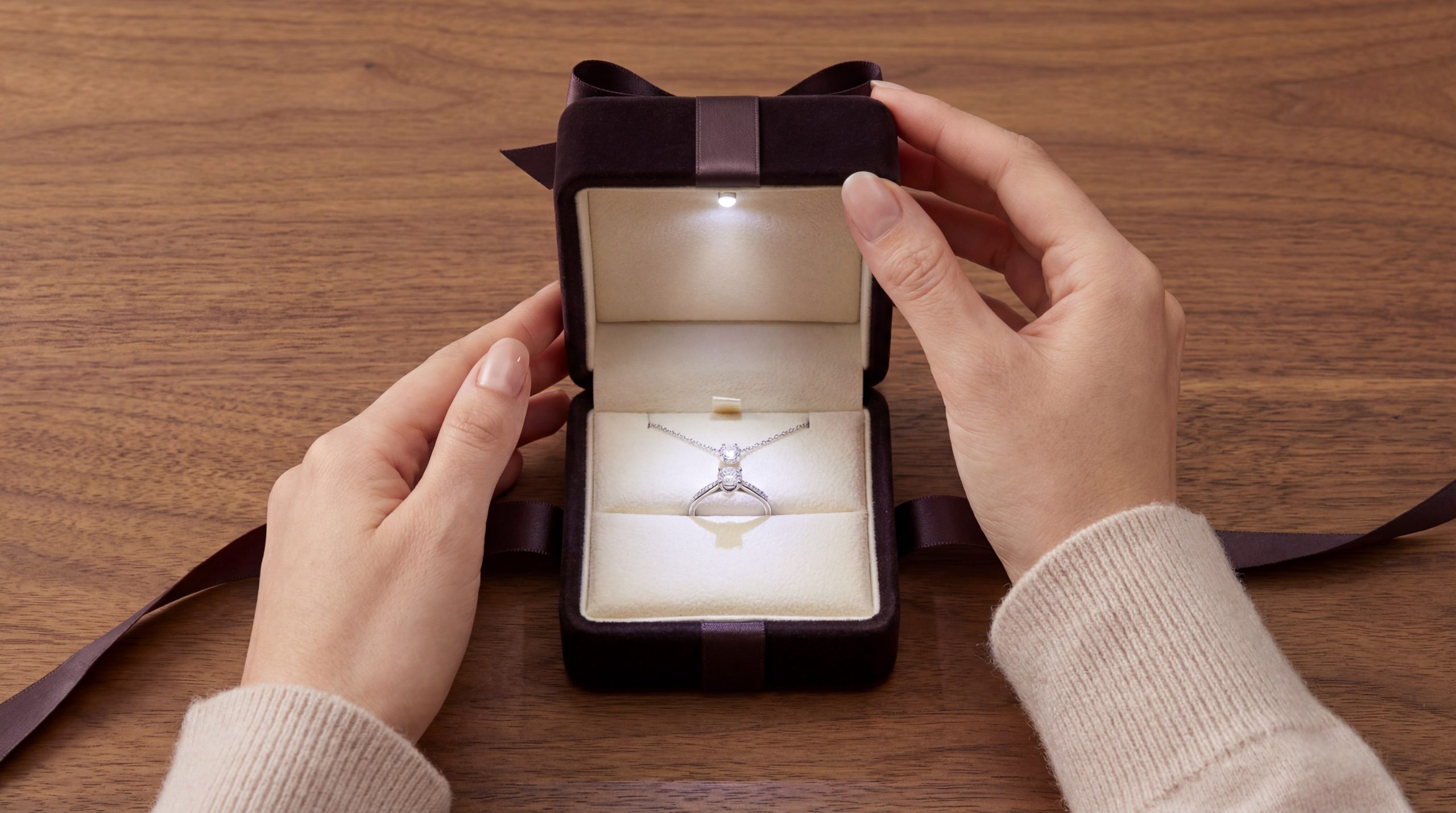
Rigid boxes and custom inserts represent what packaging is best for jewelry? to ensure both safe arrival and brand prestige. When shipping high-value B2B orders, generic mailers pose a significant risk of physical damage and poor first impressions. Tangled chains and scratched surfaces agitate retail partners and erode their professional trust in your craftsmanship. Professional solutions protect your inventory while reinforcing a premium brand identity for every wholesale recipient.
What packaging is best for jewelry to ensure safety and style?
The most effective way to protect inventory while maintaining a premium image is to use rigid gift boxes with custom-fitted internal cushions. Identifying what packaging is best for jewelry? requires balancing material durability with a high-end aesthetic that appeals to your retail partners.
Selecting the Right Container Foundations
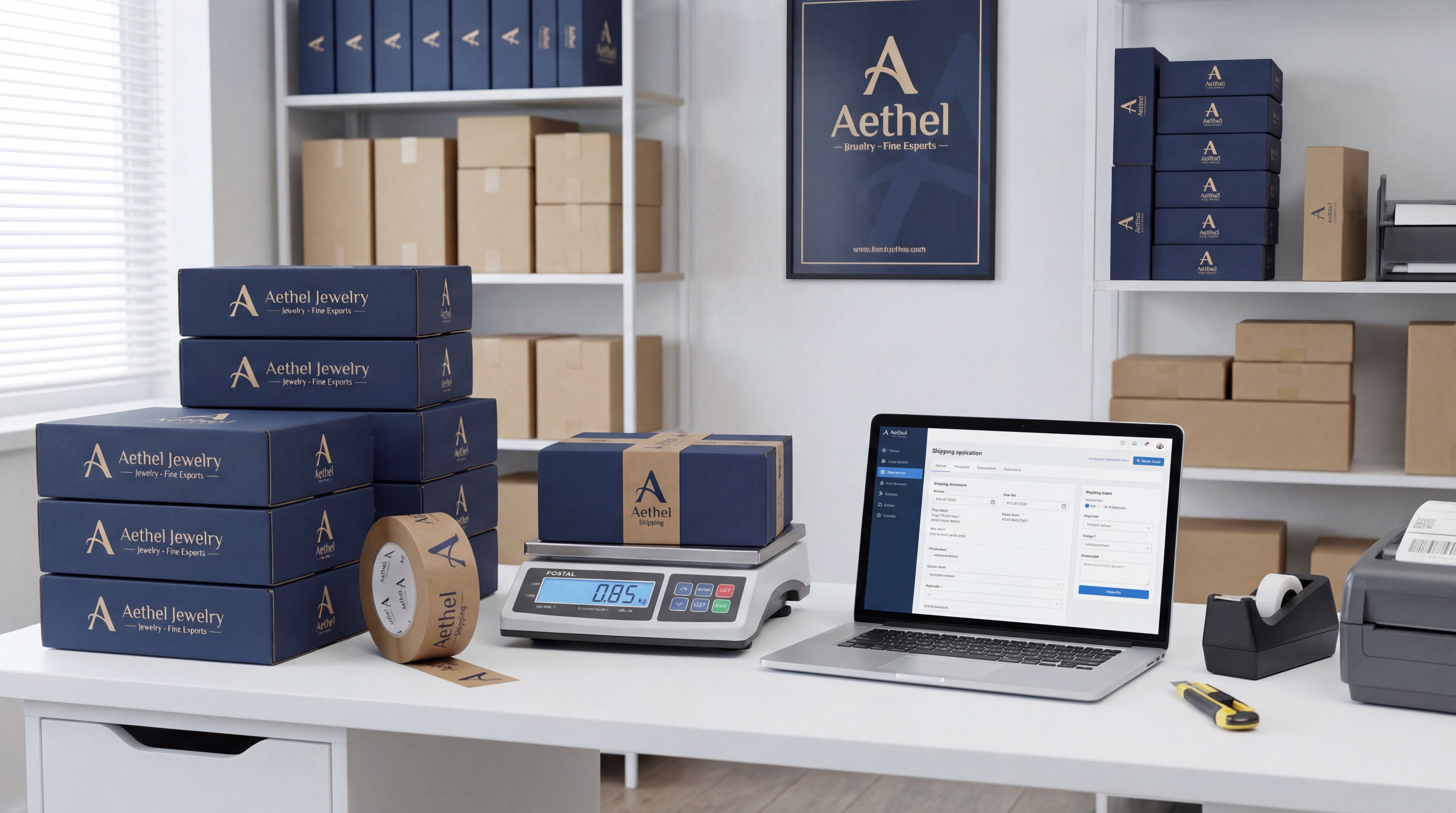
Choosing the base material for your wholesale shipments is the first step in protecting your bottom line. You need to balance the weight for shipping costs with the rigidity required for impact resistance.
- Cardboard offers a cost-effective shipping base.
- Rigid paperboard provides superior crush resistance.
- Sustainable wood options elevate the luxury feel.
Balancing Weight and Durability
But that is not all. High-volume B2B orders often require lightweight materials that do not sacrifice structural integrity during long-distance transit.
Customizing for Specific Inventory Types
Standardization is great for efficiency, but specialized inventory needs dedicated sizing to prevent movement. Here is why: precision sizing reduces the need for excessive void fill.
Key Takeaway:Durable foundations like rigid paperboard are the gold standard for B2B shipments because they withstand the rigors of logistics without losing their premium shape.
| Material | Durability | Brand Perception | Cost Efficiency | |
|---|---|---|---|---|
| Rigid Paperboard | High | Premium | Moderate | |
| Corrugated Mailers | Moderate | Standard | High | |
| Wood/Plastic | Excellent | Ultra-Luxury | Low |
Analyzing these foundational components reveals a clear hierarchy of protective value for your jewelry products.
Why is the unboxing experience critical for your jewelry brand?
Providing a high-end unboxing experience is essential because it serves as the final touchpoint for quality assurance in your brand journey. This moment defines the perceived value of your items before the customer even sees the jewelry itself.
Driving Social Media Visibility
In the modern landscape, your retailers are looking for “Instagrammable” products that their own customers will want to share. If your packaging facilitates a beautiful unboxing, they are more likely to promote your brand.
- Consistent branding builds recognition.
- Unique textures create tactile memories.
- Hidden details surprise and delight buyers.
Building Brand Loyalty and Trust
When you provide a premium unboxing experience, you signal to your partners that you value the craftsmanship of your jewelry. Here is the bottom line: retailers are more likely to reorder from suppliers who prioritize presentation.
Enhancing Perceived Product Value
Think about it. A simple box change can allow you to command a higher price point by moving the item into a luxury category.
Key Takeaway:Strategic unboxing design functions as a silent marketing tool that reinforces your brand’s commitment to quality and attention to detail.
| Feature | Impact on Buyer | Long-term Value | |
|---|---|---|---|
| Custom Ribbon | Tactile satisfaction | Brand recognition | |
| Embossed Logo | Quality signaling | High trust | |
| Scented Linings | Multi-sensory appeal | Memorable experience |
Evaluating the unboxing journey helps you identify specific moments where your brand can stand out from the competition.
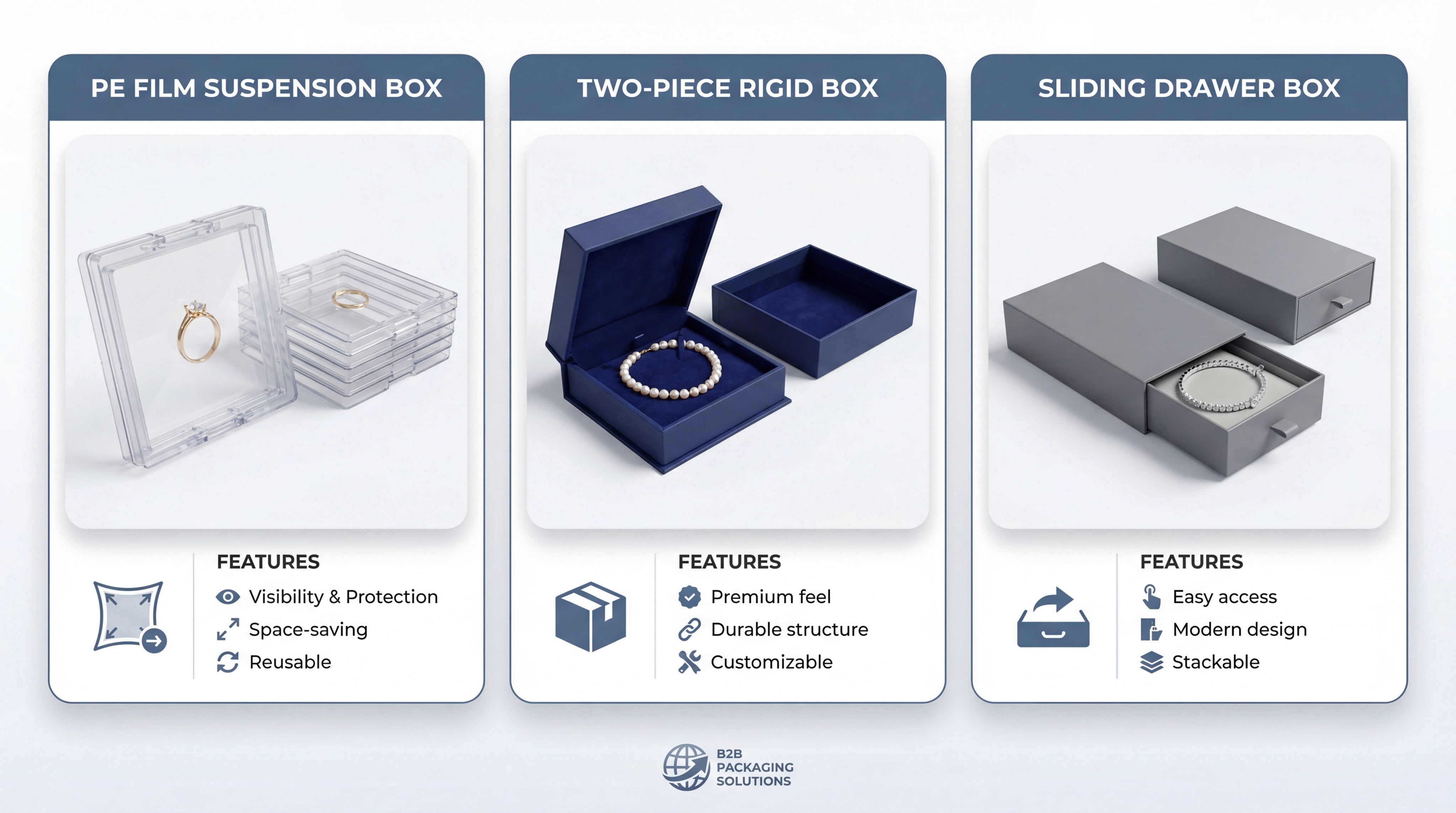
What are the different types of jewelry boxes you should consider?
You should consider a mix of suspension boxes, two-piece rigid boxes, and drawer-style containers depending on the specific price point of your jewelry. Determining what packaging is best for jewelry? depends on whether you prioritize display visibility or traditional luxury aesthetics.
Innovative Suspension Packaging
Suspension boxes use flexible PE film to hold jewelry in place, making the item appear to float. This provides 360-degree visibility while protecting against moisture and dust.
- Transparent film allows for easy inspection.
- The airtight seal prevents tarnishing.
- Stackable designs save warehouse space.
Traditional Two-Piece Boxes
The classic lid-and-base setup remains a staple for its ease of use and professional aesthetic. It offers a familiar luxury feel that most high-end retailers expect for their inventory.
Drawer-Style Sliding Boxes
But wait, there is more. The “matchbox” style offers a sophisticated sliding mechanism that feels more like a keepsake than a disposable container.
Key Takeaway:Diverse box types allow you to segment your inventory by value, ensuring that each product line has a container that fits its specific market position.
| Box Style | Best Use | Key Benefit | |
|---|---|---|---|
| PE Film | High-volume display | Dust-proof protection | |
| Two-Piece | Luxury gift sets | Structural strength | |
| Drawer Style | Rings and charms | Premium interaction |
Categorizing your inventory by box type ensures that shipping costs remain optimized while protection levels stay high.
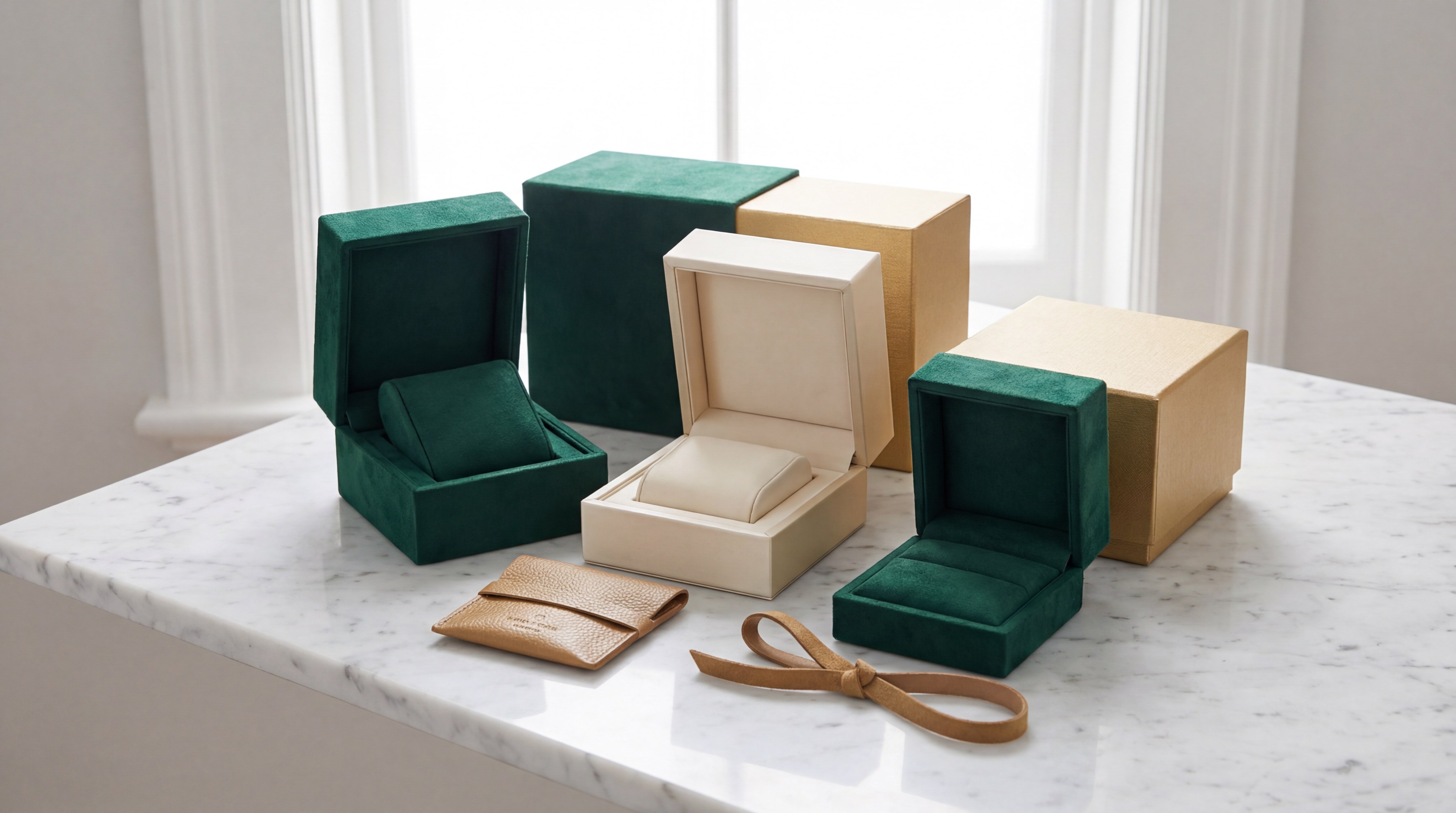
How do custom inserts enhance product protection?
Custom inserts provide structural stability that prevents jewelry from shifting or tangling during the complex B2B logistics cycle. They act as the primary barrier against friction-related damage and impact during transit.
Precision Cut Foam and Velvet
An insert isn’t just for looks; it’s a stabilizer. For necklaces, a dedicated foam insert with custom notches ensures the chain doesn’t knot during shipping.
- EVA foam offers high impact absorption.
- Velvet coverings prevent surface scratches.
- Sponge inserts provide a soft, plush feel.
Preventing Scratches and Friction
When shipping multiple units, inserts prevent items from rubbing against each other. This is the primary cause of surface micro-scratches on polished gold and silver.
Organizing Multi-Piece Sets
But it gets better. Custom inserts allow you to present earrings, rings, and necklaces together in a single, cohesive display that is ready for the retail floor.
Key Takeaway:The right insert material is critical for maintaining the pristine finish of your jewelry and reducing the return rate caused by transit damage.
| Insert Type | Material | Protective Focus | |
|---|---|---|---|
| Die-cut Foam | EVA/PU | Shock and impact | |
| Flocked Plastic | PVC/PS | Aesthetics and shape | |
| Cardboard | Recycled paper | Eco-friendly buffer |
Reviewing these insert options helps you decide which material provides the best cushioning for your specific jewelry designs.
What steps should you take to prepare jewelry for shipment?
You should conduct a thorough quality audit and use specialized stabilization tools like bracelet bars or necklace cards to prepare jewelry for shipment. Deciding what packaging is best for jewelry? requires a multi-step preparation process that begins long before the item is placed in its final box.
The Pre-Packing Quality Audit
Before an item ever touches a box, it must be inspected for manufacturing defects. This reduces the return rate and keeps your wholesale partners happy with every shipment.
- Check clasps for proper functionality.
- Inspect stone settings for security.
- Verify metal hallmarks are visible.
Ensuring Tangled-Free Transit
For bracelets and anklets, use a specific card or bar that keeps the item taut. It gets better: a taut item is less likely to suffer from chain fatigue during movement.
Final Polishing and Handling
Always use gloves when handling the final product to ensure no fingerprints are left on polished surfaces. This small step makes a massive difference in the professional appearance of the order.
Key Takeaway:A disciplined preparation routine ensures that jewelry arrives in the same condition it left the studio, preserving your brand’s reputation for excellence.
| Step | Objective | Recommended Tool | |
|---|---|---|---|
| Audit | Defect detection | Jewelry loupe | |
| Tensioning | Prevent tangles | Display cards | |
| Polishing | Surface clarity | Microfiber cloth |
Establishing these preparation protocols creates a consistent standard of quality across your entire B2B operation.
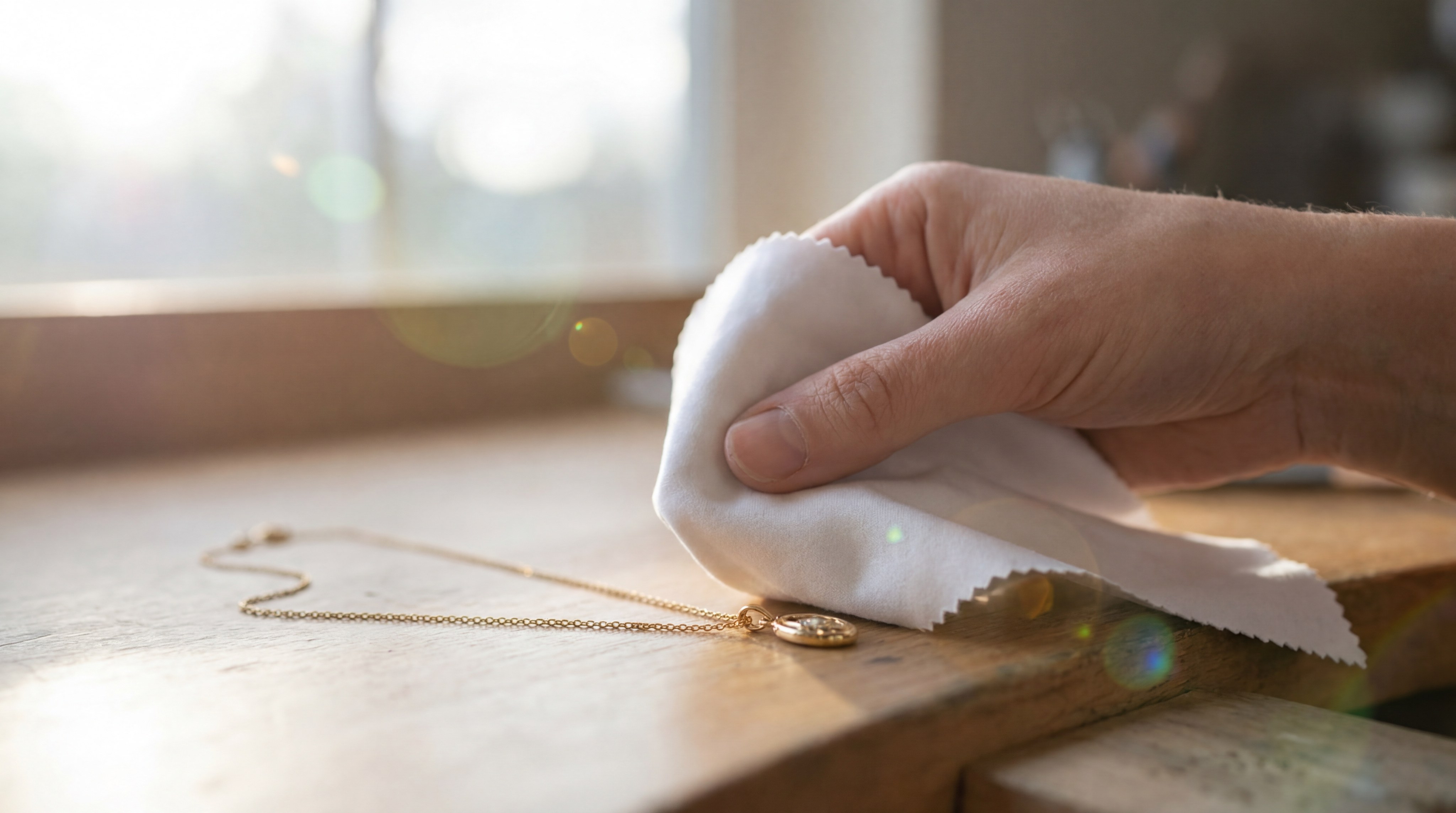
How do you properly clean materials before packing?
Proper cleaning involves using specialized polishing cloths for precious metals and gentle, chemical-free wipes for delicate gemstones or organic materials like pearls. Shipping jewelry with residues can lead to permanent tarnishing or corrosion when sealed inside a container for long periods.

Cleaning Precious Metals
Sterling silver requires a microfiber cloth and gentle silver polish to remove oxidation. For gold, a quick wipe with a lint-free cloth is usually sufficient to restore its natural luster.
- Avoid abrasive pads that scratch gold.
- Ensure all cleaning fluids are dried.
- Use anti-tarnish sprays sparingly.
Handling Gemstones and Pearls
Gemstones require care to ensure maximum sparkle, while pearls must only be wiped with a damp, soft cloth. Let’s be honest: using harsh chemicals on organic gems can destroy their value instantly.
Moisture Control Protocols
Never ship damp jewelry because moisture trapped in a box can cause rapid tarnishing. Use a dry air environment for packing to ensure the longevity of the metal finish.
Key Takeaway:Meticulous cleaning before packing ensures that your jewelry sparkles the moment your retail partner opens the box, reflecting a high level of care.
| Metal/Gem | Cleaning Method | Priority | |
|---|---|---|---|
| Gold | Dry microfiber | Fingerprint removal | |
| Silver | Polishing cloth | Oxidation removal | |
| Pearls | Damp soft cloth | Surface hydration |
Comparing these cleaning methods allows your staff to handle a wide variety of materials without risking damage to the inventory.
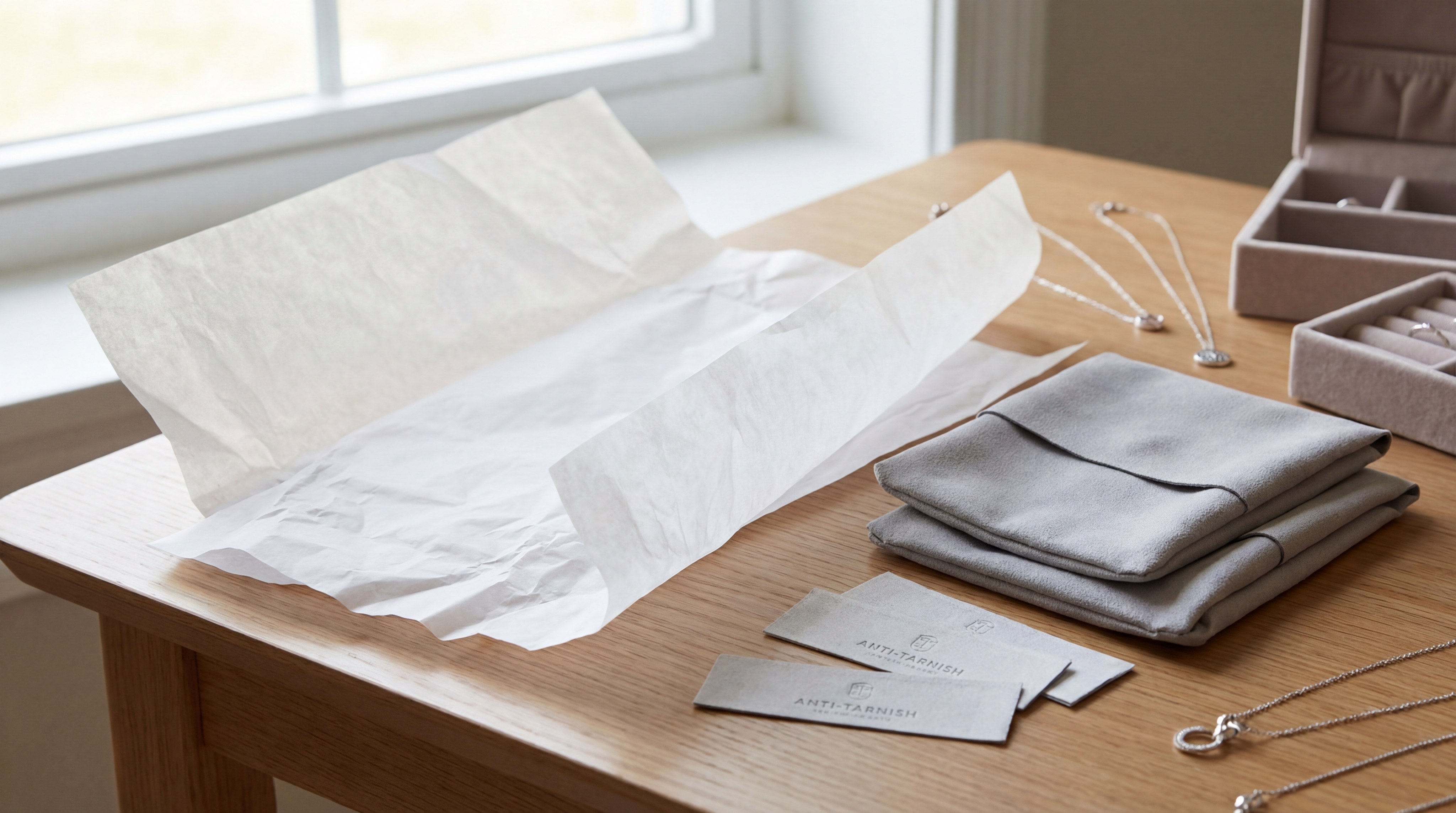
What materials are best for wrapping and bagging items?
The best materials for wrapping include acid-free tissue paper and anti-tarnish microfiber pouches to provide an extra layer of protection. When choosing what packaging is best for jewelry? , you must consider secondary layers that buffer against humidity and chemical reactions.
The Role of Microfiber Pouches
For smaller items like studs, a microfiber pouch provides double-layered protection inside the primary box. These pouches are also useful for the end consumer to use as permanent storage.
- Pouches prevent jewelry items from clashing.
- Microfiber can double as a cleaning tool.
- Customized pouches increase brand touchpoints.
Acid-Free Tissue Paper
Using acid-free paper is non-negotiable for professional jewelry shipping. Standard tissue can react with certain metals over time, leading to unsightly yellowing or dark spots on your pieces.
Implementing Anti-Tarnish Strips
Think about it. Including a small anti-tarnish strip inside the bag is a professional touch that wholesalers appreciate for long-term inventory storage.
Key Takeaway:Secondary wrapping materials like acid-free paper and pouches provide a critical defense against environmental factors that could degrade jewelry quality.
| Material | Primary Function | B2B Benefit | |
|---|---|---|---|
| Acid-Free Paper | Chemical buffer | Prevents metal reaction | |
| Velvet Pouch | Surface protection | High perceived value | |
| Anti-Tarnish Strip | Air purification | Extends shelf life |
Selecting high-quality wrapping materials ensures that your products remain in mint condition even during international shipping.
How can you use custom branding to increase visibility?
You can increase visibility by using logo foil stamping, custom-colored ribbons, and branded shipping tape that identifies your company instantly upon delivery. Branding turns a simple shipping container into a powerful marketing asset that promotes your business throughout the supply chain.

Logo Placement Strategies
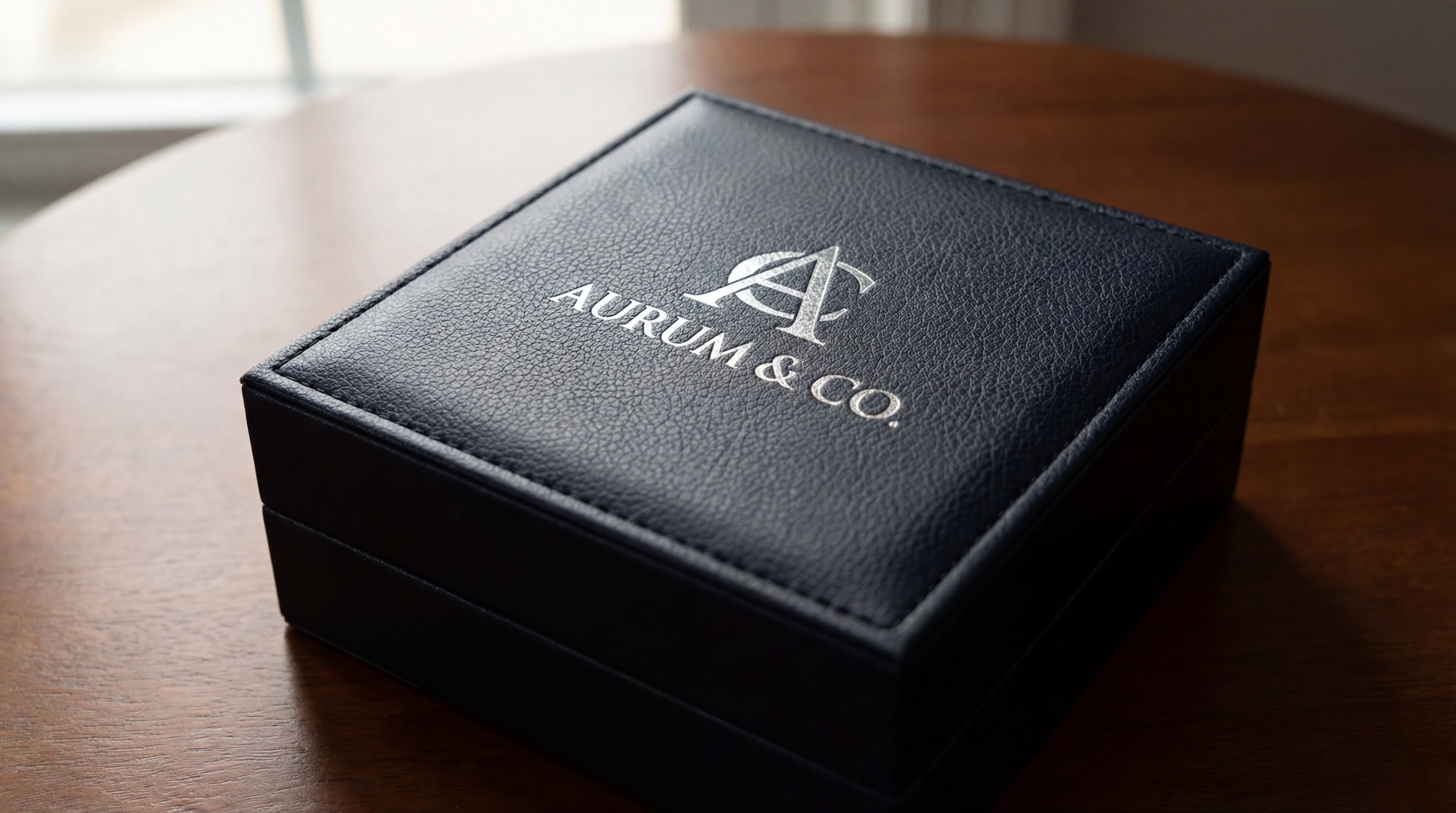
Your logo should be prominent but not overwhelming on the lid of the box. Foil stamping is a classic choice that signals luxury and professionalism to your retail partners.
- Gold foil for traditional luxury brands.
- Silver foil for modern, sleek designs.
- Debossing for a subtle, tactile finish.
Using Brand Colors for Recognition
Consistent use of your brand’s color palette across boxes, ribbons, and mailers ensures recognition. But that is not all; it creates a cohesive brand story that builds long-term loyalty.
Inside-the-Lid Branding
Utilizing the inside of the lid for a custom message or brand story is a “surprise and delight” tactic. It captures the recipient’s attention at the moment of peak engagement.
Key Takeaway:Effective branding on packaging ensures that your company is the first thing a retailer thinks of when they need to restock their high-quality jewelry.
| Branding Tool | Visual Impact | Cost Level | |
|---|---|---|---|
| Foil Stamping | High | Moderate | |
| Custom Ribbon | Moderate | Low | |
| Spot UV | Subtle | Moderate |
Analyzing your branding options helps you choose a design that matches your target price point and brand identity.
What are the best practices for choosing a shipping carrier?
Choosing a shipping carrier for jewelry requires evaluating their insurance policies for high-value items and their track record for secure, signature-required deliveries. Selecting what packaging is best for jewelry? is only half the battle; the other half is ensuring the logistics provider can handle high-risk inventory.
Evaluating Insurance and Liability
Jewelry is high-risk, and many standard carriers have strict limits on the value of jewelry they will cover. Ensure your carrier offers comprehensive insurance for high-value “declared value” shipments.
- Verify coverage for precious metals.
- Check limits for loose gemstones.
- Understand the claims process thoroughly.
Speed vs. Cost Analysis
For B2B, reliability often trumps speed. Here is why: a consistent delivery schedule allows your retailers to plan their floor resets and marketing campaigns with confidence.
Real-time Tracking and Security
Choose carriers with robust tracking systems that provide real-time updates to your clients. Signature-required delivery is essential to prevent theft and satisfy insurance requirements.
Key Takeaway:A secure shipping carrier is a vital partner in your business, protecting you from the financial loss of missing or stolen inventory.
| Carrier Feature | Importance | Why? | |
|---|---|---|---|
| High-Value Insurance | Essential | Protects against total loss | |
| Signature Requirement | High | Confirms chain of custody | |
| Tracking Accuracy | High | Manages client expectations |
Comparing these carrier traits helps you prioritize the security of your jewelry shipments over simple transit speed.
How do you keep customers engaged after their order ships?
You can keep customers engaged by providing automated shipping notifications and following up with a satisfaction survey once the package has arrived. Engagement shouldn’t stop at the point of sale; maintaining communication builds the foundation for a recurring B2B relationship.
Automated Shipping Notifications
The experience doesn’t end at the post office. Automated emails with tracking links keep the professional relationship transparent and build trust throughout the delivery phase.
- Include order details in the email.
- Provide a direct link to the carrier.
- Set expectations for delivery times.
Post-Purchase Follow-up
A simple check-in 48 hours after delivery to ensure the packaging arrived intact can significantly boost your brand’s reputation. It shows that you care about the product’s journey to the final destination.
Incentivizing Repeat Business
But it gets better. Use the follow-up email to provide a sneak peek of upcoming collections or offer a special discount for their next wholesale order.
Key Takeaway:Strategic post-shipping communication transforms a one-time buyer into a long-term partner who feels valued by your brand.
| Touchpoint | Timing | Focus | |
|---|---|---|---|
| Tracking Link | Instant | Transparency | |
| Arrival Notice | Delivery Day | Excitement | |
| Satisfaction Check | 2 Days After | Quality Control |
Reviewing these engagement steps helps you maintain a strong presence in your partner’s mind long after the transaction is complete.
Conclusion
Investing in high-quality jewelry packaging is an investment in your brand’s future and professional reputation. By selecting the right boxes, using custom inserts, and ensuring your items are cleaned and wrapped correctly, you provide a seamless experience for your B2B partners. Ready to elevate your brand’s presentation and protect your inventory? Please contact us today to find the perfect solution for your unique business needs.
FAQ
1. Can I use eco-friendly materials for high-end jewelry boxes?Yes. High-quality recycled kraft paper and biodegradable molded pulps are incredibly sturdy and are increasingly preferred by modern retailers for their sustainable appeal.
2. What’s the best way to prevent necklaces from tangling?The most effective method is using specific necklace boxes with integrated notches that hold the chain in place or wrapping the chain around a card insert before placing it in a pouch.
3. Can I ship jewelry in bubble mailers to save on costs?It is not recommended for B2B. Bubble mailers offer very little crush protection, and the “cheap” presentation can negatively impact your brand’s perceived value with retail partners.
4. What’s the best material for custom jewelry box inserts?EVA foam is generally considered the best material because it is highly durable, can be precision-cut to any shape, and provides excellent shock absorption during transit.
5. Can I customize the interior of the box lid?Yes. Printing your logo or a brand message on the inside of the lid is a great way to enhance the unboxing experience and provide extra brand visibility.