
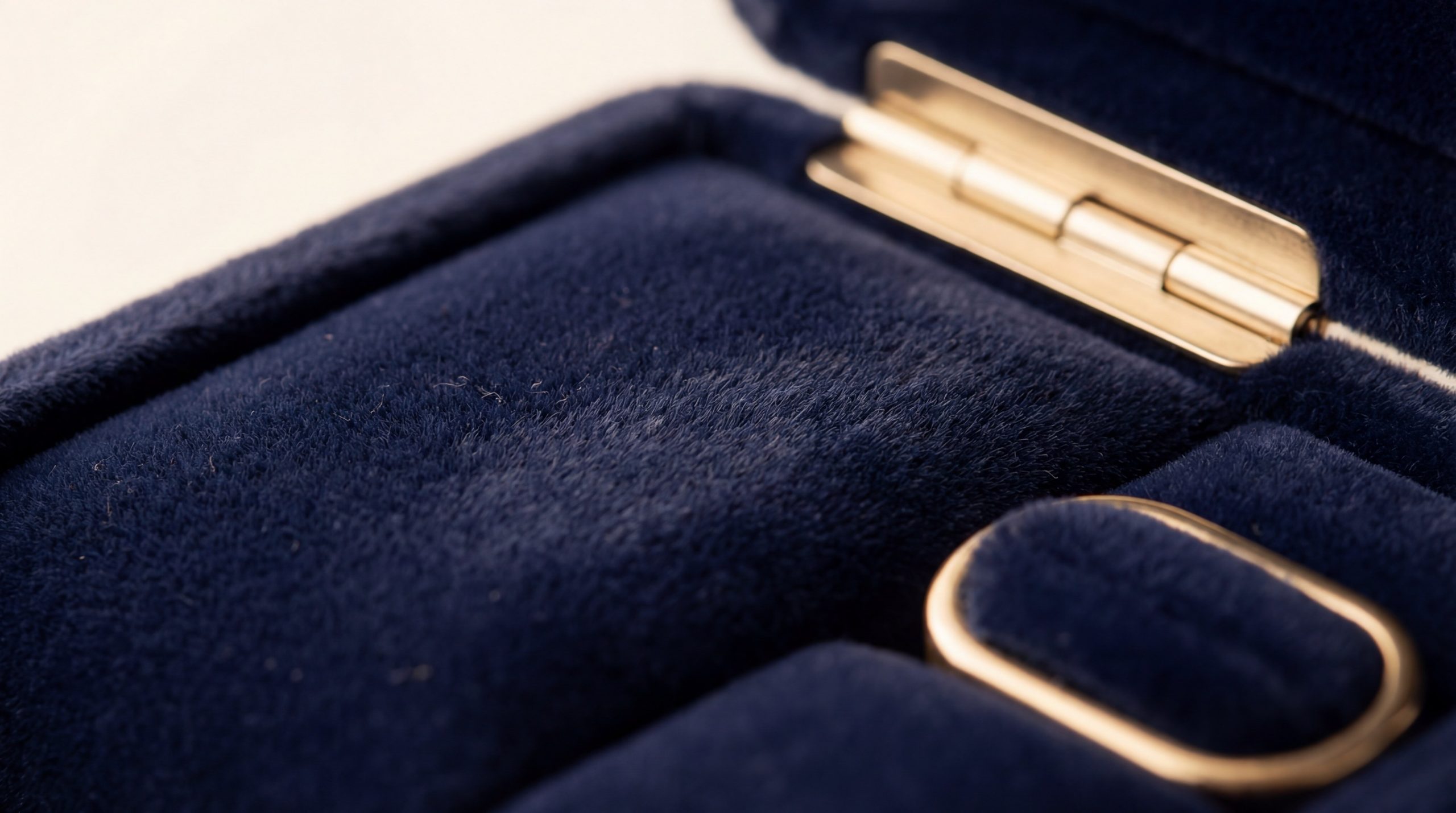
A jewelry box is more than a container; it is a curated sanctuary for your most valuable assets. Whether you are a retailer managing inventory or a collector preserving heirlooms, maintaining the integrity of a premium jewelry packaging box is critical. Over time, environmental pollutants and oils can degrade the very linings designed to protect your pieces. Understanding how to clean felt in a jewelry box and restorative techniques for velvet is the first step in a professional maintenance routine that extends the lifespan of both the storage vessel and the jewelry within.
Why is regular cleaning vital for jewelry protection?
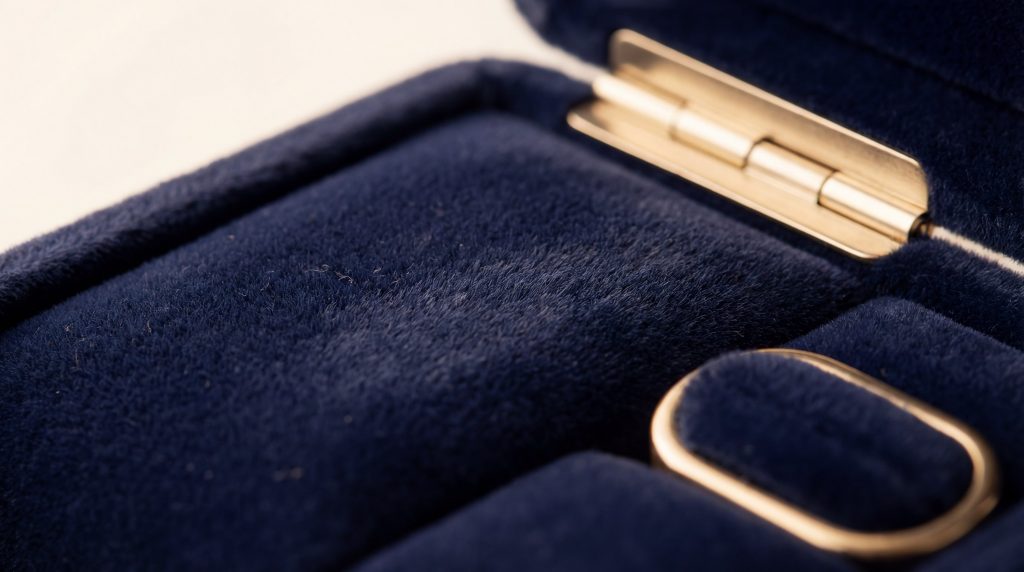
In a professional storage environment, dust is not merely an aesthetic concern—it is a microscopic abrasive. Fine particles of silica and environmental debris can settle into fabric fibers, creating a sandpaper-like surface that causes micro-scratches on soft metals like 24k gold and porous gemstones like opals. Furthermore, in humid climates, the organic components of fabric linings can host microbial growth. Regular maintenance, including knowing how to clean felt in a jewelry box, prevents the accumulation of mold and mildew that can lead to irreversible tarnishing and “storage stink.”
| Impact Factor | Consequence of Neglect | Benefit of Cleaning | |
|---|---|---|---|
| Dust Accumulation | Micro-abrasions on metal and stones | Smooth, friction-free contact surfaces | |
| Humidity/Moisture | Mold growth and fabric rot | Preservation of structural integrity | |
| Organic Oils | Permanent staining and fiber matting | Consistent tactile luxury and appearance |
Key Takeaway: Consistent cleaning transforms a storage box from a passive container into an active preservation tool, mitigating the risk of physical abrasion and chemical degradation.
What supplies do you need for delicate interiors?
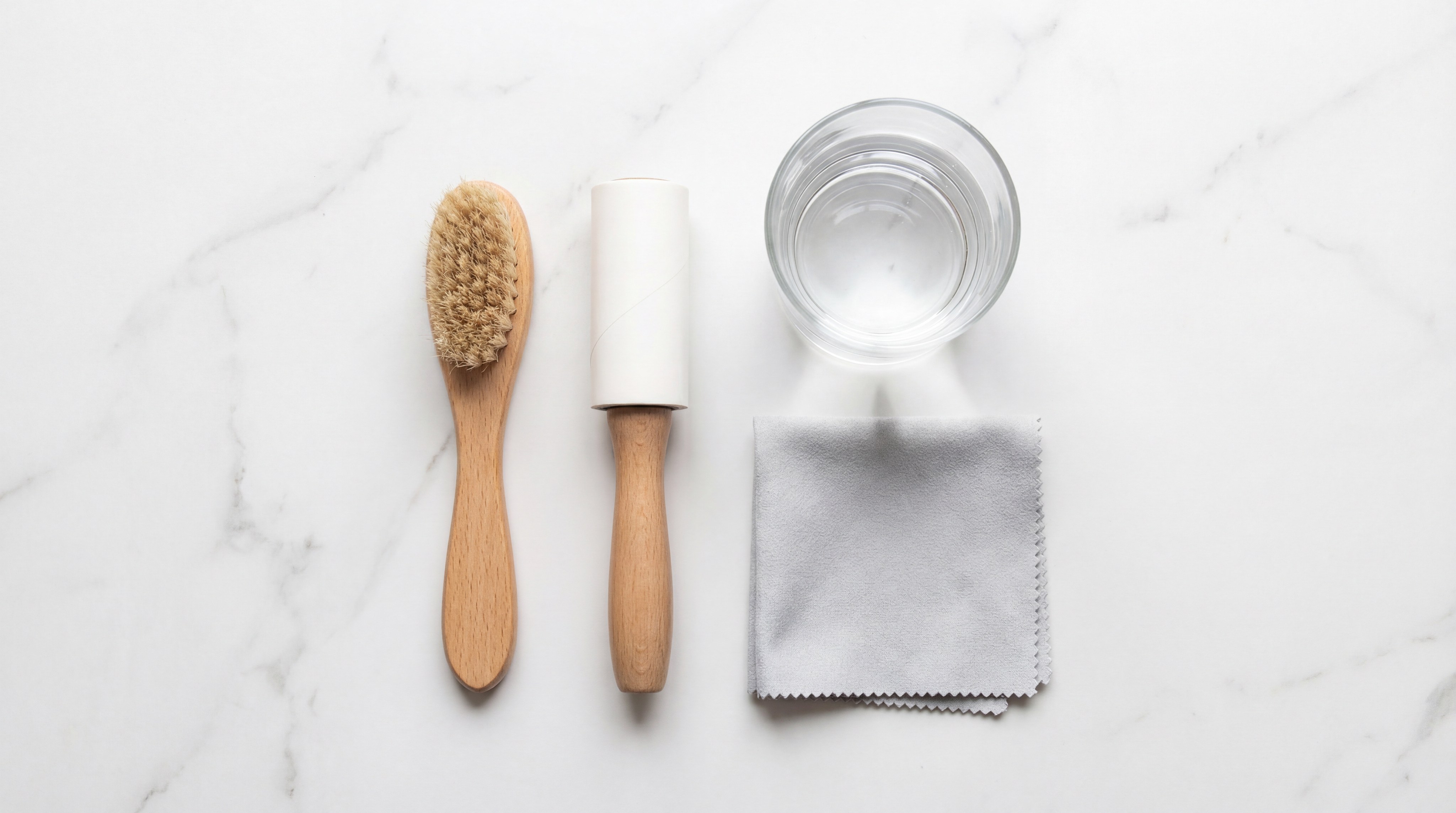
Cleaning high-end materials like velvet and felt requires a specialized toolkit. Standard household cleaners are often too acidic or alkaline, which can strip the dyes from the fabric or weaken the adhesives holding the box together. A professional-grade kit should prioritize pH-neutral solutions and soft-touch applicators. Distilled water is a mandatory requirement to avoid the mineral spotting often caused by tap water.
The Essential Toolkit:
- Soft-Bristled Brushes: Goat hair or soft nylon to lift debris without pilling.
- Lint Rollers: Miniaturized versions for tight corners and ring slots.
- Distilled Water: To prevent mineral deposits on dark linings.
- pH-Neutral Soap: A mild, fragrance-free detergent for spot treatment.
- Microfiber Cloths: High-density weave for drying and polishing.
| Supply Item | Primary Function | Why it Matters | |
|---|---|---|---|
| Goat Hair Brush | Surface debris removal | Does not snag or pull delicate fibers | |
| Distilled Water | Solvent for spot cleaning | Zero mineral residue or “halos” | |
| pH-Neutral Soap | Oil emulsification | Protects fabric dye and fiber strength |
Key Takeaway: The quality of your tools dictates the safety of the cleaning process; never use standard household chemicals on delicate box linings.
How do you safely disassemble the box components?
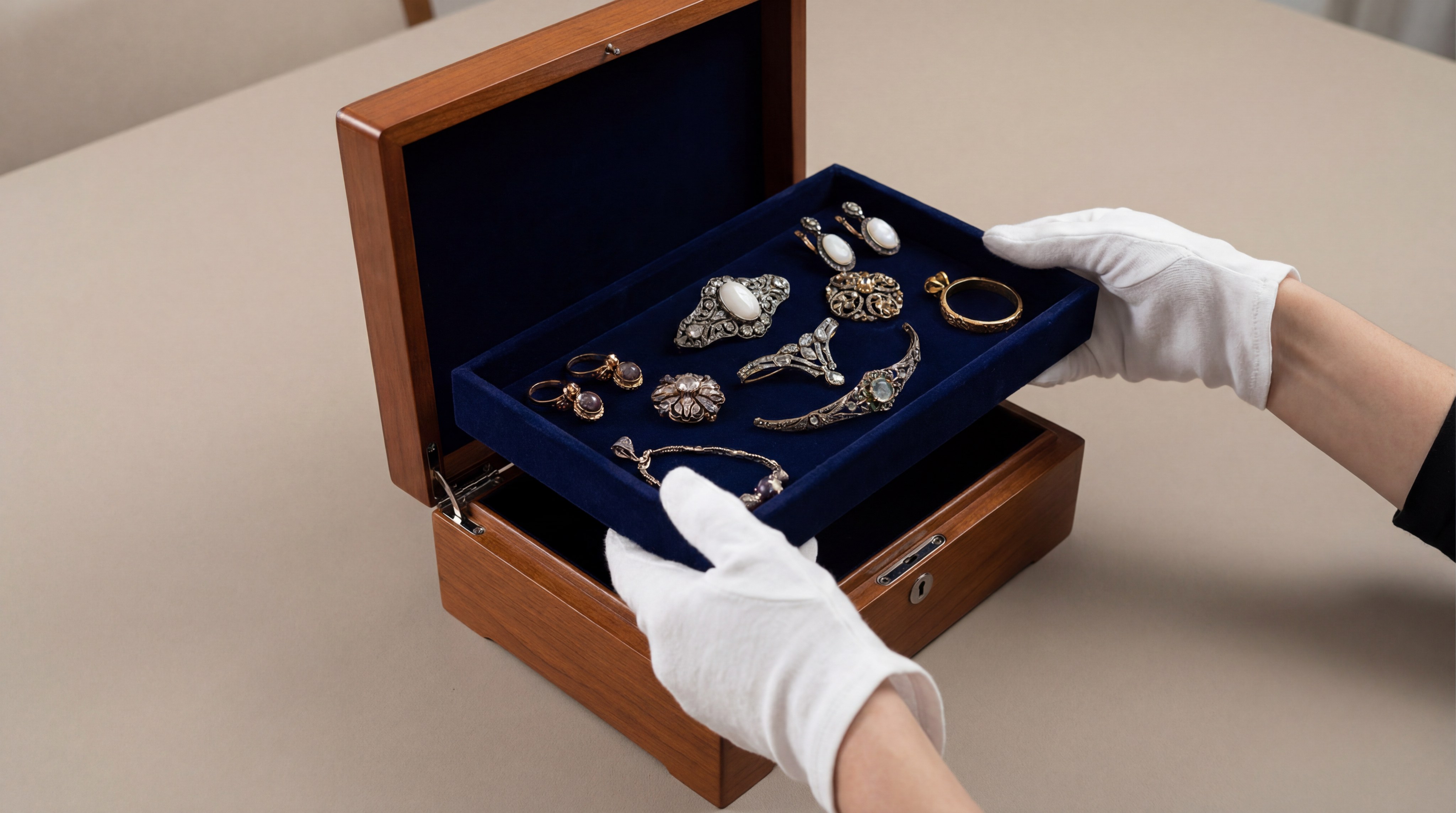
Before addressing the fabric, you must access every crevice. Many premium boxes feature lift-out trays, removable watch pillows, and modular dividers. Forcing these components can damage the underlying frame. When learning how to clean felt in a jewelry box, the first step is a systematic teardown. Use a “top-down” approach, removing the smallest inserts first. We recommend taking a high-resolution photograph of the layout before disassembly to ensure the complex organizational grid is restored perfectly.
| Step | Action | Objective | |
|---|---|---|---|
| 1. Emptying | Remove all jewelry to a soft, secure tray | Prevent loss or damage to pieces | |
| 2. Documentation | Photograph the interior layout | Ensure accurate reassembly | |
| 3. Extraction | Gently lift out trays using integrated tabs | Access the “hidden” base lining |
Key Takeaway: Systematic disassembly prevents structural damage and ensures that no dust pockets remain trapped under removable components.
How to clean felt in a jewelry box without damage?
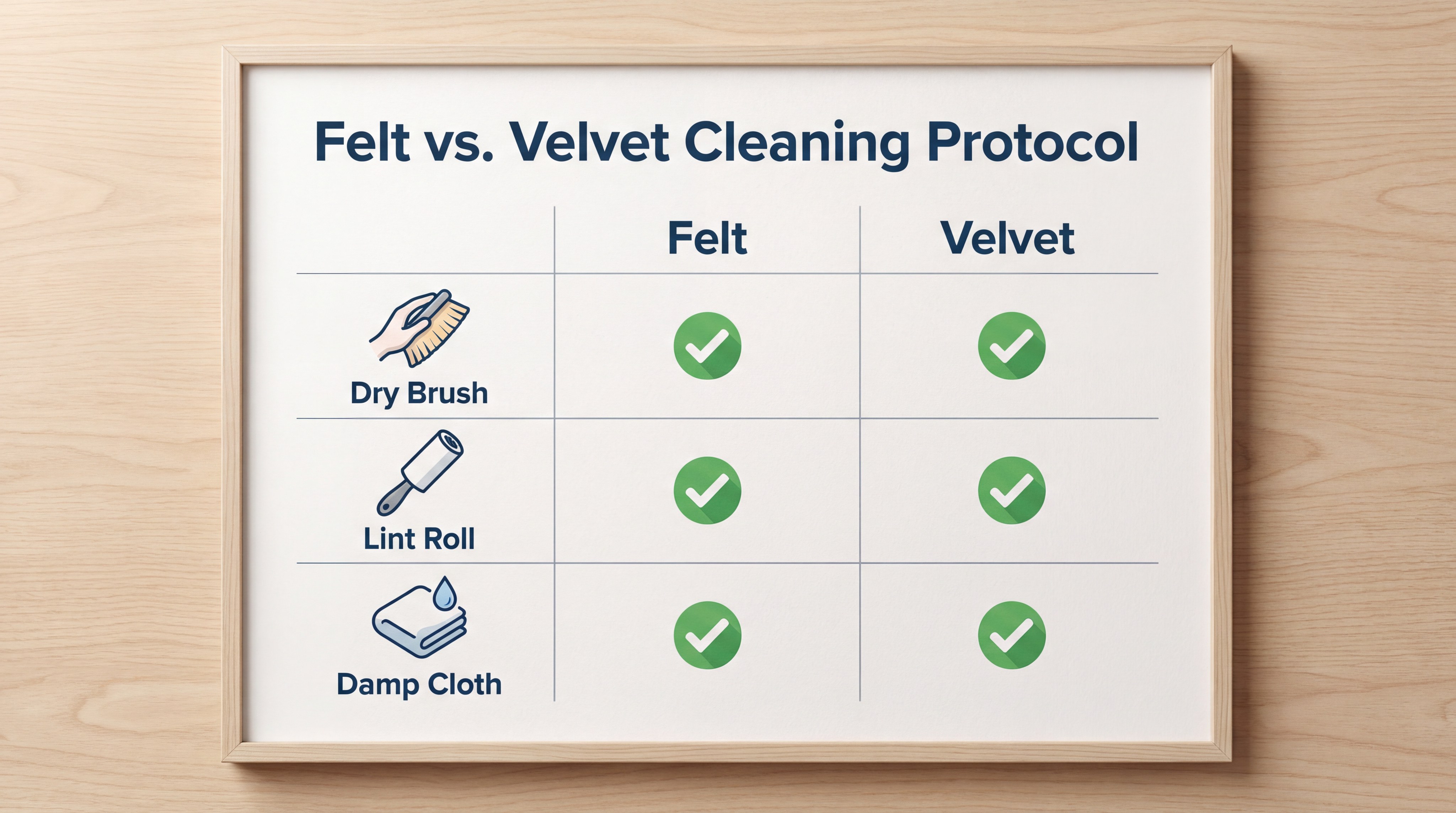
Felt is a non-woven material, making it particularly susceptible to shrinking and pilling if oversaturated. The primary goal is surface debris removal. Start with a dry soft brush, moving in short, circular motions to lift dust from the matted fibers. If spot cleaning is necessary for a spill, use a “dry-damp” method: dampen a microfiber cloth with distilled water and a drop of pH-neutral soap, wring it until it feels almost dry, and press it into the felt. Never rub, as friction will create unsightly pilling that ruins the box’s professional appearance.
| Method | Recommended For | Caution | |
|---|---|---|---|
| Dry Brushing | Dust and hair removal | Use soft bristles only | |
| Lint Rolling | Stubborn particles | Use low-tack adhesive rollers | |
| Damp Dabbing | Water-based stains | Avoid oversaturation to prevent shrinking |
Key Takeaway: Felt requires a “moisture-minimal” approach; dry cleaning methods should always be exhausted before introducing any liquid.
Can you remove deep stains from velvet linings?
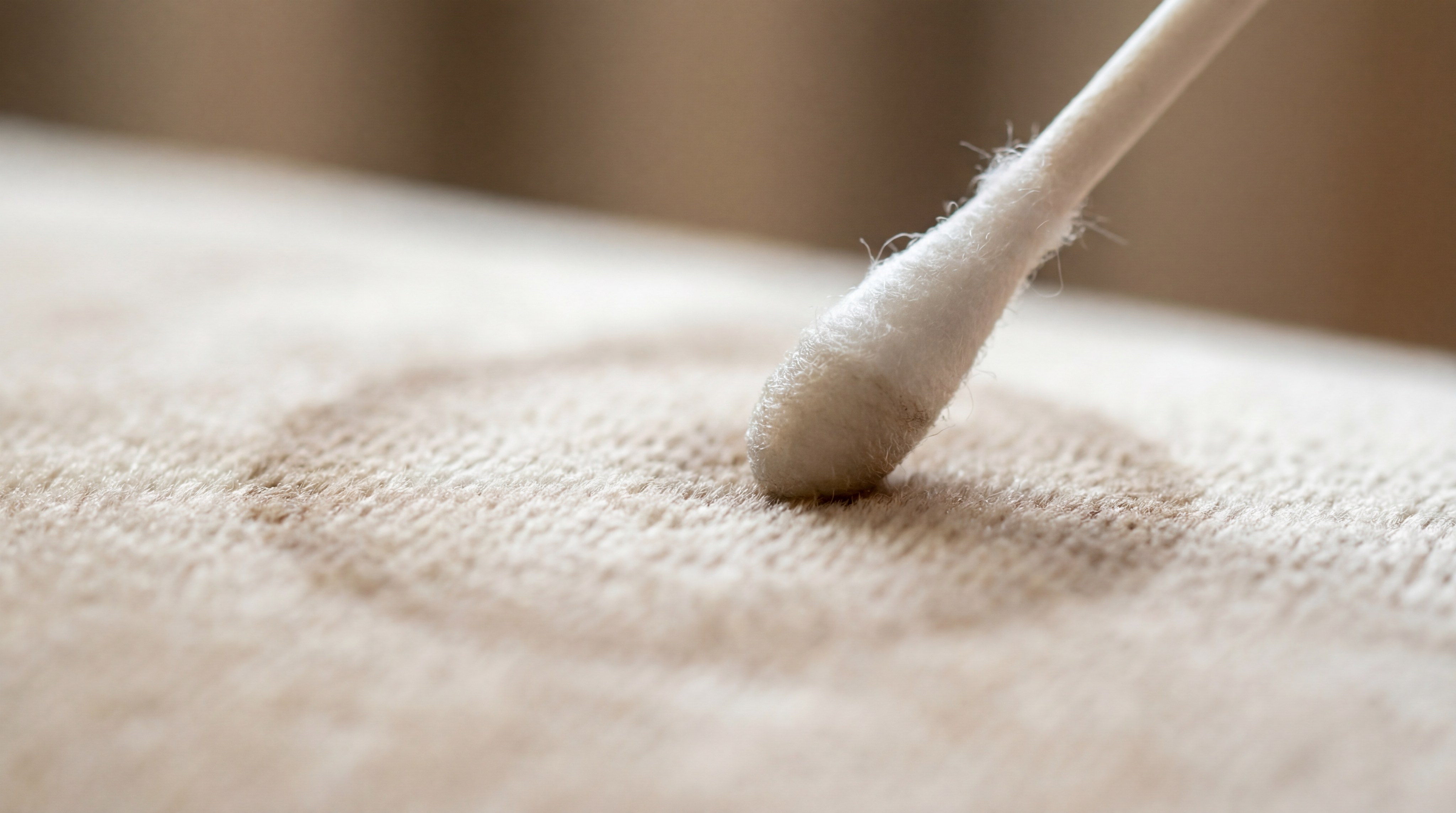
Velvet is a pile fabric, meaning it has depth and direction. When a stain occurs, it often sinks into the base of the pile. To clean velvet in jewelry box stains safely , you must use a dabbing technique. By pressing a clean, damp cotton swab or cloth vertically into the stain, you “wick” the oil or dirt upward into the cleaning medium. Understanding how to clean felt in a jewelry box helps here, as the principle of minimal moisture applies to velvet as well—too much water can collapse the pile, leaving a permanent “crushed” mark.
| Stain Type | Treatment Method | Goal | |
|---|---|---|---|
| Skin Oils | pH-neutral soap & distilled water dab | Emulsify and lift | |
| Dry Debris | Soft-bristle lifting | Prevent fiber crushing | |
| Unknown Spills | High-absorbent microfiber press | Wick moisture vertically |
Key Takeaway: Vertical dabbing is the only safe way to remove stains from velvet without destroying the “hand” or texture of the material.
What soft tools are best for velvet surfaces?
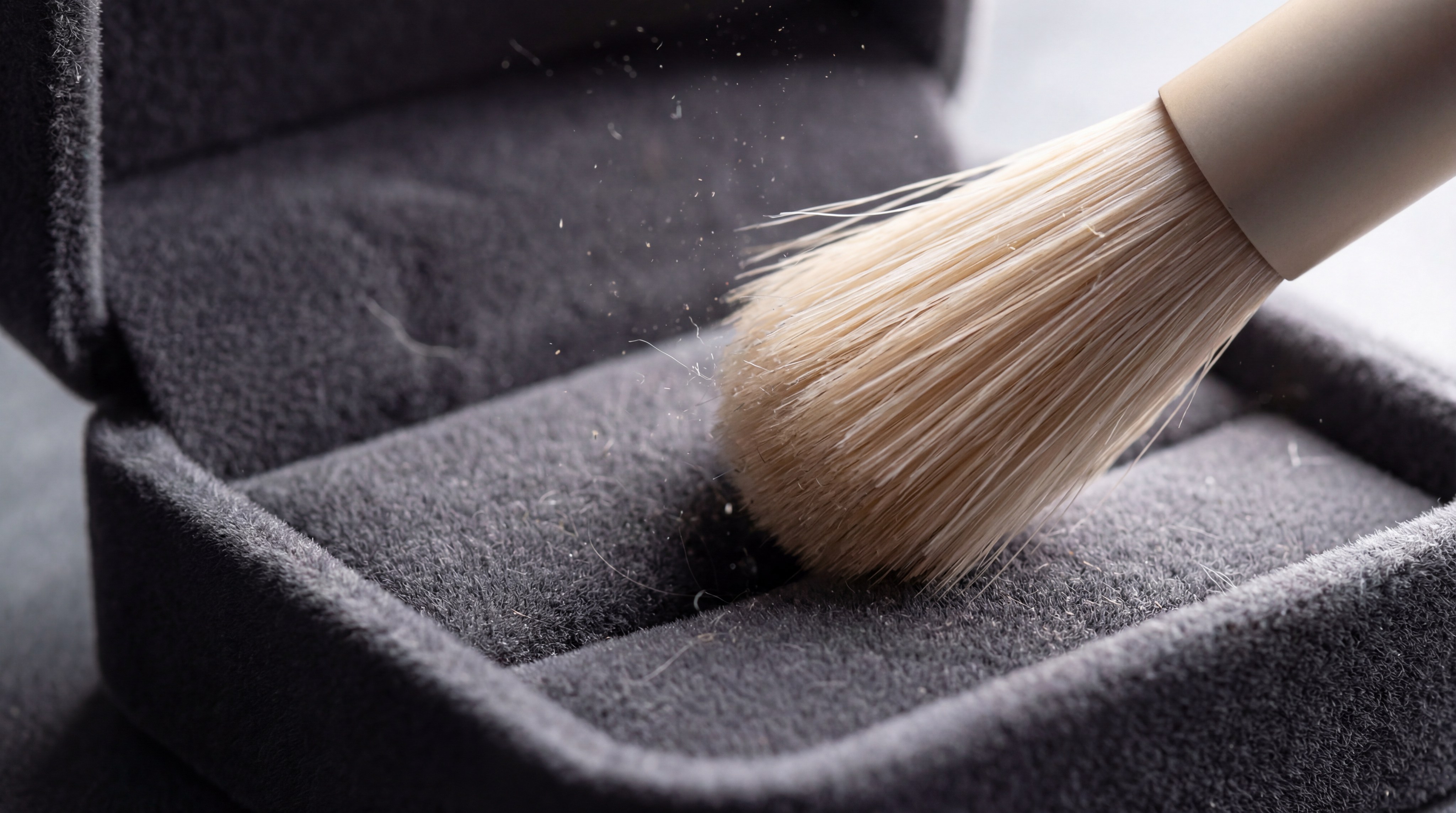
The delicate nature of velvet requires tools that mimic the softness of the fabric itself. A jewelry box with velvet using soft tools maintains its luster longer. We recommend goat hair brushes, which are naturally oily enough to attract dust but soft enough not to scratch. For deep-seated dust in corners, a handheld vacuum with a micro-attachment can be used, provided it has an adjustable suction setting. High-powered suction can pull the velvet away from its adhesive backing, creating bubbles or tears in the lining.
| Tool | Benefit | Professional Tip | |
|---|---|---|---|
| Goat Hair Brush | Ultra-soft, anti-static | Brush in the direction of the pile | |
| Micro-Vacuum | Reaches deep corners | Always use the lowest suction setting | |
| Silk Sponge | Gentle moisture applicator | Squeeze until nearly dry before use |
Key Takeaway: Tool selection is the bridge between a clean box and a ruined lining; always opt for the softest possible contact medium.
How can you sanitize wood and metal hardware?
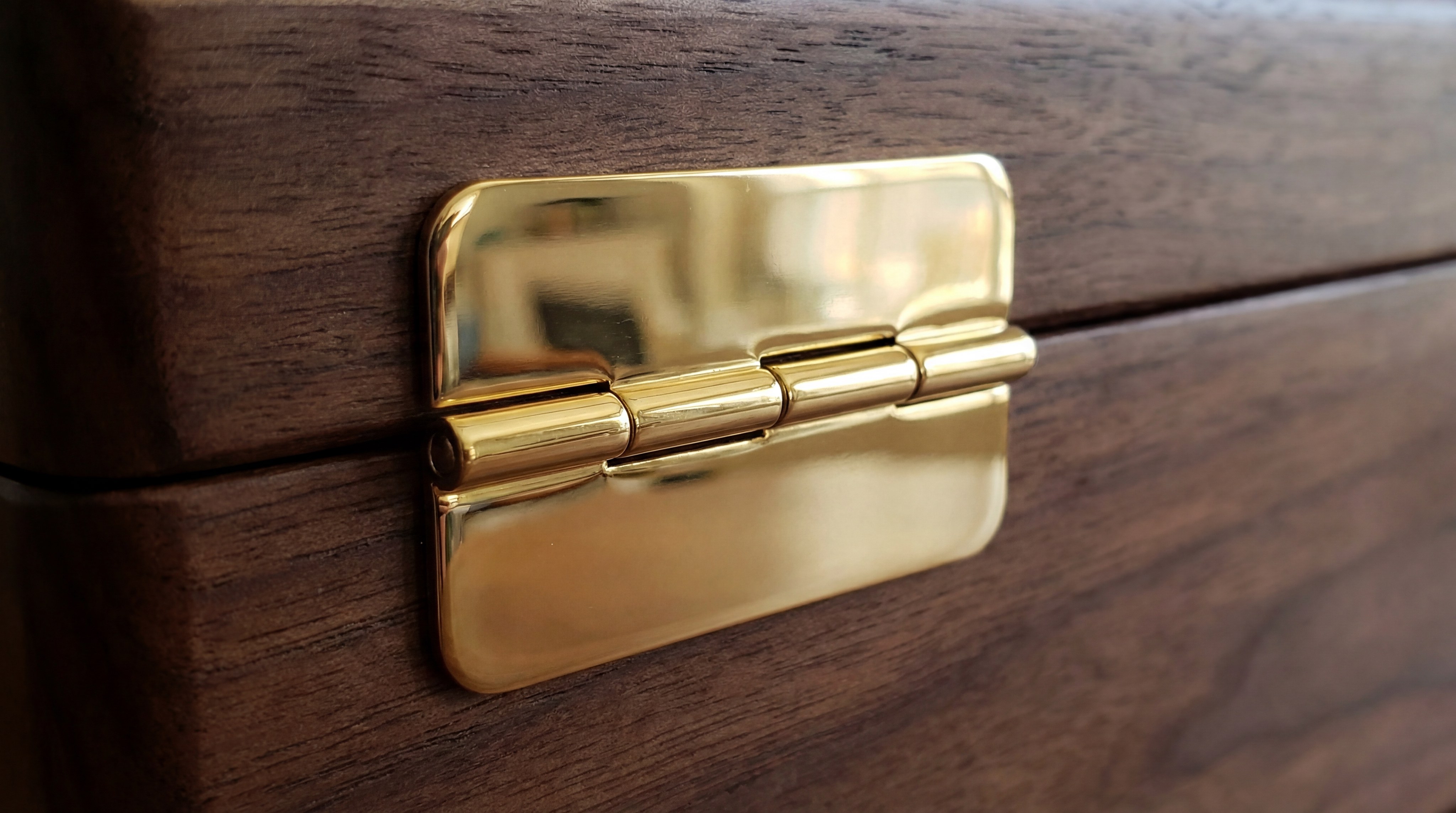
While the interior protects the jewelry, the exterior and hardware protect the box itself. Wooden exteriors should be conditioned with natural, non-greasy oils (like lemon oil or beeswax) to prevent cracking. Hardware, such as hinges and clasps, often accumulates tarnish or fingerprint oils. When considering how to clean felt in a jewelry box, ensure you don’t overlook these external elements. Clean metal hardware with a dry jewelry polishing cloth. Avoid liquid metal polishes, as they can seep into the wood or fabric linings, causing permanent chemical damage.
| Component | Maintenance Product | frequency | |
|---|---|---|---|
| Wooden Shell | Natural beeswax or lemon oil | Bi-annually | |
| Metal Hinges | Dry polishing cloth | Monthly | |
| Glass Inserts | Alcohol-free glass cleaner | As needed |
Key Takeaway: Hardware maintenance prevents mechanical failure (like stuck hinges) and ensures the box remains an elegant display piece.
What steps ensure you clean a jewelry box safely?
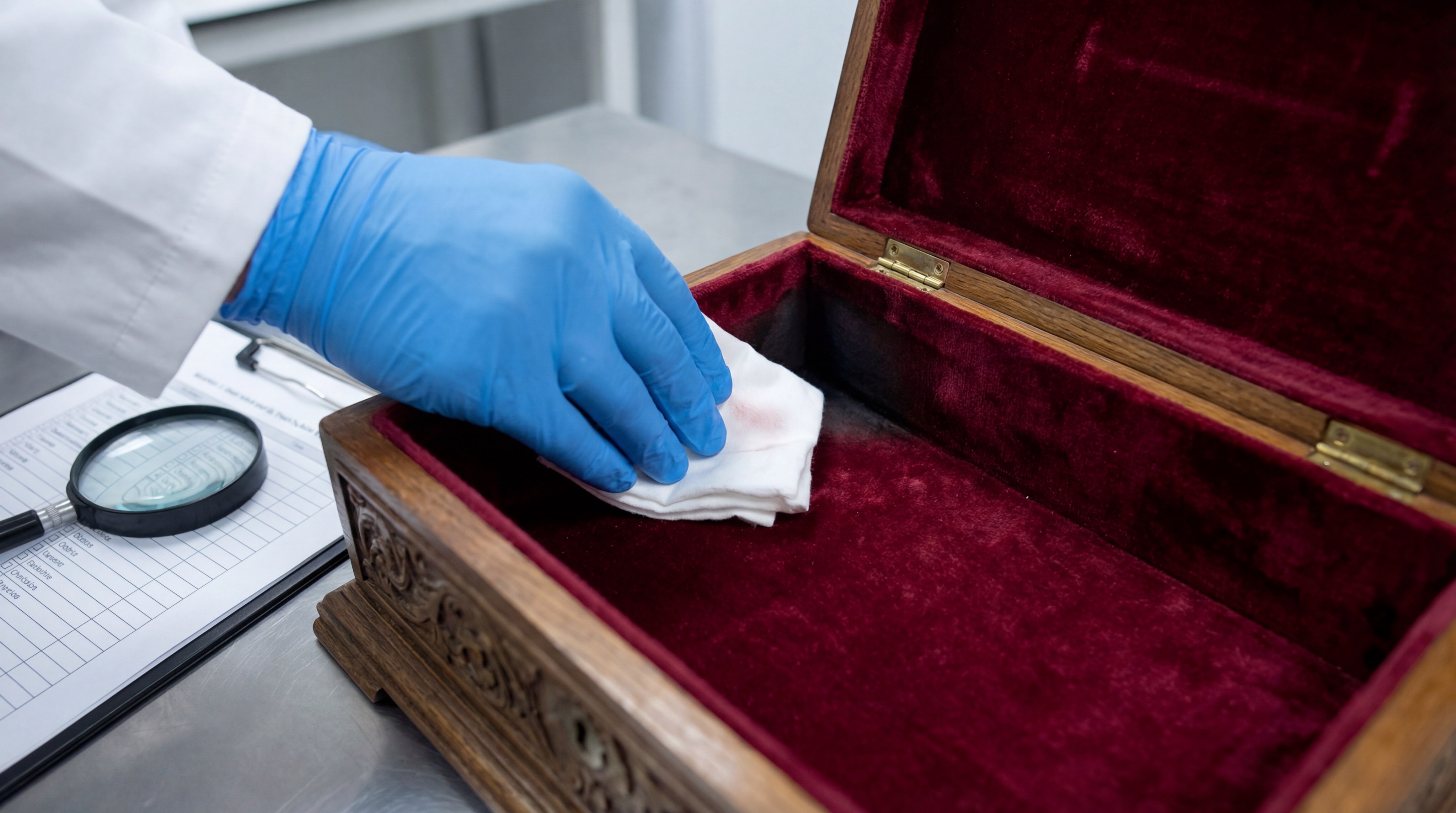
Safety in restoration is about risk mitigation. Before applying any liquid or cleaner, a colorfastness test is mandatory. Apply your cleaning solution to a small, inconspicuous area—such as the underside of a removable tray—and press a white cloth against it. If any dye transfers, stop immediately and use dry methods only. To clean a jewelry box safely , ensure the environment is well-ventilated. Oxygen is vital for the drying process; a box closed while damp will inevitably develop mold.
| Safety Check | Procedure | Success Metric | |
|---|---|---|---|
| Colorfastness | Dab hidden corner with damp cloth | No color transfer to the cloth | |
| Ventilation | Leave box open in a dry room | Completely dry to the touch in 4 hours | |
| Adhesive Test | Gently tug at corner linings | No lifting or bubbling of the fabric |
Key Takeaway: Always test in a hidden area and prioritize airflow to prevent moisture-related damage.
How do you eliminate odors from old fabric?
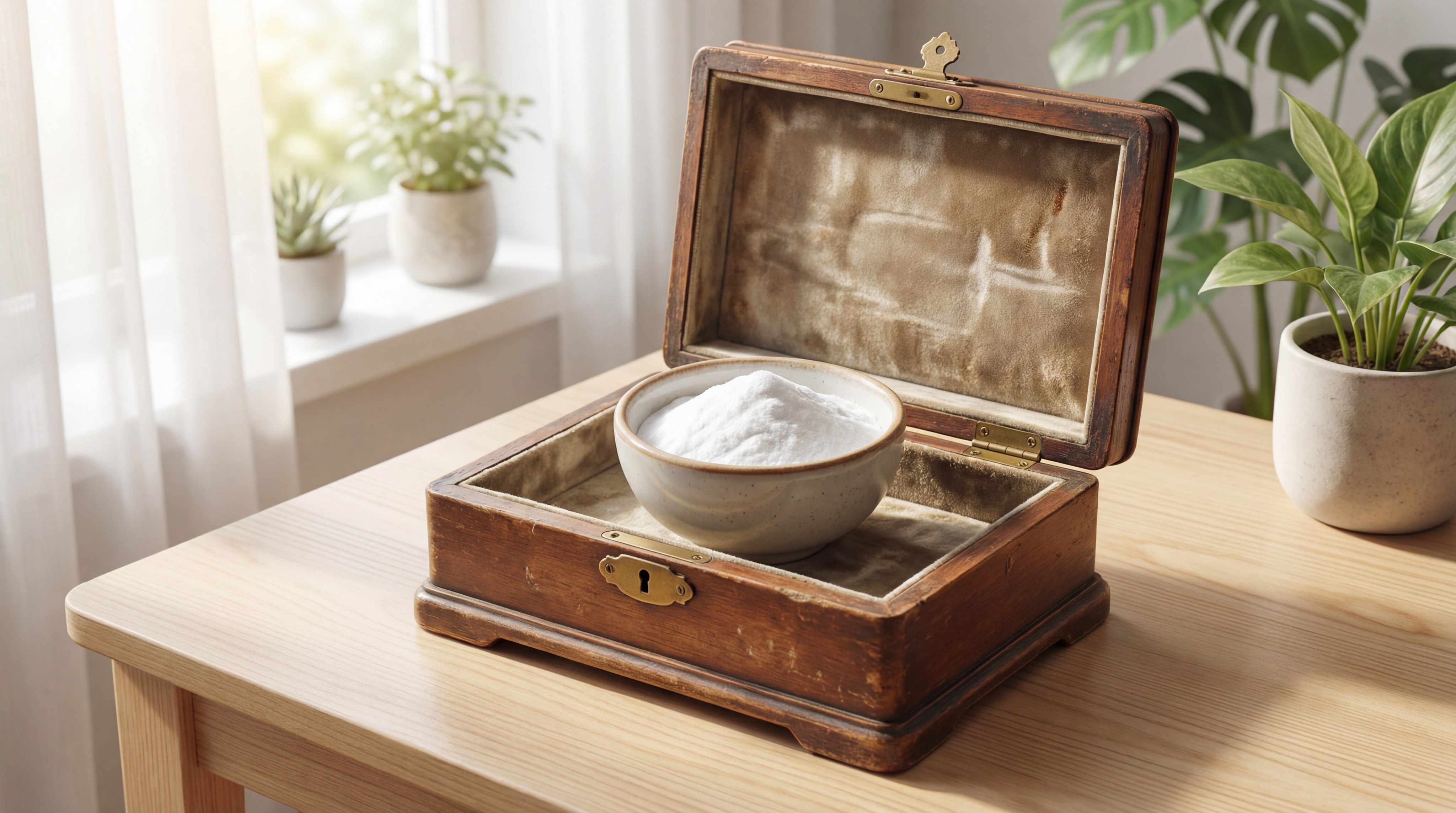
Old jewelry boxes often develop a “musty” scent caused by decaying adhesives or trapped humidity. When learning how to clean felt in a jewelry box, odor neutralizers are a key skill. The safest method is the baking soda technique: place a small open container of baking soda inside the empty box, close it, and leave it for 48 hours. The powder will absorb odors without making contact with the fabric. Avoid essential oils or perfumes; these contain volatile organic compounds that can react with silver and cause rapid tarnishing.
| Neutralizer | Pros | Cons | |
|---|---|---|---|
| Baking Soda | Non-toxic, highly effective | Takes 24-48 hours | |
| Activated Charcoal | Professional-grade absorption | Can be messy if spilled | |
| Fresh Air | Free and safe | Only works for surface odors |
Key Takeaway: Odor removal should be a passive, chemical-free process to ensure the long-term safety of your jewelry.
Does organization help prevent tarnish and wear?
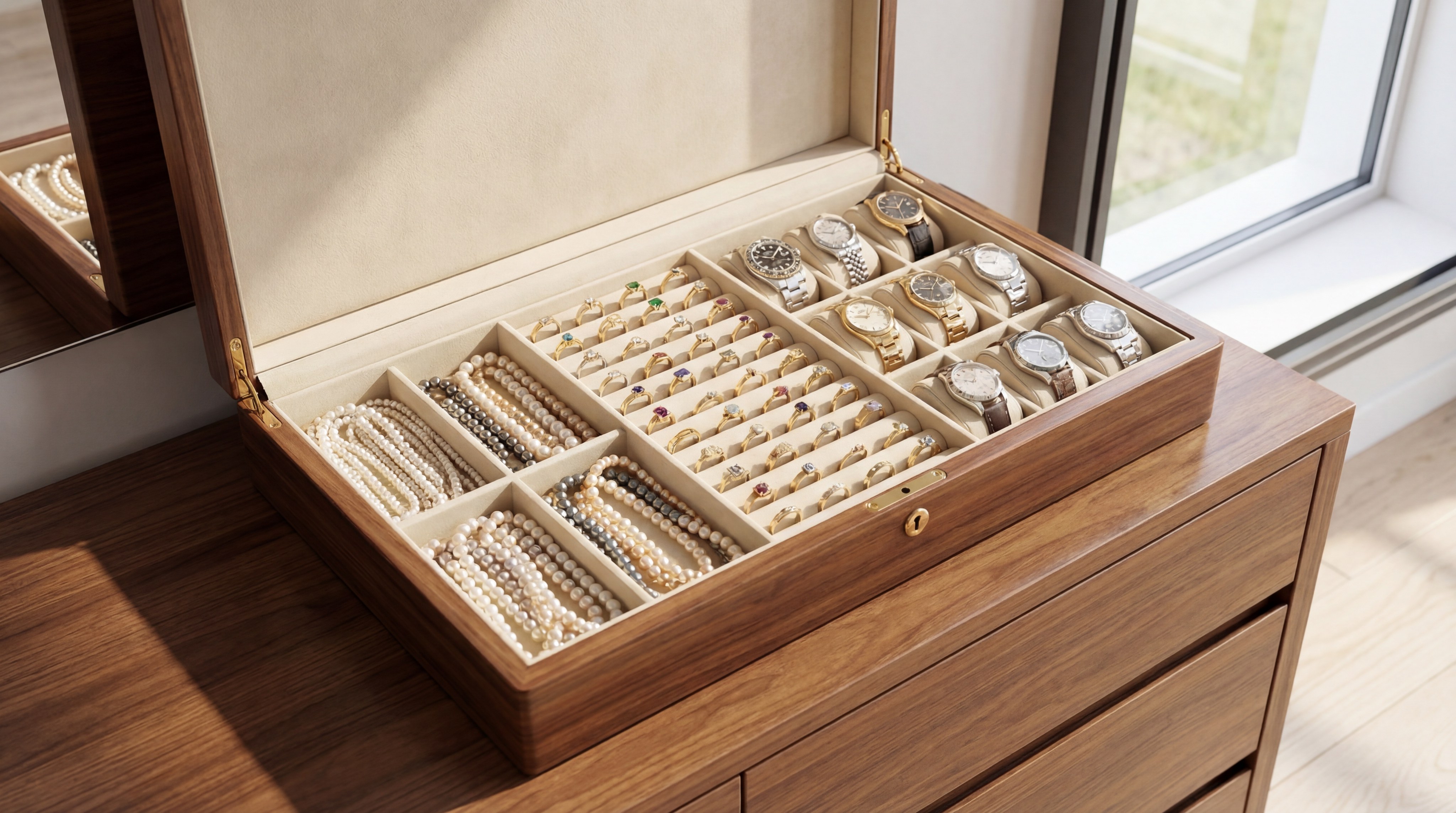
Organization is the final step in a cleaning regimen. A clean box is the perfect time to prevent tarnish and damage through proper segregation. Silver jewelry should never be stored touching gold or pearls, as the sulfur-based gases from silver tarnishing can damage porous gems. We recommend adding anti-tarnish strips to each compartment. These small, replaceable tabs act as chemical magnets, trapping corrosive gases before they reach your jewelry, keeping your newly cleaned box a pristine environment.
| Organization Rule | Reason | Benefit | |
|---|---|---|---|
| Segregate Metals | Prevent cross-tarnish | Keeps gold bright and silver clean | |
| Softest to Softest | Prevent scratching | Pearls remain lustrous | |
| Anti-Tarnish Tabs | Chemical protection | Reduces the need for metal polishing |
Key Takeaway: A well-organized box reduces the physical handling of jewelry, which is the leading cause of both box soiling and jewelry wear.
Conclusion
Maintaining a luxury jewelry box is an investment in the longevity of your collection. By prioritizing “dry-first” cleaning methods, choosing the right soft tools, and establishing a seasonal maintenance schedule, you ensure that your jewelry remains in “as-new” condition. A clean storage environment is the hallmark of a professional collector or jeweler.
Whether you are looking for guidance on preserving an antique heirloom or searching for a new high-end storage solution, we are here to help. To explore our range of professional-grade storage or for more expert maintenance advice, contact us today .