
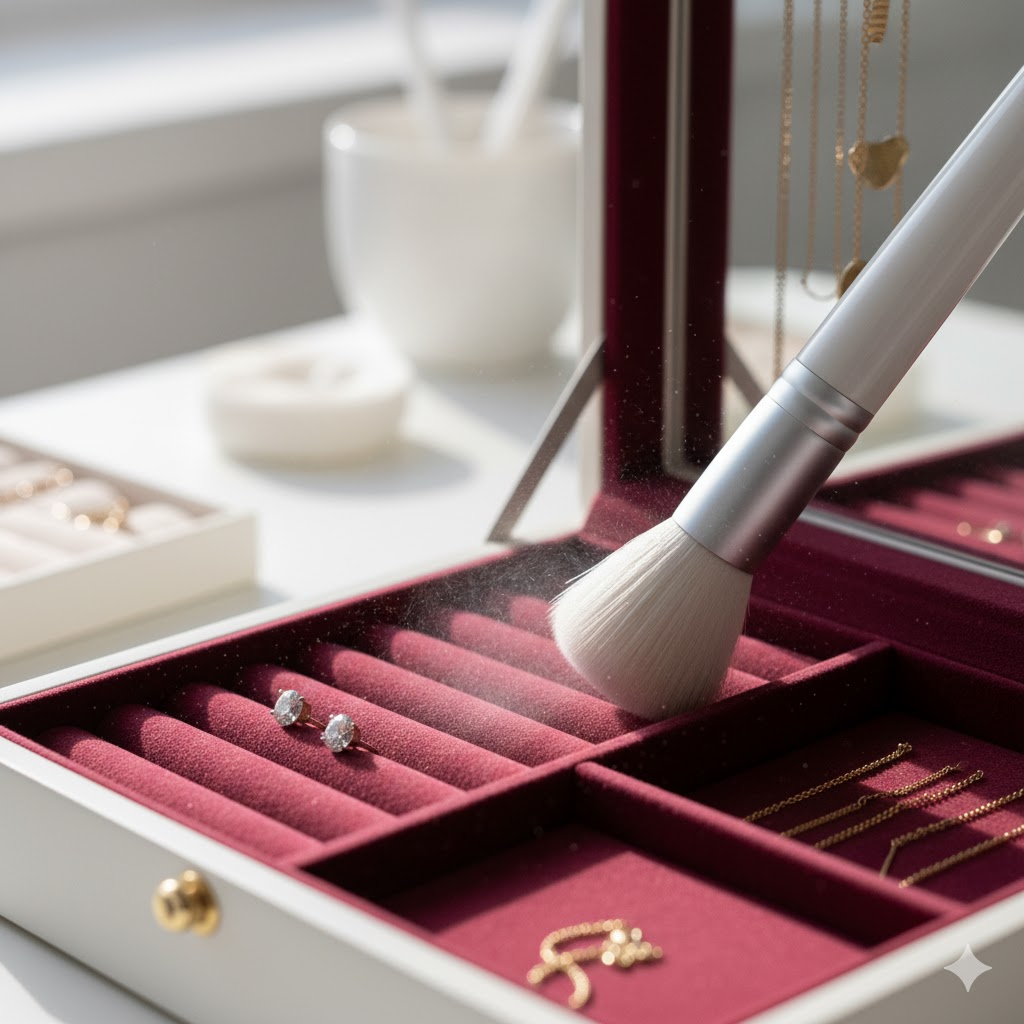
You master how to clean felt jewelry box surfaces by using low-moisture extraction methods that remove abrasive grit without damaging delicate interior structures. Dull liners hide microscopic particles that destroy precious gemstone surfaces over time. This abrasive grime ruins expensive pearls and tarnishes gold finishes until your inventory loses significant retail value immediately. Fortunately, mastering how to clean felt jewelry box surfaces ensures every piece remains protected within a pristine environment.
Why learn how to clean felt jewelry box liners?
Preserving Luxury Inventory Value
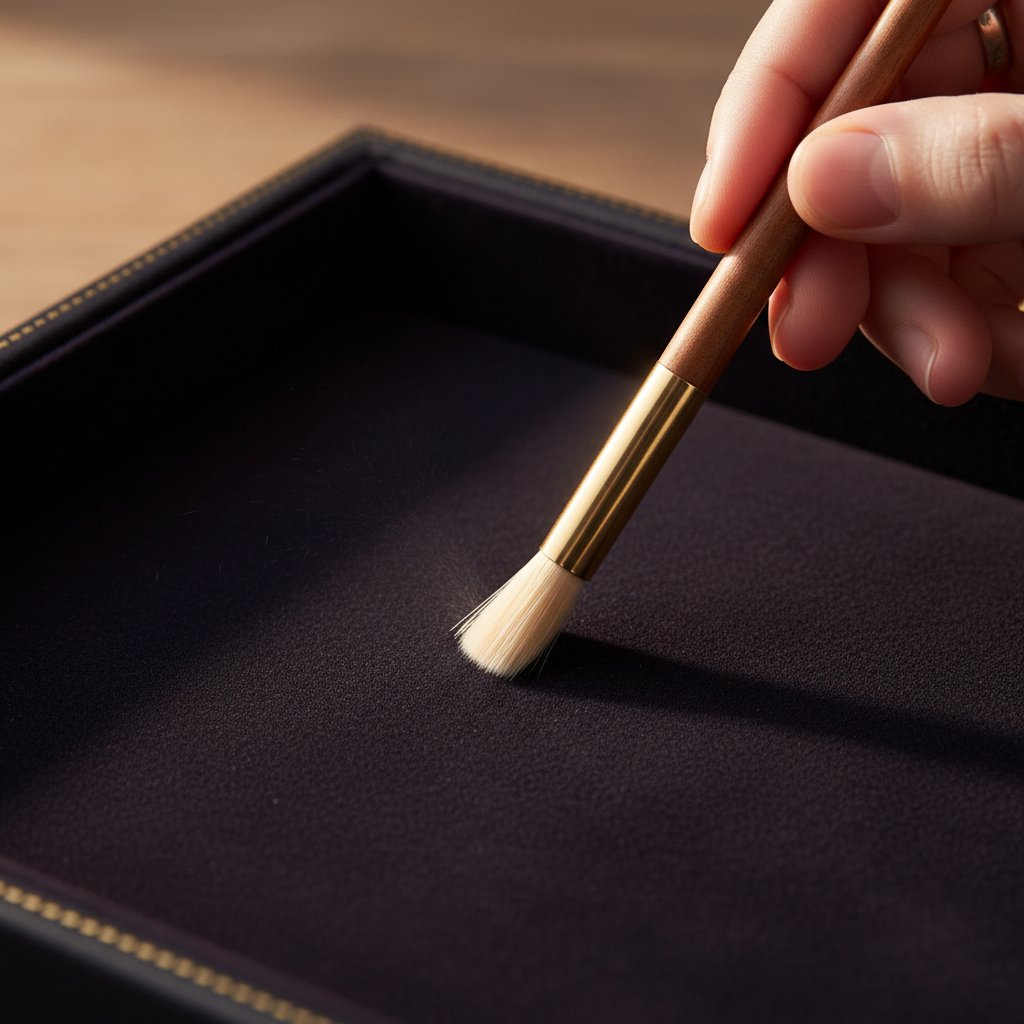
Learning how to clean felt jewelry box liners is essential because it prevents permanent fiber distortion while removing harmful particulates that scratch high-value inventory. Maintaining pristine interior surfaces protects inventory against microscopic scratches because you preserve retail aesthetics through professional conservation methods. Here is the deal. Proper maintenance avoids abrasive particles that scratch soft pearls during transport since every movement potentially degrades gemstone luster.
- Identifying fabric degradation early
- Maintaining luxury asset value
- Preventing metal tarnish transfer
- Enhancing retail display aesthetics
Professional Restoration Standards
Restoring fabric health requires understanding non-woven textile physics because felt lacks structural weave and traps oils deep inside compressed fibers. You should consider how skin oils react with metal settings over long periods since chemical transfer creates unsightly tarnishing. Ready for the good part? Utilizing high-filtration extraction removes dust before grit embeds into matted fabric structures where manual wiping usually fails.
- Deep fiber debris extraction
- Oil-to-metal reaction prevention
- Structural integrity maintenance
- Non-woven textile preservation
Key Takeaway: Consistent conservation prevents abrasive buildup that ruins gems and lowers retail box value.
| Benefit Category | Professional Cleaning | Neglect Impact | |
|---|---|---|---|
| Fiber Integrity | Maintains soft pile | Becomes abrasive | |
| Chemical Safety | Removes skin oils | Tarnishes metal | |
| Resale Value | Increases box worth | Significant drop |
Strategic fabric care ensures that jewelry linings remain protective barriers rather than liabilities for precious assets.
What precautions guide how to clean felt jewelry box?
Material Identification and Safety
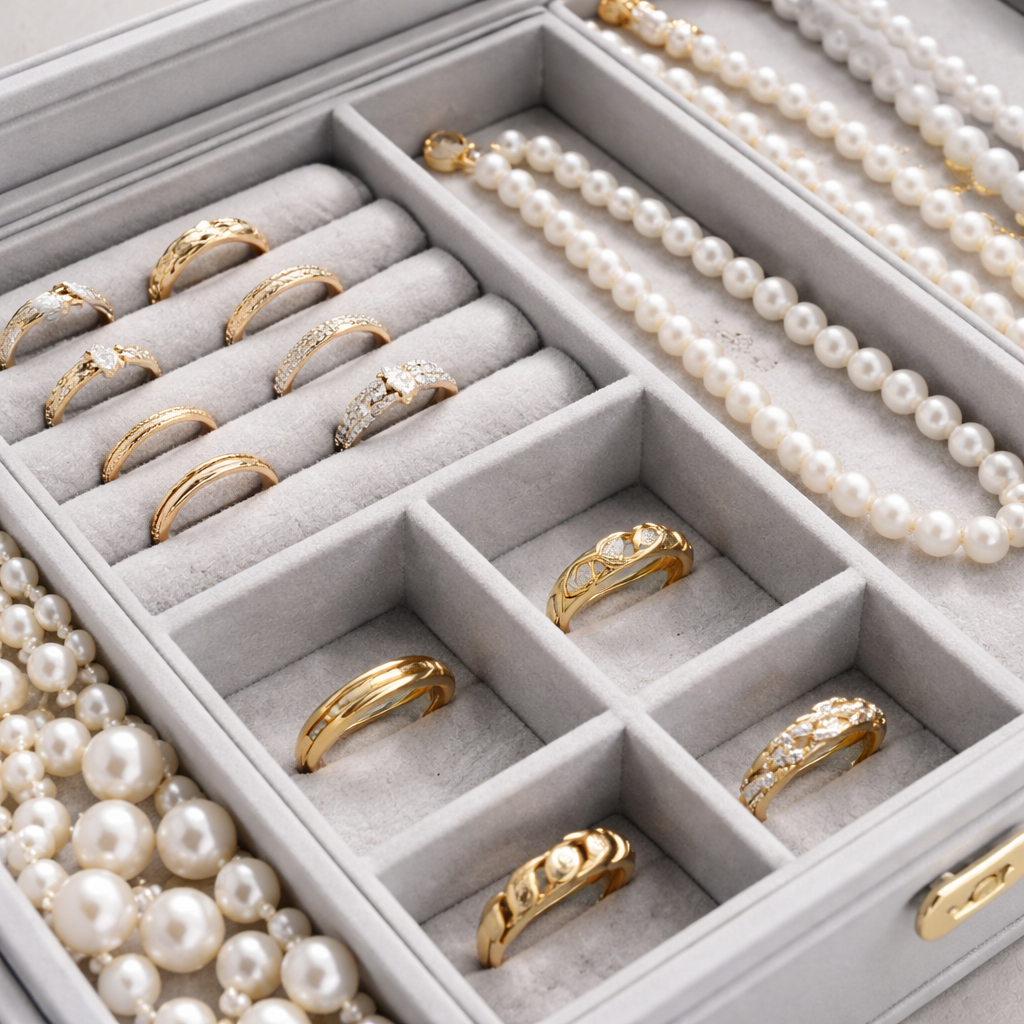
You must identify if the felt consists of natural wool or synthetic polyester because wool shrinks aggressively under heat or excessive moisture. Incorrect chemical application causes permanent color bleeding which ruins light-colored linings and creates unsightly patches. You might be wondering.
- Testing for colorfastness
- Assessing glue sensitivity
- Evaluating fiber density
- Checking structural integrity
Avoiding Mechanical Fiber Stress
Gentle mechanical pressure remains the primary safeguard against pilling since aggressive scrubbing tears matted fibers apart and creates fuzzy surfaces. You should perform a dry run first to remove loose matter before introducing liquid agents. This is where it gets interesting. Utilizing low-tack adhesives lifts debris without pulling on the box frame since structural glue often dissolves when exposed to solvents.
- Minimizing friction cycles
- Avoiding aggressive scrubbing
- Controlling adhesive contact
- Reducing fiber pilling risk
Key Takeaway: Correct material identification and low-moisture techniques protect the structural adhesive and fiber texture.
| Material | Sensitivity | Risk | |
|---|---|---|---|
| Natural Wool | Very High | Aggressive Shrinkage | |
| Polyester | Moderate | Color Bleeding | |
| Blended Fiber | Variable | Texture Loss |
Careful assessment of the lining material dictates the appropriate cleaning intensity required for safe restoration.
Which tools help how to clean felt jewelry box?
Specialized Extraction Instrumentation
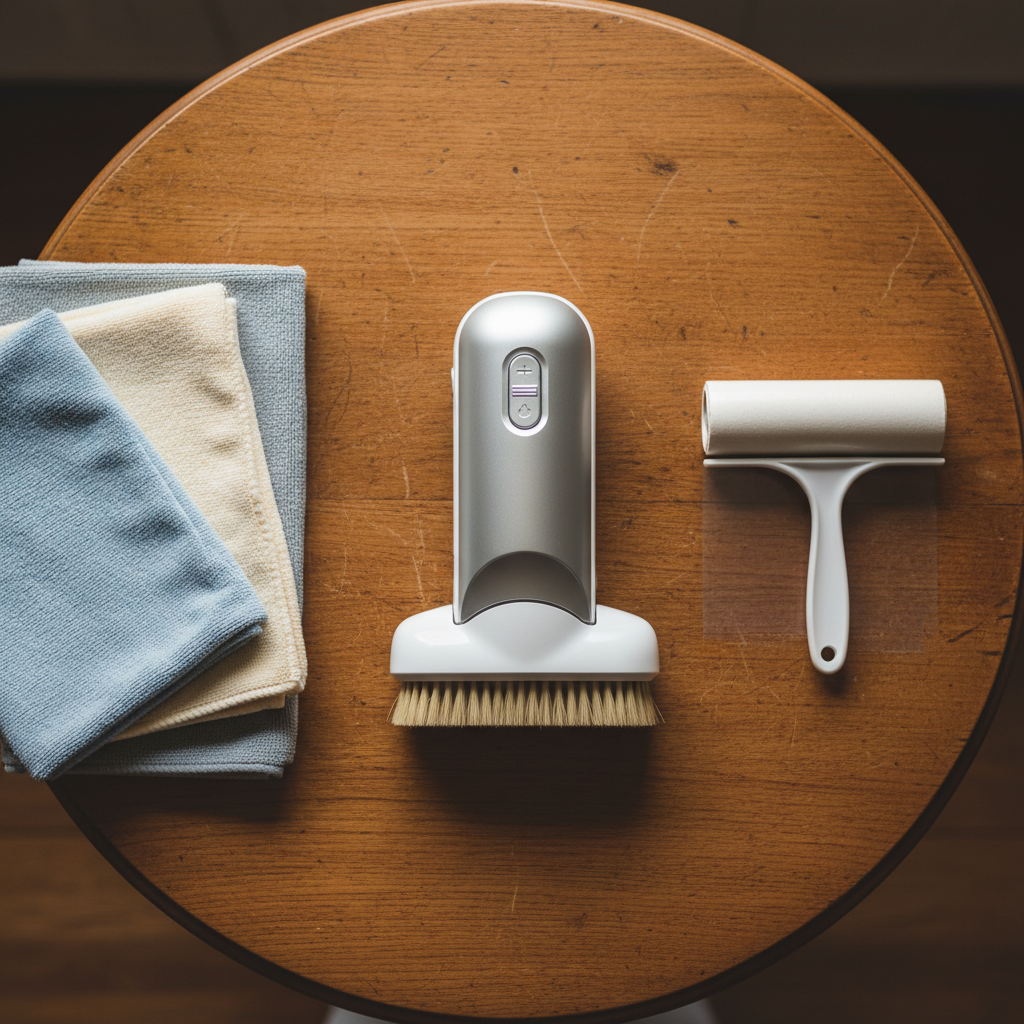
Professional results require precision tools like high-suction handheld vacuums equipped with HEPA filters which ensure microscopic particles leave the how to clean felt jewelry box area. Standard household brushes often cause pilling whereas soft-bristled detailing tools gently lift dust from deep seams. But here is the kicker.
- Precision vacuum attachments
- Non-residue lint rollers
- Microfiber dabbing cloths
- Soft cosmetic brushes
Safe Chemical Interventions
Utilizing pH-neutral cleaning solutions prevents fiber breakdown while targeting organic stains that accumulate from frequent customer contact or environmental exposure. You need distilled water for mixing solutions because tap water contains minerals which leave white rings on dark felt. Ready for the good part? Isopropyl alcohol mists provide rapid sanitization without saturating the cardboard backing since moisture causes warping in traditional structures.
- pH-neutral cleaning agents
- Distilled water solvents
- Isopropyl alcohol mists
- Low-moisture foam applicators
Key Takeaway: High-filtration vacuums and pH-neutral solvents address embedded grime without inducing mechanical or chemical stress.
| Tool Type | Primary Function | Advantage | |
|---|---|---|---|
| HEPA Vacuum | Extraction | Removes microscopic dust | |
| Lint Roller | Surface Lift | Captures stubborn hair | |
| Cotton Swab | Precision Dabbing | Limits liquid saturation |
Selecting specialized instrumentation ensures the cleaning process remains efficient and non-destructive for delicate matted linings.
What steps start how to clean felt jewelry box dust?
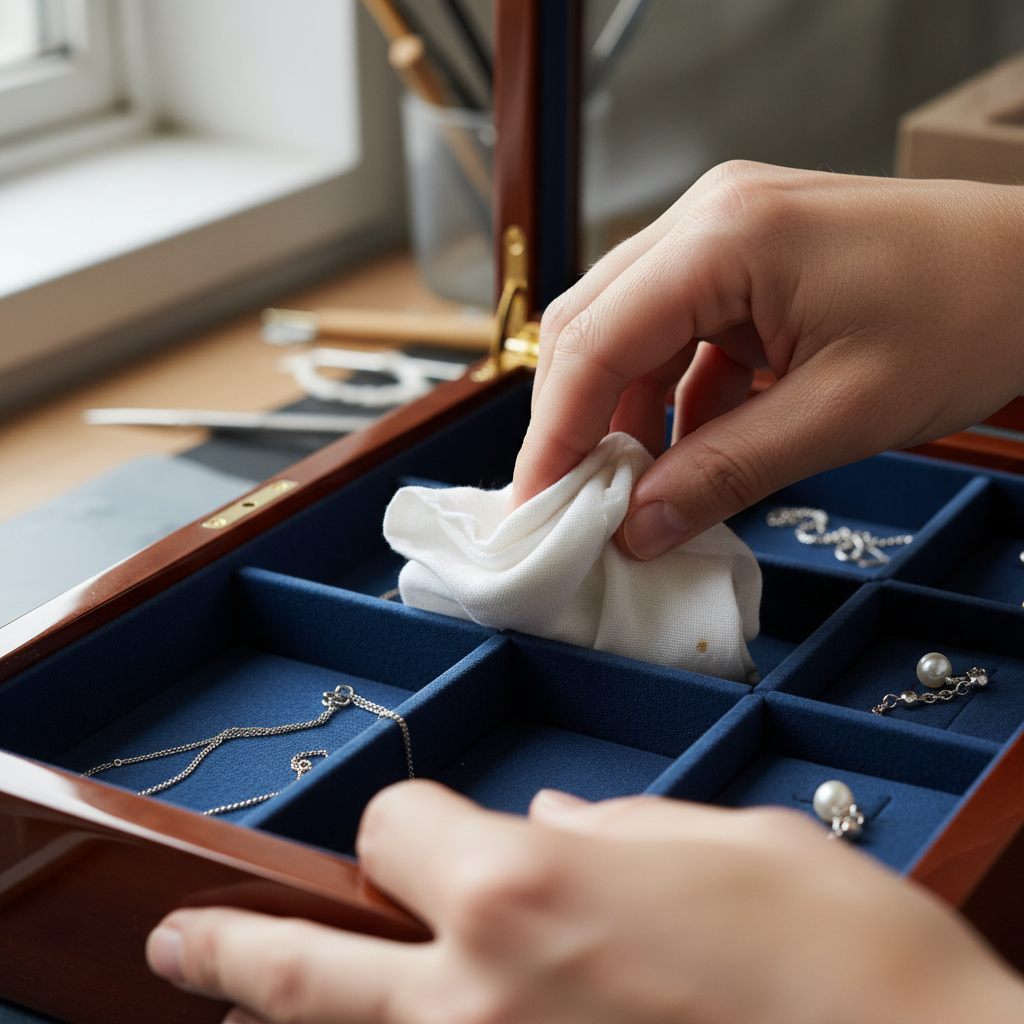
Initial Dry Vacuuming Phase
Dry cleaning represents the most critical phase because removing loose particles before adding liquids prevents the formation of muddy residues. You should empty every compartment carefully then use high-suction attachments along the interior walls where dust settles. What is the real story?
- Clearing box inventory
- High-suction wall extraction
- Corner crevice detailing
- Adhesive surface lifting
Final Adhesive Debris Removal
Precision dabbing with low-tack lint rollers captures stubborn hair or lint which vacuuming leaves behind because static electricity binds small fibers. You must work from the top down so falling dust does not re-contaminate sections you already finished cleaning. This is the good part. Gentle repetitive motions lift debris without damaging the delicate matted pile since aggressive dragging creates fuzzy pilling that ruins finishes.
- Systematic top-down lift
- Static bond interruption
- Gentle dabbing motions
- Fiber alignment checks
Key Takeaway: A thorough dry cleaning cycle removes most contaminants and prepares the fabric for targeted stain removal.
| Sequence Step | Action | Objective | |
|---|---|---|---|
| Step 1 | Empty Box | Prevent item damage | |
| Step 2 | Vacuum | Remove loose particles | |
| Step 3 | Lint Roll | Lift remaining hair |
Completing the dry phase effectively ensures that subsequent liquid treatments do not spread existing surface grime.
How to clean felt jewelry box stains with liquids?
Controlled Solution Application
For organic stains, use a highly diluted pH-neutral soap solution while ensuring you never saturate the how to clean felt jewelry box liner completely. Excessive moisture triggers capillary action that pulls yellow glue from the box frame to the surface which creates permanent disfigurement. But here is the kicker.
- Mixing soap froth
- Targeted spot dabbing
- Immediate moisture blotting
- Cold water rinsing
The Professional Dabbing Method
Applying only the bubbles from your solution allows for effective cleaning without soaking the underlying frame which prevents structural warping. You must use a clean white cloth for blotting because colored towels transfer dyes to the felt when damp. What is the real story? Circular motions with a damp cotton swab emulsify stubborn spots while gentle pressure pulls the grime into the absorbent cloth.
- Bubble-only application
- Color-safe cloth dabbing
- Circular spot emulsification
- Pressure-based grime transfer
Key Takeaway: Using only the foam from mild solutions prevents saturation and protects the structural integrity of the box.
| Solution Component | Ratio | Usage | |
|---|---|---|---|
| Warm Water | 1 Cup | Base solvent | |
| Neutral Soap | 1 Drop | Breaks surface tension | |
| Isopropyl Alcohol | Mist | Accelerates drying |
Precision liquid management removes localized stains without compromising the adhesives holding the jewelry box together.
How to clean felt jewelry box sticky residues?

Emulsifying Adhesive Bonds
Adhesive residues require a solubility bridge provided by natural oils or specialized solvents to lift from matted fibers without tearing the delicate fabric. Patience serves as your best tool here because allowing a solvent to sit for sixty seconds dissolves the bond effectively. You might be wondering.
- Identifying glue types
- Natural oil emulsification
- Gentle swab rotation
- Degreasing the area
Neutralizing Oily Contaminants
Once the sticky matter dissolves, you must follow up with mild soap suds to remove any remaining oil which might attract fresh dust. Circular motions with a cotton swab lift the emulsified residue into the fibers of the swab while preventing contaminant spread. Here is the deal. You should repeat this process multiple times with fresh tools until the surface feels smooth and lacks any tacky sensation.
- Sequential tool rotation
- Oil residue neutralization
- Surface smoothness testing
- Fiber texture restoration
Key Takeaway: Natural oils safely neutralize tough adhesives if followed by a thorough degreasing pass with mild soap.
| Residue Type | Recommended Solvent | Technique | |
|---|---|---|---|
| Label Glue | Coconut Oil | Circular Swab | |
| Cosmetic Wax | Soap Suds | Blotting Press | |
| Food Spill | Distilled Water | Dabbing Motion |
Dissolving adhesive bonds chemically is significantly safer for the textile than attempting to scrape residue off manually.
How to clean felt jewelry box without water damage?
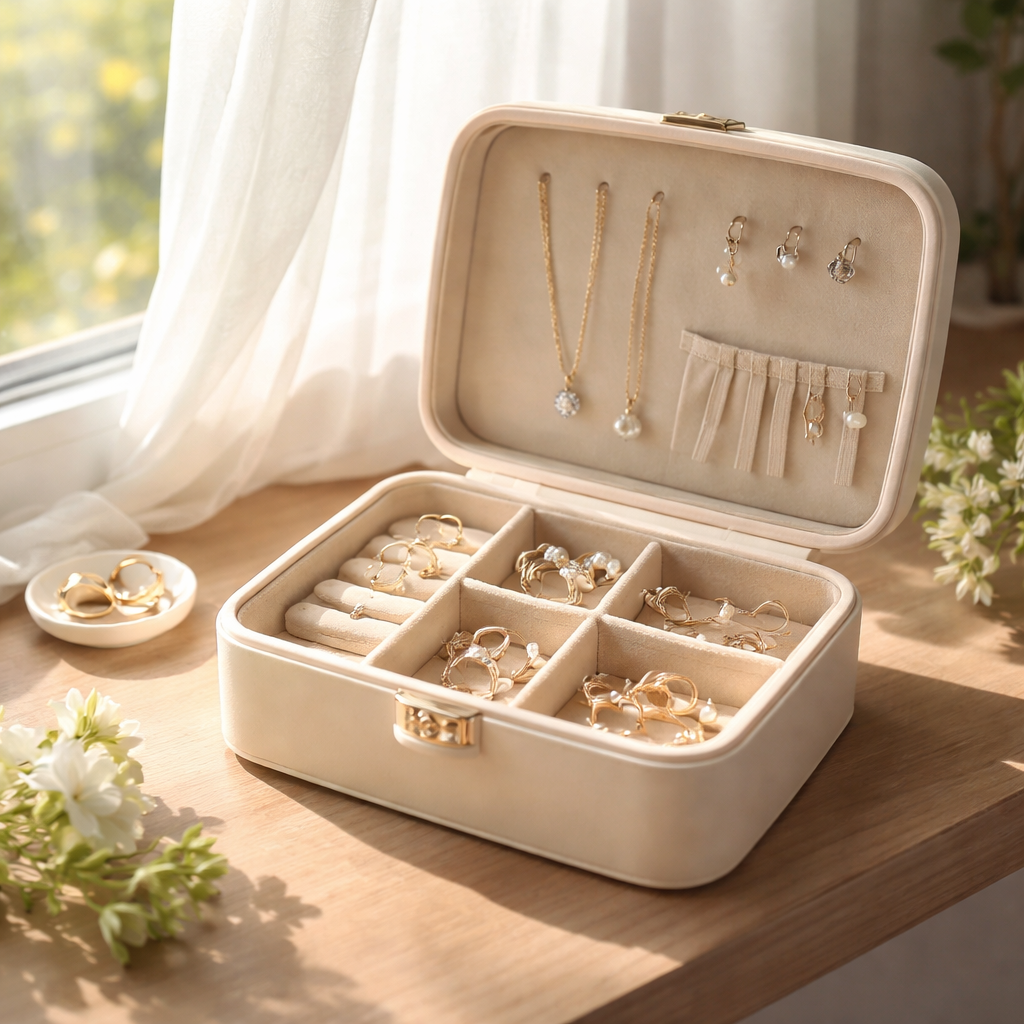
Accelerated Drying Protocols
Moisture damages wood-frame jewelry boxes rapidly so the how to clean felt jewelry box drying phase must be controlled to prevent mold growth. A light mist of isopropyl alcohol aids in flash-drying the surface while providing a sanitization layer vital for professional retail display. Ready for the good part?
- Using cool air fans
- Isopropyl flash drying
- Desiccant moisture absorption
- Avoiding direct sunlight
Preventing Frame Warping
Utilize small oscillating fans to keep air moving constantly over the damp felt rather than using high heat which causes wool to shrink. Direct sunlight often causes UV fading in dark fabrics so you should dry the box in a shaded area. Wait, there is more. Placing silica gel packets inside the closed box after the surface feels dry pulls remaining moisture from deep corners.
- Shaded airflow management
- Silica gel integration
- UV fading prevention
- Heat-free moisture removal
Key Takeaway: Rapid evaporation through controlled airflow and desiccants protects the box frame from warping and mold.
| Drying Method | Speed | Safety Level | |
|---|---|---|---|
| Oscillating Fan | Moderate | Highest | |
| Isopropyl Mist | Fast | High | |
| Direct Sunlight | Very Fast | Low (Fading Risk) |
Maintaining a temperature-controlled environment during the drying process ensures that fibers return to their original uniform state.
How to clean felt jewelry box wool vs synthetics?
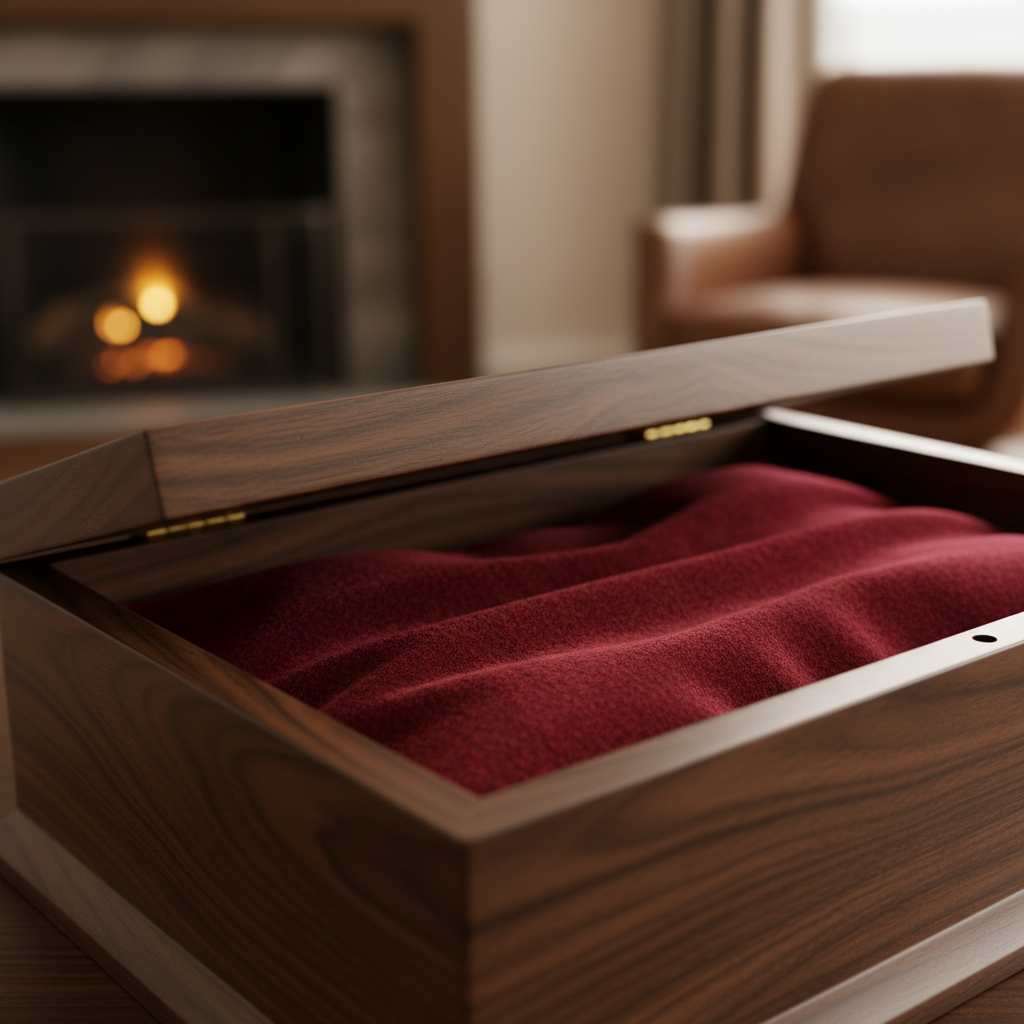
Handling Protein-Based Fibers
Natural wool felt requires specific enzyme cleaners to break down biological stains since aggressive detergents strip natural oils and leave fabric feeling brittle. You must use cool water for wool because heat triggers interlocking between the fibers which leads to permanent shrinking. But here is the kicker.
- Enzyme cleaner usage
- Temperature regulation
- Pile height assessment
- Texture restoration steps
Managing Synthetic Textiles
Synthetic polyester felt handles slightly more aggressive detergents because the plastic-based fibers offer higher resistance to moisture and chemical breakdown than natural alternatives. You should still avoid excessive friction because synthetics pill easily and create small balls of fluff that look unattractive. This is where it gets interesting. Identifying your material early saves hours of frustration because synthetic felts are generally more color-fast than dyed wool options.
- Detergent resistance testing
- Friction cycle reduction
- Colorfastness verification
- Synthetic pile alignment
Key Takeaway: Synthetic felts offer higher durability against moisture while natural wool demands protein-safe cleaners and cooler temperatures.
| Feature | Natural Wool | Synthetic Poly | |
|---|---|---|---|
| Dye Stability | Lower | Higher | |
| Shrink Risk | High | Minimal | |
| Best Cleaner | Enzyme Liquid | Soap Suds |
Tailoring the chemical approach to the fiber origin prevents accidental texture degradation during the deep cleaning process.
How to clean felt jewelry box for retail displays?

Standardizing Presentation Quality
For B2B applications, speed and consistency remain vital so a standardized refresh protocol ensures every how to clean felt jewelry box unit looks uniform. Retail presentation demands a zero-lint finish which often requires a final pass with specialized fabric shavers to remove any pilling. Ready for the good part?
- Daily lint removal
- Weekly HEPA vacuuming
- Monthly sanitization mists
- Uniform texture alignment
Long-Term Maintenance Schedules
Regular maintenance prevents the accumulation of skin oils from customers which can darken light-colored liners permanently and reduce the perceived value of luxury items. Utilizing high-frequency light cleaning proves significantly more cost-effective than infrequent high-risk deep restoration sessions. What is the real story? You should train staff to use soft brushes daily because preventing dust buildup is easier than removing embedded grit later.
- Scheduled staff training
- High-frequency light dusting
- Professional tool accessibility
- Visual audit checklists
Key Takeaway: High-frequency maintenance is more cost-effective for retail environments than infrequent deep cleaning.
| Maintenance Task | Frequency | Standard | |
|---|---|---|---|
| Lint Refresh | Daily | Zero visible dust | |
| HEPA Extraction | Weekly | Deep debris removal | |
| Sanitization Mist | Monthly | Microbe control |
Maintaining a pristine retail environment through systematic cleaning enhances the perceived value of high-end items on display.
How to clean felt jewelry box for long-term care?

Environmental Preservation Strategies
Prevention remains more cost-effective than restoration because environmental controls reduce the frequency of how to clean felt jewelry box deep cleaning by seventy percent. Regular maintenance ensures your storage remains a functional asset rather than a liability for the gems stored within its soft layers. Now for the best part.
- Humidity level control
- Anti-tarnish strip usage
- UV exposure prevention
- Dust-proof storage habits
Proactive Fiber Protection
Mastering the interior care includes using anti-tarnish strips to neutralize pollutants before they settle into the fibers and react with your precious metals. You should maintain humidity levels around forty-five percent because excessively dry air makes felt fibers brittle while high moisture encourages mold. Here is the deal. Implementing these proactive preservation strategies protects the soft pile from degrading effects caused by atmospheric pollutants and temperature fluctuations.
- Humidity target monitoring
- Pollutant neutralization strips
- Closed-box storage protocols
- Semi-annual fiber inspection
Key Takeaway: Proactive humidity management and semi-annual dry maintenance are the most effective strategies for long-term liner health.
| Component | Target | Action | |
|---|---|---|---|
| Humidity | 45% | Prevent brittleness | |
| Air Quality | Purified | Minimize dust fall | |
| Storage | Closed Box | Block UV exposure |
Strategic environmental management preserves the structural integrity and aesthetic appeal of luxury jewelry packaging indefinitely.
FAQ Section
Q1: Can I use a hair dryer to speed up drying?No. High heat causes natural wool fibers to shrink and can melt the adhesives holding the box together. Always use cool air from a fan for safe evaporation.
Q2: What is the best way to remove dog hair?The best method involves using a high-tack lint roller or specialized adhesive tape to lift hair without pulling the felt fibers. Vacuuming often fails because hair weaves into the matted surface.
Q3: Can I wash the felt with a sponge?No. A sponge holds too much water and will likely saturate the underlying frame, leading to warping or mold. Use a damp microfiber cloth or cotton swab for precision dabbing instead.
Q4: Is it safe to use bleach on stains?No. Bleach permanently destroys the fibers and will cause severe discoloration that cannot be repaired. Stick to pH-neutral soaps or enzyme cleaners for safe organic stain removal.
Q5: What is the best way to prevent dust?The best way is to keep the jewelry box closed when not in use and store it in a dust-free environment. Regular light vacuuming once a month prevents particles from embedding.
Cleaning felt requires a meticulous balance of debris removal and fiber protection to maintain the integrity of high-end storage. By utilizing dry-first methods and avoiding saturation, you extend the life of your packaging while protecting valuable inventory from damage. Professional standards dictate that a pristine interior reflects the true quality of the treasures held within. Implement these systematic protocols today to safeguard your collection, or contact us today for expert packaging solutions tailored to your brand. Our vision is to elevate the jewelry presentation experience through sustainable, high-performance materials that define modern luxury.