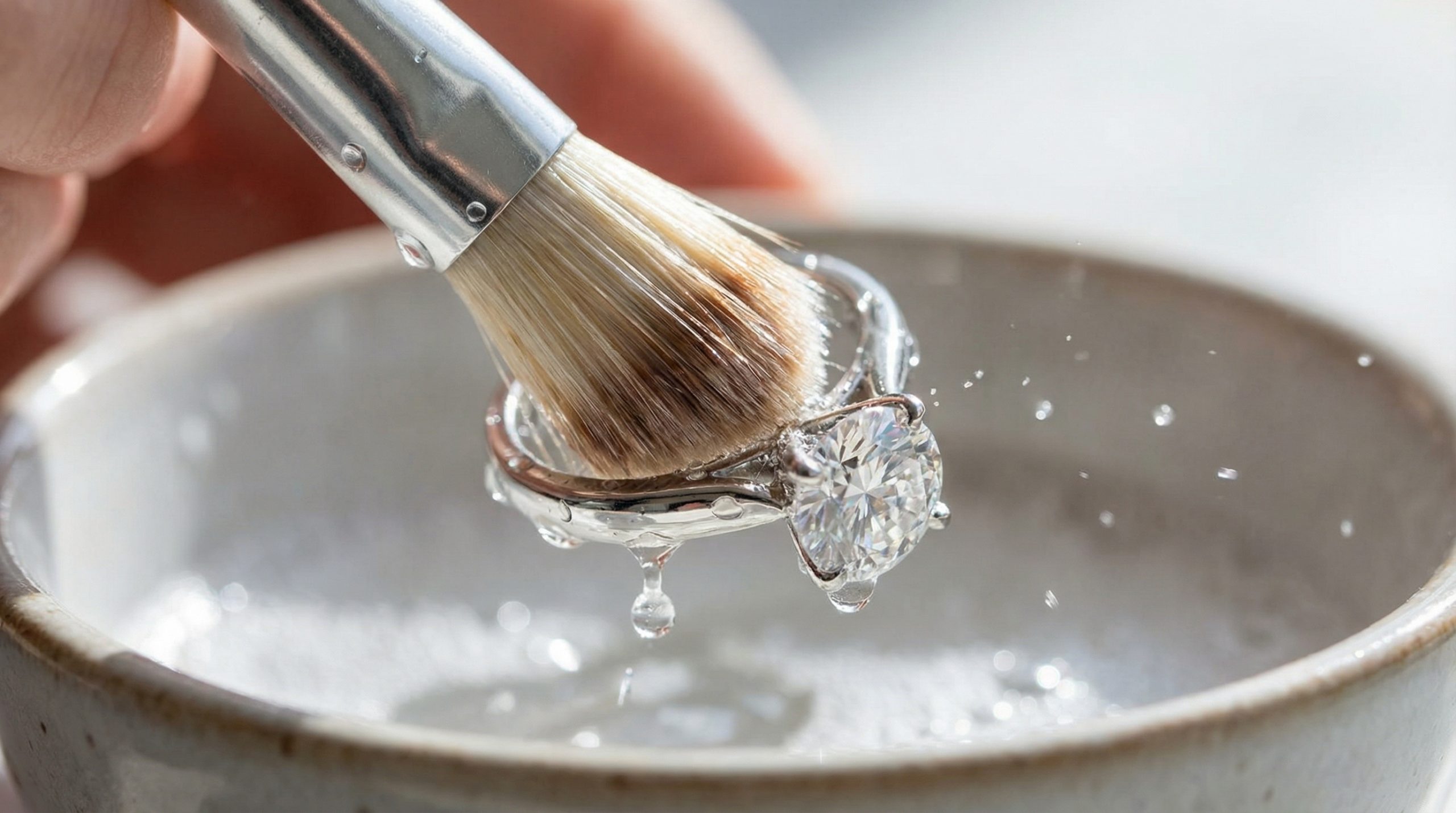
The safest and most effective way to clean jewelry at home is using a solution of mild dish soap and warm water followed by a gentle scrub with a soft-bristled brush. This professional-grade method removes stubborn oils and debris without risking the structural integrity of your precious metals or the brilliance of your gemstones.
Think about it: even the most exquisite pieces eventually lose their radiance as skin oils, lotions, and environmental dust create a thick film over time. If left unaddressed, this buildup doesn’t just look dull—it can hide loose prongs or trap moisture that leads to long-term erosion. Your cherished investments deserve better than fading into the background, so mastering how to clean jewelry at home is the ultimate solution for maintaining a lifetime of sparkle.
Why Does Your Fine Jewelry Lose Its Luster?
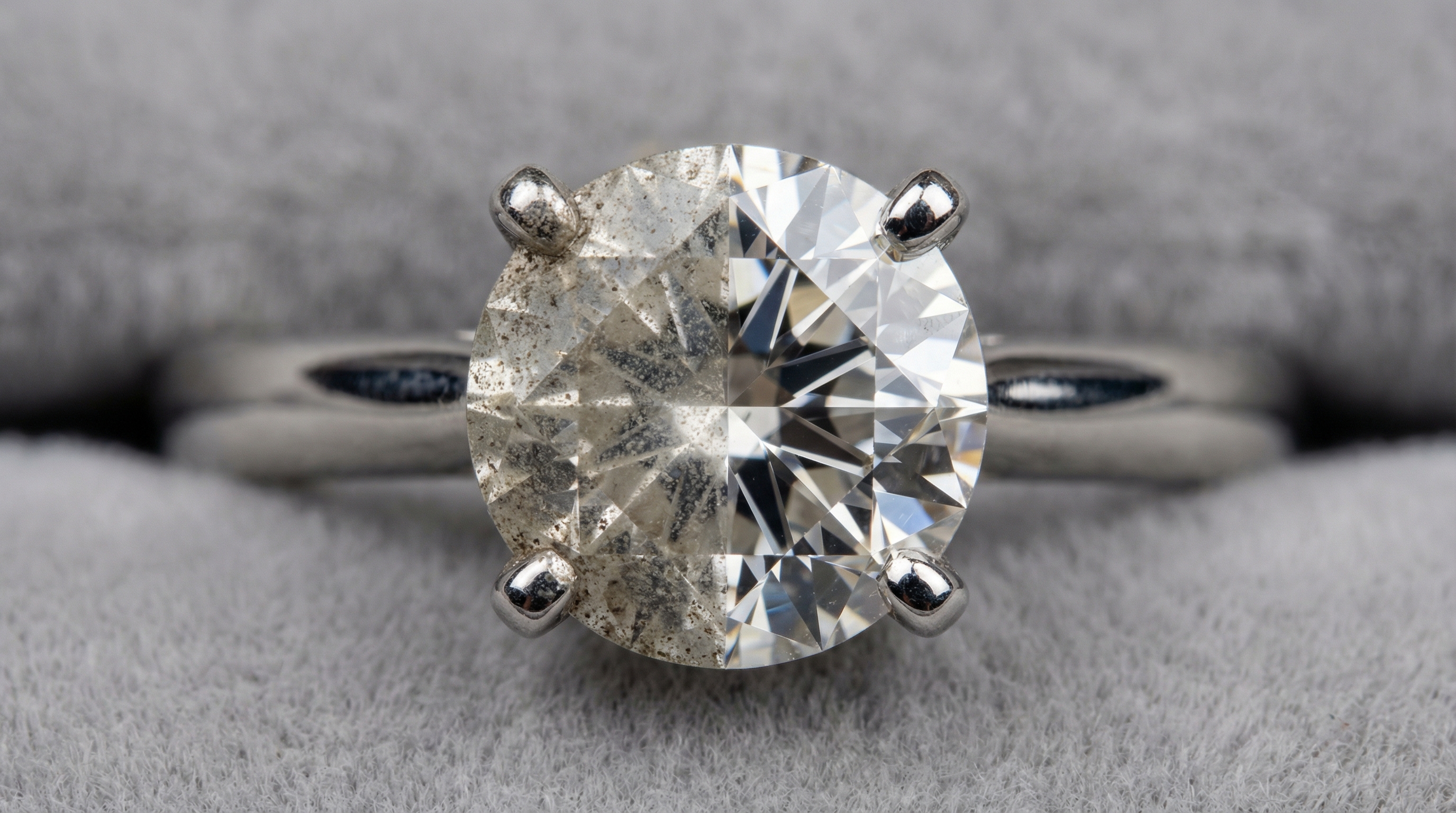
Jewelry loses luster due to the accumulation of skin oils, cosmetic residues, and environmental dust that create a dulling film over the surface. Understanding these factors is the first step in mastering how to clean jewelry to maintain a professional finish.
Identifying Common Dullness Culprits
Look: your jewelry is constantly exposed to elements that compromise its shine. From the natural oils on your fingertips to the fine particles of city smog, every interaction adds a layer of grime.
- Skin Oils: Creates a cloudy film on stones.
- Dust & Pollution: Accelerates metal oxidation.
- Hard Water: Leaves mineral spots on polished surfaces.
The Impact of Cosmetic Residue
But wait, there’s more. Every time you apply hairspray, perfume, or hand lotion while wearing your rings and necklaces, you are essentially “gluing” dirt to the settings.
Key Takeaway: Regular removal of daily buildup prevents the permanent clouding of stones and keeps settings secure.
| Factor | Impact on Jewelry | |
|---|---|---|
| Skin Oils | Creates a cloudy film on stones | |
| Lotions | Traps dirt in small crevices | |
| Pollution | Accelerates metal oxidation |
What Are the Best Basic Cleaning Tools?
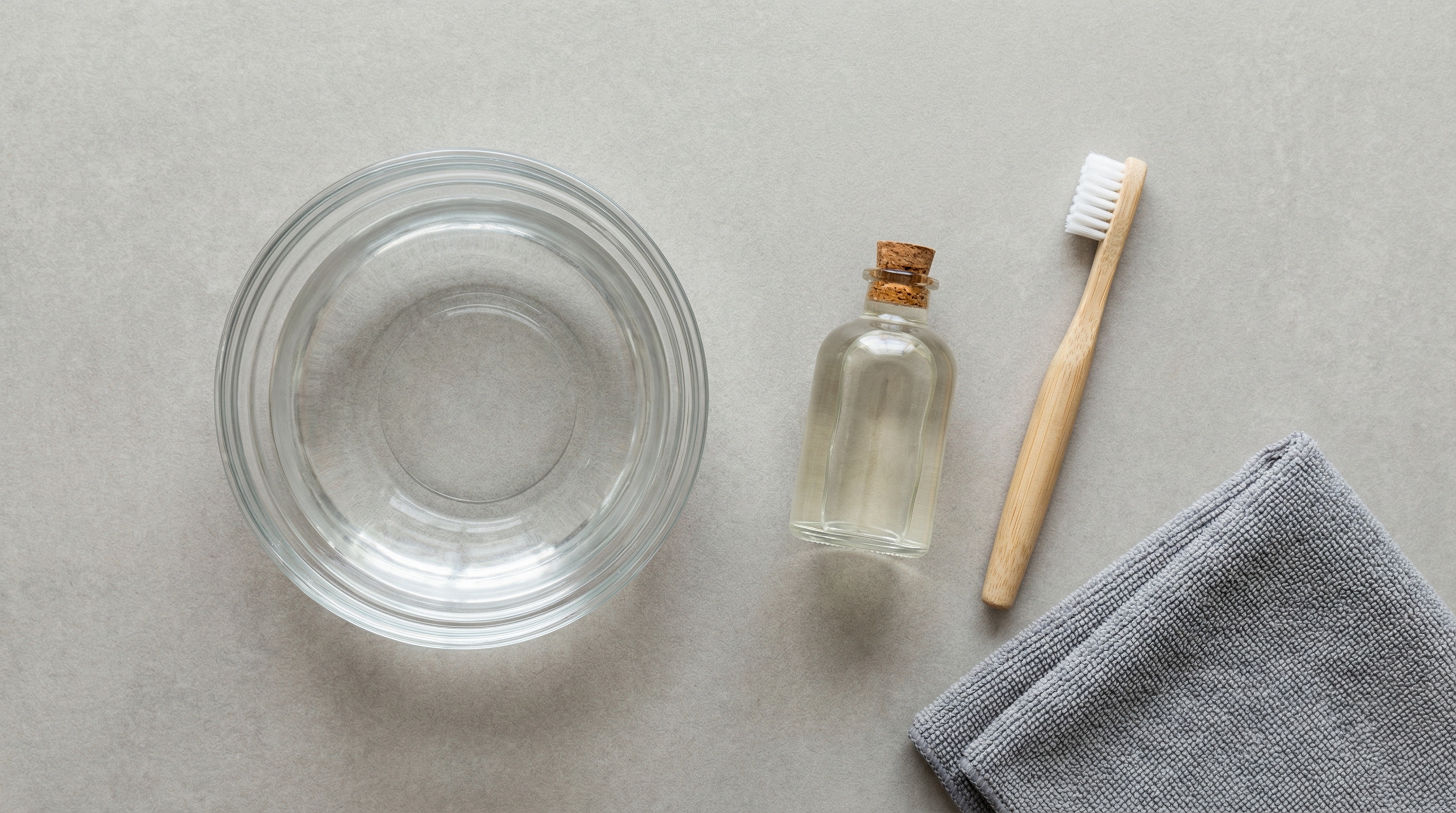
The best tools for at-home maintenance include a small glass bowl, mild fragrance-free dish soap, an extra-soft toothbrush, and a lint-free microfiber cloth. When considering how to clean jewelry effectively, the primary goal is maximum dirt removal with zero abrasion to the metal.
Essential Home Cleaning Supplies
It gets better: you likely already have everything you need in your kitchen or bathroom. Professional results don’t require expensive chemicals, just the right application of simple household items.
- Glass Bowl: Prevents chemical reactions during soaking.
- Mild Dish Soap: Breaks down oils without harming alloys.
- Filtered Water: Avoids mineral deposits from tap water.
Choosing the Right Microfiber Cloth
Simply put, you must avoid paper towels or tissues at all costs. These materials contain tiny wood fibers that can leave microscopic scratches on soft gold or silver surfaces.
Key Takeaway: Using specialized, soft tools ensures that the cleaning process itself does not cause physical damage to the piece.
| Tool | Recommended Specification | |
|---|---|---|
| Brush | Extra-soft “baby” toothbrush | |
| Cloth | Professional lint-free microfiber | |
| Water | Filtered and lukewarm |
How Do You Clean Natural and Lab Diamonds?
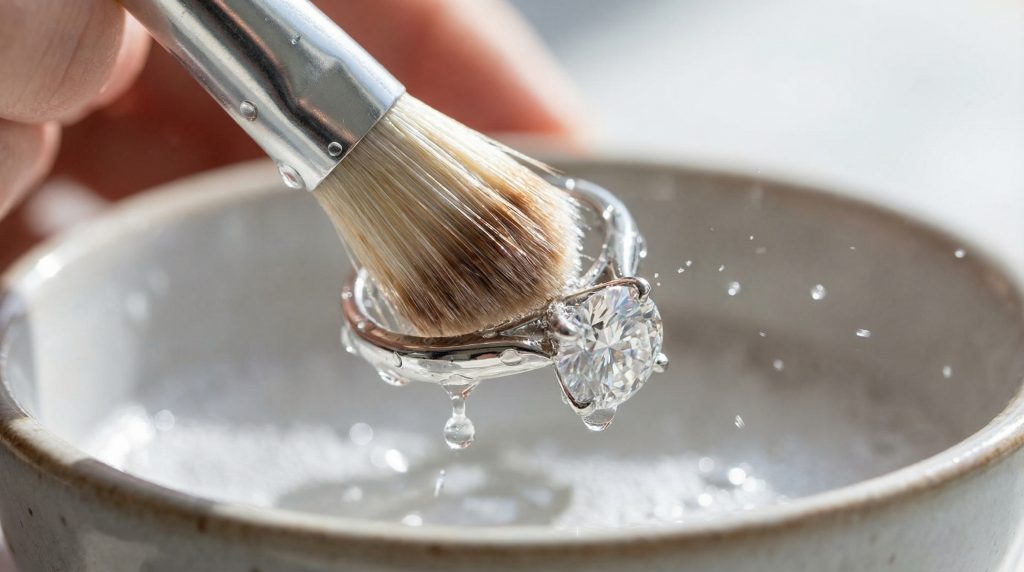
You clean natural and lab diamonds by soaking them in soapy water for fifteen minutes and then carefully brushing the pavilion and under the prongs. When you research how to clean jewelry , you will find that diamonds specifically require focus on the underside where light enters the stone.
Restoring Brilliance to Diamond Rings
Here’s the deal: diamonds are grease magnets. To restore that “like-new” fire, you must dissolve the oil film that prevents light from refracting through the facets.
- The Soak: Loosens hardened debris in hard-to-reach areas.
- Circular Brushing: Removes film from the diamond’s table.
- Rinse: Always use a second bowl of clean water, never the open drain.
Safely Brushing Under the Prongs
But here is the kicker. Most dirt hides behind the prongs where the stone meets the metal, so use vertical brush strokes to clear these tight gaps.
Key Takeaway: Focus your cleaning efforts on the pavilion (bottom) of the diamond to maximize light return and brilliance.
| Step | Action | |
|---|---|---|
| Soak | 15 minutes in soapy water | |
| Scrub | Circular motions around prongs | |
| Rinse | Use a second bowl (not the sink) |
Is Soap and Water Safe for Gold Pieces?
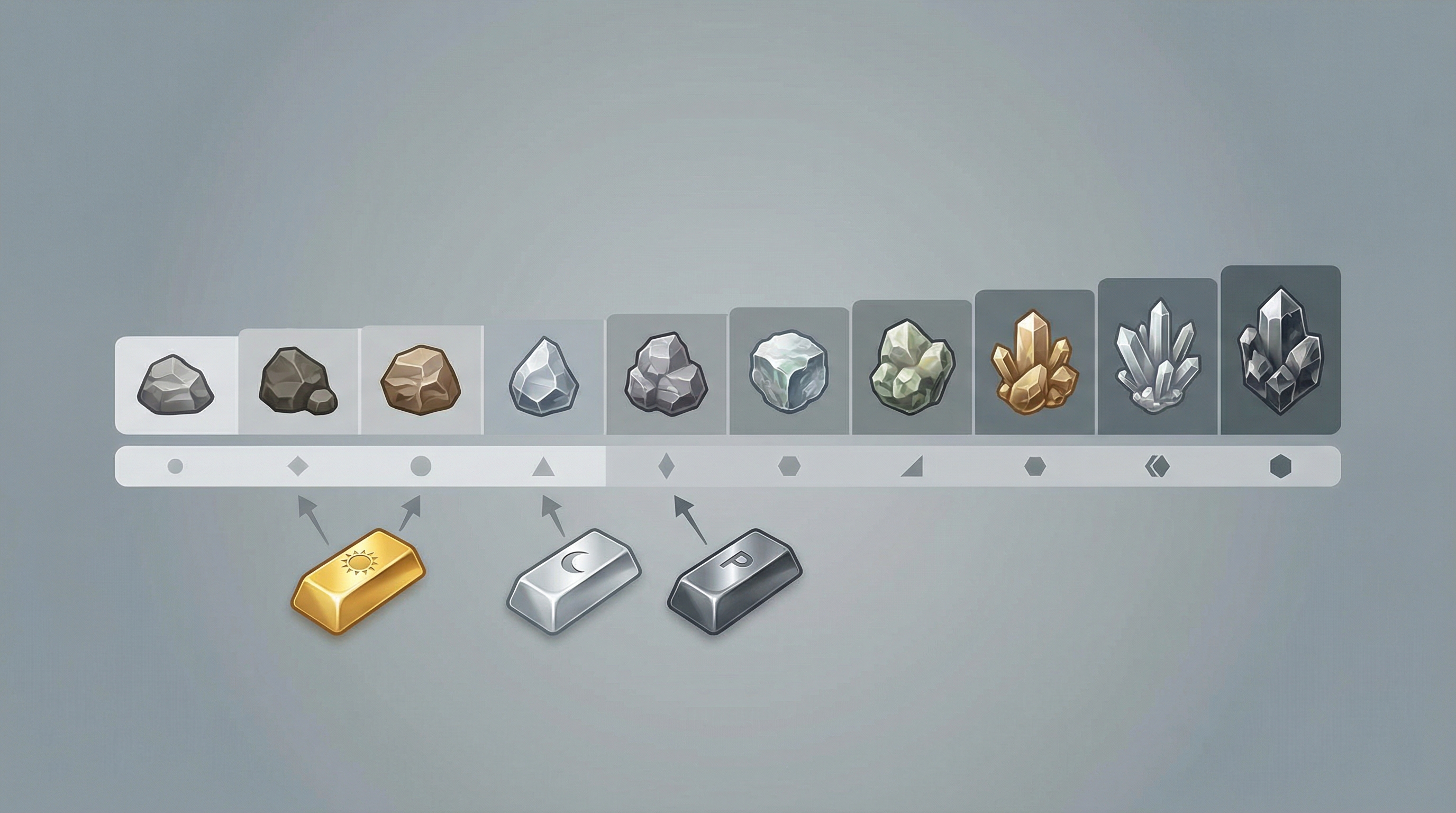
Yes, mild soap and warm water are the safest cleaning agents for yellow, white, and rose gold because they do not contain corrosive acids. To ensure you know how to clean jewelry made of these precious metals, you must avoid any harsh scrubbing that could thin the plating.
Gentle Care for Yellow and Rose Gold
Gold is a relatively soft metal that can scratch easily. While yellow gold is more resilient, rose gold contains copper which can react poorly to aggressive acidic cleaners.
- Rose Gold: Avoid vinegar or lemon juice to prevent discoloration.
- Yellow Gold: Use only the softest brushes to avoid micro-scratches.
- Polishing: Always pat dry rather than rubbing vigorously.
Maintaining White Gold Rhodium Plating
White gold is typically finished with a rhodium plating for that bright, chrome-like shine. Over-cleaning or using abrasive pastes can wear this layer down prematurely, requiring expensive trips to the jeweler for replating.
Key Takeaway: Minimal friction and neutral pH soaps are the secrets to extending the life of your gold’s surface finish.
| Gold Type | Cleaning Precaution | |
|---|---|---|
| Yellow Gold | Use only soft cloths to prevent buffing | |
| White Gold | Avoid excessive scrubbing of rhodium | |
| Rose Gold | Copper content reacts to harsh acids |
Can You Remove Tarnish from Sterling Silver?
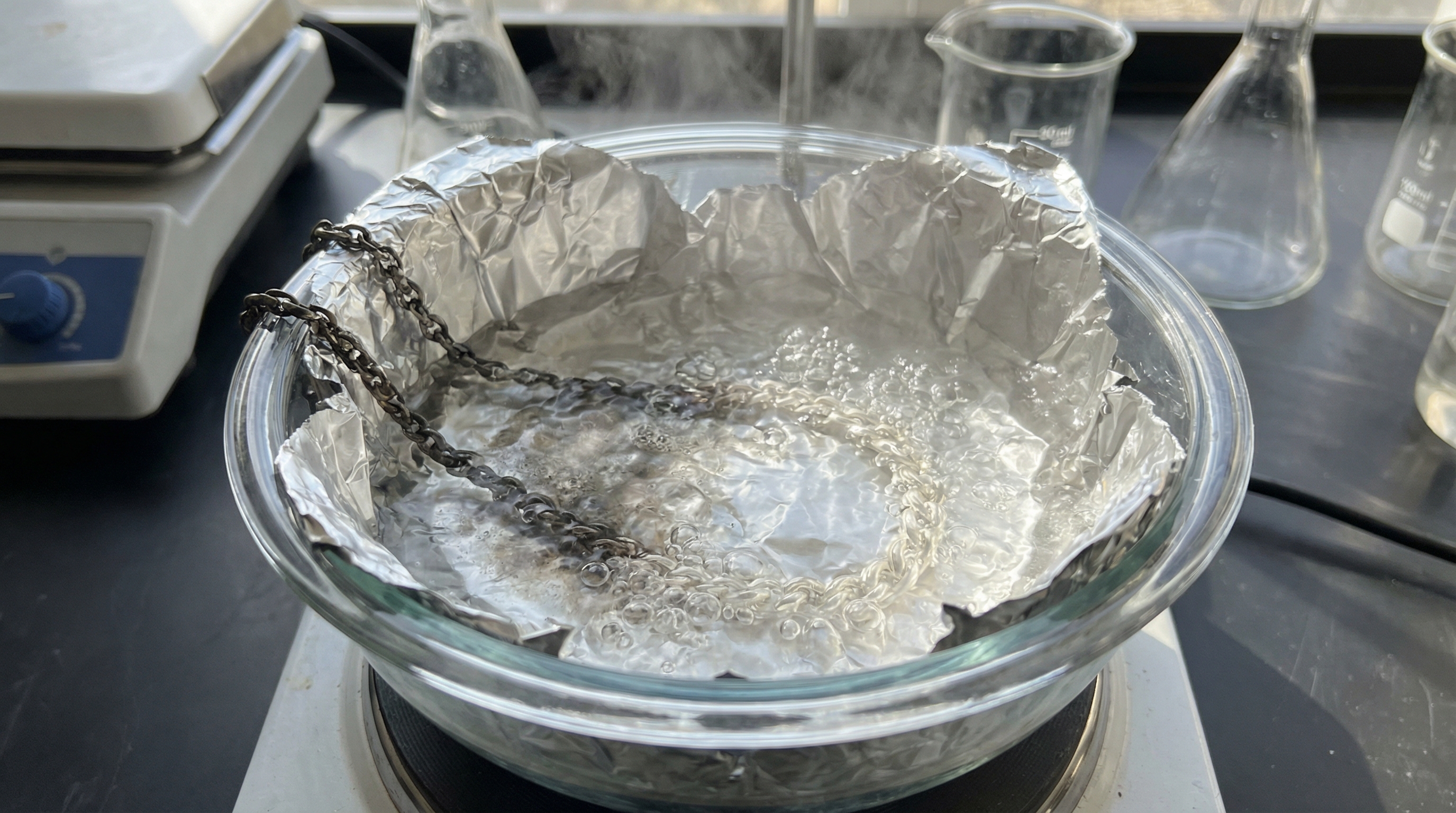
You can remove tarnish from sterling silver using a chemical ion transfer method involving aluminum foil, baking soda, and boiling water. If you are looking for how to clean jewelry that has turned black, this expert-level hack is much safer than abrasive polishing creams.
The Aluminum Foil and Baking Soda Hack
Think about it: why scrub when you can use chemistry? This method pulls the sulfur (tarnish) off the silver and onto the aluminum foil in seconds.
- Line the Bowl: Ensure the silver touches the foil directly.
- Add Boiling Water: This activates the chemical exchange immediately.
- Wait: Watch as the black tarnish literally disappears before your eyes.
Buffing for a Mirror-Like Finish
Once the tarnish is gone, the silver may look a bit “flat.” Use a clean microfiber cloth to buff the surface in long, even strokes to restore the original luster.
Key Takeaway: Chemical removal of tarnish is always preferable to physical scrubbing to preserve the metal’s weight.
| Ingredient | Purpose | |
|---|---|---|
| Aluminum Foil | Ion transfer to remove tarnish | |
| Baking Soda | Mildly abrasive for deep cleaning | |
| Boiling Water | Activates the chemical reaction |
Which Stones Require Specialized Care?
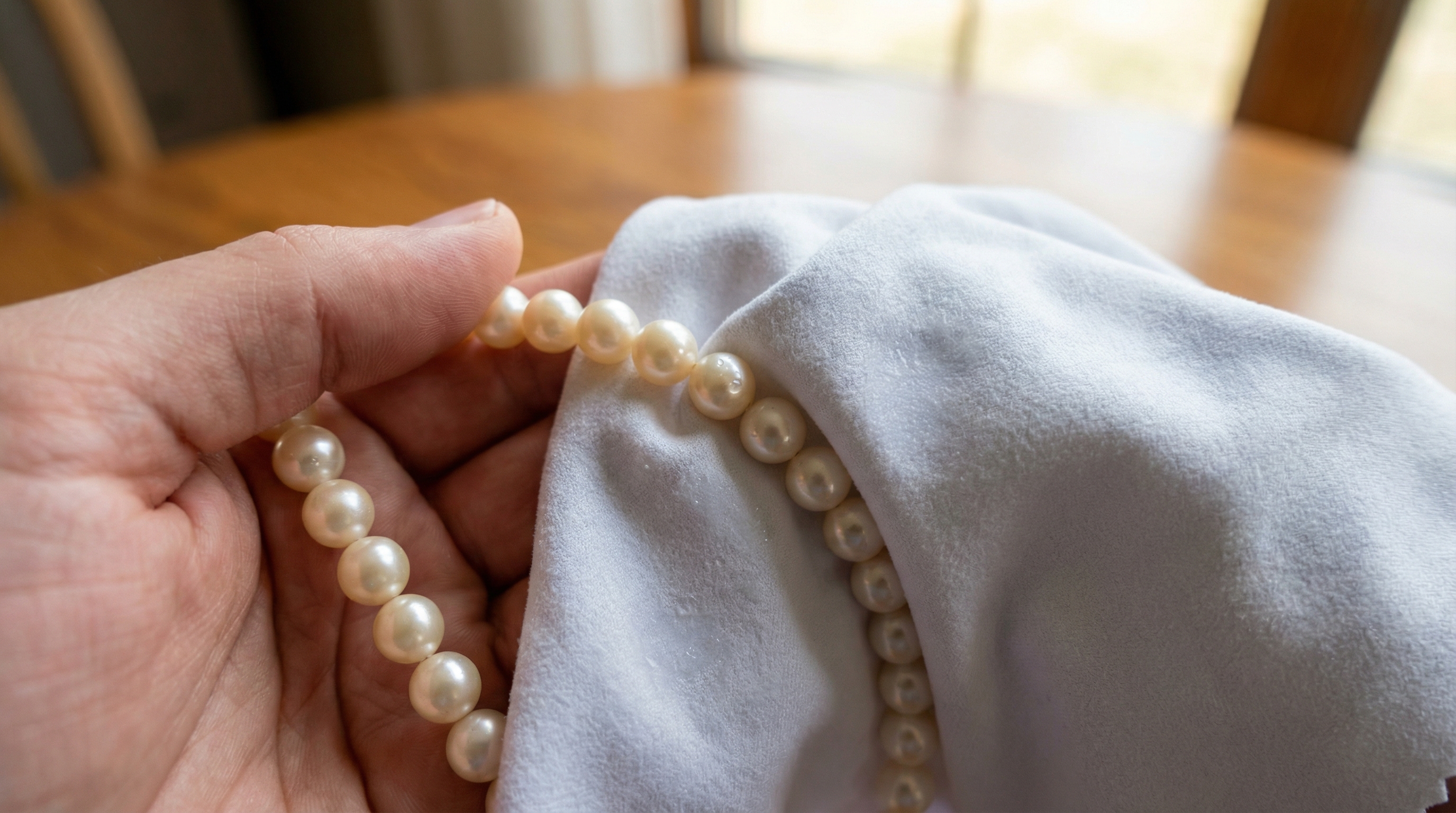
Porous stones like pearls, opals, and emeralds require specialized care that avoids soaking and focuses on gentle wiping with a damp cloth. When determining how to clean jewelry with these delicate materials, the golden rule is to keep the internal structure dry.
Handling Soft and Porous Gemstones
Look: pearls and opals are organic or contain water, meaning they can absorb chemicals or even crack if they get too dry. Treat these pieces like fine silk rather than hard stones.
- Pearls: Wiping after every wear removes acidic skin oils.
- Opals: Sensitive to extreme temperature shifts and humidity.
- Emeralds: Often “oiled” to hide inclusions; soap can strip this oil.
Avoiding Liquid Soaks for Pearls
Simply put, never submerge a strand of pearls. The silk thread holding them together can stretch or rot if it stays damp, leading to a sudden breakage of the necklace.
Key Takeaway: For organic or treated gems, use only a soft, barely damp cloth and avoid all immersion techniques.
| Gemstone | Prohibited Action | |
|---|---|---|
| Pearls | Never soak or use ultrasonic tools | |
| Emeralds | Avoid heat; may remove surface oils | |
| Opals | Sensitive to extreme temperature shifts |
Should You Use Ultrasonic Cleaning Machines?
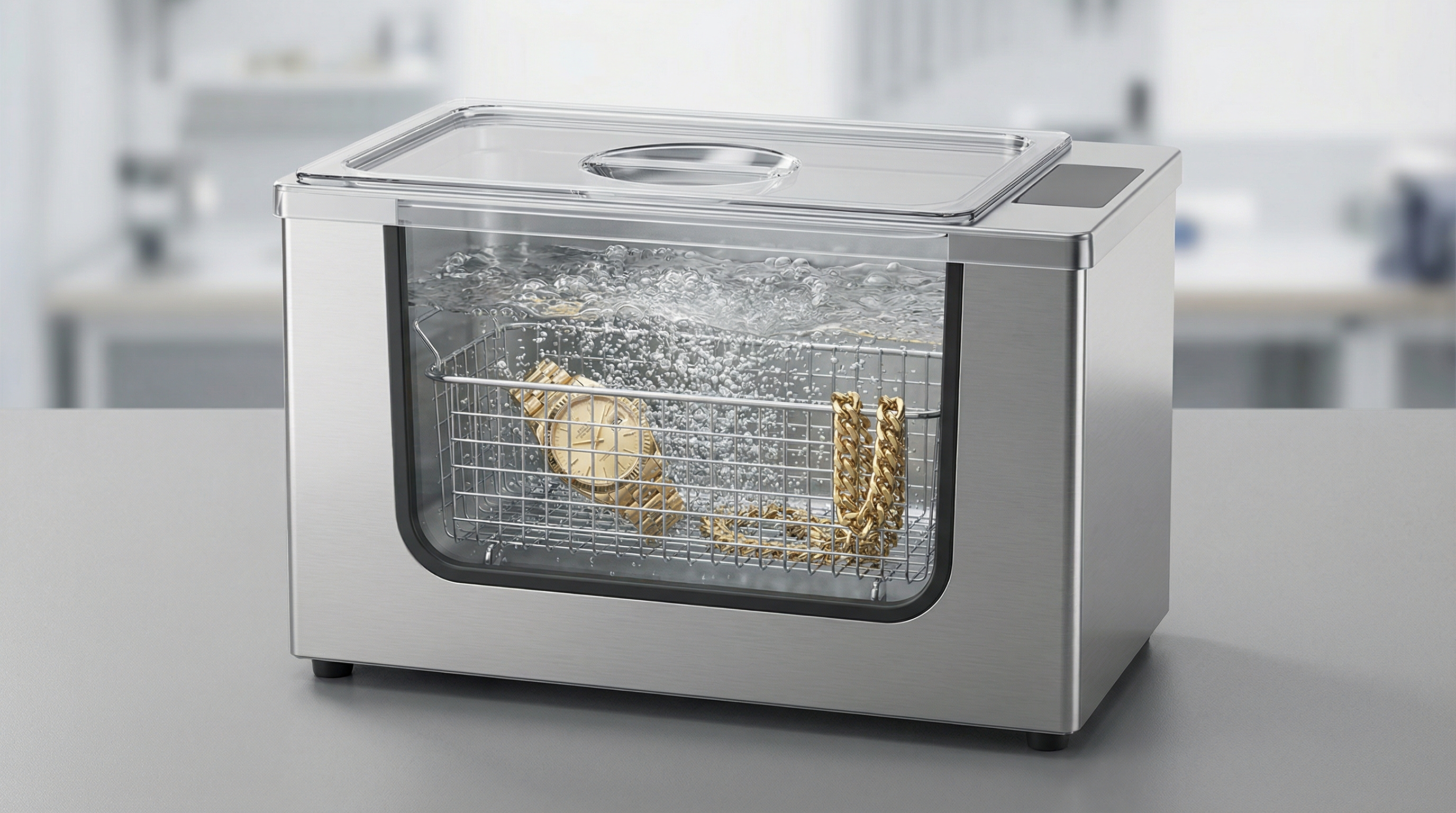
You should only use ultrasonic machines for solid metal pieces and hard stones like diamonds, as the vibrations can shatter fragile gems or loosen pavé settings. While they are a popular answer for how to clean jewelry , they carry significant risks for high-end or vintage items.
Risks for Antique or Fragile Settings
It gets better: the high-frequency sound waves can actually “shake” stones right out of their prongs. This is especially true for vintage pieces where the metal may have become thin or brittle over decades.
- Vibration Risk: Can cause small pavé stones to fall out.
- Heat Risk: Some machines warm the water, which can crack heat-sensitive gems.
- Internal Damage: Can aggravate existing inclusions within a gemstone.
When to Seek Professional Assistance
If you have a complex piece with hundreds of small stones, a professional jeweler is your best bet. They can inspect the security of every prong under a microscope after the cleaning process is complete.
Key Takeaway: Reserve ultrasonic cleaners for simple, sturdy items and always check for loose stones before and after use.
| Risk Level | Item Type | |
|---|---|---|
| Low Risk | Plain gold bands, natural diamonds | |
| High Risk | Pavé settings, emeralds, tanzanite | |
| Extreme Risk | Cracked stones, antique heirlooms |
How Often Should You Perform Maintenance?
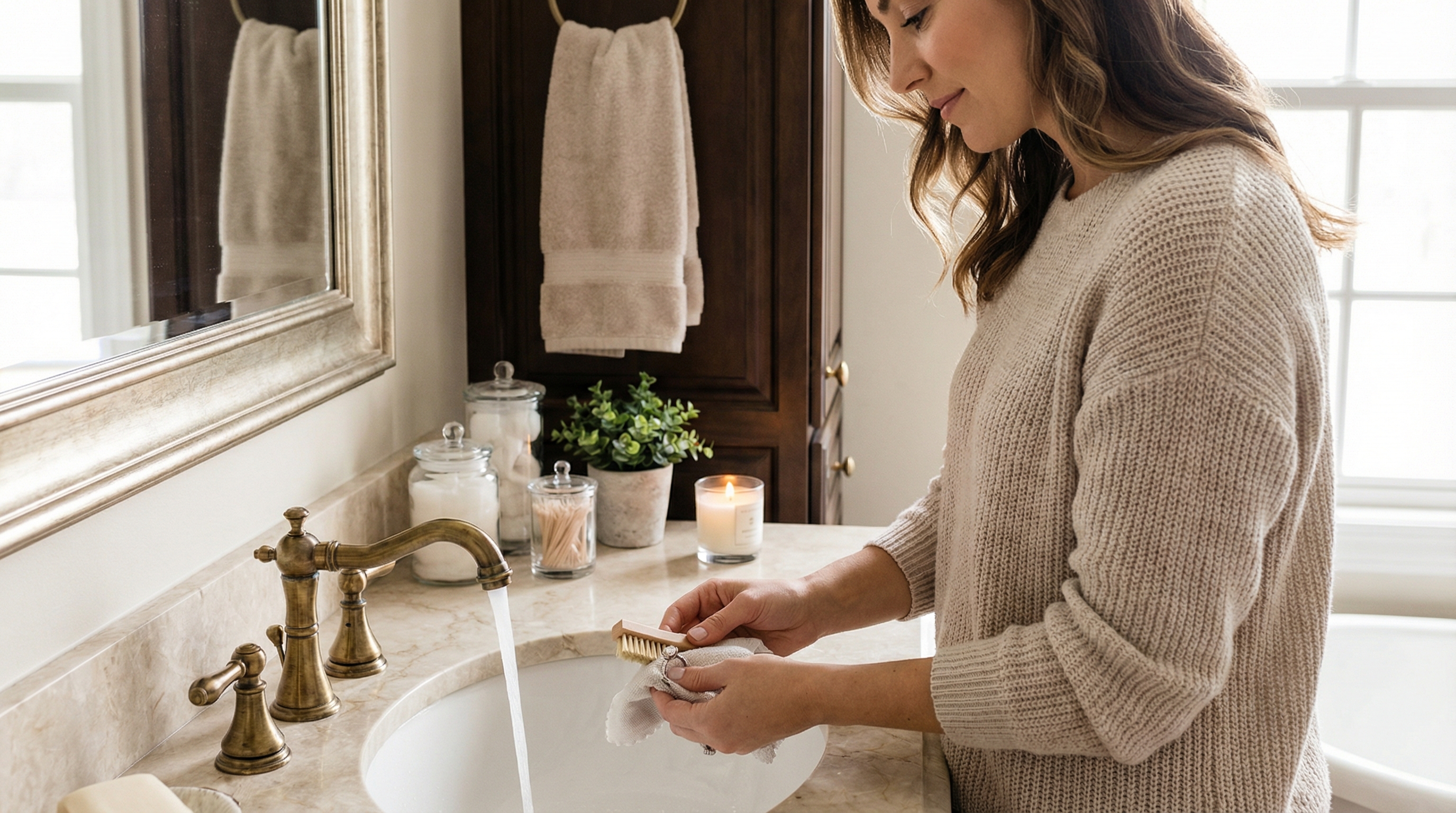
You should perform a deep cleaning once a week for daily-wear items like engagement rings and a monthly refresh for occasionally worn pieces. Consistency is the secret behind professional results when learning how to clean jewelry.
Creating a Consistent Cleaning Schedule
But wait, there’s more. You shouldn’t wait for your pieces to look visibly dirty because by then, the grime has likely hardened into a “crust” that is difficult to remove at home.
- Weekly Routine: Ideal for rings that touch soap, lotion, and food.
- Monthly Check: Great for chains and bracelets that collect hair and lint.
- Annual Visit: Professional inspection ensures prongs remain tight.
Post-Wear Care for Special Occasions
Here’s the deal: for heirlooms you only wear once a year, a quick wipe with a dry microfiber cloth after the event is essential. This prevents sweat and perfume from sitting on the metal for months in storage.
Key Takeaway: Short, frequent cleanings are much safer for your jewelry than infrequent, aggressive scrubbing sessions.
| Frequency | Item Category | |
|---|---|---|
| Weekly | Daily wear rings and earrings | |
| Monthly | Chains, bracelets, and necklaces | |
| Yearly | Professional inspection and polish |
What Are the Most Common Cleaning Mistakes?
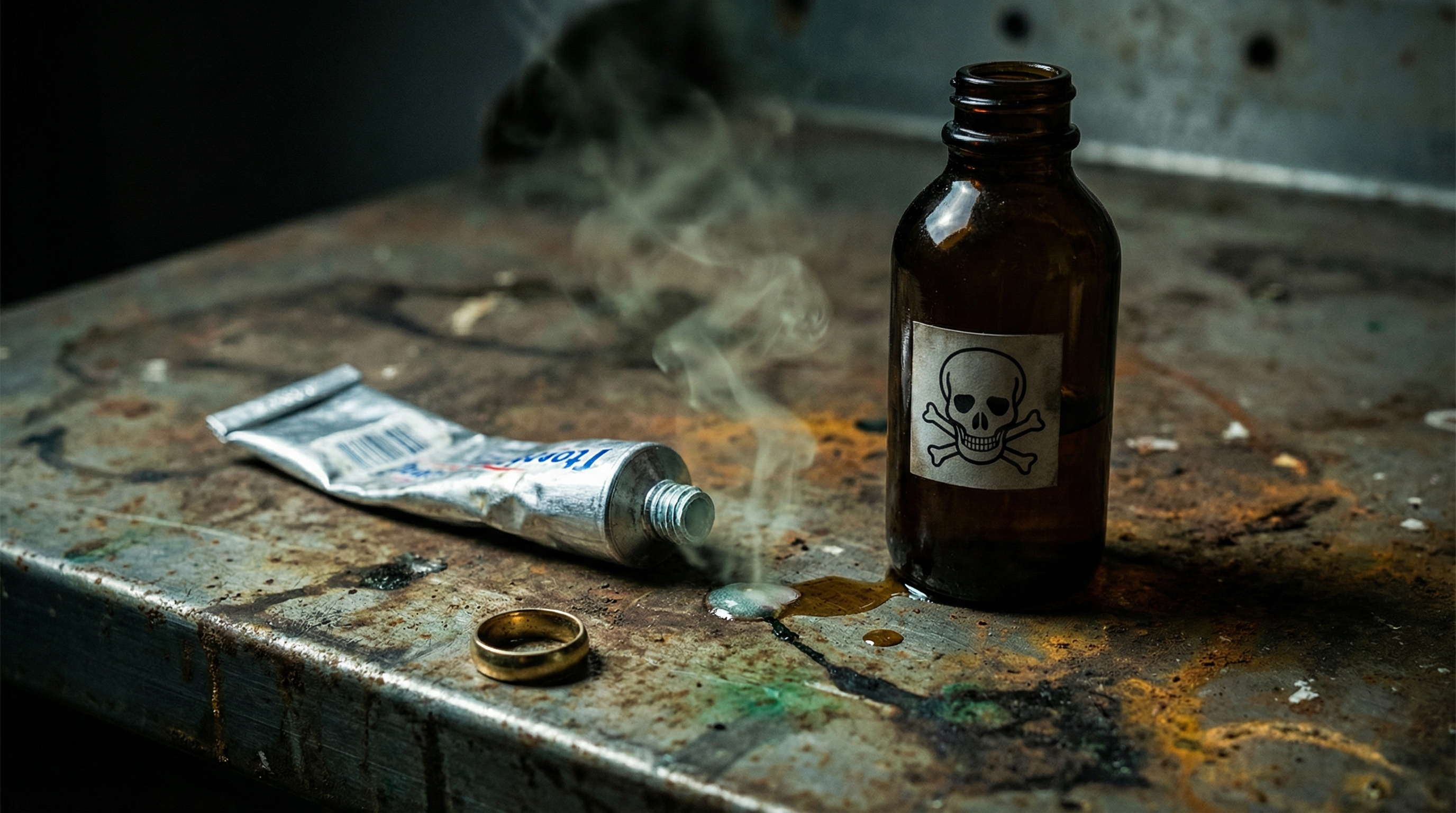
The most common mistakes include using abrasive toothpaste, harsh bleach, or acidic lemon juice which can permanently etch stones and erode metal alloys. Knowing how to clean jewelry correctly also means knowing what items to banish from your vanity forever.
Dangerous Chemicals to Avoid Completely
Look: bleach is arguably the worst offender. It can actually break down the alloys in gold, making your prongs so brittle that they snap off without warning.
- Bleach/Chlorine: Causes stress corrosion cracking in gold.
- Ammonia: Can cloud the surface of many soft gemstones.
- Acetone: May dissolve the glues used in costume or inlaid jewelry.
Why Toothpaste and Lemon Juice Harm
Simply put, toothpaste is designed to be abrasive to remove plaque from enamel. On a gold ring or a sapphire, those same abrasives act like sandpaper, leaving a dull, scratched surface that only a professional can polish out.
Key Takeaway: If a cleaning product isn’t pH-neutral or specifically labeled for fine jewelry, keep it away from your collection.
| Dangerous Agent | Resulting Damage | |
|---|---|---|
| Bleach | Breaks down metal alloys and prongs | |
| Toothpaste | Scratches soft metals and stones | |
| Ammonia | Can cloud or damage certain gemstones |
How Should You Store Jewelry After Cleaning?
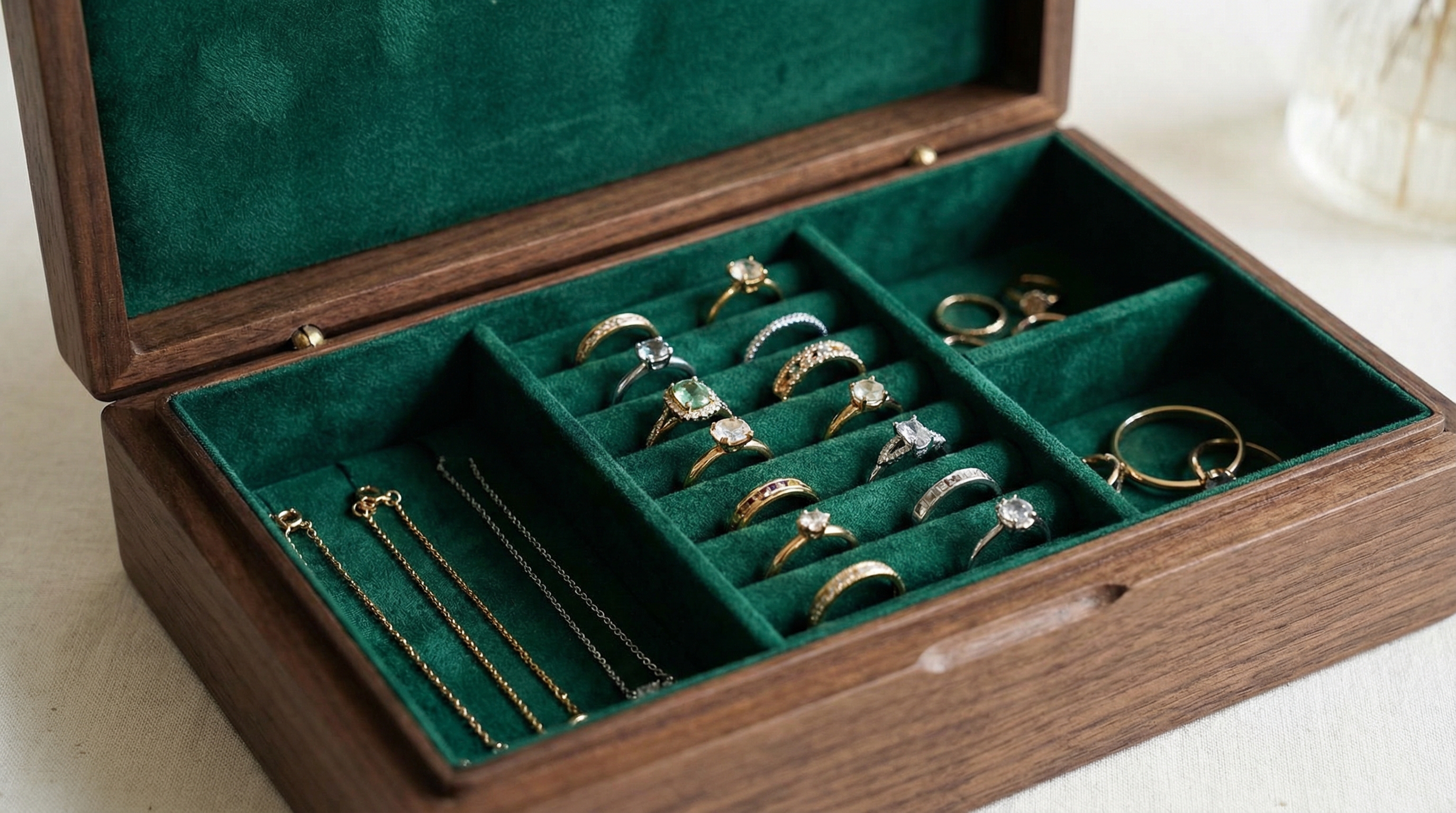
You should store jewelry in a dry, velvet-lined box with individual compartments to prevent scratches and slow down the oxidation process. When considering how to clean jewelry for the long term, remember that proper storage is your first line of defense against tarnish.
Preventing Tarnish with Proper Airflow
It gets better: silver tarnishes because it reacts with sulfur in the air. By using a high-quality, sealable jewelry box, you limit the air exposure and keep your silver bright for much longer.
- Compartmentalization: Stops diamonds from scratching your softer gold.
- Climate Control: Avoid storing fine pieces in humid bathrooms.
- Anti-Tarnish Strips: Can be added to drawers to absorb harmful gases.
The Benefits of Soft-Lined Organizers
Think about it: why spend time cleaning your jewelry only to toss it into a tangled pile? Velvet or suede linings absorb minor moisture and provide a cushioned surface that prevents scuffs during movement.
Key Takeaway: Organized storage doesn’t just look beautiful; it prevents the physical and chemical damage that leads to frequent cleaning needs.
| Storage Tip | Benefit | |
|---|---|---|
| Separate Slots | Prevents stones from scratching metal | |
| Velvet Lining | Absorbs minor moisture and prevents scuffs | |
| Dry Environment | Stops silver tarnish before it starts |
FAQ
- What’s the best way to clean jewelry at home?The most reliable method is a mixture of mild dish soap and warm water followed by a gentle scrub with a soft-bristled toothbrush.
- Can I use vinegar on gold jewelry?No, vinegar is acidic and can damage certain gold alloys or sensitive gemstones; stick to soap and water for gold.
- What’s the best way to clean tarnished silver?Use the “aluminum foil and baking soda” method to chemically reverse tarnish without abrasive scrubbing.
- Can I clean pearls in soapy water?Pearls should never be soaked; instead, wipe them with a damp cloth to protect the nacre and the silk string.
- What’s the best method for cleaning diamonds?Soak them in warm soapy water for 15 minutes and use a soft brush to clean the pavilion (bottom) of the stone.
Conclusion
Maintaining the brilliance of your collection is an ongoing commitment to care. By following these expert techniques, you protect the sentimental and financial value of every piece you own. At YiXin Packaging, we believe that luxury deserves the finest protection, from the moment it is cleaned to the second it is stored. To elevate your brand’s presentation or secure professional-grade storage solutions, contact us today for a consultation.