
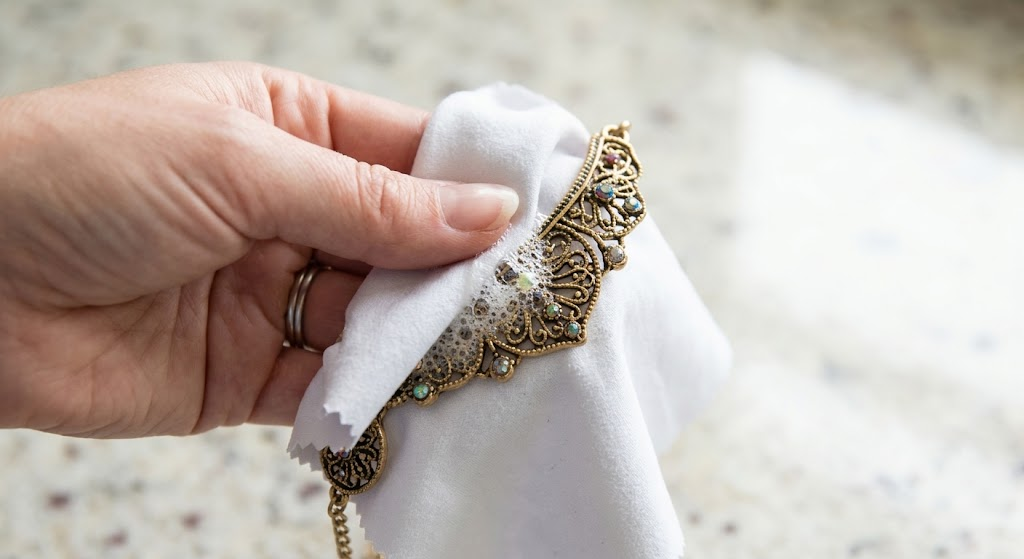
You can clean tarnished costume jewelry using common household items like lemon juice, baking soda, or toothpaste to restore its original luster. Discovering your favorite necklace has turned a dull, dark green can be incredibly frustrating, especially when you have a special event tonight. This oxidation doesn’t just look unappealing; it can ruin your outfit’s aesthetic and make high-quality fashion pieces look cheap. Fortunately, you can save your collection and protect future purchases with premium jewelry boxes designed to minimize air exposure.
Can You Use Vinegar to Clean Fashion Jewelry?
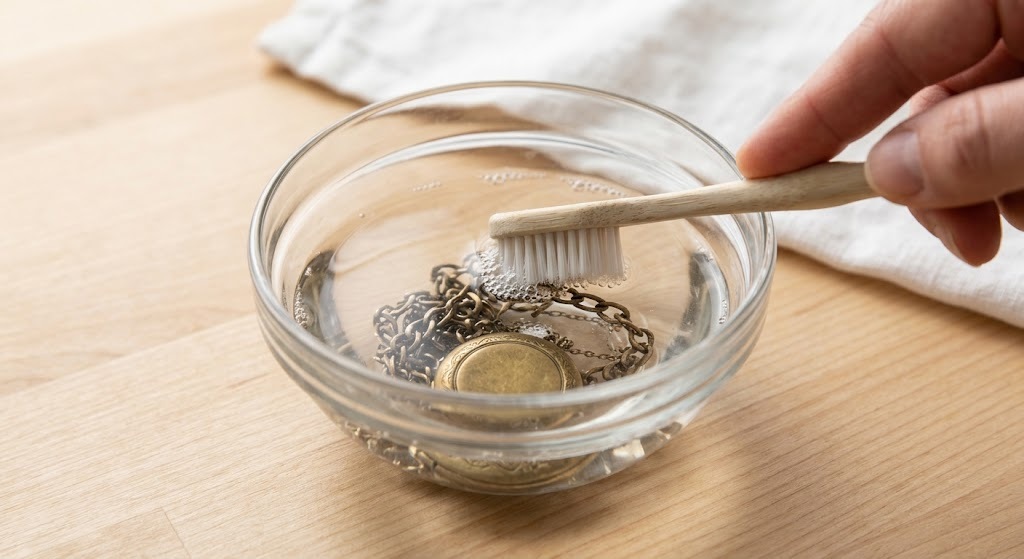
Yes, you can use a diluted white vinegar solution to effectively break down oxidation on most metal-based fashion pieces. Understanding how to clean tarnished jewelry with acidic bases is the first step toward restoring your vintage collection.
- Mix equal parts white vinegar and warm water in a small bowl.
- Submerge the jewelry for no more than five to ten minutes.
- Gently scrub the surface with a soft-bristled brush to remove loosened grime.
But here is the kicker:
Vinegar is highly acidic and can damage delicate faux pearls or glued-in rhinestones if left too long. Always test a small, inconspicuous area of the piece before a full soak to ensure the finish remains intact.
Key Takeaway: Vinegar is a powerful de-tarnisher but requires caution with porous materials.
| Method | Best For | Time Required | |
|---|---|---|---|
| Vinegar Soak | Metal chains and sturdy base metals | 5-10 Minutes |
Is Lemon Juice Safe for Base Metals?
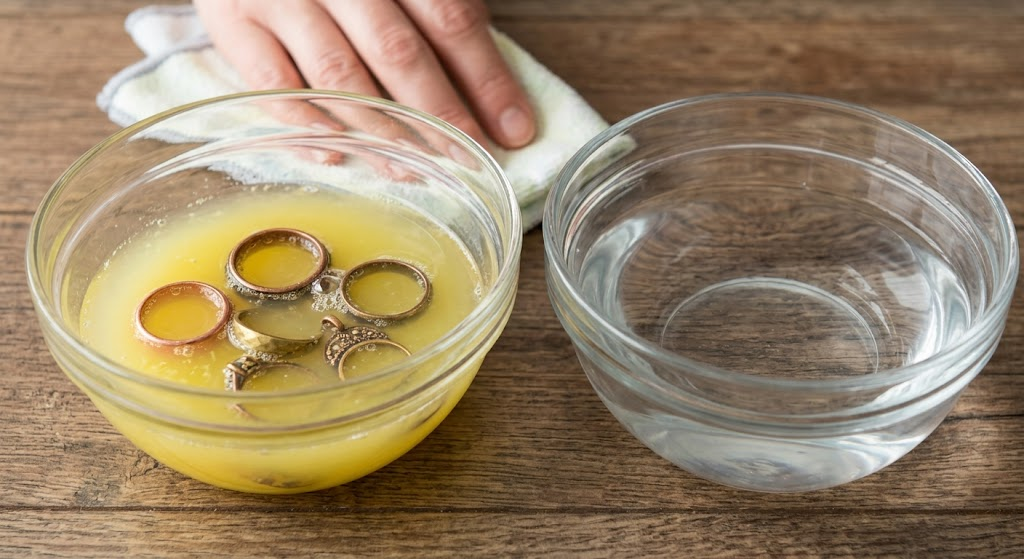
Lemon juice is safe and highly effective for cleaning base metals because its natural citric acid eats through stubborn tarnish. Learning how to clean tarnished jewelry with citrus is a favorite “green” remedy for many jewelry enthusiasts.
- Combine one part lemon juice with one part water for a gentle soak.
- Place the item in the mixture for 10-15 minutes until the shine returns.
- Rinse with cool water and buff immediately with a dry microfiber cloth.
The best part?
This method is particularly effective for copper-based jewelry that has developed a dark patina. To keep these pieces from tarnishing again, store them in airtight jewelry pouches to keep moisture away.
Key Takeaway: Lemon juice provides a natural, acidic clean that excels at restoring copper and brass tones.
| Method | Best For | Time Required | |
|---|---|---|---|
| Lemon Juice | Copper and brass-toned costume pieces | 10-15 Minutes |
Does Baking Soda Remove Heavy Oxidation?
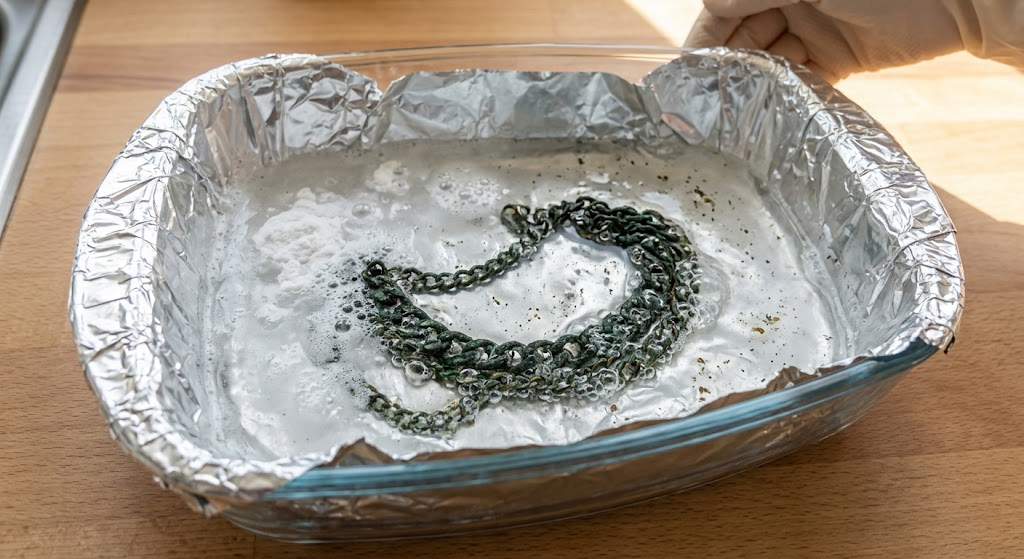
Baking soda is one of the most reliable methods for removing heavy oxidation due to the chemical reaction it creates with aluminum. If you are struggling with how to clean tarnished jewelry that has turned completely black, this salt and soda bath is the answer.
- Line a dish with foil, add salt and baking soda, then pour in warm water.
- Watch for the bubbling reaction as it transfers tarnish from the jewelry to the foil.
- Rinse thoroughly to ensure no gritty residue remains in the links.
Think about it:
This electrolytic process reaches into tiny crevices that a brush simply cannot touch. For businesses, displaying these refurbished pieces on professional jewelry displays can significantly increase their perceived value.
Key Takeaway: The baking soda and foil method is the “gold standard” for deep cleaning intricate chains.
| Method | Best For | Time Required | |
|---|---|---|---|
| Baking Soda & Foil | Intricate chains and heavy tarnish | 5 Minutes |
Can Toothpaste Restore Shine to Dull Pieces?
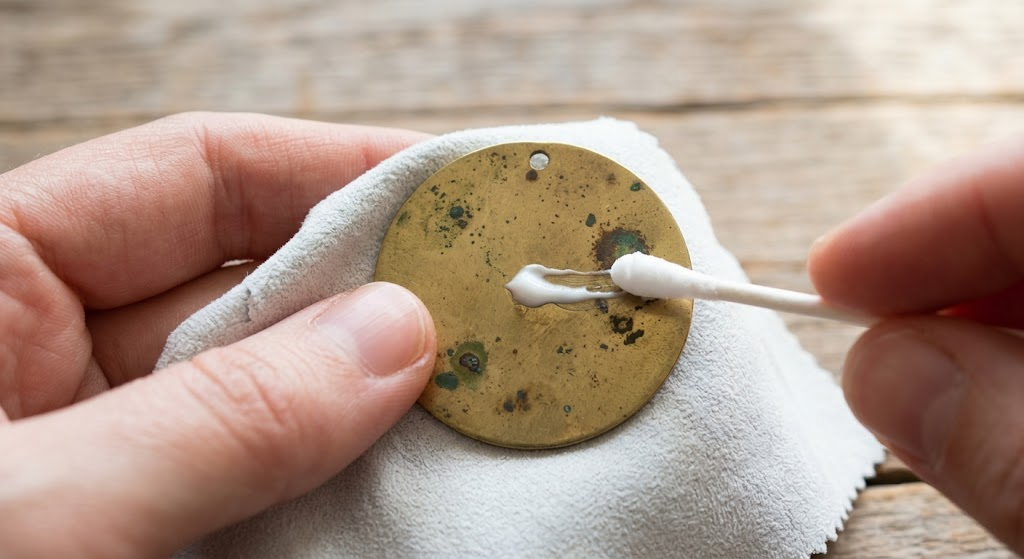
Toothpaste can restore shine to dull pieces by acting as a very mild abrasive that polishes the metal surface. When researching how to clean tarnished jewelry, you will find that a non-gel, white toothpaste is a classic household favorite.
- Apply a small dab of toothpaste to the tarnished area using a Q-tip.
- Gently work the paste into the metal using circular motions.
- Rinse with cool water and dry thoroughly to prevent new spots.
It gets better:
The slight grit in the paste physically lifts away film and oils left behind by skin creams and perfumes. Once polished, keeping your items in specialized jewelry boxes prevents the recurrence of dullness.
Key Takeaway: Toothpaste is an excellent spot-treatment for localized tarnish on flat surfaces.
| Method | Best For | Time Required | |
|---|---|---|---|
| Toothpaste Polish | Flat pendants and smooth metal surfaces | 2-3 Minutes |
Will Dish Soap Clean Fashion Jewelry Safely?
Mild dish soap is the safest way to clean fashion jewelry as it removes oils without the risk of harsh chemical reactions. Mastering how to clean tarnished jewelry often starts with this “do no harm” approach for newer pieces.
- Mix a few drops of mild dish soap into a bowl of lukewarm water.
- Use a soft cloth to wipe down the jewelry rather than soaking it.
- Dry the piece immediately to ensure no water stays trapped in the settings.
Look:
Many costume pieces use glue to hold stones in place, and hot water or jewelry cleaners can dissolve that bond. Using a gentle soap maintains the structural integrity of your favorite fashion finds.
Key Takeaway: Dish soap is the ideal choice for routine maintenance and delicate glued-on stones.
| Method | Best For | Time Required | |
|---|---|---|---|
| Dish Soap | Daily grime and delicate glued stones | 2 Minutes |
Can You Use Alcohol to Sanitize Earrings?
You can use isopropyl alcohol to sanitize earring posts, but you should avoid getting it on the decorative “costume” part of the jewelry. While investigating how to clean tarnished jewelry, it is vital to distinguish between sanitizing and polishing.
- Dip a cotton ball in rubbing alcohol and wipe only the metal posts.
- Avoid contact with painted surfaces, plastic beads, or faux pearls.
- Allow the posts to air dry completely before wearing them again.
But there’s a catch…
Alcohol can strip the finish or “luster” off many costume jewelry coatings, leaving them looking cloudy or cracked. To keep your clean earrings organized and safe, use dedicated jewelry displays that separate each pair.
Key Takeaway: Isopropyl alcohol is for hygiene on posts, not for cleaning the aesthetic face of costume pieces.
| Method | Best For | Time Required | |
|---|---|---|---|
| Rubbing Alcohol | Sanitizing earring posts only | 30 Seconds |
Is Microfiber Best for Buffing Jewelry?
Microfiber is the best material for buffing jewelry because it is soft enough to avoid scratching delicate gold-plated or silver-plated finishes. Proper finishing is the final step in how to clean tarnished jewelry to ensure a professional, mirror-like shine.
- Use a clean, dry microfiber cloth after any wet cleaning method.
- Apply firm but gentle pressure to buff the metal surface.
- Rotate the cloth frequently to use a clean section for each piece.
The data suggests a different pattern:
Standard paper towels or bath towels can actually leave tiny scratches on soft costume metals. For the best protection after buffing, wrap your items in soft jewelry pouches before storage.
Key Takeaway: Microfiber remains the safest and most effective tool for a scratch-free finish.
| Method | Best For | Time Required | |
|---|---|---|---|
| Microfiber Buffing | Finishing after cleaning and daily polishing | 1 Minute |
Should You Use Ultrasonic Cleaners for Costume Pieces?
You should generally avoid using ultrasonic cleaners for costume jewelry because the high-frequency vibrations can shake loose glued-on stones. When learning how to clean tarnished jewelry, many people mistakenly assume professional machines are always better.
- Only use ultrasonic cleaners for solid metal pieces without any stones.
- Never place “foiled” rhinestones in an ultrasonic bath as the foil will peel.
- Keep cycles short to minimize the risk of plating damage.
Here is the deal:
Most fashion jewelry relies on adhesives that are not designed to withstand the microscopic bubbles created by these machines. Stick to hand-cleaning methods and store your pieces in quality jewelry boxes to avoid the need for deep cleaning.
Key Takeaway: Ultrasonic cleaners are too aggressive for the majority of costume and vintage pieces.
| Method | Best For | Time Required | |
|---|---|---|---|
| Ultrasonic | Solid metal pieces with no stones or glue | 3 Minutes |
Can Salt and Foil Clean Silver-Plated Items?
Yes, a salt and foil bath can clean silver-plated items through an electrochemical process that reverses sulfur-based tarnishing. This is a highly efficient way to tackle how to clean tarnished jewelry when you have a large volume of items.
- Line a pan with foil and sprinkle salt directly onto the surface.
- Balance the jewelry so it makes direct contact with the aluminum.
- Pour hot water over the pieces and watch the tarnish disappear.
Case in point:
The sulfur that causes tarnish has a higher affinity for aluminum than silver, so it “jumps” from your jewelry to the foil. Once restored, display your silver pieces on velvet jewelry displays to prevent moisture buildup.
Key Takeaway: The salt/foil method is a chemistry-backed shortcut for restoring silver-plated finishes.
| Method | Best For | Time Required | |
|---|---|---|---|
| Salt & Foil | Silver-plated chains and large batches | 2-4 Minutes |
How Do You Prevent Tarnish from Returning?
You prevent tarnish from returning by keeping jewelry dry and stored in an environment with limited airflow. The ultimate secret to how to clean tarnished jewelry is to stop it from tarnishing in the first place through proper storage habits.
- Store pieces individually to prevent scratching and chemical transfer.
- Add silica gel packets to your storage containers to absorb moisture.
- Avoid storing jewelry in the bathroom where humidity levels are high.
Why does this matter?
Tarnish is caused by a reaction with oxygen and moisture, so the better your packaging, the longer the shine lasts. Investing in premium jewelry pouches or airtight boxes is the best insurance for your collection.
Key Takeaway: Prevention through airtight, dry storage is far easier than frequent cleaning.
| Prevention Tip | Benefit | Effectiveness | |
|---|---|---|---|
| Airtight Storage | Blocks oxygen | High | |
| Silica Packets | Removes moisture | Medium | |
| Individual Pouches | Prevents scratches | High |
FAQ
Can I use window cleaner on costume jewelry? It is not recommended, as the ammonia can be too harsh for the thin plating on fashion jewelry.
What’s the best way to clean faux pearls? Only use a soft, damp cloth with very mild soapy water; never soak them as it can damage the coating.
Can I wear costume jewelry in the shower? No, water, soap, and shampoo accelerate the tarnishing process and can dissolve the glues.
What causes the green mark on my skin? This is typically a reaction between the copper in the jewelry and the acids or moisture on your skin.
Can I clean jewelry with a hairdryer? A hairdryer on a “cool” setting is actually a great way to ensure jewelry is 100% dry after cleaning.
Don’t let tarnish ruin your personal style or your brand’s reputation. Whether you are a collector looking to revive vintage finds or a retailer needing to present pieces in their best light, proper care and premium packaging make all the difference. To explore our full range of professional storage and display solutions, contact us today .