
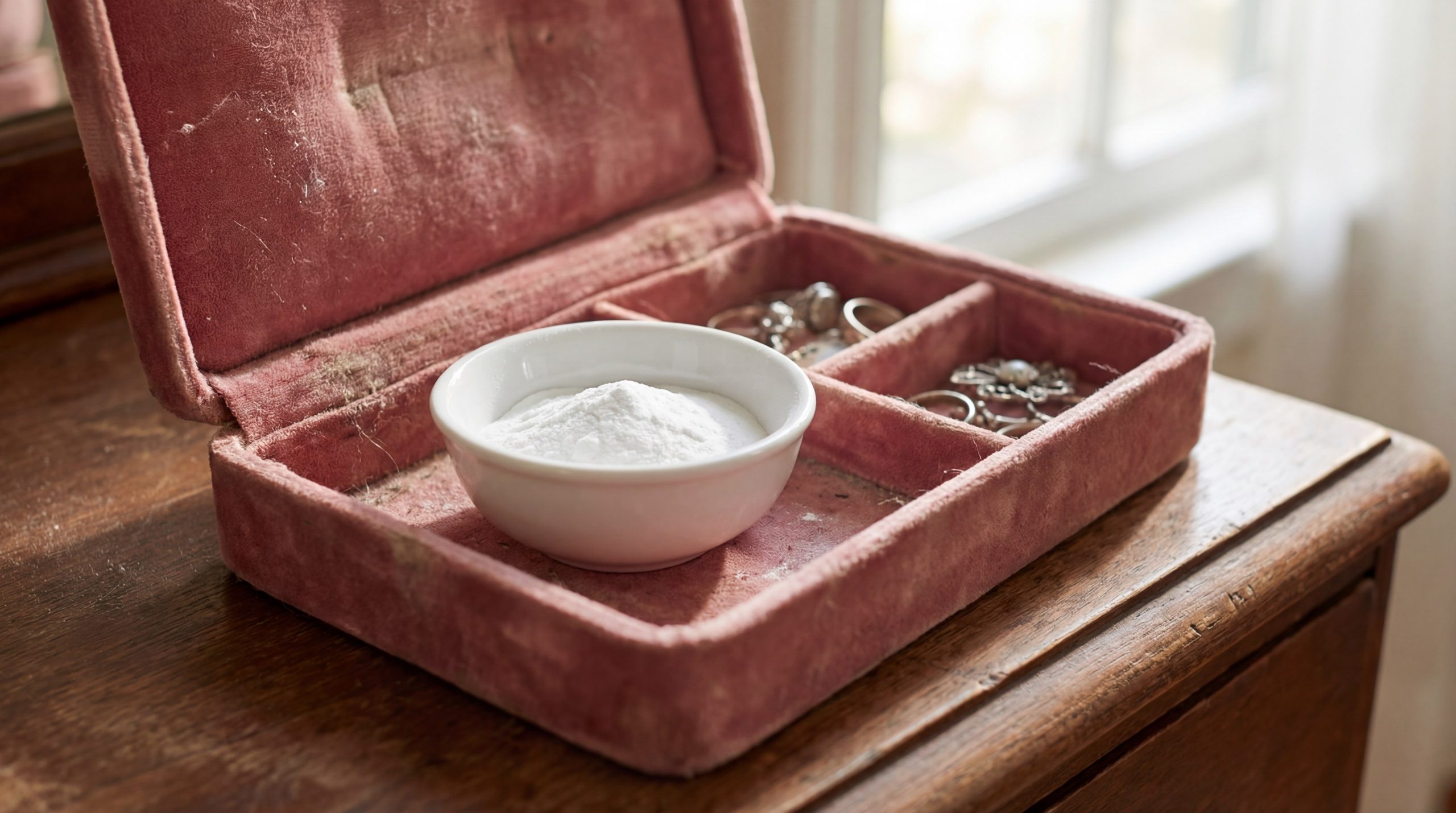
Maintaining the aesthetic and functional integrity of a velvet jewelry box is essential for any serious collector. Over time, the dense pile of velvet acts as a magnet for environmental pollutants that can degrade the fabric. Understanding the science of fabric maintenance ensures your presentation remains as high-end as the day of purchase.
Velvet fibers easily trap skin oils, dead skin cells, and microscopic dust, creating a dull, unappealing appearance. This accumulation doesn’t just look poor; it can potentially transfer residues back onto your precious gemstones. If left unaddressed, debris can become embedded, leading to permanent matting of the “nap” and a total loss of texture.

Section Insights: Cleaning Rationale
| Risk Factor | Impact on Velvet | Prevention Benefit | |
|---|---|---|---|
| Micro-dust | Dullness and fiber abrasion | Restores original luster | |
| Skin Oils | Permanent staining and matting | Preserves soft hand-feel | |
| Embedded Debris | Irreversible nap damage | Extends box lifespan |
Which Jewelry Packaging Box Style is Easiest to Clean?
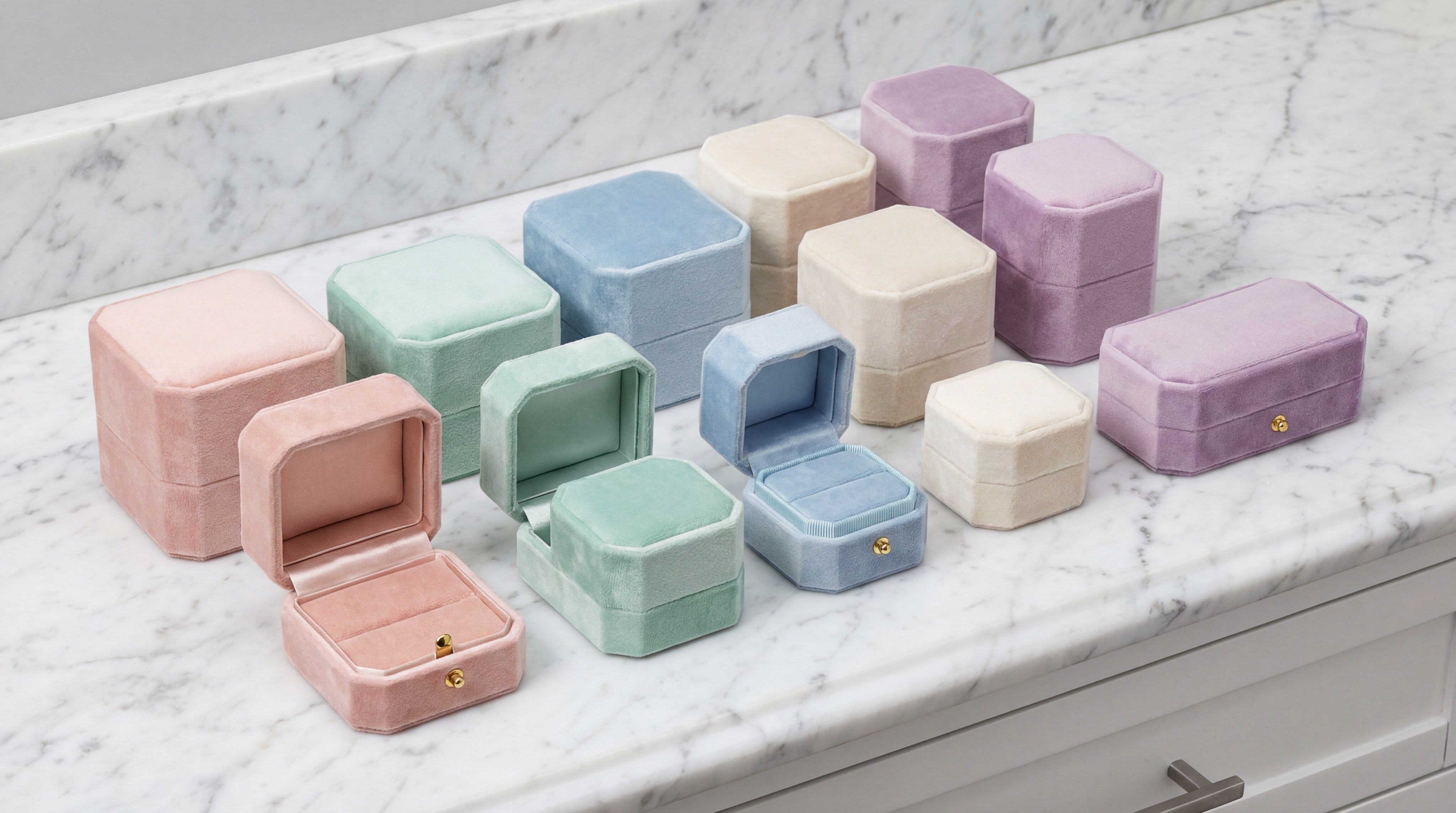
When selecting a premium jewelry packaging box , the physical design significantly impacts long-term maintenance requirements. Flat-lay trays are the easiest to vacuum and wipe down, offering unrestricted access to all corners. In contrast, complex boxes with many small ring rolls require specialized tools like detailing brushes to reach deep crevices.
Material durability also plays a crucial role in how well the item survives a cleaning cycle. High-quality synthetic velvet is often more resilient to damp cleaning than its silk-based counterparts. This makes synthetic options a more practical choice for daily-use storage solutions where frequent dusting is expected.
Section Insights: Design & Maintenance
| Design Type | Cleaning Difficulty | Recommended Maintenance | |
|---|---|---|---|
| Flat-Lay Tray | Low | Microfiber wipe-down | |
| Compartmentalized | Moderate | Detailed soft brushing | |
| Ring Rolls | High | Compressed air or precision tips |
How Do You Remove Surface Dust Without Damaging the Pile?
Surface cleaning is the most frequent maintenance task and requires a “low-impact” approach to preserve the fabric’s sheen. A high-quality adhesive lint roller is perfect for flat exterior surfaces, but you must use caution on delicate interiors. For internal linings, a dedicated fabric brush is often safer to prevent pulling or snagging the delicate fibers.
Deep corners and narrow ring slots often present a challenge where traditional brushes cannot effectively reach. In these instances, a short burst of canned air can dislodge trapped particles without introducing harmful moisture. This “touch-less” method is the gold standard for removing grit from high-density velvet without risking nap distortion.

Section Insights: Dust Removal Techniques
| Tool | Best Use Case | Primary Benefit | |
|---|---|---|---|
| Lint Roller | Flat exterior panels | High efficiency for pet hair/lint | |
| Fabric Brush | Interior linings | Lifts and separates fibers | |
| Compressed Air | Deep crevices/corners | Zero-contact particle removal |
Can You Clean a Homemade Jewelry Box with Velvet Lining?
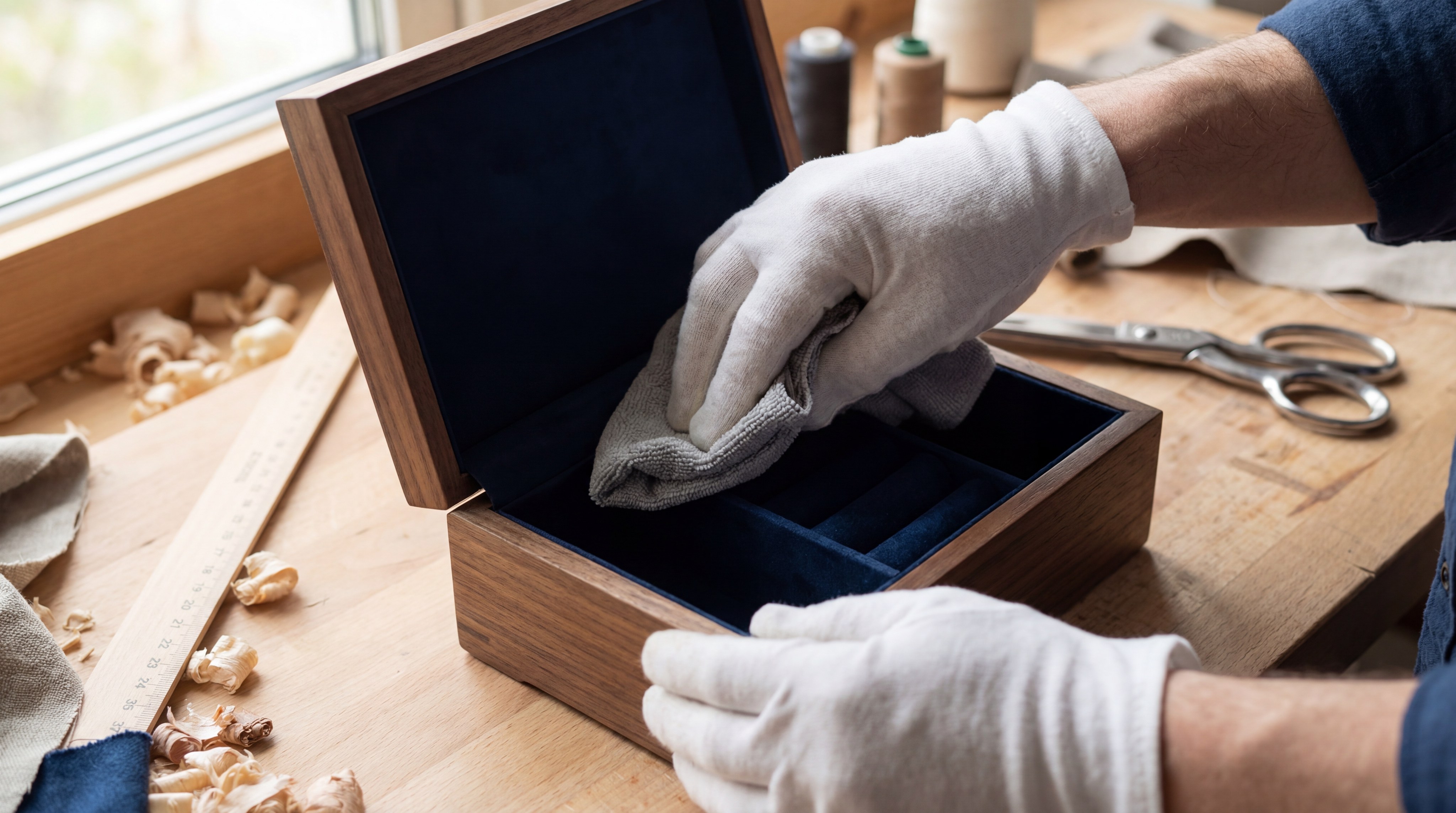
If you have learned how to make a homemade jewelry box with velvet lining , you must be cautious about construction adhesives. DIY boxes often utilize water-soluble glues that can fail when exposed to liquid cleaning agents. Excessive moisture can seep through the velvet, dissolve the bond, and cause the fabric to ripple or peel permanently.
Structural integrity is another major concern when cleaning handmade items. Ensure the cardboard or wood base is fully dry before reassembling or adding jewelry back into the compartments. Any trapped moisture within a DIY structure can lead to warping or the growth of mold in hidden areas.
Section Insights: DIY Care Considerations
| DIY Component | Cleaning Risk | Safety Precaution | |
|---|---|---|---|
| Water-Soluble Glue | Fabric delamination | Use dry cleaning methods only | |
| Hand-Cut Lining | Edge fraying | Avoid vigorous rubbing | |
| Internal Base | Structural warping | Ensure 24-hour dry time |
What is the Best Method for Removing Deep Velvet Stains?
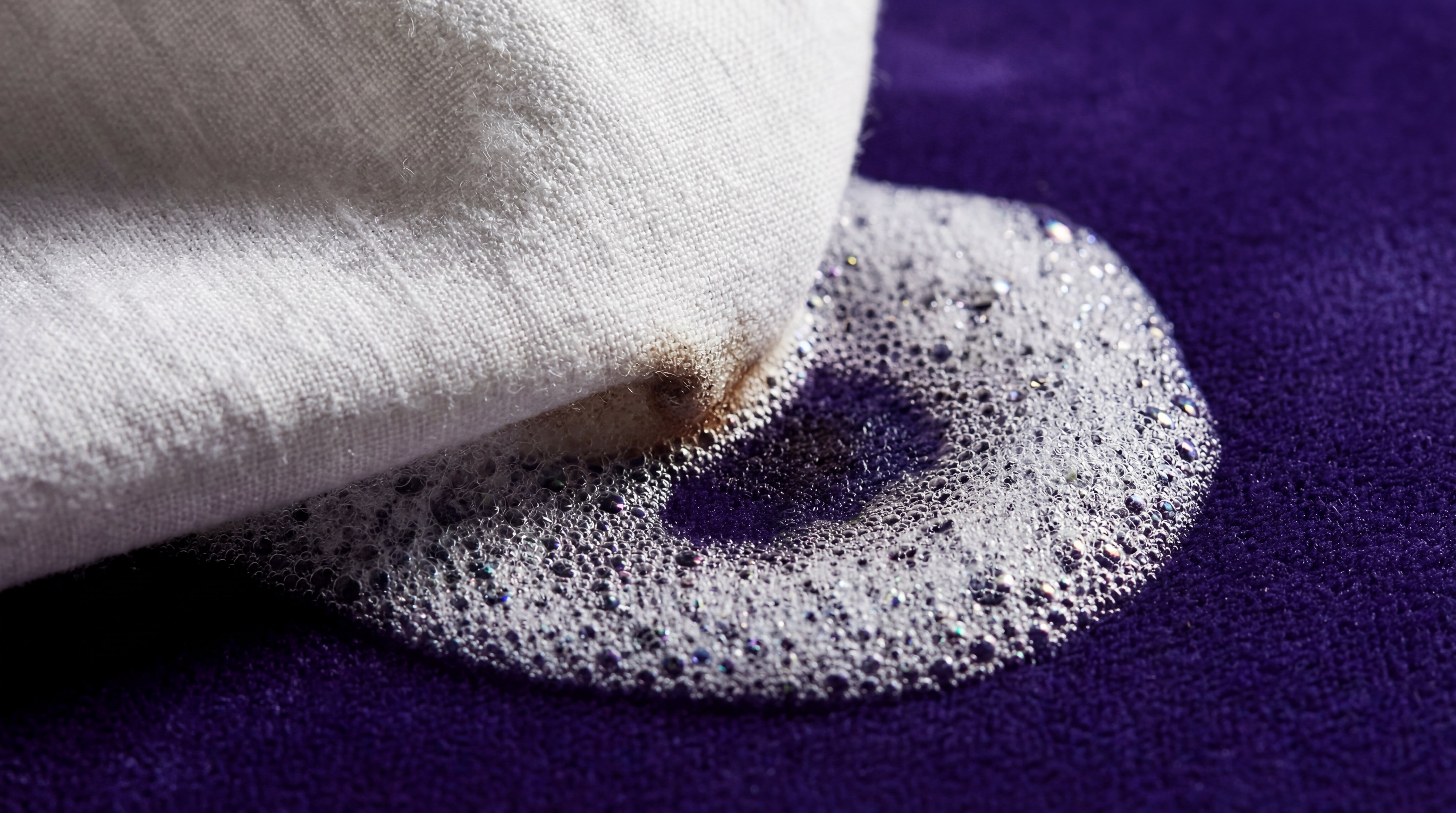
When a simple dusting isn’t enough, a targeted liquid cleaning approach is required to handle stubborn spots. You should never rub a velvet stain, as this pushes the contaminant deeper into the fabric backing. Instead, use a clean, white cloth to blot the area, pulling the liquid upward out of the pile.
A mixture of highly diluted dish soap and distilled water is usually sufficient for most organic stains. The secret is to use only the foam (suds) rather than the liquid itself to minimize fiber saturation. This “dry foam” technique cleans the surface effectively while protecting the underlying structure from excessive moisture.
Section Insights: Stain Removal Protocol
| Step | Action | Objective | |
|---|---|---|---|
| 1. Blot | Dab with dry cloth | Remove excess liquid | |
| 2. Suds Only | Apply cleaning foam | Minimize moisture penetration | |
| 3. Gentle Lift | Vertical dabbing | Pull stain out of the nap |
How Does Cleaning Prevent Tarnish and Damage to Jewelry?
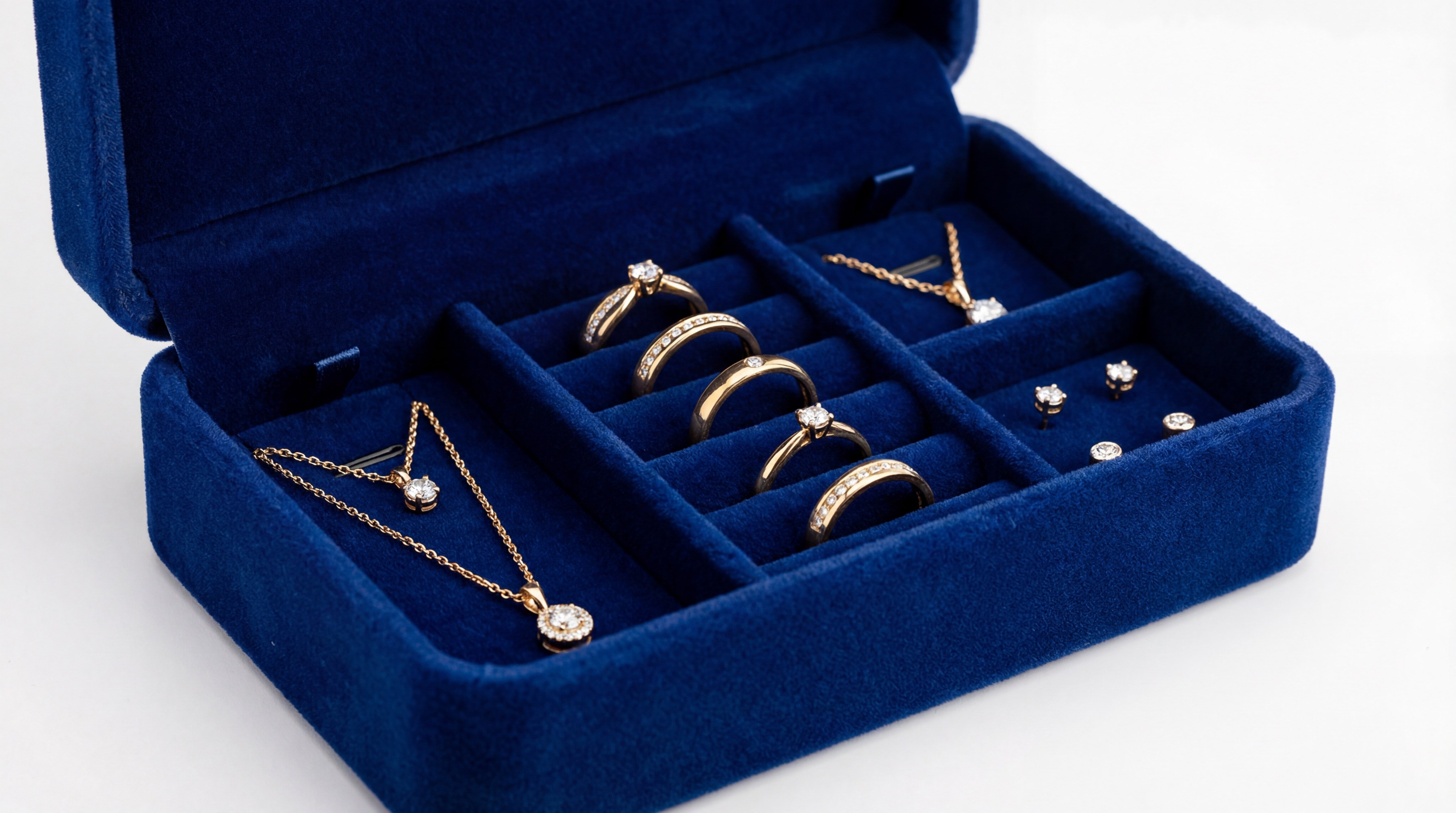
A clean environment is the first line of defense in how to use jewelry box to prevent tarnish and damage . Micro-grit trapped in velvet can act like sandpaper over time. Every time a piece of jewelry is moved, these particles cause microscopic scratches on soft metals like 24k gold and sterling silver.
Maintaining a pH-neutral environment is equally critical for long-term jewelry preservation. Organic residues like sweat or perfume trapped in the velvet can create localized acidic environments. These chemical reactions accelerate the tarnishing of silver and copper-based alloys, leading to frequent and unnecessary polishing.
Section Insights: Jewelry Protection
| Pollutant Type | Damage Mechanism | Prevention Result | |
|---|---|---|---|
| Silica/Grit | Physical abrasion | Scratch-free metal surfaces | |
| Acidic Residues | Chemical oxidation | Reduced tarnish frequency | |
| Moisture | Corrosive environment | Preserved stone settings |
Are Natural Cleaning Solutions Safe for Luxury Velvet?
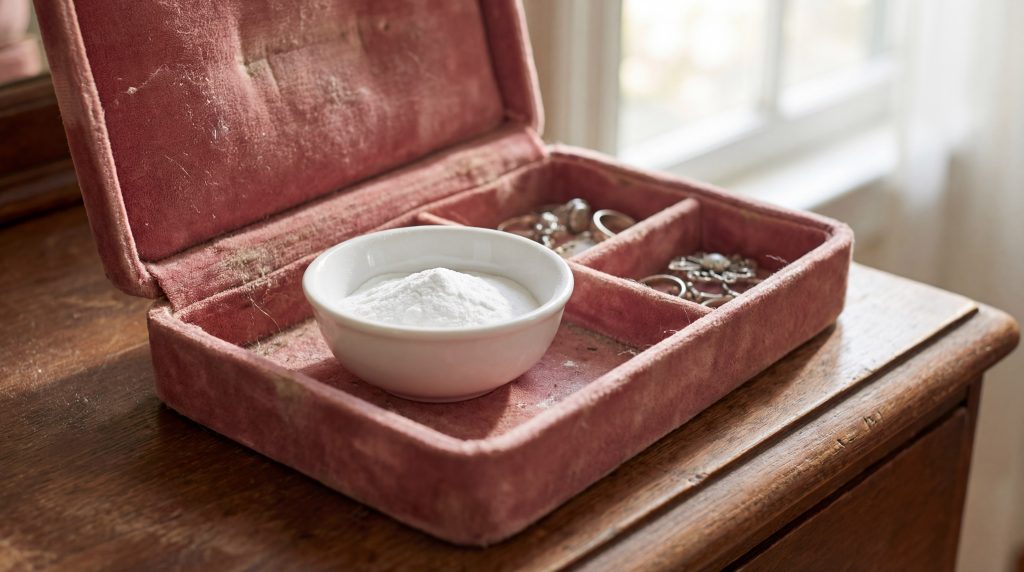
Many homeowners prefer eco-friendly options, but not all “natural” cleaners are compatible with delicate dyes. The high acidity of vinegar or lemon juice can strip the luster from velvet fibers instantly. This often results in permanent discolored patches or “bleaching” that cannot be repaired by professional restorers.
Using distilled water is an essential part of the process that many overlook. Tap water contains minerals like calcium and magnesium that leave behind visible white spots after evaporation. These “water spots” are often harder to remove than the original stain and can feel crunchy to the touch.
Section Insights: Solution Safety
| Solution | Safety Rating | Expert Recommendation | |
|---|---|---|---|
| Distilled Water | Safe | Use for all damp cleaning | |
| Vinegar | Unsafe | Avoid due to acidity levels | |
| Baking Soda | Safe (Dry) | Good for odor absorption only |
What Steps Ensure You Clean a Jewelry Box Safely?
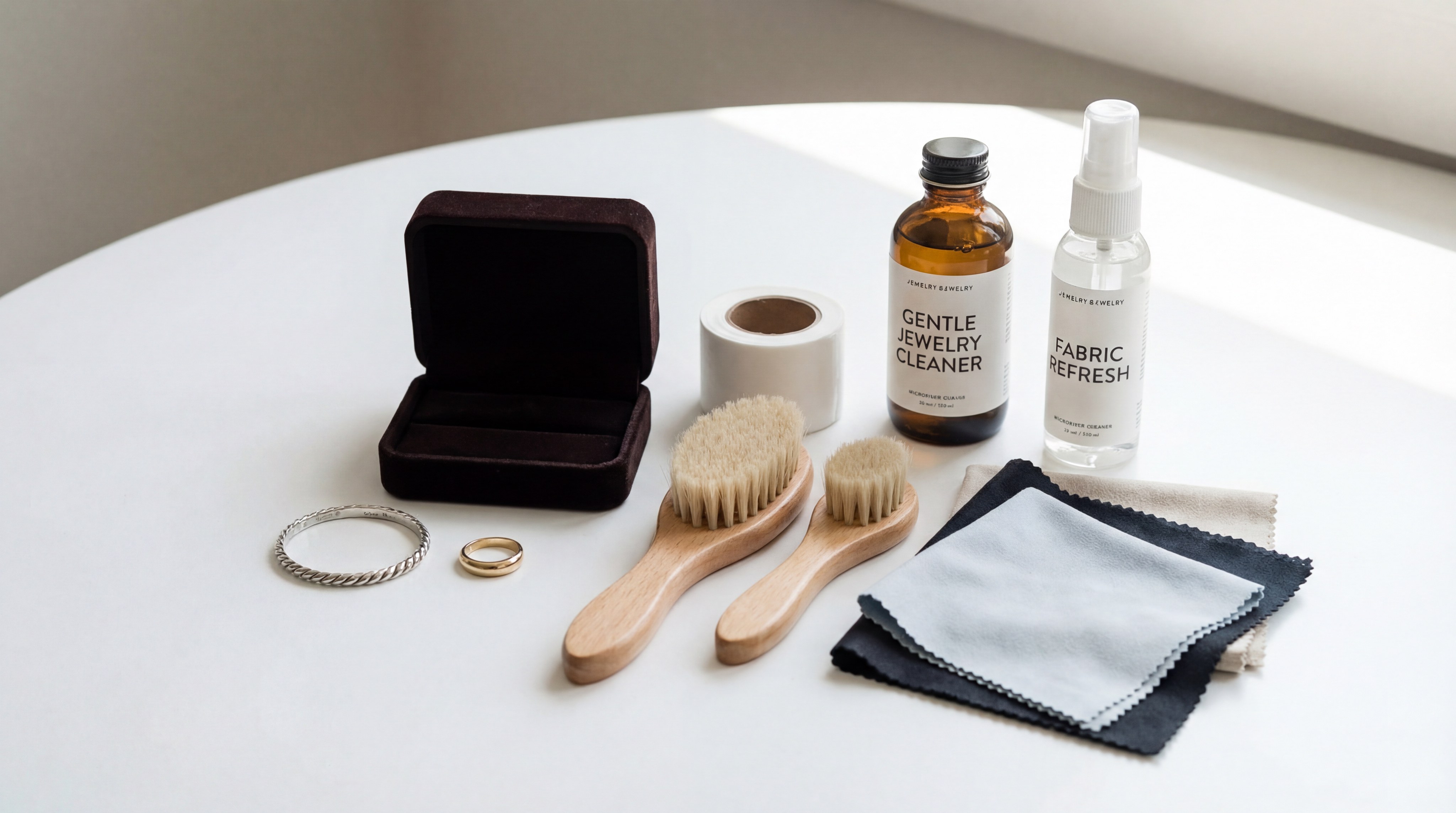
Following a logical sequence is vital for a successful restoration project. You can find more detail on what steps ensure how to clean a jewelry box safely to avoid common amateur mistakes. Always begin by removing all jewelry and inspecting the box for loose threads or peeling edges.
Proper handling of delicate hinges is another critical factor in safe cleaning. While focusing on the velvet, ensure you do not get moisture or cleaning agents into the metal locking mechanisms. Moisture in these areas can cause internal rust, leading to squeaking or total mechanical failure of the box.
Section Insights: Safety Checklist
| Phase | Critical Action | Why It Matters | |
|---|---|---|---|
| Pre-Check | Empty all compartments | Prevents chemical damage to gems | |
| Cleaning | Protect metal hardware | Prevents hinge rust/oxidation | |
| Post-Care | Verify total dryness | Prevents mold and glue failure |
How Should You Dry Velvet to Maintain Its Soft Texture?
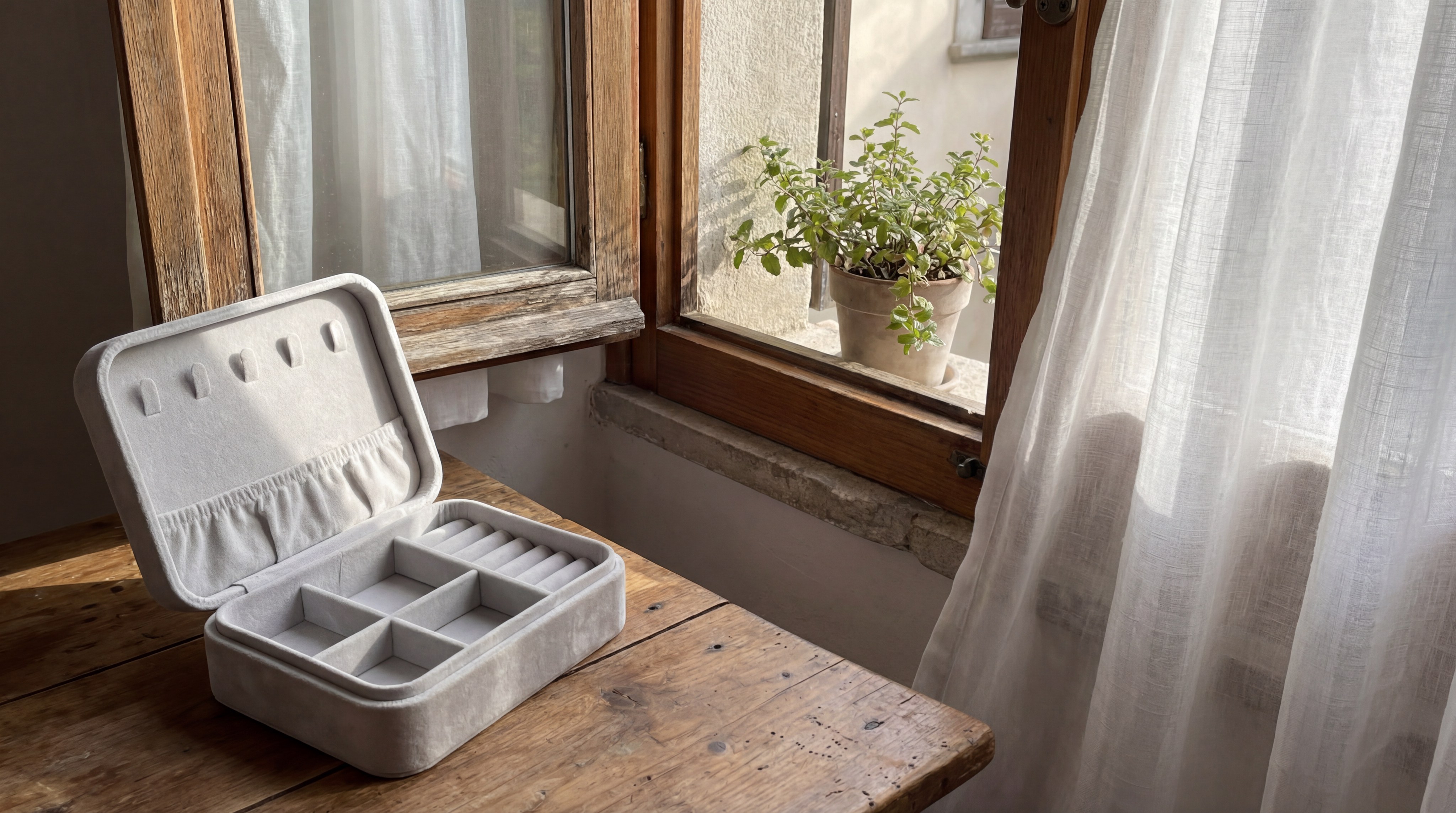
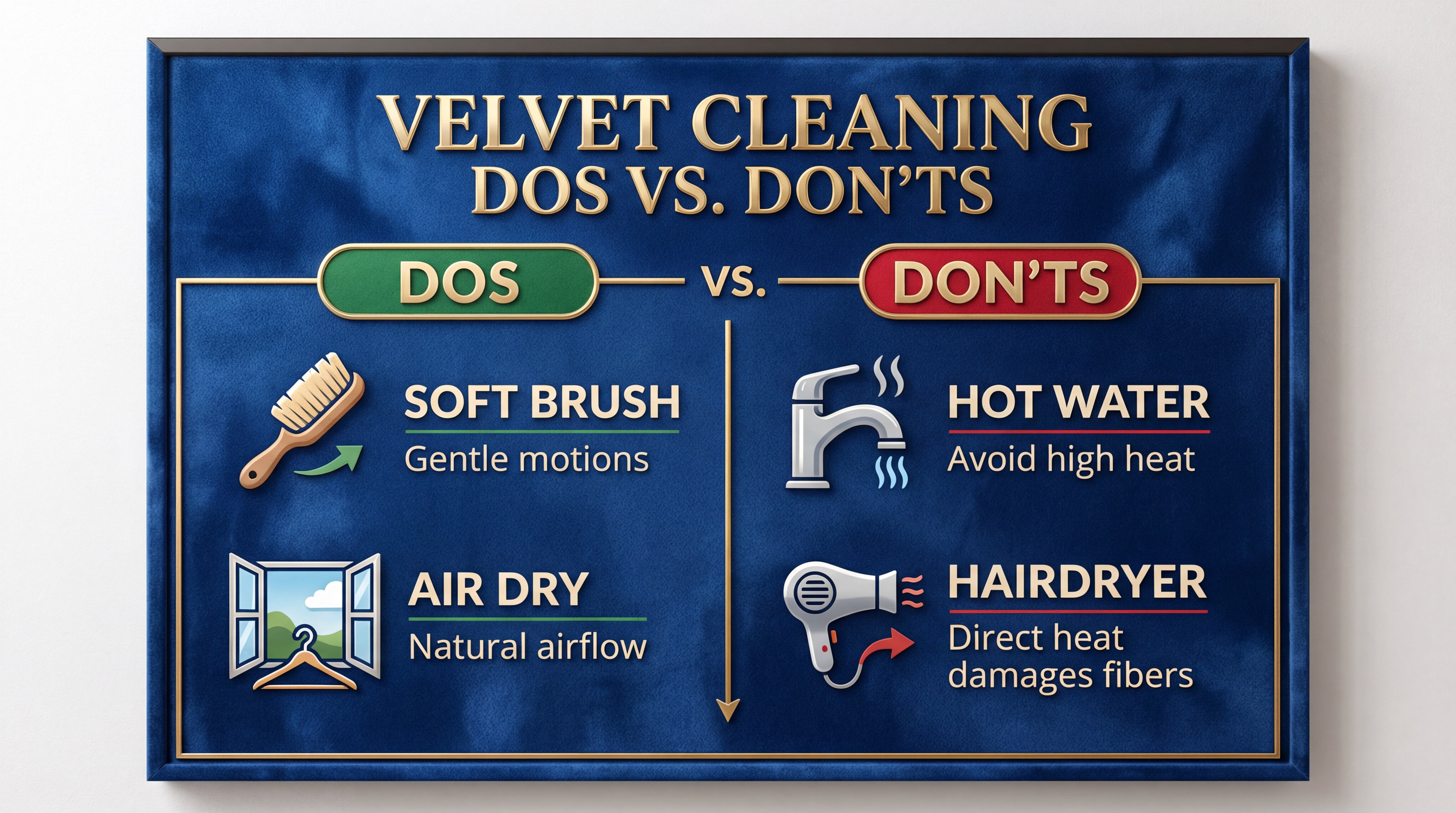
The drying phase is where most structural damage occurs if handled incorrectly. You should never use a hairdryer or place the box in direct sunlight to speed up the process. Excessive heat can shrink the velvet fabric or cause the underlying adhesive to become brittle and crack.
Once the velvet is approximately 90% dry, you must restore the nap using a soft-bristled tool. Gently brushing the fibers in their natural direction lifts the nap and prevents clumping. This grooming step is what restores the original fluffiness and “shimmer” associated with luxury velvet products.
Section Insights: Drying Techniques
| Method | Recommendation | Risk of Improper Use | |
|---|---|---|---|
| Air Drying | High (Indirect light) | Slow but safest for fibers | |
| Hairdryer | Not Recommended | Fiber shrinkage and glue failure | |
| Grooming | Required (Soft brush) | Matted, stiff texture |
Why Should You Use Soft Tools for Cleaning Velvet Boxes?
The tools you choose are just as important as the technique applied. For a deep dive into tool selection, see how to clean a jewelry box with velvet using soft tools . Traditional cotton cloths often leave behind lint, while high-quality microfiber is designed to “grab” dust without shedding or scratching.
Soft bristle brushes allow for mechanical agitation that is gentle enough for the pile but firm enough to dislodge debris. Using abrasive tools like paper towels or stiff scrub brushes will permanently scar the velvet surface. Maintaining a toolkit of specialized soft implements ensures your luxury packaging remains in pristine, showroom condition.
Section Insights: Tool Comparison
| Recommended Tool | Abrasive Alternative | Impact on Velvet | |
|---|---|---|---|
| Microfiber Cloth | Paper Towel | Prevents scratching/linting | |
| Soft Brush | Scrub Brush | Preserves nap integrity | |
| Distilled Suds | Harsh Chemicals | Prevents fiber bleaching |
Conclusion
A fresh, clean velvet jewelry box does more than just look beautiful; it safeguards your investment from environmental degradation. By following these professional maintenance steps, you ensure your storage remains as luxurious as the jewelry it holds.
“Proper velvet care is not about the frequency of cleaning, but the precision of the tools and techniques used.”
If you have questions about choosing the right materials for your brand or need bulk maintenance advice, feel free to contact us for expert guidance on premium jewelry packaging solutions.
Final Summary of Maintenance Guidelines
| Maintenance Task | Frequency | Primary Tool | |
|---|---|---|---|
| Surface Dusting | Weekly | Microfiber Cloth | |
| Nap Grooming | Monthly | Soft Bristle Brush | |
| Deep Cleaning | As Needed | Distilled Water Suds |