
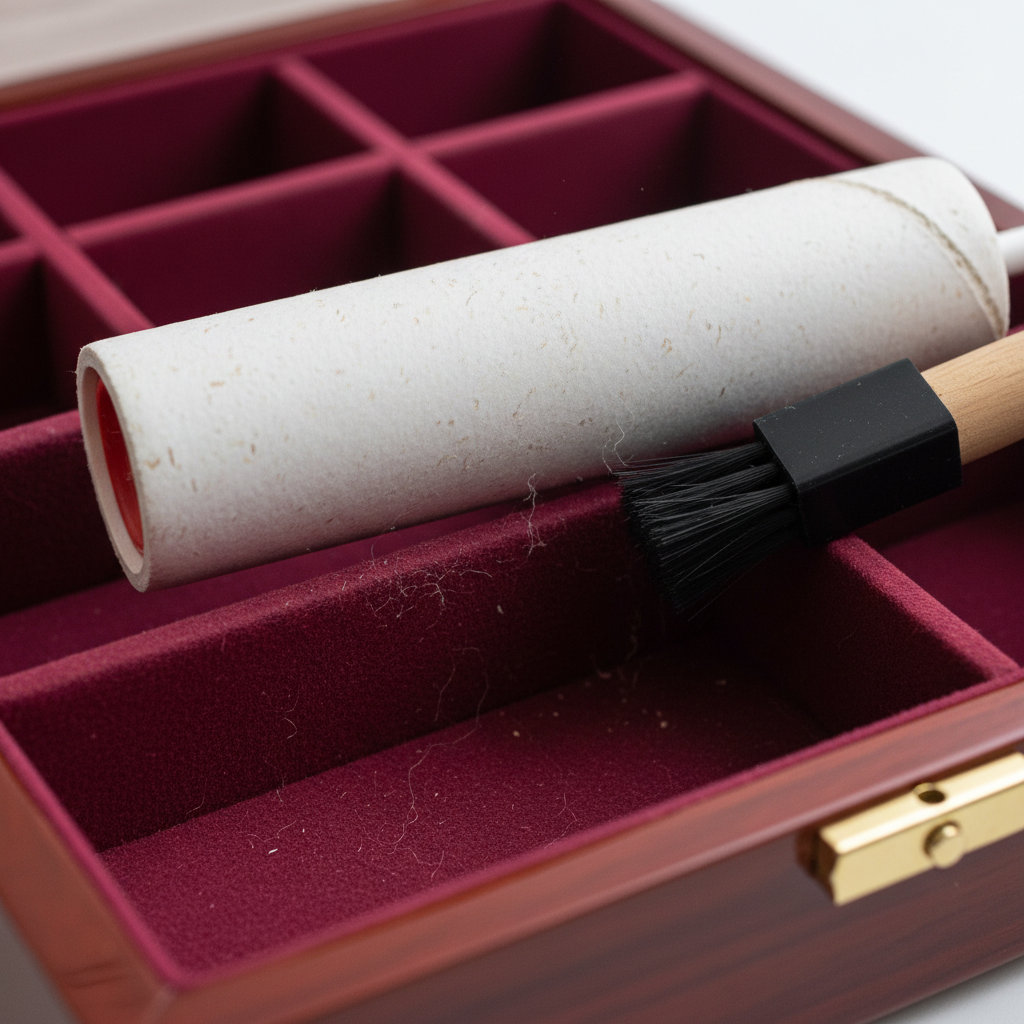
Cleaning an old jewelry box involves identifying the materials, removing surface debris with a soft brush, and using pH-neutral cleansers to restore the original luster. You have found a stunning heirloom chest, but it is covered in grime and smells of age. Left uncleaned, the dust can scratch your gems, and mold can permanently ruin the delicate interior lining. This guide reveals how to clean velvet jewelry box sections and outer surfaces using professional restoration techniques.
How do you identify antique box materials?
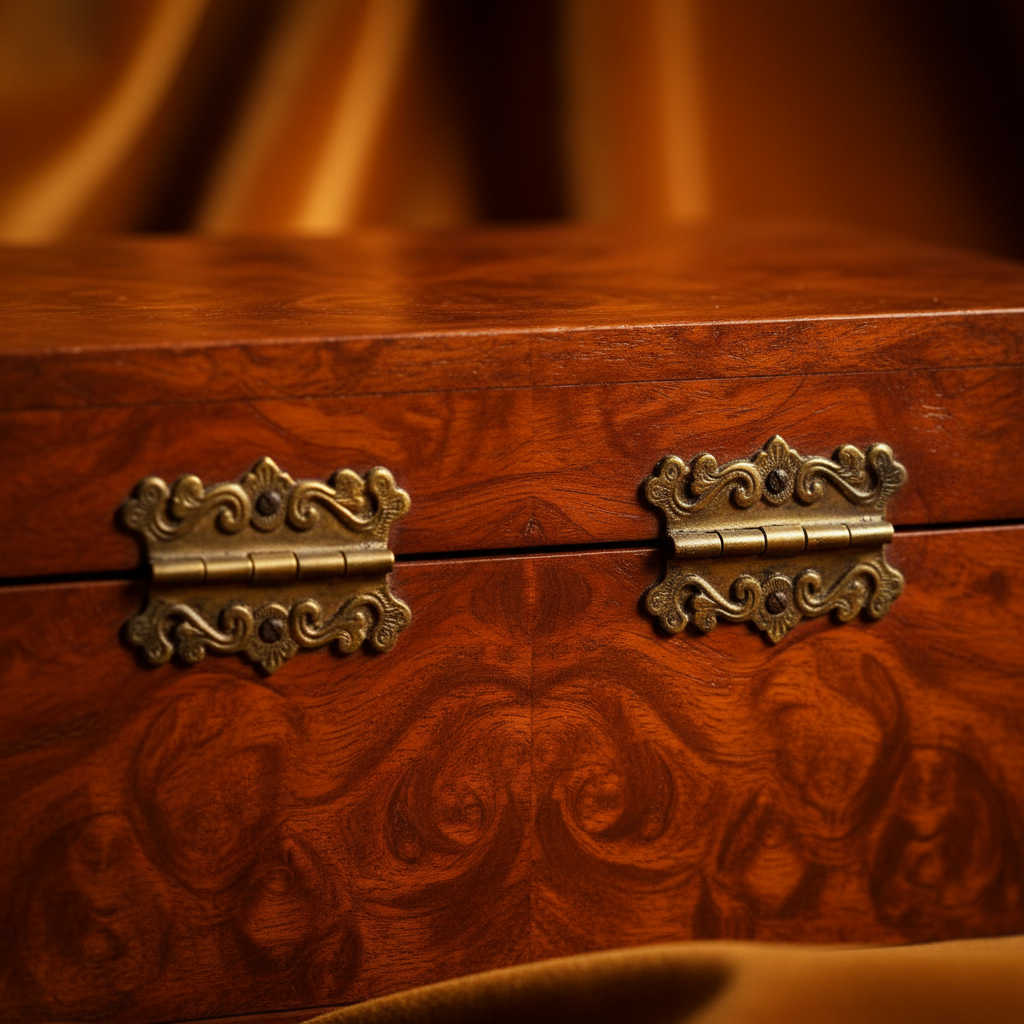
You identify antique box materials by checking the weight, grain patterns, and looking for maker’s marks or hallmarks on the hardware. Understanding these base components is the first step in learning how to clean velvet jewelry box interiors or exterior wood finishes without causing harm.
Distinguishing Wood from Veneer
A solid wood box will have a consistent grain pattern inside and out, whereas a veneer is a thin layer glued to a cheaper base. Many vintage items use veneers that can peel if they get too wet.
- Look for edge seams.
- Check weight (solid is heavier).
- Inspect for repeating patterns.
- Feel the surface temperature.
Examining Hardware
Look at this: metal components are usually the first to show age through tarnish or green oxidation. Solid brass feels warm, while plated steel will react to a small magnet.
Key Takeaway: Correct material identification prevents the application of destructive cleaning agents on sensitive organic or plated surfaces.
| Material | Identifier | Cleaning Risk | |
|---|---|---|---|
| Hardwood | Deep Grain | Moderate | |
| Wood Veneer | Visible Seams | High | |
| Solid Brass | Heavy Weight | Low | |
| Silver Plate | Magnetic Pull | High |
Material assessment ensures you select the correct solvents for the restoration process.
What supplies are needed for cleaning?
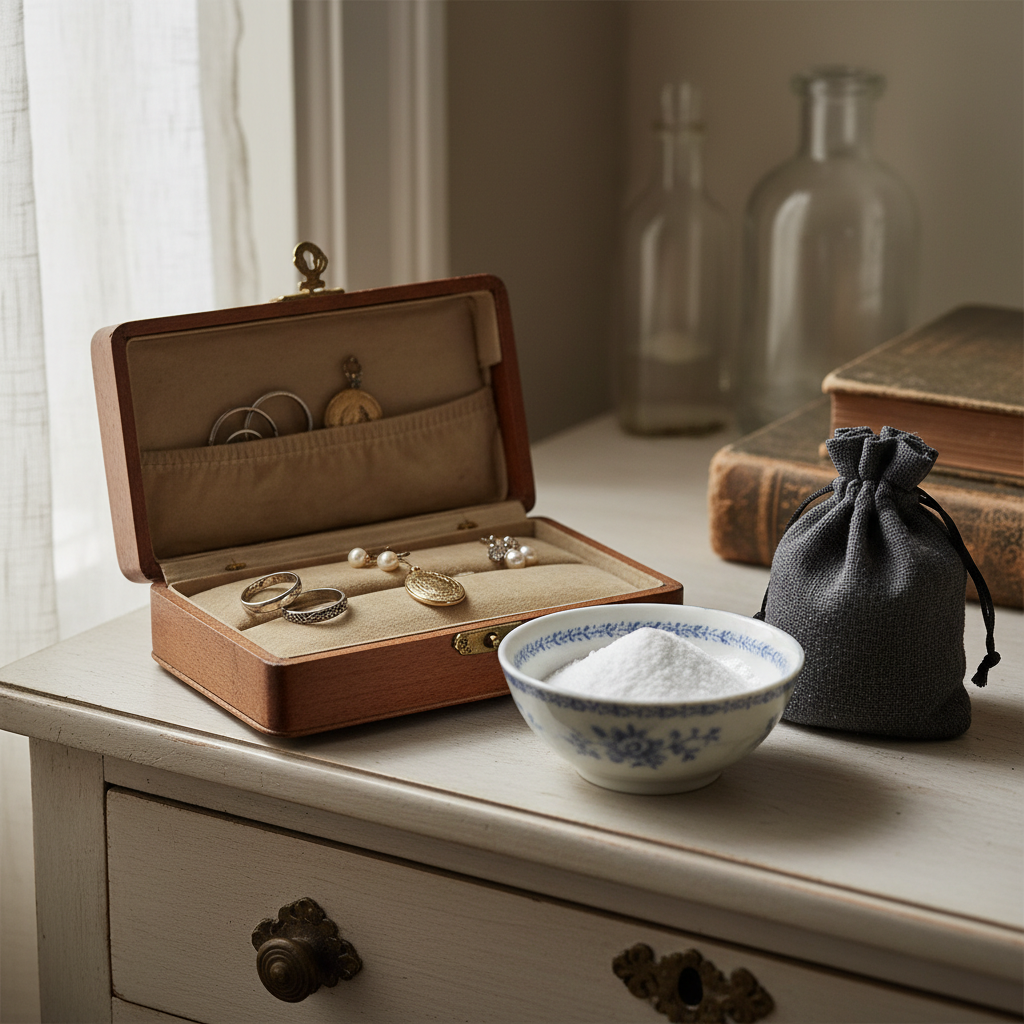
The necessary supplies for cleaning include distilled water, mild soap, microfiber cloths, and soft-bristled brushes for detailed work. Having a professional kit is essential when you research how to clean velvet jewelry box linings to avoid chemical damage.
Chemical Cleaning Agents
You should avoid any products containing ammonia or bleach which can strip the natural oils from aged materials. Distilled water is preferred because it lacks the minerals that leave white spots on dark surfaces.
- Use clear dish soap.
- Buy distilled water.
- Get specialized wood oil.
- Have cornstarch ready.
Manual Cleaning Tools
Think about it: a standard rag is too bulky to clean the tight corners where dust and skin oils accumulate. Precision tools allow you to reach into the deep crevices of ornate carvings without scratching.
Key Takeaway: High-quality, specialized tools reduce the mechanical stress placed on fragile vintage components during the cleaning process.
| Tool | Purpose | Material | |
|---|---|---|---|
| Cotton Swabs | Detail Polishing | Cotton | |
| Horsehair Brush | Dusting Velvet | Natural Hair | |
| Microfiber | Surface Wiping | Synthetic | |
| Mesh Vacuum | Debris Removal | Plastic |
The right tools allow for a surgical approach to cleaning that preserves the item’s value.
How to clean velvet jewelry box safely?
You clean a velvet jewelry box safely by using a soft brush to lift dust and a handheld vacuum with a mesh filter to remove debris. Mastering how to clean velvet jewelry box interiors is critical because the lining is the direct contact point for your precious gems.
Dry Extraction Techniques
Velvet acts like a magnet for lint, hair, and microscopic metal shavings from your jewelry. A simple lint roller can remove most surface contaminants without the need for liquid intervention.
- Use a soft makeup brush.
- Roll surface with lint tape.
- Vacuum with low suction.
- Brush in one direction.
Removing Odors and Stains
Wait, there’s more: placing a sachet of activated charcoal inside the closed box for 48 hours is often the best way to remove musty smells. Never saturate the fabric with water, as this can cause the backing to warp.
Key Takeaway: Velvet restoration focuses on “less is more,” prioritizing dry cleaning methods to preserve the fabric’s soft texture and structural integrity.
| Problem | Solution | Tool | |
|---|---|---|---|
| Embedded Dust | Brushing | Makeup Brush | |
| Grease Spots | Cornstarch | Powder | |
| Musty Smells | Charcoal | Sachet | |
| Surface Lint | Adhesive | Lint Roller |
Maintaining a clean velvet interior ensures that your ring box compartments provide a soft, non-reactive environment.
How do you restore old wooden surfaces?
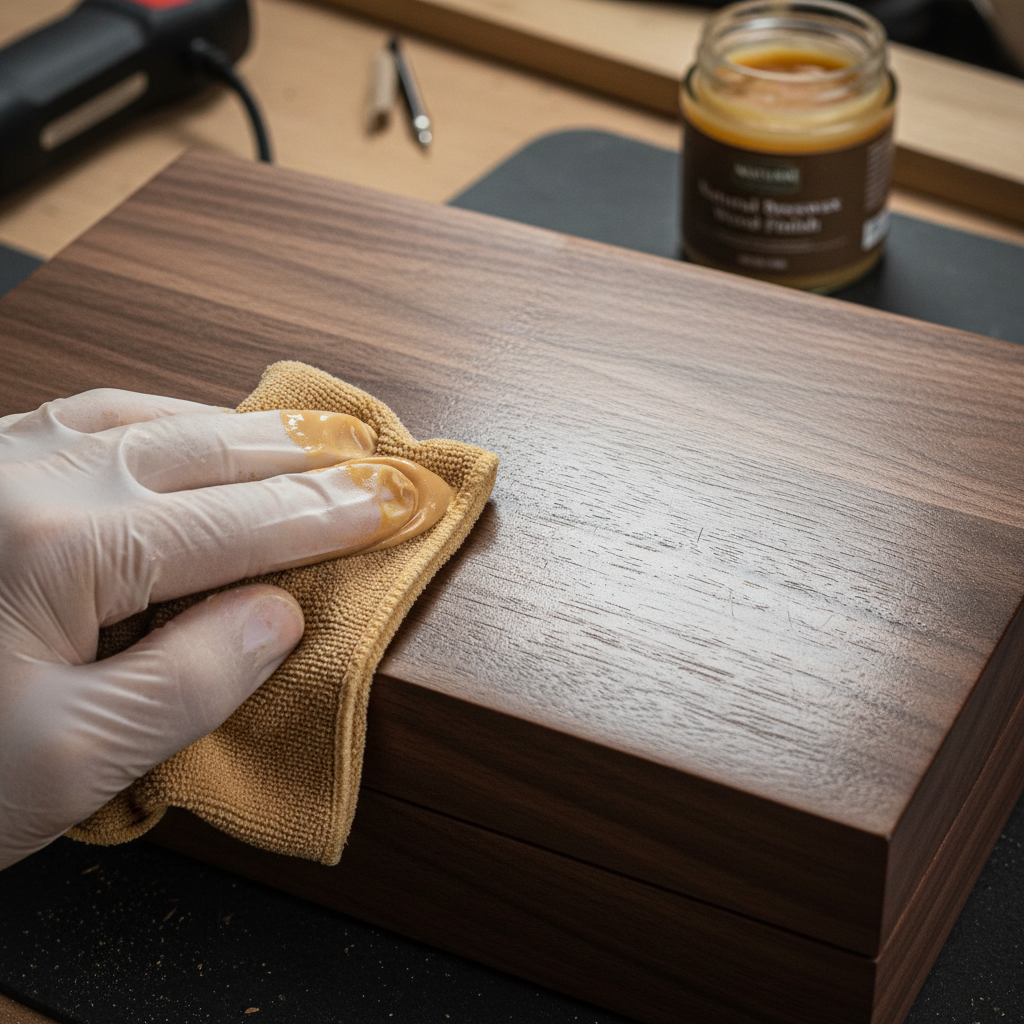
Restoring old wooden surfaces requires wiping away old wax with a damp cloth and applying a natural oil or beeswax to rehydrate the grain. This rejuvenation is often done alongside learning how to clean velvet jewelry box sections to ensure the whole piece looks uniform.
Stripping Wax and Grime
Over years of use, layers of furniture polish and finger oils create a dark, sticky residue that obscures the wood. A simple wipe with pH-neutral soap on a damp cloth can dissolve this build-up.
- Wipe with damp microfiber.
- Use mild soap solution.
- Dry the surface immediately.
- Work with the wood grain.
Rehydrating the Grain
The truth is, once the wood is clean and dry, it will often look “thirsty” or pale. Applying a coat of high-grade beeswax provides the nourishment needed to prevent the wood from cracking.
Key Takeaway: Wood restoration is a two-part process of deep cleaning and hydration that protects the box from environmental degradation.
| Step | Material | Result | |
|---|---|---|---|
| De-griming | pH-Neutral Soap | Removes Residue | |
| Hydration | Orange/Lemon Oil | Restores Color | |
| Sealing | Beeswax | Protective Glow | |
| Buffing | Clean Microfiber | Satiny Finish |
A properly restored exterior provides a sturdy, moisture-resistant shell for your necklace box and other internal trays.
What is the process for cleaning metal?
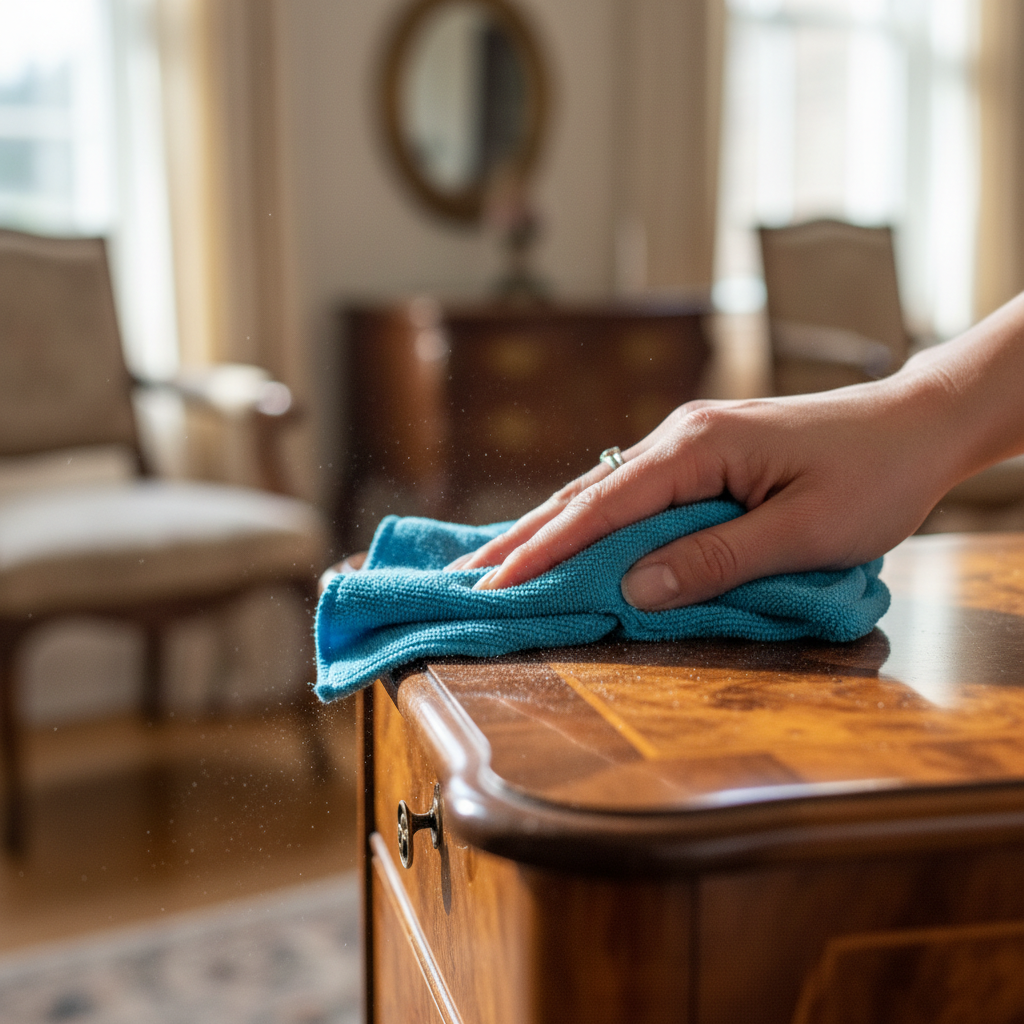
The process for cleaning metal involves using a gentle metal polish on a cotton swab to buff away tarnish from hinges and locks. Knowing how to clean velvet jewelry box hinges is vital because metal cleaners can easily drip and stain the surrounding fabric.
Polishing Hardware
Most old jewelry boxes feature brass or silver-plated hardware that darkens over time due to oxygen exposure. Using a cotton swab allows for precision application to avoid touching the wood or lining.
- Use a cotton swab.
- Apply polish sparingly.
- Buff with dry cloth.
- Check for loose screws.
Preventing Future Corrosion
You might wonder: how do I keep the metal from tarnishing again immediately? Applying a thin layer of clear beeswax can seal the metal against the air and keep hinges moving smoothly.
Key Takeaway: Metal care requires precision application to avoid damaging adjacent materials while restoring the hardware’s brilliance.
| Metal Type | Cleaner | Protection | |
|---|---|---|---|
| Solid Brass | Vinegar Paste | Beeswax | |
| Silver Plate | Jeweler’s Cloth | Tarnish Strip | |
| Steel | Mineral Oil | Light Oil | |
| Gold Plate | Soapy Water | Microfiber |
Shiny hardware acts as the “jewelry” of the box, significantly enhancing the visual appeal of a professional watch box .
Which steps ensure proper box sanitization?
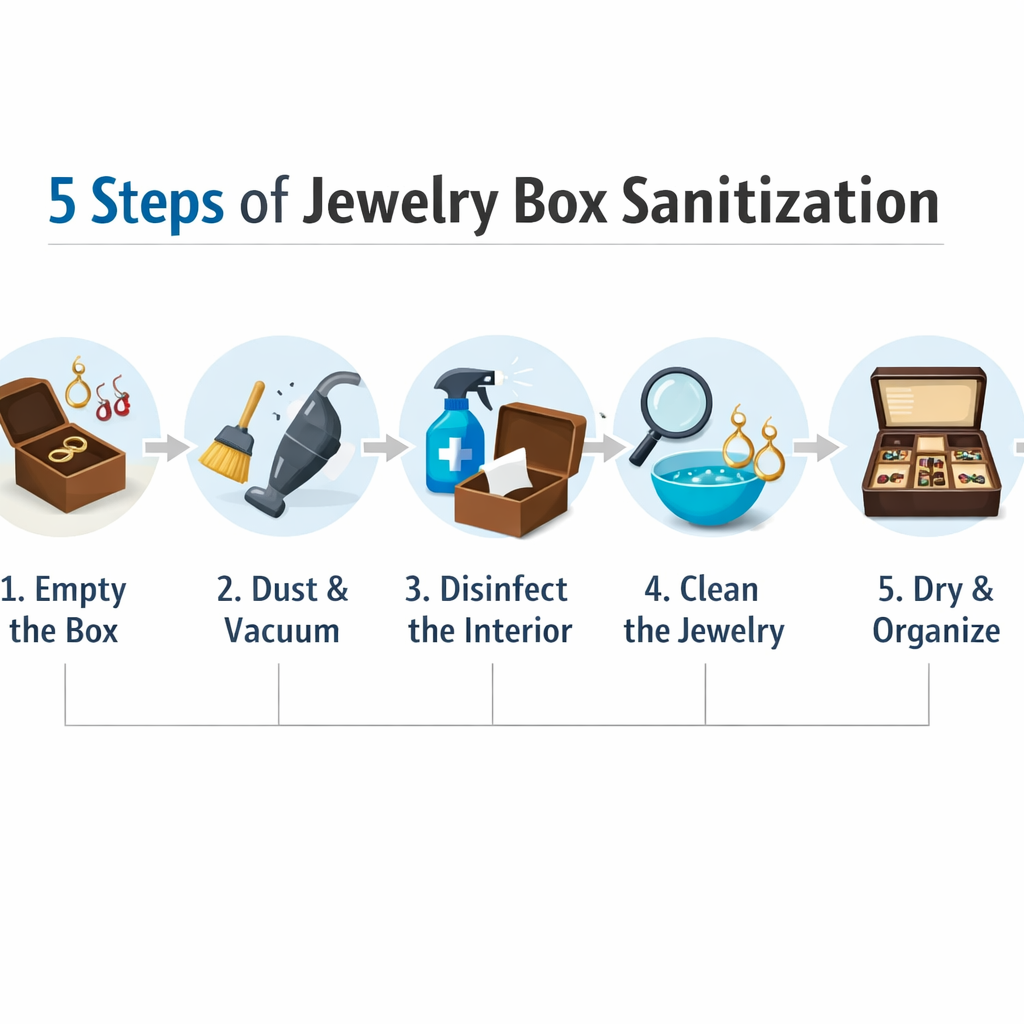
Proper box sanitization is ensured by emptying the contents and using a UV-C light or alcohol-free wipes to eliminate bacteria and mold spores. This holistic approach is the gold standard for anyone learning how to clean velvet jewelry box environments to prevent germ spread.
The Sanitization Cycle
Cleaning just the surface isn’t enough if the interior harbors germs from years of skin contact. You should start by completely emptying the box to inspect every corner for hidden mildew or pests.
- Empty all compartments.
- Use a UV-C light.
- Wipe with alcohol-free cloth.
- Let air dry completely.
Dealing with Mildew
Believe it or not, a sanitized box also needs to be a dry box to prevent odors. Placing a small silica gel packet in a hidden tray helps manage humidity and stops the growth of bacteria.
Key Takeaway: Sanitization is a deeper level of cleaning that focuses on biological safety and air quality within the storage environment.
| Stage | Action | Target | |
|---|---|---|---|
| Emptying | Remove Jewelry | Hidden Issues | |
| UV Light | Surface Sweep | Bacteria | |
| Drying | Air Circulation | Moisture | |
| Prevention | Silica Packets | Humidity |
A sanitized environment is essential for maintaining the integrity of your earring box collection.
How to refresh leather box exteriors?
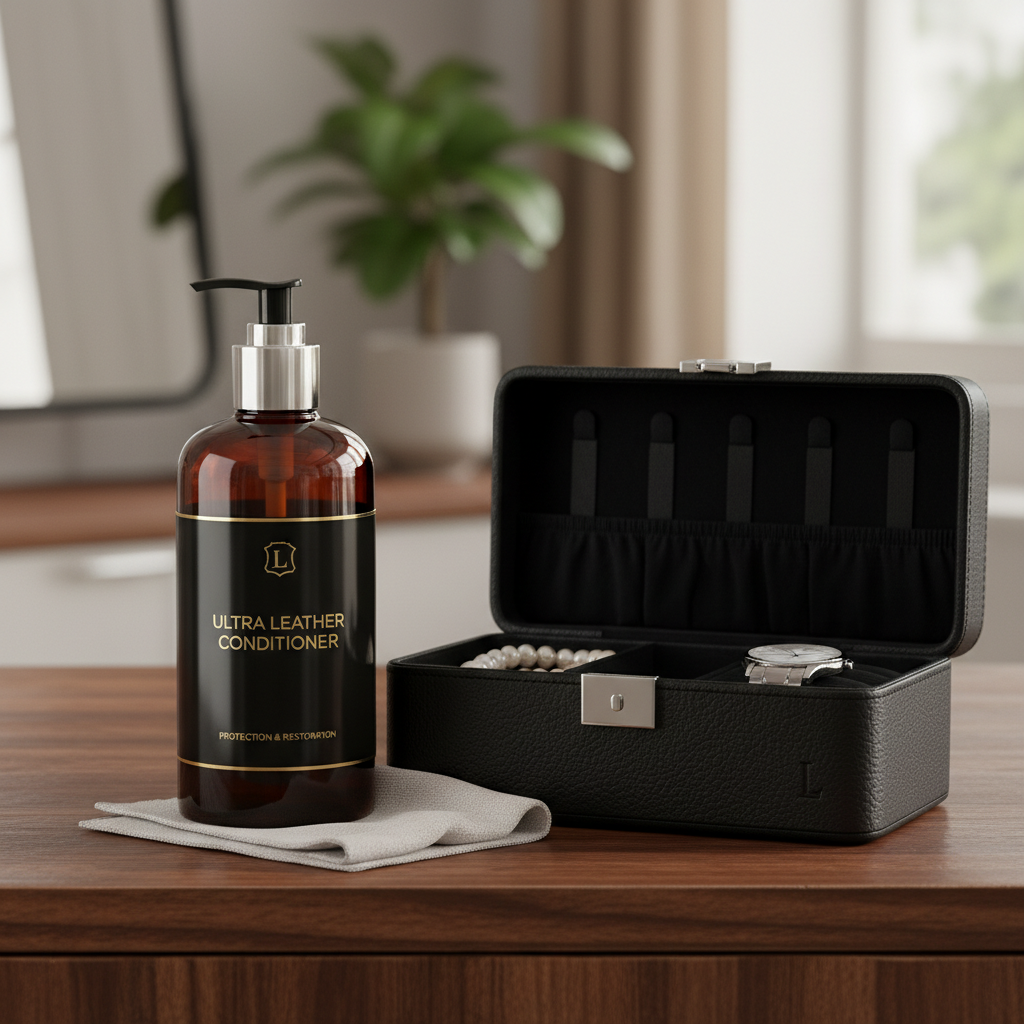
You refresh leather box exteriors by using a dedicated leather soap to remove grime followed by a high-quality conditioner to restore flexibility. Understanding how to clean velvet jewelry box edges that meet leather surfaces is important to prevent oils from soaking into the fabric.
Cleansing the Hide
Leather is a porous, organic material that can become brittle and crack if it dries out completely. A gentle cleaning with a dedicated leather soap can lift years of hand grime from the surface.
- Use leather soap.
- Dampen a soft sponge.
- Create a light lather.
- Wipe away immediately.
Conditioning the Surface
Best of all, a quality leather balm acts like a moisturizer for the box, preventing the unsightly cracks that appear on old pieces. Apply the conditioner in small amounts and let it sit for fifteen minutes before buffing.
Key Takeaway: Leather care is centered on hydration and the restoration of natural oils to prevent structural failure and cracking.
| Condition | Action | Result | |
|---|---|---|---|
| Dusty | Microfiber Dusting | Shine | |
| Dirty | Leather Soap | Clean Hide | |
| Dry | Conditioner | Suppleness | |
| Cracked | Professional Help | Stabilization |
Regular conditioning ensures your jewelry packaging box remains as luxurious and durable as the day it was made.
How should you clean internal fabric?
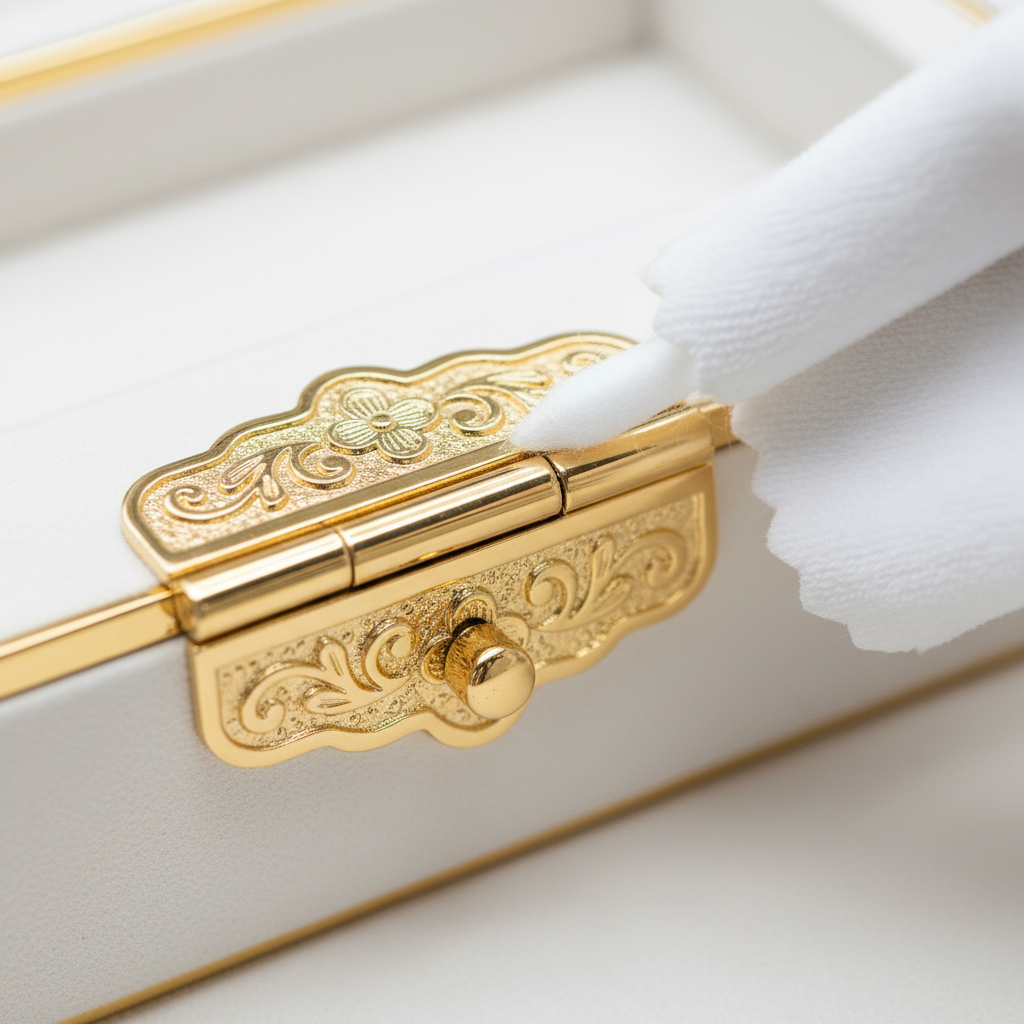
You should clean internal fabrics like silk or satin by lightly dabbing stains with a specialized dry-cleaning solvent and a clean cloth. This delicate work is a subset of knowing how to clean velvet jewelry box components, as these fabrics are even more prone to snagging.
Handling Silk Linings
Vintage boxes often feature silk or paper linings that are extremely sensitive to friction and moisture. Rubbing a stain on silk will almost always result in a permanent fuzzy spot where the fibers have broken.
- Use makeup brushes.
- Dab with dry solvents.
- Trim loose threads.
- Avoid water rings.
Removing Tough Stains
But here’s the kicker: blotting is the only safe motion for these fabrics to avoid spreading the stain or damaging the weave. If the fabric is severely deteriorated, it may be better to leave it alone or consult a restorer.
Key Takeaway: Fabric cleaning requires extreme gentleness and a “dry-first” approach to prevent fiber breakage and permanent water spotting.
| Fabric | Cleaning Level | Risk | |
|---|---|---|---|
| Silk | Very High | Fiber Break | |
| Satin | High | Snagging | |
| Cotton | Moderate | Shrinkage | |
| Suede | High | Matting |
A pristine interior lining creates a professional backdrop that enhances the brilliance of the items inside your jewelry storage.
Is it safe to disassemble a vintage box?

It is safe to disassemble a vintage box if you use precision screwdrivers and document the placement of every screw and hinge. Learning how to clean velvet jewelry box sections is much easier when you can remove the trays to access hidden areas.
Removing Hardware Safely
You must use screwdrivers that fit the antique screw heads perfectly to avoid stripping the metal. Taking photos of the hardware placement before you begin ensures you can return everything to its original spot.
- Use precision tools.
- Photograph placements.
- Use magnetic trays.
- Label all parts.
Reassembly Tips
Now for the best part: once the box is clean, reassembling the hardware with a tiny drop of mineral oil will ensure smooth operation. If a screw feels like it won’t budge with moderate pressure, stop immediately to avoid damage.
Key Takeaway: Disassembly allows for a deeper clean but should only be attempted if the material integrity and your toolset allow for safe execution.
| Part | Risk | Tool | |
|---|---|---|---|
| Trays | Low | Hands | |
| Hinges | Moderate | Screwdriver | |
| Mirror | High | Pry Tool | |
| Springs | High | Pliers |
A successful disassembly results in a much more thorough restoration of every internal and external surface.
Why choose premium jewelry box storage?
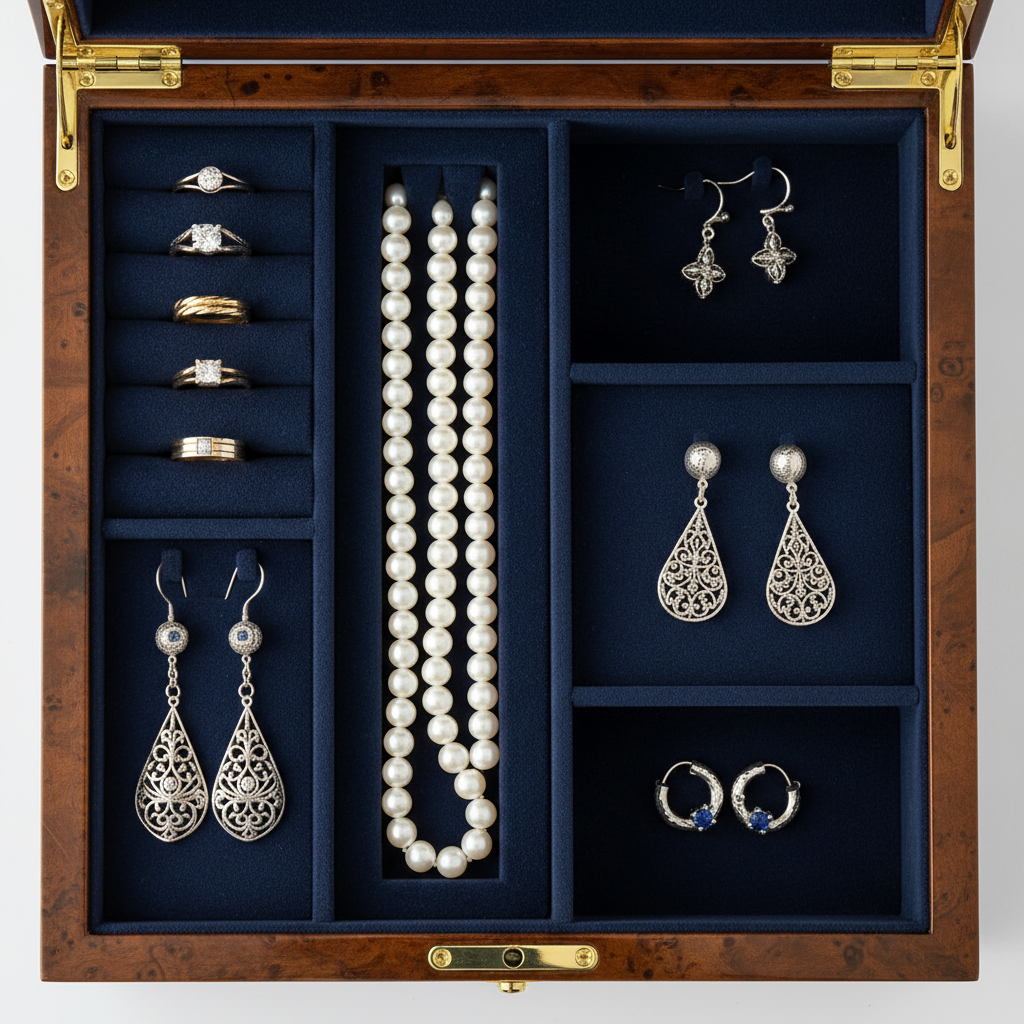
You choose premium jewelry box storage because high-quality materials are designed to resist decay and offer superior protection for your valuable collection. When you invest in a professional product, you get a design that incorporates expert knowledge on how to clean velvet jewelry box interiors easily.
Material Longevity
Premium boxes are constructed from seasoned hardwoods and high-grade leathers that are designed to last for generations. Cheaply made boxes often use acidic glues that can actually accelerate the tarnish on your silver jewelry.
- Hardwood frames.
- Acid-free glues.
- High-grade velvet.
- Secure closures.
Professional Protection
In other words: a high-quality box is the final touch of the customer unboxing experience that reinforces your brand’s value. Custom features like magnetic closures and high-density foam inserts provide a modern level of protection for your accessories.
Key Takeaway: Premium storage is an investment in long-term protection, ease of maintenance, and brand prestige.
| Feature | Benefit | Brand Impact | |
|---|---|---|---|
| Hardwood | Durability | Luxury Image | |
| Custom Foam | Protection | Professionalism | |
| Quality Hinges | Smooth Use | Reliability | |
| Velvet Lining | No Tarnish | Satisfaction |
Selecting a top-tier manufacturer ensures that your jewelry always has a home that is both beautiful and highly functional.
Frequently Asked Questions
Can I use a hairdryer to dry the box faster?No, you should never use high heat on an old jewelry box because it causes wood to warp and glues to fail. Instead, allow the box to air dry naturally in a well-ventilated area away from direct sunlight.
What’s the best way to clean the internal mirror?The best way is to apply a tiny amount of glass cleaner to a cloth rather than spraying it directly on the mirror. This prevents the liquid from seeping behind the glass and damaging the silvering or the fabric lining.
Can I wash the velvet lining with water and soap?No, you should never saturate the velvet with water as it can permanently mat the fibers and ruin the glue. Use dry cleaning methods or only apply the foam from a soapy mixture for targeted spot cleaning.
How do I remove musty smells from an old box?The best way is to place a bowl of baking soda or a sachet of activated charcoal inside the closed box for several days. These materials absorb the odors without the need for chemical sprays that could damage the interior.
Can I use olive oil to polish the wood exterior?No, you should avoid food-grade oils because they can go rancid and become sticky over time. Use only mineral-based furniture oils or specialized beeswax products to ensure a clean and lasting finish.
Restoring an antique jewelry box is a rewarding process that bridges the gap between the past and the present. By carefully identifying your materials and using the gentle, professional techniques outlined in this guide, you can ensure your heirlooms stay in peak condition. The secret to longevity is consistent, mild maintenance rather than aggressive, infrequent cleaning. If you are a business looking to provide your customers with the same level of quality and care in your packaging, contact us today to explore our range of custom manufacturing solutions. Your jewelry deserves a home as exquisite and well-maintained as the pieces themselves.