To learn how to customize jewelry boxes with a logo, you must select high-quality materials, pick a printing technique like hot stamping, and choose a structure that reflects your brand’s luxury positioning. Many jewelry designers struggle with generic packaging that fails to communicate the true value of their artistry. This mismatch often leads to a “premium product, cheap feel” perception that frustrates high-end clients and hurts repeat sales. To fix this, understanding how to customize jewelry box aesthetics is the ultimate solution to turn a simple purchase into a lasting brand memory.
Why should brands customize jewelry boxes with a logo?
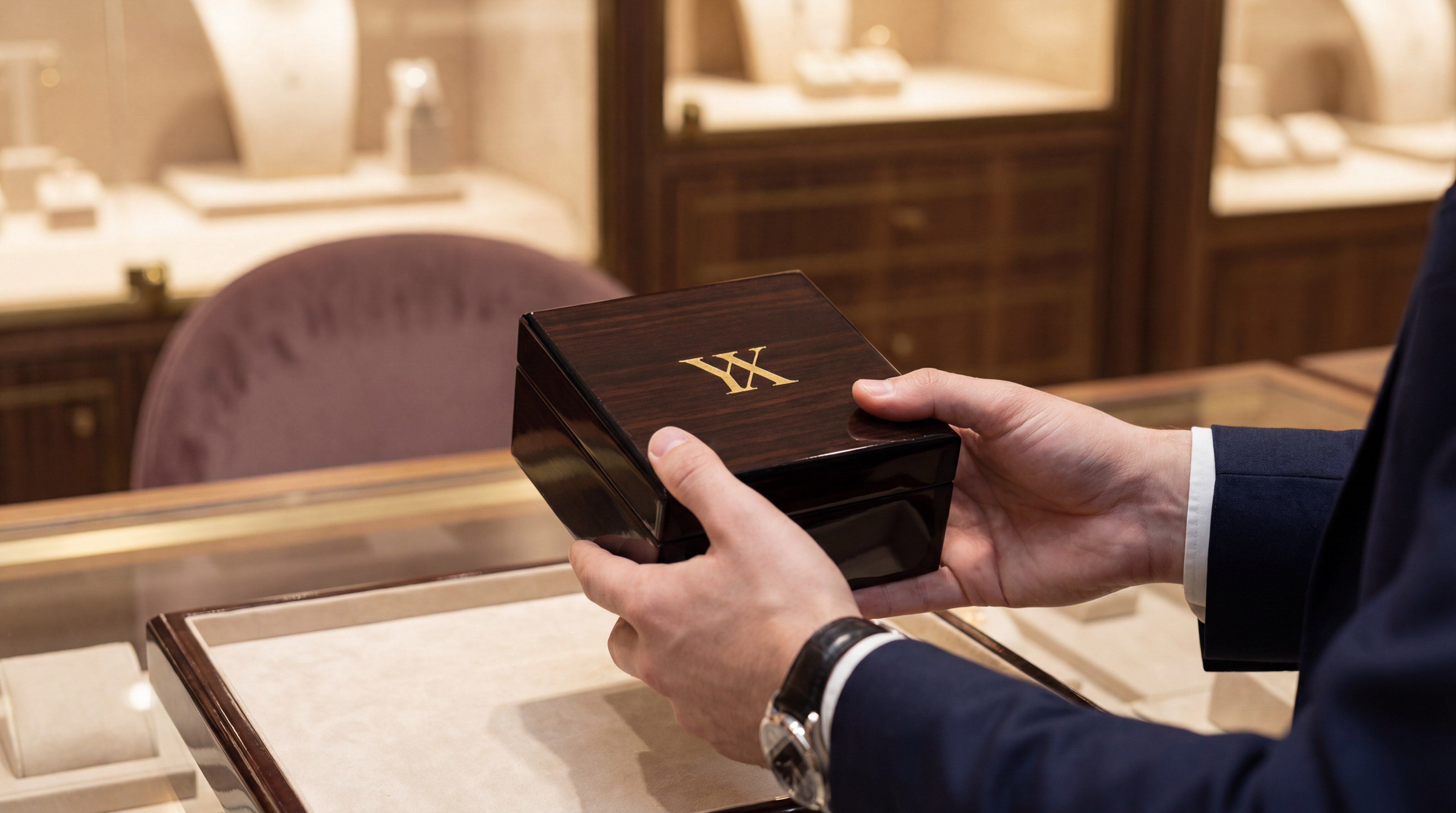
You should customize jewelry boxes with a logo because it establishes professional brand authority and creates an immediate psychological connection with your customer. Learning how to customize jewelry box layouts ensures that your brand remains top-of-mind long after the initial purchase.
Building Brand Recognition?
Consistency is the secret ingredient to a successful luxury brand identity. Think about it:
- A logo acts as a silent salesperson for your brand.
- Repeat exposure to your emblem builds deep consumer trust.
- Custom colors and logos differentiate you from marketplace competitors.
Here is the kicker: consistent branding can increase the perceived value of your jewelry by up to 20%.
Enhancing the Unboxing Ritual?
The unboxing experience is the most critical physical touchpoint between you and your client. Look at this:
- Premium packaging encourages customers to share photos on social media.
- A branded box makes the gift-giving process feel more exclusive and special.
- Tactile logos provide a sensory experience that generic boxes lack.
Key Takeaway: A customized logo transforms a simple container into a powerful marketing tool that drives brand loyalty.
| Benefit | Impact on Brand | Value Addition | |
|---|---|---|---|
| Brand Recognition | High | Long-term Trust | |
| Unboxing Ritual | Very High | Social Media Presence | |
| Professionalism | High | Perceived Quality |
Effective branding through customization ensures your jewelry is treated as a high-value asset rather than a commodity.
Which materials are best for a custom jewelry box?
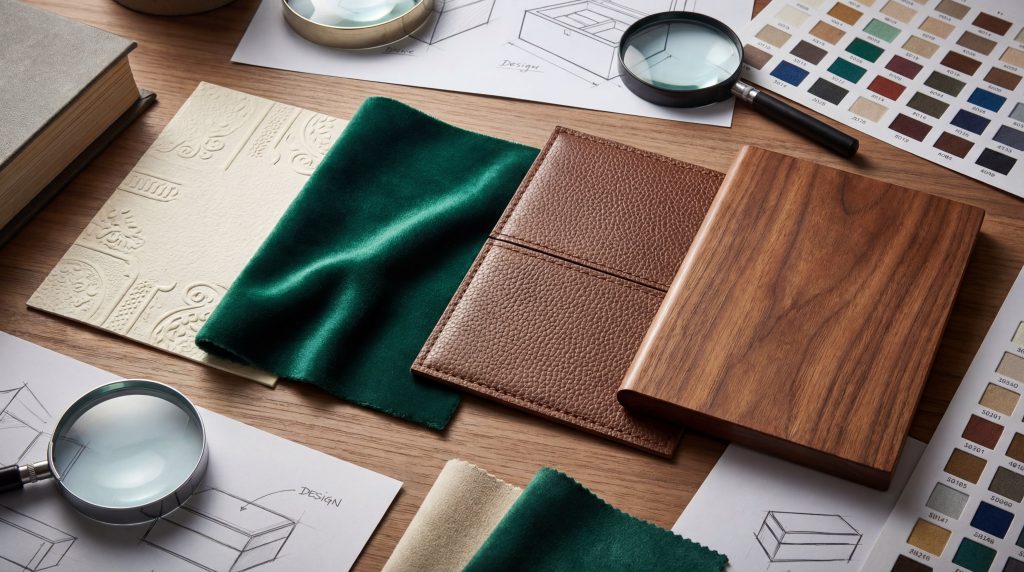
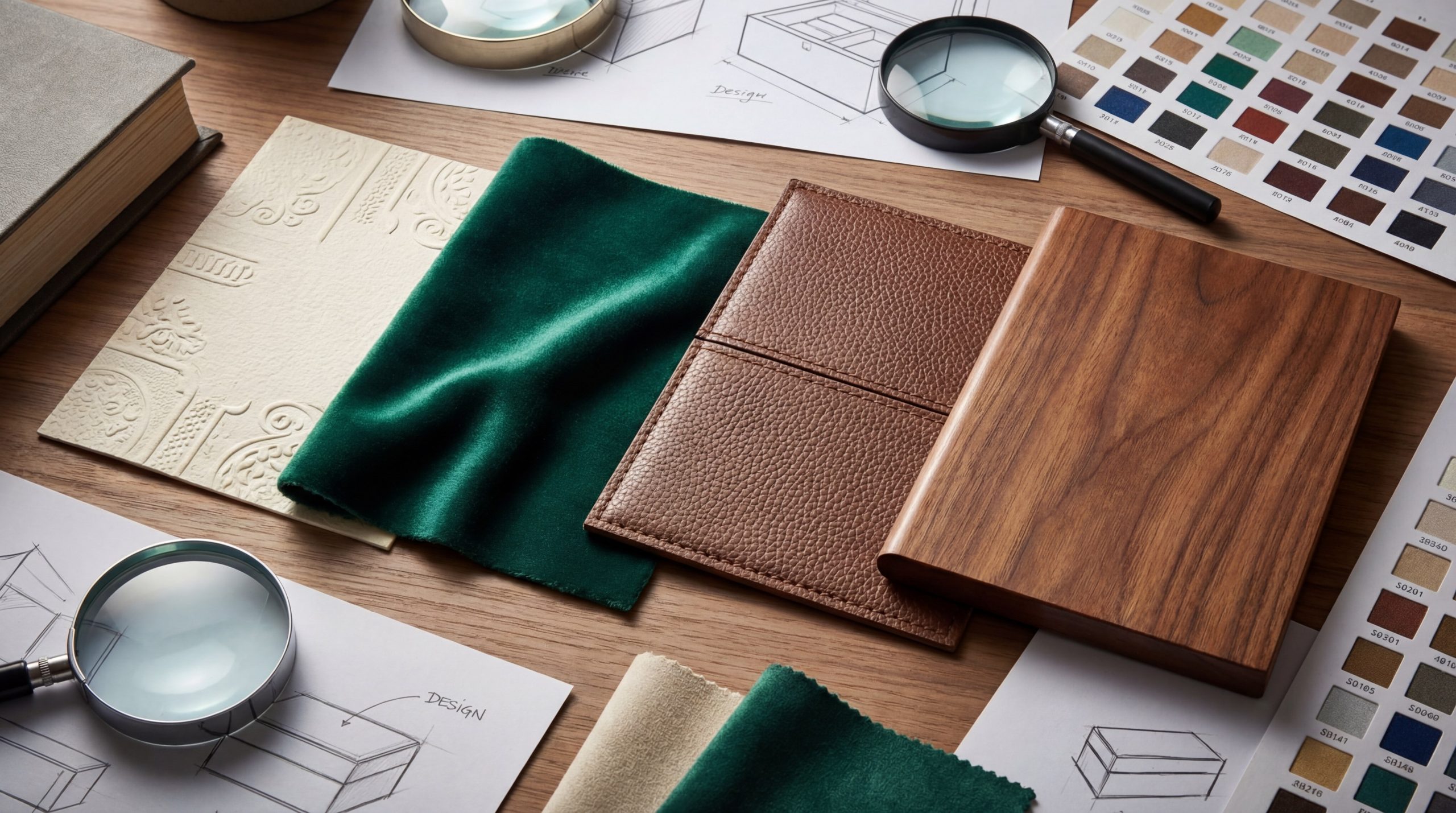
The best materials for a custom jewelry box include rigid specialty paper, high-end artificial leather, and sustainable wood, depending on your brand’s specific price point. Choosing how to customize jewelry box textures is the first step in defining the tactile experience of your product.
Rigid Paper and Specialty Boards?
Specialty paper offers the widest range of textures and colors for modern jewelry brands. Believe it or not:
- Art paper allows for high-resolution printing and intricate logo details.
- Rigid grey boards provide the structural integrity needed for protection.
- Textured papers can mimic the feel of linen or silk.
The truth is: paper-based boxes are the most versatile option for daily retail sales.
Premium Leather and Wood Options?
Leather and wood are the gold standard for high-end collections and heirloom-quality pieces. Here is the deal:
- PU leather provides a sophisticated, animal-friendly alternative to real skin.
- Solid wood boxes convey a sense of permanence and heavy luxury.
- These materials are ideal for a premium watch box or high-value sets.
Key Takeaway: Material selection should align with the price of the jewelry to ensure a cohesive brand story.
| Material | Best For | Durability | |
|---|---|---|---|
| Art Paper | Fashion Jewelry | Moderate | |
| PU Leather | Premium Watches | High | |
| Solid Wood | Fine Jewelry | Extreme |
Selecting the right material ensures the physical weight and feel of the box match the expectations of your target audience.
What are the most popular jewelry box styles?
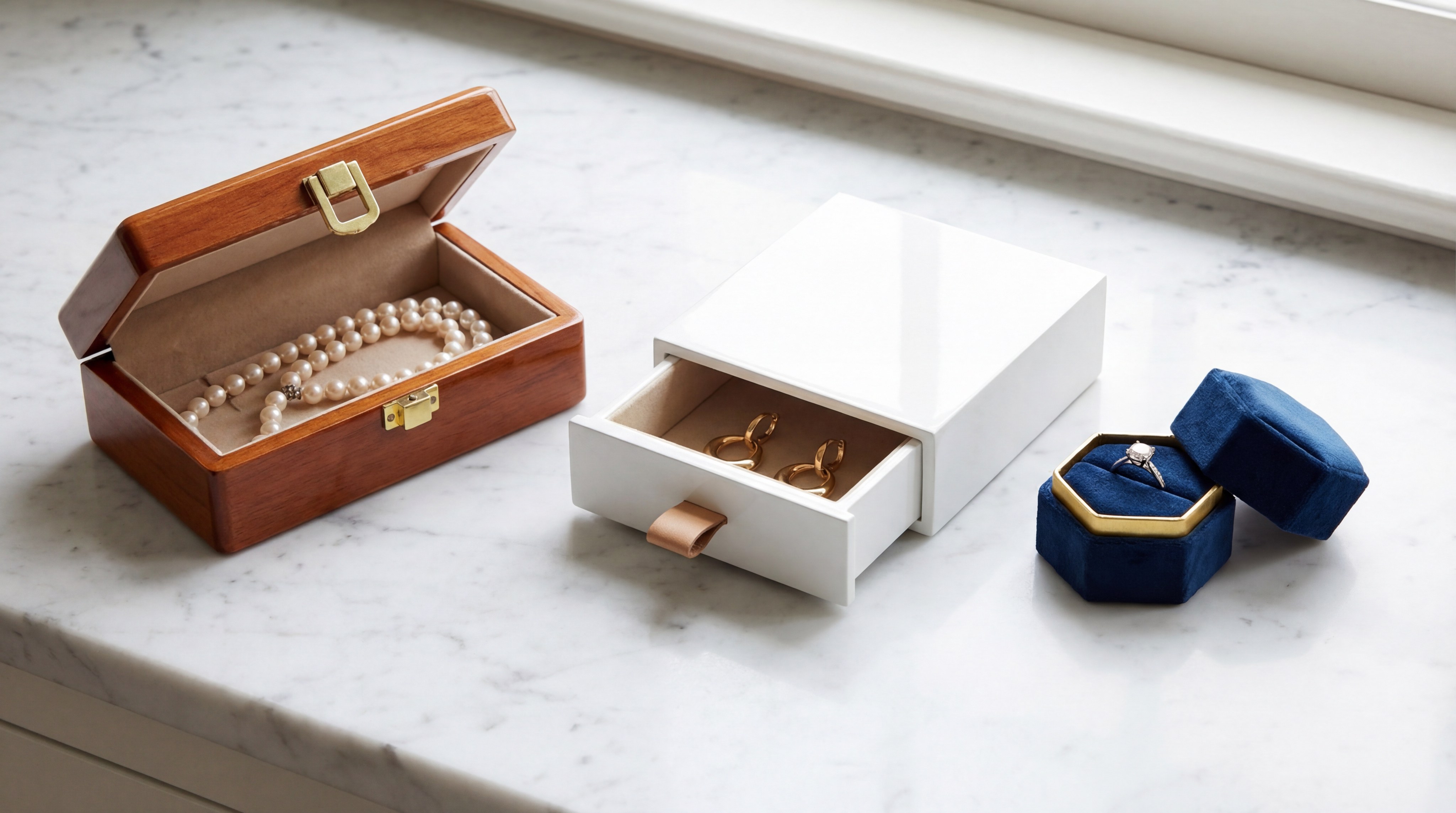
The most popular jewelry box styles are the classic lid-and-base, the sleek drawer style, and the elegant book-shaped magnetic closure. Understanding how to customize jewelry box structures allows you to match the opening mechanism to the type of jewelry inside.
Classic Lid and Base Structure?
This timeless two-piece design is the most recognized format in the jewelry industry. Consider this:
- It provides a stable and secure enclosure for various jewelry types.
- The “lift” opening creates a traditional sense of anticipation.
- It is highly cost-effective for bulk ring box orders.
The bottom line: you can never go wrong with a classic structure that consumers already trust.
Modern Drawer and Slide Designs?
Drawer boxes are trending among younger, fashion-forward brands due to their unique interactive feel. Check this out:
- The push-pull mechanism adds a layer of mystery to the unboxing.
- Ribbons or tabs can be added to the drawer for an extra touch of class.
- This style is particularly popular for a necklace box display.
Key Takeaway: The style of the box should reflect your brand’s personality, whether it is traditional or modern.
| Style | Aesthetic | Best Use | |
|---|---|---|---|
| Lid and Base | Traditional | Engagement Rings | |
| Drawer Style | Modern | Pendants & Necklaces | |
| Magnetic | Luxury | High-End Gift Sets |
Matching the box structure to your product’s design language enhances the overall perceived value of the purchase.
How do you choose the right logo printing process?
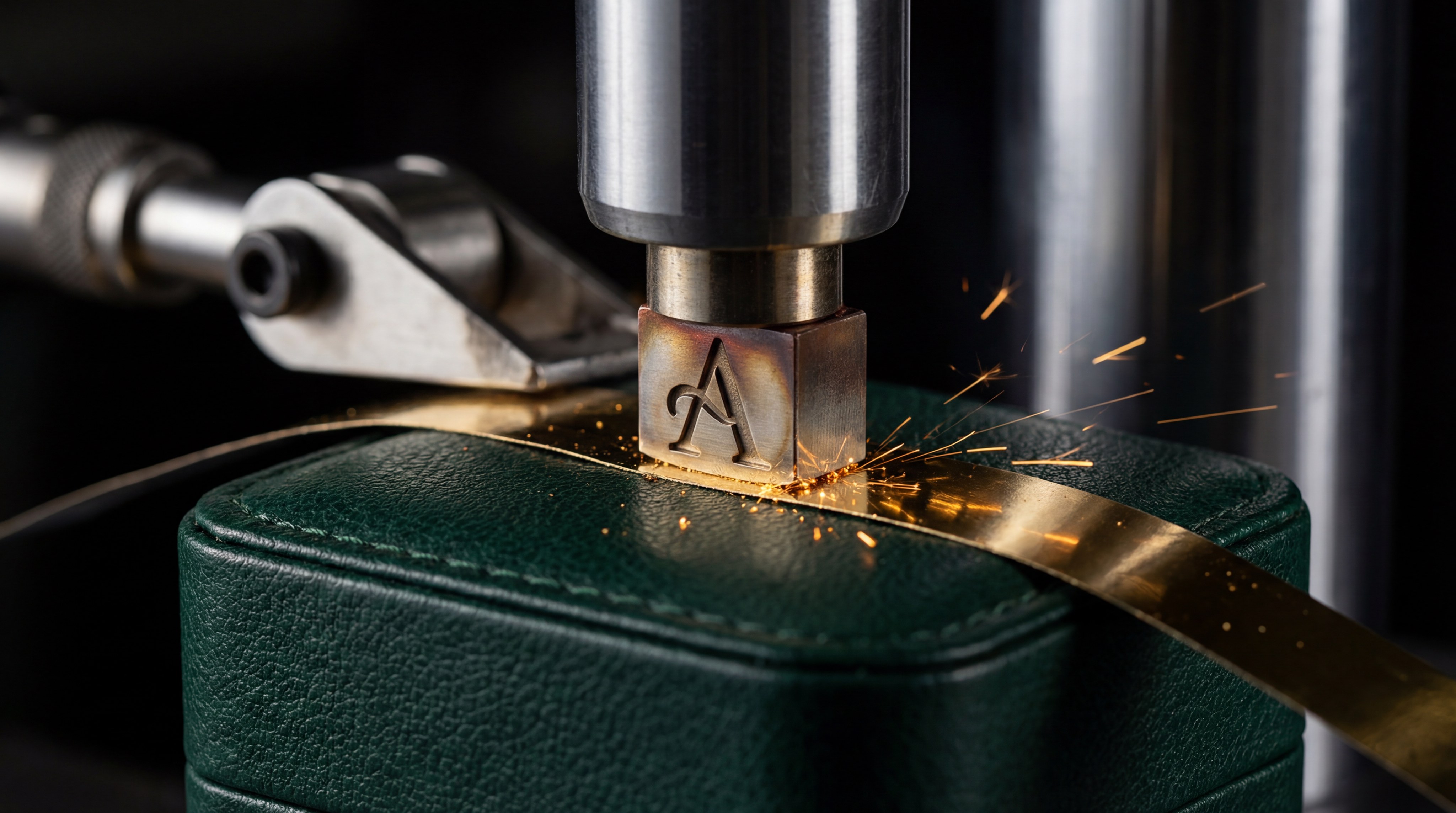
You choose a logo printing process by balancing your budget with the visual effect you want to achieve, such as the metallic shine of hot stamping or the subtle texture of embossing. Deciding how to customize jewelry box logos is a critical decision that defines your brand’s visual identity.
Hot Stamping vs. UV Printing?
Hot stamping is the most popular choice for brands seeking a luxury metallic finish. Here is the kicker:
- Gold and silver foils create a premium luster that catches the light.
- UV printing allows for glossy, raised effects on specific design elements.
- Both processes offer high durability and do not fade easily over time.
Think about it: the shine of a foil logo immediately signals “luxury” to the potential buyer.
Embossing for Tactile Elegance?
Embossing creates a three-dimensional effect that customers can actually feel with their fingertips. Look at this:
- It works best on thick papers or leather materials for maximum depth.
- Blind embossing (no ink) provides a sophisticated, low-key look.
- It creates a permanent mark that cannot be rubbed off or damaged.
Key Takeaway: Choose a process that ensures your logo is the focal point of the packaging design.
| Process | Visual Effect | Cost Level | |
|---|---|---|---|
| Hot Stamping | Metallic Shine | Moderate | |
| UV Printing | Glossy Finish | Low | |
| Embossing | 3D Texture | Moderate |
The right printing technique ensures your logo stands out clearly and remains durable throughout the product’s lifespan.
What internal structures protect your jewelry best?
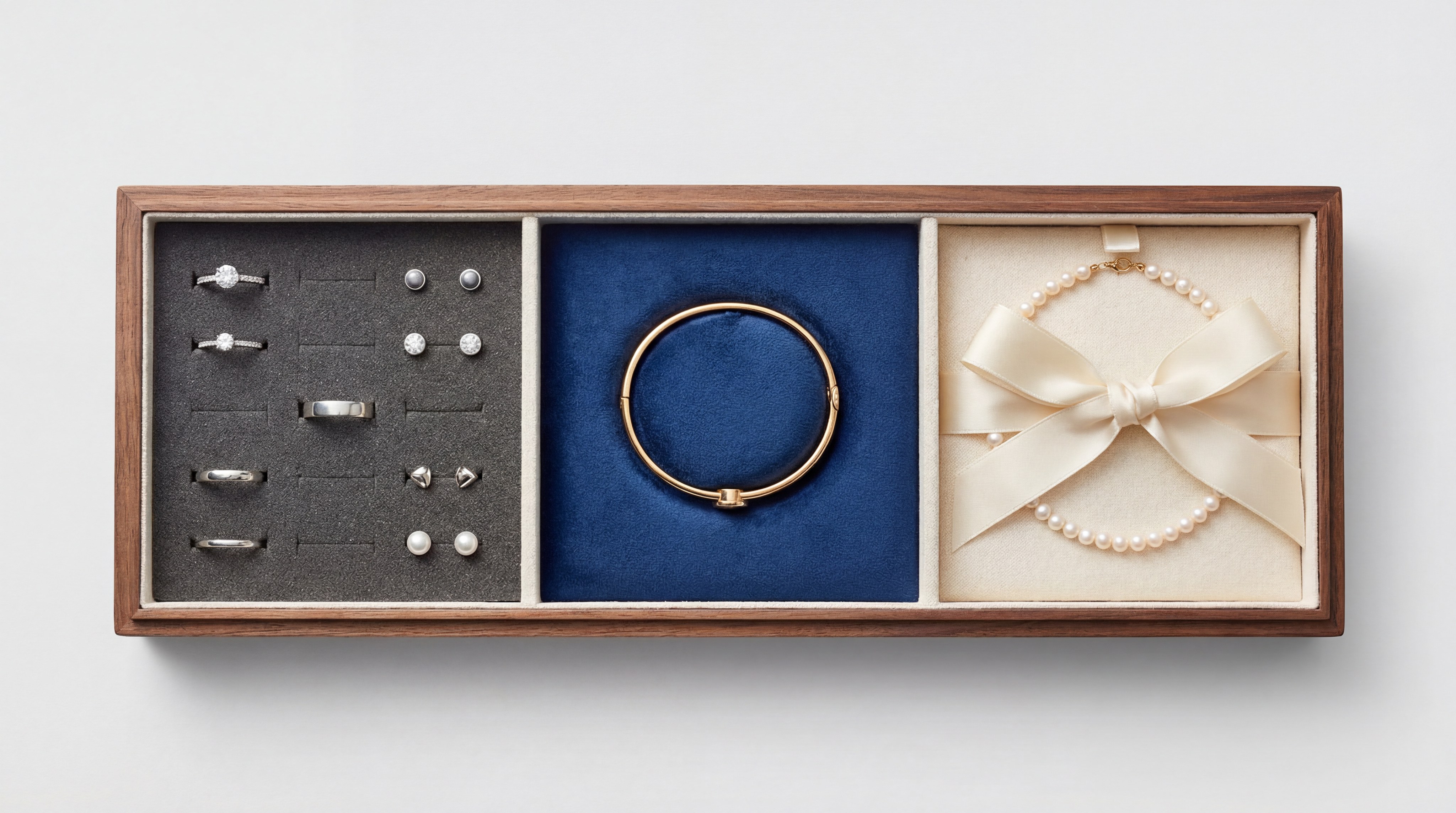
The best internal structures use high-density EVA foam, soft velvet linings, and custom-cut slots to keep pieces securely in place. Learning how to customize jewelry box inserts is essential for preventing scratches and tangles during handling.
Soft Velvet and Suede Linings?
Velvet and suede offer a luxurious touch while providing a non-abrasive surface for delicate metals. Check this out:
- These materials absorb shock and prevent jewelry from sliding.
- Dark colors like black or navy make diamonds and gold pop visually.
- They are the standard choice for any high-quality bracelet box design.
The real secret: a soft lining makes the jewelry feel more protected and precious to the customer.
High-Density Foam and EVA Cutouts?
For modern jewelry sets, precision-cut foam ensures every component is perfectly presented. Here is the deal:
- EVA foam is durable and does not lose its shape over time.
- Custom molds can be created for unique earring or necklace shapes.
- It provides military-grade protection for shipping and retail display.
Key Takeaway: Internal protection is just as important as the external appearance for maintaining product quality.
| Insert Type | Material | Protection Level | |
|---|---|---|---|
| Foam/EVA | Synthetic | Excellent | |
| Velvet Pad | Fabric | High | |
| C-Ring Holder | Plastic/Suede | Moderate |
Customizing the interior ensures your jewelry is presented exactly as intended the moment the box is opened.
How can you optimize boxes for secure shipping?
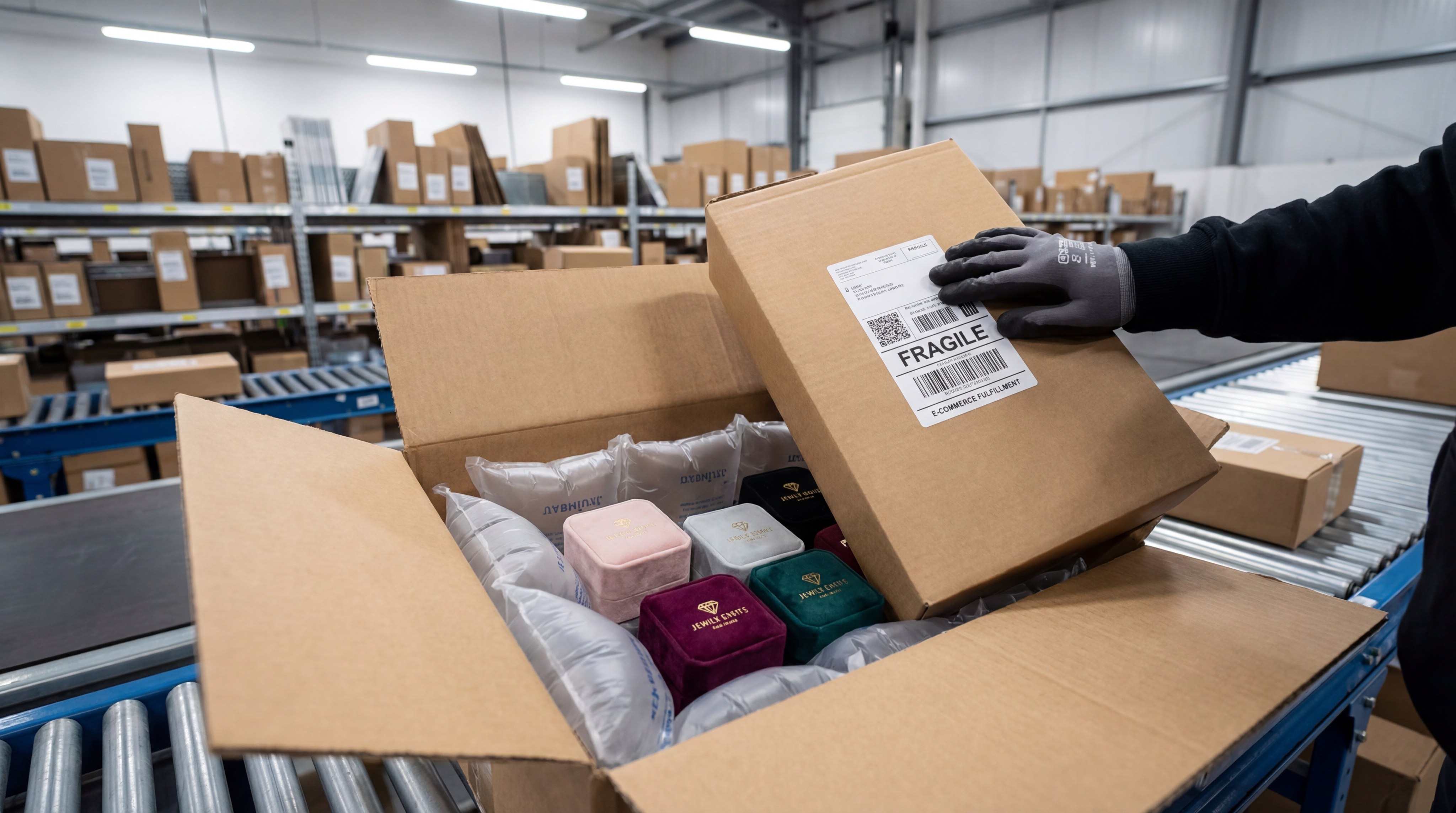
You can optimize boxes for secure shipping by using lightweight materials that reduce postage costs and incorporating secondary outer cartons for extra durability. Mastering how to customize jewelry box dimensions can significantly lower your logistics overhead.
Selecting Durable Outer Cartons?
An outer shipping carton protects your custom jewelry box from dust, moisture, and impact. Think about it:
- Corrugated paper is the most effective material for secondary packaging.
- A snug fit prevents the jewelry box from rattling and taking damage.
- You can brand the outer box to create excitement before the package is even opened.
Here is the kicker: a damaged outer box often leads to a negative first impression of the brand.
Using 3D Floating PE Film Boxes?
For online retailers, the pe film jewelry box offers a revolutionary lightweight shipping solution. Look at this:
- The thin, transparent film suspends the jewelry in mid-air.
- It is virtually weightless, drastically cutting international shipping fees.
- The 3D view allows customers to inspect the piece without opening the seal.
Key Takeaway: Smart shipping solutions protect both your product and your profit margins.
| Shipping Factor | Strategy | Benefit | |
|---|---|---|---|
| Weight | Use PE Film Boxes | Lower Costs | |
| Protection | Corrugated Outer | Zero Damage | |
| Branding | Custom Mailers | Better UX |
Optimizing for logistics ensures that your beautiful custom packaging arrives in pristine condition every single time.
What are the steps in the customization process?

The customization process involves a structured sequence of design, 3D rendering, physical proofing, mass production, and rigorous quality inspection. Following a logical path for how to customize jewelry box orders ensures you avoid costly manufacturing errors.
Initial Design and 3D Mockups?
The journey begins with translating your brand vision into a digital blueprint. Here is the deal:
- You provide your logo in a vector format (AI or PDF).
- Designers create 3D renderings to show you how the logo sits on the box.
- This stage is where you finalize material and color choices.
Check this out: seeing a digital mockup helps you catch design flaws before a single sample is made.
Physical Proofing and Mass Production?
Once the digital design is approved, a physical sample is created to verify quality. Look at this:
- Proofing usually takes 3-5 days for standard custom boxes.
- You can test the “snap” of the lid and the feel of the material.
- Mass production only begins after you sign off on the physical prototype.
Key Takeaway: Never skip the proofing stage; it is your insurance policy against bulk production mistakes.
| Step | Duration | Focus | |
|---|---|---|---|
| 3D Design | 24 Hours | Visuals | |
| Proofing | 3-5 Days | Tactile Quality | |
| Mass Production | 15-20 Days | Volume & Consistency |
A clear workflow ensures that the final product delivered to your door matches the vision in your head.
How do you avoid common pitfalls with suppliers?
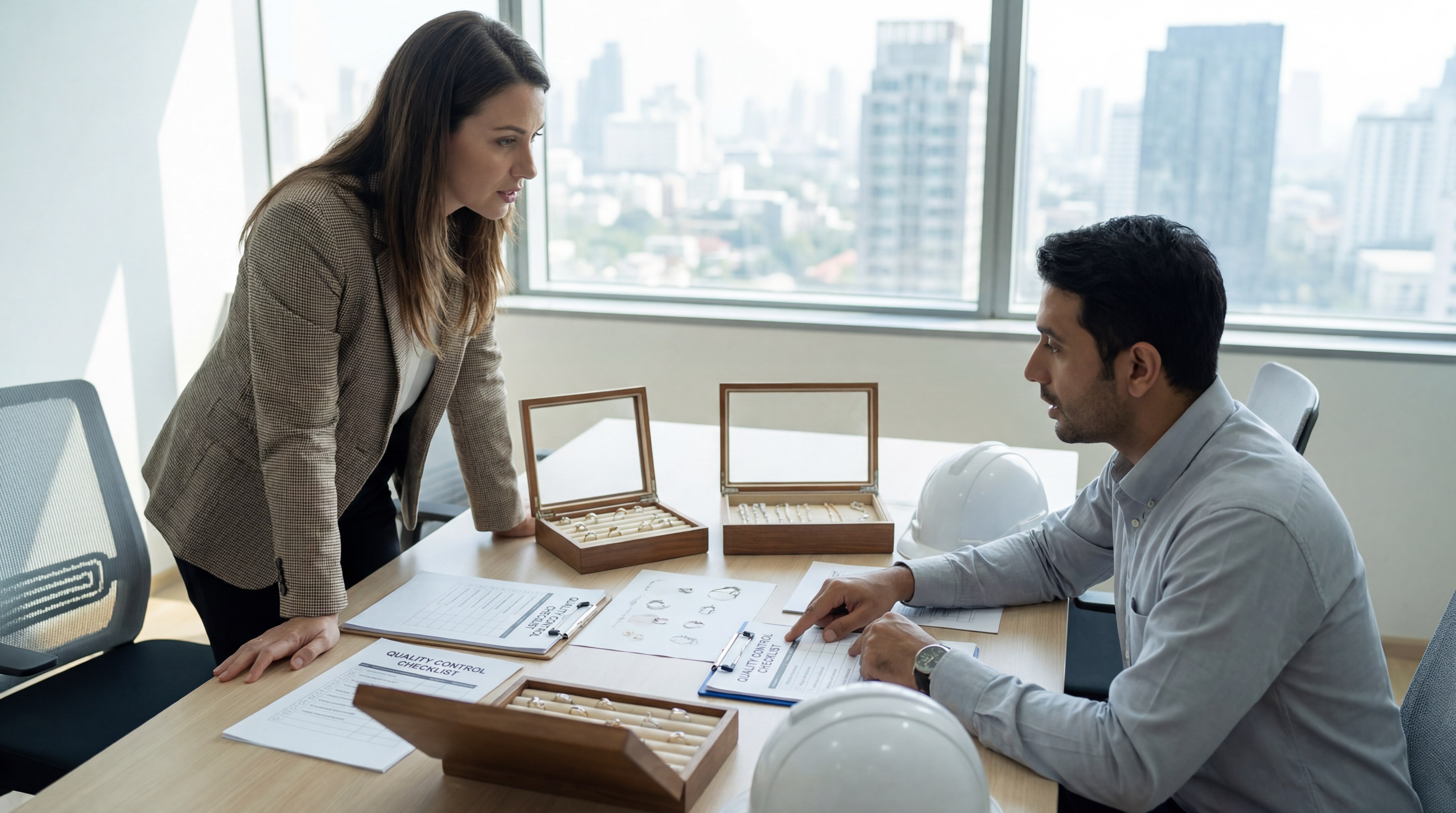
You avoid pitfalls by vetting suppliers for their ISO certifications, checking their minimum order quantities (MOQ), and requesting clear proofing timelines. Researching how to customize jewelry box manufacturers is the most important step for long-term brand stability.
Verifying Factory QC Standards?
A high-quality supplier must have a robust quality control system to ensure every box is perfect. Believe it or not:
- Professional factories perform 100% visual inspections of glue lines and corners.
- ISO 9001 certification is a strong indicator of reliable manufacturing processes.
- You should ask for lab test reports on paper durability and ink safety.
The truth is: the cheapest supplier often ends up being the most expensive due to quality failures.
Managing Lead Times and MOQs?
Understanding a factory’s capacity helps you plan your product launches more effectively. Consider this:
- Most custom jewelry boxes have an MOQ of 500 to 1,000 pieces.
- Peak seasons (like Christmas) can double standard production times.
- Clear communication about deadlines prevents out-of-stock scenarios.
Key Takeaway: Partner with a manufacturer that values transparent communication and consistent quality.
| Pitfall | Solution | Result | |
|---|---|---|---|
| Glue Defects | 100% Visual QC | Clean Finish | |
| Late Delivery | Plan 8 Weeks Early | On-Time Launch | |
| High MOQs | Negotiate Small Batch | Better Cash Flow |
Choosing a reliable partner allows you to focus on jewelry design while they handle the complexities of manufacturing.
Should you choose eco-friendly packaging materials?
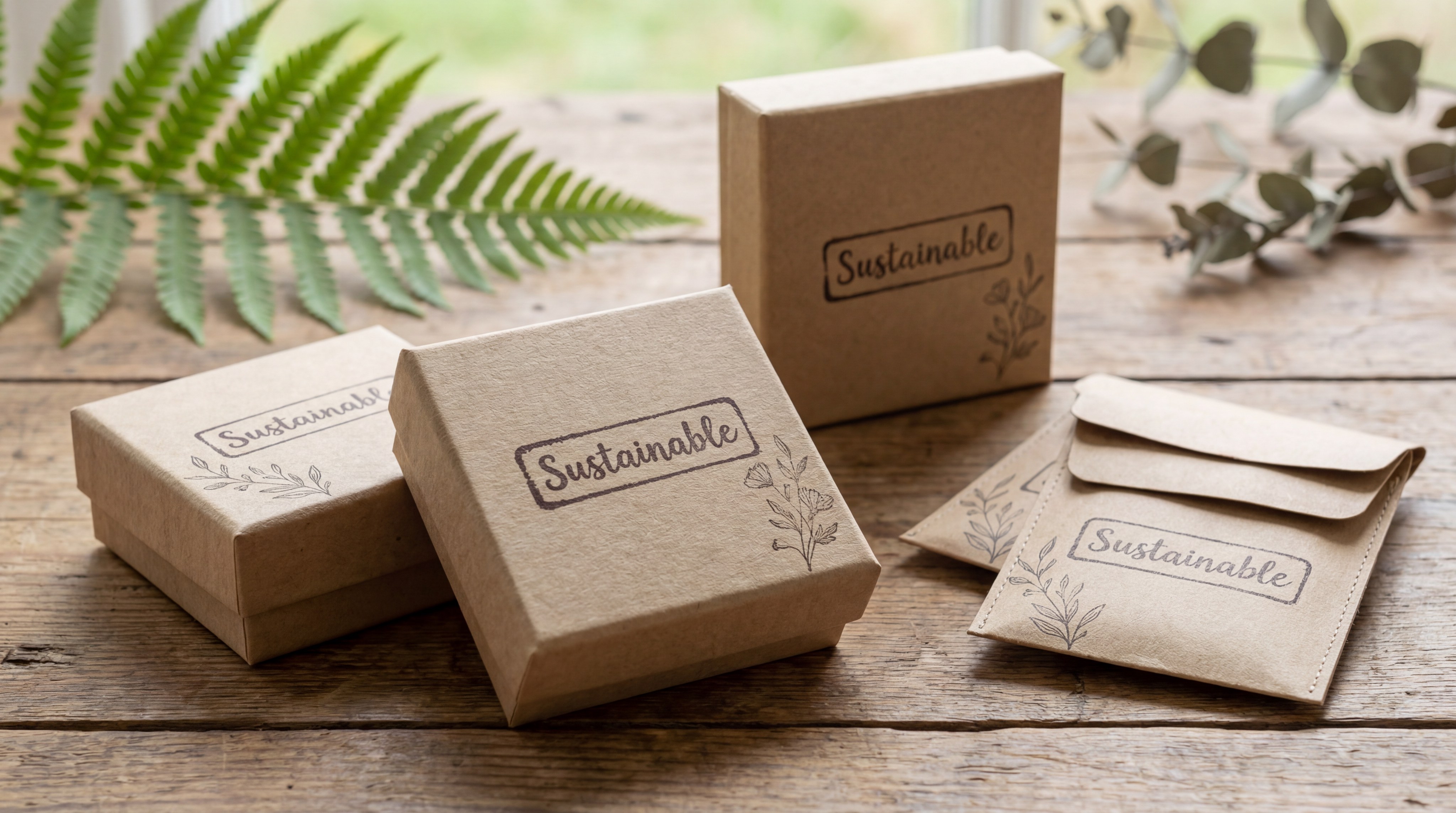
You should choose eco-friendly materials if your brand values sustainability and you want to appeal to modern, environmentally conscious consumers. Learning how to customize jewelry box options with recycled paper is a great way to show corporate responsibility.
Recycled Paper and Soy Inks?
Sustainable packaging reduces your environmental footprint without sacrificing the luxury aesthetic. Check this out:
- FSC-certified paper ensures responsible forest management.
- Soy-based inks are non-toxic and provide vibrant color payoff.
- Recycled grey boards are just as strong as virgin material.
The bottom line: sustainability is no longer a trend; it is a requirement for modern global brands.
Reusable Packaging as Brand Value?
Designing a box that customers want to keep adds ongoing value to your brand. Look at this:
- A high-quality box can be used as a permanent storage case.
- Reusable packaging keeps your logo in the customer’s home for years.
- It reduces the waste associated with single-use “throwaway” boxes.
Key Takeaway: Green packaging enhances your brand reputation and meets growing regulatory demands.
| Eco-Feature | Environmental Impact | Brand Image | |
|---|---|---|---|
| Recycled Board | Low Waste | Responsible | |
| Soy Inks | Non-Toxic | Health-Conscious | |
| Reusability | Long Life | High Value |
Sustainable choices prove that your brand cares about the future, which builds deeper emotional loyalty with your clients.
How does color psychology impact your logo design?
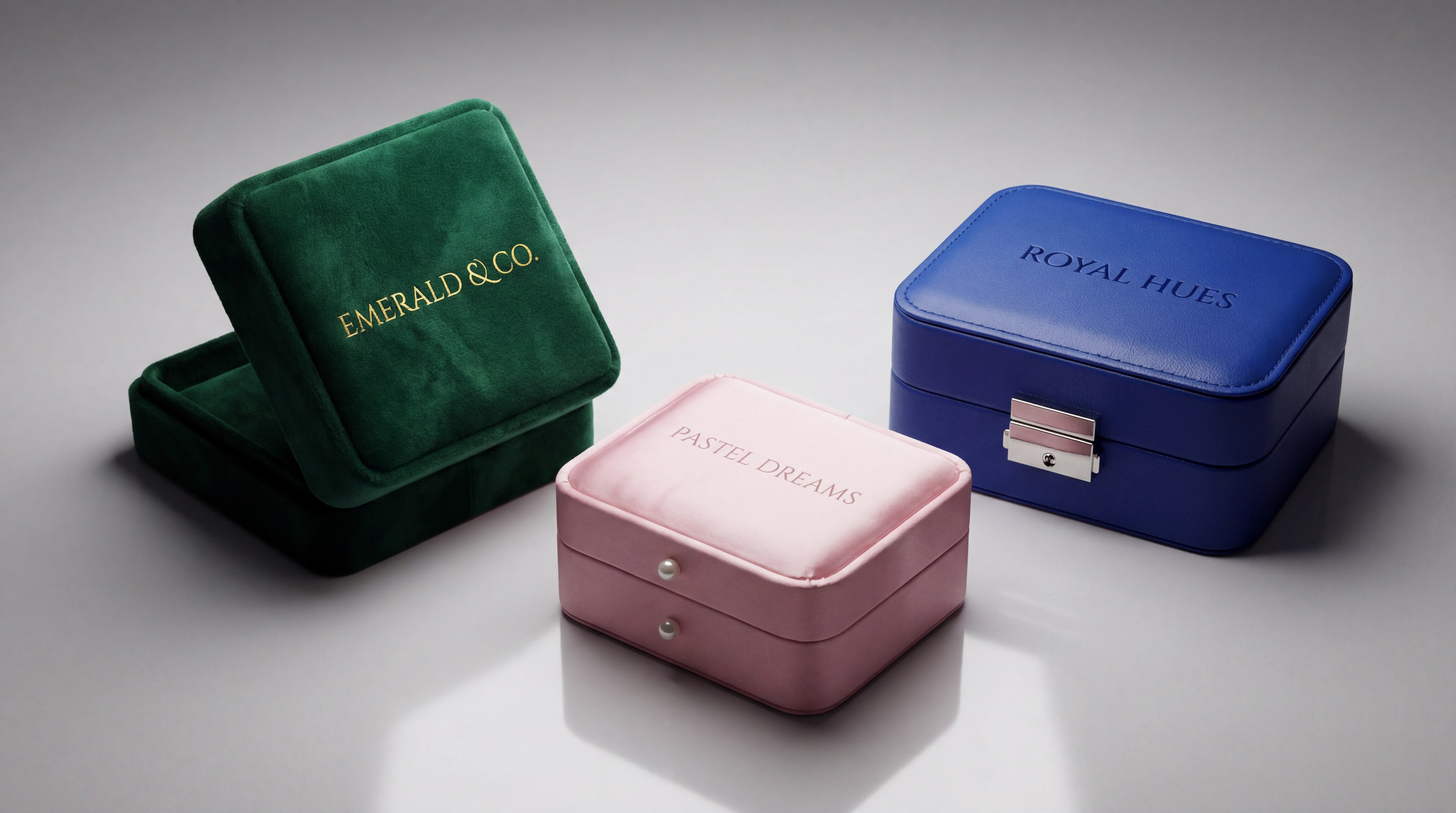
Color psychology impacts your logo design by influencing how customers perceive your brand’s personality, from the luxury of deep emerald to the romance of soft pink. Determining how to customize jewelry box colors is the final step in creating a cohesive visual brand story.
Choosing Hues for Luxury Brands?
Different colors trigger specific emotional responses in the minds of your shoppers. Think about it:
- Black and Gold signify timeless elegance and high-end luxury.
- Navy Blue conveys trust, stability, and professional reliability.
- Emerald Green is often associated with exclusivity and natural beauty.
Here is the kicker: the right color combination can make a piece of jewelry look twice as expensive.
Maintaining Consistent Brand Colors?
Using standardized color systems like Pantone ensures your boxes look the same across every batch. Look at this:
- Variations in color can make your brand look unprofessional.
- Digital screens often distort colors; always refer to physical Pantone swatches.
- High-contrast logos (like white on dark green) ensure maximum readability.
Key Takeaway: Your color palette is the fastest way to communicate your brand’s value before a word is read.
| Color | Emotional Response | Industry Application | |
|---|---|---|---|
| Black/Gold | Prestige | High-End Diamonds | |
| Soft Pink | Romance | Bridal/Engagement | |
| White | Purity | Pearls & Minimalist |
Consistency in color across all your packaging materials creates a unified brand presence that consumers can easily recognize.
Frequently Asked Questions
Can I get a sample before bulk production?Absolutely. Most professional manufacturers offer physical proofing within 3-5 days so you can verify the materials and logo quality before the full run.
What’s the best logo process for a luxury look?Hot stamping is widely considered the best option. It provides a metallic luster and tactile depth that immediately signals a premium price point.
Can I customize the internal foam to fit specific jewelry?Yes, you can. Factories use precision die-cutting or laser cutting to create custom EVA or sponge slots that perfectly match the dimensions of your necklaces, rings, or earrings.
What is the standard MOQ for custom jewelry boxes?Typically, the minimum order quantity is 500 pieces. However, for highly specialized materials or complex structures, some suppliers may require 1,000 pieces.
How do I choose the right box size for a necklace?A standard necklace box is usually 7x9cm or 9x9cm. You should ensure there is enough room for the pendant to hang naturally without touching the edges.
Conclusion
Mastering the art of customization solves the persistent problem of brand invisibility and low perceived value. By carefully selecting materials, logo processes, and internal structures, you transform a simple box into a powerful brand asset that protects your jewelry and delights your customers. We provide expert design consultation, rapid 3-5 day prototyping, and ISO-certified manufacturing to help you elevate your brand. Whether you need luxury rigid boxes or eco-friendly shipping solutions, our team is ready to assist. Contact us today to start creating packaging that truly reflects your brand’s excellence.