
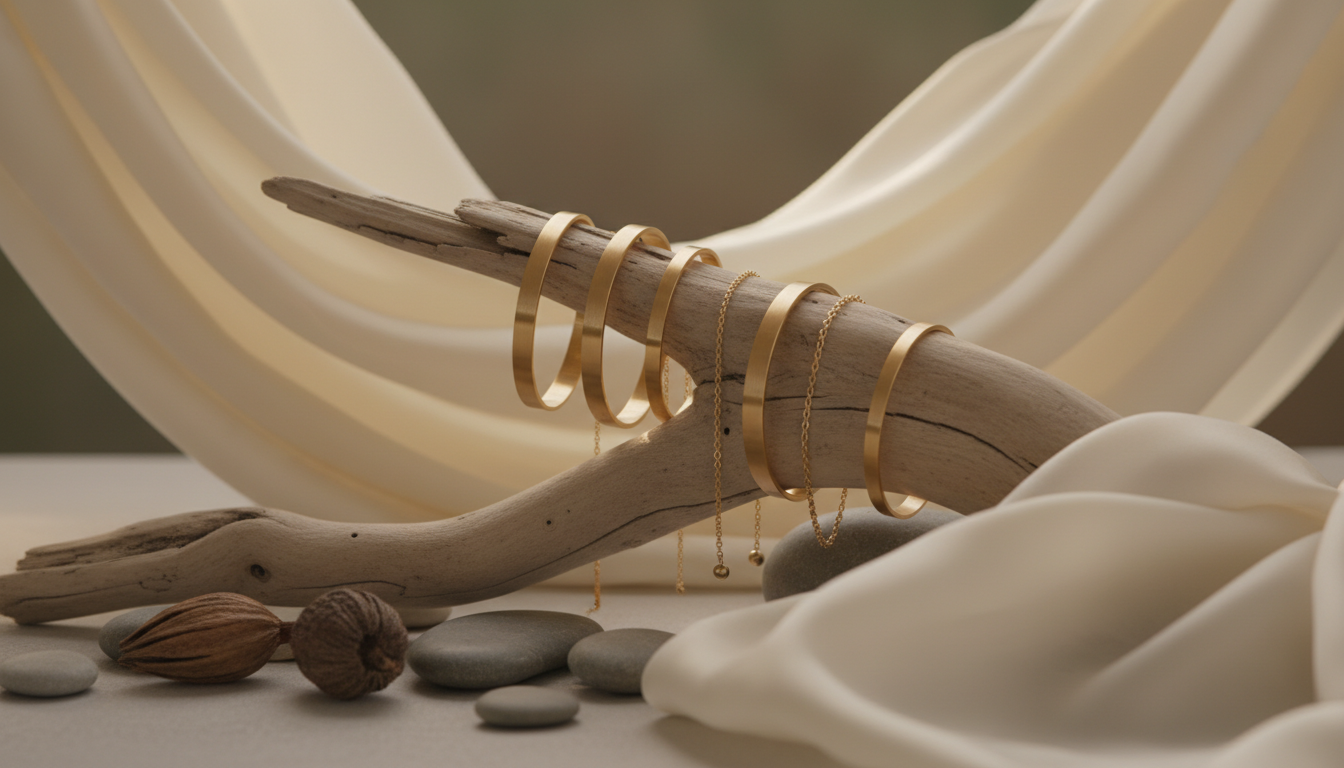
To display jewelry effectively, you must combine strategic lighting, high-contrast color palettes, and premium fixtures that elevate the perceived value of every piece. Problem: Many jewelry retailers struggle to capture customer attention, often finding that even their most exquisite pieces sit unnoticed on standard shelves. Agitation: It is frustrating to invest in high-quality inventory only to have it overshadowed by poor lighting, cluttered cases, or mismatched colors. A weak visual presence not only hurts your immediate sales but also dilutes your brand identity, making your shop forgettable in a competitive market. Solution: By mastering the art of how to display jewelry , you can transform your retail space into a high-conversion environment.
Why is visual merchandising vital for how to display jewelry?
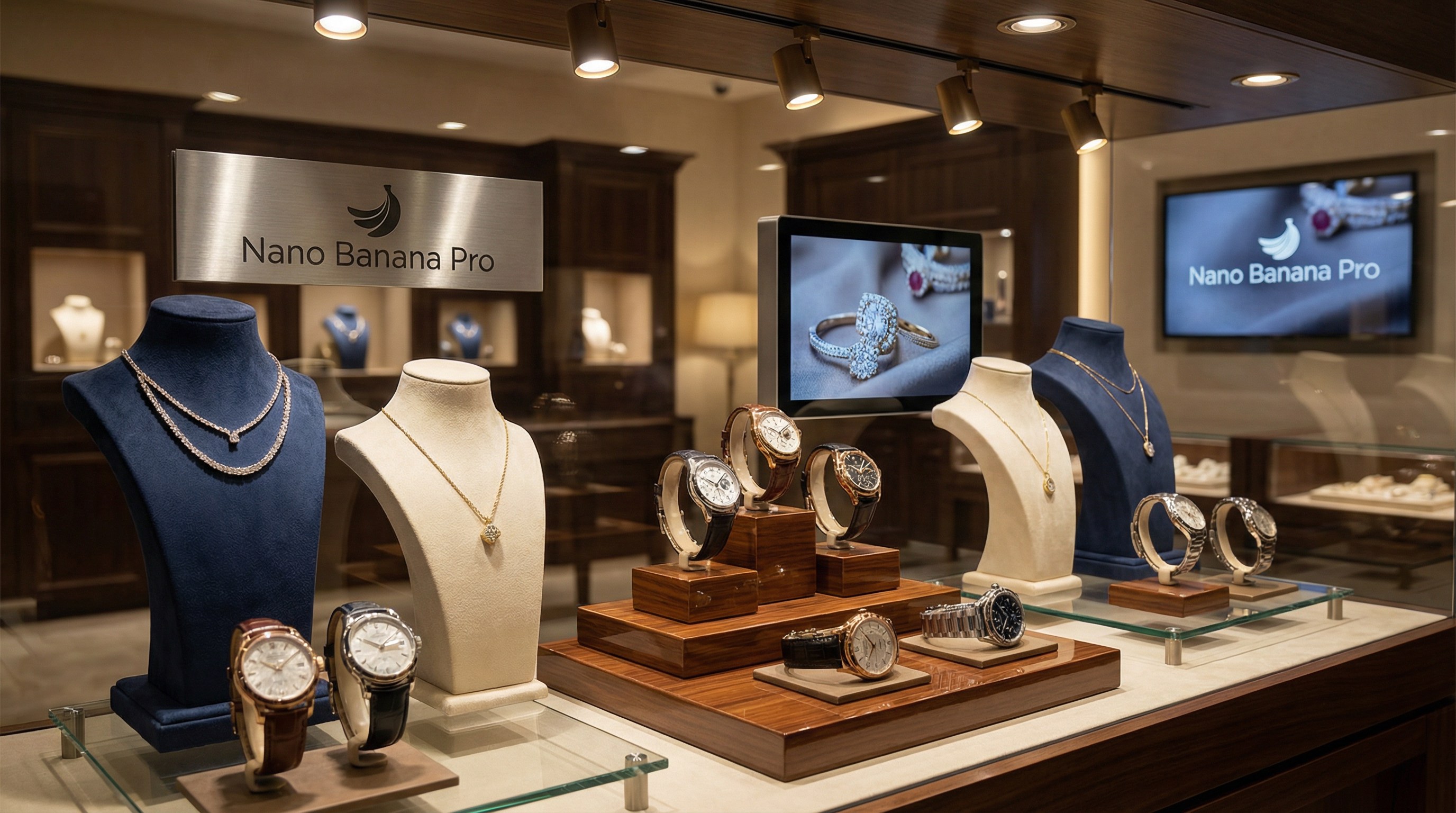
Learning how to display jewelry is critical because over 60% of purchase decisions are influenced by how products are showcased in the retail environment. Visual merchandising is more than simply arranging products—it’s about creating an experience that captivates shoppers and compels them to act. Think about it: if your display doesn’t capture attention in the first few seconds, customers may walk away.
| Strategy Element | Impact on Perceived Value | Core Objective | |
|---|---|---|---|
| Focal Points | Extremely High | Immediate attention capture | |
| Narrative Grouping | High | Emotional storytelling | |
| Professional Props | Medium | Context and lifestyle appeal |
Which colors create the best impact for how to display jewelry?
Choosing the right colors for how to display jewelry depends on creating high contrast that highlights precious metals while evoking the desired emotional response. Colors set the mood and influence buying behavior. Look at it this way: red and gold are often used for high-value pieces to create a sense of luxury, while calming colors like blue or green foster trust for everyday jewelry.
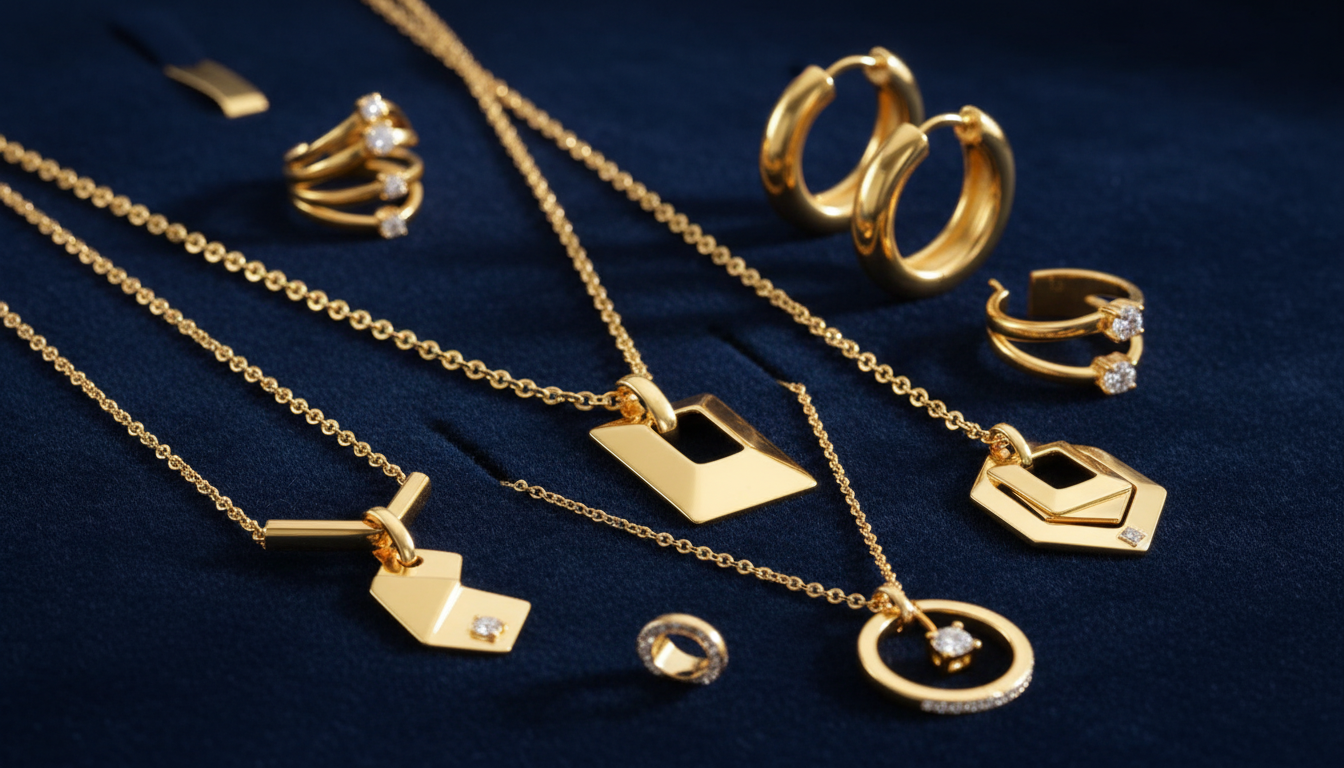
When planning your palette, consider these pairings:
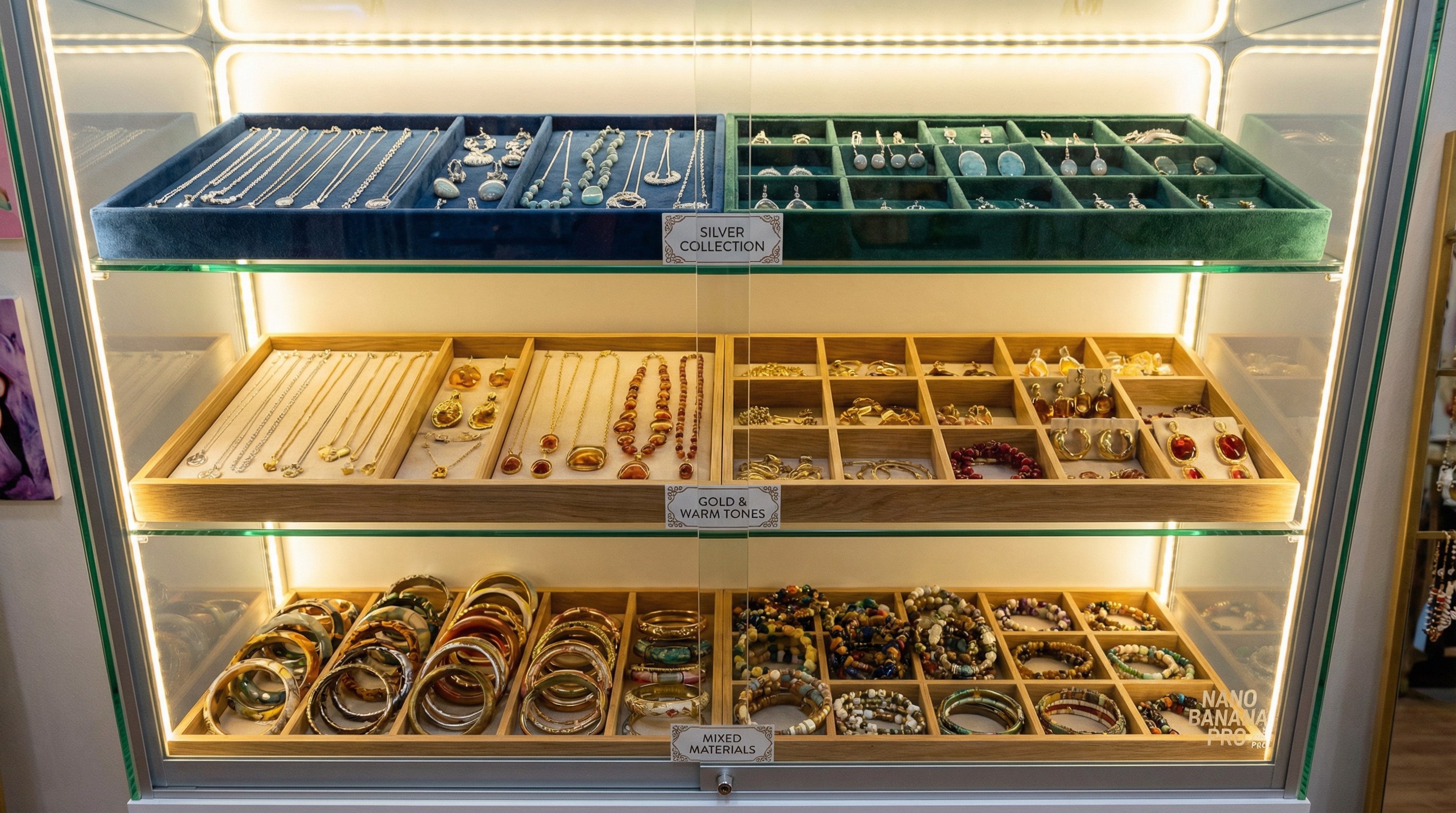
- Silver Jewelry: Shines brightest against deep navy or charcoal.
- Gold Jewelry: Looks stunning on black velvet or rich forest green.
- Gemstones: High-clarity stones pop against clean, neutral creams or soft greys.
How can lighting transform your approach to how to display jewelry?
Effective lighting is a core pillar of how to display jewelry as it replicates natural daylight to maximize gemstone brilliance and eliminate distracting shadows. The right lighting significantly boosts the perceived value of jewelry. LED lights are optimal due to their low heat emission and ability to replicate the “fire” inside a diamond.
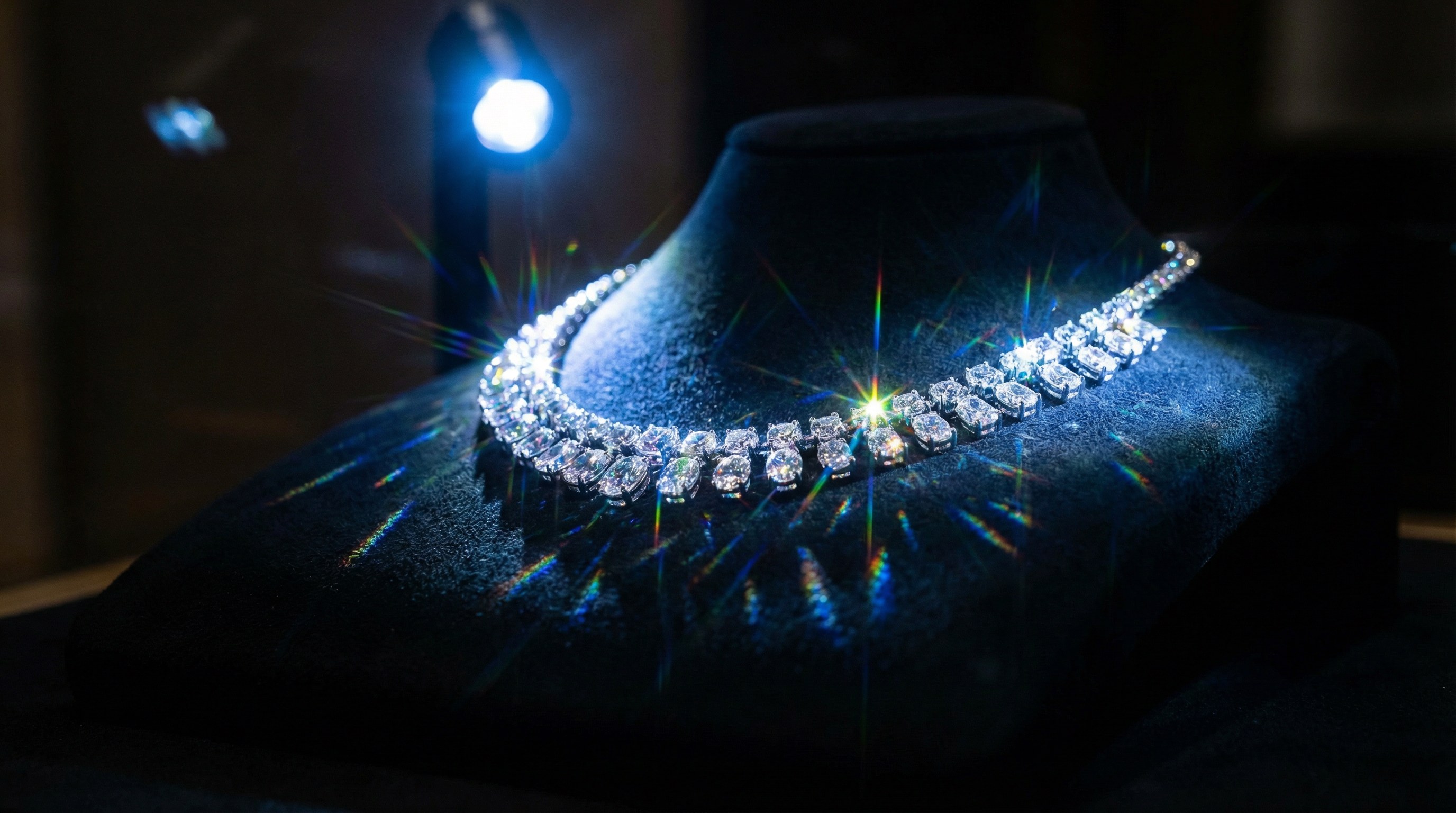
But that’s not all. To maximize the impact, you should:
- Choose the Right Tone: Use warm-toned lights for gold pieces and cooler tones for silver and diamonds.
- Experiment with Angles: Adjust light angles to eliminate shadows and glare on the glass cases.
- Highlight Key Areas: Incorporate accent lights for focal points like featured collections.
What materials add essential texture to how to display jewelry?
Selecting diverse textures is essential when planning how to display jewelry to add dimension and brand character to your retail environment. Texture adds a tactile dimension to your visual strategy; a necklace on a smooth, reflective acrylic stand exudes modernity, while one draped over a textured velvet bust radiates luxury. Mixing materials like wood, glass, and metal keeps the display visually engaging.
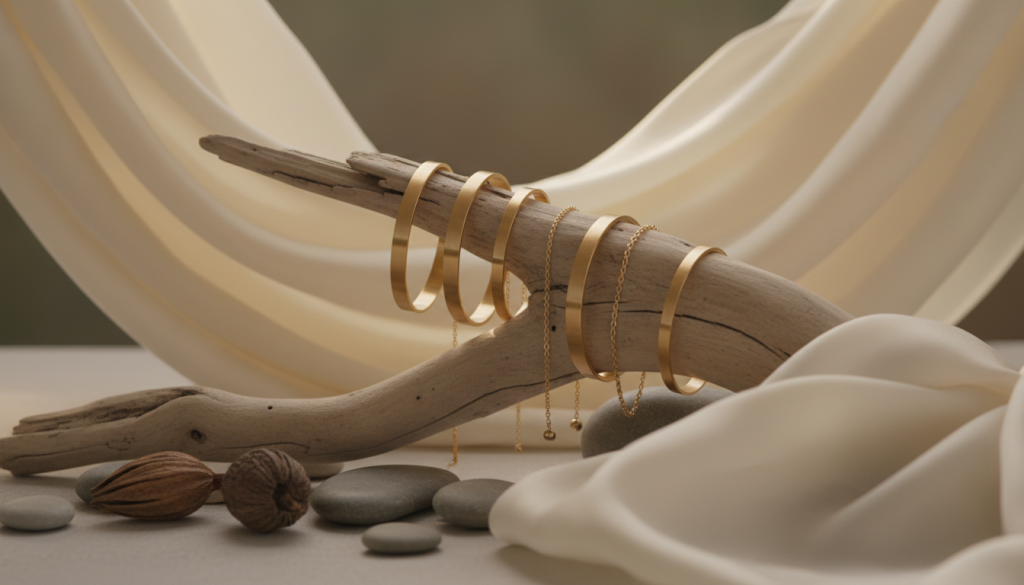
Expert Insight: Ensure your textures don’t compete with the jewelry itself. Natural wood displays pair well with gemstone jewelry, reinforcing earthy themes, while sleek metal stands suit contemporary designs.
How do you choose the right necklace style for how to display jewelry?
The most effective method for how to display jewelry like necklaces involves using bust stands to mimic a natural drape and tiered displays to maximize vertical space. Jewelry display busts are the gold standard because they mimic the natural curve of the neck, giving customers a clear idea of how the piece looks when worn.
Here is the kicker:
- Varying Heights: Use different stand heights to add depth to your display.
- Tiered Racks: A practical solution for showcasing multiple pieces in limited space while preventing tangling.
- Statement Placement: Standout items should be at eye level in prominent positions.
What are the best creative ways for how to display jewelry like earrings?
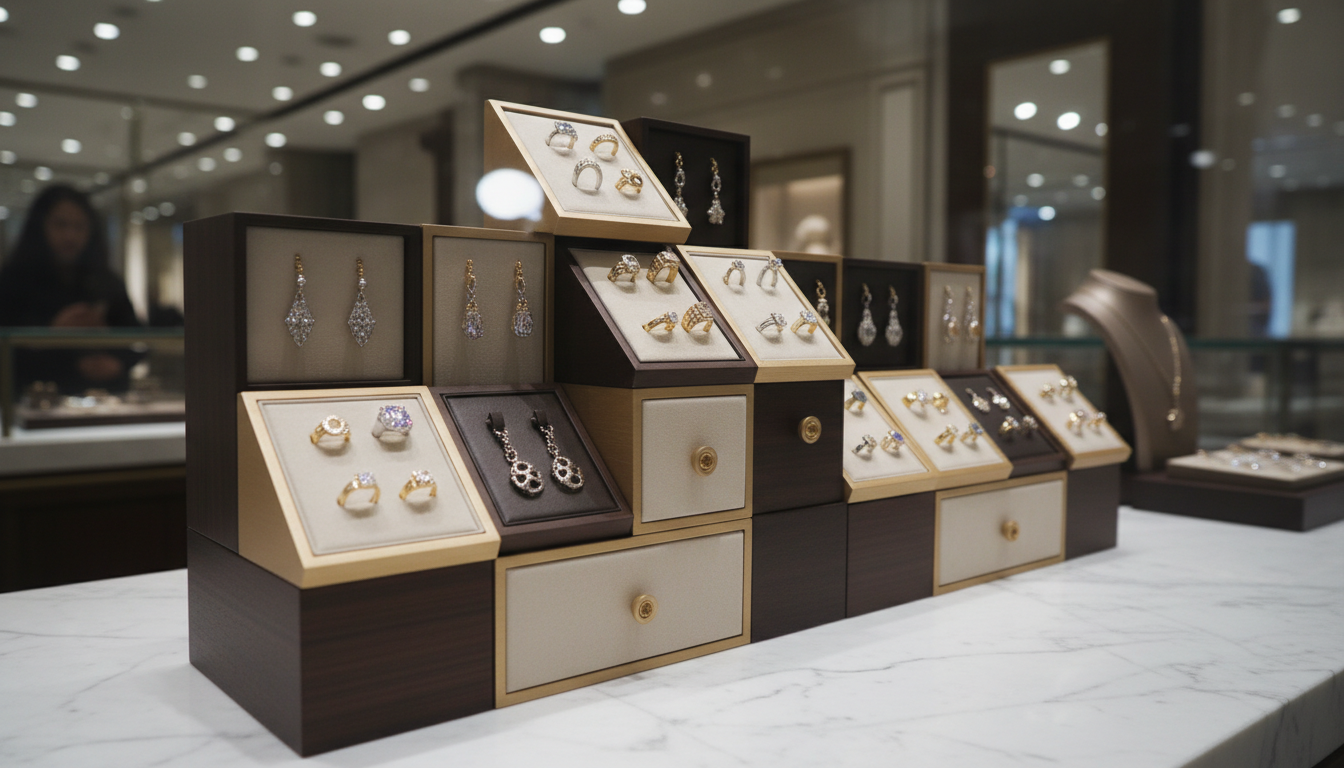
Retailers often wonder about how to display jewelry such as earrings, and the answer lies in balancing accessibility with organized carding to prevent a cluttered appearance. Jewelry display racks are perfect for showcasing dangle earrings and make it easy for customers to try pieces on without disrupting the overall arrangement.
| Display Method | Best For | Benefit | |
|---|---|---|---|
| Hanging Racks | Dangle Earrings | High accessibility and visibility | |
| Custom Cards | Studs / Sets | Reinforces brand identity and story | |
| Acrylic Trees | Modern Collections | Sleek, minimalist aesthetic |
How should you organize rings for maximum visibility when considering how to display jewelry?
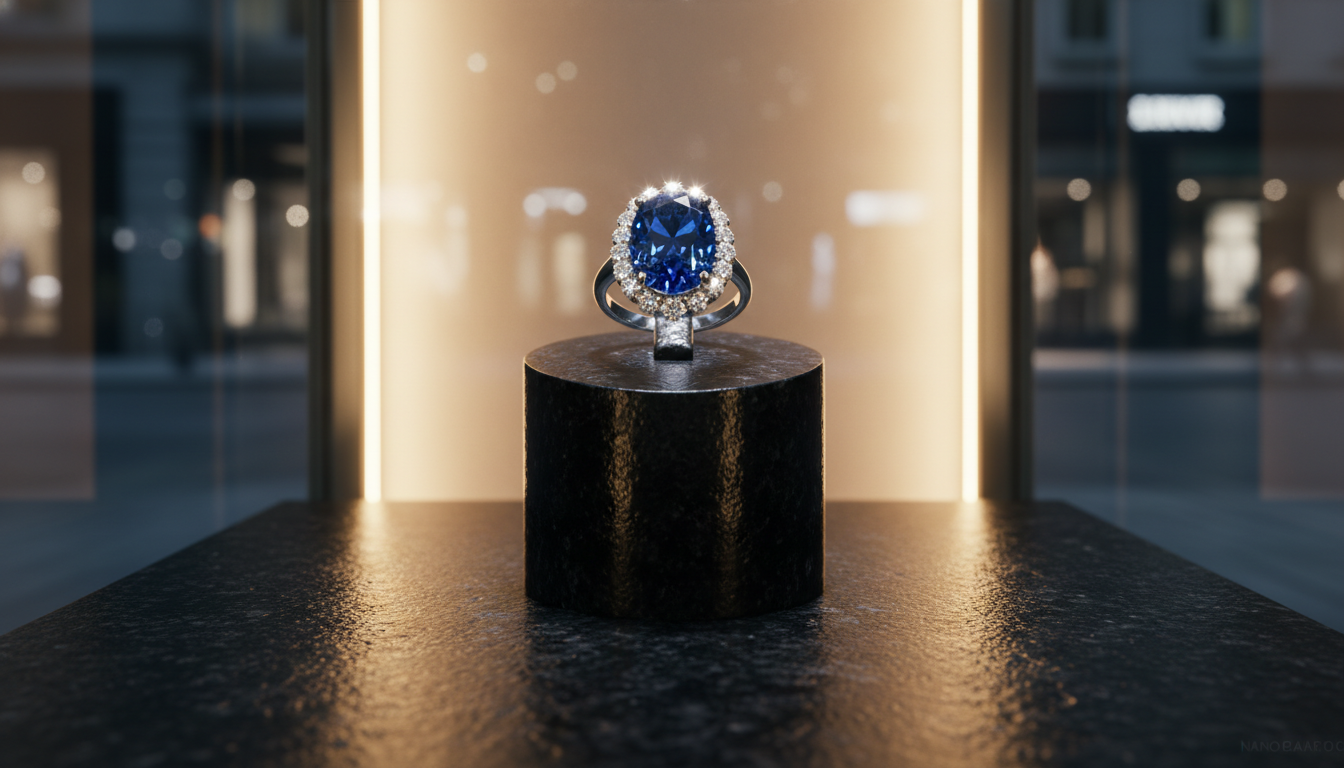
Strategic organization is the secret to how to display jewelry in ring trays while maintaining a sense of high-end exclusivity through individual pedestals. Ring trays are an efficient way to showcase a large number of pieces without overwhelming the viewer. For higher-value items, you should create a separate section that emphasizes exclusivity.
To keep styles organized:
- Group by Metal: Dedicate separate sections for gold, silver, or rose gold rings.
- Group by Gemstone: Create categories for diamonds, emeralds, or sapphires.
- Use Risers: Pedestals elevate the jewelry—both literally and figuratively.
What techniques work best for how to display jewelry such as bracelets?
Implementing T-bars and rotating stands is a proven strategy for how to display jewelry to encourage customer interaction with bracelets and bangles. T-bar stands are a classic option that allow you to showcase multiple pieces while keeping them accessible. Rotating displays are ideal for small spaces and encourage customers to physically engage with the inventory.
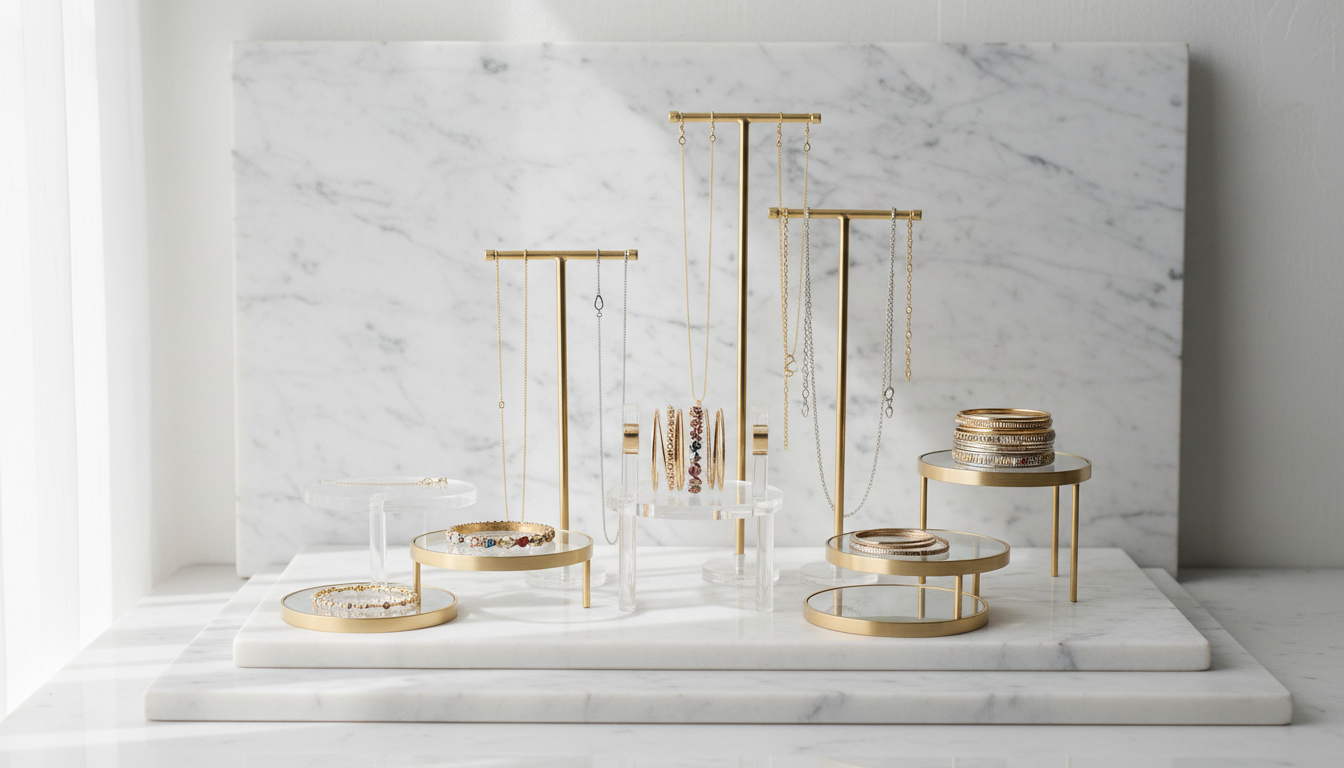
The best part? Layering complementary pieces together on a T-bar showcases how they can be styled as a set. This inspires mix-and-match combinations and leads to higher average transaction values.
Can seasonal themes improve your strategy for how to display jewelry?
Integrating festive motifs into how to display jewelry creates an emotional connection that drives seasonal gift purchases and increases foot traffic. Seasonal refreshers keep the store environment dynamic. For holiday themes, incorporate festive colors like red and gold, or soft ivory and lace for wedding-themed displays.
Seasonal Guide:
- Winter: Use silver accents, snowflakes, and cool blue tones.
- Spring: Opt for pastel hues and floral props to complement gemstone collections.
- Bridal Season: Utilize ivory silk, pearls, and soft romantic lighting.
How do you maintain professional standards for how to display jewelry?
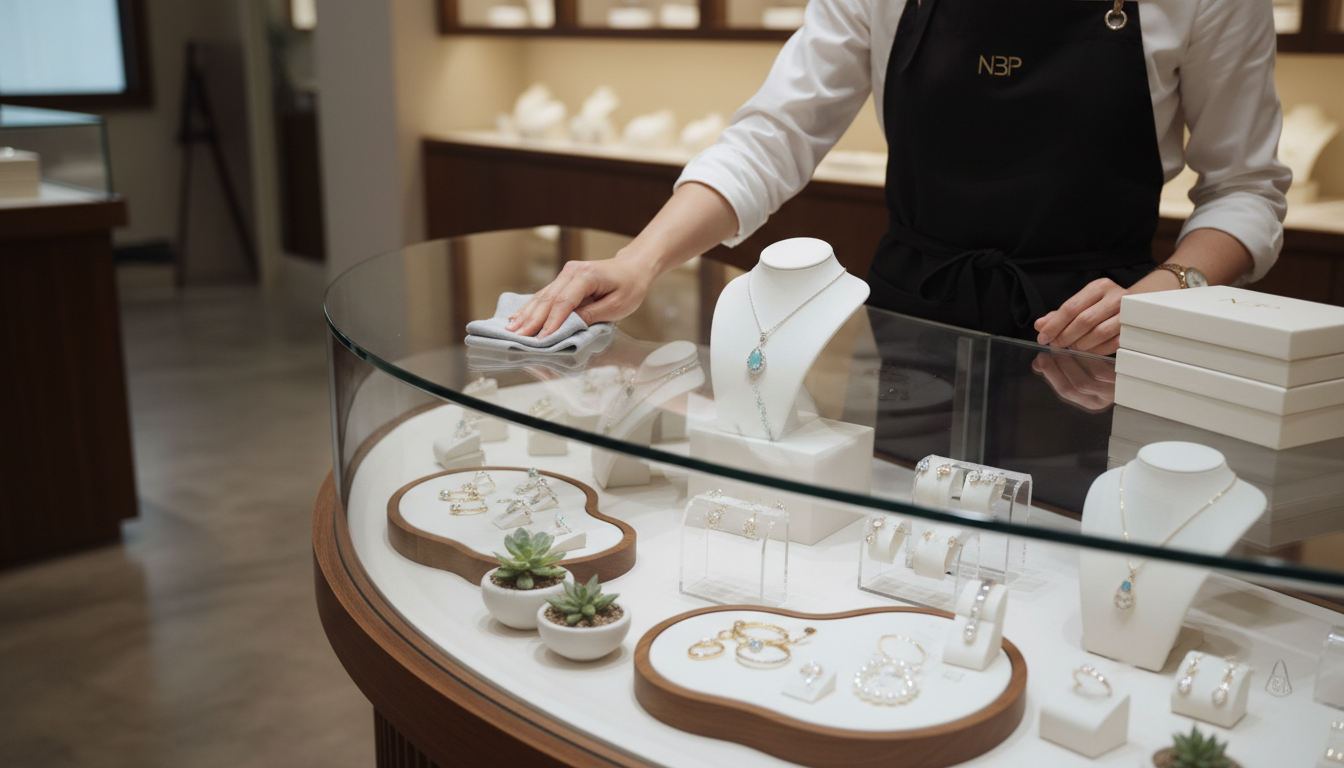
Maintaining a high standard for how to display jewelry requires daily cleaning of fixtures and the periodic rotation of featured inventory to prevent visual stagnation. Cleanliness is non-negotiable; dust and smudges can detract from even the most beautiful jewelry. Regularly wipe down glass cases and polish metal stands to preserve a premium feel.
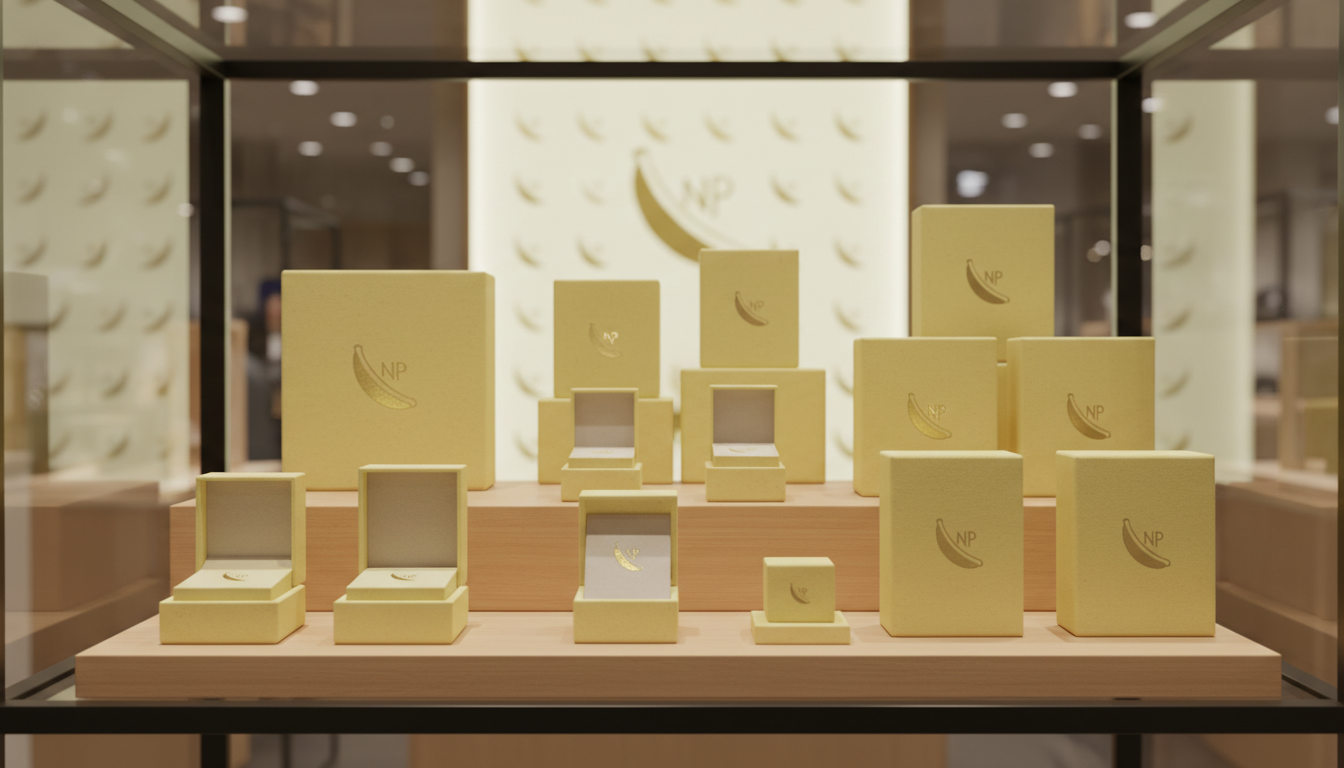
Finally, remember that packaging is an extension of your display. Branded packaging adds a professional touch and strengthens your brand’s image. When customers see continuity between your displays and your custom boxes, they associate the entire shopping experience with quality and care.
Frequently Asked Questions
1. What is the most important factor in jewelry display?Lighting is widely considered the most critical factor. Without proper LED lighting to bring out the “fire” and “brilliance” of stones, even the most expensive jewelry will look dull and unappealing to customers.
2. How often should I change my jewelry window displays?It is recommended to refresh your window displays at least once a month or in accordance with major holidays. Frequent shoppers need to see something new to be drawn back into the store.
3. Should I display high-end jewelry differently than affordable pieces?Yes. High-end pieces benefit from “negative space”—giving each piece its own pedestal or bust to create a sense of exclusivity. Affordable or “fashion” jewelry can be grouped more closely on tiered racks.
4. How can I prevent jewelry from tarnishing while on display?Use anti-tarnish strips inside closed cases and ensure your display environment is kept at a stable temperature with low humidity. Regular polishing by staff is also necessary to maintain the shine.
5. What color background is best for silver jewelry?Silver and white gold show up best against dark, cool backgrounds like navy blue, slate grey, or black. This creates a sharp contrast that makes the metal “pop” visually.
Conclusion
Mastering visual merchandising is an ongoing journey that requires attention to detail, a deep understanding of your brand, and a commitment to quality. By implementing strategic lighting, thoughtful color palettes, and professional-grade fixtures, you transform your jewelry from mere inventory into a captivating experience. Remember that every element—from the texture of the display bust to the elegance of the final gift box—contributes to the customer’s perception of value. Consistent maintenance and seasonal updates will ensure your retail space remains a dynamic and high-converting environment for years to come.