
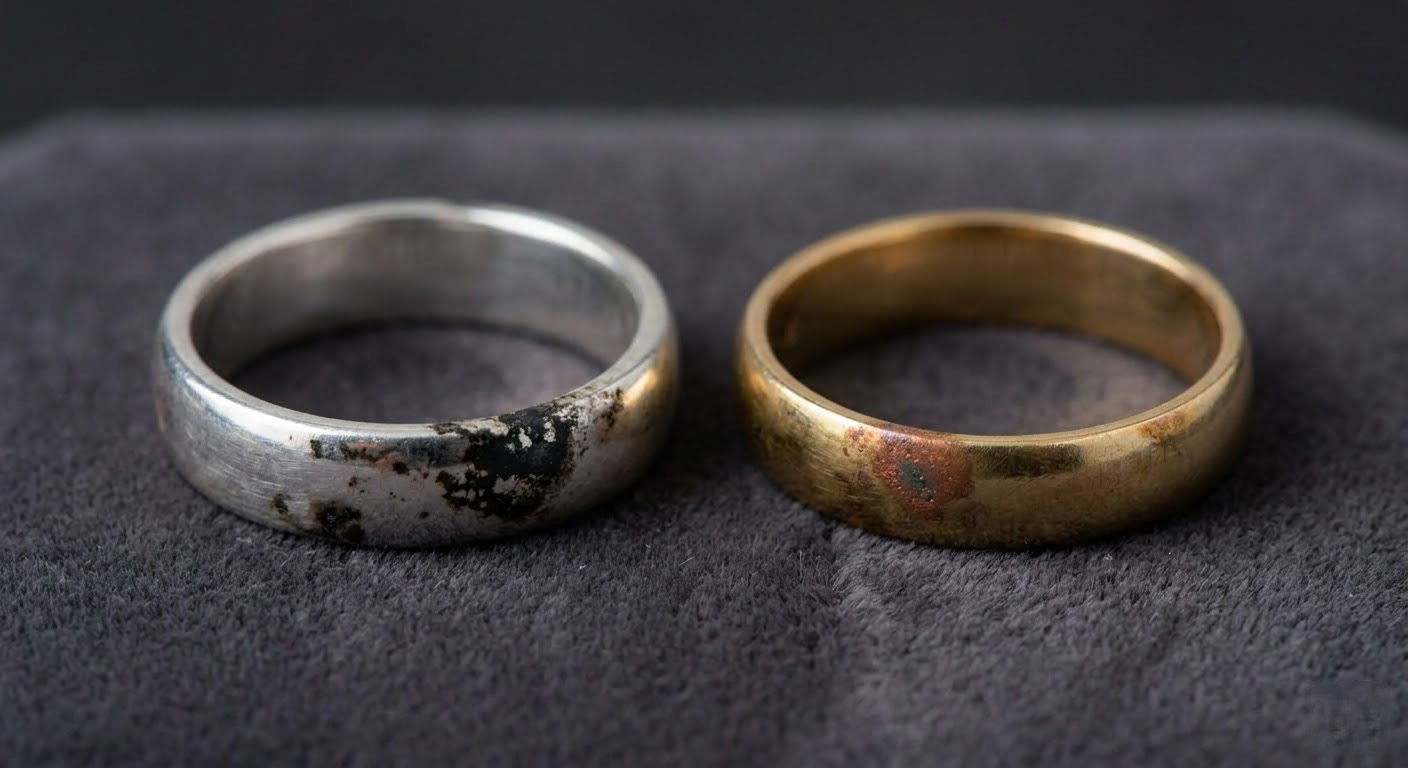
Storing your precious pieces in a specialized, airtight environment is the most effective way to protect them from oxidation. You open your collection only to find your favorite silver necklace has turned a dull, dark grey, stripped of its original beauty. It is heartbreaking to see expensive or sentimental items lose their luster, especially when you realize that scrubbing them with harsh chemicals often causes more permanent surface damage. Fortunately, learning how to keep jewelry from tarnishing in jewelry box involves simple storage science that preserves your investment for years.
Why Does Jewelry Discolor and Lose Its Shine?
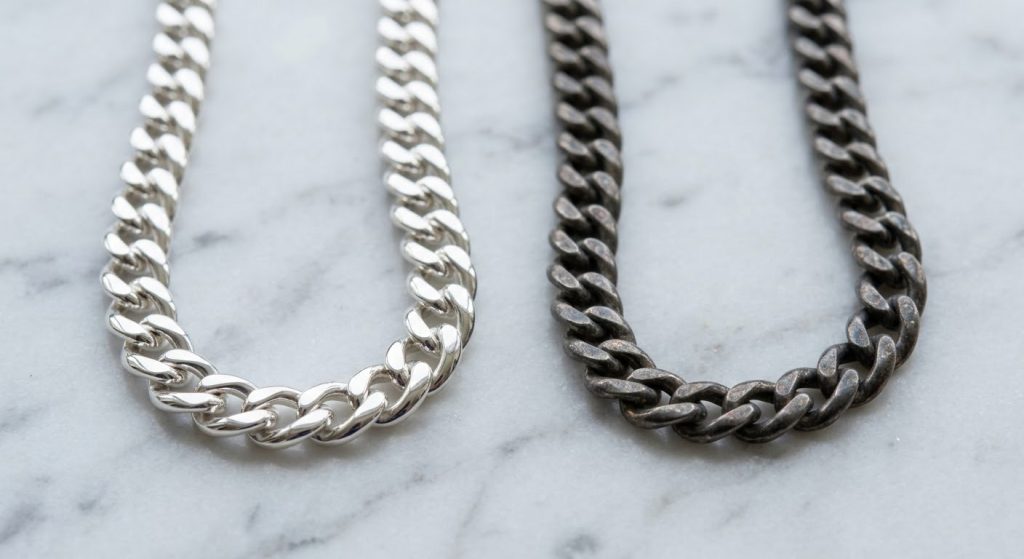
Discoloration is primarily caused by a chemical reaction between metal and sulfur compounds or oxygen in the air. Understanding how to keep jewelry from tarnishing in jewelry box starts with identifying the chemical culprits like moisture and sulfur that accelerate these reactions.
What Is the Science Behind Metal Oxidation?
You might be wondering why certain metals change color so quickly while others remain bright. When metals like silver or copper are exposed to oxygen, they undergo a process called oxidation. This results in a thin layer of corrosion that alters the light reflection of the surface.
- Silver: Reacts with sulfur to form silver sulfide.
- Copper: Oxidizes to create a green or brown patina.
- Brass: Darkens quickly when exposed to high humidity.
Which Environmental Factors Speed Up Tarnish?
Here is the kicker: the air in your home is filled with microscopic particles that hate your jewelry. High humidity levels and common household pollutants act as catalysts for the tarnishing process.
Key Takeaway: Tarnish is a preventable form of surface corrosion rather than permanent damage, provided you control the storage environment.
| Factor | Effect on Metal | Acceleration Speed | |
|---|---|---|---|
| Sulfur | Forms black sulfide layer | Very High | |
| Oxygen | Causes general oxidation | Moderate | |
| Humidity | Acts as a chemical catalyst | High |
This data shows why reactive metals like silver require more airtight storage solutions than high-karat gold pieces.
How Do Silver and Gold React Differently to Air?
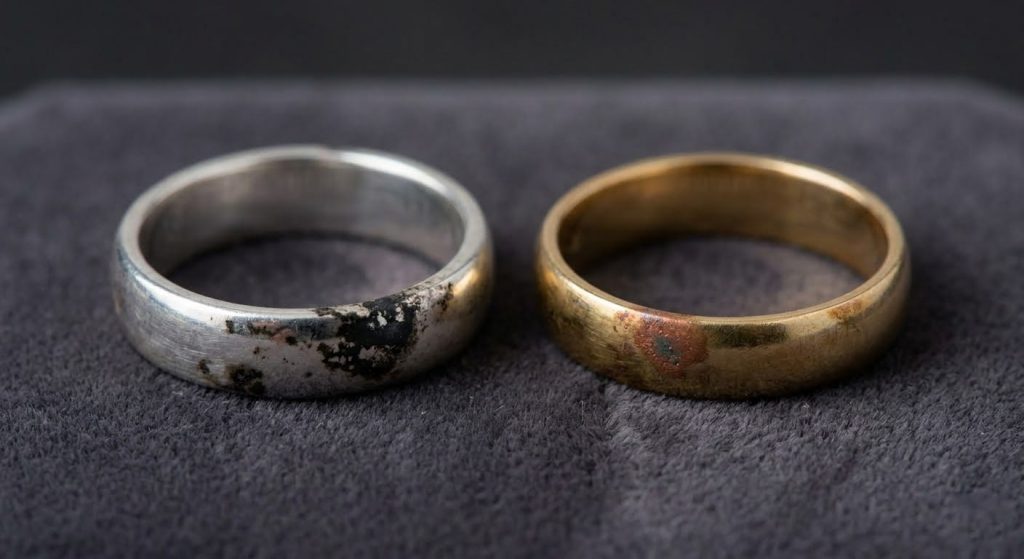
Silver reacts rapidly with sulfur to form black silver sulfide, while gold alloys tarnish based on their specific base metal content. Knowing the metal type helps you decide how to keep jewelry from tarnishing in jewelry box environments using specific linings.
Why Is Sterling Silver So Susceptible?
But that’s not all. Sterling silver is an alloy containing 7.5% copper, which is highly reactive to sulfur in the atmosphere. To prevent this, a custom jewelry box should feature specialized anti-tarnish fabric to neutralize these gases.
- Purity: .925 silver is the industry standard for fine jewelry.
- Reactivity: Highly sensitive to hydrogen sulfide in the air.
- Protection: Requires physical barriers to stop gas exchange.
Can 14k Gold Actually Turn Black?
Here is why gold can sometimes surprise you with dark spots. While pure 24k gold does not tarnish, 14k gold contains nickel, copper, or silver which can oxidize over time.
Key Takeaway: Every metal in your collection needs a tailored storage micro-environment to ensure the alloys remain stable and bright.
| Metal Type | Primary Cause of Tarnish | Tarnish Risk Level | |
|---|---|---|---|
| Sterling Silver | Sulfur Compounds | Critical | |
| 14k Gold | Copper/Nickel Alloys | Low to Medium | |
| 24k Gold | Generally Inert | Very Low |
Higher alloy percentages in lower-karat gold necessitate better sealing in the box to prevent the base metals from reacting.
What Are the Best Daily Habits for Protection?
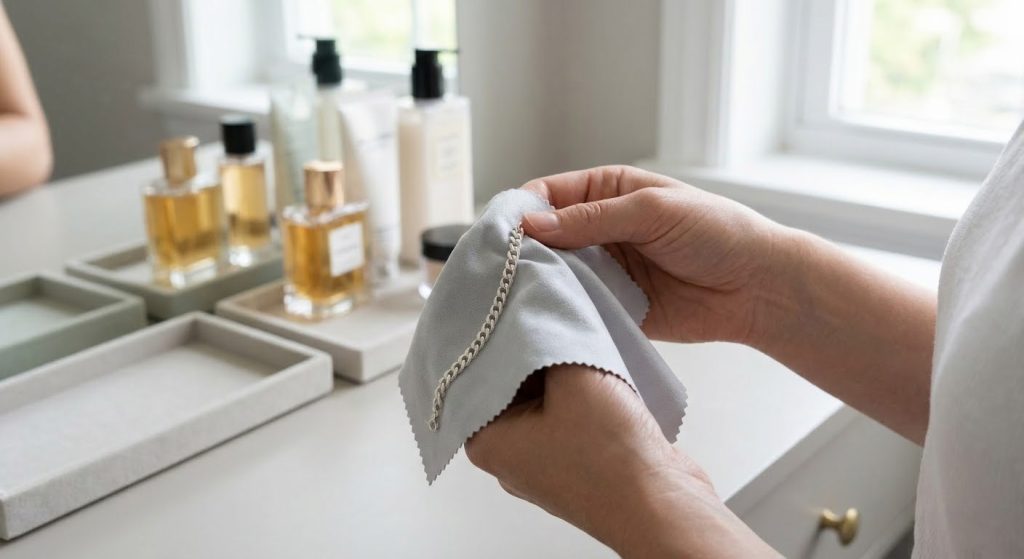
The “Last On, First Off” rule for cosmetics and wiping pieces after use are the best daily defenses for your collection. Daily maintenance is the first step in how to keep jewelry from tarnishing in jewelry box setups effectively.
Is the “Last On, First Off” Rule Effective?
You might be wondering if your morning routine is actually damaging your luxury items. Applying perfume, hairspray, and lotion before putting on your jewelry prevents these chemicals from settling on the metal surface.
- Perfumes: Contain alcohols that strip protective coatings.
- Lotions: Can trap moisture against the metal.
- Hairspray: Leaves a sticky residue that attracts dust and sulfur.
Should You Wipe Jewelry After Every Use?
Here is the secret to long-lasting shine. Wiping your pieces with a soft, lint-free cloth removes skin oils and salts that would otherwise eat away at the finish inside the box.
Key Takeaway: Prevention starts the moment you take the jewelry off, ensuring no contaminants are sealed inside the storage area.
| Daily Habit | Purpose | Effectiveness | |
|---|---|---|---|
| Last On | Avoids chemical contact | High | |
| First Off | Prevents sleep damage | Moderate | |
| Soft Wipe | Removes skin oils | High |
Minor daily habits significantly reduce the frequency of deep cleaning required to maintain the original brilliance of your jewelry.
Can Moisture and Chemicals Ruin Your Collection?
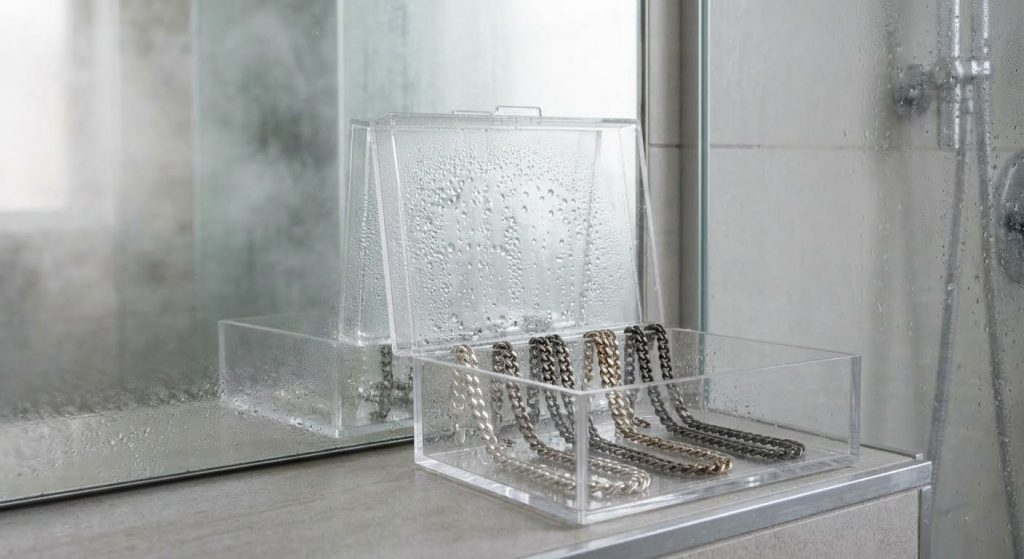
Yes, humidity acts as a catalyst for chemical reactions, while household chemicals strip protective coatings from your favorite pieces. Controlling the local climate is essential for how to keep jewelry from tarnishing in jewelry box configurations.
Why Is the Bathroom the Worst Storage Spot?
Here is why you should move your jewelry out of the bathroom immediately. The high humidity from showers creates a moist environment that allows oxygen to bond with metal atoms much faster.
- Humidity: Water vapor accelerates the oxidation process.
- Heat: Warm air holds more moisture and speeds up reactions.
- Exposure: Open trays in bathrooms are direct targets for steam.
Do Perfumes Interact With Metal Linings?
But that’s not all. If you spray perfume near your open storage, the mist can settle into the fabric linings and create a permanently acidic environment for your jewelry.
Key Takeaway: Always keep your storage box in a cool, dry, and climate-controlled room to minimize the chemical energy available for tarnish.
| Environment | Humidity Level | Tarnish Rate | |
|---|---|---|---|
| Bathroom | 70% – 90% | Accelerated | |
| Bedroom | 40% – 50% | Normal | |
| Sealed Box | < 30% | Minimal |
Maintaining a relative humidity below 50% is the gold standard for preserving the integrity of both fine and fashion jewelry.
Why Does Your Choice of Storage Box Matter?
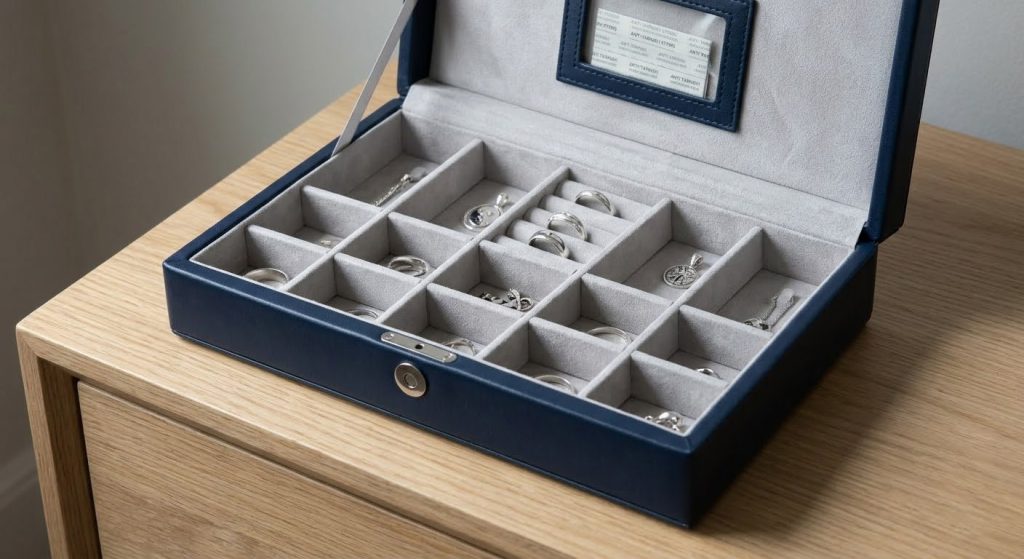
The box acts as a physical barrier against airborne pollutants and a chemical neutralizer if the interior is lined correctly. The physical structure determines how to keep jewelry from tarnishing in jewelry box for the long term.
Does Airtight Construction Really Help?
You might be wondering if a simple lid is enough to protect your goods. A high-quality box features tight seals that limit the volume of fresh, oxygen-rich air that can enter the storage compartment. To maximize protection, consider a watch box with a secure closure system.
- Seal Quality: Prevents the ingress of dust and moisture.
- Internal Volume: Smaller compartments mean less trapped air.
- Structural Integrity: Prevents the box from warping and leaking air.
How Do Individual Compartments Save Pieces?
Here is the kicker. When different metals touch, they can cause galvanic corrosion, where one metal causes the other to tarnish even faster.
Key Takeaway: Quality boxes create a stable micro-environment that shields sensitive metals from external pollutants and internal cross-contamination.
| Box Feature | Protection Function | Impact | |
|---|---|---|---|
| Magnetic Seal | Keeps air out | High | |
| Felt Lining | Absorbs minor moisture | Medium | |
| Dividers | Prevents metal contact | High |
Investing in a sturdy, well-engineered structure pays for itself by dramatically reducing the need for professional repair and cleaning costs.
What Materials Prevent Tarnish Effectively?
Chemically inert materials like anti-tarnish microsuede and treated velvet are the most effective options for interior linings. Material selection is the secret to how to keep jewelry from tarnishing in jewelry box designs.
Is Standard Velvet Safe for Silver?
Here is why you must be careful with cheap storage options. Many standard fabrics are processed with sulfur-based dyes or glues that actually release gases, causing the very tarnish you are trying to avoid. Using a PE film jewelry box provides a 3D floating display that is completely inert.
- Acid-Free: Prevents the breakdown of the metal surface.
- Sulfur-Free: Ensures no harmful gases are emitted by the fabric.
- Non-Abrasive: Prevents micro-scratches that provide more surface area for oxidation.
What Are Anti-Tarnish Treated Linings?
But that’s not all. Specialized linings are impregnated with silver particles or chemicals that “intercept” sulfur gases before they can reach your jewelry.
Key Takeaway: Always verify that your chosen lining is free of sulfur-releasing glues and acid-based manufacturing chemicals.
| Material | Tarnish Resistance | Best For | |
|---|---|---|---|
| Treated Suede | Excellent | Sterling Silver | |
| PE Film | High | Daily Wear Items | |
| Standard Cotton | Low | Non-Reactive Metals |
Anti-tarnish treatments can protect silver for up to 50 years by creating a chemical shield within the box fibers.
How Do Manufacturers Build Protective Boxes?
Manufacturers use acid-free adhesives and high-density cores to ensure no harmful gases are released inside the container. Professional engineering is required for how to keep jewelry from tarnishing in jewelry box solutions to work effectively at scale.
Why Are Acid-Free Glues Crucial?
You might be wondering why some boxes smell like chemicals when you first open them. This is often the smell of off-gassing adhesives, which can strip the plating off gold-filled jewelry in weeks.
- Water-Based Glues: These are safer for both the environment and the metal.
- Curing Time: Proper manufacturing allows glues to dry completely before assembly.
- Material Testing: Ensuring all components pass chemical stability tests.
Can Rigid Cores Block Out Humidity?
Here is the secret. High-density cardboard or wood cores provide a structural barrier that is less porous than cheap plastic or thin paper alternatives.
Key Takeaway: Look for ISO-certified manufacturers who prioritize chemical stability and use high-grade raw materials in their production process.
| Standard | Manufacturing Requirement | Benefit | |
|---|---|---|---|
| ISO 9001 | Strict QC protocols | Consistency | |
| Acid-Free | pH neutral materials | No Corrosion | |
| Low VOC | Minimal chemical vapors | Safe Storage |
Factory-direct sourcing ensures total control over these hidden chemical components that determine the lifespan of your jewelry.
Does Tarnish-Resistant Packaging Reduce Returns?
Yes, providing protective packaging ensures the jewelry arrives in pristine condition, which significantly boosts customer satisfaction. Brands must teach customers how to keep jewelry from tarnishing in jewelry box through the high-quality packaging provided.
How Does Protection Improve Brand Loyalty?
Here is the kicker. When a customer receives a piece that stays bright for months without cleaning, they associate that quality with your brand. Utilizing a jewelry box for online jewelry sellers ensures the unboxing experience remains luxurious and untarnished.
- Perception: Shiny jewelry is perceived as higher value.
- Trust: Customers feel the brand cares about the longevity of the product.
- Referrals: Happy customers are more likely to recommend your brand to others.
Is Custom Anti-Tarnish Worth the Investment?
But that’s not all. While anti-tarnish materials cost slightly more, they drastically reduce the costs associated with cleaning returned stock or handling customer complaints.
Key Takeaway: Protective packaging is a powerful marketing tool that reduces after-sales costs and strengthens your brand’s reputation for quality.
| Packaging Type | Return Rate | Customer Sentiment | |
|---|---|---|---|
| Anti-Tarnish Box | Low | Very Positive | |
| Standard Paper Box | Medium | Neutral | |
| Plastic Bag | High | Negative |
High-end jewelry brands typically see a 15% reduction in returns when they switch to comprehensive anti-tarnish packaging solutions.
How Can You Upgrade Your Current Storage?
You can add silica packets and anti-tarnish strips to an existing box to enhance its protective and moisture-wicking qualities. Even basic setups can be improved for how to keep jewelry from tarnishing in jewelry box functionality with minimal effort.
Do Silica Gel Packets Actually Work?
You might be wondering if those little packets you find in shoe boxes are useful. They are incredibly effective at absorbing ambient moisture, keeping the air inside your jewelry box bone-dry.
- Absorption: Pulls moisture out of the air before it hits the metal.
- Placement: Hidden under the lining or in a corner of the box.
- Safety: Non-toxic and will not react with your jewelry.
When Should You Replace Anti-Tarnish Tabs?
Here is why you should set a reminder on your phone. Anti-tarnish strips have a limited lifespan because they eventually become “saturated” with the gases they are designed to trap.
Key Takeaway: Simple, low-cost additions can turn a purely decorative box into a highly protective sanctuary for your jewelry.
| Upgrade Item | Replacement Frequency | Primary Function | |
|---|---|---|---|
| Silica Packet | Every 6 months | Moisture Control | |
| Tarnish Strip | Every 12 months | Gas Neutralization | |
| Chalk Piece | Every 3 months | Humidity Absorption |
These low-cost items are essential if your current box was not factory-treated with anti-tarnish chemicals or specialized linings.
What Is the Best Way to Clean Tarnish Safely?
Use a specialized polishing cloth or a mild soap solution, while avoiding abrasive toothpastes or chemical dips that can damage the surface. Proper cleaning ensures that how to keep jewelry from tarnishing in jewelry box remains a maintenance task, not a restoration.
Is Polishing Cloth Better Than Liquid Dip?
Here is the secret. Liquid dips are often too aggressive and can eat away at the protective plating of your pieces, whereas a cloth allows for controlled, gentle cleaning. For small items, an earring box with a built-in polishing cloth is a perfect solution.
- Mechanical: Physically rubs away the sulfide layer.
- Chemical: Dips use acids to dissolve the tarnish instantly.
- Safety: Cloths are much safer for stones like pearls and opals.
Can Mild Soap Restore Lost Brilliance?
But that’s not all. For jewelry that is just starting to look dull, a soak in warm water with a drop of mild dish soap can remove the oils that lead to tarnish.
Key Takeaway: Gentleness is the ultimate key to preserving the delicate surface plating and intricate details of your jewelry collection.
| Cleaning Method | Safety Rating | Best Metal | |
|---|---|---|---|
| Polishing Cloth | High | Silver / Gold | |
| Mild Soap Water | High | All Metals | |
| Ultrasonic | Medium | Gold (No soft stones) |
Mechanical polishing is significantly safer for both the environment and the metal than using harsh chemical dips or home remedies.
Conclusion
We have addressed how atmospheric pollutants, humidity, and improper manufacturing materials cause discoloration, and how the right industry standards can stop it. At YiXin Packaging, we provide factory-direct, anti-tarnish solutions that protect your brand’s integrity and your customers’ cherished memories. We believe every piece of jewelry deserves a sanctuary that preserves its story for a lifetime. Ready to elevate your brand protection? Please contact us today for a custom wholesale quote and free samples.
FAQ
Can I use a regular wooden box for silver?No, because most woods contain natural acids and resins that actually accelerate the tarnishing process.
What’s the best way to tell if a box is anti-tarnish?Check for treated microsuede linings and airtight seals, or ask the manufacturer directly for their chemical specifications.
How do I know if my jewelry is tarnished or just dirty?Tarnish appears as a dark, metallic film on the surface, while dirt is usually dull and can be easily wiped away with water.
Can I put silica packets in every jewelry box?Yes, they are a safe and highly effective way to manage humidity levels in any enclosed storage space.
What’s the best material for a long-term storage lining?Specially treated anti-tarnish velvet or chemically inert microsuede provides the highest possible level of protection for sensitive metals.