
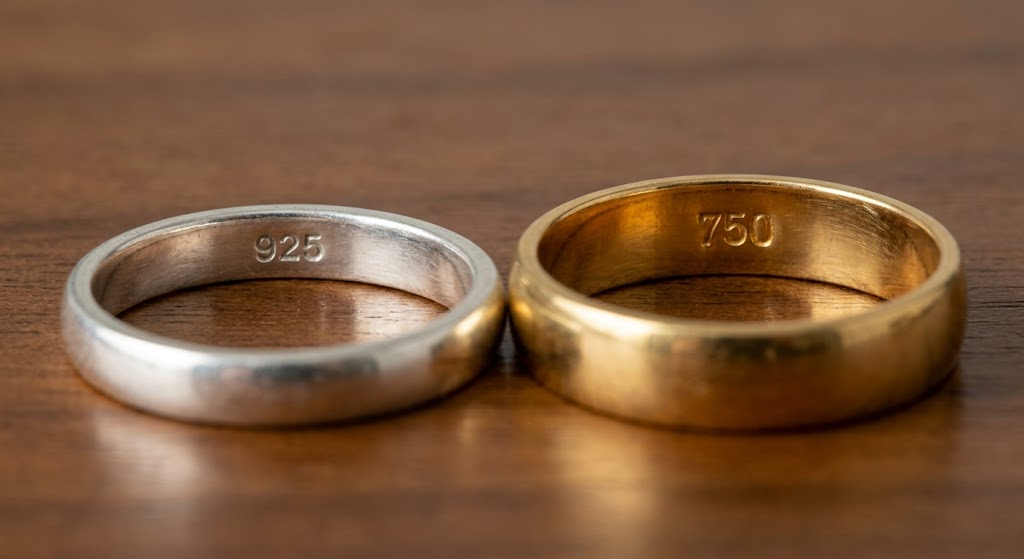
The numbers 925, 750, and 585 represent the purity levels of silver and gold alloys used in your favorite accessories. Many consumers feel overwhelmed when they encounter tiny, cryptic numbers stamped on the inside of their favorite rings or on necklace clasps. Without a clear understanding of these hallmarks, you might worry that your expensive purchase is a fake or a low-quality imitation. This guide provides the clarity you need regarding what does 925 mean on jewelry and how to identify the value of 18K and 14K gold pieces.
What does 925 mean on jewelry for beginners?
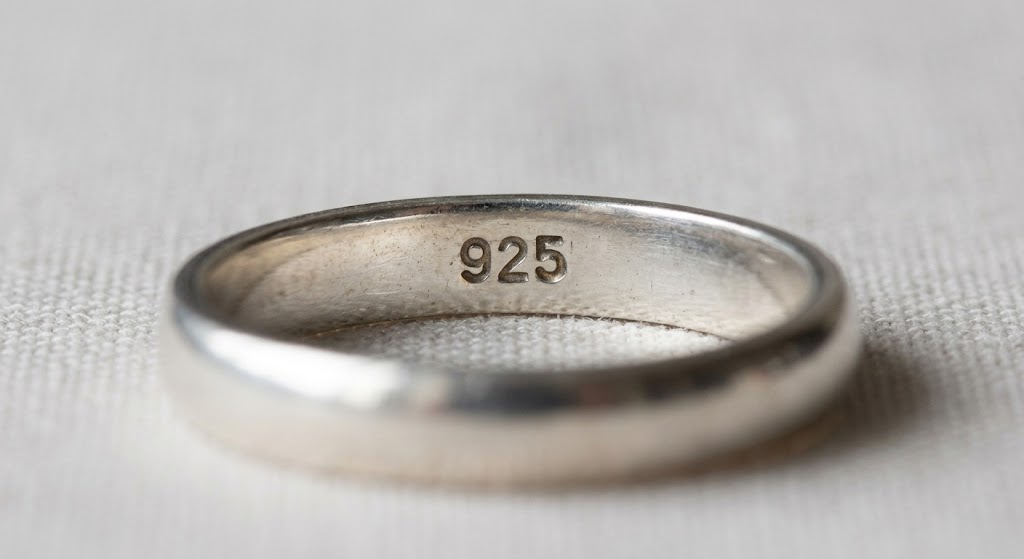
The 925 mark on jewelry signifies that the piece is made of sterling silver, containing 92.5% pure silver and 7.5% copper or other alloys. When you start building a collection, understanding what does 925 mean on jewelry is the most important step in verifying metal authenticity. These marks are the industry standard for high-quality silver products worldwide.
Is 925 considered real silver?
Yes, 925 is the official hallmark for sterling silver and is considered genuine precious metal. Because pure silver is naturally too soft for functional wear, jewelers must alloy it with stronger metals to ensure your rings and necklaces maintain their shape over time.
The truth is:
- 925 indicates a 92.5% silver purity.
- The remaining 7.5% is usually copper for strength.
- It is a solid alloy, not a surface plating.
Think about this: without that 7.5% of harder metal, your jewelry would bend or scratch with even the slightest pressure.
Key Takeaway: Always look for the 925 stamp to ensure you are purchasing authentic sterling silver that offers both beauty and durability.
| Marking | Material | Purity Percentage | Common Alloy | |
|---|---|---|---|---|
| 925 | Sterling Silver | 92.5% | Copper |
This table confirms that the 925 hallmark is the global benchmark for high-quality, wearable silver jewelry.
Is 750 gold better than what does 925 mean on jewelry?
Yes, 750 gold is significantly more valuable than what does 925 mean on jewelry because it contains a much higher concentration of gold, specifically 75% pure gold. While silver is beautiful, 18-karat gold (marked 750) is a premium investment metal favored by high-end luxury brands. This hallmark indicates a rich color and a weightiness that silver simply cannot match.
How much gold is in 750 jewelry?
The number 750 represents 750 parts per thousand, which means the item is 75% pure gold and 25% other metals. This ratio is the standard for 18K gold, offering a perfect balance between the prestigious look of gold and the hardness needed for daily use.
Here is the deal:
- 750 is the metric equivalent of 18-karat gold.
- It contains 75% pure gold by weight.
- Other metals like silver or zinc are added for color.
But wait, there’s more: 750 gold is much more resistant to tarnish compared to silver alloys, making it ideal for heirloom-quality pieces.
Key Takeaway: Choosing 750 gold ensures you have a high-purity item that retains significant financial value over time compared to silver.
| Marking | Karat Equivalent | Pure Gold Content | Metal Type | |
|---|---|---|---|---|
| 750 | 18K Gold | 75% | Premium Gold |
The 750 hallmark guarantees that three-quarters of the item’s weight consists of pure gold, justifying its higher price point.
How is 585 different from what does 925 mean on jewelry?
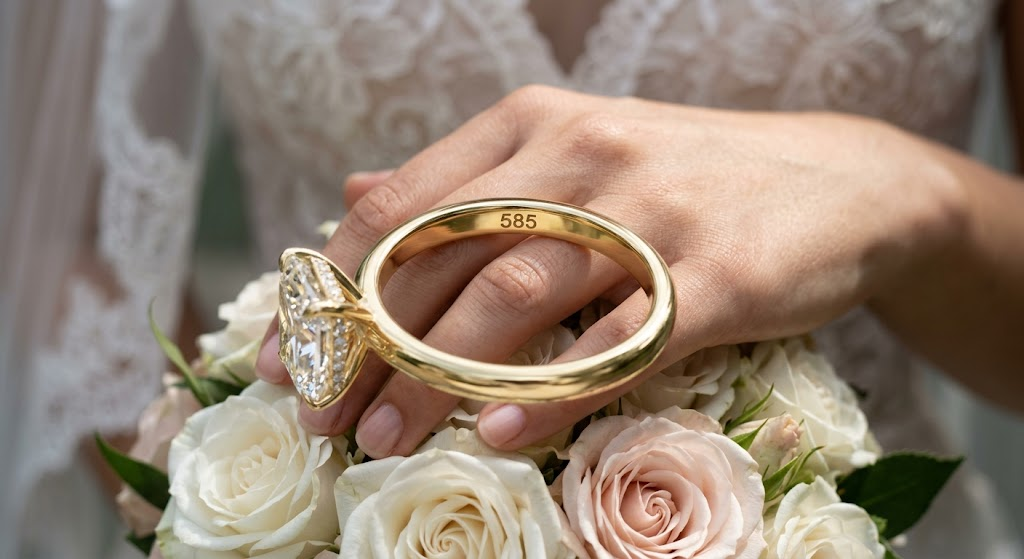
The 585 hallmark represents 14-karat gold, which has a 58.5% gold purity, whereas what does 925 mean on jewelry refers to a 92.5% silver purity. While the percentage of “pure” metal is lower in 585 gold than in 925 silver, the gold content makes it more expensive and durable. Understanding this distinction helps you choose the right metal for items that face heavy daily wear, like wedding bands.
Is 585 gold more durable than 750?
Generally, 585 gold is more durable than 750 gold because it contains a higher percentage of harder base metals. This 14K alloy is the most popular choice for engagement rings because it resists scratches and holds gemstones more securely during active lifestyles.
The best part?
- 585 gold contains 58.5% pure gold.
- It is the standard for 14-karat jewelry.
- It is less likely to bend than 18K gold.
Believe it or not, 14K gold is often the preferred choice for those who want the prestige of gold without the fragility of higher purities.
Key Takeaway: 585 gold provides the best balance of luxury, price, and structural integrity for jewelry you plan to wear every day.
| Marking | Karat Equivalent | Purity | Best Use Case | |
|---|---|---|---|---|
| 585 | 14K Gold | 58.5% | Daily Wear / Rings |
This data illustrates why 14K gold remains the industry standard for functional and long-lasting jewelry pieces.
Is GF content same as what does 925 mean on jewelry?
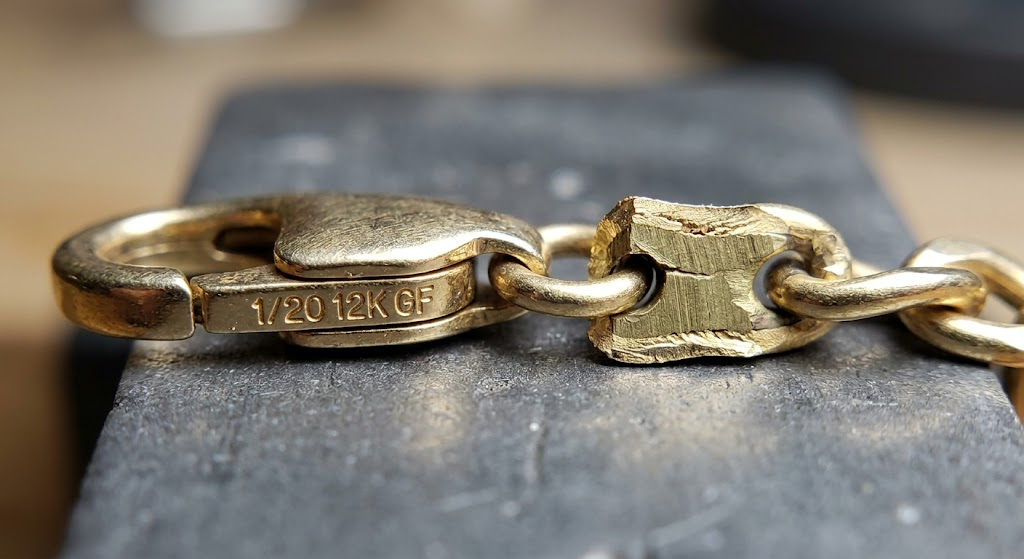
No, GF (Gold Filled) is a layered composite material and is completely different from what does 925 mean on jewelry , which indicates a solid precious metal alloy. While 925 silver is the same metal all the way through, Gold Filled pieces consist of a base metal core with a thick layer of gold bonded to the surface. This distinction is vital for understanding why some items are priced lower than solid gold but higher than simple plating.
What does 1/20 12K GF mean?
This marking tells you that 5% (1/20th) of the total weight of the jewelry is 12-karat gold bonded to a base metal like brass. Unlike plating, this layer is thick enough to last for many years without wearing off or exposing the metal underneath.
Think about this:
- GF items contain at least 5% gold by weight.
- The gold is mechanically bonded, not electroplated.
- It offers the look of solid gold at a fraction of the cost.
The truth is, Gold Filled jewelry is an excellent middle-ground option for those who want quality without the price tag of solid 585 or 750 gold.
Key Takeaway: Gold Filled items are high-quality alternatives to solid gold but do not hold the same intrinsic scrap value as 925 silver or solid gold alloys.
| Marking | Type | Gold Content | Layering Method | |
|---|---|---|---|---|
| 1/20 GF | Gold Filled | 5% by weight | Mechanical Bonding |
The table clarifies that Gold Filled jewelry is a complex layered material rather than a single solid precious metal.
Does HGE affect what does 925 mean on jewelry value?
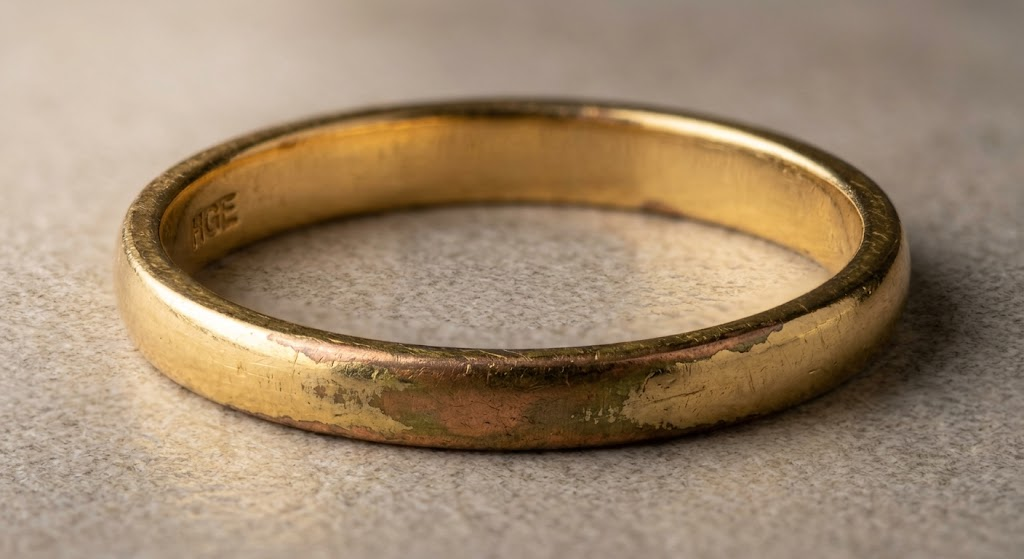
HGE stands for Heavy Gold Electroplate, and pieces with this mark have significantly less value than those identifying with what does 925 mean on jewelry. While 925 silver is a solid precious metal, HGE is merely a very thin layer of gold applied to a base metal like copper or brass. Knowing the difference prevents you from overpaying for items that may lose their gold color within a few months of wear.
What is hydro gold electroplate?
Hydro Gold Electroplate (HGE) is a process where a thin gold film is deposited onto jewelry using an electric current. This process is common in costume jewelry to give it a high-end look, but the layer is often only a few microns thick.
Wait, there’s more:
- HGE has almost zero resale value for its gold content.
- The plating can wear away with skin contact and moisture.
- It is often found on “fashion” jewelry rather than fine jewelry.
Here is the deal: if you see HGE, you are buying a piece designed for its aesthetic look rather than its metal purity or long-term investment value.
Key Takeaway: Avoid confusing HGE with solid gold or 925 silver if you are looking for jewelry that will retain its appearance and value over decades.
| Marking | Definition | Longevity | Base Metal | |
|---|---|---|---|---|
| HGE | Gold Plated | Low (Temporary) | Various (Brass/Steel) |
This comparison highlights that HGE is a surface treatment that does not equate to the solid metal quality of sterling silver.
Can magnets test what does 925 mean on jewelry items?
Yes, a magnet test is a simple home method to help verify what does 925 mean on jewelry and check for base metal imitations. Pure gold and silver are non-magnetic, so if your jewelry is attracted to a magnet, it is a clear sign that the piece contains a high percentage of iron or nickel. While this test is not definitive for all fakes, it is a fast way to spot low-quality plated steel.
How does the magnet test work?
To perform this test, you simply hold a strong magnet close to your 925, 585, or 750 marked item and observe if there is any pull. If the jewelry jumps to the magnet, it is likely a base metal with a thin silver or gold plating rather than a solid precious alloy.
The truth is:
- Precious metals are non-magnetic.
- Magnetism usually indicates a steel or iron core.
- Some clasps may have tiny steel springs that are magnetic.
Think about this: if the main body of the ring or chain sticks to the magnet, the hallmarks are almost certainly fraudulent.
Key Takeaway: Use the magnet test as a preliminary screening tool, but always follow up with professional testing for high-value items.
| Test Type | Target Metal | Expected Result | Reliability | |
|---|---|---|---|---|
| Magnet | Iron/Nickel | No Attraction | Medium |
While useful for identifying cheap imitations, the magnet test is just one of several steps in a full authentication process.
Why check for what does 925 mean on jewelry hallmarks?
Hallmarks are your legal guarantee of metal purity, and checking for what does 925 mean on jewelry ensures you are getting the quality you paid for. These stamps are required by law in most countries to protect consumers from deceptive marketing practices. By locating and verifying these marks, you can shop with confidence, knowing the metal’s composition has been certified by the manufacturer.
Where are jewelry stamps hidden?
Jewelers usually place hallmarks in discreet locations where they won’t interfere with the piece’s design or gemstones. Common locations include the inside of ring bands, the back of pendants, and the flat surfaces of necklace or bracelet clasps.
The best part?
- Stamps provide transparency for resale and insurance.
- They indicate the origin and purity of the metal.
- Looking for them becomes second nature with practice.
But wait, there’s more: a lack of any hallmark on a piece sold as precious metal is a major red flag that the item may be fake.
Key Takeaway: Always use a jeweler’s loupe to inspect for clear, legible hallmarks before finalizing any jewelry purchase.
| Jewelry Item | Typical Stamp Location | |
|---|---|---|
| Ring | Inner shank/band | |
| Necklace | Clasp or end tag | |
| Earrings | Post or butterfly back |
This table serves as a guide for where to look when verifying the authenticity of different jewelry types.
Does a box protect what does 925 mean on jewelry pieces?
Yes, using a high-quality box is essential for preserving the appearance of what does 925 mean on jewelry because it prevents environmental damage. Metals like sterling silver are highly reactive to sulfur and moisture in the air, which causes the dark tarnish known as oxidation. A lined, airtight box serves as a barrier, keeping your silver bright and your gold pieces free from abrasive scratches.
Why use custom boxes for storage?
Custom jewelry boxes provide a snug, padded environment that prevents your items from shifting and rubbing against one another. For 750 and 585 gold, which can be scratched by harder gemstones, individual compartments are the best way to maintain a mirror-like finish.
Here is the deal:
- Airtight storage slows down the tarnishing of silver.
- Soft linings prevent surface micro-scratches.
- Individual slots stop chains from tangling and breaking.
The truth is, the way you store your jewelry is just as important as the metal quality when it comes to long-term beauty.
Key Takeaway: Invest in dedicated storage solutions to protect the structural integrity and luster of your 925 and gold collections.
| Metal Type | Primary Threat | Ideal Storage | |
|---|---|---|---|
| 925 Silver | Tarnish/Oxidation | Airtight/Lined Box | |
| Solid Gold | Scratches/Bending | Padded Compartments |
Proper storage is the most effective way to ensure that the hallmarks and finishes of your jewelry remain pristine for years.
Do experts verify what does 925 mean on jewelry stamps?
Yes, professional jewelers use scientific testing to confirm the accuracy of what does 925 mean on jewelry stamps during appraisals. While hallmarks are a great starting point, they can sometimes be faked by unscrupulous sellers. Experts use acid tests, X-ray fluorescence (XRF), and electronic testers to provide a 100% certain breakdown of the metal’s purity and value.
How does acid testing work?
During an acid test, a small amount of metal is rubbed onto a touchstone, and specific acids are applied to the mark. The way the metal reacts or dissolves tells the jeweler exactly what the karat or purity level is, confirming if a 750 or 585 mark is truthful.
Think about this:
- Acid tests are highly accurate for gold and silver.
- XRF machines can test metal without any scratching.
- Appraisals are necessary for insurance documentation.
Wait, there’s more: professional verification is the only way to ensure that an heirloom piece is truly what its stamp claims it to be.
Key Takeaway: If you have any doubt about a hallmark, a professional appraisal is a small price to pay for total peace of mind.
| Method | Accuracy | Benefit | |
|---|---|---|---|
| Acid Test | High | Confirms Karat/Purity | |
| Appraisal | Absolute | Legal Value Document |
Expert verification adds a layer of security that visual inspection alone cannot provide for high-value items.
Are markings for what does 925 mean on jewelry permanent?
Hallmarks for what does 925 mean on jewelry are intended to be permanent, but they can fade or wear away over decades of constant use. On items like rings, the friction against your skin and other surfaces can gradually smooth out the metal, making the stamp illegible. However, the absence of a mark doesn’t always mean a piece is fake; it may simply be an antique that has seen a lifetime of love.
Can hallmarks wear away?
Yes, especially on the inner shanks of rings or the posts of earrings, the metal can slowly wear down. If a piece is resized, the jeweler might also accidentally remove the section of the band where the hallmark was originally located.
The truth is:
- Daily friction is the primary cause of fading.
- Antique jewelry often lacks modern standardized marks.
- Professional cleaning won’t usually remove a deep stamp.
Here is the deal: if your favorite ring’s 585 or 925 stamp is becoming hard to see, you can ask a jeweler to re-stamp it during your next maintenance visit.
Key Takeaway: Periodically check your jewelry’s hallmarks to ensure they remain legible for future identification and valuation.
| Factor | Effect on Hallmarks | Prevention | |
|---|---|---|---|
| Daily Friction | Fading/Smoothing | Periodic inspection | |
| Resizing | Stamp removal | Request re-stamping |
Understanding the limits of marking permanence helps you manage your collection’s documentation over the long term.
Frequently Asked Questions (FAQ)
1. Is 925 silver better than 585 gold?Neither is objectively better, as they serve different purposes; 925 silver is more affordable for large statement pieces, while 585 gold is more durable and holds higher intrinsic value.
2. Can I wear my 925 jewelry in the shower?No, you should avoid it because exposure to soaps, chemicals, and chlorine will significantly accelerate the tarnishing process of sterling silver.
3. What’s the best way to clean 750 gold?The best method is using warm water and a drop of mild dish soap, followed by a gentle rub with a soft microfiber cloth to restore its natural luster.
4. Can I trust a 925 stamp on a very cheap item?No, because extremely low prices for “925” items often indicate they are merely silver-plated base metals with a fraudulent stamp.
5. What should I do if my 585 jewelry turns my skin green?You should have the metal tested, as genuine 14K gold rarely causes skin discoloration; green marks usually suggest a high copper or nickel content found in plated base metals.
Conclusion
Understanding the meaning behind jewelry hallmarks like 925, 750, and 585 is the key to protecting your investments and your style. We have decoded how these numbers represent the purity of silver and gold, the differences between solid alloys and plated items, and the best ways to verify authenticity through testing and storage. Our vision is to empower every jewelry lover with the knowledge to curate a collection that lasts a lifetime. If you need professional packaging to safeguard your precious finds or have more questions about metal care, please contact us for expert guidance.