
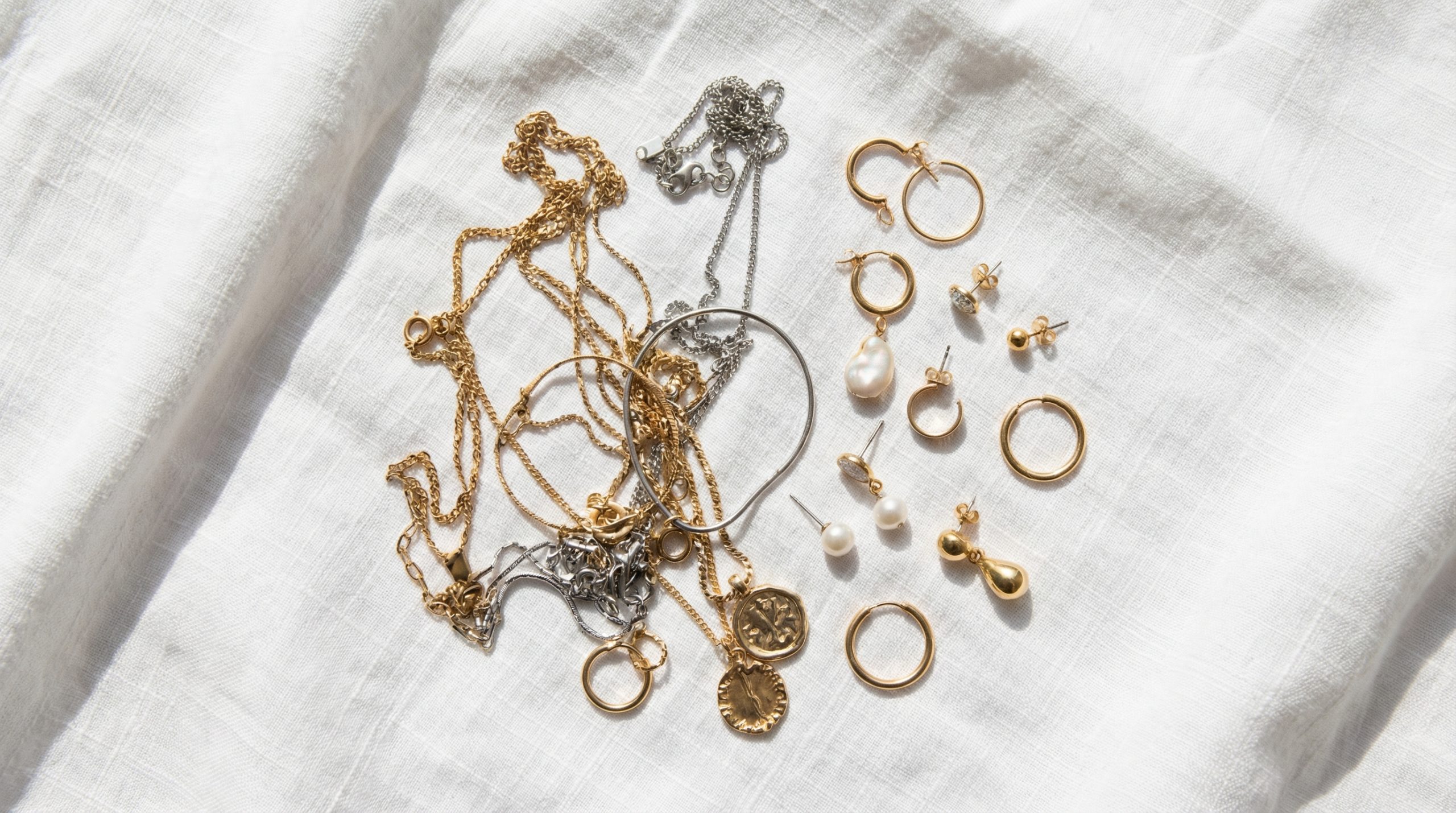
You can effectively organize a jewelry box by systematically sorting your collection, utilizing specialized protective dividers, and placing frequently worn pieces in the most accessible upper trays. Ever opened your jewelry box only to find a tangled mess of necklaces, mismatched earrings, and rings hiding in every corner? This daily chaos not only wastes your time but also risks permanent damage to your most precious heirlooms through scratching and oxidation. By learning how to organize jewelry box setups correctly, you can transform your morning routine into a serene experience of style and ease.
Why start with decluttering to how to organize jewelry box?
Decluttering allows you to assess the current state of your collection and removes the “noise” of broken or unused items that occupy valuable real estate. Before you can master how to organize jewelry box interiors, you must be honest about what you actually wear and what is simply taking up space.
How do you identify items to discard?
The first step in any successful organization project is a thorough audit of your inventory. Spread every piece out on a white towel to see the colors and conditions clearly without the distraction of shadows.
Here is the deal:
- Check for Damage: Identify broken clasps or missing stones.
- Analyze Usage: Note pieces you haven’t touched in over a year.
- Assess Value: Keep only what truly matters to you.
Should you repair or donate unused pieces?
Deciding the fate of each piece prevents the “clutter creep” that often ruins a storage system. Consider repairing valuable items while cleaning tarnished pieces to see if they regain their original luster.
But wait, there’s more:
- Repair Heirlooms: Fix settings for high-value items.
- Donate Styles: Give away pieces that no longer fit your taste.
- Sell Gold: Liquidate broken chains that cannot be mended.
Does sorting help you see the full collection?
Spreading everything out provides a high-level overview of your personal style and highlights gaps in your wardrobe. It ensures that when you begin the physical layout, you are working with a curated and functional inventory.
Key Takeaway: A smaller, curated collection is significantly easier to maintain and enjoy than a large, tangled one.
| Audit Phase | Objective | Outcome | |
|---|---|---|---|
| Initial Sort | Group by type | High-level overview | |
| Quality Check | Inspect for wear | Repair or discard list | |
| Stylistic Review | Align with current taste | Curated inventory |
Rigorous decluttering ensures that your storage space is reserved exclusively for items that add value to your life.
Can grouping items help how to organize jewelry box?
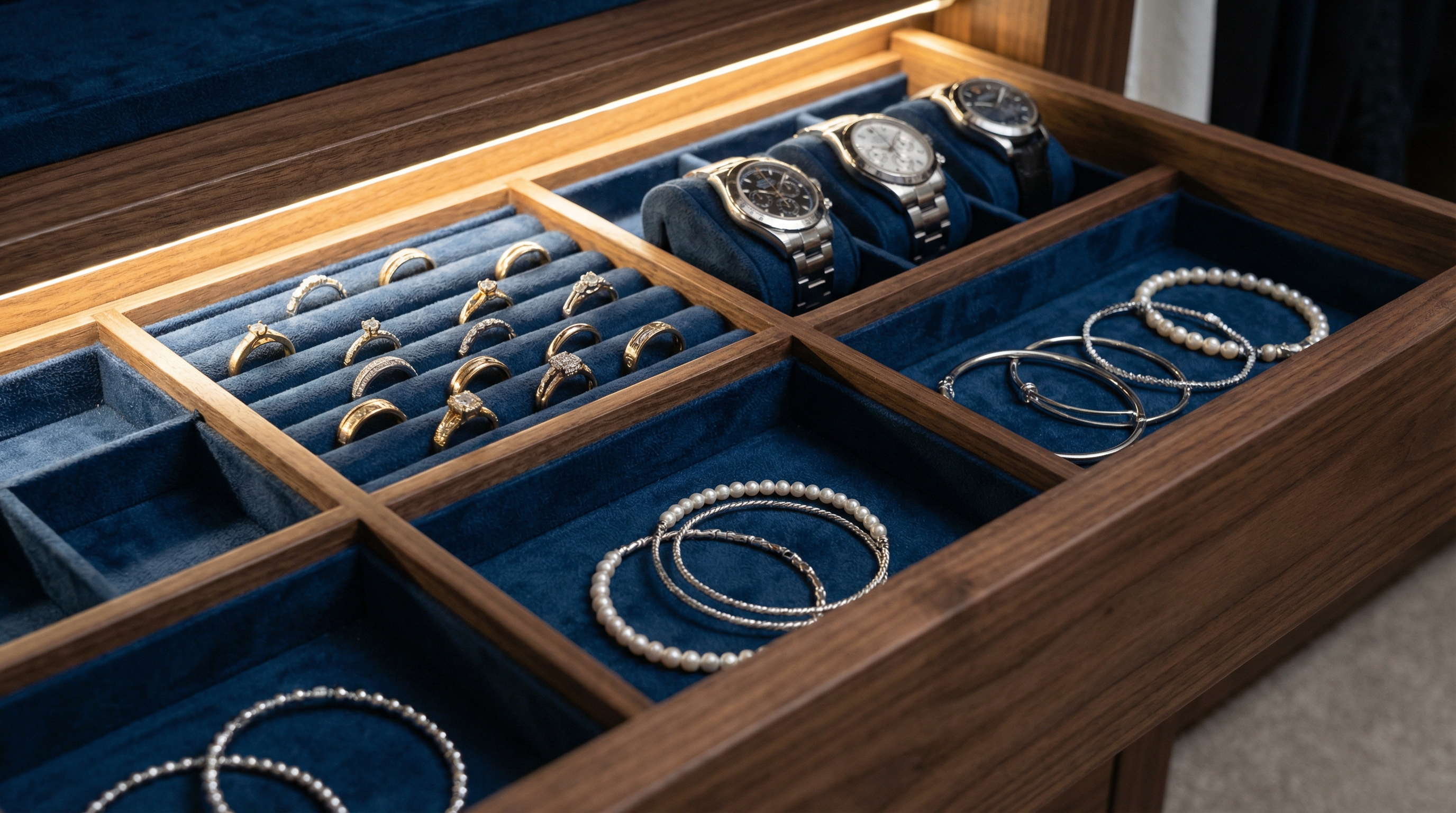
Grouping items by category creates a logical map for your brain, making it nearly effortless to locate specific pieces at a glance. When you understand how to organize jewelry box sections by type, you eliminate the need to hunt through multiple drawers for a matching set.
Why separate necklaces from bracelets?
Necklaces are the most prone to tangling, often forming “birds’ nests” when stored alongside chunky bracelets or watches. By dedicating a vertical space or a long, shallow tray specifically for chains, you ensure each piece remains straight and separate.
Believe it or not:
- Individual Hooks: Prevent chains from overlapping.
- Tray Dividers: Keep bracelets from sliding.
- Dedicated Pouching: Offers extra protection for high-value items.
How do you keep earring pairs together?
Earrings are notoriously easy to lose if they are allowed to roll freely in a large drawer. Using dedicated earring cards or small grid compartments keeps pairs united and prevents the frustration of finding only one half of a set.
Here is the kicker:
- Foam Inserts: Hold studs securely in place.
- Small Grids: Best for hoops and dangles.
- Magnetic Strips: Can catch metal backs.
Is sorting by color an effective strategy?
Sorting by metal or stone color helps you match accessories to your outfit with much greater speed. This visual system works best for those who own large collections of costume jewelry or distinct sets of gold and silver.
Key Takeaway: Physical separation is the most effective defense against the physical damage caused by metal-on-metal friction.
| Category | Recommended Tool | Benefit | |
|---|---|---|---|
| Necklaces | Long compartments | Tangling prevention | |
| Bracelets | Large square slots | Easy visibility | |
| Watches | Padded pillows | Shape retention |
Logical grouping acts as a visual inventory system that saves you time every single morning.
Does usage frequency guide how to organize jewelry box?
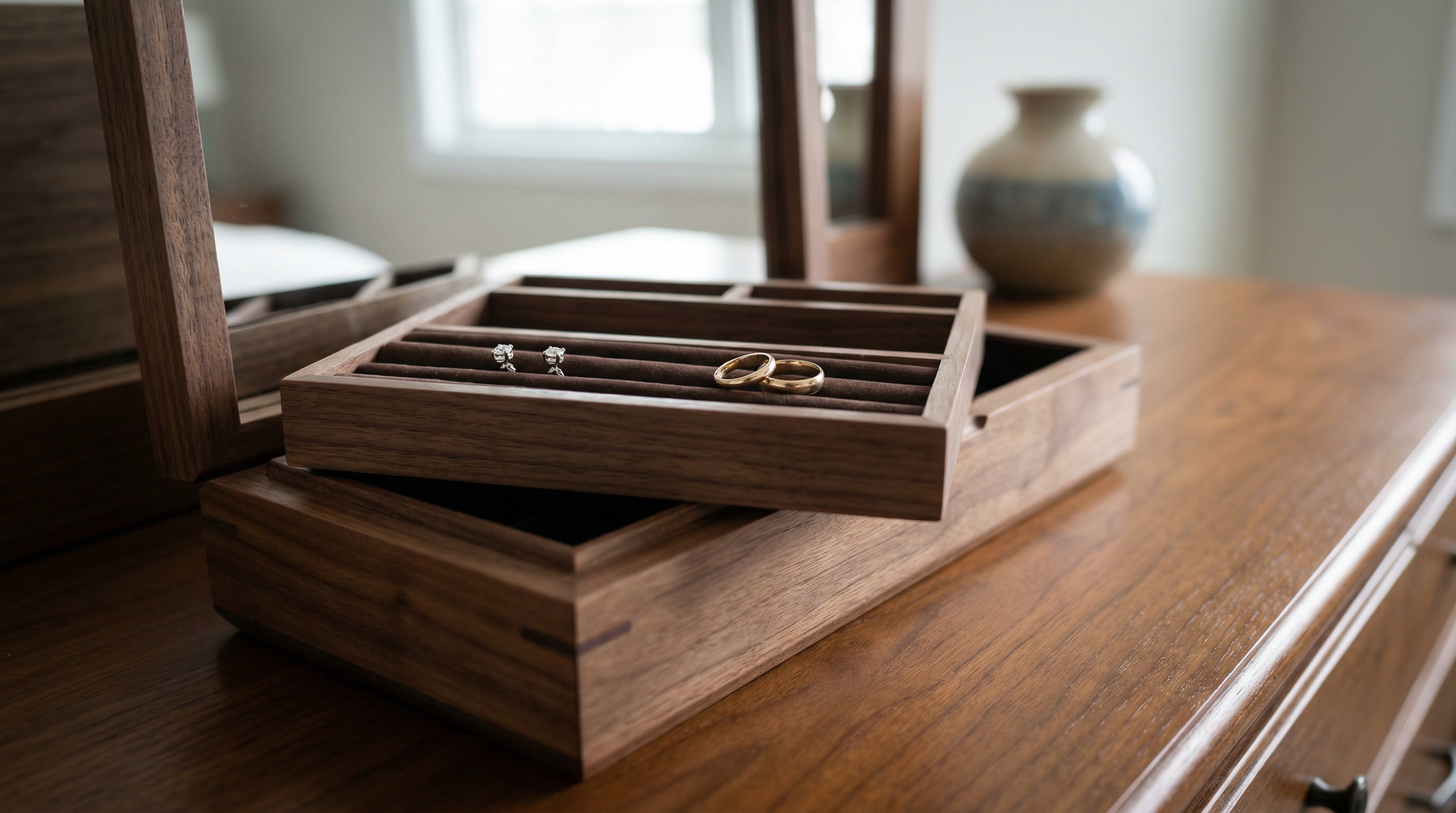
Usage frequency is the primary factor in determining the “prime real estate” within your storage solution. To optimize how to organize jewelry box layouts, you should place the items you reach for daily in the top-most compartments or the front of the drawer.
Where should you place everyday items?
Your daily staples, such as simple studs, wedding bands, or a signature watch, should be accessible within seconds. Placing these in an open top-tray prevents you from having to dig through deeper layers while you are in a rush.
Here is the deal:
- Top Tray Access: Best for rings and small earrings.
- Eye-Level Storage: Ideal for frequently used necklaces.
- Frontal Layout: Keeps high-rotation items visible.
How do you store special occasion pieces?
Formal sets or sentimental heirlooms that are only worn a few times a year should be placed in the lower drawers or back sections. These items benefit from more secure, dust-free environments that prioritize protection over immediate accessibility.
But wait, there’s more:
- Bottom Drawers: Protect items from frequent light exposure.
- Fabric Pouches: Ideal for seasonal or statement pieces.
- Lidded Sections: Prevent dust accumulation on rare items.
Key Takeaway: Strategic placement reduces the wear and tear on your storage system and keeps your most-used items pristine.
| Frequency | Storage Level | Access Speed | |
|---|---|---|---|
| Daily | Top/Front | Immediate | |
| Weekly | Middle Trays | 5-10 Seconds | |
| Monthly/Special | Bottom/Back | Secure & Protected |
Designing your layout around your habits ensures the organization system remains sustainable over the long term.
Which storage tools show how to organize jewelry box?
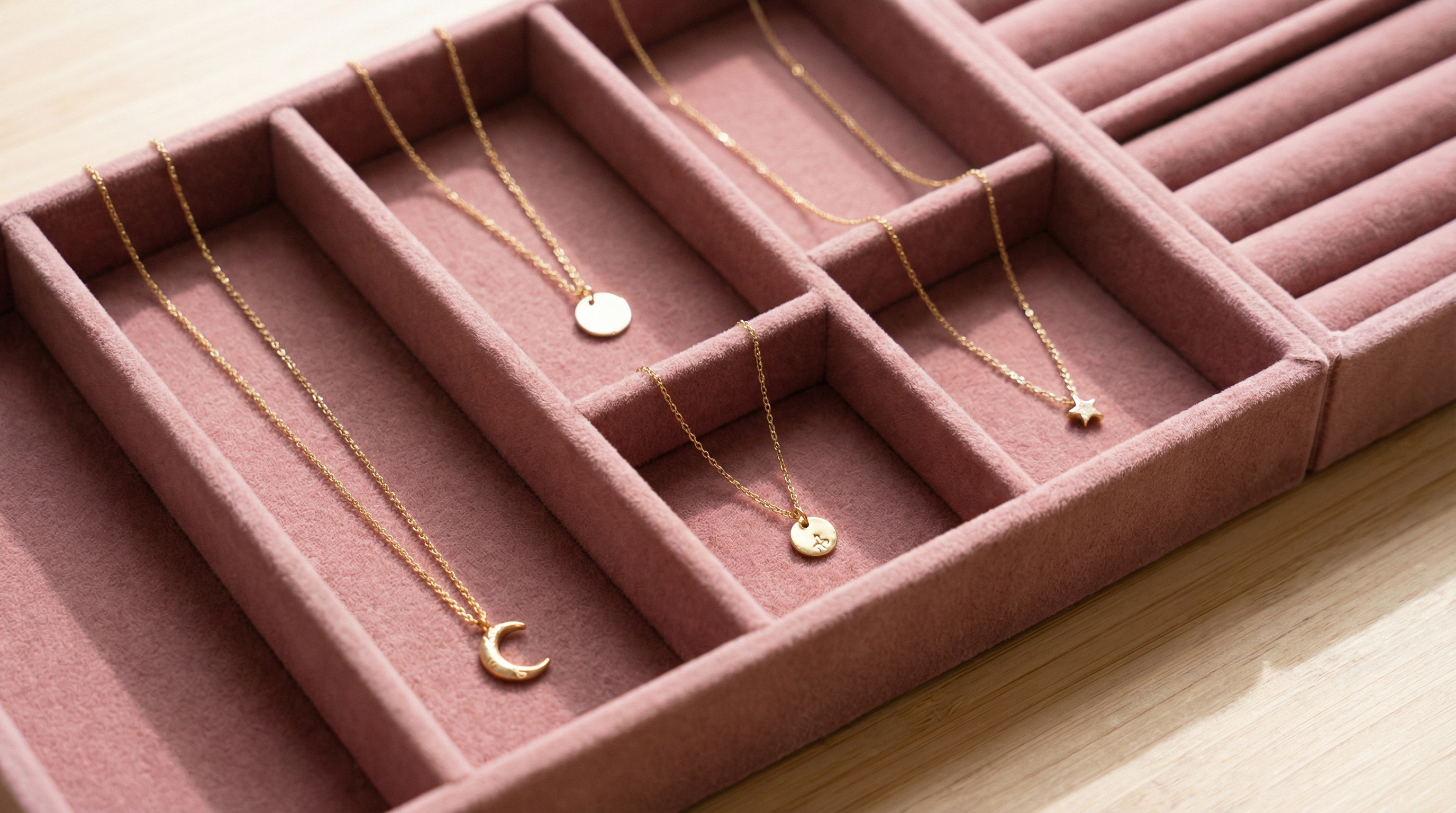
The right tools act as the skeleton for your collection, providing structure and protection where it is needed most. Choosing how to organize jewelry box interiors often depends on the specific dimensions of your pieces, from oversized cuffs to tiny nose studs.
Are dividers better than small pouches?
Dividers offer the benefit of instant visibility, allowing you to see your entire collection the moment the lid is lifted. Pouches are excellent for preventing oxidation of silver but can make it harder to find what you need quickly if not labeled.
The kicker is:
- Velvet-Lined Dividers: Cushion delicate stones and metals.
- Acrylic Organizers: Provide a modern, transparent aesthetic.
- Adjustable Slots: Allow for customized layouts.
Should you use hooks for longer chains?
Hooks are the gold standard for long necklaces because they utilize gravity to keep chains straight and untangled. If your box lacks built-in hooks, you can add small adhesive ones to the inside of the lid or the back of an armoire door.
Believe it or not:
- Vertical Hanging: Eliminates the risk of knots.
- Spacing: Keep hooks at least an inch apart.
- Stoppers: Prevent chains from sliding off during use.
Do ring rolls provide better protection?
Ring rolls hold bands securely in place using friction, which prevents them from rattling against each other and scratching. This is the most professional way to display a collection of rings while ensuring they remain in pristine condition.
Key Takeaway: A combination of rigid dividers and soft linings provides the best balance of accessibility and protection.
| Tool | Best Used For | Protective Quality | |
|---|---|---|---|
| Ring Rolls | Wedding bands, cocktail rings | High friction grip | |
| Grid Dividers | Stud earrings, charms | Impact isolation | |
| Fabric Pouches | Fine silver, heirlooms | Anti-tarnish |
Investing in high-quality internal components is essential for preserving the longevity of your investment pieces.
Why is maintenance vital to how to organize jewelry box?
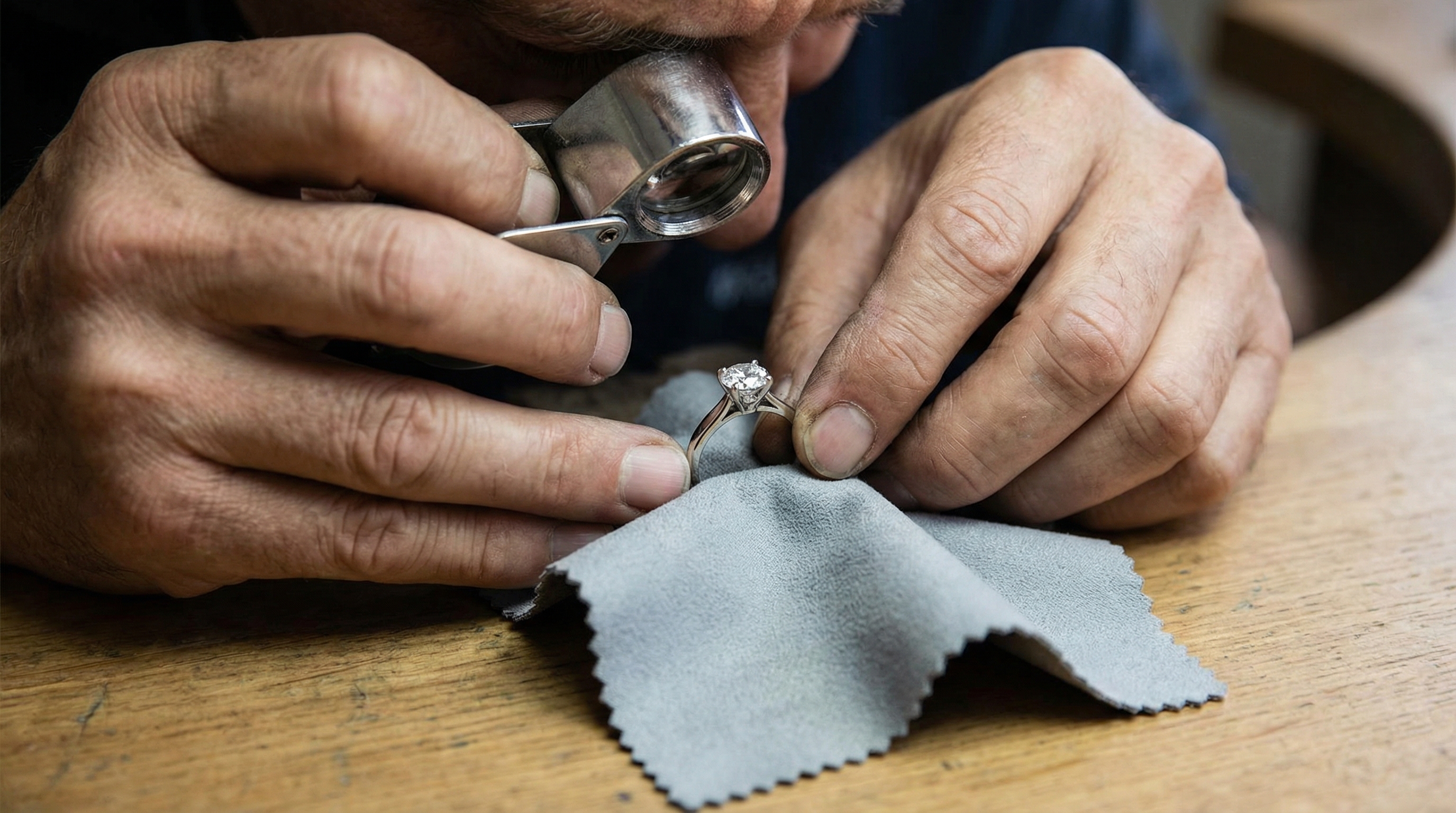
Organization is not a one-time event but a continuous process that keeps your collection functional. If you neglect how to organize jewelry box maintenance, the system will eventually revert to a state of clutter and confusion.
How often should you inspect for damage?
A monthly check of your jewelry box is the professional standard for high-end collections. This gives you the chance to spot loose settings or frayed threads on pearl strands before a total failure occurs.
Check this out:
- Tighten Clasps: Ensure security for heavy necklaces.
- Check Stones: Look for movement in prong settings.
- Evaluate Finish: Spot early signs of tarnishing.
Does rotation prevent long-term tarnishing?
Rotating your jewelry ensures that no single piece sits in a “dead zone” of the box where moisture might accumulate. It also encourages you to wear more of your collection, which keeps items clean through regular contact with skin oils.
Here is the deal:
- Quarterly Rotation: Move items from back to front.
- Seasonal Selection: Bring appropriate colors to the top.
- Air Circulation: Prevents stale air from trapped humidity.
Why is returning items to their spot important?
The simple habit of returning pieces to their designated slots after wearing them is what keeps a professional organization system alive. It prevents the “dumping” effect that leads to tangles and lost earrings.
Key Takeaway: Regular audits prevent small maintenance issues from turning into expensive replacement costs.
| Maintenance Task | Frequency | Value Preserved | |
|---|---|---|---|
| Wipe down | Monthly | Shine and luster | |
| Professional check | Annually | Structural integrity | |
| Re-sort | Quarterly | System efficiency |
Consistently tending to your storage environment guarantees that your jewelry remains ready for any occasion.
Can cleaning pieces improve how to organize jewelry box?
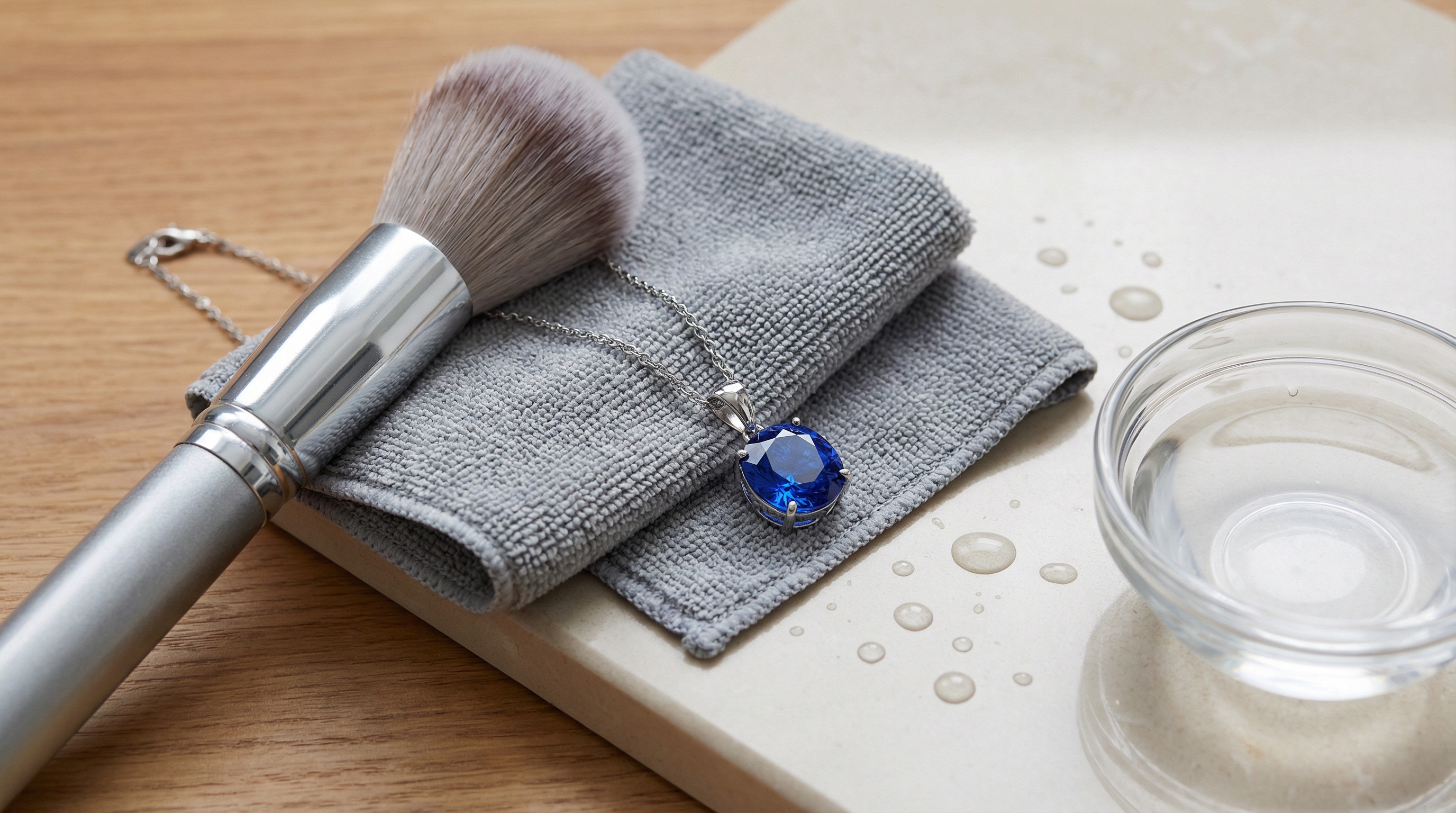
Clean jewelry is easier to organize because it is more visually distinct and less likely to transfer oils or dirt to the box lining. Knowing how to organize jewelry box spaces effectively includes ensuring that every piece returned to its slot is free of debris.
What tools are needed for safe cleaning?
You do not need expensive chemicals to keep your pieces sparkling at home. A soft-bristled toothbrush, mild dish soap, and a lint-free microfiber cloth are usually sufficient for most hard gemstones and precious metals.
The best part is:
- Soft Brushes: Reach into intricate filigree.
- Warm Water: Dissolves skin oils and lotions.
- Polishing Cloths: Remove surface fingerprints.
How do you protect stones while scrubbing?
When cleaning, always support the stone from the back to prevent putting undue pressure on the prongs. Avoid harsh chemicals like bleach or ammonia, which can dull the finish of gold and weaken the structure of some gemstones.
Here is the deal:
- Gentle Pressure: Never force the bristles.
- Drying: Use cool air or soft cloths.
- Stone Check: Verify settings after every cleaning.
Key Takeaway: Clean pieces reflect more light, making your organized box look like a professional retail display.
| Material | Cleaning Method | Caution | |
|---|---|---|---|
| Gold/Diamonds | Mild soap soak | Avoid harsh bleach | |
| Pearls | Damp soft cloth | Never soak in water | |
| Silver | Polishing cloth | Avoid abrasive pastes |
Maintaining the cleanliness of your items protects the internal fabric of your jewelry box from staining.
How to organize jewelry box setups for frequent travel?
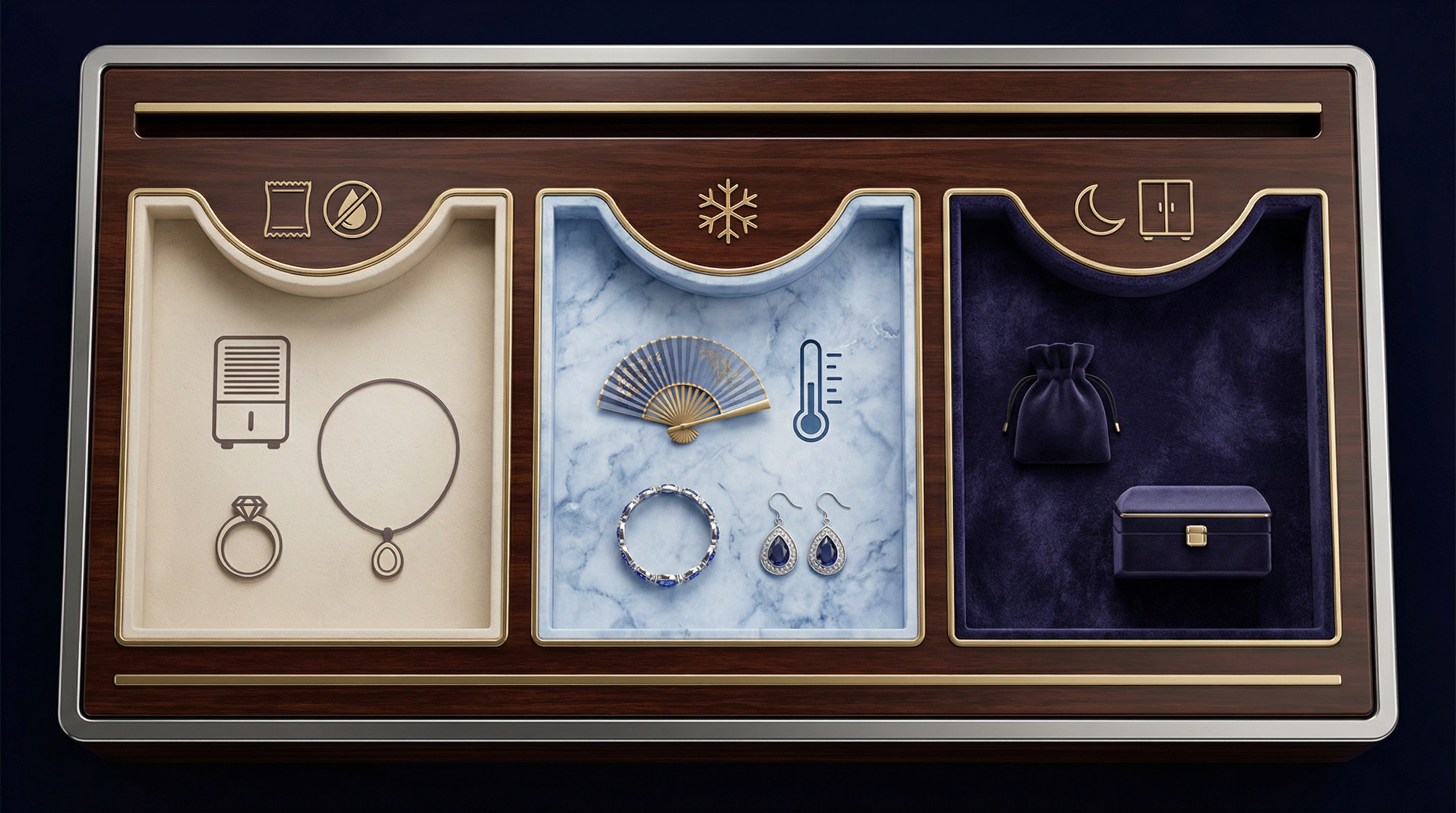
Travel organization requires a more compact and secure approach to prevent items from shifting during transit. Mastering how to organize jewelry box configurations for mobility ensures that your accessories arrive at your destination in the same condition they left.
Are compact travel cases truly effective?
Modern travel cases are designed with specific anchors for rings, earrings, and necklaces, providing a level of security that loose pouches cannot match. They are effective because they isolate each piece, preventing the impact damage caused by vibration.
But wait, there’s more:
- Snap Closures: Hold necklaces firmly at the top.
- Padded Walls: Absorb shock from luggage handling.
- Flat Profiles: Save space in carry-on bags.
How do you prevent tangles during transit?
The most effective way to prevent tangles while traveling is to secure each necklace individually. Many professional travel cases feature elastic loops that hold the top of the chain, while a pouch at the bottom catches the pendant weight.
Here is a pro tip:
- Straw Hack: Thread chains through a straw for rigidity.
- Button Hack: Use buttons to keep earring pairs together.
- Pill Organizers: Great for small rings and studs.
Key Takeaway: Minimizing movement within the travel case is the secret to tangle-free arrival.
| Travel Item | Storage Solution | Security Level | |
|---|---|---|---|
| Studs | Foam earring card | Very High | |
| Chains | Individual snap loops | High | |
| Bangles | Padded central roll | Medium |
Choosing a dedicated travel case with built-in security features is far superior to using plastic bags or loose pouches.
Do metal types affect how to organize jewelry box?
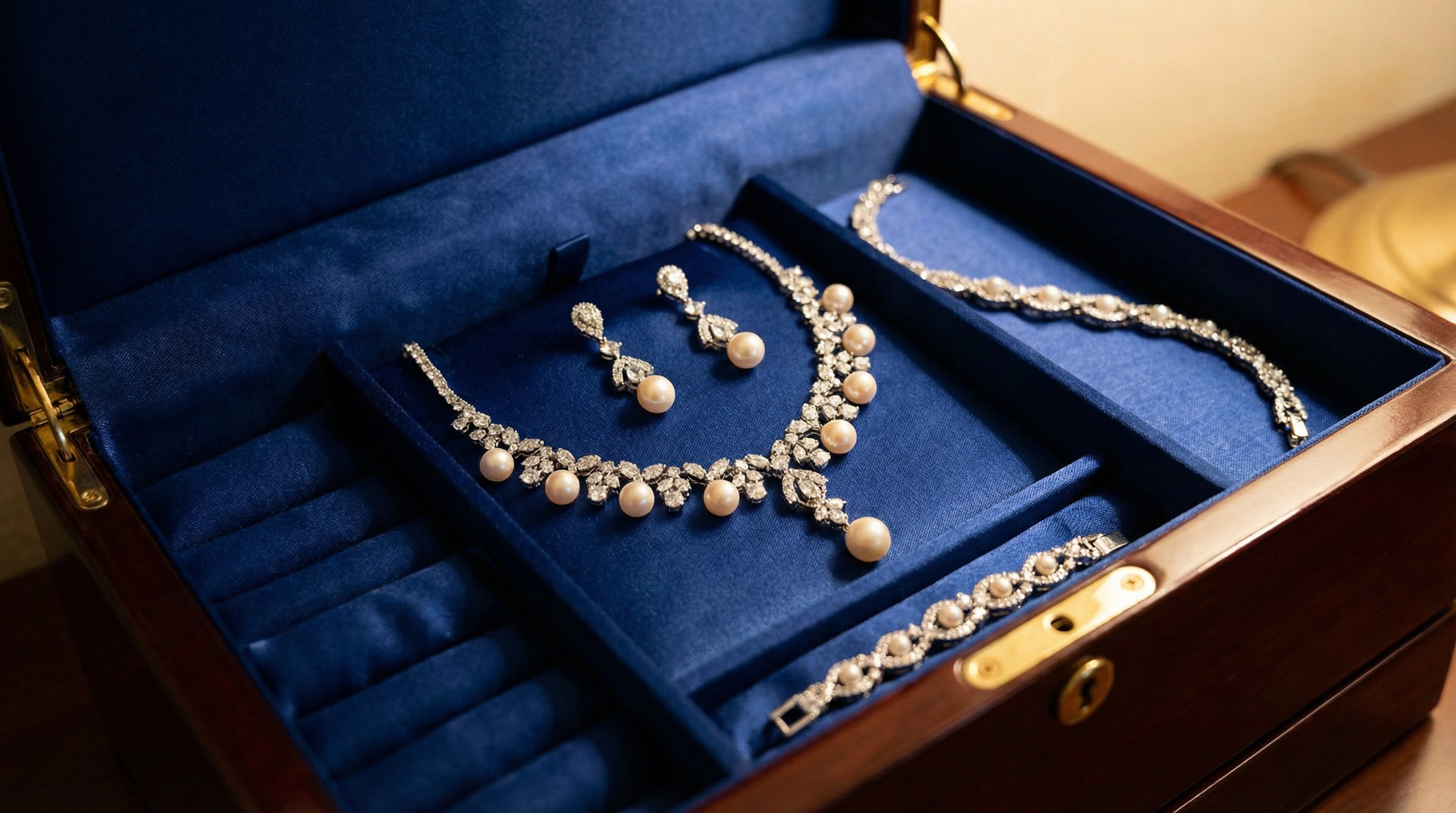
Different metals have different chemical properties, which means they can react poorly if stored in direct contact with one another. When researching how to organize jewelry box guidelines, pay close attention to the needs of silver versus gold.
Should gold and silver be stored apart?
Silver is prone to oxidation when exposed to air and moisture, which causes it to turn black over time. Storing silver in anti-tarnish bags within your box is the best way to keep it separate from gold pieces, which do not tarnish but can be easily scratched.
Check this out:
- Anti-Tarnish Bags: Essential for sterling silver.
- Soft Separators: Prevent gold from getting scratched.
- Distinct Trays: Keep metal groups visually separate.
How do you protect delicate pearl strands?
Pearls are soft and porous, meaning they can be scratched by almost any metal or gemstone. They should always be stored in a soft cloth pouch or a separate silk-lined compartment to keep them away from harder jewelry.
Believe it or not:
- Silk Linings: Offer the softest environment for nacre.
- Laying Flat: Prevents the thread from stretching.
- Isolation: Keeps chemicals from other pieces away.
Does moisture control prevent metal oxidation?
Controlling the humidity inside your jewelry box is vital for preventing the green film often found on copper-based alloys. Using small silica packets hidden in a corner of your box can absorb excess moisture and extend the life of your metal finishes.
Key Takeaway: Managing the chemical environment of your jewelry box is just as important as the physical layout.
| Metal Type | Primary Risk | Storage Solution | |
|---|---|---|---|
| Sterling Silver | Tarnishing | Sealed anti-tarnish bag | |
| 14k/18k Gold | Scratching | Individual velvet slots | |
| Platinum | Dulling | Soft fabric wrapping |
Careful separation by metal type preserves the finish and value of every piece in your collection.
Can DIY hacks teach you how to organize jewelry box?
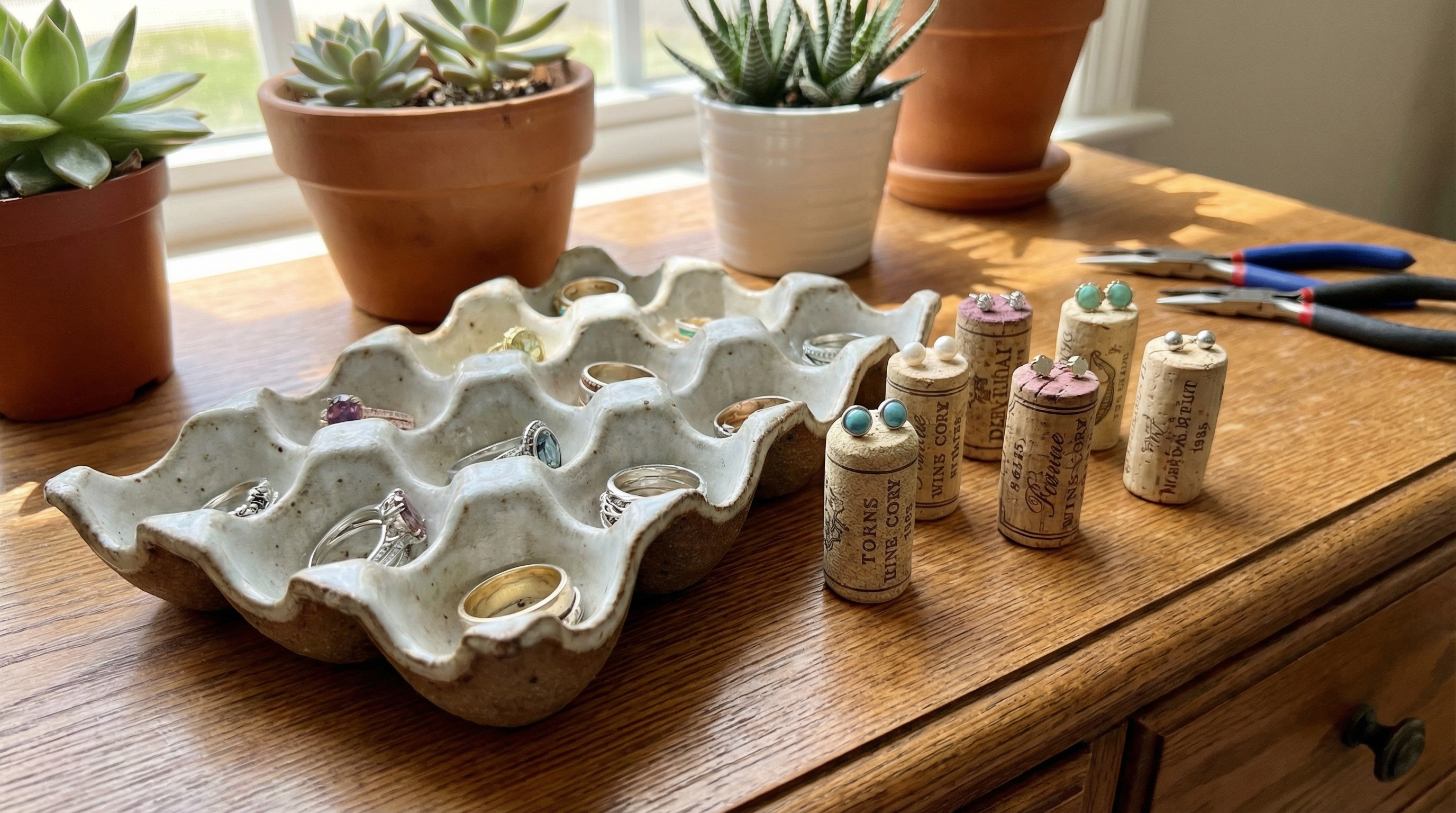
DIY solutions can be an excellent way to customize a standard storage unit to fit unique or oversized pieces. Understanding how to organize jewelry box interiors doesn’t always require buying a new system; sometimes, simple household items provide the best fix.
Can buttons keep small studs organized?
Threading your small stud earrings through the holes of a spare button is a genius way to ensure the pairs never get separated. This hack is particularly useful for storing small earrings in the tiny pockets of a travel bag or jewelry drawer.
The kicker is:
- Pair Retention: Buttons keep the pair physically locked together.
- Visibility: Makes it easier to spot tiny studs.
- Stability: Prevents backs from sliding off.
Are egg cartons useful for sorting rings?
While not a long-term solution, an egg carton can serve as an excellent temporary sorting tray while you are mid-reorganization. The individual cups are perfectly sized for cocktail rings or large statement earrings that might otherwise roll around.
Here is the deal:
- Visual Separation: Each ring gets its own “pod.”
- Sorting Aid: Use it to group rings by color or style.
- Customization: Can be lined with fabric for more protection.
Key Takeaway: Creative repurposing allows you to test different organization styles before committing to a permanent solution.
| DIY Item | Jewelry Use | Effectiveness | |
|---|---|---|---|
| Buttons | Earring pair keeper | High | |
| Tea Cups | Bangle storage | Medium | |
| Picture Frame | Hanging necklace rack | High |
Innovative DIY hacks prove that a high-functioning organization system is more about strategy than spending.
How to organize jewelry box layouts for gift sets?
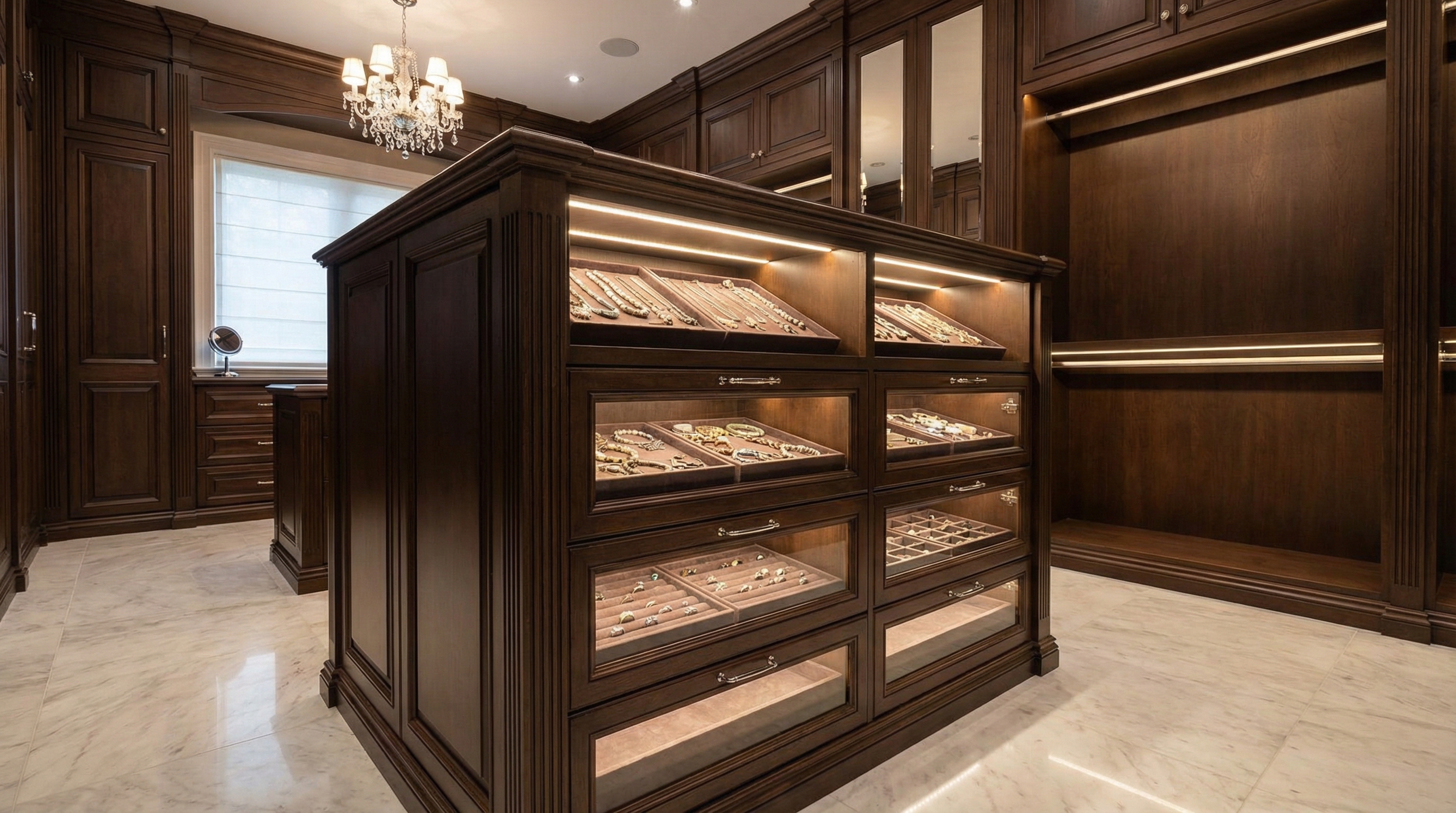
Gift sets often come with a necklace, earrings, and sometimes a ring that are designed to be worn together. Knowing how to organize jewelry box layouts for these sets ensures you never lose one piece of the puzzle.
Should you keep original boxes for sets?
Original packaging is often bulky and takes up too much room, but it does keep the set together perfectly. A better professional approach is to use a multi-item compartment within your main box that is large enough to hold the entire suite.
Check this out:
- Suite Trays: Designed for matching sets.
- Custom Inserts: Hold specific shapes securely.
- Aesthetic Unity: Keeps your look cohesive.
How do you store matching jewelry together?
If you don’t have a large suite tray, use a clear pouch or a designated small drawer for each set. This prevents the “orphan” effect where you wear the necklace but can’t find the matching earrings in time for your event.
Believe it or not:
- Proximity: Keep sets in the same vertical column.
- Labeling: Useful for deeper, non-transparent drawers.
- Color Coding: Store all matching blue sets together.
Key Takeaway: Keeping sets together preserves the stylistic intent and simplifies your styling process for formal events.
| Set Component | Storage Method | Benefit | |
|---|---|---|---|
| Matching Suite | Combined slot | Aesthetic unity | |
| Fine Heirlooms | Original box (if slim) | Documentation preservation | |
| Costume Sets | Divided square tray | Cost-effective sorting |
By prioritizing the unity of your sets, you ensure that your most cohesive looks are always ready to wear.
Refining your storage system is more than just a home chore; it is an investment in your personal brand and the longevity of your treasures. By following these professional steps, you solve the daily headache of tangles and the long-term risk of damage. Our vision is to empower you to treat your collection with the respect it deserves, ensuring every piece remains as radiant as the day you acquired it. If you need help selecting a custom storage solution to fit your growing collection, please contact us today for expert advice.
Frequently Asked Questions
Can I store pearls with my diamond rings? No, diamonds are the hardest gemstone and can easily scratch the soft surface of a pearl.
What’s the best way to prevent silver from tarnishing in a box? Use anti-tarnish strips or keep silver in small, airtight bags within your jewelry box.
Can I use a hanging organizer for all my jewelry? Hanging organizers are great for necklaces but can be less secure for heavy rings or delicate studs.
What is the ideal location for a jewelry box? Keep your box in a cool, dry place away from direct sunlight and bathroom humidity.
How do I clean the velvet lining of my jewelry box? Use a lint roller or a piece of masking tape to gently lift dust and debris from the fabric.