
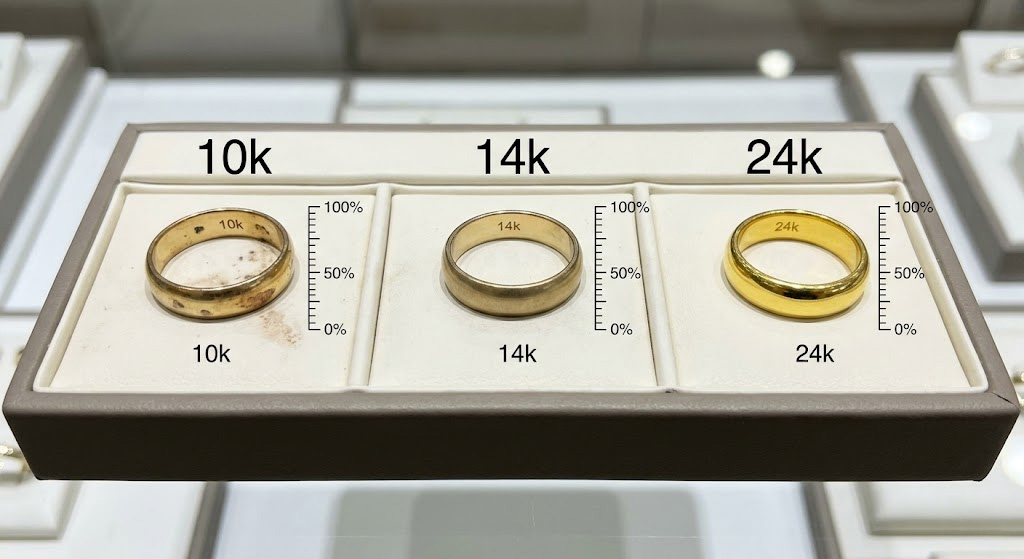
Yes, 10k gold can tarnish because it contains a high percentage of non-gold alloy metals that react with the environment. You might notice your favorite 10k gold ring or necklace losing its luster, developing dark spots, or even leaving a faint mark on your skin. Is the gold fake, and have you wasted your investment? The fear that a cherished piece of jewelry is permanently ruined can be distressing for any owner, especially when the metal starts to darken. This guide explains the science behind why does 10k gold tarnish, how to distinguish it from simple dirt, and the professional storage and cleaning steps needed to restore its original brilliance at yxjewelrypackaging.com .
Does 10k Gold Tarnish or Is It Just Surface Dirt?
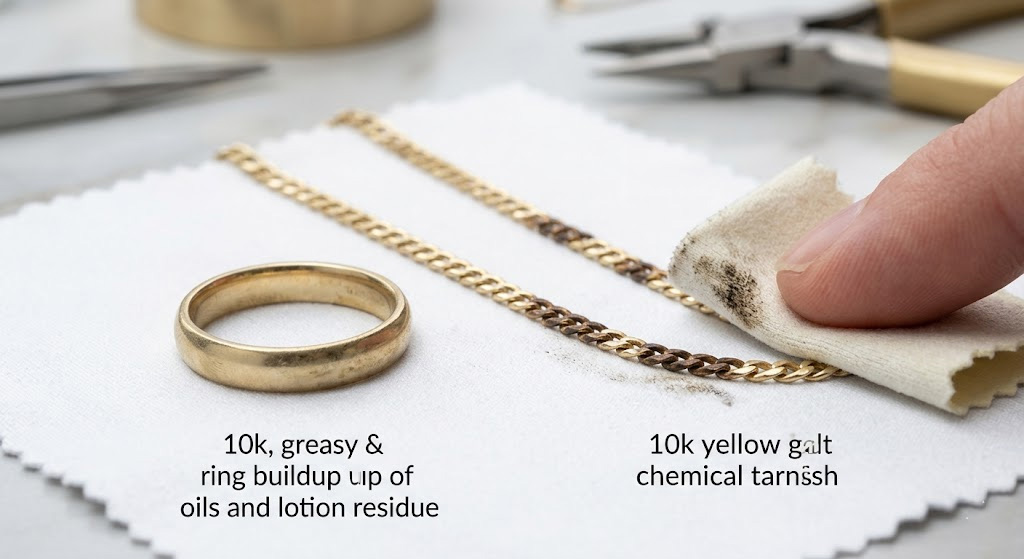
10k gold can experience both actual chemical tarnishing and the accumulation of surface grime from daily wear. Understanding does 10k gold tarnish requires looking at its composition versus environmental exposure. While dirt is just a buildup of oils, tarnish is a chemical reaction on the metal’s surface.
Identifying the Signs of Tarnish
Think about it: If your jewelry looks dull but doesn’t change color, it might just be dirty. However, if you see the following, it is likely tarnish:
- A brownish or blackish film on the metal.
- Dark spots that don’t rub off with a dry cloth.
- A persistent loss of yellow vibrancy.
How Dirt and Oils Mimic Oxidation
The best part? Most of the time, what looks like tarnish is actually just a combination of organic materials. These build up in the crevices of your jewelry over several weeks. Common culprits include:
- Hand lotions and skin creams.
- Natural body oils and sweat.
- Cooking grease or household dust.
The Quick Surface Wipe Test
Here is the kicker: You can often tell the difference between dirt and tarnish by using a specialized jewelry polishing cloth. If the dark marks come off instantly with one swipe, it was likely just surface grime.
| Test Type | Surface Dirt Result | Tarnish Result | |
|---|---|---|---|
| Microfiber Wipe | Removed immediately | Remains visible | |
| Warm Water Rinse | Clears the film | No significant change | |
| Visual Texture | Sticky or greasy | Flat, metallic discoloration |
Key Takeaway: Real tarnish is a chemical bond that requires specific cleaning agents, whereas dirt is merely sitting on the surface. The distinction is vital because over-cleaning tarnish with abrasive tools can damage the underlying gold.
Why Does 10k Gold Jewelry Change Color Over Time?
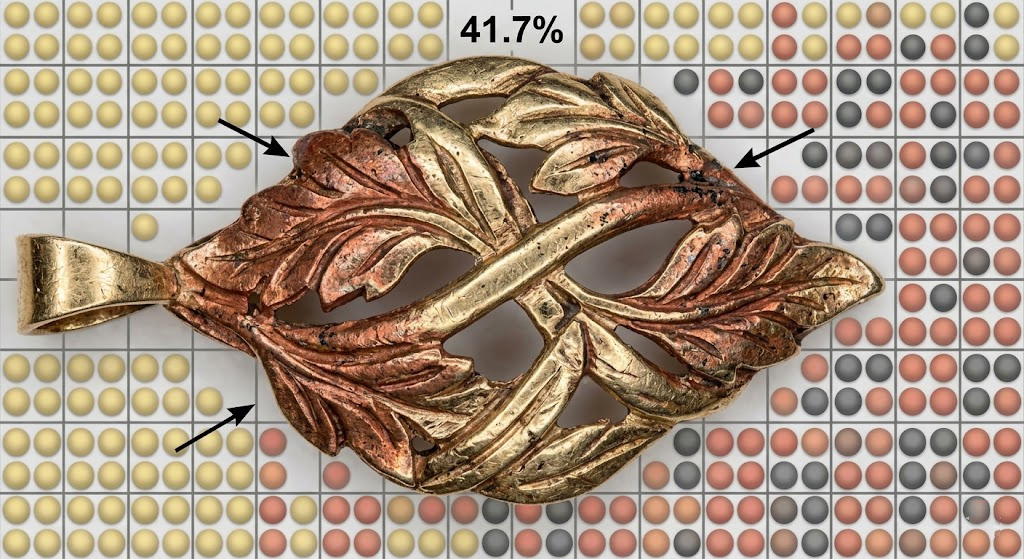
The primary reason 10k gold changes color is the high concentration of base metals like copper and silver in its 58.3% alloy content. When people ask does 10k gold tarnish, they are usually observing the oxidation of these base metals. Pure gold is a noble metal that does not react with oxygen, but 10k gold is less than half pure.
The Role of Base Metal Alloys
Look at it this way: The 41.7% gold content in 10k jewelry is held together by a majority of other metals. These metals are added to make the jewelry harder and more affordable. Common alloys used include:
- Copper (for strength and color).
- Silver (for luster).
- Zinc or Nickel (for durability).
Chemical Reactions with Oxygen and Sulfur
But wait, there’s more: Tarnish is the result of a chemical process called oxidation. When the copper or silver in your 10k gold meets oxygen or sulfur in the air, it creates a new compound. This reaction results in:
- Copper oxide (greenish-black).
- Silver sulfide (black).
- General surface darkening.
How Copper and Silver Cause Darkening
Think about it: Copper is especially reactive to the moisture in the air. When copper oxidizes, it can turn the gold a reddish-brown or even leave a green tint.
- Copper reacts with skin acids.
- Silver reacts with sulfur in the atmosphere.
- Both result in a dull, aged appearance.
Key Takeaway: The color change is a natural chemical response of the alloy metals, not a sign that the gold is “fake.”
| Alloy Metal | Reaction Cause | Color Result | |
|---|---|---|---|
| Copper | Oxygen/Moisture | Green or dark brown | |
| Silver | Sulfur/Pollution | Black or gray | |
| Zinc | Acids/Chemicals | Dull, matte finish |
The higher the alloy content, the more likely you are to see these distinct color shifts.
How Does 10k Gold Compare to 14k and 24k Purity?
10k gold tarnishes more frequently than 14k or 24k gold because it contains the lowest percentage of pure gold allowed for sale in many countries. If you are wondering does 10k gold tarnish faster than higher karats, the answer is a definitive yes. The higher the karat, the more “noble” and non-reactive the piece becomes.
Understanding Karat Composition Ratios
The best part? Karats are a simple way to measure how much pure gold is in a piece versus other metals. This ratio determines almost everything about the jewelry’s behavior.
- 24k: 99.9% Pure Gold.
- 18k: 75.0% Gold.
- 14k: 58.3% Gold.
- 10k: 41.7% Gold.
Why Higher Karats Resist Oxidation Better
Here is the kicker: Gold itself is chemically inert, meaning it refuses to bond with oxygen or sulfur. Therefore, a piece with more gold atoms naturally protects the alloy atoms from reacting.
- 24k gold never tarnishes.
- 14k gold tarnishes very slowly.
- 10k gold requires the most maintenance.
Durability vs. Tarnish Susceptibility
Look at it this way: While 10k gold tarnishes more easily, it is also much harder and more scratch-resistant than 24k gold. This makes it a popular choice for rings that take a lot of daily abuse.
- 10k is best for active lifestyles.
- 14k is the industry standard for balance.
- 24k is usually reserved for investment or ceremony.
Key Takeaway: Choosing 10k gold means trading tarnish resistance for superior physical durability and a lower price point.
| Karat | Gold % | Tarnish Risk | Durability | |
|---|---|---|---|---|
| 10k | 41.7% | High | Very High | |
| 14k | 58.3% | Moderate | High | |
| 18k | 75.0% | Low | Moderate | |
| 24k | 99.9% | Zero | Low |
This trade-off is the reason why 10k gold remains a staple in the B2B jewelry market despite its maintenance needs.
What Environmental Factors Speed Up Tarnishing?
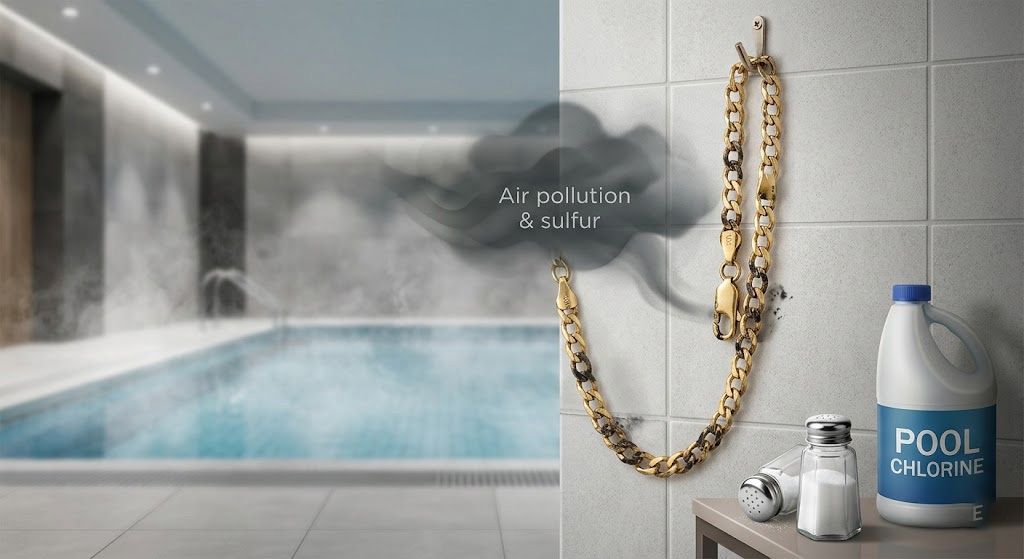
External elements like high humidity and chemical exposure are the main catalysts that answer the question of does 10k gold tarnish quickly. In a perfectly dry and clean environment, 10k gold would stay bright for years. However, our daily surroundings are filled with reactive agents that attack the alloy metals.
The Impact of High Humidity and Moisture
Think about it: Water acts as a medium for chemical reactions to occur more rapidly. If you live in a coastal area or a tropical climate, your 10k gold will likely dull faster than in a desert.
- Moisture trapped against the skin.
- Steam from showers or kitchens.
- High ambient humidity in storage.
Air Pollution and Sulfur Exposure
But wait, there’s more: Our air is often filled with trace amounts of sulfur, especially in urban environments or near industrial zones. Sulfur is the primary enemy of the silver found in gold alloys.
- Exhaust fumes from cars.
- Smoke from fireplaces or cigarettes.
- Volcanic gases in specific regions.
Effects of Chlorinated Water and Saltwater
The best part? Chlorine is one of the most destructive chemicals for gold alloys because it can actually cause “stress corrosion cracking.” Saltwater is also highly corrosive to the base metals in 10k gold.
- Avoid wearing 10k gold in swimming pools.
- Remove rings before using bleach for cleaning.
- Rinse jewelry immediately after ocean exposure.
Key Takeaway: Keeping your jewelry dry and away from harsh chemicals is the single most effective way to prevent tarnish.
| Factor | Source | Effect on 10k Gold | |
|---|---|---|---|
| Chlorine | Pools/Bleach | Structural damage/Dulling | |
| Sulfur | Air Pollution | Black surface tarnish | |
| Saltwater | Ocean/Sweat | Pitting and corrosion |
Reducing exposure to these elements will significantly extend the time between professional cleanings.
Can Personal Skin Chemistry Cause 10k Gold to Dull?
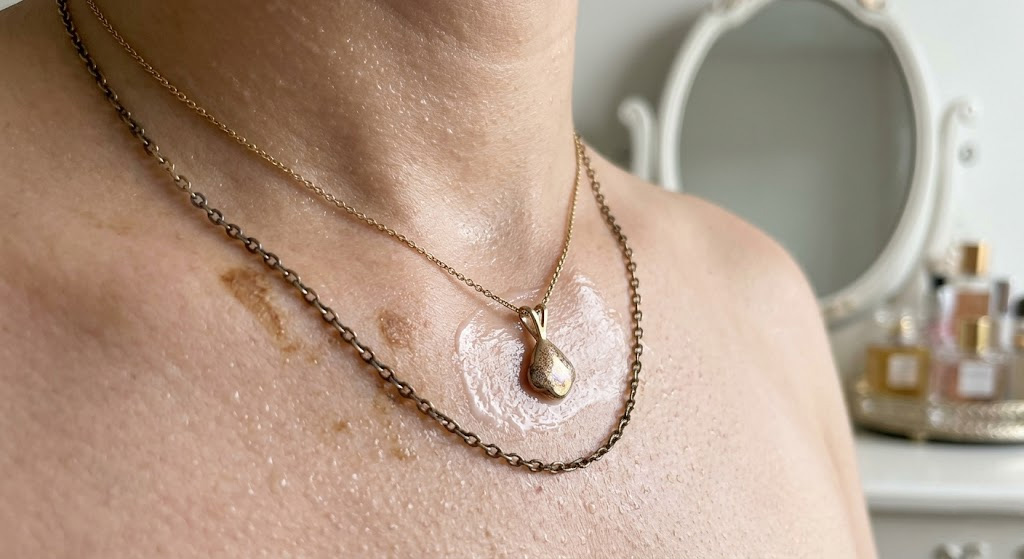
Your unique body chemistry plays a significant role in determining does 10k gold tarnish on your finger or neck. Every person has a different skin pH level and sweat composition. Some people find their jewelry stays bright forever, while others see darkening in just a few days.
Sweat and Amino Acid Reactions
Look at it this way: Sweat isn’t just water; it contains salts and amino acids that can react with copper and silver. When you exercise or get stressed, your body produces more of these reactive fluids.
- Salts accelerate metal oxidation.
- Amino acids can break down alloy bonds.
- Moisture traps these chemicals against the metal.
The pH Balance of Your Skin
Here is the kicker: The acidity or alkalinity of your skin can change based on your diet, medications, or even the time of the month. Highly acidic skin is much more likely to cause 10k gold to tarnish.
- High acid levels react with copper.
- Diet can affect sweat acidity.
- Medications can alter skin secretions.
Lotions and Perfumes as Tarnish Catalysts
Think about it: The products you apply to your skin often contain chemicals that are far more aggressive than natural oils. Perfumes and hairsprays are notorious for causing “mystery tarnish” on necklaces.
- Alcohol-based sprays.
- Sulfur-containing soaps.
- Heavy moisturizing oils.
Key Takeaway: Personal habits and biological factors can be just as influential as the environment in causing 10k gold to lose its shine.
| Chemical Source | Specific Agent | Reaction Type | |
|---|---|---|---|
| Perspiration | Sodium Chloride | Accelerated oxidation | |
| Skin Care | Sulfates/Acids | Chemical discoloration | |
| Perfume | Alcohol/Fragrance | Surface film/Darkening |
If you notice frequent tarnishing, try switching to pH-neutral skin products and wait for lotions to dry before putting on your jewelry.
Can Real 10k Gold Turn Your Skin Green?
It is a common misconception that only “fake” jewelry turns your skin green, but the truth is that does 10k gold tarnish can lead to skin discoloration. This is almost always a result of the copper in the 10k alloy reacting with the acids in your skin. When copper oxidizes, it creates copper carbonates, which are naturally green.
Copper Oxidation and Skin Discoloration
But wait, there’s more: When the copper in your ring reacts with sweat, it forms a salt that transfers to your skin. This isn’t harmful, but it can be unsightly and confusing for the owner.
- Occurs more in humid weather.
- Frequent with tight-fitting rings.
- Temporary and easily washed away.
Myths vs. Facts About Metal Quality
The best part? A green finger does not mean your ring is made of brass or is a cheap imitation. Even high-quality 10k gold from luxury retailers can cause this if your skin is particularly acidic.
- Fact: 10k gold has significant copper content.
- Myth: Green skin means the gold is fake.
- Fact: Some people are more prone to this than others.
How to Prevent the “Green Finger” Effect
Look at it this way: The easiest way to stop the green marks is to create a barrier between the metal and your skin. Keeping the area dry is the most effective long-term solution.
- Apply a thin coat of clear nail polish to the inside of the ring.
- Use an anti-tarnish barrier spray.
- Ensure your hands are dry after washing.
Key Takeaway: Skin discoloration is a reaction to the copper alloy in 10k gold and is a common physical phenomenon.
| Symptom | Primary Cause | Solution | |
|---|---|---|---|
| Green Mark | Copper Oxidation | Keep skin dry/Coat ring | |
| Black Mark | Silver Sulfide | Regular cleaning | |
| Skin Rash | Nickel Allergy | Switch to nickel-free gold |
Understanding these reactions helps manage expectations when purchasing or selling 10k gold jewelry.
Is White Gold More Tarnish-Resistant Than 10k Gold?
White gold is often perceived as more resistant to dulling, but whether does 10k gold tarnish in white or yellow depends heavily on the plating. Most white gold jewelry is plated with a metal called Rhodium. This plating acts as a shield, protecting the underlying gold alloy from the air.
The Protection of Rhodium Plating
Think about it: Rhodium is a member of the platinum family and is extremely hard and non-reactive. As long as this layer is intact, the 10k gold underneath cannot tarnish.
- Provides a brilliant white finish.
- Resists scratches and oxidation.
- Prevents skin-to-alloy contact.
What Happens When Plating Wears Down
Here is the kicker: Rhodium plating is not permanent; it wears off over time due to friction and contact with skin. Once it wears thin, the yellowish 10k gold alloy is exposed and can begin to tarnish.
- Rings usually need re-plating every 12-24 months.
- Earrings and necklaces last longer.
- Friction speeds up the wear process.
Maintenance Differences Between Colors
The best part? Maintaining 10k white gold involves a different strategy than yellow gold. While you can polish yellow gold at home, white gold usually requires a trip to the jeweler for a fresh “dip.”
- Yellow gold: Polish to remove tarnish.
- White gold: Re-plate to restore color.
- Both: Keep clean of surface oils.
Key Takeaway: 10k white gold stays bright longer due to rhodium plating, but eventually requires more technical maintenance than yellow gold.
| Feature | 10k Yellow Gold | 10k White Gold (Plated) | |
|---|---|---|---|
| Initial Shine | High | Extremely High | |
| Tarnish Risk | Moderate | Low (until plating wears) | |
| Maintenance | Polishing cloth | Professional re-plating |
Properly identifying the metal type ensures you use the correct cleaning method without stripping away expensive plating.
How Does Packaging Protect 10k Gold from Tarnish?
Professional packaging is the first line of defense against the environmental factors that answer does 10k gold tarnish. If you leave your jewelry on a nightstand, it is constantly exposed to air, moisture, and dust. High-quality jewelry boxes are designed to create a micro-environment that slows down chemical reactions.
Benefits of Airtight Jewelry Boxes
Look at it this way: An airtight container limits the amount of fresh oxygen and sulfur that can reach the metal surface. This is why many manufacturers use custom jewelry boxes with secure closures.
- Reduces oxidation speed.
- Keeps moisture levels stable.
- Prevents dust accumulation.
Anti-Tarnish Linings and Fabric Inserts
But wait, there’s more: Many modern jewelry boxes feature “anti-tarnish” linings treated with chemicals that neutralize sulfur in the air. These fabrics actively work to keep the gold bright even during long-term storage.
- Suede and velvet are common choices.
- Treated fibers absorb pollutants.
- Soft textures prevent physical scratches.
Organizing Pieces in Dedicated Ring Boxes
The best part? Storing pieces separately in ring boxes prevents different metals from reacting with one another. It also ensures that a tarnished silver piece doesn’t “spread” its oxidation to your 10k gold.
- Prevents metal-on-metal friction.
- Makes inventory management easier.
- Enhances the luxury unboxing experience.
Key Takeaway: Proper storage in a high-quality box is the most effective passive way to prevent 10k gold tarnish.
| Packaging Type | Protective Feature | Benefit | |
|---|---|---|---|
| Drawer Box | Tight seal | Limits air exposure | |
| Velvet Pouch | Soft lining | Prevents scratches/dust | |
| PE Film Box | Vacuum-like seal | Maximum tarnish prevention |
Using the right container preserves the value of the jewelry and reduces the need for frequent chemical cleanings.
What Are the Best Ways to Clean 10k Gold at Home?
Restoring the shine to your jewelry is straightforward once you understand does 10k gold tarnish as a surface issue. You don’t always need expensive chemicals to get a professional result. Simple household items can safely remove both dirt and light oxidation without damaging the metal.
The Mild Soap and Warm Water Method
Think about it: The safest way to clean 10k gold is using a solution of warm water and a few drops of mild dish soap. This breaks down the oils and grease that hold dirt against the metal.
- Soak for 15-20 minutes.
- Use lukewarm, not boiling, water.
- Avoid soaps with added moisturizers.
Choosing the Right Soft-Bristled Brush
Here is the kicker: A soft-bristled toothbrush is perfect for reaching into the tiny crevices of a ring or chain. You must be gentle, as 10k gold can still be scratched by stiff or dirty bristles.
- Use a “Soft” or “Extra Soft” brush.
- Focus on the underside of gemstones.
- Scrub in a circular motion.
Proper Drying to Prevent Water Spots
The best part? Drying your jewelry is just as important as washing it, as leftover moisture can cause new tarnish or water spots. Always use a lint-free cloth or a specialized jewelry drying cloth.
- Pat dry, don’t rub aggressively.
- Ensure the piece is 100% dry before storing.
- Use a hairdryer on a cool setting for complex pieces.
Key Takeaway: Regular home maintenance with soap and water can prevent heavy tarnish from ever forming.
| Cleaning Tool | Recommended Use | Avoid | |
|---|---|---|---|
| Dish Soap | Breaking down oils | Bleach/Chlorine | |
| Soft Toothbrush | Crevices/Detailing | Hard bristles/Scrub pads | |
| Microfiber Cloth | Drying and buffing | Paper towels (can scratch) |
Consistency is key; a quick five-minute cleaning once a month will keep 10k gold looking brand new for decades.
When Does 10k Gold Require Professional Help?
Sometimes, home remedies aren’t enough to solve the problem of does 10k gold tarnish when the oxidation is deep. If the metal has turned very dark or the surface looks pitted, you may need a jeweler’s expertise. Professionals have tools and chemicals that are much more powerful than what is available at home.
Removing Stubborn Deep Oxidation
Look at it this way: Extreme tarnish can bond so strongly to the metal that simple soap cannot break it. Jewelers use ultrasonic cleaners and steam machines to blast away deep-seated grime and oxidation.
- Ultrasonic waves reach every microscopic gap.
- High-pressure steam removes waxy buildup.
- Professional-grade solvents dissolve tarnish.
Professional Buffing and Polishing
But wait, there’s more: If your 10k gold has developed scratches alongside the tarnish, it will need to be buffed. Jewelers use high-speed polishing wheels and specialized compounds to restore a mirror-like finish.
- Removes a microscopic layer of metal.
- Erases surface scratches and dents.
- Restores the original “factory” glow.
Requesting a Custom Care Consultation
The best part? If you are a business owner or a collector, you can contact us today for expert advice on maintaining large inventories. We provide insights into the best storage materials to prevent tarnish during shipping and long-term retail display.
- Get advice on anti-tarnish packaging.
- Learn about bulk cleaning solutions.
- Optimize your unboxing experience.
Key Takeaway: Professional cleaning should be done once a year to maintain the structural integrity and aesthetic value of 10k gold.
| Professional Service | Best For | Frequency | |
|---|---|---|---|
| Ultrasonic Cleaning | Intricate designs/Gemstones | Every 6 months | |
| Machine Polishing | Removing scratches/Deep tarnish | Every 1-2 years | |
| Steam Cleaning | Instant shine/Sanitizing | As needed |
Investing in professional care ensures that your 10k gold remains an asset rather than a maintenance burden.
Summary: Solving the 10k Gold Tarnish Dilemma
We have explored the science behind gold alloys, the environmental triggers of oxidation, and the specific ways that packaging can protect your investment. By distinguishing between simple dirt and actual tarnish, you can now take the correct steps to keep your jewelry brilliant. Our brand vision is to provide the highest quality protective solutions that allow your jewelry to shine as bright as the day it was crafted. To find the perfect storage for your collection, contact us today for a professional consultation.
Frequently Asked Questions
Can I use toothpaste to clean my 10k gold ring?No. Toothpaste often contains abrasive particles that can scratch the surface of gold and damage the finish over time.
How do I stop my 10k gold from turning my skin green?Always keep the area dry and consider applying a thin layer of clear protectant or nail polish to the inside of the band.
Can I wear 10k gold in a hot tub?Absolutely not. The high levels of chlorine and heat in a hot tub can cause severe chemical damage and rapid tarnishing to gold alloys.
How often should I polish my 10k gold jewelry?Rarely. You should only use a polishing cloth once every few weeks, as over-polishing can slowly wear away the metal.
Is it safe to use vinegar to remove tarnish?Yes, but proceed with caution. While white vinegar can help with tarnish, its acidity can be harsh on certain gemstones and delicate settings.