
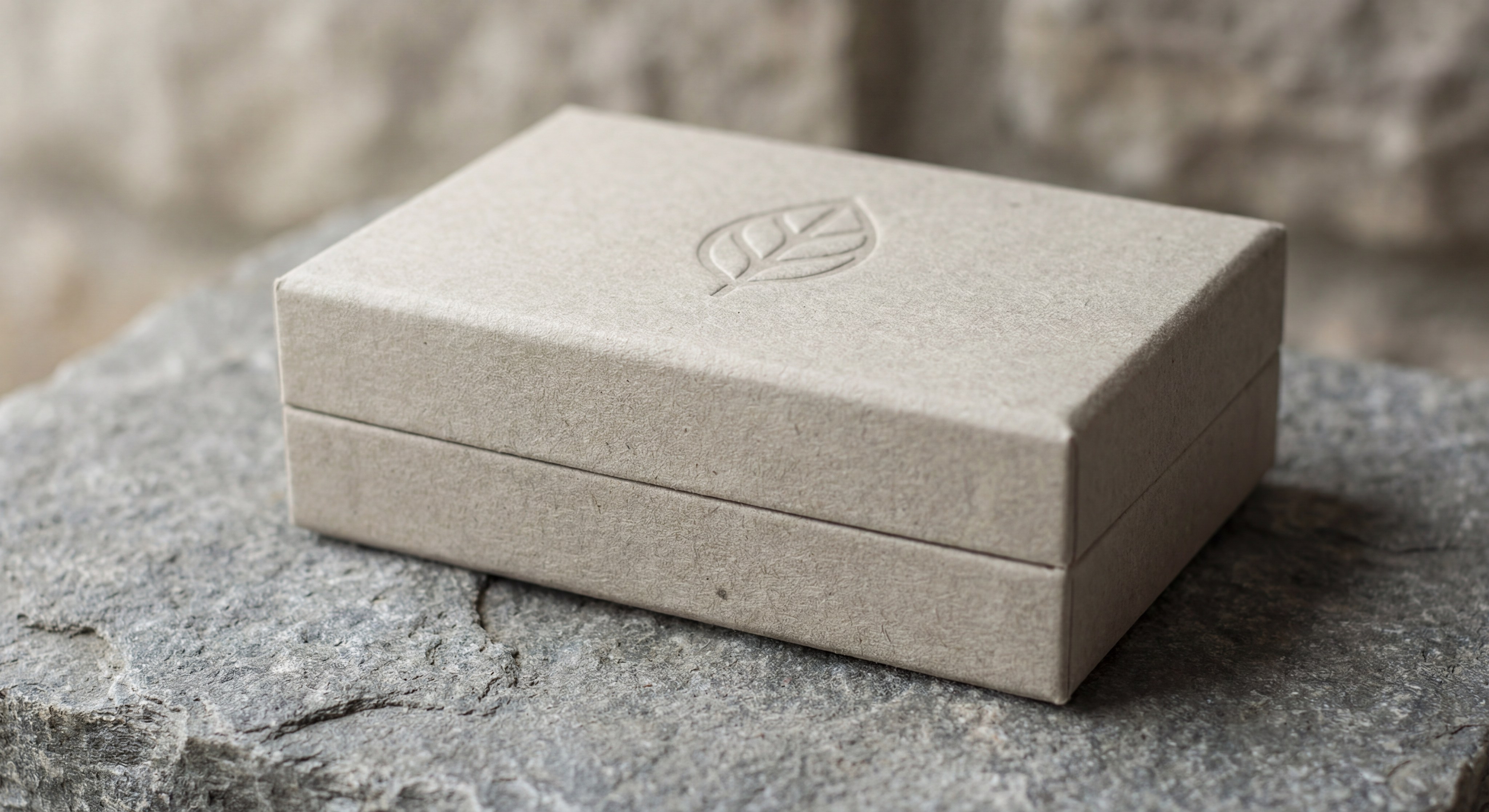
Traditional jewelry retail often relies on excessive plastic and non-recyclable foams that create massive environmental waste. This reliance on petroleum-based materials agitates modern consumers who now view “over-packaging” as a sign of ethical indifference and declining luxury value. Implementing sustainable jewelry packaging allows your brand to eliminate waste while actually increasing the perceived prestige of your collections through thoughtful, organic textures.
Why use sustainable jewelry packaging for your brand?
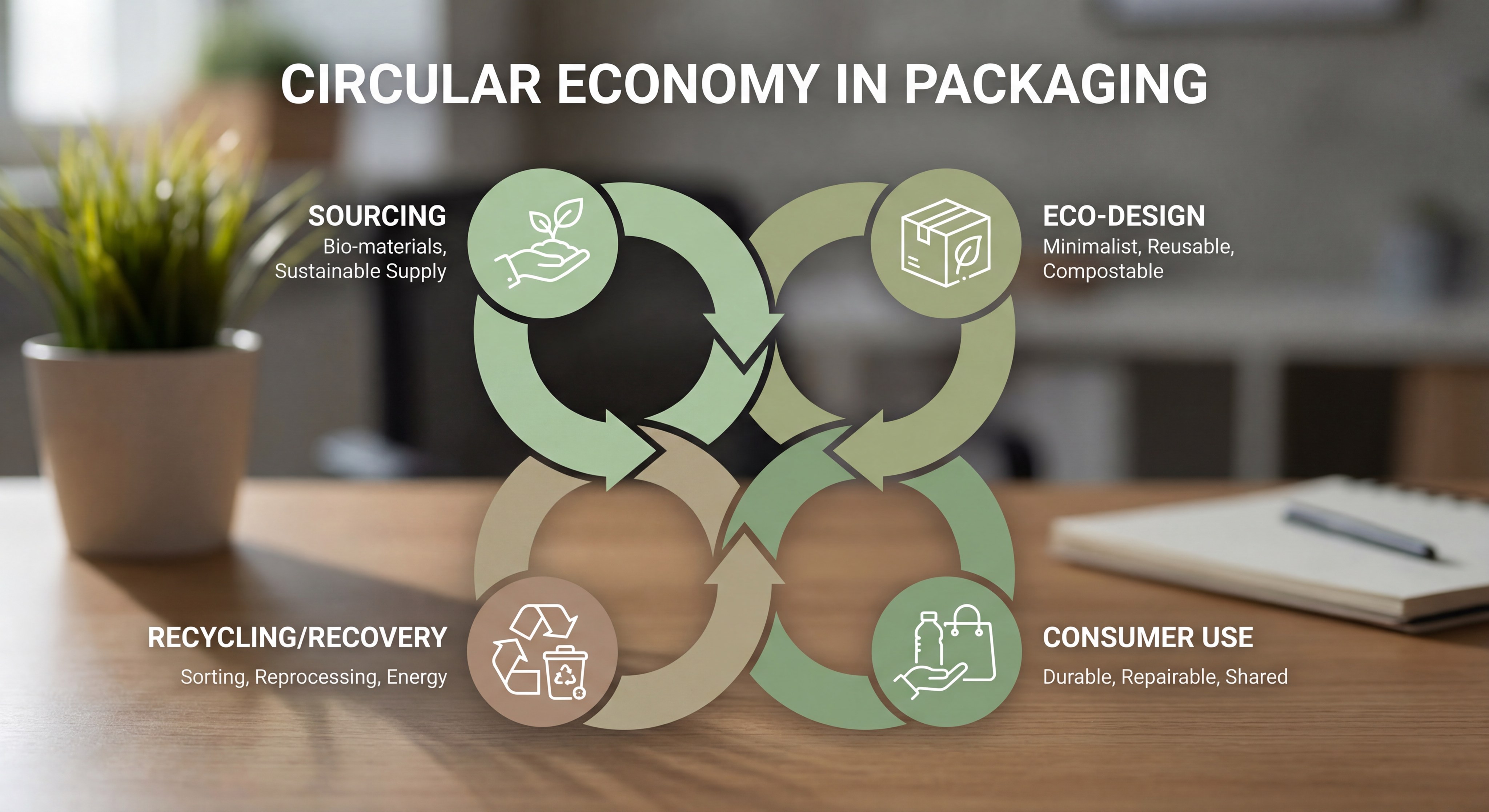
Adopting sustainable jewelry packaging aligns your B2B operations with global ESG mandates and satisfies the growing demand for ethical luxury. Utilizing eco-friendly materials demonstrates a commitment to the circular economy that resonates deeply with high-value demographics.
The competitive advantage of green logistics
Here is why: Switching to biodegradable or recycled materials significantly reduces your brand’s total carbon footprint and environmental liability. It provides a distinct marketing narrative that traditional brands cannot match.
- High-quality recycled paperboard offers a tactile, premium feel.
- Eco-conscious choices reduce future regulatory risks regarding plastic taxes.
- Minimalist designs lower shipping costs through decreased dimensional weight.
| Aspect | Sustainable Choice | Brand Impact | |
|---|---|---|---|
| Materials | FSC-Certified Paper | Trust & Credibility | |
| Disposal | Home Compostable | Customer Satisfaction | |
| Weight | Lightweight Kraft | Logistics Savings |
This strategic transition from plastic to paper-based systems optimizes both the cost of shipping and the brand’s ethical standing in a competitive market.
Key TakeawayUsing green packaging is a strategic investment that converts environmental responsibility into a measurable competitive advantage and lower long-term costs.
What defines high-end sustainable jewelry packaging?
High-end sustainable jewelry packaging is defined by the use of premium renewable materials like bamboo, mycelium, and heavy-weight recycled fibers that maintain a luxury aesthetic. These materials must provide structural rigidity while remaining fully recyclable or biodegradable at the end of their lifecycle.
Core characteristics of luxury eco-design
Think about this: Luxury is no longer about excess, but about the intentionality and craftsmanship behind every material choice. High-density organic fibers can be molded or embossed to create a sophisticated presentation that rivals traditional synthetic boxes.
- Textured linen finishes provide a high-end tactile experience.
- Custom-molded bamboo pulp trays hold jewelry securely without the use of foam.
- Soy-based inks allow for rich branding without introducing toxic chemicals.
| Luxury Metric | Sustainable Alternative | Advantage | |
|---|---|---|---|
| Texture | Embossed Recycled Paper | Premium Hand-feel | |
| Security | Molded Pulp Inserts | Zero-Plastic Fit | |
| Branding | Water-Based Foil | Eco-Friendly Shine |
The integration of high-density fibers ensures that the unboxing experience remains prestigious while adhering to strict environmental standards.
Key TakeawayHigh-end eco-packaging relies on material innovation to provide the same structural protection and luxury feel as traditional rigid boxes.
Can sustainable jewelry packaging improve retail ROI?
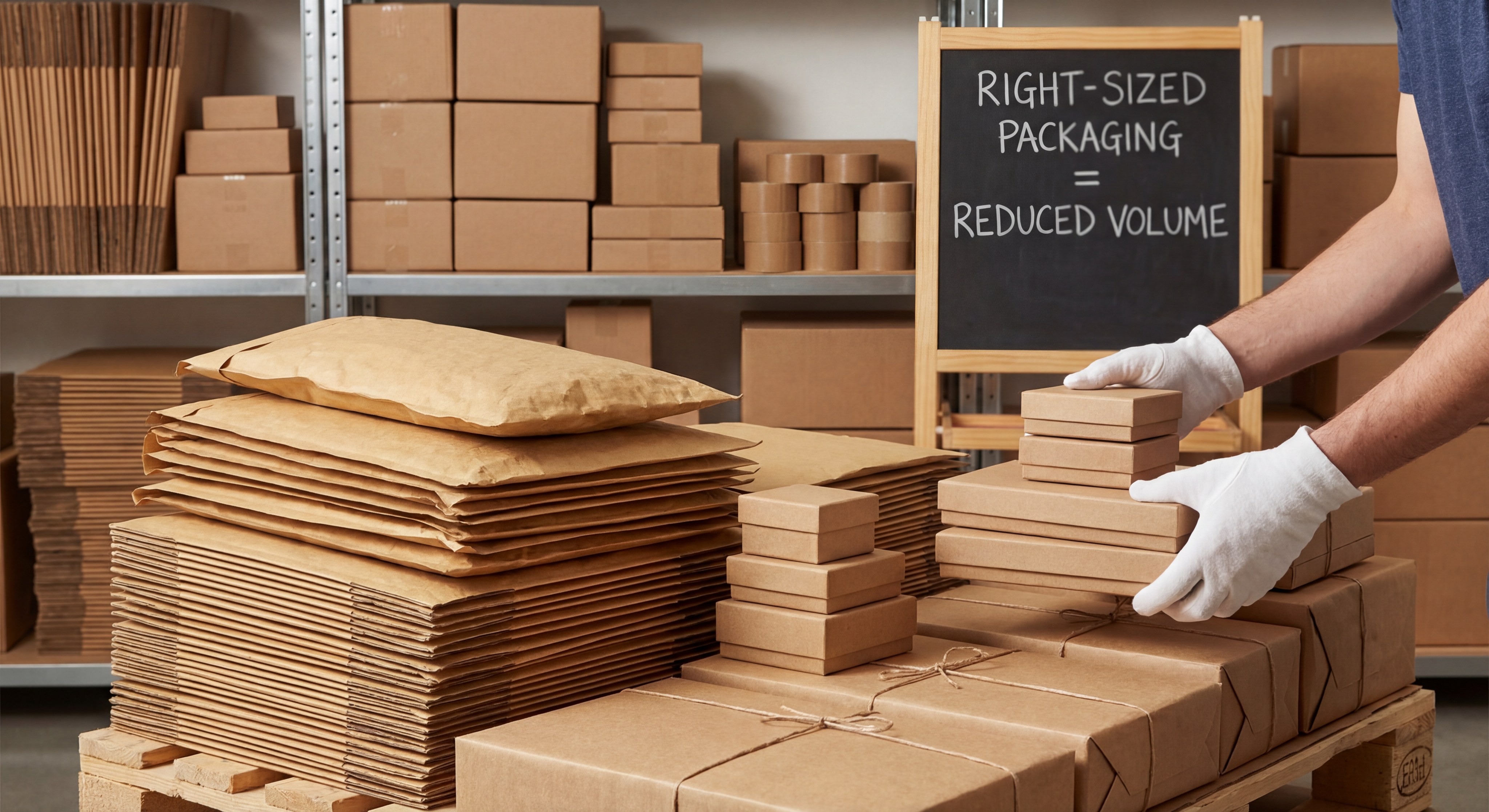
Yes, sustainable jewelry packaging improves retail ROI by lowering shipping expenses and increasing the lifetime value of eco-conscious customers. Lighter, “right-sized” boxes reduce the volume of material used, directly cutting down on freight and storage costs.
Financial benefits of logistics optimization
It gets better: Optimizing your packaging for a circular economy reduces the costs associated with waste disposal and packaging taxes. Many retail partners now prioritize suppliers who provide low-impact shipping solutions to meet their own sustainability goals.
- Reduced material mass leads to lower per-unit manufacturing costs.
- Standardization of box sizes minimizes dimensional weight surcharges.
- Eco-friendly branding increases word-of-mouth referrals from green shoppers.
| ROI Driver | Impact Level | Result | |
|---|---|---|---|
| Shipping Cost | High Reduction | Improved Margins | |
| Brand Equity | High Increase | Customer Retention | |
| Regulatory Risk | Low Risk | Future-Proofing |
Logistics data suggests that moving toward lightweight, nestable designs significantly enhances the bottom line through reduced fuel and space requirements.
Key TakeawaySustainable packaging is a cost-neutral or cost-saving initiative that delivers high returns through logistics efficiency and brand differentiation.
Is sustainable jewelry packaging durable for shipping?

Modern sustainable jewelry packaging is engineered to meet the same drop-test and crush-resistance standards as traditional plastic-based containers. Multi-layered paperboard and reinforced structural folds ensure that delicate high-value items remain protected throughout the global supply chain.
Engineering strength into natural fibers
Let’s look closer: Advanced molding techniques allow natural fibers to be compressed into high-density structures that absorb shock and resist external pressure. These biodegradable structures provide a rigid protective shell that prevents damage from moisture and impact.
- Double-walled corrugated inserts provide excellent cushioning.
- Aqueous coatings offer a moisture barrier without compromising recyclability.
- Precision-engineered cavities keep jewelry stationary during rough transit.
| Protection Type | Eco Solution | Efficiency | |
|---|---|---|---|
| Impact | Reinforced Paperboard | 98% Protection | |
| Compression | Multi-layer Rigid Boxes | High Durability | |
| Moisture | Water-based Varnish | Reliable Barrier |
Structural testing confirms that bio-based materials can effectively replace plastic foam for securing high-value jewelry during international air and sea freight.
Key TakeawaySophisticated engineering allows natural materials to provide a protective barrier that equals or exceeds the performance of traditional synthetic packaging.
How to design sustainable jewelry packaging for rings?
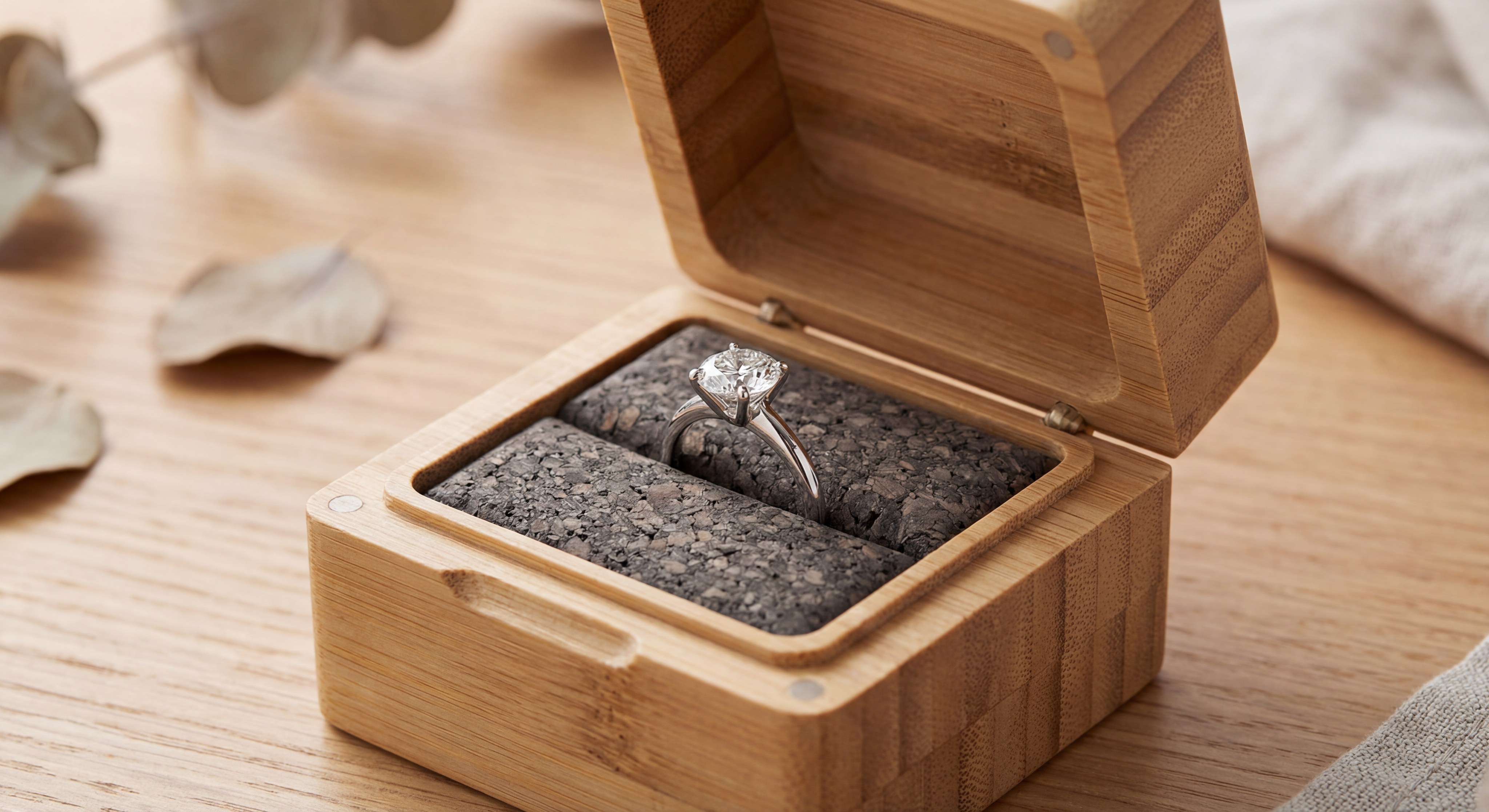
Designing sustainable jewelry packaging for rings involves using natural wood or bamboo shells paired with organic internal cushions. This approach replaces traditional velvet and plastic inserts with biodegradable alternatives that highlight the natural brilliance of the gemstone.
Elements of an eco-friendly ring box
But that’s not all. Integrating cork or organic cotton as a ring bed provides a non-abrasive surface that protects the metal while offering a unique, earthy aesthetic. These materials are naturally renewable and provide a satisfying tactile experience for the end consumer.
- Bamboo shells offer a modern, clean look with high durability.
- Natural cork inserts provide superior grip for different ring sizes.
- Hidden magnetic closures eliminate the need for complex plastic hinges.
| Design Detail | Sustainable Choice | Advantage | |
|---|---|---|---|
| Outer Case | FSC Bamboo / Wood | Aesthetic Warmth | |
| Inner Cushion | Natural Cork | High Grip / Eco | |
| Hinge | Magnetic Tension | Zero-Plastic Design |
Replacing synthetic velvet with organic cotton or cork creates a sophisticated, nature-inspired presentation that enhances the luxury status of the ring.
Key TakeawaySustainable ring boxes leverage the natural beauty of wood and cork to create a prestigious, plastic-free home for high-value gemstones.
Why does sustainable jewelry packaging boost loyalty?

Providing sustainable jewelry packaging demonstrates that your brand values environmental stewardship as much as the quality of the jewelry itself. Consumers today are more likely to remain loyal to brands that align with their personal ethical standards and reduce their household waste.
The emotional connection of conscious unboxing
You might wonder: How does a box influence a customer’s decision to return? An unboxing experience that feels intentional and guilt-free creates a positive emotional anchor that reinforces the purchase decision.
- Transparent eco-labeling builds trust and brand authority.
- Minimalist components make it easy for customers to recycle at home.
- Reusable fabric pouches keep your brand name visible for years.
| Loyalty Driver | Customer Perception | Long-term Effect | |
|---|---|---|---|
| Ethical Sourcing | Trustworthy Brand | Repeat Purchases | |
| Recycling Ease | Low Friction | Brand Advocacy | |
| Reusability | Added Value | Daily Brand Exposure |
The psychological satisfaction of contributing to a healthier planet through a luxury purchase is a powerful motivator for long-term brand commitment.
Key TakeawayEco-conscious packaging creates a shared value system between the brand and the consumer, leading to higher retention and word-of-mouth marketing.
Which sustainable jewelry packaging materials are best?
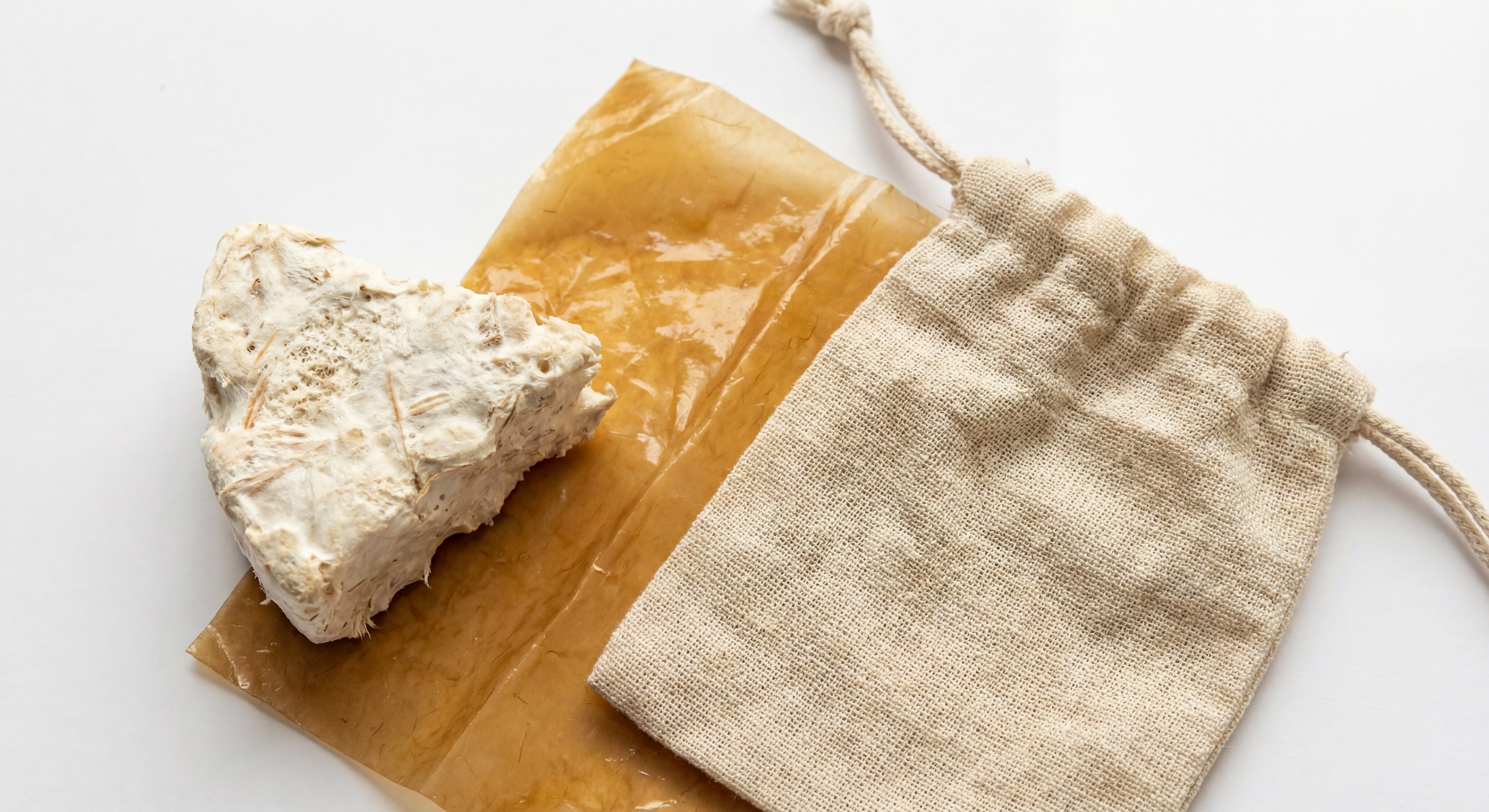
The best sustainable jewelry packaging materials include FSC-certified paperboard, bamboo pulp, organic hemp, and innovative mycelium-based structures. Choosing the right material depends on the weight of the jewelry and the specific aesthetic your brand wants to project.
Comparing high-performance eco-materials
Look at the facts: FSC-certified paperboard remains the industry standard for rigid boxes due to its versatility and high strength. However, for a more artisanal feel, hemp pouches and bamboo trays offer a distinctive organic profile that stands out in a crowded retail landscape.
- Hemp and linen are perfect for reusable drawstring pouches.
- Mycelium provides a carbon-negative alternative to styrofoam for shipping.
- Recycled cardstock allows for sharp, high-contrast printing with soy inks.
| Material | Sustainability | Best Application | |
|---|---|---|---|
| Bamboo | Rapidly Renewable | Luxury Rigid Boxes | |
| Hemp | Low Water Usage | Protective Pouches | |
| Mycelium | Carbon Negative | Impact Protection |
Selecting materials based on their specific lifecycle impact ensures that your packaging is as functional as it is environmentally responsible.
Key TakeawayA multi-material approach using bamboo, hemp, and paperboard provides the most balanced and effective solution for sustainable jewelry protection.
How to source sustainable jewelry packaging at scale?
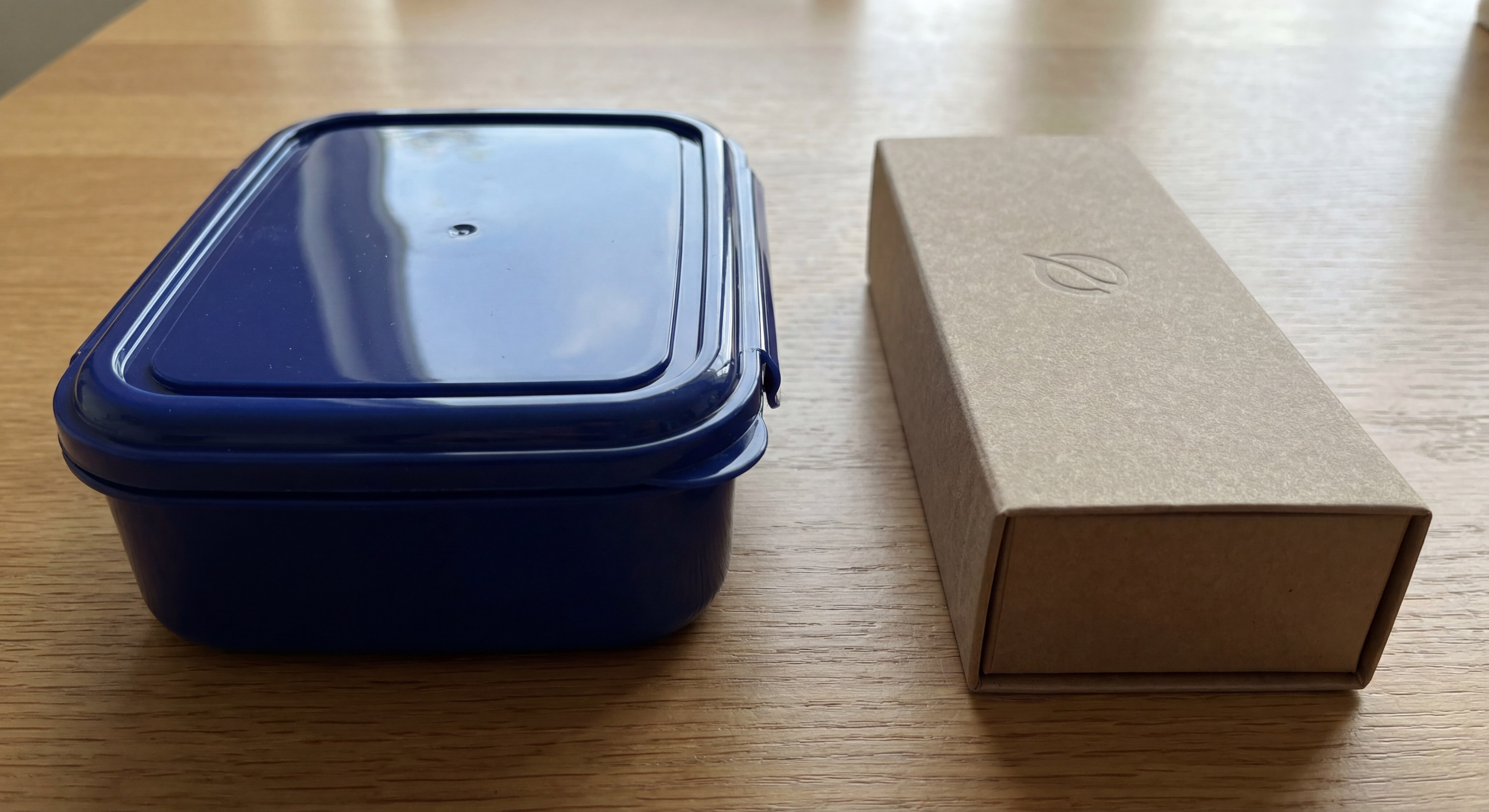
Sourcing sustainable jewelry packaging at scale requires partnering with specialized manufacturers who hold certified supply chains for recycled and renewable fibers. Bulk procurement is now more cost-effective as the global infrastructure for bio-materials has expanded to meet industrial demand.
Navigating the supply chain for bio-materials
Here is the secret: The key to successful large-scale sourcing is to verify third-party certifications like FSC and GRS to ensure the legitimacy of the eco-claims. Working directly with factories that specialize in molded pulp and rigid paper construction reduces the number of intermediaries and lowers the per-unit cost.
- Standardizing sizes across collections allows for higher volume discounts.
- Local sourcing reduces the carbon emissions associated with long-range freight.
- Strategic forecasting ensures a consistent supply of seasonal eco-materials.
| Sourcing Step | Objective | Success Metric | |
|---|---|---|---|
| Certification Audit | Verify Eco-Claims | FSC / GRS Compliance | |
| Size Standardization | Lower Unit Costs | Higher Volume Tiers | |
| Logistics Review | Reduce Carbon | Shorter Transit Miles |
Consolidating your packaging needs into a few standardized, eco-friendly formats optimizes the manufacturing process and simplifies inventory management.
Key TakeawayScaling eco-packaging is achieved through standardization and partnering with certified manufacturers who specialize in large-volume bio-material production.
Does sustainable jewelry packaging fit luxury watches?

Yes, sustainable jewelry packaging is highly effective for luxury timepieces when using high-density recycled wood fibers or vegan leathers made from cactus or pineapple. These heavy-duty materials provide the necessary “heft” and durability associated with high-end horology while remaining fully ethical.
Engineering heavy-duty watch containers
Believe it or not: You can achieve a masculine, high-tech aesthetic using charcoal-colored recycled felt and reclaimed timber. These materials protect the delicate movement of the watch from shocks while providing a sophisticated, modern home for the timepiece.
- Recycled felt cushions offer a soft, non-abrasive bed for watch crystals.
- Reclaimed wood shells provide superior weight and structural integrity.
- Vegan cactus leather offers a luxury finish that is water-resistant and durable.
| Watch Box Detail | Eco-Material | Advantage | |
|---|---|---|---|
| Case Material | Reclaimed Oak / Walnut | Luxury Weight | |
| Interior Lining | Recycled Charcoal Felt | Modern Aesthetic | |
| Cushion | Organic Cotton Fill | Soft Protection |
The use of high-density natural materials ensures that luxury watches are presented with the appropriate gravity and protection without environmental harm.
Key TakeawayHigh-end watch brands can maintain their prestigious image by switching to heavy-duty natural materials like reclaimed wood and recycled felt.
How to transition to sustainable jewelry packaging?
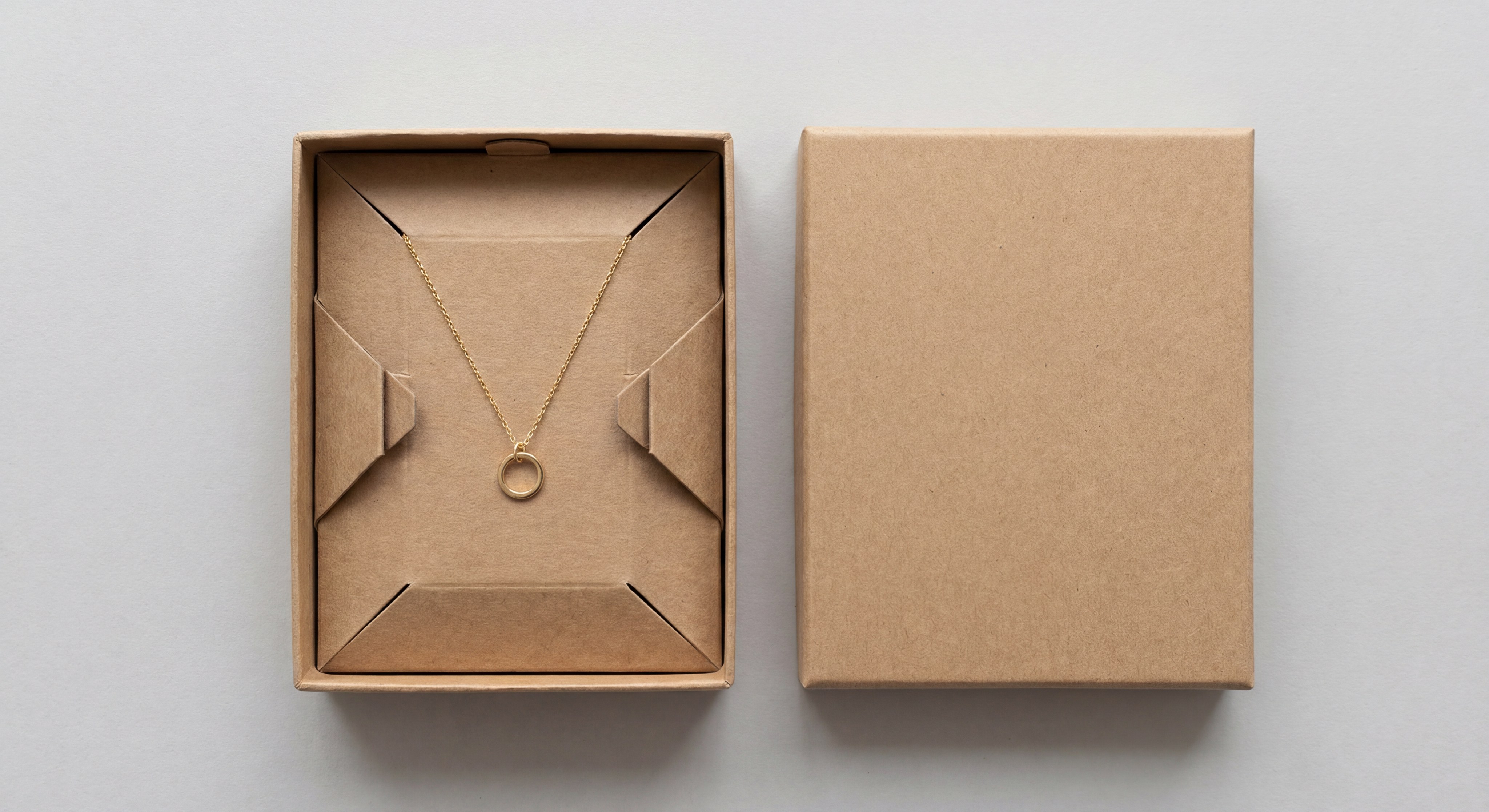
Transitioning to sustainable jewelry packaging starts with a comprehensive audit of your current plastic usage and a phased replacement of non-recyclable components. Begin by swapping foam inserts for paper or bamboo alternatives to immediately reduce your environmental impact without changing your outer box design.
Steps for a smooth green transition
Make no mistake: The transition should be a gradual process that allows for testing and customer feedback at every stage. Communicating these changes as part of your brand’s evolution builds transparency and strengthens the bond with your eco-conscious clientele.
- Phase 1: Replace plastic tape with water-activated paper tape.
- Phase 2: Switch to FSC-certified exterior shipping boxes.
- Phase 3: Transition internal trays to molded pulp or paper-based cavities.
| Phase | Action | Impact | |
|---|---|---|---|
| Immediate | Swap Tape & Fillers | Low Cost / Fast Gain | |
| Mid-term | Update Box Materials | High Brand Impact | |
| Long-term | Full Circular Model | Zero Waste Goal |
This methodical approach ensures that your logistics remain stable while your brand moves toward a zero-waste, fully sustainable packaging model.
Key TakeawayA successful transition is a phased approach that prioritizes high-impact changes like plastic-free inserts to achieve immediate sustainability goals.
Elevate Your Brand Strategy
Sustainable logistics is the future of the jewelry industry, combining ethical responsibility with superior design. By choosing materials that respect the planet, you ensure your brand remains relevant, respected, and profitable in a conscious marketplace. For expert guidance on transforming your presentation, we invite you to contact us today to develop your custom eco-friendly solutions.
FAQ
Can I customize sustainable packaging with my logo?Yes, eco-friendly materials accept high-quality soy-based inks and water-based foils for sharp, professional branding. This ensures your luxury identity remains intact while being environmentally responsible.
What’s the best material for shipping heavy jewelry?High-density recycled paperboard or reclaimed wood are the best choices for heavy items. These materials offer the structural strength and weight required to protect significant pieces during transit.
How do I know if my packaging is truly sustainable?Look for third-party certifications like FSC (Forest Stewardship Council) or GRS (Global Recycled Standard). These labels guarantee that the materials were sourced and processed according to strict environmental criteria.
Can I get sustainable packaging in different colors?Absolutely, natural fibers can be dyed with plant-based pigments to achieve a wide range of sophisticated jewel tones and neutrals. This allows you to maintain your brand’s specific color palette.
What’s the best way to reduce costs during the switch?Standardizing your box sizes and utilizing “right-sized” packaging are the most effective ways to lower costs. This reduces material waste and minimizes dimensional weight surcharges from shipping carriers.