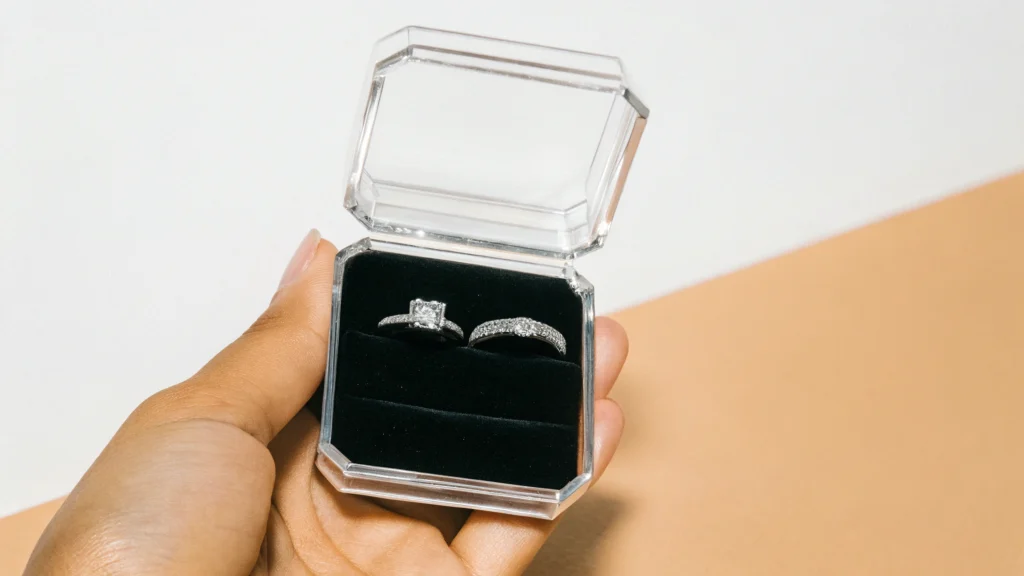
Mastering jewelry packaging materials involves selecting a substrate that balances structural protection with a brand-aligned aesthetic to enhance the customer’s unboxing experience. Many jewelry brands struggle with generic presentation that fails to reflect the true value of their craftsmanship. When a premium piece is housed in flimsy or mismatched containers, the customer’s perceived value drops before they even touch the product. Selecting the perfect jewellery packaging material is the bridge between a simple purchase and an unforgettable brand experience that builds lifelong loyalty.
What defines a quality jewellery packaging material?
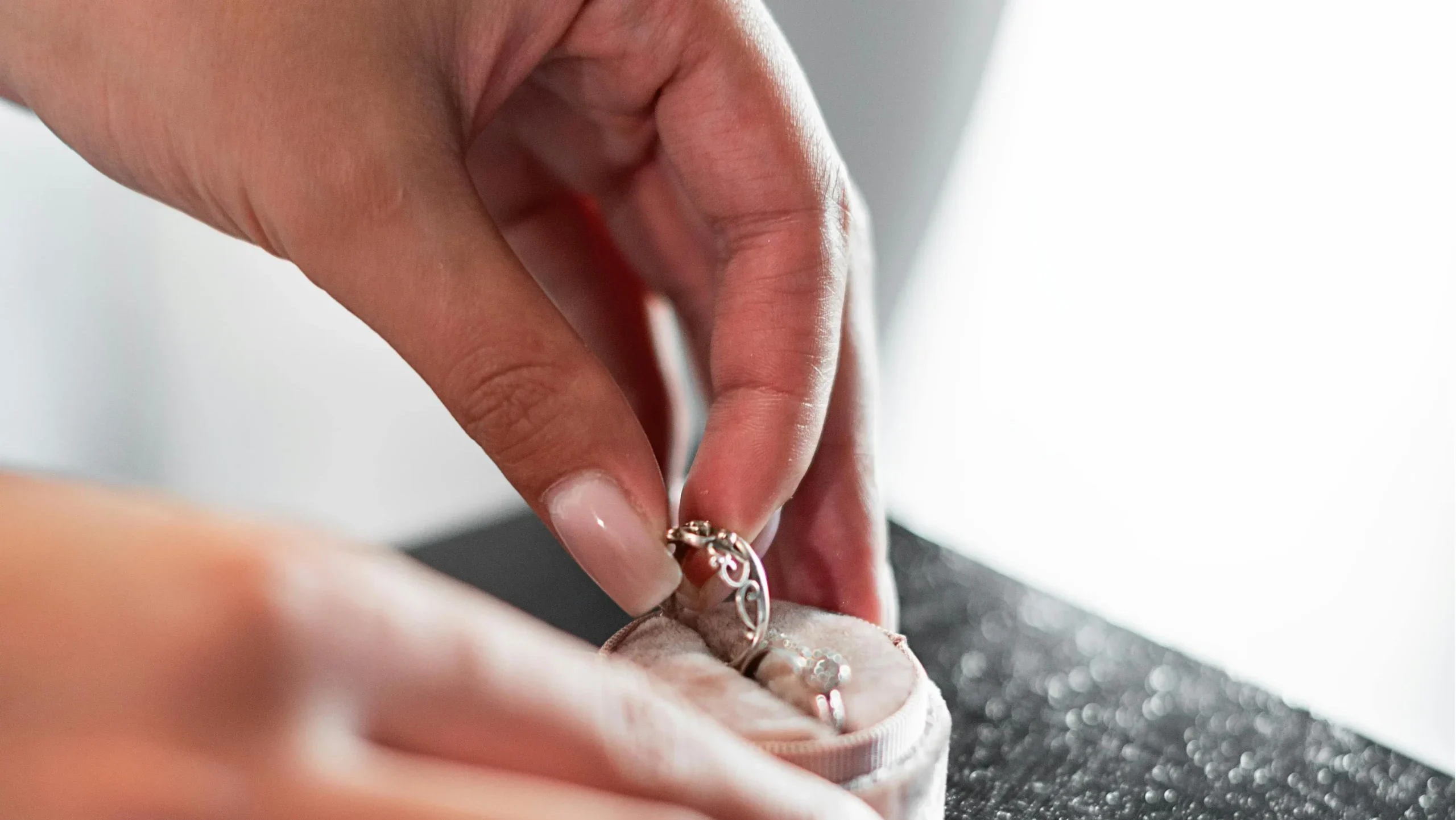
A quality jewellery packaging material must provide a high level of physical security for the item while offering a tactile sensation that signals luxury. Choosing the right jewellery packaging material requires you to evaluate how well it resists moisture, impacts, and tarnishing over long storage periods.
Does budget dictate material choice?
You must consider your profit margins when selecting substrates, though you don’t have to sacrifice style for savings.
- Cardboard is cost-effective for high volumes.
- Plastic offers durability at a lower entry point.
- Premium metals require a higher initial investment.
How does aesthetic appeal impact sales?
Brands that focus on the visual impact of their packaging often see higher customer retention rates.
- Texture creates a sensory connection with the buyer.
- Colors should reflect your brand’s core personality.
- Visual weight influences the perceived value of the jewelry.
What role does durability play in protection?
You need a material that can withstand the rigors of global shipping without crushing or bending.
Key Takeaway: Quality materials are the foundation of brand trust, ensuring the product arrives in pristine condition.
| Element | Importance | Impact | |
|---|---|---|---|
| Durability | High | Protects item during transit | |
| Texture | Medium | Influences tactile perception | |
| Weight | Medium | Defines luxury vs. budget feel |
Analysis: A successful choice requires balancing physical protection with a sensory experience that justifies the price point.
How does cardboard serve as a jewellery packaging material?
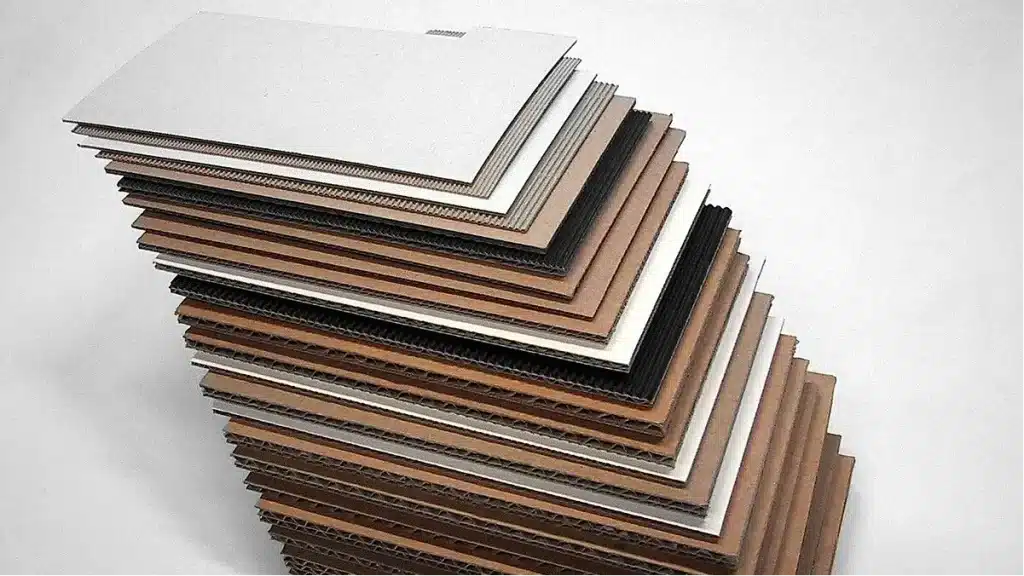
Cardboard serves as a versatile jewellery packaging material due to its lightweight nature and its ability to be molded into various structural forms like rigid boxes or drawer styles. This jewellery packaging material is favored by most custom jewelry box manufacturers for its sustainability and ease of customization.
Is rigid board better for luxury items?
You will find that rigid gray board provides the “thud” sound of luxury that consumers associate with high-end boutiques.
- It prevents crushing during heavy pallet stacking.
- It supports magnetic closures and hidden hinges.
- It maintains its shape over years of home storage.
Can art paper enhance a cardboard base?
Wrapping a standard cardboard box in premium art paper transforms a simple container into a masterpiece.
- High-resolution printing is best achieved on art paper.
- It allows for unique textures like linen or pebble grain.
- Sophisticated finishes like UV coating adhere best here.
why is kraft paper trending for jewelry?
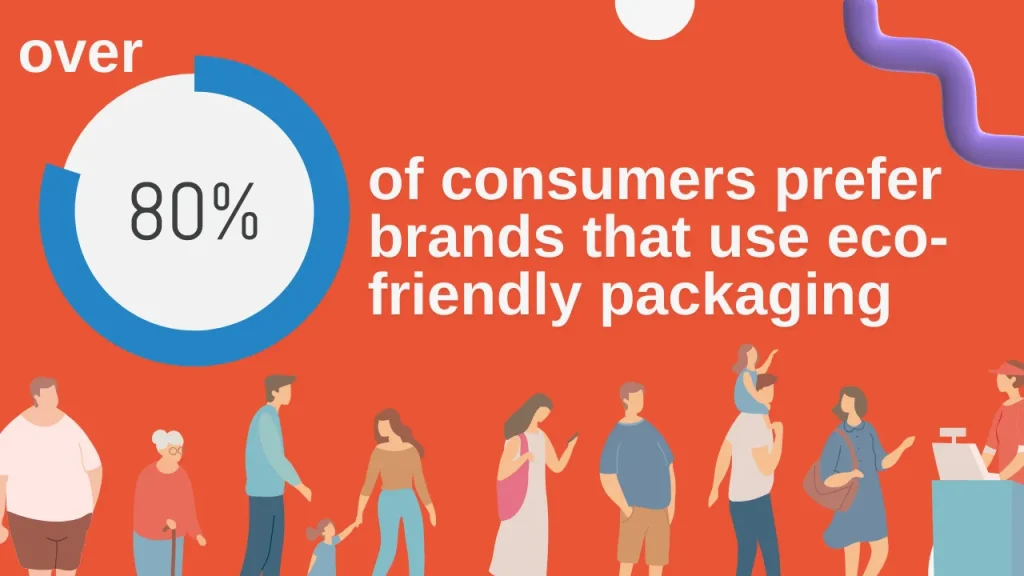
You can use kraft paper to appeal to the growing segment of eco-conscious shoppers who prefer a raw, organic look.
Key Takeaway: Cardboard is the “Goldilocks” of materials, offering the perfect balance of cost, strength, and design flexibility.
| Cardboard Type | Best Use | Key Benefit | |
|---|---|---|---|
| Gray Board | Rigid Boxes | High structural strength | |
| Kraft Paper | Natural Look | Eco-friendly appeal | |
| Art paper | Luxury Prints | Smooth finish for color |
Analysis: Cardboard remains the industry standard due to its infinite customization options and cost-effective shipping weight.
Which fabrics work best for jewellery packaging material?
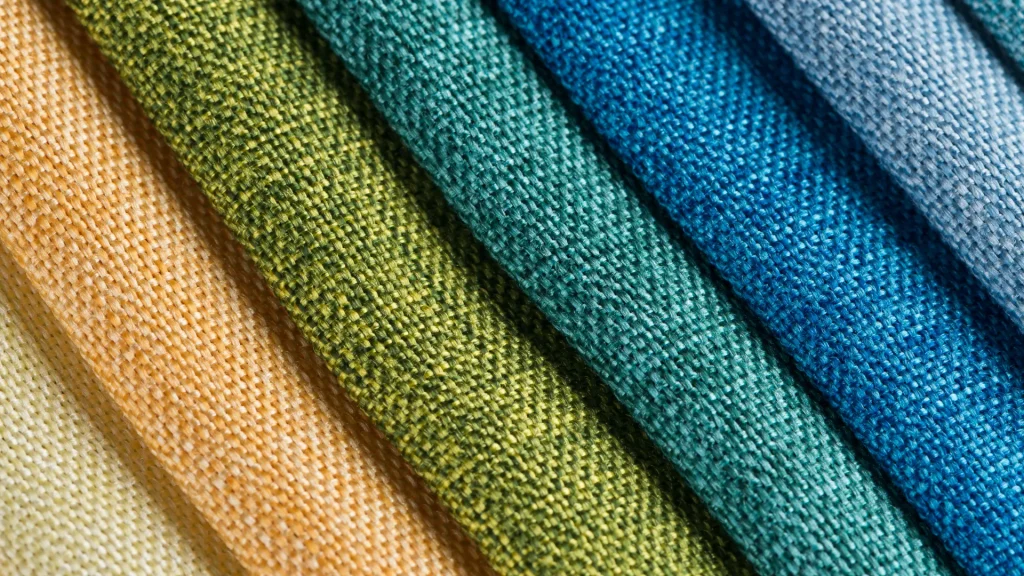
Velvet, suede, and microfiber are the fabrics that work best as jewellery packaging material because they prevent surface scratches on delicate metals. Using a fabric-based jewellery packaging material like a necklace box insert adds an element of softness that paper cannot provide.
Is velvet the ultimate choice for rings?
You likely associate velvet with classic romance, making it perfect for engagement and wedding ring presentations.
- Its plush pile catches the light beautifully.
- It holds deep colors like midnight blue or burgundy well.
- Soft interiors prevent the metal band from rubbing.
When should you use satin or organza?
These lightweight materials are ideal for gift-giving scenarios where the box is secondary to the presentation pouch.
- Satin provides a glossy, high-fashion sheen.
- Organza is sheer, allowing the jewelry to peek through.
- They are excellent for low-cost, high-volume giveaway items.
Does linen support an artisanal brand?
You can choose linen or canvas if your jewelry has a handmade or bohemian aesthetic that needs a rustic touch.
Key Takeaway: Textile materials provide the critical non-abrasive surface needed to protect polished jewelry finishes.
| Fabric Type | Texture | Brand Persona | |
|---|---|---|---|
| Velvet | Plush/Soft | High-end/Traditional | |
| Satin | Glossy/Smooth | Romantic/Celebratory | |
| Linen | Coarse/Matte | Artisanal/Organic |
Analysis: Fabric jewellery packaging adds a tactile layer of sophistication that paper alone cannot replicate.
Is plastic still a viable jewellery packaging material?
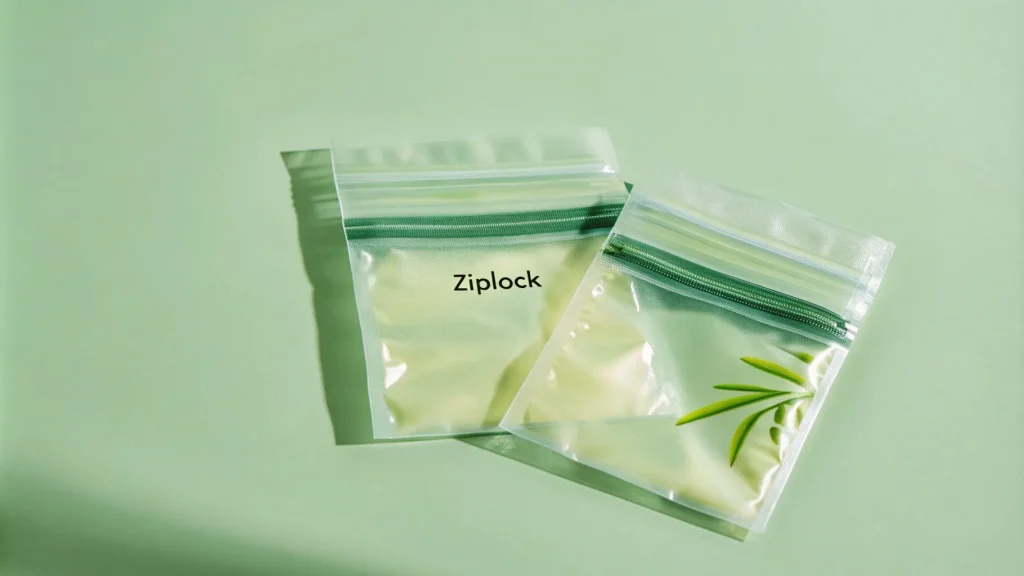
Plastic remains a highly viable jewellery packaging material for brands focused on anti-tarnish protection and innovative 3D display solutions. This jewellery packaging material is often used in the high-tech pe film jewelry box to create a floating effect for ornaments.
What are the benefits of PE film?
You can protect your jewelry from oxidation by sealing it between two layers of flexible polyethylene film.
- It offers 360-degree visibility for retail displays.
- It is highly resistant to tearing and puncturing.
- Vacuum-like sealing prevents jewelry from moving.
Why choose acrylic for luxury displays?
If you want the clarity of glass without the fragility, acrylic is your top choice for premium vitrines.
- It is crystal clear, allowing maximum light to hit stones.
- It can be laser-cut into complex, modern shapes.
- It is significantly lighter and safer than real glass.
Can plastic be used for mass-market bags?
You should consider polypropylene bags for moisture-proof storage of silver jewelry during long-term warehousing.
Key Takeaway: Despite environmental shifts, technical plastics offer unique protective benefits that other materials cannot match.
| Plastic Type | Application | Advantage | |
|---|---|---|---|
| PE Film | 3D Floating Boxes | Dustproof & transparent | |
| Acrylic | Display Cases | Crystal clear & sturdy | |
| Polypropylene | Storage Bags | Moisture resistant |
Analysis: While sustainability is a concern, technical plastics provide unmatched clarity for display and protection.
Can eco-friendly options be a jewellery packaging material?
Eco-friendly options like FSC-certified paper, cornstarch bioplastics, and recycled textiles are increasingly used as the primary jewellery packaging material. Adopting sustainable jewellery packaging material helps brands reduce their carbon footprint while appealing to the modern, conscious consumer.
What is FSC-certified cardboard?
You should look for this certification to ensure your paper comes from forests managed for long-term sustainability.
- It guarantees no illegal logging was involved.
- It supports biodiversity in the sourcing regions.
- Consumers recognize and trust the FSC logo.
Are bioplastics durable enough for shipping?
You will find that cornstarch-based plastics perform similarly to traditional plastics for short-term retail use.
- They are fully compostable in industrial facilities.
- They reduce the reliance on fossil-fuel-based polymers.
- They offer a unique marketing story for your brand.
How do recycled textiles benefit the environment?
By using pouches made from ocean-bound plastic or recycled cotton, you help divert waste from landfills.
Key Takeaway: Sustainable materials are no longer a niche; they are a requirement for high-growth modern jewelry brands.
| Eco Material | Source | Environmental Benefit | |
|---|---|---|---|
| Jute/Hemp | Plant Fibers | Rapidly renewable | |
| Cornstarch | Bioplastic | Fully compostable | |
| Recycled Paper | Post-Consumer | Reduces landfill waste |
Analysis: Adopting sustainable jewellery packaging material aligns brands with modern consumer values without sacrificing style.
What metals are used as a jewellery packaging material?
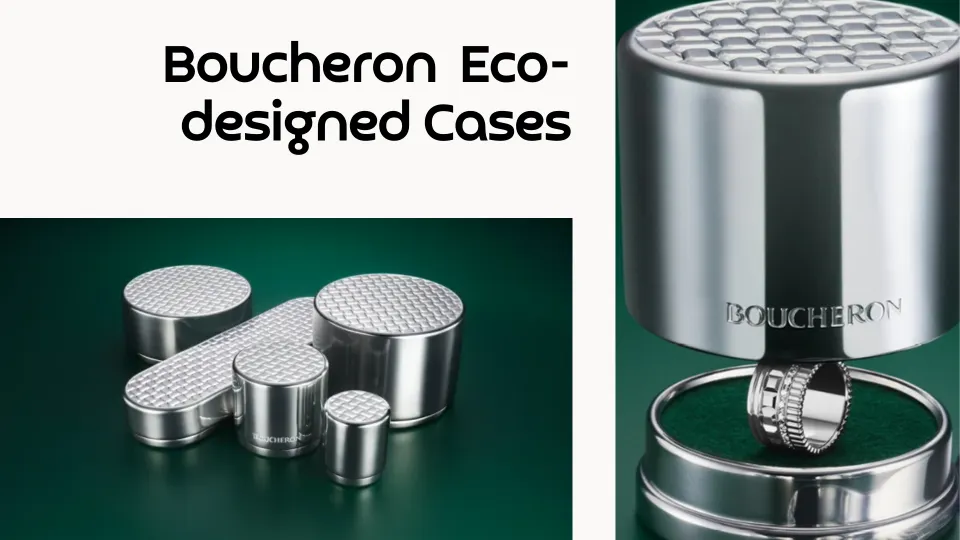
Tinplate and aluminum are the most common metals used as jewellery packaging material for high-end limited editions and industrial-style gift sets. Metals are a premium jewellery packaging material that provides a heavy weight and permanent reusability for the customer’s home collection.
Is aluminum best for a modern look?
You can achieve a sleek, matte finish with aluminum that fits perfectly with minimalist or masculine jewelry lines.
- It is naturally resistant to rust and corrosion.
- It can be easily recycled if the user chooses to.
- Digital printing looks exceptionally sharp on metal.
When is tinplate the right choice?
You might choose tinplate for vintage-inspired collections or seasonal gift tins that act as collectibles.
- It is more cost-effective than aluminum or steel.
- Embossed logos look very prominent on tin lids.
- It provides a nostalgic “relic” feel to the packaging.
Does stainless steel offer lifetime value?
If you want your packaging to be kept for decades, stainless steel is the most durable option available.
Key Takeaway: Metal packaging offers a high-perceived value and doubles as a permanent storage solution for the end user.
| Metal Type | Finish | Reusability | |
|---|---|---|---|
| Aluminum | Matte/Sleek | Extremely high | |
| Tinplate | Printed/Retro | Collectible value | |
| Stainless Steel | Polished | Lifetime durability |
Analysis: Metal-based solutions offer a modern, industrial aesthetic and the highest level of long-term protection.
How does foam improve your jewellery packaging material?
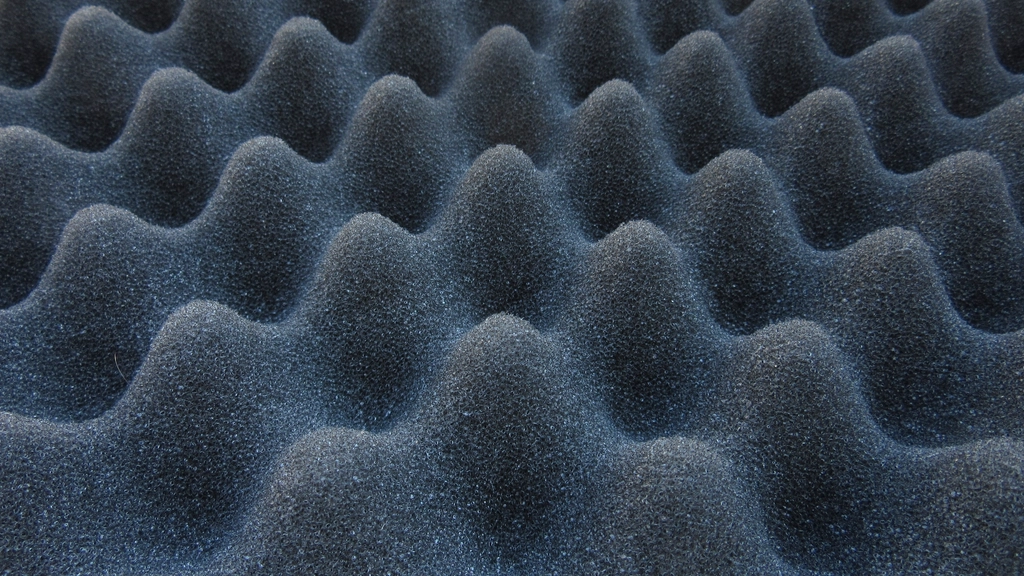
Foam improves your jewellery packaging material by acting as a shock absorber that holds your product firmly in place during transit. Even the best jewellery packaging material like a premium ring box requires a high-density insert to prevent the jewelry from rattling.
Why is EVA foam the industry standard?
You will find that EVA foam doesn’t shed fibers and maintains its shape even after years of opening and closing.
- It can be precision-cut with lasers for a tight fit.
- It comes in various densities to support different weights.
- It can be topped with velvet or silk for a luxury finish.
Is sponge foam a cost-effective alternative?
You can use low-density sponge for lightweight costume jewelry where high-impact protection is less critical.
- It is highly flexible and easy to compress.
- It is significantly cheaper than EVA for bulk orders.
- It works well when wrapped in decorative fabrics.
When should you consider cotton fill?
You might prefer natural cotton fill for a traditional “gift box” look that feels classic and unpretentious.
Key Takeaway: The internal foam is the “unsung hero” that ensures the jewelry is the star of the unboxing moment.
| Insert Type | Density | Ideal For | |
|---|---|---|---|
| EVA Foam | High | Heavy luxury watches | |
| Sponge | Low | Light costume jewelry | |
| Flocked Foam | Medium | Elegant ring security |
Analysis: The internal jewellery packaging material is just as critical as the exterior for ensuring items remain centered and safe.
What decorations enhance a jewellery packaging material?
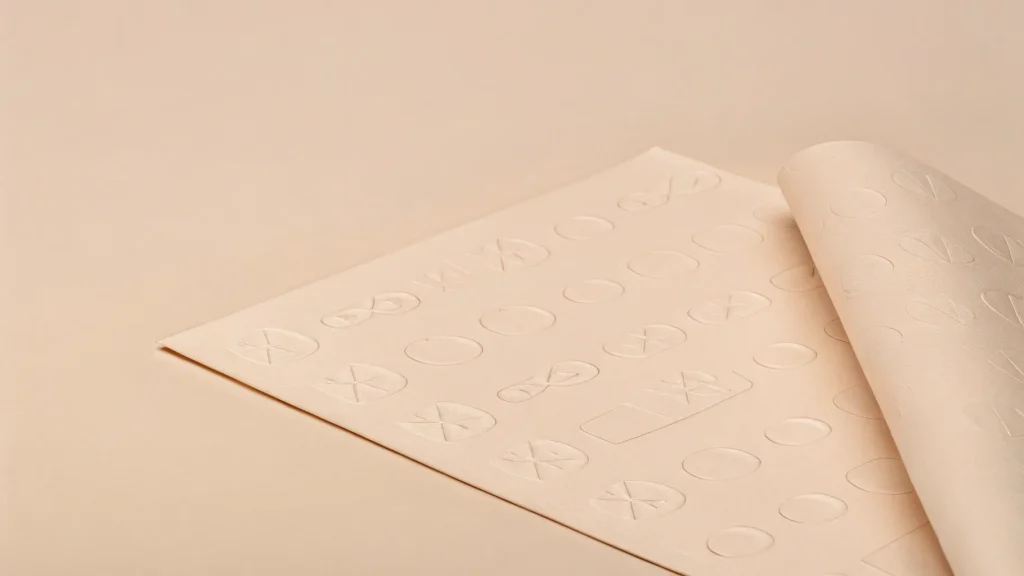
Decorations like hot foil stamping, debossing, and premium ribbons enhance a jewellery packaging material by adding visual depth and branding. This decorative jewellery packaging material approach turns a simple box into a bracelet box that feels like a precious gift.
How does hot stamping add value?
You can use metallic foils in gold or silver to immediately associate your product with premium craftsmanship.
- It creates a reflective surface that catches the eye.
- It works on paper, plastic, and leatherette materials.
- The heat-press process ensures the logo never peels off.
Is debossing more sophisticated than printing?
You might find that a “blind” deboss, where the logo is pressed into the material, offers a subtler luxury feel.
- It provides a 3D texture that customers love to touch.
- It creates shadows that add depth to the brand logo.
- It is perfect for minimalist and modern brand identities.
Can ribbons create a “gift-ready” experience?
By adding a grosgrain or satin ribbon, you save the customer the step of gift-wrapping the purchase themselves.
Key Takeaway: Festive decorations and professional branding finishes are what transform “packaging” into a “brand experience.”
| Decoration | Material | Visual Goal | |
|---|---|---|---|
| Hot Stamping | Foil | Luxury/Prestige | |
| Debossing | Paper | Subtle/Sophisticated | |
| Grosgrain | Ribbon | Gift-ready appeal |
Analysis: Finishing touches turn basic materials into a cohesive “gift” experience that encourages social sharing.
Can specialty paper act as jewellery packaging material?
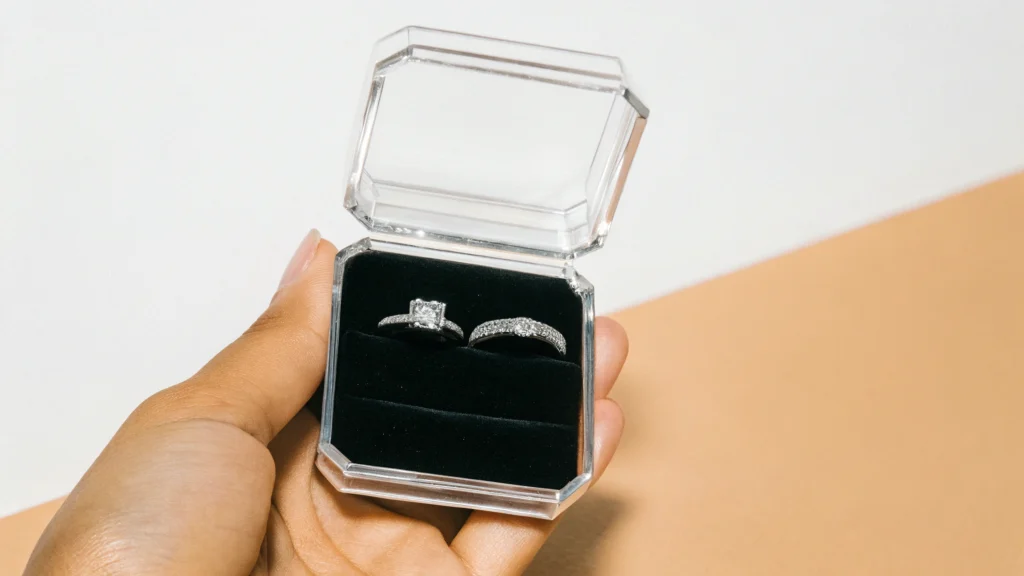
Specialty paper can act as a high-end jewellery packaging material by offering unique textures like pearlescent shimmer or soft-touch coatings. Using this jewellery packaging material allows a brand to differentiate its earring box from competitors through tactile interaction.
What is the appeal of soft-touch paper?
You will notice that soft-touch paper feels almost like velvet or skin, providing a warm, comforting unboxing feel.
- It is highly resistant to fingerprint smudges.
- It makes deep colors look incredibly rich and matte.
- It provides a high-end “OEB” (Opening Experience Benefit).
How does pearlescent paper catch the light?
You should use pearlescent stocks for bridal or glamorous jewelry lines that need to sparkle on the shelf.
- It reflects light in a rainbow of subtle metallic hues.
- It eliminates the need for expensive overall foil stamping.
- It pairs beautifully with white and pastel brand colors.
Why is felt-marked paper used for art brands?
You can use this textured paper for artisanal jewelry to give the packaging a “fine art” or museum-quality look.
Key Takeaway: Specialty papers offer the most diverse range of emotional triggers through touch and sight.
| Paper Type | Texture | Style | |
|---|---|---|---|
| Pearlescent | Shimmer | Glamorous | |
| Felt-Marked | Grainy | High-art/Handmade | |
| Soft-Touch | Velvety | Minimalist Luxury |
Analysis: Specialty jewellery packaging material allows brands to differentiate through touch, creating a unique signature.
How to select the right jewellery packaging material?
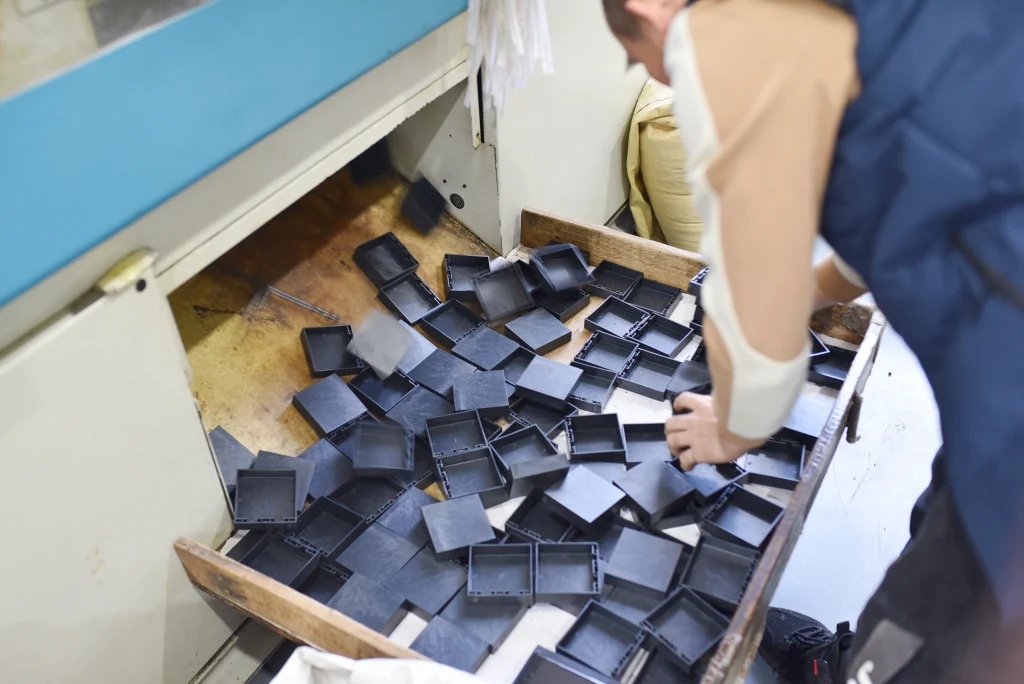
Selecting the right jewellery packaging material requires a strategic evaluation of your target price point, shipping logistics, and brand mission. The best jewellery packaging material for a watch box might differ significantly from what is needed for a simple retail pendant.
Should transit distance influence material?
You must choose rigid materials like 1200GSM cardboard or metal if your products travel across international borders.
- Flimsy materials lead to high return rates due to damage.
- Thicker walls protect against fluctuating warehouse temperatures.
- Custom foam inserts prevent jewelry from scratching itself.
Does your brand mission favor eco-materials?
If your brand story is built on sustainability, you cannot use non-recyclable plastics without damaging your reputation.
- Align your materials with your public environmental claims.
- Use soy-based inks to complement recycled paper choices.
- Market your packaging reusability as a brand feature.
How do you balance luxury and cost?
You can achieve a high-end look on a budget by using standard cardboard with premium finishes like gold foil.
Key Takeaway: The final selection should be a long-term commitment that supports both brand growth and operational efficiency.
| Consideration | Priority | Decision Driver | |
|---|---|---|---|
| Target Price | Top | Margin maintenance | |
| Transit Distance | High | Durability requirements | |
| Brand Mission | High | Material ethics |
Analysis: The final selection should be a strategic decision that balances operational costs with brand storytelling.
Conclusion
Mastering jewelry packaging is about more than just protection; it is about creating a physical extension of your brand’s soul. By carefully selecting each jewellery packaging material, you solve the common industry problem of brand dilution and build a premium unboxing experience that customers will cherish. Our brand vision is to empower jewelry retailers worldwide with factory-direct solutions that never compromise on quality or sustainability. To begin your journey toward better branding, contact us today for a professional consultation and custom samples.
Frequently Asked Questions
Can I use recycled cardboard for a luxury jewelry brand?Yes. High-GSM recycled board can be wrapped in premium specialty papers to provide the strength and weight of luxury while maintaining eco-friendly credentials.
What’s the best material to prevent necklace tangling?Rigid cardboard boxes with custom-cut EVA foam inserts or C-clip holders are the best solutions for keeping chains secure and knot-free during transit.
How do I choose between velvet and leatherette for inserts?Choose velvet for a traditional, romantic aesthetic and leatherette for a modern, sleek, or masculine brand identity, as leatherette is easier to clean.
Can I get custom-colored materials for low order quantities?While custom paper production usually requires high MOQs, you can achieve brand-specific colors through high-quality offset printing on standard white stocks.
What’s the best way to reduce my shipping costs with packaging?Focus on high-strength but lightweight materials like E-flute corrugated cardboard or high-density paperboard to reduce weight without sacrificing protection.