
Imagine opening your safe only to realize your diamond’s value has doubled while your insurance coverage remained stagnant. If you rely on a decade-old document, you are likely underinsured and financially vulnerable in the event of theft or loss. To maintain complete financial security, you should learn how often should jewelry be appraised and aim for a professional update every two to five years. This proactive approach ensures your custom jewelry boxes contain more than just beautiful ornaments; they hold assets with accurate, legally-recognized valuations.
How often should jewelry be appraised for insurance?
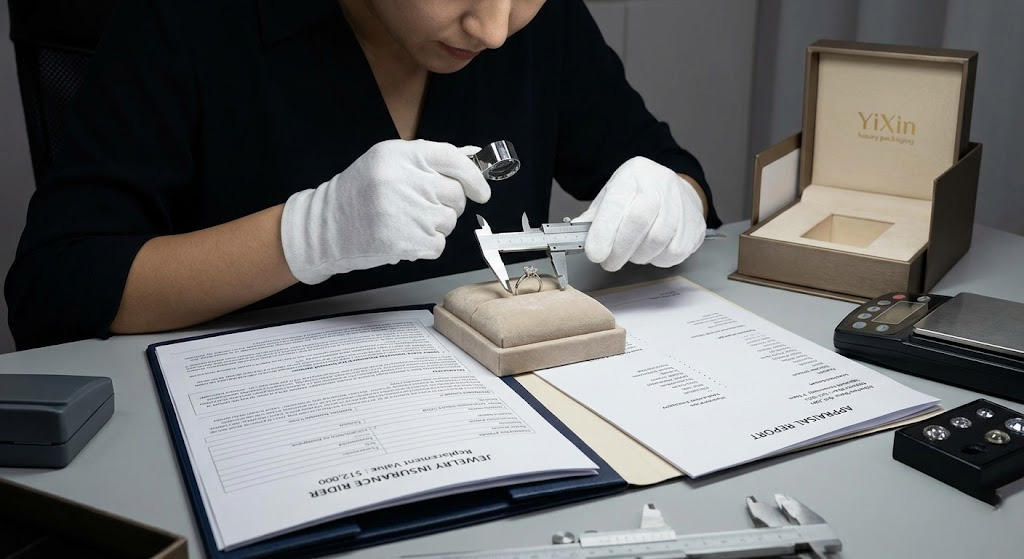
You should update your insurance appraisal every 2 to 5 years to ensure your policy reflects current replacement costs. Knowing how often should jewelry be appraised for coverage prevents the devastating realization that your payout won’t cover a replacement at today’s retail prices. Most carriers actually require these updates to maintain the validity of your rider.
Understanding Replacement Value
Replacement value represents the cost to buy a brand-new equivalent of your item at current market rates. This is typically the highest valuation because it includes retail markups and labor.
Look at this:
- Includes current metal spot prices.
- Accounts for gemstone inflation.
- Reflects modern luxury packaging costs.
Key Takeaway: Keeping your insurance values current is the only way to avoid out-of-pocket expenses during a loss claim.
| Policy Type | Update Frequency | Primary Goal | |
|---|---|---|---|
| Standard Rider | Every 3 Years | Full Replacement | |
| High-Value Policy | Every 2 Years | Market Parity |
The following table highlights why frequent updates are the gold standard for asset protection.
How often should jewelry be appraised for market value?
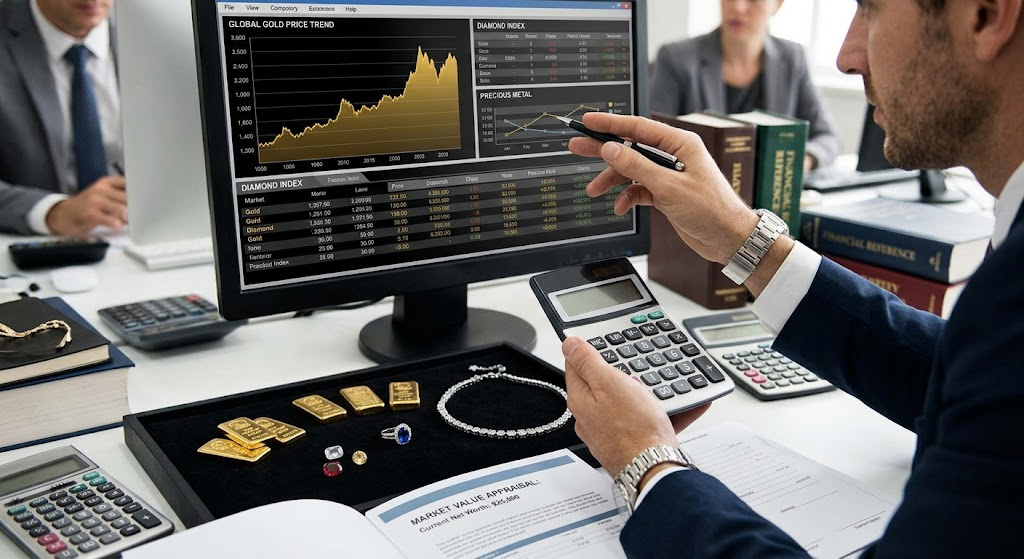
Market value appraisals should occur every 2 years or whenever there is significant volatility in precious metal markets. When you track how often should jewelry be appraised for market value, you gain a clear picture of your net worth and investment performance. Fluctuations in gold or platinum can swing your collection’s value by 20% in a single quarter.
Tracking Metal and Stone Trends
Market value is distinct from retail value as it looks at what the “open market” is currently paying. A trusted jewelry box supplier knows that market perception influences value just as much as material costs.
But that’s not all.
- Daily gold price shifts.
- Diamond supply constraints.
- Consumer demand for specific cuts.
Key Takeaway: Monitoring market value ensures you never sell an asset for less than its current trading worth.
| Market Driver | Impact Level | Recommended Action | |
|---|---|---|---|
| Gold Spike | High | Immediate Appraisal | |
| Rare Gem Demand | Medium | Biennial Review |
This data illustrates the necessity of aligning your collection’s value with global economic shifts.
How often should antique jewelry be appraised?
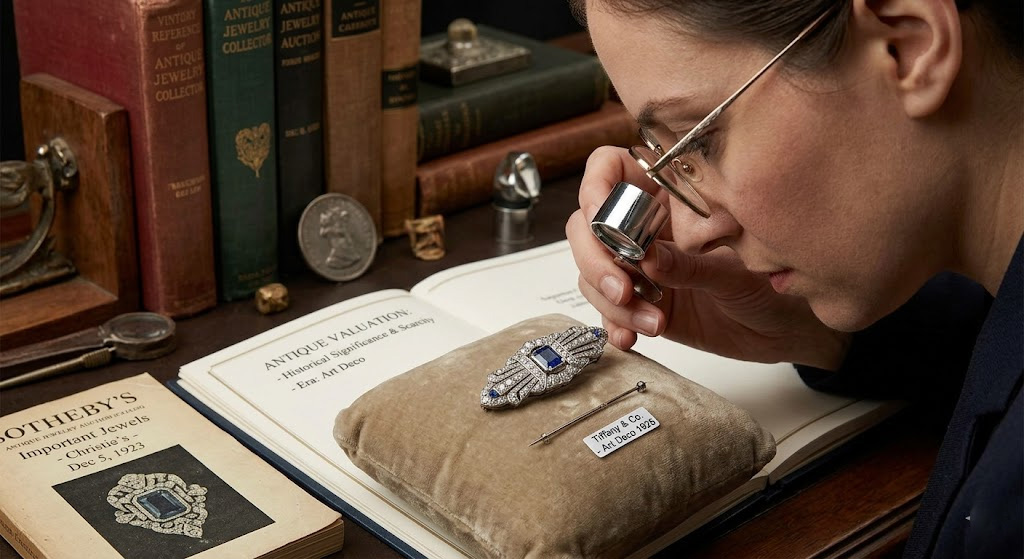
Antique pieces require an appraisal every 2 to 3 years due to their rarity and the fluctuating demand from collectors. Understanding how often should jewelry be appraised when dealing with vintage items is vital because their value isn’t just in the gold weight. Provenance, historical era, and condition play massive roles in the final number.
Valuing Historical Significance
An antique appraisal looks beyond the materials to evaluate the artistry of a specific time period. Pieces from the Art Deco or Edwardian eras can see sudden surges in popularity.
Here’s the kicker:
- Evaluation of maker’s marks.
- Assessment of original components.
- Historical auction comparisons.
Key Takeaway: Antique values are driven by scarcity, making frequent professional check-ins essential for estate planning.
| Era | Scarcity Factor | Appraisal Focus | |
|---|---|---|---|
| Victorian | High | Originality | |
| Art Deco | Very High | Design Purity |
The table above summarizes why historical context necessitates a specialized and frequent appraisal schedule.
Why is regular appraisal vital for your collection?
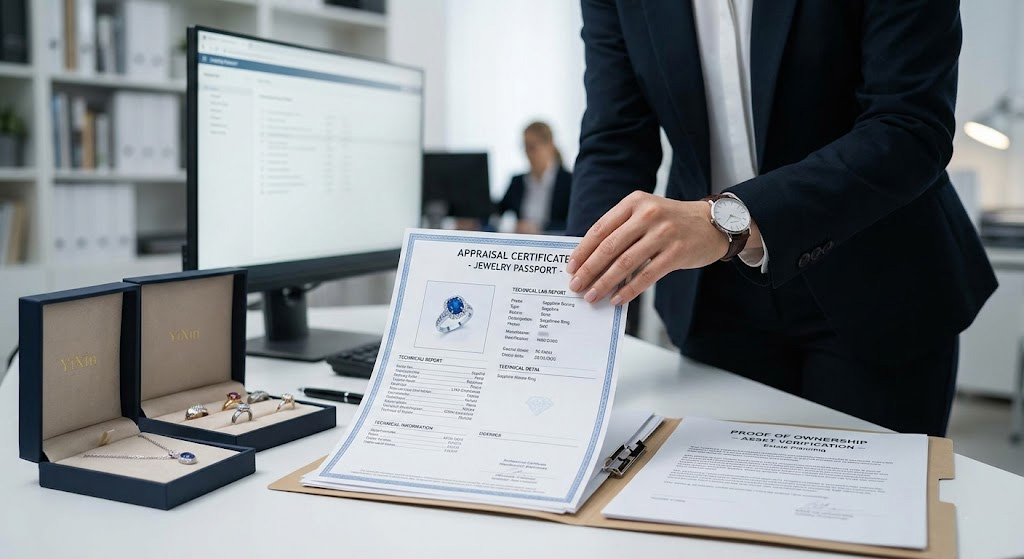
Regular appraisal is vital because it provides legal proof of ownership and keeps your financial records accurate. Even if you aren’t planning to sell, knowing how often should jewelry be appraised helps you manage your assets effectively. Without documentation, you may struggle to prove the quality of stones or the purity of metals in legal disputes. If you store your items in wholesale jewelry boxes , keeping the appraisal certificates nearby streamlines your organization.
Proving Authenticity and Ownership
A professional certificate acts as a “passport” for your jewelry, detailing every technical specification. This document is your primary defense against fraud or counterfeit claims.
Think about it:
- Detailed gemstone mapping.
- Weight and purity logs.
- Photographic evidence.
Key Takeaway: Consistent documentation builds a verifiable history for your jewelry, increasing its future liquidity.
| Document Type | Usage | Benefit | |
|---|---|---|---|
| Ownership Log | Legal | Proof of Title | |
| Technical Lab Report | Verification | Quality Assurance |
Consistent record-keeping transforms a simple hobby into a well-managed investment portfolio.
How often should jewelry be appraised for tax purposes?
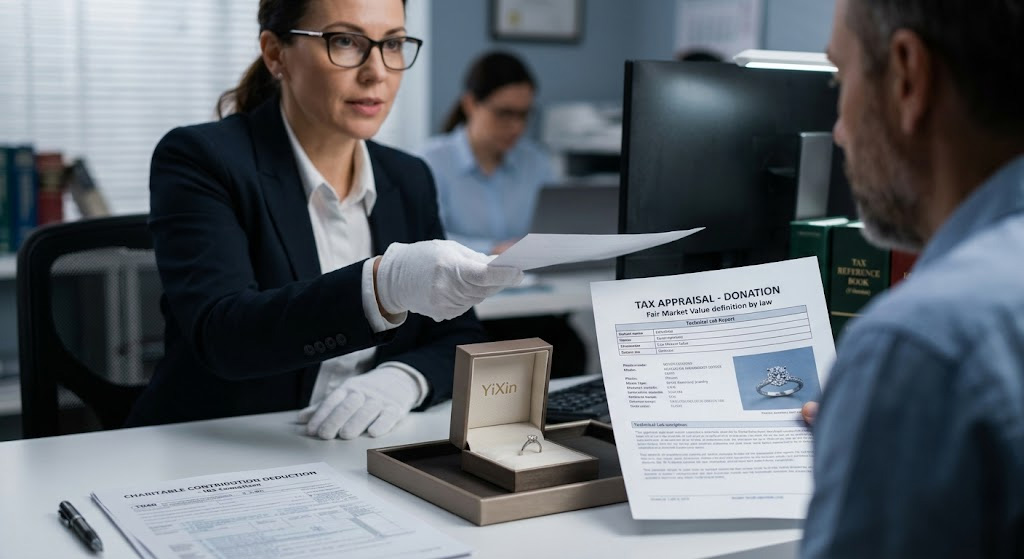
Tax-related appraisals should be conducted at the time of a major life event or during an annual tax audit if the collection is part of a business. Determining how often should jewelry be appraised for tax reasons is a matter of compliance with the IRS or local tax authorities. Whether you are donating a piece or reporting assets, an outdated value can lead to penalties or missed deductions.
Evaluating Charitable Contributions
If you plan to donate jewelry to a non-profit, you need a qualified appraisal to claim a deduction over $5,000. This ensures the value you claim matches the fair market value defined by tax law.
The best part?
- Maximized tax write-offs.
- Protection against audits.
- Verified donation receipts.
Key Takeaway: Precision in tax appraisals saves you from legal headaches and ensures you receive the maximum benefit allowed.
| Tax Scenario | Required Value | Appraiser Type | |
|---|---|---|---|
| Donation | Fair Market | Independent | |
| Wealth Tax | Cost Basis | Certified |
Refer to this breakdown to determine which tax situation requires an immediate professional valuation.
How often should jewelry be appraised for resale?
You should get an appraisal for resale immediately before you intend to list the item for sale. When you ask how often should jewelry be appraised for selling, the answer is “as close to the transaction date as possible.” Prices from six months ago may no longer be relevant in a fast-moving secondary market.
Determining Fair Market Value
Resale value is what a willing buyer will pay a willing seller in a non-forced sale. It is almost always lower than the insurance replacement value.
Check this out:
- Current auction results.
- Secondary market demand.
- Refurbishment cost estimates.
Key Takeaway: A fresh resale appraisal gives you a realistic expectation and strengthens your negotiating position with buyers.
| Sales Channel | Value Expectation | Speed of Sale | |
|---|---|---|---|
| Private Sale | High | Slow | |
| Auction House | Medium | Moderate |
Understanding these resale dynamics helps you choose the right venue for liquidating your jewelry assets.
Do you need an appraisal after jewelry repairs?
Yes, you should seek a new appraisal immediately following any repair that alters the structural integrity or weight of the piece. Knowing how often should jewelry be appraised after maintenance is key to capturing the “new” state of the item. For example, replacing a shank or resetting a stone changes the technical description of the jewelry.
Verifying Material Consistency
Repairs often involve adding or removing metal, which directly impacts the intrinsic value. You want to ensure that the work performed hasn’t diminished the stone’s quality or the metal’s purity.
Believe it or not:
- Validation of stone security.
- Updated gram weight checks.
- Post-repair condition grading.
Key Takeaway: Post-repair appraisals confirm that your jeweler returned the item in the condition promised without swapping components.
| Repair Type | Value Impact | Action Needed | |
|---|---|---|---|
| Resizing | Minimal | Log Change | |
| Stone Resetting | High | Full Appraisal |
This table outlines why technical changes to your jewelry necessitate a refreshed professional evaluation.
How often should jewelry be appraised for estates?
Estate appraisals are required during the probate process or whenever a will is being executed to ensure equitable distribution. If you are managing a family collection, knowing how often should jewelry be appraised for an estate helps prevent disputes among heirs. Valuation must be performed at the date of death to comply with legal and tax standards.
Ensuring Fair Asset Distribution
Equitable distribution relies on knowing the exact value of every piece so that each beneficiary receives their fair share. This prevents emotional conflict and ensures the estate is settled according to the law.
Wait, there’s more:
- Inventory of all pieces.
- Date-of-death valuations.
- Legal documentation for heirs.
Key Takeaway: Estate appraisals provide a clear, unbiased roadmap for dividing valuable family assets fairly.
| Estate Stage | Valuation Needed | Goal | |
|---|---|---|---|
| Will Drafting | Estimated | Allocation | |
| Probate | Fair Market | Legal Settlement |
Review these estate stages to understand when to call in a professional gemologist for your family’s needs.
How can you find a qualified jewelry appraiser?
You should search for an appraiser who holds GIA or ASA credentials and does not have a financial interest in buying your jewelry. Learning how often should jewelry be appraised is only half the battle; finding a person you can trust is the other half. An independent appraiser will give you an unbiased number, whereas a retail jeweler might inflate or deflate prices based on their stock.
Checking Professional Credentials
The most respected appraisers belong to organizations that require ongoing education and strict ethical standards. Always ask to see their current certifications before handing over your collection.
It gets better:
- GIA Graduate Gemologist status.
- American Society of Appraisers membership.
- Peer-reviewed reputation.
Key Takeaway: Selecting an independent, certified professional ensures your appraisal holds weight in court and with insurance companies.
| Credential | Issuer | Industry Standing | |
|---|---|---|---|
| GG | GIA | Gold Standard | |
| MGA | ASA | Master Level |
Use this credential guide to vet any professional before they begin evaluating your precious items.
Is an appraisal required for new jewelry purchases?
Yes, you should obtain an appraisal immediately after purchasing a new piece to establish its baseline value and secure insurance. While you might have a receipt, knowing how often should jewelry be appraised for new items ensures you have a detailed technical description for your files. A sales receipt rarely contains the depth of information needed to replace a high-end necklace box item if it is lost.
Creating a Baseline Valuation
A new purchase appraisal confirms that the stones and metal you bought match the specs listed by the retailer. It serves as your “Day 1” record for all future updates.
Keep in mind:
- Confirmation of lab reports.
- Verification of retail price.
- Immediate insurance eligibility.
Key Takeaway: Getting an appraisal on day one protects your investment the moment you leave the store.
| Purchase Type | Appraisal Need | Priority | |
|---|---|---|---|
| Custom Piece | Critical | High | |
| Designer Brand | Essential | Medium |
Follow this purchase checklist to ensure your new acquisitions are protected from the moment of ownership.
FAQ
Can I get an appraisal done online?Possibly, but physical inspection is highly recommended for high-value items to ensure accuracy and stone verification.
What is the best way to store my appraisal papers?Digital backups are best; keep physical copies in a fireproof safe separate from your jewelry collection.
Can I use a grading report as an appraisal?No, a grading report only identifies characteristics, whereas an appraisal assigns a specific monetary value.
What’s the typical cost for a jewelry appraisal?Expect to pay between 75and150 per hour, depending on the complexity and the appraiser’s experience.
Will my insurance premium go up after an appraisal?Likely yes, if the value has increased, but this ensures you are fully covered for the actual replacement cost.
Conclusion
Maintaining a regular appraisal schedule is not just about numbers; it is about the peace of mind that comes from knowing your treasures are protected. By updating your valuations every few years, you safeguard your financial future against market shifts and unforeseen losses. At YiXin Packaging, our vision is to provide the world’s leading brands with the tools they need to present and protect their most valuable assets. Whether you need bulk orders or a custom design, contact us today to discover how our premium solutions can elevate your jewelry business.
Don’t wait for a loss to realize your paperwork is outdated—schedule your professional appraisal now and let us help you find the perfect packaging to match your collection’s true value.