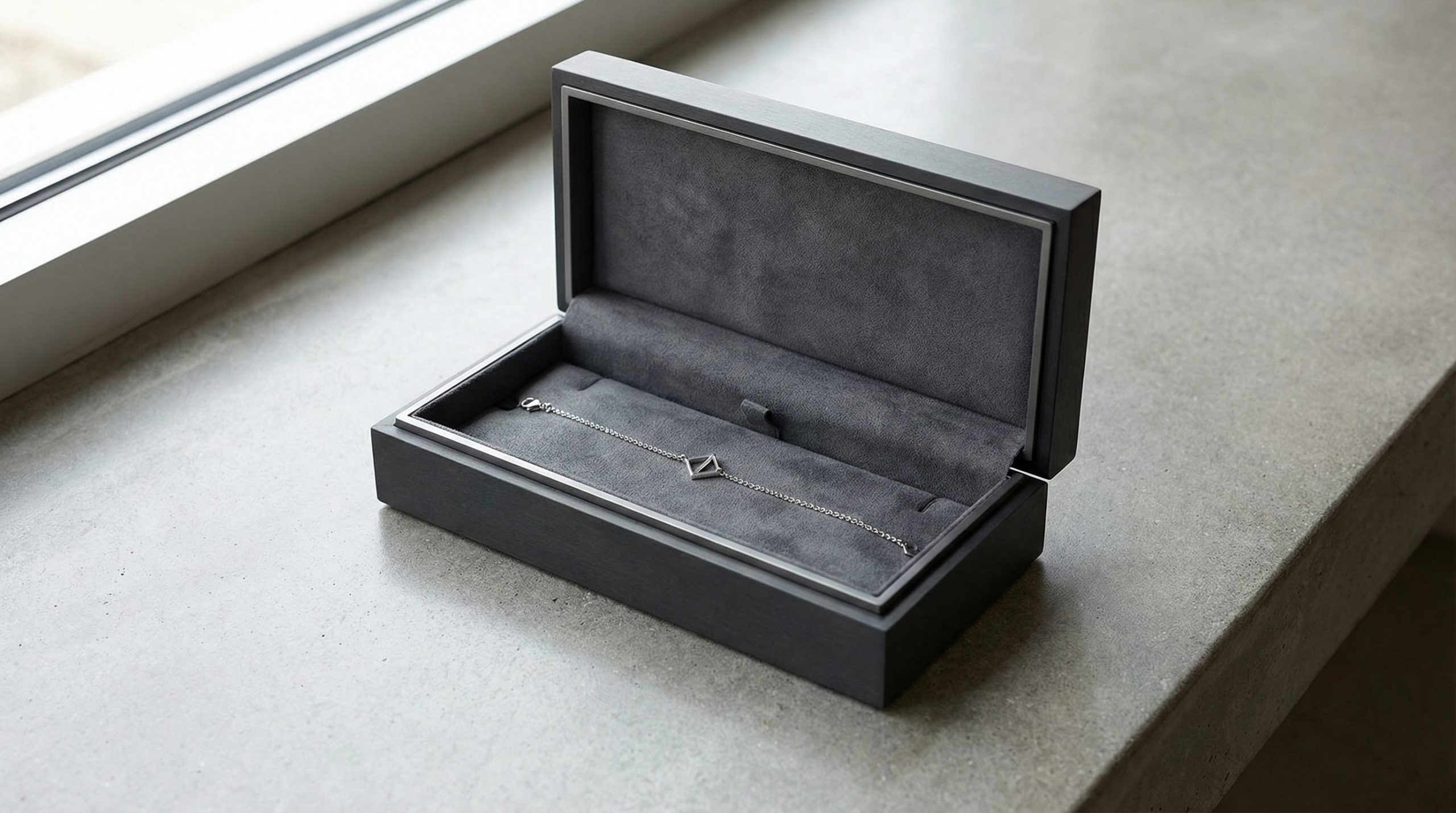
Velvety linings offer a significantly more premium feel than standard soft fabric linings because their dense pile creates a rich tactile depth that mimics high-end luxury. You often struggle to find a jewelry box liner material that truly reflects the quality of your handcrafted pieces or high-carat gems. When a customer touches a thin, scratchy fabric, it creates a “tactile dissonance” that instantly devalues the jewelry inside, regardless of its actual price. By selecting a high-density velvety finish, you solve this perception gap, ensuring the unboxing experience is as luxurious as the product itself.
Why choose the right jewelry box liner material?
Selecting the correct jewelry box liner material is essential because it serves as the primary interface between your brand’s physical identity and the customer’s tactile perception. This layer acts as both a protective cushion for delicate settings and a visual stage that enhances the brilliance of gemstones. Without the right density and texture, the jewelry may shift during transport or appear dull against a flat background.
How does the liner protect delicate gemstones?
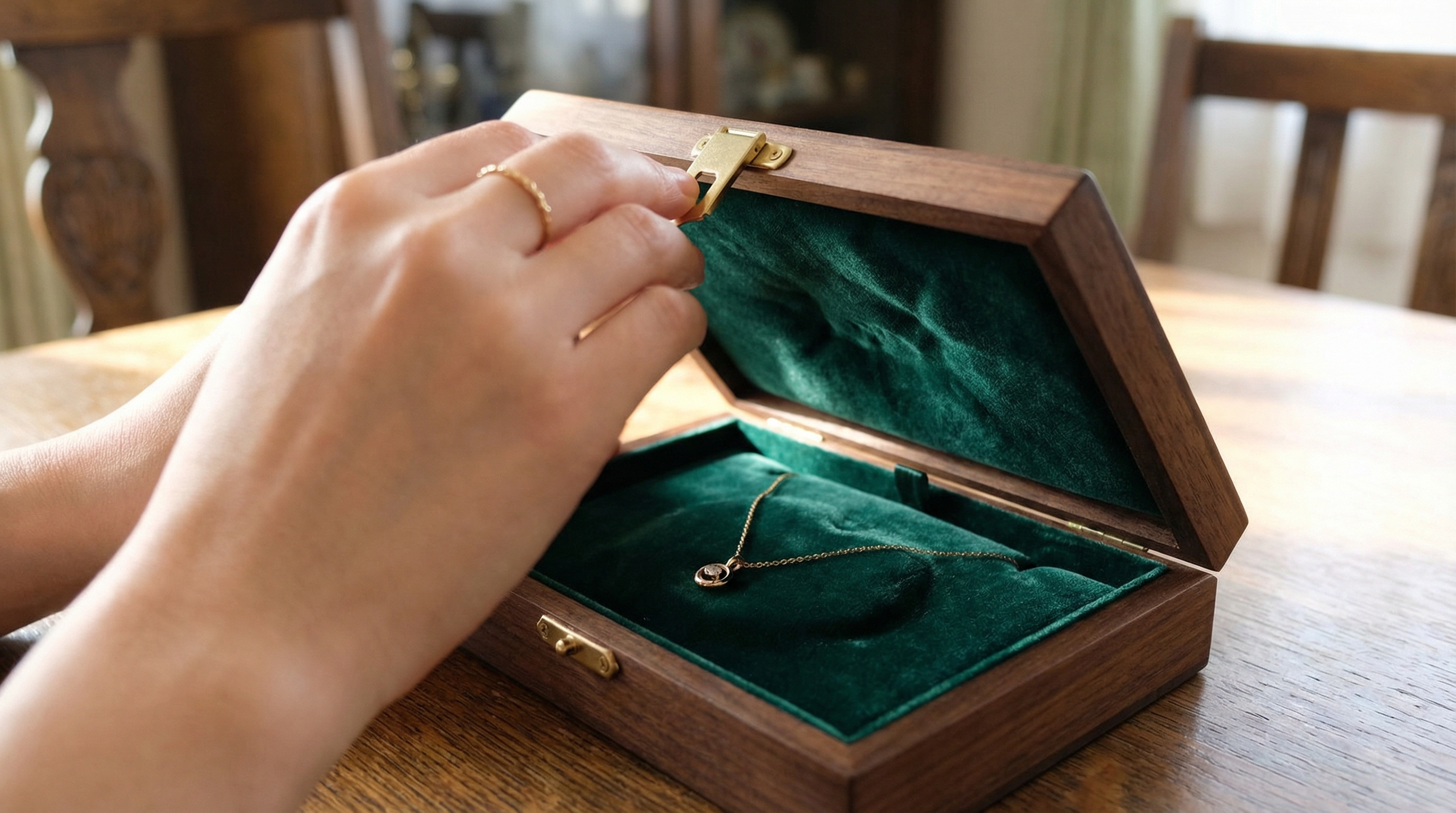
Gemstones require a non-abrasive surface to prevent microscopic scratches that can accumulate over time and dull their luster. A plush lining absorbs shocks and vibrations that occur during shipping or frequent handling.
- High-density foam backing provides structural support.
- Soft fibers prevent surface abrasion on soft stones like pearls.
- Anti-static properties reduce dust attraction.
Think about it: If your packaging doesn’t cradle the stone properly, you are essentially leaving your reputation to chance.
Can a premium liner improve the unboxing experience?
A luxurious lining creates an immediate emotional connection by engaging the customer’s sense of touch the moment the box opens. This sensory engagement reinforces the “premium” status of the purchase and encourages social media sharing.
- Plush textures invite prolonged physical interaction.
- Visual contrast between the liner and metal creates “pop.”
- Scent-neutral materials ensure no chemical odors distract the user.
The best part? A high-quality wholesale ring box environment makes the moment feel like a true event rather than a simple transaction.
Understanding the role of material in long-term storage
Liner materials must be chemically inert to ensure they do not react with precious metals over months or years of storage. Many low-grade fabrics contain dyes or glues that can off-gas and cause permanent damage to sensitive finishes.
- Acid-free substrates prevent paper-based corrosion.
- Breathable weaves manage internal humidity levels.
- Resilient fibers maintain their shape under the weight of heavy pieces.
But wait, there’s more: Choosing the right material ensures the jewelry looks as good in five years as it did on the day it was sold.
Key TakeawayThe choice of lining directly dictates the perceived value and safety of the product, making it a critical strategic decision for any jewelry brand.
| Feature | Impact on Brand | Functional Benefit | |
|---|---|---|---|
| Fiber Density | High Perception | Maximum Cushioning | |
| Chemical Inertia | Trust & Reliability | Tarnish Prevention | |
| Visual Texture | Luxury Aesthetic | Enhanced Brilliance |
Which jewelry box liner material prevents tarnish?
Microfiber and treated velvet are the most effective jewelry box liner material options for preventing tarnish because they can be infused with anti-corrosion technology. These materials work by neutralizing sulfur and moisture in the air before they can react with silver or gold alloys. By creating a chemically stable micro-environment, these liners extend the shelf life of your inventory significantly.
What are the properties of anti-tarnish fabrics?
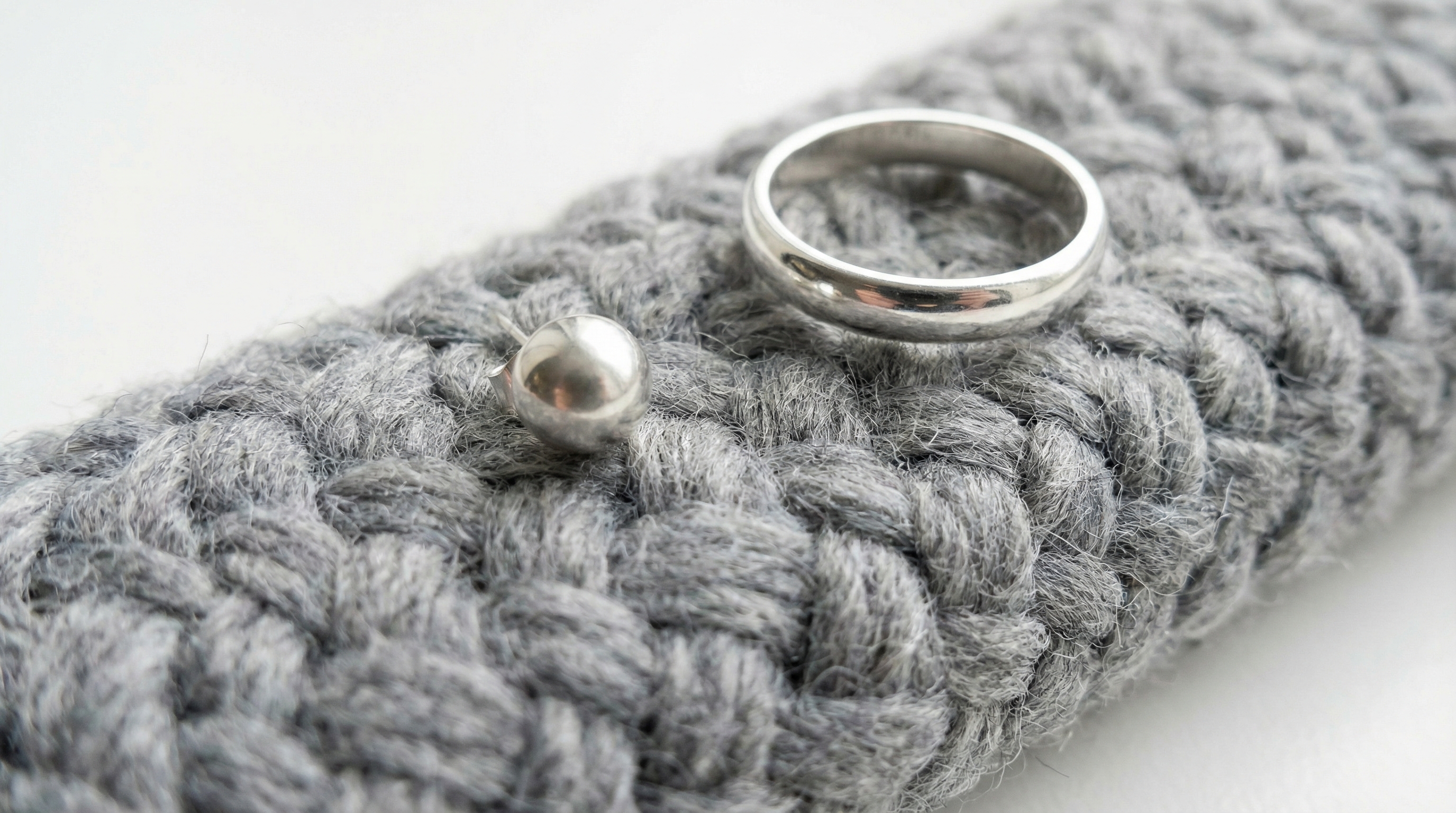
Anti-tarnish fabrics are engineered with specialized silver-binding particles or chemical inhibitors that act as a sacrificial barrier. These particles attract and trap the corrosive gases that typically lead to darkening of metals.
- Infused copper or zinc particles.
- Tight weave patterns to limit airflow.
- Moisture-wicking capabilities.
Here is the kicker: Standard fabrics often accelerate tarnishing, while these technical liners proactively fight it.
Best fibers for preventing metal corrosion
Synthetic microfibers are often superior to natural silk for tarnish prevention because they are less likely to retain moisture or organic residues. These lab-engineered fibers can be tightly controlled for acidity, ensuring a perfectly neutral pH for bulk necklace boxes.
- 100% polyester micro-suede.
- Non-sulfur treated synthetics.
- Specialized “LusterLoc” style technical weaves.
Think about it: Protecting your metal finish is just as important as the design of the piece itself.
Key TakeawayInvesting in chemically active anti-tarnish linings is a proactive way to reduce customer returns and maintain the pristine look of silver and low-karat gold.
| Material Type | Tarnish Resistance | Best Use Case | |
|---|---|---|---|
| Treated Microfiber | Exceptional | Silver & Plated Items | |
| Synthetic Velvet | Good | Gold & Gemstones | |
| Untreated Silk | Moderate | High-End Boutique Displays |
Is velvet the best jewelry box liner material?
Traditional high-density velvet is often considered the best jewelry box liner material because its light-absorbing properties create a high-contrast backdrop that makes diamonds and polished metals stand out. The “hush” of a velvet-lined box opening provides a classic auditory and tactile cue of luxury that customers have associated with high-end brands for centuries. It offers a unique combination of extreme softness and structural grip that keeps items securely in place.
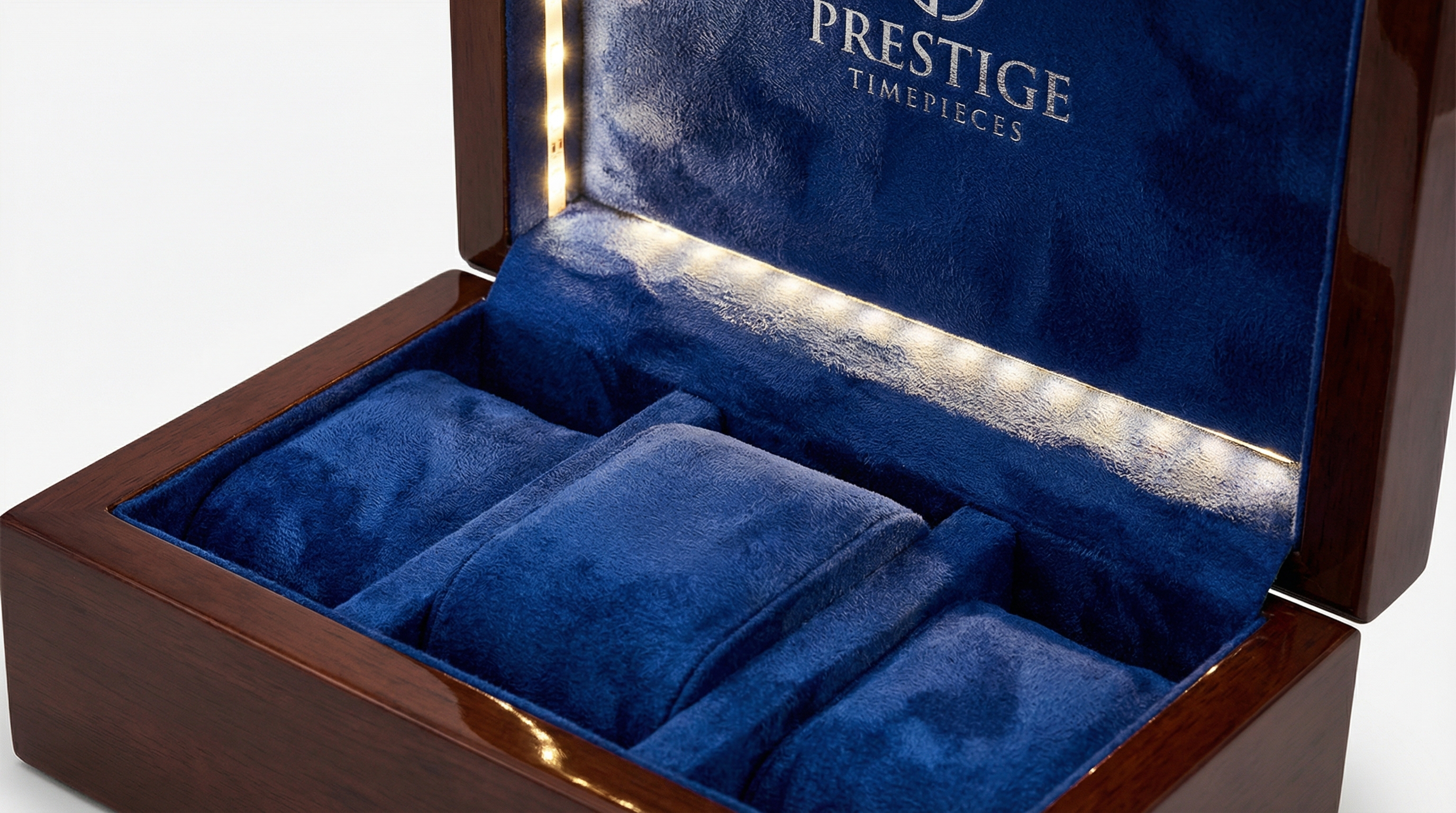
Benefits of high-density traditional velvet
High-density velvet features a short, stiff pile that does not “crush” easily under the weight of heavy jewelry or from finger pressure. This resilience ensures the packaging looks new and professional even after multiple unboxings.
- Excellent friction for holding rings in place.
- Deep color saturation for brand-specific shades.
- Sound-dampening qualities during unboxing.
But it doesn’t stop there: Velvet’s ability to hide glue lines makes it a favorite for high-quality custom jewelry box manufacturing.
Why do luxury brands prefer plush textures?
Plush textures trigger a psychological response associated with comfort, heritage, and high cost. When a brand uses a thick, velvety lining, it signals to the customer that no expense was spared in protecting the item.
- Evokes a sense of historical “royal” luxury.
- Provides a “weighted” feel to the packaging.
- Creates a dramatic reveal through light absorption.
The best part? This tactile experience lingers in the customer’s mind, building long-term brand loyalty.
Comparing natural silk velvet vs. synthetic options
Natural silk velvet offers an unparalleled luster and “hand,” but synthetic options like polyester velvet provide much better durability and color fastness. For B2B applications, synthetic blends are typically preferred for their resistance to fading and crushing.
- Silk velvet: Maximum prestige, delicate.
- Polyester velvet: High durability, cost-effective.
- Nylon flocking: Entry-level, consistent texture.
You see: The modern synthetic velvety liner often outperforms traditional silk in a retail environment.
Key TakeawayVelvet remains the gold standard for luxury because it combines a timeless aesthetic with superior functional grip and protection.
| Velvet Type | Durability | Aesthetic Level | |
|---|---|---|---|
| High-Density Poly | High | Premium | |
| Silk Blend | Medium | Ultra-Luxury | |
| Flocked Paper | Low | Budget-Friendly |
What is a durable jewelry box liner material?
Microfiber is the most durable jewelry box liner material because it is engineered to resist scuffing, fraying, and permanent crushing even under heavy retail use. Unlike delicate natural fabrics, high-quality microfibers can be wiped clean and maintain their uniform appearance over thousands of cycles. This makes them ideal for display trays and travel cases where the lining is frequently touched and exposed to the elements.
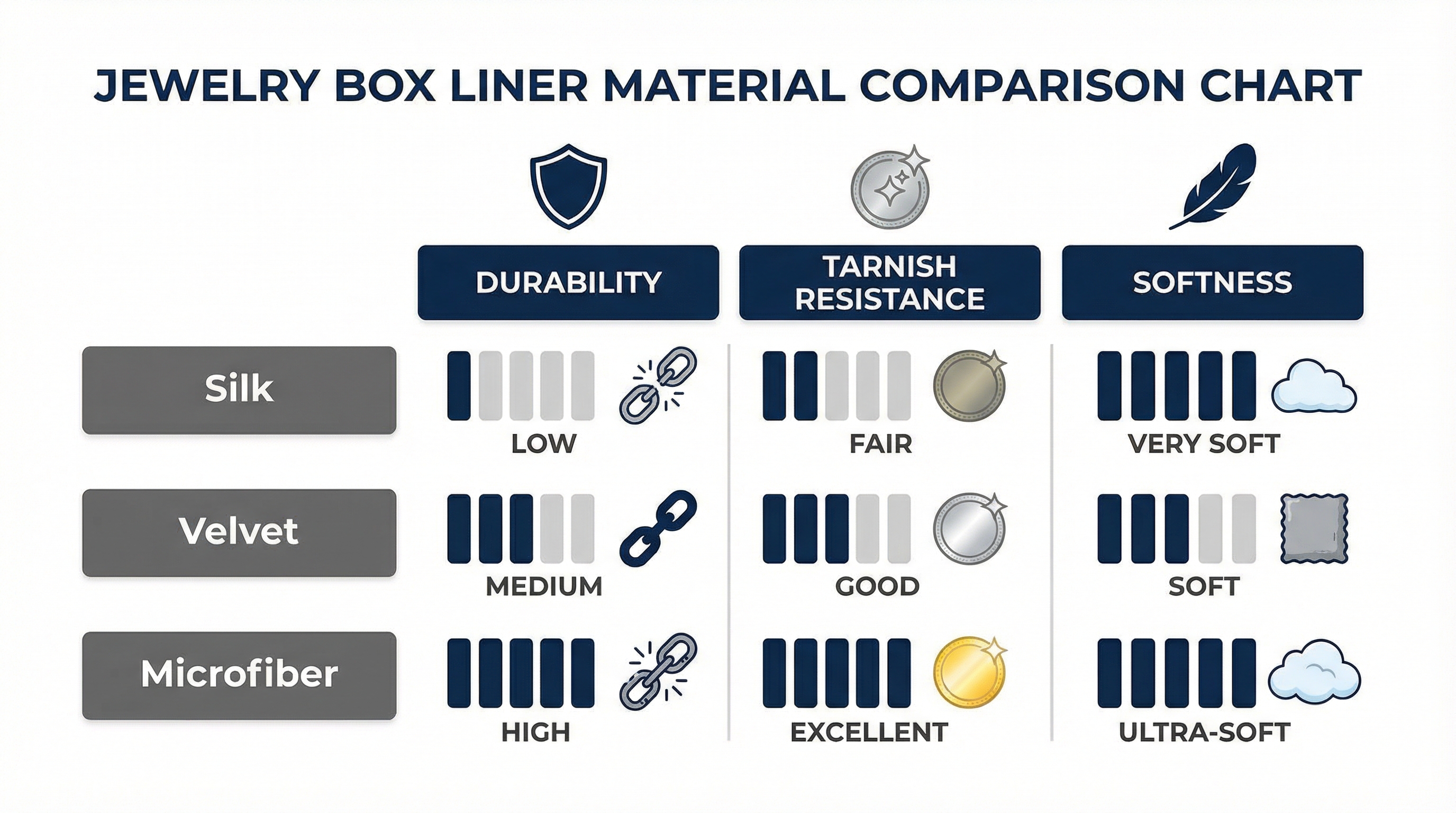
Is microfiber more resilient than traditional silk?
Microfiber significantly outperforms silk in terms of tensile strength and resistance to tearing or snagging on sharp jewelry edges. While silk can develop “runs” or water spots, microfiber remains visually consistent and structurally sound.
- Resistant to moisture and oil from skin.
- Does not fray at the edges when cut.
- Maintains color even under UV display lights.
Here is the kicker: For a high-traffic retail environment, microfiber is the only choice that stays looking “brand new.”
Testing material recovery after heavy use
A premium durable liner must pass the “crush test,” meaning it returns to its original loft immediately after a heavy piece of jewelry is removed. This ensure that your pe film jewelry box inserts or traditional pads never look “tired” or worn out.
- High-resiliency foam cores.
- Elastic fiber memory.
- Resistance to permanent indentation.
But wait, there’s more: Durable materials reduce the frequency of packaging replacements, saving your brand money over time.
Key TakeawayDurability in lining is not just about strength; it is about maintaining a “day one” appearance through long-term use and handling.
| Material | Scuff Resistance | Longevity | |
|---|---|---|---|
| Microfiber | High | 5+ Years | |
| Synthetic Velvet | Medium | 2-3 Years | |
| Satin | Low | < 1 Year |
How to pick a jewelry box liner material for rings?
When choosing a jewelry box liner material for rings, you must prioritize materials that offer high friction and a dense pile to securely hold the band without slipping. The liner needs to be flexible enough to wrap around ring rolls but stiff enough to prevent the ring from tilting during transport. A velvety finish is typically the best choice here because it provides the necessary “bite” to keep a top-heavy engagement ring upright.
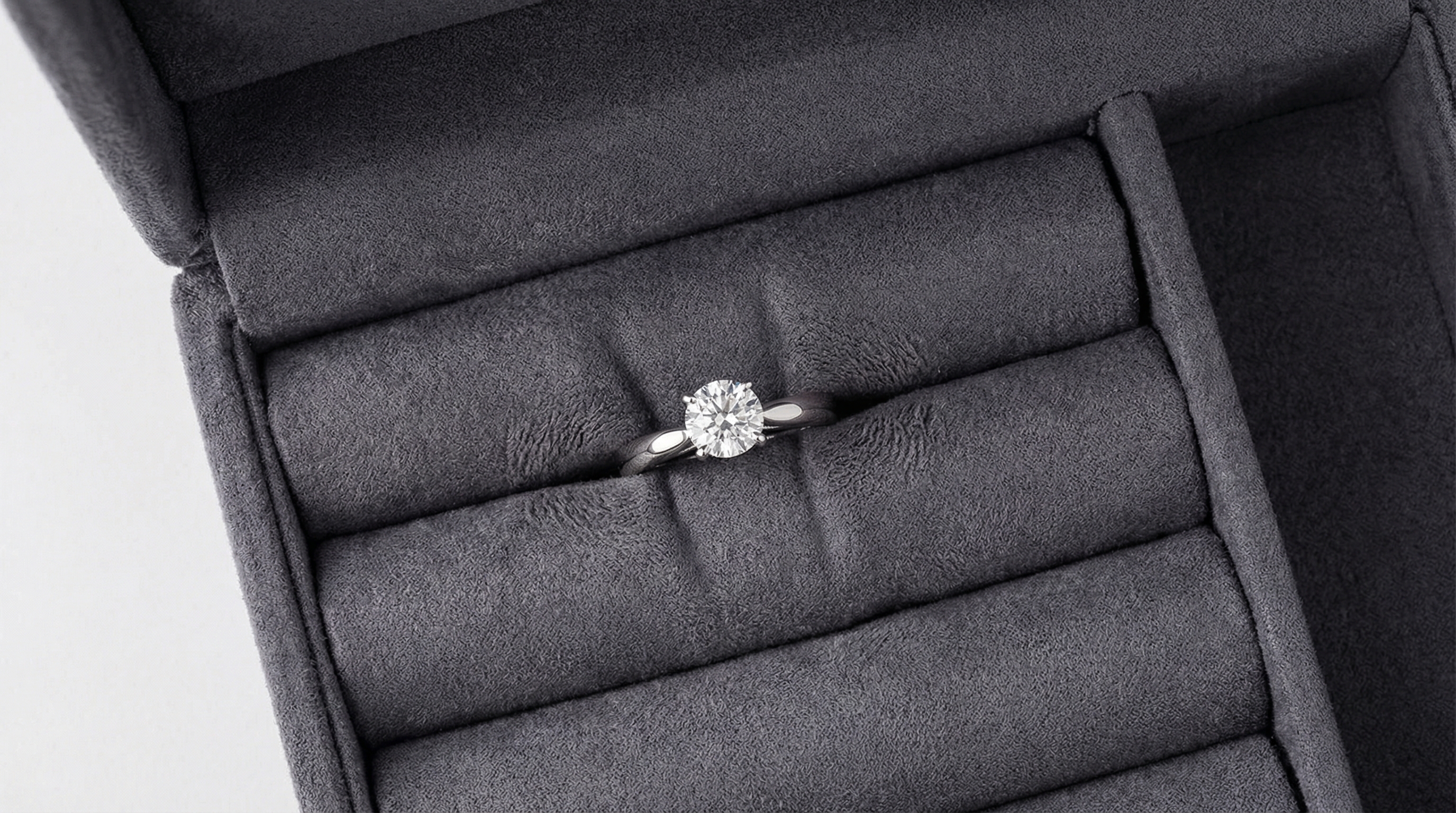
Which fabrics provide the best grip for ring rolls?
Materials with a directional nap, such as velvet or sueded microfiber, provide the best grip because the tiny fibers act like microscopic hooks against the metal. This ensures that even thin bands stay centered in a wholesale ring box.
- Velveteen for cost-effective grip.
- Brushed suede for a modern aesthetic.
- Padded velvet rolls for classic security.
Think about it: A ring that falls over in the box looks cheap; a ring that stands tall looks like a masterpiece.
Will the material snag on intricate prong settings?
Prong-set diamonds can easily catch on loose-weave fabrics, potentially bending the metal or tearing the lining. You should always opt for a short-pile velvety material or a smooth, tightly-woven microfiber to eliminate this risk.
- Avoid loose-knit jerseys.
- Opt for “sheared” velvet finishes.
- Check for seamless edge finishing.
The best part? A snag-free liner ensures the customer isn’t struggling to remove their new treasure from the box.
Key TakeawayRing liners must balance aesthetic softness with the functional necessity of holding the piece upright and preventing snags.
| Ring Type | Recommended Liner | Reason | |
|---|---|---|---|
| Solitaire Engagement | High-Pile Velvet | Vertical Support | |
| Simple Wedding Band | Micro-Suede | Modern & Sleek | |
| Intricate Filigree | Tightly Woven Silk | Snag Prevention |
Can silk serve as a jewelry box liner material?
Silk can certainly be used as a jewelry box liner material, but it is primarily selected for its high-luster visual appeal rather than its long-term durability. It offers a smooth, cool touch and a natural shimmer that complements classic and romantic jewelry styles perfectly. However, because it is delicate, it is best suited for “prestige” gift boxes rather than high-frequency retail display trays.
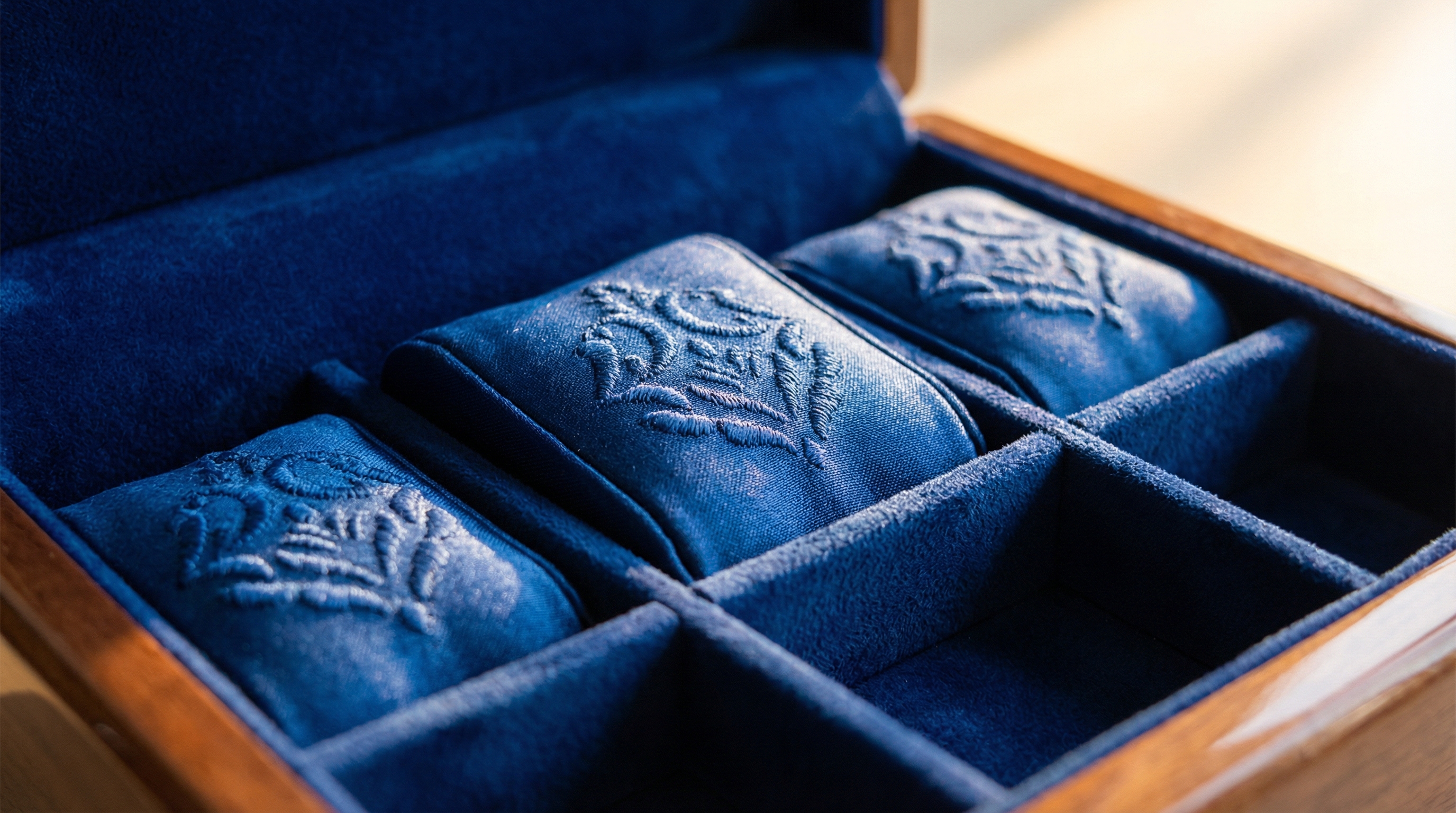
Visual appeal of smooth, high-luster silk finishes
The way silk reflects light creates a luminous “glow” inside the box, which can make gold jewelry look particularly warm and inviting. It provides an “old-world” luxury feel that synthetic fabrics often struggle to replicate.
- Natural shimmer under boutique lighting.
- Elegant draping for loose-necklace layouts.
- Softest tactile profile of all fabrics.
But it doesn’t stop there: Silk is often the preferred choice for bulk necklace boxes intended for bridal or high-fashion collections.
Balancing elegance with functional protection
While silk looks incredible, it provides less “grip” than velvet, meaning jewelry might slide around if not secured with clips or elastic. It also requires careful handling to prevent staining from natural skin oils.
- Best for static display boxes.
- Requires internal tabs or C-clips.
- Sensitive to humidity and sunlight.
You see: Silk is a high-reward material that requires a high level of care to maintain its premium status.
Key TakeawaySilk is the ultimate choice for visual elegance, provided the jewelry is properly secured and the box is handled with care.
| Performance Metric | Silk Performance | Comparison to Velvet | |
|---|---|---|---|
| Aesthetic Appeal | Excellent | Different (Glow vs. Depth) | |
| Grip Strength | Low | Much Lower | |
| Maintenance Need | High | Higher |
Where to source jewelry box liner material in bulk?
The most cost-effective way to source high-quality jewelry box liner material is to partner directly with a specialized packaging manufacturer that owns their supply chain. Sourcing from a factory allows you to customize the fiber density, color, and anti-tarnish treatments to match your brand’s specific requirements. This direct relationship also ensures that you receive consistent material quality across every production run.
Benefits of direct factory sourcing for custom liners
When you work with a manufacturer like YiXin, you eliminate the middleman markups that typically inflate the price of jewelry packaging wholesale. You also gain access to technical experts who can recommend the best material for your specific climate or shipping method.
- Access to proprietary anti-tarnish blends.
- Custom color matching (Pantone).
- Lower MOQs for high-end specialty fabrics.
Here is the kicker: Direct sourcing can often reduce your total packaging costs by 20% or more.
How to verify material quality from manufacturers?
To ensure your custom jewelry box meets international standards, you should request material safety data sheets (MSDS) and certificates of compliance for REACH or RoHS. Testing for color fastness and chemical pH is also vital for luxury applications.
- Request “swatch cards” for tactile testing.
- Check for ISO 9001 factory certifications.
- Ask for 3-5 day rapid prototyping samples.
Think about it: The quality of your liner is only as reliable as the quality of the factory that produces it.
Key TakeawaySourcing directly from an integrated manufacturer provides the best balance of customization, quality control, and cost-efficiency.
| Sourcing Method | Customization | Cost Control | |
|---|---|---|---|
| Direct Factory | High | Maximum | |
| Local Distributor | Low | Moderate | |
| Online Wholesaler | None | Low |
Does jewelry box liner material affect brand image?
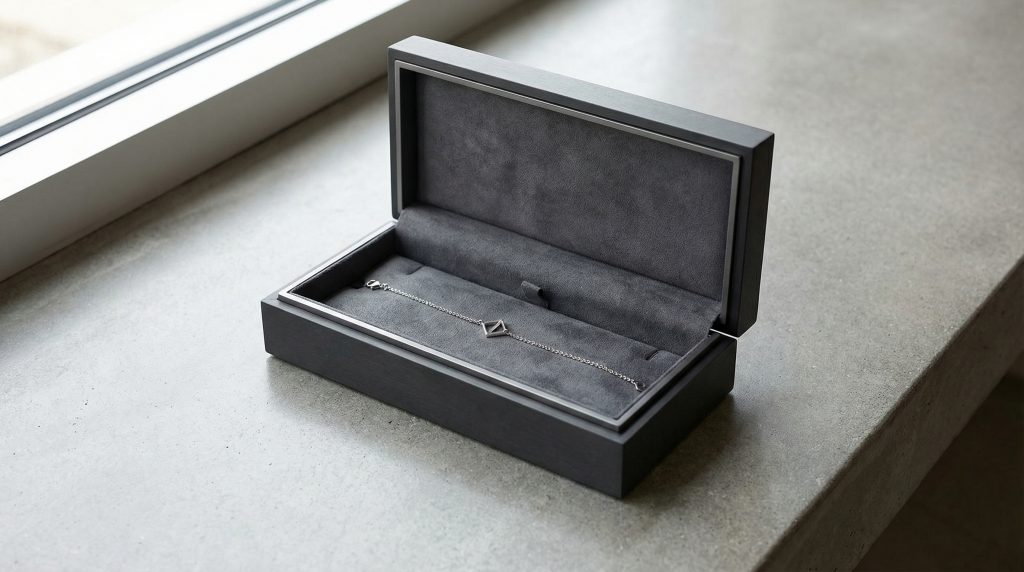
The tactile quality of your jewelry box liner material directly shapes how customers perceive your brand’s authority and attention to detail. In the luxury world, “feel is real,” and a customer will subconsciously judge the value of a $10,000 necklace by the quality of the fabric it sits upon. If the material feels generic or flimsy, it creates a “cheapening” effect that can damage your brand’s long-term equity.
How do customers perceive tactile quality?
Customers associate weight, density, and softness with luxury; materials that feel “empty” or “thin” are associated with mass production. A velvety lining provides a multi-sensory experience that reinforces a high-end brand narrative.
- High-density velvet = Heritage and prestige.
- Smooth microfiber = Modern and high-tech.
- Raw linen/cotton = Eco-friendly and artisanal.
The best part? A premium custom jewelry box often becomes a keepsake that keeps your brand in front of the customer for years.
Creating a unique brand signature through texture
You can differentiate your brand by choosing a non-traditional liner texture, such as a patterned velvet or a metallic-flecked silk. This creates a “signature unboxing” that makes your products instantly recognizable in a crowded market.
- Custom embossed patterns in velvet.
- Contrast stitching on microfiber pads.
- Branded ribbons integrated into the liner.
But wait, there’s more: Consistency in texture across all packaging—from the ring box to the carry bag—builds a cohesive brand identity.
Key TakeawayThe lining is the silent ambassador of your brand; it should speak of quality, care, and exclusivity through every fiber.
| Perception Factor | High-End Material | Low-End Material | |
|---|---|---|---|
| First Touch | Plush & Inviting | Cold & Scratchy | |
| Light Interaction | Deep Shadows/Contrast | Flat or Dull | |
| Weight | Solid & Premium | Light & Flimsy |
Is suede a premium jewelry box liner material?
Faux suede is a highly popular and premium jewelry box liner material because it offers a sophisticated, matte appearance that fits perfectly with modern, minimalist branding. It provides a tactile experience that is warmer than silk but cleaner than long-pile velvet, making it the ideal “middle ground” for contemporary jewelers. Additionally, synthetic suede is incredibly durable and easy to clean, ensuring the interior of the box remains pristine over time.
Why use suede for modern, minimalist branding?
Suede’s flat, non-reflective surface allows the metal and stones of a piece to be the sole focus of the viewer’s attention. It does not compete with the jewelry for light, which is why it is favored by brands that focus on clean lines and geometric shapes.
- Understated elegance.
- Professional, “architectural” look.
- Great for unisex and men’s jewelry lines.
But it doesn’t stop there: Suede is also much easier to bond to rigid substrates, resulting in perfectly sharp, clean corners in your custom jewelry box.
Comparing the “hand-feel” of suede vs. microfiber
While both are synthetic, high-end sueded microfiber has a much softer “hand” than industrial suede, mimicking the feel of natural lambskin. This softness is critical for preventing microscopic scratches on highly polished surfaces.
- Suede: Stiffer, more structural.
- Micro-suede: Softer, more protective.
- Ultrasuede: The peak of synthetic luxury.
You see: Choosing the right grade of suede can elevate a simple box into a luxury artifact.
Key TakeawaySuede is the premier choice for brands seeking a sophisticated, modern aesthetic that prioritizes clean visuals and durability.
| Brand Vibe | Recommended Material | Visual Result | |
|---|---|---|---|
| Modern / Tech | Suede | Matte & Sharp | |
| Romantic / Classic | Velvet | Plush & Deep | |
| Sustainable / Earthy | Natural Linen | Textural & Organic |
How to clean your jewelry box liner material?
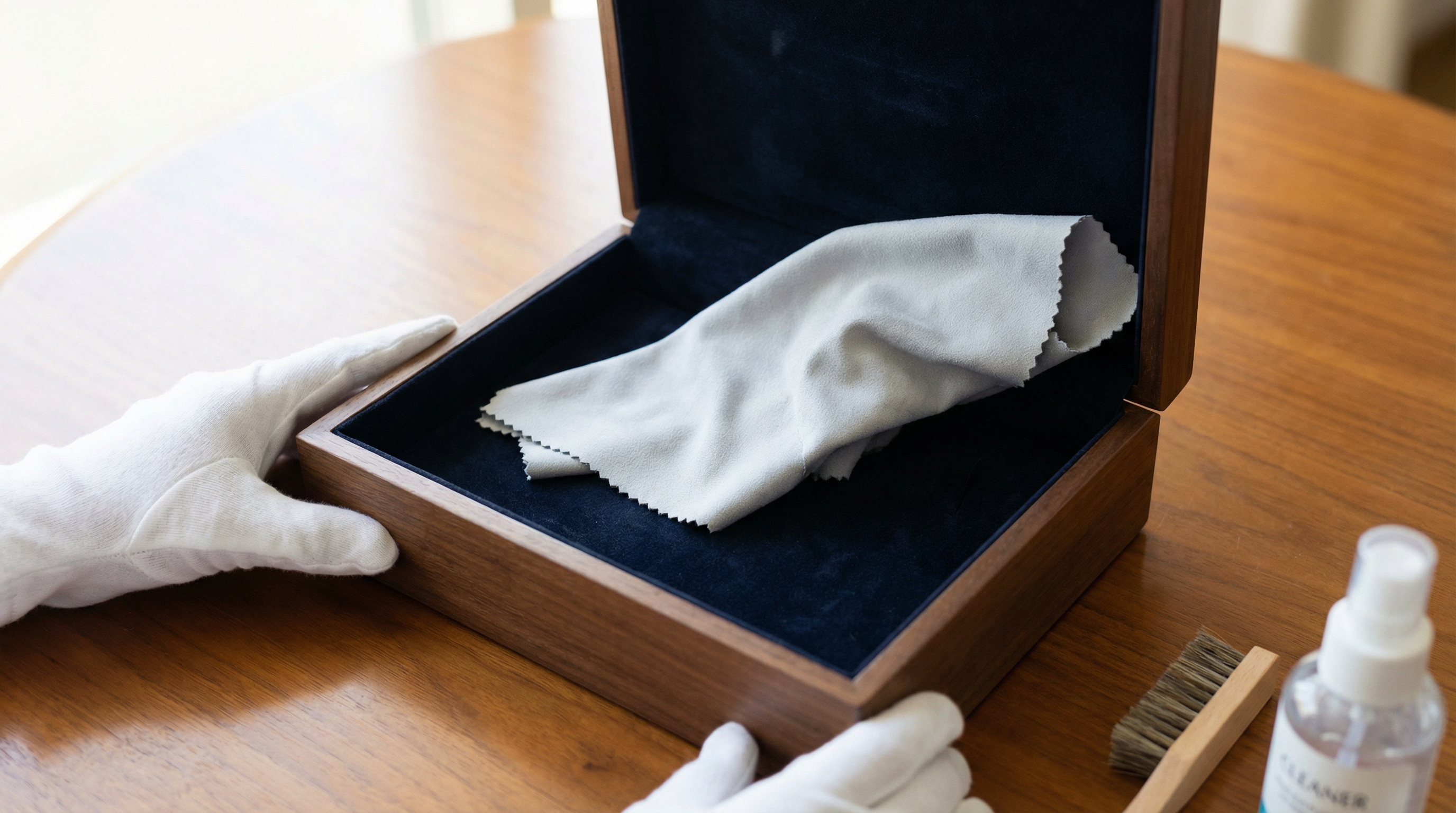
The best way to clean your jewelry box liner material depends on its fiber type, but generally involves using a soft brush or specialized adhesive roller to remove dust without damaging the pile. For velvety surfaces, you should never use harsh chemicals or excessive water, as this can permanently “crush” the fibers and ruin the premium feel. Regular maintenance ensures your display packaging remains a professional reflection of your brand.
Best ways to remove dust from velvet piles?
Dust is the enemy of velvet’s deep color; it gets trapped in the pile and makes the material look grey and aged. Using a soft-bristled “velvet brush” or a light blast of compressed air is the safest method for routine cleaning.
- Use a lint roller for larger debris.
- Brush in the direction of the nap.
- Avoid pressing down hard on the fibers.
Think about it: A clean box shows respect for the jewelry; a dusty box suggests neglect.
Maintaining the “new” look of high-end packaging
To keep your liners looking fresh, store your custom jewelry box inventory in a cool, dry place away from direct sunlight, which can fade both natural and synthetic dyes. If a spot clean is necessary for microfiber, use a very lightly dampened cloth with a drop of pH-neutral soap.
- Store boxes in polybags until use.
- Avoid stacking heavy items on open lids.
- Use moisture-absorbing silica packets in storage areas.
Here is the kicker: A little preventative care extends the life of your packaging investments by years.
Key TakeawayRegular, gentle maintenance is the key to preserving the tactile luxury and visual brilliance of high-end jewelry linings.
| Material | Cleaning Tool | Difficulty | |
|---|---|---|---|
| Velvet | Soft Brush / Air | Medium | |
| Microfiber | Damp Cloth | Low | |
| Silk | Dry Air Only | High |
Conclusion
Choosing between velvety and soft fabric linings is ultimately a strategic decision about how you want your brand to be felt. While velvety materials provide a classic, high-contrast luxury experience, soft microfibers and suedes offer the durability and sleekness required for modern retail. At YiXin Packaging, our vision is to empower jewelry brands with factory-direct solutions that never compromise on the sensory details that matter most.
Elevate your unboxing experience and protect your legacy by partnering with a manufacturer that understands the science of the “premium feel.” Contact us today to start your custom project.
FAQ
Can I use real silk for long-term storage?Judgment: No, not recommended.Reason: Natural silk can retain moisture and organic acids that may eventually react with sensitive metals or stones.
Is microfiber better than velvet for rings?Judgment: It depends on the ring.Reason: Velvet provides more “grip” to keep top-heavy engagement rings upright, while microfiber is better for modern, flat-lying bands.
Can I get anti-tarnish properties in any color?Judgment: Yes.Reason: Modern anti-tarnish treatments are chemical infusions that do not affect the dye process of the fabric.
Is it possible to wash jewelry box inserts?Judgment: No.Reason: Most inserts use paperboard or foam cores that will warp or degrade if exposed to significant water.
Does a darker liner make diamonds look better?Judgment: Yes, absolutely.Reason: Dark colors like navy, black, or deep emerald absorb light, creating a high-contrast background that makes the diamond’s fire more visible.