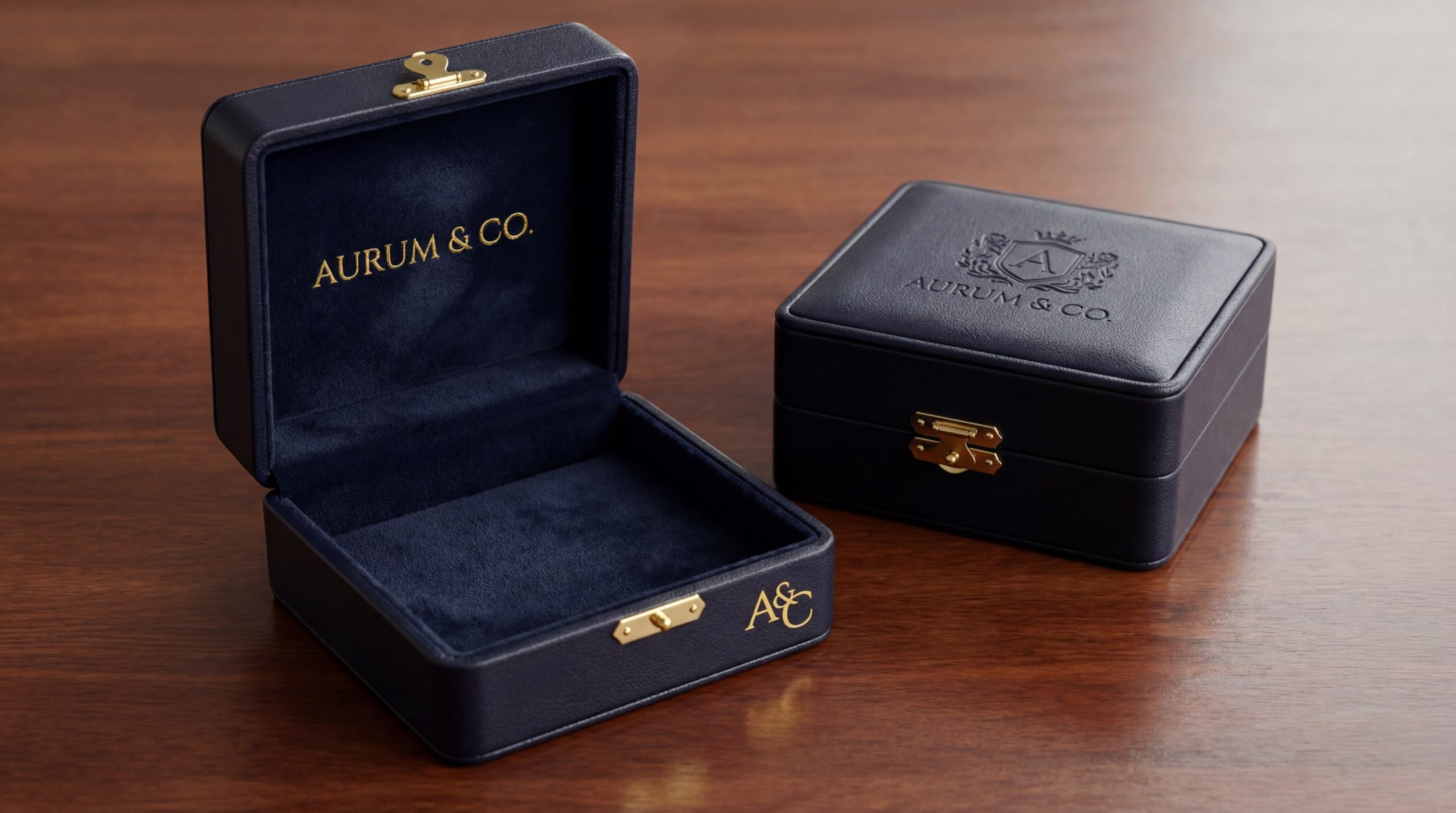
The top jewelry packaging Trends for 2026 focus on carbon-neutral materials, minimalist functionalism, and interactive digital integration. You are likely seeing your conversion rates slip because your current presentation feels heavy, wasteful, and disconnected from the values of modern buyers. Your brand is at risk of being seen as “old-school” in a market that prioritizes ethics and unboxing experiences above all else. By adopting the latest jewelry packaging Trends , you can transform your products into desirable brand assets that resonate with the next generation of luxury consumers.
Why is sustainability leading jewelry packaging Trends?
Sustainability is the primary driver for 2026 because consumers now view eco-friendly practices as a mandatory baseline for luxury brands. These jewelry packaging Trends reflect a shift toward compostable materials that leave zero footprint.
Are biodegradable materials the new gold standard?
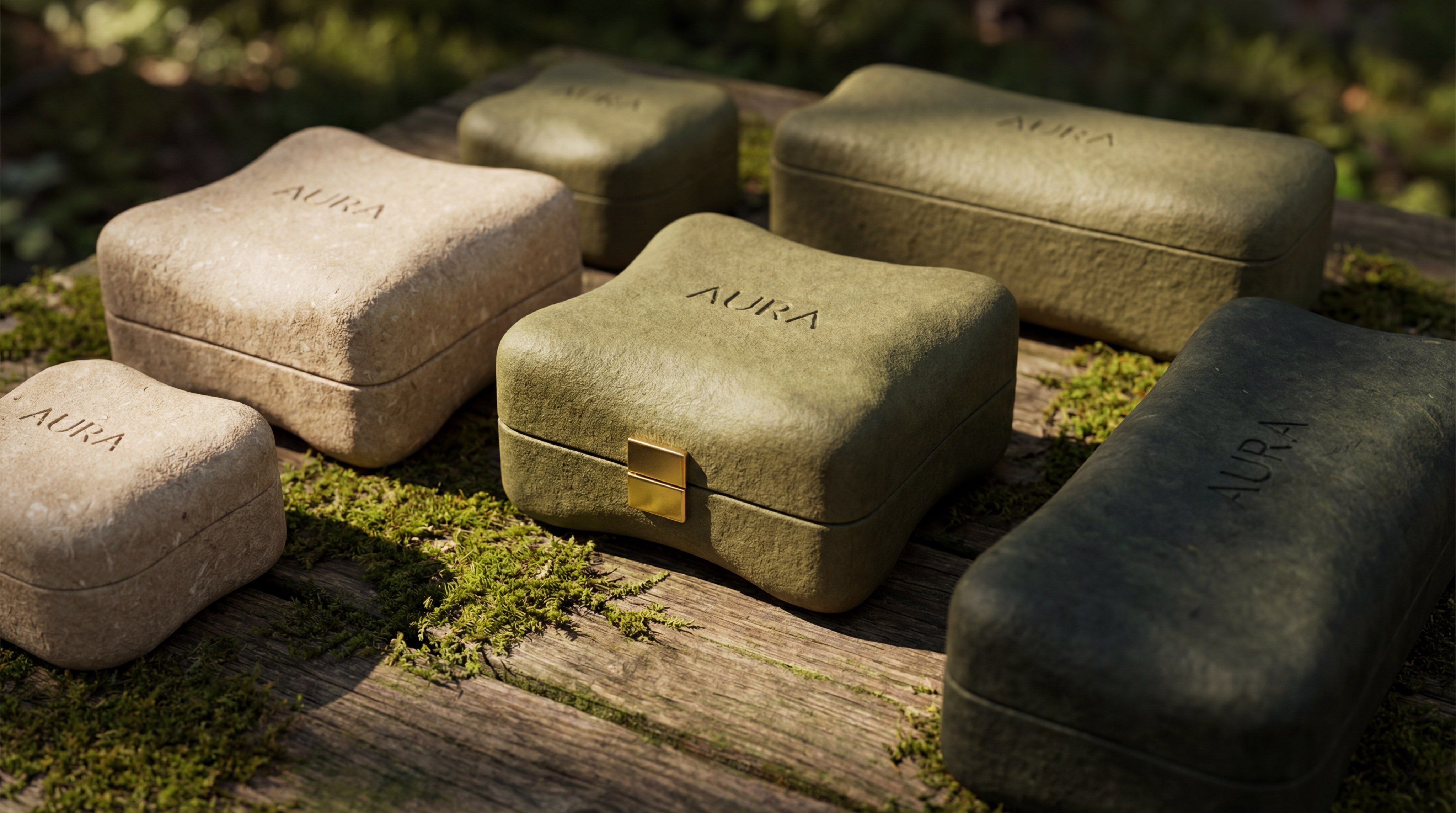
The answer is a resounding yes for high-end retail. Brands are replacing plastic foam with mushroom-based inserts and seaweed coatings to ensure every part of the box is garden-compostable.
Think about it:
- Mushroom packaging grows in just days.
- Seaweed coatings provide a natural, water-resistant finish.
- Recycled ocean plastics are being repurposed for luxury fabric pouches.
Here’s the deal: if it doesn’t break down, it breaks the customer’s trust.
How do carbon-neutral certifications help?
Certifications provide the social proof needed to justify premium pricing. Consumers in 2026 actively look for FSC-certified logos or carbon-neutral manufacturing stamps before making a purchase.
Key Takeaway: Sustainable packaging is no longer a “nice-to-have” but a core requirement for brand survival in 2026.
| Trend Element | 2026 Status | Impact | |
|---|---|---|---|
| Mushroom Inserts | IN | Zero-waste lifecycle | |
| Plastic Foam | OUT | Environmental harm | |
| FSC Cardboard | IN | Verified forest protection |
This shift demonstrates that luxury is now defined by the ethics of production rather than just the price of the material.
How does minimalism define jewelry packaging Trends?
Minimalism defines current jewelry packaging Trends by stripping away excess layers to focus on high-quality tactile textures and structural precision. This “quiet luxury” aesthetic allows the jewelry piece to remain the undisputed center of attention.
What are clean lines and raw textures?
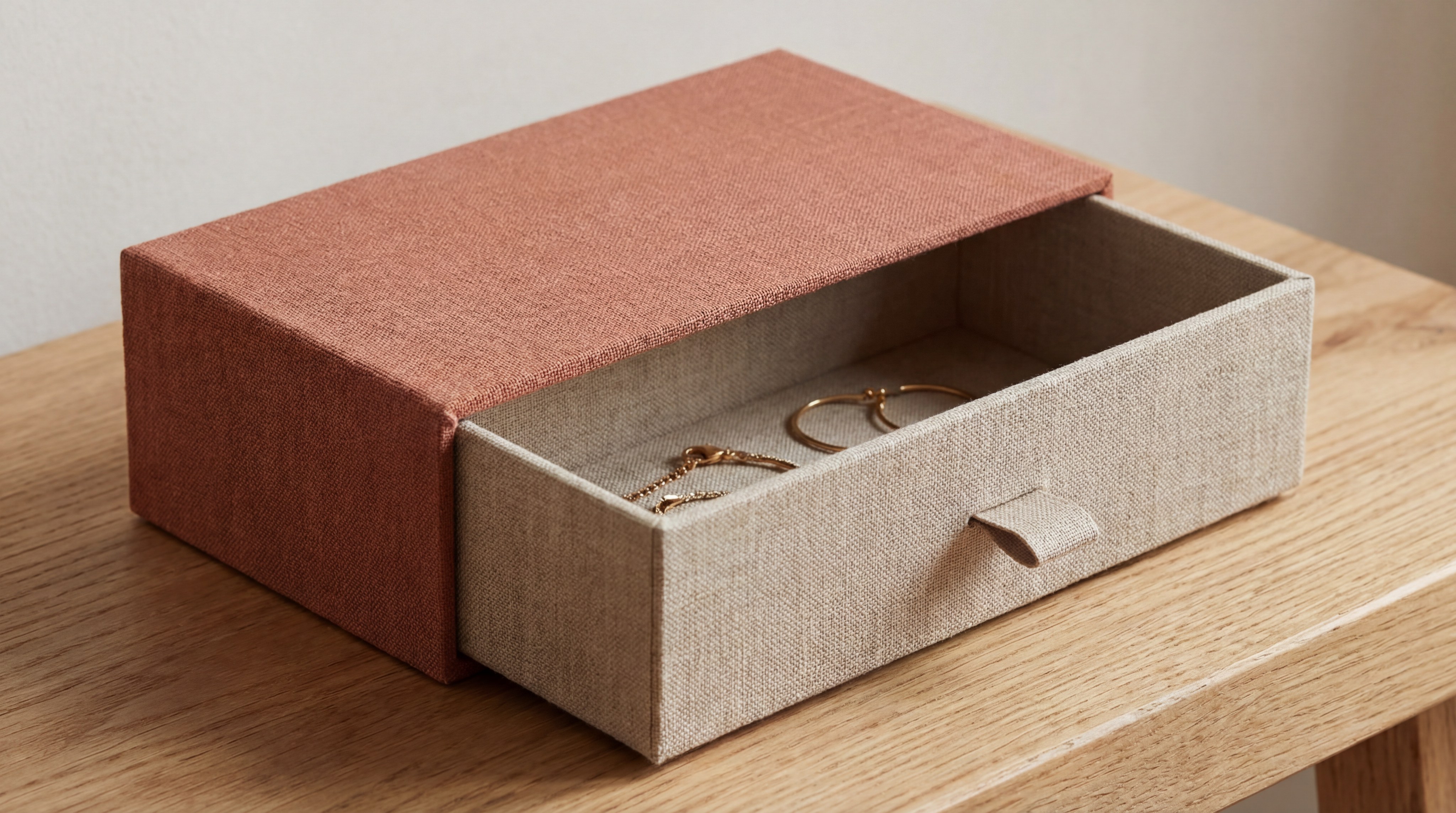
The 2026 aesthetic favors uncoated papers and linen-wrapped boxes over high-gloss finishes. These materials provide a grounding, sensory experience that feels authentic and high-end without being flashy.
Believe it or not:
- Uncoated paper reflects 30% less glare in unboxing videos.
- Linen textures improve grip and perceived durability.
- Natural earth tones like slate and terracotta are dominating the palette.
Here’s the truth: simplicity is the ultimate sophistication in a cluttered market.
Is the “less is more” approach cost-effective?
Reducing material weight and the number of box components directly lowers shipping costs and warehouse footprints. Brands are finding that a single, well-designed box is more impactful than three layers of wrapping.
Key Takeaway: Minimalist design reduces friction in the unboxing process while lowering operational overhead for the brand.
| Design Feature | Modern Style | Traditional Style | |
|---|---|---|---|
| Finish | Matte / Tactile | High-Gloss / Plastic | |
| Layers | Single rigid box | Box + Sleeve + Ribbon | |
| Color | Earthy Neutrals | Bright Neons |
Streamlining your design ensures that every gram of material serves a specific protective or aesthetic purpose.
Can personalization drive jewelry packaging Trends?
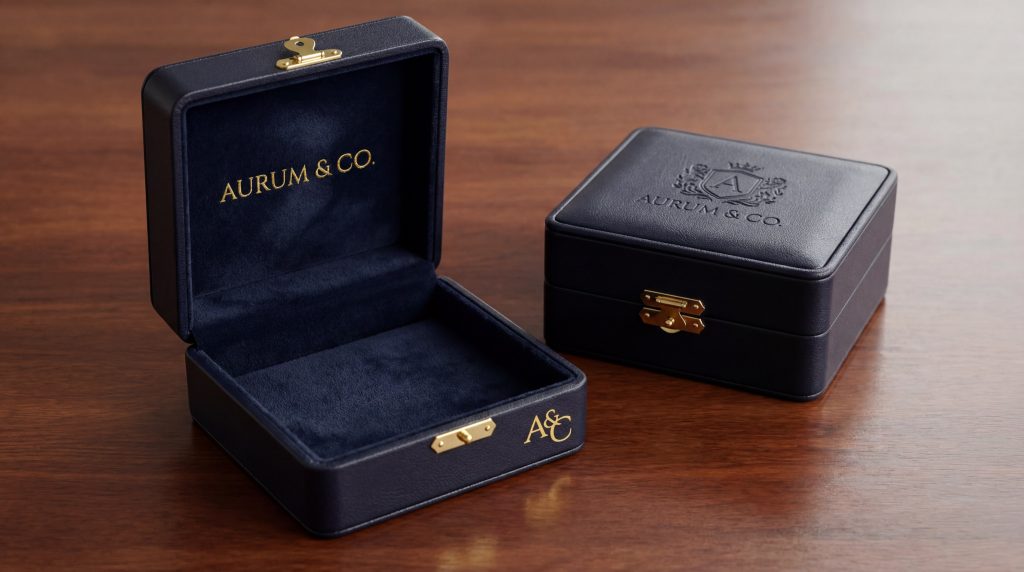
Personalization drives the most successful jewelry packaging Trends by creating a bespoke connection between the brand and the individual wearer. Utilizing jewelry packaging Trends that allow for custom names or dates turns a simple box into a cherished keepsake.
Why use custom monogramming and inserts?
Customers are looking for more than just a product; they want an experience that feels tailored to them. Adding debossed initials or a custom message on the inner lid transforms the unboxing into a personal event.
Think about it:
- Monogrammed boxes are 40% less likely to be thrown away.
- Custom inserts ensure a perfect fit for unique jewelry shapes.
- Personalized notes build emotional loyalty that generic boxes cannot match.
Make no mistake: a personal touch is the fastest way to turn a buyer into a brand advocate.
How do brands scale personalization?
Advanced digital printing allows for small-batch customization without the high costs of traditional manufacturing. Brands can now offer “limited edition” packaging for specific holidays or customer milestones with ease.
Key Takeaway: Personalized packaging increases the “Instagrammability” of your product, providing free organic marketing through social sharing.
| Customization Type | Consumer Perception | Brand Benefit | |
|---|---|---|---|
| Monogramming | High exclusivity | Long-term brand retention | |
| Custom Colors | Modern / Trendy | Better collection alignment | |
| Named Inserts | Thoughtful / Caring | Enhanced gift-giving appeal |
The value of the jewelry is significantly amplified when the packaging feels like it was made specifically for the recipient.
Is technology changing jewelry packaging Trends?
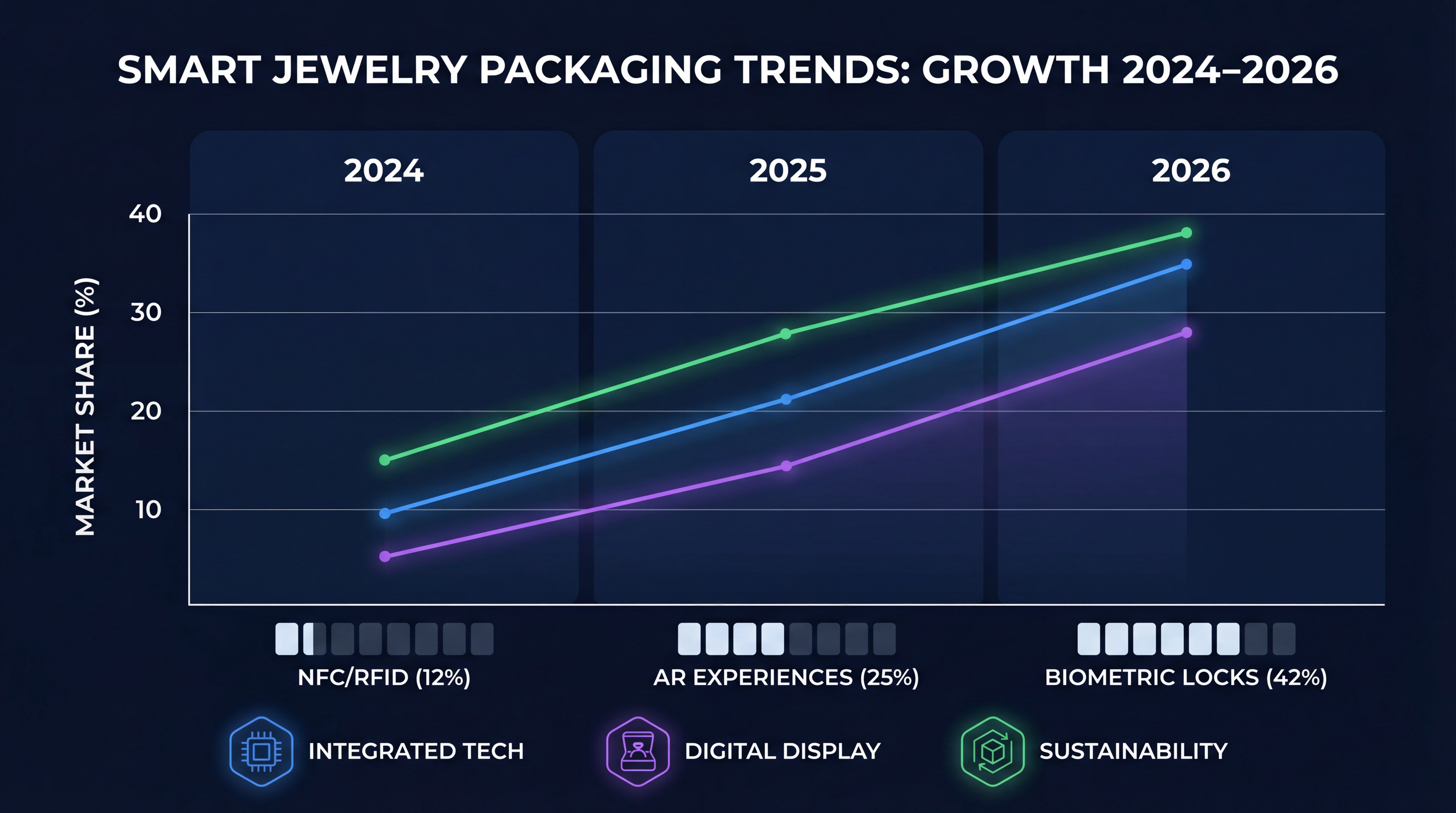
Technology is fundamentally changing jewelry packaging Trends by bridging the gap between physical boxes and immersive digital storytelling. These smart features provide security and entertainment that traditional packaging simply cannot provide.
What are NFC and AR unboxing features?
Embedded Near Field Communication (NFC) tags allow customers to tap their phone to the box for instant authentication. Augmented Reality (AR) triggers can project a digital tutorial on how to style the jewelry piece right on the lid.
The reality is:
- NFC chips verify the gemstone’s origin and grading.
- AR videos show the craftsmanship behind the specific piece.
- QR codes link to direct-to-consumer warranty registration.
Here’s the deal: smart packaging turns a static box into a dynamic marketing platform.
Can smart packaging prevent counterfeits?
Digital certificates of authenticity stored within the packaging’s NFC tag are becoming the industry standard. This ensures that the secondary market value of the jewelry remains protected through verified digital records.
Key Takeaway: Integrating technology provides a layer of luxury security that builds immense trust with high-net-worth buyers.
| Technology | Main Function | 2026 Adoption Rate | |
|---|---|---|---|
| NFC Chips | Authentication | High / Luxury Standard | |
| AR Triggers | Brand Storytelling | Growing / Mid-Range | |
| Smart Locks | Security | Emerging / High-End |
By adopting tech-enabled boxes, you are future-proofing your brand against the rising tide of sophisticated counterfeits.
Do multi-functional boxes fit jewelry packaging Trends?
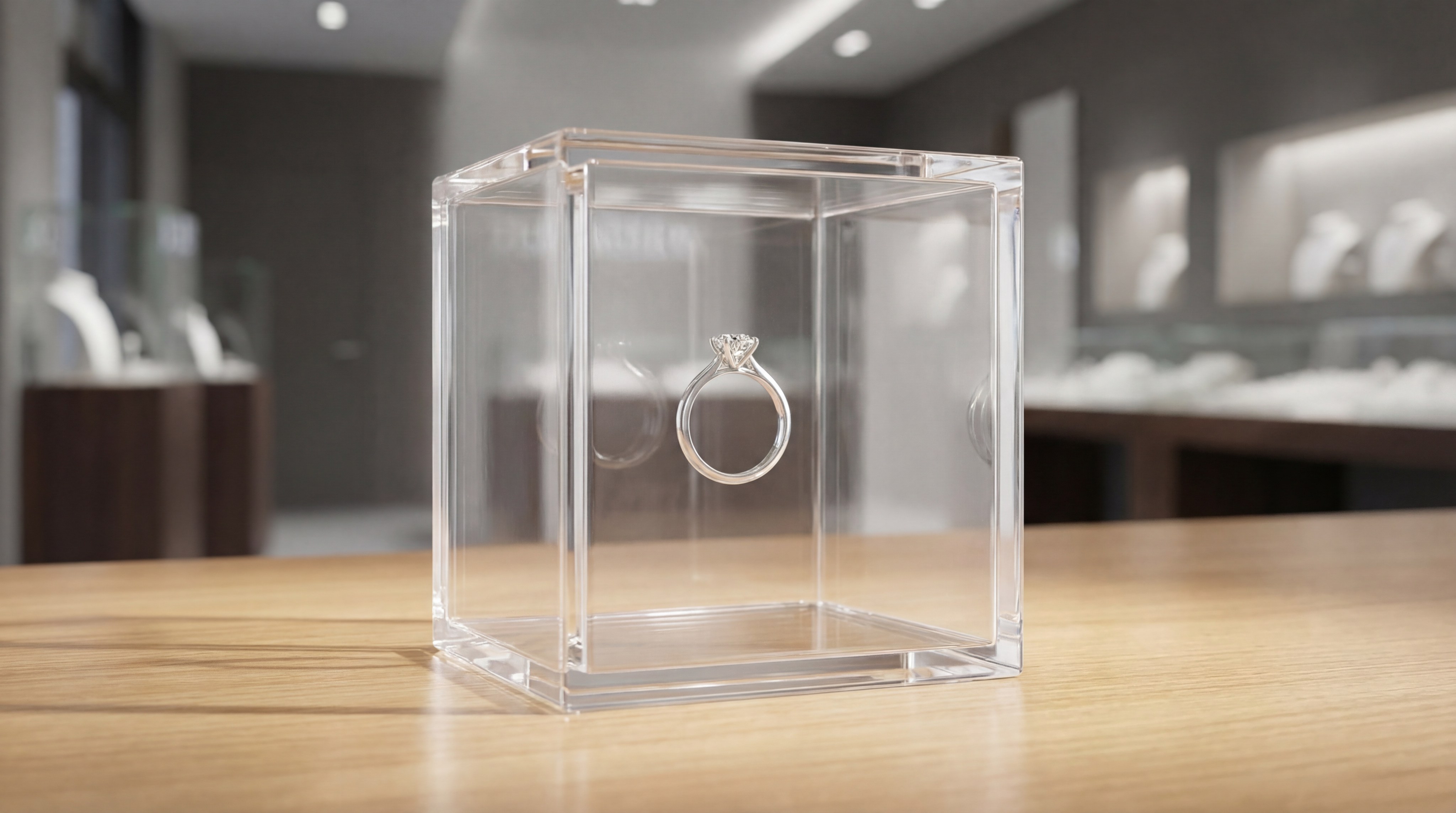
Multi-functional designs are at the forefront of jewelry packaging Trends because they provide lasting utility beyond the initial purchase. Solutions like the jewelry packaging Trends featuring PE film allow the box to serve as a 3D tabletop display.
How do 3D floating displays work?
These boxes use high-elasticity membranes to suspend jewelry in mid-air, providing a 360-degree view. They function as both a protective shipping container and a permanent home display for the customer.
Consider this:
- Suspension boxes protect delicate pieces from impact during transit.
- The transparent film allows for jewelry viewing without opening the box.
- The sleek frame fits perfectly on a nightstand or vanity.
Here’s the bottom line: why hide beautiful jewelry in a dark box when it can be displayed?
Can packaging become a travel case?
Designing boxes with integrated drawer slides or magnetic travel pouches is a major trend for 2026. This adds “hidden value” to the purchase, as the customer doesn’t need to buy a separate organizer for their trips.
Key Takeaway: Multi-functional packaging reduces waste by ensuring the box remains a permanent part of the customer’s jewelry collection.
| Feature | Primary Use | Secondary Use | |
|---|---|---|---|
| PE Film | Secure Shipping | 3D Desktop Display | |
| Drawer Style | Initial Delivery | Stackable Organizer | |
| Magnetic Pouch | Protection | Portable Travel Case |
Utility is the new luxury; a box that serves a purpose for years is far more valuable than one that is thrown away in seconds.
Why is bulky design out of jewelry packaging Trends?
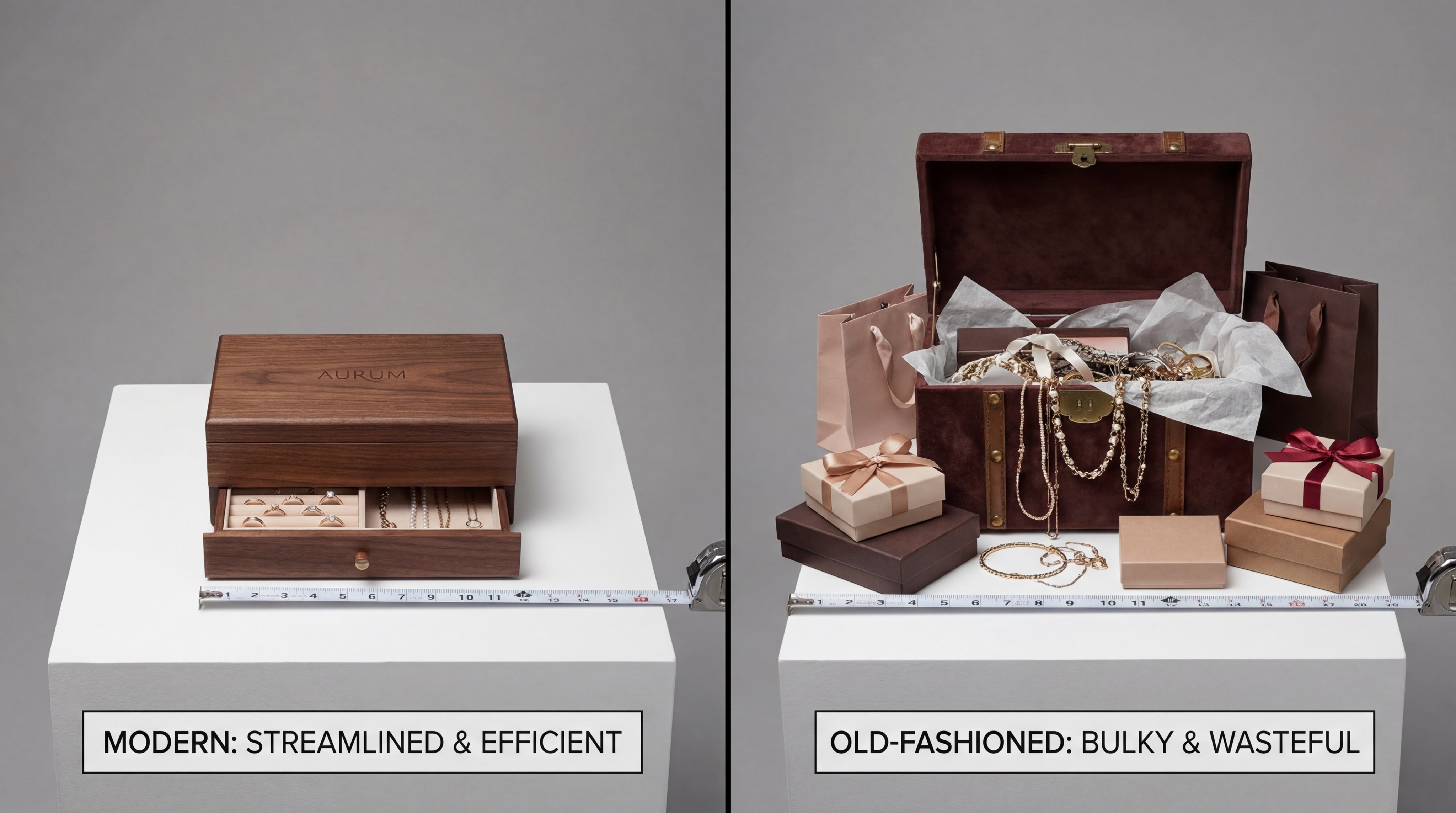
Bulky, oversized design is being rejected in modern jewelry packaging Trends because it is seen as inefficient and environmentally irresponsible. Modern shoppers prefer compact, streamlined boxes that are easy to store in urban living environments.
Are large boxes a sign of low quality?
In 2026, excessive air space inside a box is perceived as a “cheap” tactic to make a product look larger. Sophisticated brands use precision-fit inserts that snugly hold the jewelry, emphasizing the item’s delicate nature.
The facts are clear:
- Smaller boxes reduce shipping volume by up to 50%.
- Compact designs are easier for customers to transport after an in-store purchase.
- Streamlined packaging fits better into standard mailbox sizes for e-commerce.
Keep in mind: efficiency in design is a hallmark of modern luxury.
How does bulk impact shipping costs?
Weight isn’t the only factor; the dimensions of your packaging dictate the “dimensional weight” used by couriers. Bulky boxes can triple your shipping expenses without adding any actual protection to the product.
Key Takeaway: Switching to slim, optimized packaging dimensions can save your brand thousands in annual logistics costs.
| Metric | Bulky Packaging | Streamlined Packaging | |
|---|---|---|---|
| Storage Space | High / Wasteful | Low / Efficient | |
| Shipping Cost | Premium Rates | Standard Rates | |
| Customer View | Inconvenient | Practical / Modern |
Reducing the size of your packaging doesn’t mean reducing its impact; it means being smarter with the space you have.
Are eco-materials vital for jewelry packaging Trends?
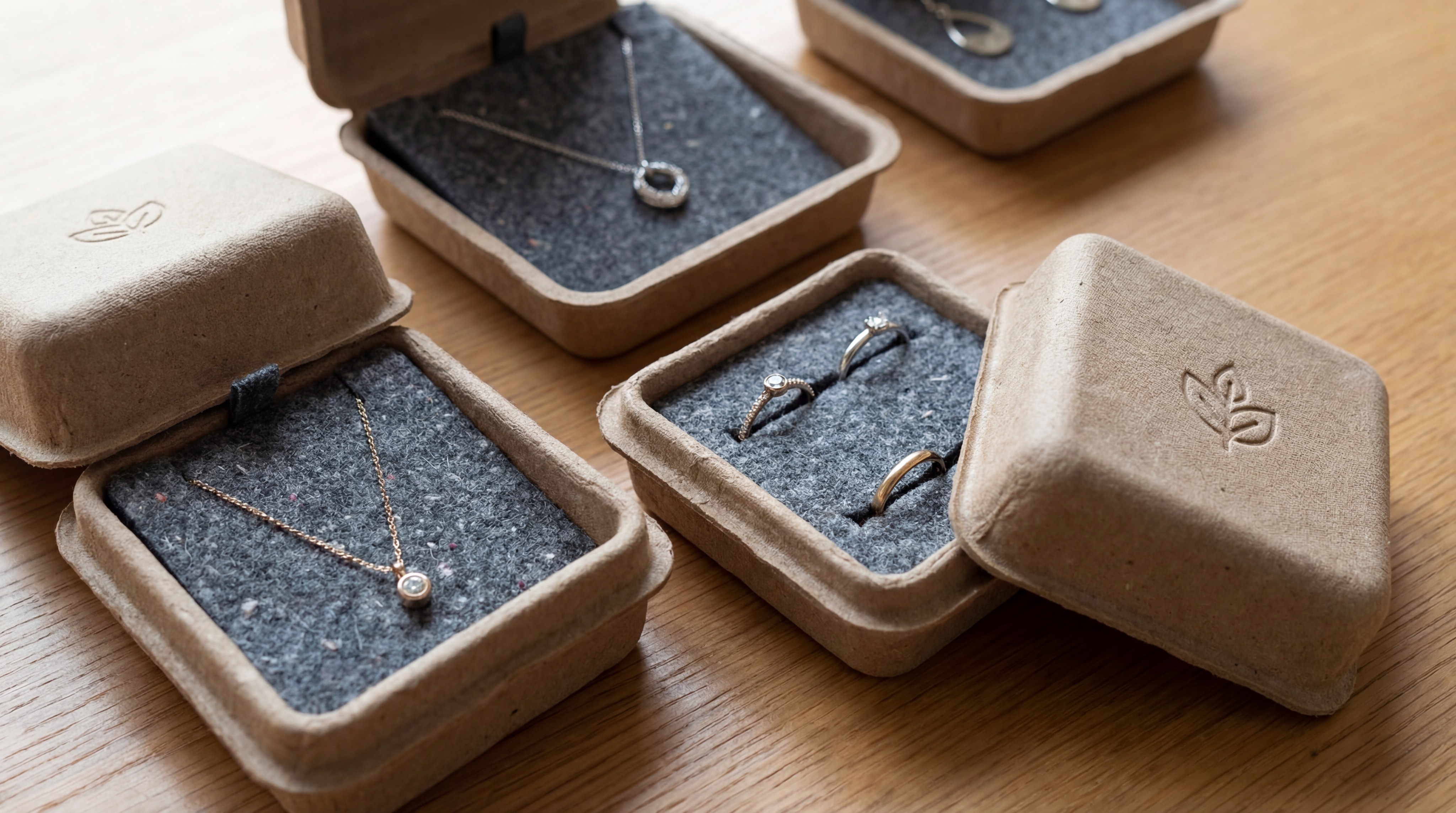
Eco-materials are essential for staying relevant in jewelry packaging Trends as global regulations tighten on single-use plastics. Partnering with a jewelry packaging Trends expert who specializes in bio-materials is the only way to ensure long-term compliance and brand appeal.
What are the best plastic alternatives?
Hemp-based paper, recycled cotton, and soy-based inks are replacing traditional petroleum-based finishes. These materials offer a premium feel while ensuring the entire package is safe for the environment.
Think about it:
- Hemp fiber is stronger and more durable than wood pulp.
- Soy inks produce more vibrant colors without toxic solvents.
- Recycled cotton provides a soft, luxurious interior without using animal products.
Here’s the deal: if your materials aren’t green, your brand is in the red.
Is bio-plastic the future?
Polylactic acid (PLA) derived from cornstarch is becoming a popular choice for clear windows and protective films. It provides the clarity of plastic but decomposes completely in industrial composting facilities.
Key Takeaway: Investing in bio-materials protects your brand from future plastic taxes and aligns you with the world’s most conscious buyers.
| Material | Out (2025) | In (2026) | |
|---|---|---|---|
| Box Coating | Plastic Laminate | Aqueous Coating | |
| Fabric Lining | Polyester Velvet | Recycled Organic Cotton | |
| Ribbon | Nylon | Hemp or Bamboo Cord |
The transition to eco-materials is a powerful story you can share with your customers to build deep brand loyalty.
Is quiet luxury a part of jewelry packaging Trends?
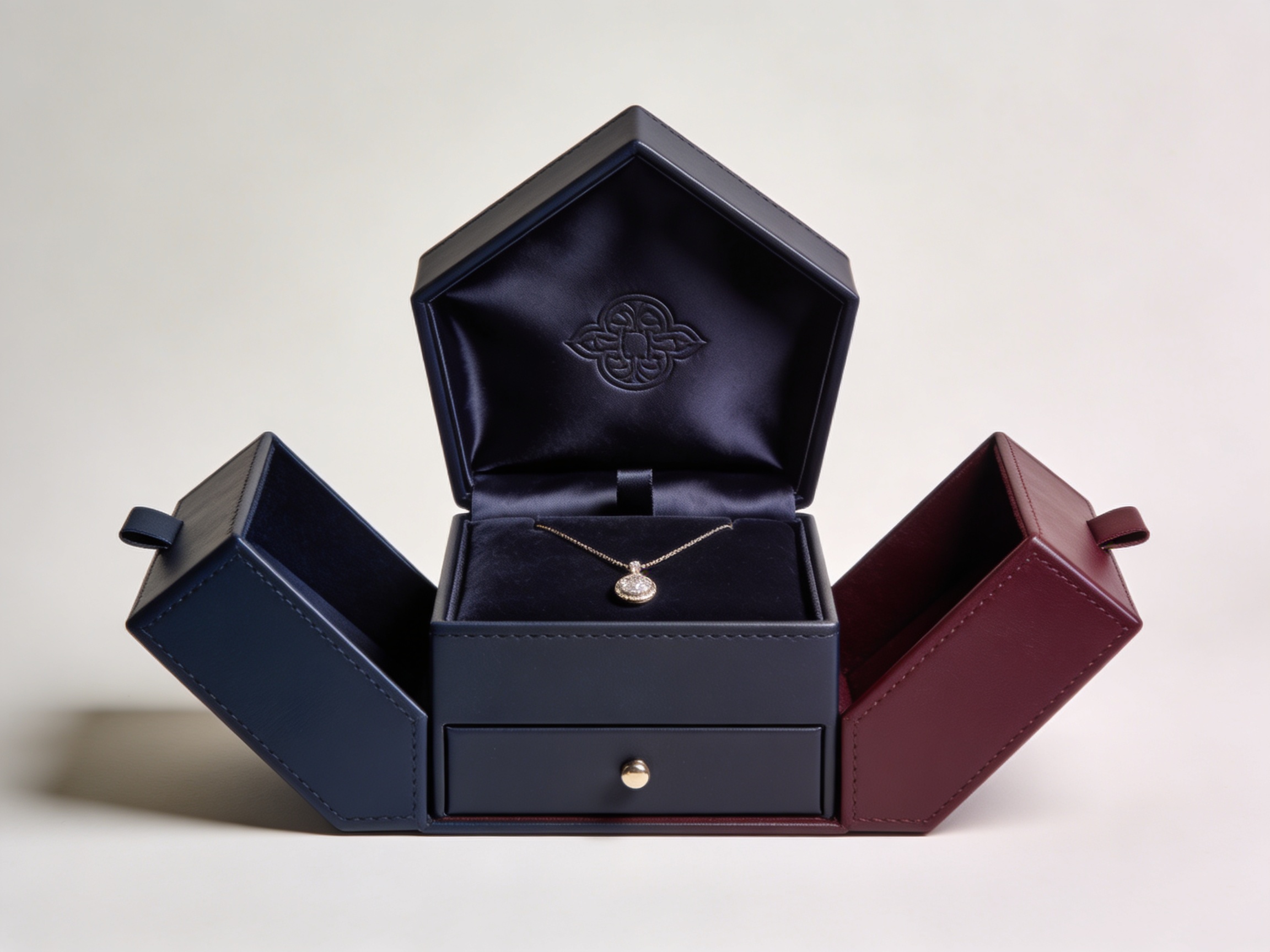
Quiet luxury is a dominant force in jewelry packaging Trends, moving away from loud, flashy logos toward subtle, high-quality finishes. This trend focuses on the craftsmanship of the box itself rather than using the packaging as a billboard.
Why use tonal branding and debossing?
Instead of gold foil that shouts a brand name, modern luxury uses tonal debossing where the logo is pressed into the material. This creates a tactile, shadow-based effect that feels much more exclusive and refined.
The secret is:
- Subtlety suggests confidence and heritage.
- Textured papers feel more expensive than printed colors.
- Hidden branding on the inside lid rewards the buyer with a private moment.
Here’s the truth: those who know, know—and they prefer a whisper over a shout.
Can subtle design increase gift appeal?
Jewelry is often given as a gift; packaging that isn’t covered in clashing brand logos allows the personal sentiment of the giver to take center stage. A clean, elegant box is much more likely to be displayed on a vanity for years.
Key Takeaway: Quiet luxury focuses on the sensory experience of the material, making the brand feel more established and sophisticated.
| Design Element | Loud Branding | Quiet Luxury | |
|---|---|---|---|
| Logo Size | Large / Central | Small / Off-center | |
| Logo Method | Shiny Foil Printing | Deep Tonal Debossing | |
| Color Choice | High-contrast | Monochromatic |
This approach appeals to the highest tier of luxury buyers who value discretion and material quality over mass-market visibility.
How does recyclability impact jewelry packaging Trends?
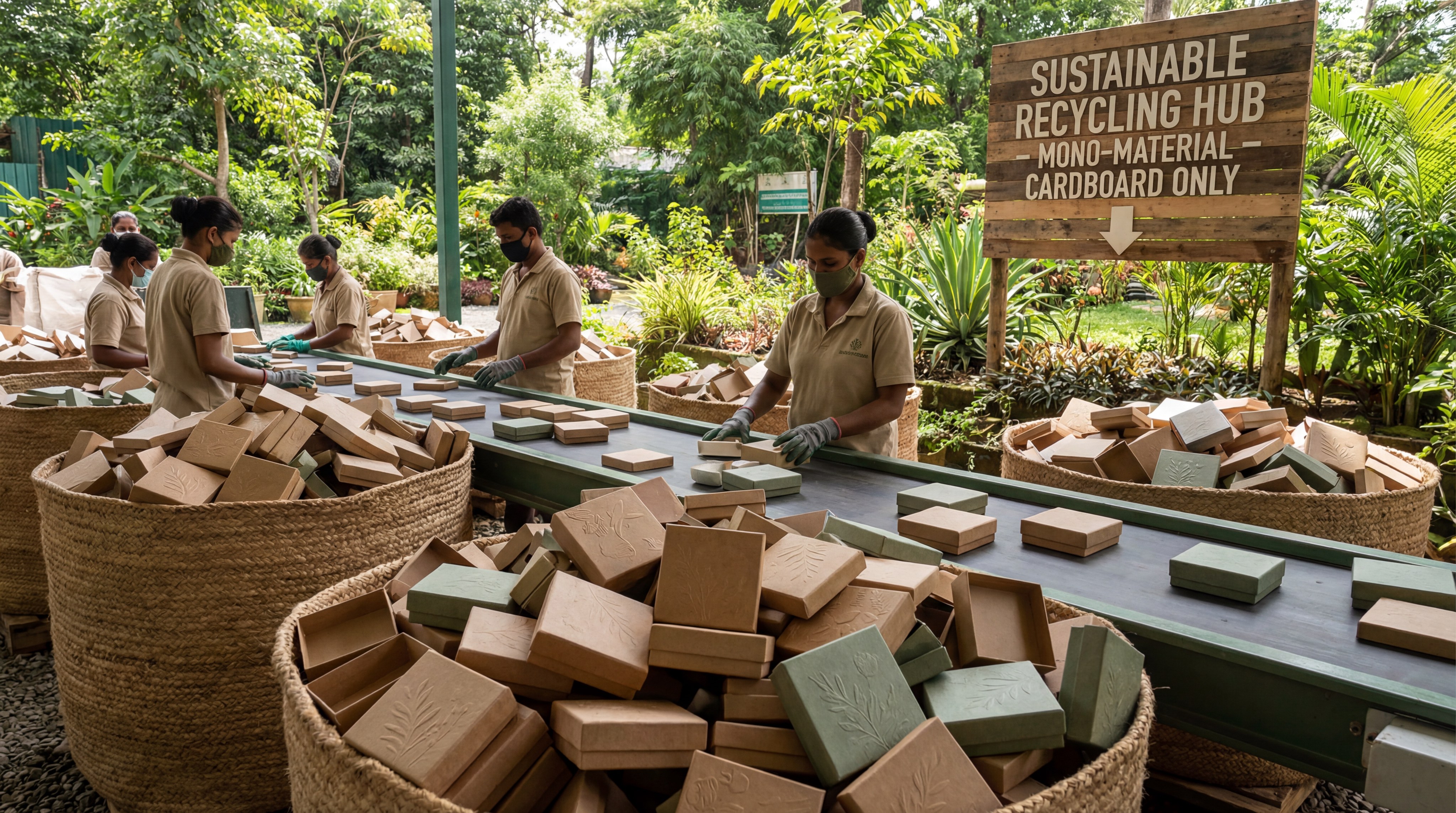
Recyclability is a non-negotiable aspect of jewelry packaging Trends in 2026, specifically the move toward mono-material designs. Consumers are increasingly frustrated by packaging that requires them to separate different types of waste.
What is mono-material packaging?
Mono-material design uses only one type of material—usually 100% paper or 100% bio-plastic—for the entire box, including the insert and hinge. This makes it effortless for the consumer to drop the whole package into a single recycling bin.
Consider this:
- Mixed-material boxes often end up in landfills because they are too hard to sort.
- Paper-based hinges are replacing metal to ensure full recyclability.
- Water-based glues prevent contamination during the pulping process.
The rule is simple: if it’s easy to recycle, it’s easy to buy.
Does recyclability lower the luxury feel?
On the contrary, the clever engineering required to create a luxury box out of 100% recycled paper is a sign of high-end design. Textured recycled cardstocks can feel even more premium than virgin wood-pulp papers.
Key Takeaway: Mono-material designs simplify the recycling process for your customers while demonstrating your brand’s commitment to the circular economy.
| Component | Standard (Mixed) | 2026 (Mono-Material) | |
|---|---|---|---|
| Outer Box | Cardboard | Cardboard | |
| Inner Insert | Plastic Foam | Folded Paper / Pulp | |
| Hinges | Steel | Paper-based Tension |
Eliminating the need for consumers to “disassemble” their packaging is a major win for both user experience and the planet.
Can manufacturers help with jewelry packaging Trends?
Expert manufacturers are the vital link in implementing jewelry packaging Trends while maintaining profitability. Working with a dedicated production facility allows you to prototype new materials and structural designs before committing to a full launch.
Why use rapid prototyping services?
Market trends move fast; you need a partner that can provide 3D mockups and physical samples in just a few days. This agility allows you to test sustainable materials or smart features with your focus groups quickly.
Think about it:
- Professional design teams can spot structural flaws before mass production.
- Factory-direct sourcing eliminates middleman markups.
- Scalable production helps you manage inventory during peak seasons.
Here’s the deal: your packaging is only as good as the factory that builds it.
How to balance cost and trend adoption?
By moving to a factory-direct model, you can reallocate the money saved on markups into higher-quality, sustainable materials. This allows you to stay on-trend without increasing your final retail price.
Key Takeaway: A strategic manufacturing partnership is the most effective way to turn complex packaging trends into a reality for your business.
| Service Feature | Traditional Supplier | Expert Manufacturer | |
|---|---|---|---|
| Sampling Speed | 2-3 Weeks | 3-5 Days | |
| Material Access | Limited / Standard | Cutting-edge / Custom | |
| Cost Efficiency | Low (Markups) | High (Direct Pricing) |
Choosing the right partner ensures that your brand remains a leader in innovation rather than a follower.
Frequently Asked Questions
Can I still use plastic if it is 100% recycled? No, recycled plastic is a transitional material that is now being replaced by bio-based fibers. 2026 consumers view even recycled plastic as a pollutant and prefer fully compostable alternatives.
What’s the best way to incorporate technology without making the box look cheap? Hide the technology under the surface using invisible NFC tags. This maintains the clean, minimalist look while providing a “hidden” digital experience for the user.
Can minimalist boxes still protect heavy jewelry pieces? Yes, structural engineering using rigid recycled cardboard is highly effective. Modern “honeycomb” paper inserts provide even more impact resistance than traditional plastic foam.
What’s the best color palette for 2026 jewelry packaging? Earth-inspired neutrals like sage green, warm sand, and deep charcoal are the winners. These tones suggest a connection to nature and perfectly complement high-luster gold and silver jewelry.
How do I start transitioning to these trends with a limited budget? Focus on mono-material design first. Removing plastic inserts and moving to 100% paper-based solutions is often the most cost-effective way to modernize your brand.
The shift in consumer expectations is undeniable: the future of your brand depends on your ability to present your jewelry with ethics, efficiency, and elegance. We provide the expertise and manufacturing power to help you navigate these shifts seamlessly. To start building a packaging solution that defines the next era of luxury, contact us today .