
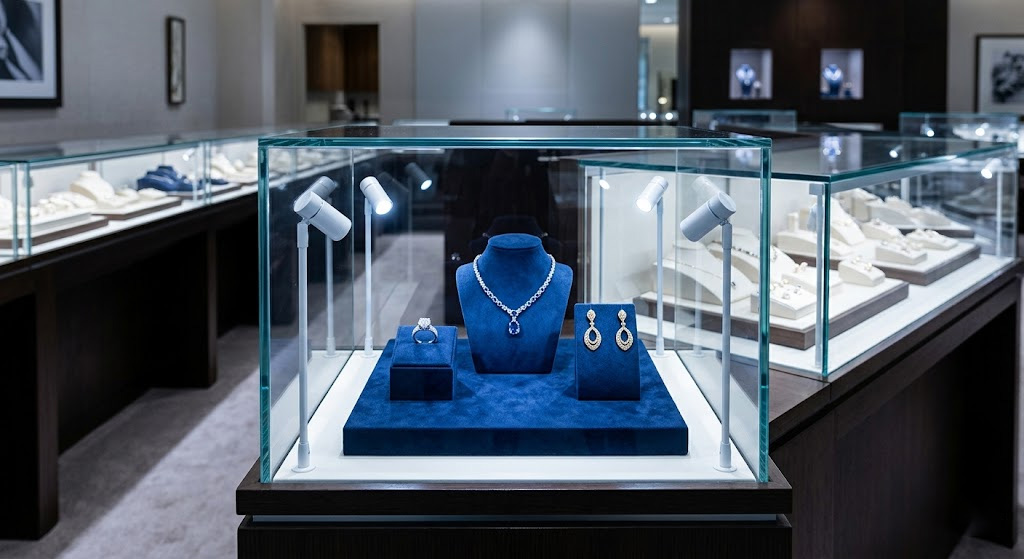
Jewelry store layout design 101 is the strategic arrangement of physical space, furniture, and inventory to optimize customer flow and maximize product visibility in a retail jewelry environment. You may have invested heavily in exquisite inventory only to find that customers walk in and out without making a single purchase. It is frustrating to watch potential buyers feel overwhelmed by a cluttered space or confused by a lack of direction, which often stems from a poor jewelry store layout design .
Think about this: your floor plan is the silent salesperson that either closes the deal or drives people away. If your shop feels cramped or uninviting, you are leaving significant revenue on the table every single day. Fortunately, a strategic approach to your physical environment can fix these issues and boost your bottom line by encouraging browsing and building trust.
Why is jewelry store layout design so important?
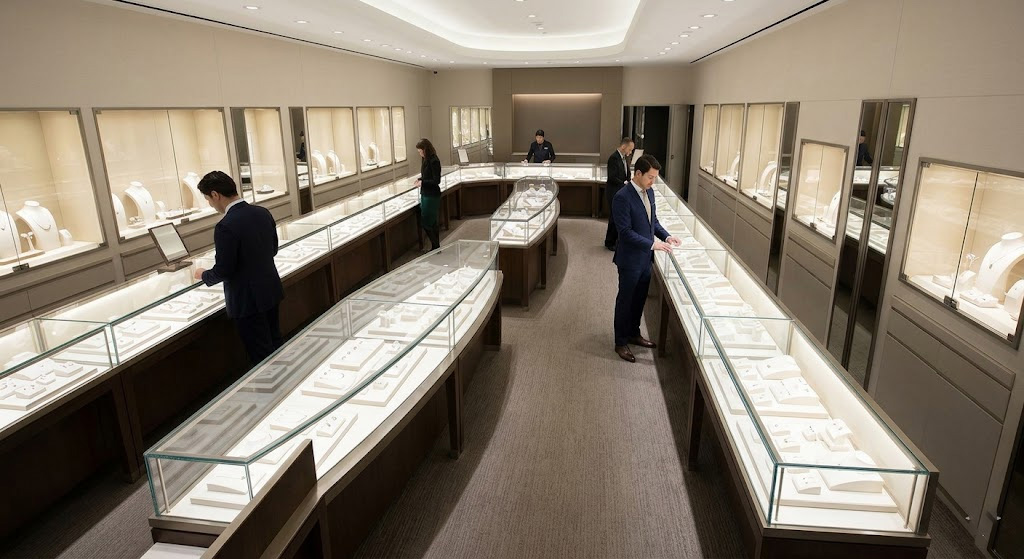
Jewelry store layout design serves as the foundation for customer engagement and security while directly influencing sales conversion rates. An effective jewelry store layout design ensures that every square foot of your retail space works toward showcasing your collections and guiding the buyer’s journey.
Enhancing Customer Experience Through Design
A well-planned shop floor ensures that every visitor feels comfortable and valued from the moment they step inside. Clear pathways and accessible displays reduce shopping anxiety and encourage longer browsing times.
Think about it:
- Reduces customer stress levels during high-ticket purchases.
- Encourages natural exploration of different collections.
- Builds immediate brand trust through professional presentation.
- Highlights product craftsmanship by preventing visual clutter.
How Layout Impacts Sales and Traffic Flow
The way you arrange your counters directly influences how many items a customer sees during their visit. Strategic positioning ensures that high-margin pieces receive the most visibility and engagement throughout the day.
Look at it this way:
- Prevents bottlenecks at the entrance of the store.
- Guides the eye toward featured promotional displays.
- Maximizes the interaction time with premium inventory.
- Improves the security of the shop by maintaining clear sightlines.
Key TakeawayAn effective design acts as a roadmap that guides customers toward a purchase while reinforcing your brand’s authority in the luxury market.
| Factor | Impact on Store | |
|---|---|---|
| Traffic Flow | Prevents bottlenecks and ensures even store coverage. | |
| Engagement | Increases the time customers spend interacting with items. |
This analysis confirms that a logical flow is the primary driver of extended browsing and higher average transaction values.
How does behavior impact jewelry store layout design?
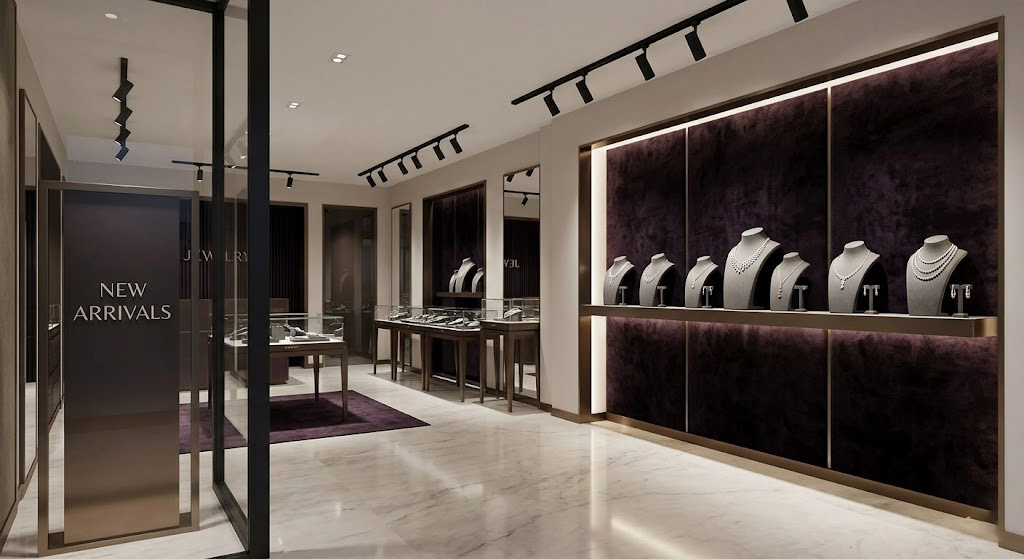
Shopper psychology and movement patterns determine where you should place high-value items for maximum exposure. The successful optimization of your jewelry store layout design begins with understanding how humans naturally interact with retail environments.
Why Customers Naturally Turn Right
In most retail environments, the “Invariant Right” means shoppers instinctively turn right after entering a store. You must capitalize on this by placing your most captivating or newest collections in this high-impact “power wall” area.
Here is the kicker:
- The first 15 feet inside the door is the “transition zone.”
- Most purchases are initiated on the right side of the store.
- Power walls should feature high-contrast lighting.
- Signage in this area must be minimal but impactful.
Creating Emotional Connections
The atmosphere you create through your floor plan influences the emotional state of your shoppers. Soft curves and open spaces suggest luxury and relaxation, making customers more likely to invest in high-end pieces.
Think about it:
- Curved counters facilitate a gentler movement flow.
- Open spaces reduce the feeling of being pressured to buy.
- Symmetry in design provides a sense of stability and trust.
- Visual cues lead the customer toward consultation areas.
Key TakeawayUnderstanding psychological triggers allows you to place products where customers are most likely to look and feel comfortable buying.
| Behavior | Design Solution | |
|---|---|---|
| Right-turn bias | Place “Power Wall” displays on the right side. | |
| Need for personal space | Maintain wide aisles to avoid the “butt-brush” effect. |
Data suggests that respecting personal space and natural movement can increase conversion rates by up to twenty percent.
Which jewelry store layout design styles work best?
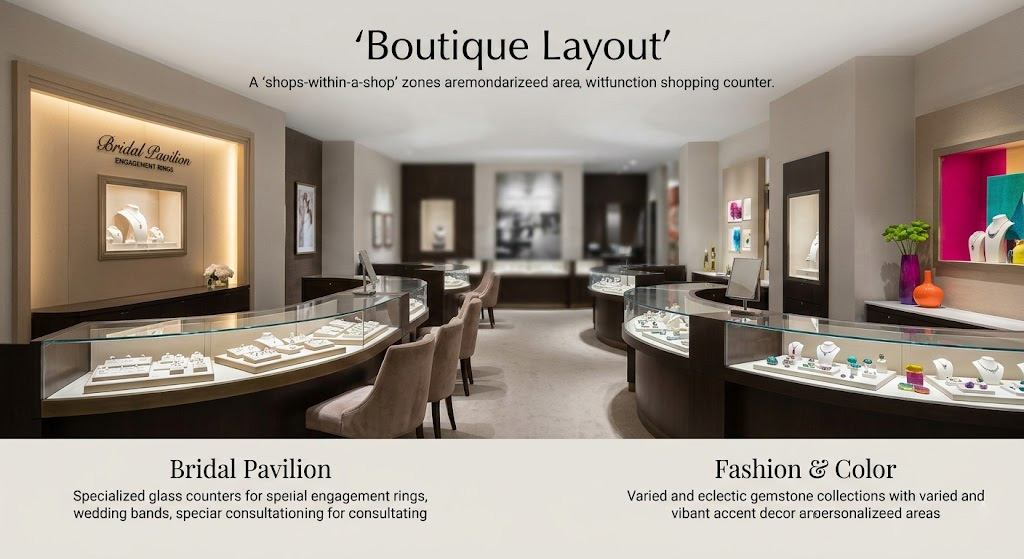
The best layout style depends on your brand identity and whether you prioritize high-volume traffic or intimate luxury. Choosing the right jewelry store layout design ensures that your physical environment reflects your unique market positioning.
Free-Flow Layout: Flexibility and Creativity
This style uses asymmetrical arrangements to encourage a relaxed, wandering pace for shoppers. It is ideal for boutique brands that want to foster a sense of discovery and individual exploration.
Look at it this way:
- Allows for unique, non-linear floor plans.
- Ideal for stores with varied and eclectic inventory.
- Encourages longer dwell times through discovery.
- Requires creative lighting to define different zones.
Grid Layout: Structured Efficiency
The grid layout is perfect for high-traffic stores that prioritize organized, easy-to-navigate sections. It maximizes floor space and allows for clear categorization of different jewelry types or price points.
Here is the deal:
- Optimizes every square inch of the sales floor.
- Provides a predictable path for quick-trip shoppers.
- Simplifies inventory management and staff supervision.
- Works best for high-volume or wholesale retail models.
Boutique Layout: Personalized Shopping
This design creates intimate “shops-within-a-shop” to highlight specific brands or collections. It offers a high-end feel where customers can receive focused attention in a semi-private environment.
Think about it:
- Separates bridal sections from fashion jewelry.
- Enhances the exclusivity of luxury collections.
- Creates a private atmosphere for custom design consultations.
- Allows for different decor themes within one store.
Key TakeawaySelecting a layout style is a strategic choice that should align with your specific target demographic and sales goals.
| Layout Type | Best For | Main Benefit | |
|---|---|---|---|
| Free-Flow | High-end Boutiques | Creative freedom and discovery. | |
| Grid | Wholesale/Value Stores | Maximum efficiency and organization. |
The choice between efficiency and experience remains the most critical decision for any jewelry retailer planning a remodel.
What are best practices for jewelry store layout design?
Standardizing your jewelry store layout design involves balancing aesthetic appeal with the practical needs of jewelry presentation. Following established best practices ensures that your inventory is safe, accessible, and presented in the most flattering way possible.
Highlighting High-Value Items
Your most expensive pieces should occupy the “eye-level” zone of your most prominent display cases. Use contrasting backgrounds or specialized props to make these items stand out from the rest of the inventory.
Look at it this way:
- Use central island displays for hero pieces.
- Apply the “Rule of Three” for grouping items.
- Keep glass surfaces fingerprint-free at all times.
- Rotate featured items weekly to keep the look fresh.
Using Focal Points to Guide Attention
Create visual “speed bumps” or focal points to break up the flow and draw the eye toward specific counters. These areas should tell a story, perhaps focusing on a bridal collection or a seasonal gemstone.
Think about it:
- Large graphics can serve as effective focal points.
- Unique lighting fixtures draw people across the room.
- Digital screens can showcase jewelry being worn.
- Color-coordinated displays act as visual magnets.
Key TakeawayStrategic placement and focal points prevent “visual fatigue” and ensure your best pieces get the attention they deserve.
| Strategy | Implementation | |
|---|---|---|
| Eye-Level Zone | Place premium items 54 to 74 inches from the floor. | |
| Visual Breaks | Use signage or unique lighting to stop the shopper. |
Effective focal points act as anchors that prevent customers from rushing through the store without seeing the inventory.
How to optimize small jewelry store layout design?
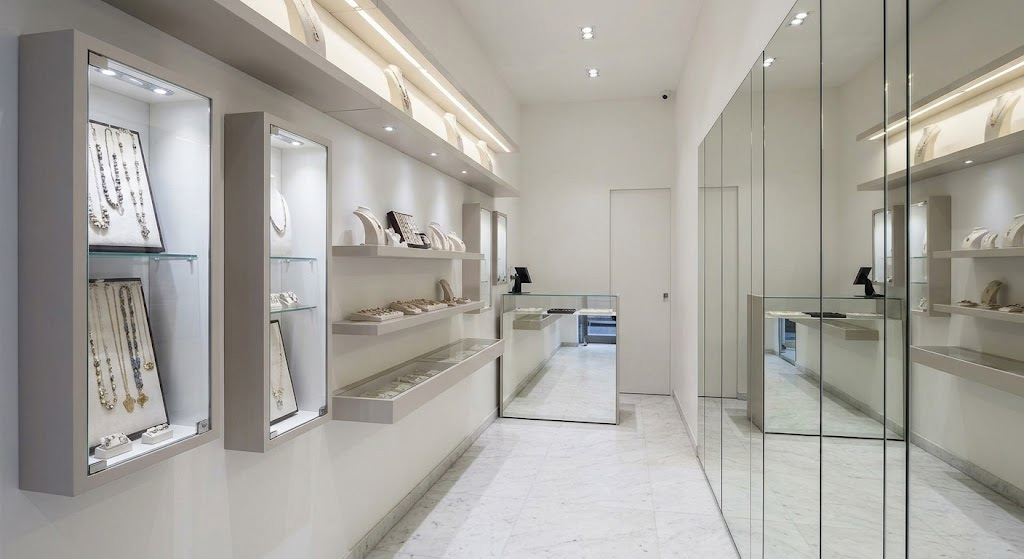
Small store design focuses on maximizing the utility of vertical space and maintaining an open, airy feel despite physical limitations. A compact jewelry store layout design requires a minimalist approach to furniture and a disciplined strategy for inventory management.
Creative Vertical Display Ideas
When floor space is limited, look upward to expand your display capacity without crowding the aisles. Wall-mounted cases and floating shelves allow you to showcase inventory while keeping the floor clear for traffic.
Look at it this way:
- Wall cases save valuable floor square footage.
- Mirrored walls can double the perceived depth of the room.
- High-level shelving can be used for decorative branding.
- Pegboards or vertical grids work for fashion accessories.
Smart Storage to Reduce Clutter
Clutter is the enemy of a small luxury space, so use multi-functional furniture with hidden drawers. Efficient storage behind the counters allows staff to access inventory quickly without making the showroom feel messy.
Think about it:
- Hidden drawers keep backup stock out of sight.
- Compact wrapping stations save counter space.
- Under-case storage maximizes the footprint of every fixture.
- Digital catalogs can replace bulky physical inventory displays.
Key TakeawaySmall stores must prioritize “breathing room” by utilizing vertical space and keeping the sales floor strictly focused on curated displays.
| Space Tactic | Benefit | |
|---|---|---|
| Mirror Placement | Creates an illusion of a much larger room. | |
| Vertical Shelving | Increases display area without losing floor space. |
Strategic use of mirrors and verticality can make a 500-square-foot shop feel like a spacious luxury boutique.
How to create luxury in jewelry store layout design?
Elevating the jewelry store layout design to a luxury tier requires a focus on sensory details and exclusive service areas. Luxury design is not just about the products; it is about the environment in which those products are presented and purchased.
Using Premium Materials and Colors
Luxury is often conveyed through the textures and colors of your flooring, walls, and display finishes. Rich woods, velvet accents, and a sophisticated color palette signal to the customer that your products are of high value.
Look at it this way:
- Marble or hardwood flooring adds immediate prestige.
- Subtle, neutral tones make the jewelry the focus.
- Soft-close drawers and heavy glass imply quality.
- Texture in wall coverings creates a layered, rich feel.
Creating a Comfortable Lounge Atmosphere
High-end sales often take time, so providing comfortable seating is essential for the luxury experience. A dedicated consultation area allows customers to sit, relax, and discuss custom designs or significant investments.
Think about it:
- Plush seating encourages longer stays.
- Private booths facilitate discrete high-value transactions.
- Refreshment stations add a touch of hospitality.
- Soft acoustic treatments reduce distracting echoes.
Key TakeawayA luxury store should feel like an upscale residence or a private gallery rather than a traditional retail outlet.
| Luxury Element | Impact | |
|---|---|---|
| Tactile Textures | Reinforces the high-quality nature of the jewelry. | |
| Private Seating | Increases the “dwell time” and purchase confidence. |
Investing in high-end finishes and comfort areas transforms a transaction into an unforgettable luxury experience.
Does lighting impact your jewelry store layout design?
Lighting is the most critical technical element in a jewelry store layout design, as it determines how your inventory sparkles. Without the correct illumination, even the most expensive diamonds will appear dull and unattractive to potential buyers.
Choosing Between LED and Halogen
LED lighting is the modern standard because it remains cool to the touch and offers incredible clarity. Proper color temperature is vital; use cooler lights for diamonds and warmer tones for gold and colored gemstones.
Here is the kicker:
- LEDs reduce energy costs significantly over time.
- Warm light enhances the richness of yellow gold.
- Cool light makes diamonds sparkle with maximum fire.
- Adjustable spots allow for flexible display changes.
Adjusting Brightness for Mood
General ambient lighting should be soft to create a welcoming environment, while spotlights should be intense. This contrast directs the customer’s eyes exactly where you want them to go—directly onto the jewelry.
Think about it:
- High contrast creates a sense of drama.
- Diffused light prevents harsh glares on glass.
- Dimmable systems allow for mood shifts during events.
- Natural light should be controlled with UV filters.
Key TakeawayLighting is the single most important factor in making jewelry sparkle and look attractive to the human eye.
| Light Type | Color Temp | Best Use Case | |
|---|---|---|---|
| Cool White | 5000K – 6500K | Diamonds and Platinum. | |
| Warm White | 2700K – 3500K | Gold and Bronze pieces. |
A balanced lighting scheme ensures that both the gold and the gems in your cases look their absolute best.
What mistakes ruin a jewelry store layout design?
Failing to audit your jewelry store layout design can lead to missed sales and a degraded brand reputation. Many retailers make the mistake of prioritizing inventory quantity over the quality of the shopping experience.
The Danger of Overcrowding
Putting too many items in one case devalues each individual piece and makes the selection look “cheap.” Give your jewelry space to breathe so that the customer can appreciate the detail and beauty of every item.
Look at it this way:
- Reduces the perceived value of each piece.
- Creates a confusing visual experience for the buyer.
- Makes it difficult for staff to manage inventory.
- Distracts from the “hero” items in the collection.
Ignoring Natural Walking Patterns
Placing a large counter directly in front of the entrance creates a physical and psychological barrier. You want to welcome customers in, not block their path or force them into tight corners where they feel trapped.
Think about it:
- Tight corners create the “butt-brush” effect.
- Dead ends stop the customer’s journey prematurely.
- Cramped entries discourage passersby from entering.
- Obstructed views prevent shoppers from seeing the full range.
Key TakeawayModern retail design is about “less is more”; prioritize a curated selection and easy movement over maximum inventory density.
| Mistake | Consequence | |
|---|---|---|
| Over-stocking cases | Decreases perceived value of the brand. | |
| Poor signage | Causes customer confusion and early exits. |
Avoiding these common pitfalls is the fastest way to improve the professionalism and profitability of your store.
How does packaging enhance jewelry store layout design?
Packaging should be considered an extension of your store’s physical jewelry store layout design and brand aesthetic. When customers see high-quality boxes in your displays, it reinforces the value of the items inside.
Branding With Custom Jewelry Boxes
Using a custom jewelry box that matches your store’s interior colors creates a seamless and professional brand experience. This consistency ensures that the luxury felt in-store continues long after the customer leaves.
Here is the deal:
- Reinforces brand recall after the sale.
- Protects the customer’s new investment during transport.
- Acts as a secondary marketing tool for gift-givers.
- Elevates the perceived value of even modest items.
Strategic Placement at Checkout
Display your premium ring box and necklace box options near the point of sale. You can also showcase a specialized earring box to encourage last-minute add-on purchases.
Look at it this way:
- Encourages upgrades to more luxurious packaging.
- Provides a visual reminder of gifting opportunities.
- Streamlines the checkout process with organized stock.
- Adds a layer of professionalism to the final transaction.
Key TakeawayPackaging is the final touchpoint of your store layout; ensure it reflects the same quality as your jewelry and decor.
| Packaging Type | Strategic Use | |
|---|---|---|
| Luxury Boxes | Enhances the premium unboxing experience. | |
| Brand Colors | Links the physical store to the home experience. |
Integrating packaging into your visual merchandising strategy creates a cohesive brand story that resonates with shoppers.
Why update your jewelry store layout design seasonally?
The final aspect of jewelry store layout design involves seasonal updates to maintain a fresh and engaging atmosphere. A static store feels stale to repeat customers, making regular refreshes essential for driving repeat business.
Rotating Displays for Newness
You must refresh your focal points every few months to keep the shopping experience exciting. Highlighting new arrivals or a “collection of the month” gives people a reason to return and see what is new.
Look at it this way:
- Prevents “store blindness” for frequent visitors.
- Allows you to test different merchandising strategies.
- Keeps staff engaged with the inventory presentation.
- Ensures your most relevant pieces are front and center.
Seasonal Themes and Decor
Incorporating subtle seasonal elements helps tap into the holiday shopping mindset without cluttering the floor. Whether it is a spring floral theme or a winter holiday look, updates keep your brand relevant and modern.
Think about it:
- Seasonal colors influence the customer’s mood.
- Themed displays simplify the gift-buying process.
- Holiday lighting adds a sense of urgency and excitement.
- Window displays act as the first point of seasonal contact.
Key TakeawaySeasonal updates prevent “store blindness” and ensure that your most relevant products are always front and center.
| Season | Design Focus | |
|---|---|---|
| Q1 (Valentine’s) | Focus on heart-themed focal points. | |
| Q4 (Holidays) | Use high-impact lighting and luxury gift-wrap displays. |
Regularly evolving your store’s look ensures that you remain competitive and appealing to a modern, trends-aware audience.
Mastering the environment of your retail space is a continuous process of observation and refinement. By focusing on flow, lighting, and strategic product placement, we have solved the common problems of inefficient customer traffic and poor engagement. At YX Jewelry Packaging, our vision is to harmonize exquisite packaging with elite retail strategy. Ready to elevate your brand with premium presentation and custom solutions? Contact us today to see how our packaging can complement your new store design.
FAQ
Can I design my own jewelry store layout?Yes, you can design it yourself, but you must strictly follow ergonomic and security standards to ensure safety and sales performance. Starting with a clear floor plan on paper is the best first step.
What’s the best floor plan for a small shop?The boutique or free-flow layout is usually best for small shops because it allows for flexible movement without the rigid lines of a grid. This prevents the space from feeling like a cramped hallway.
How do I know if my layout is working?You know it is working if customers are reaching the back of the store and spending more than ten minutes browsing. If they leave within two minutes, your layout likely has a “blockage” near the entrance.
Can I use residential furniture for a jewelry store?You can use it for seating or accent pieces, but actual jewelry cases must be commercial-grade with tempered glass and secure locking mechanisms. Residential glass is not safe for high-value retail displays.
What’s the best lighting for gold jewelry?Warm white LED lighting between 2700K and 3500K is the best for gold because it brings out the rich yellow and red tones. Avoid cool blu