Managing a jewelry inventory can be an overwhelming challenge when you are trying to balance trend-driven demands with timeless classics. Without a clear understanding of your stock, you risk misallocating your budget and presenting high-value items in underwhelming ways that fail to resonate with your target audience. Mastering the various types of jewellery allows you to curate a cohesive collection that builds customer trust and maximizes your retail margins through targeted merchandising.
What are the primary types of jewellery for retail?
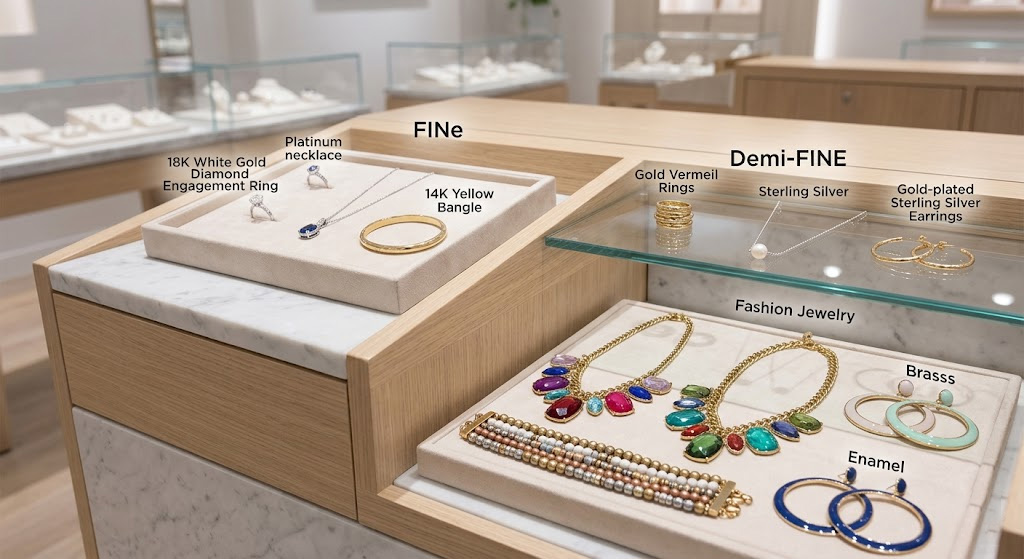
The primary types include fine, demi-fine, and fashion pieces categorized by their specific material composition and price point. Understanding these types of jewellery is essential for any retailer looking to establish a clear market position. You must distinguish between items meant for daily wear and those intended as heirloom investments.
Classifying Fine and Fashion Pieces
Fine jewelry consists of precious metals like solid gold or platinum and features genuine gemstones such as diamonds or rubies. In contrast, fashion jewelry uses base metals like brass or copper with synthetic stones to achieve a trendy look. Retailers often mix these categories to appeal to different price sensitivities within their store.
Understanding Consumer Demand
Consumer demand often fluctuates based on seasonal trends, gift-giving holidays, and economic shifts. High-end buyers look for longevity, while younger demographics may prioritize affordable, stylish accessories for immediate use.
Look: A balanced inventory helps you capture both spontaneous and planned purchases.
- Fine Jewelry: High-margin, long-term investments.
- Fashion Jewelry: High-turnover, trend-sensitive items.
- Demi-Fine: The middle ground for stylish, quality-conscious shoppers.
Key Takeaway: Segmenting your inventory by material value allows you to tailor your sales pitch and packaging to the specific expectations of your customer base.
| Category | Primary Materials | Target Audience | |
|---|---|---|---|
| Fine | Solid Gold, Platinum, Gemstones | Luxury & Bridal Buyers | |
| Demi-Fine | Gold Vermeil, Sterling Silver | Professional Stylists | |
| Fashion | Plated Metals, Acrylic, Glass | Trend-Focused Shoppers |
Effective classification ensures your marketing efforts align with the intrinsic value of each product line.
Why should retailers stock fine types of jewellery?
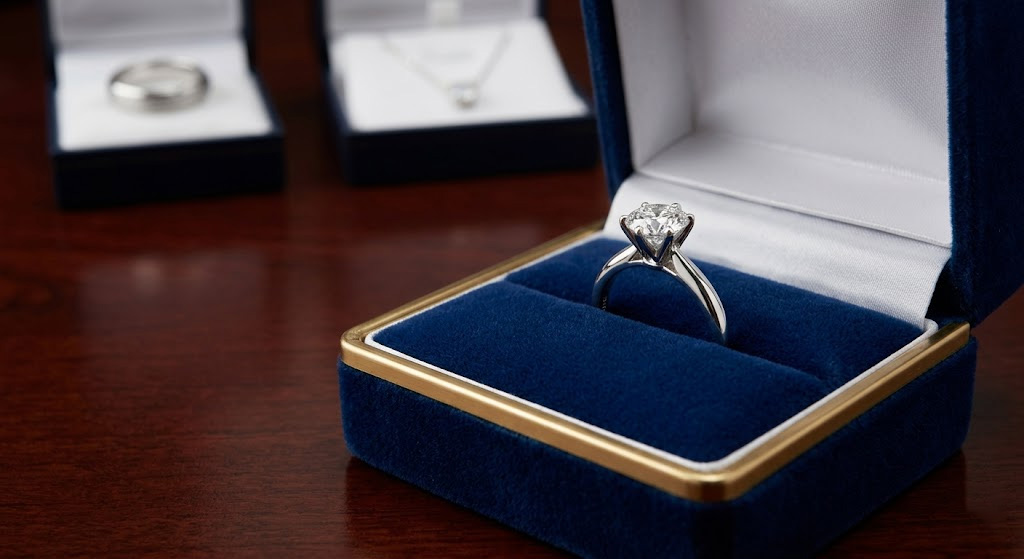
Retailers should stock fine pieces to capture the high-end luxury market and offer items with enduring intrinsic value. These types of jewellery represent significant milestones like engagements and anniversaries, ensuring a steady stream of dedicated clientele. By providing precious items, you establish your store as a destination for quality and professional expertise.
Precious Metals and Luxury Value
Gold, silver, and platinum are the backbones of the luxury sector due to their scarcity and durability. These metals do not degrade over time, making them the preferred choice for customers seeking lasting value. You can leverage the fluctuating market price of gold to highlight the investment potential of your collection.
High-End Gemstone Settings
Luxury value is often defined by the precision of the setting and the quality of the stones used. Prong, bezel, and pave settings must be executed flawlessly to secure expensive diamonds and colored gems.
The best part? Fine jewelry retains its luster for generations with minimal maintenance.
- 14K/18K Gold: The industry standard for durability and color.
- Platinum: Hypoallergenic and incredibly strong for bridal sets.
- Natural Diamonds: The ultimate symbol of prestige and commitment.
Key Takeaway: Fine jewelry serves as the anchor for your brand’s reputation, attracting high-spending customers who value authenticity and craftsmanship.
| Metal Type | Purity Levels | Key Retail Benefit | |
|---|---|---|---|
| Yellow Gold | 14K, 18K, 24K | Timeless aesthetic appeal | |
| White Gold | 14K, 18K | Modern, sleek alternative to silver | |
| Platinum | 950 | Maximum durability for ring settings |
Investing in high-end inventory establishes a foundation of trust that supports your entire retail operation.
How to differentiate fashion types of jewellery?
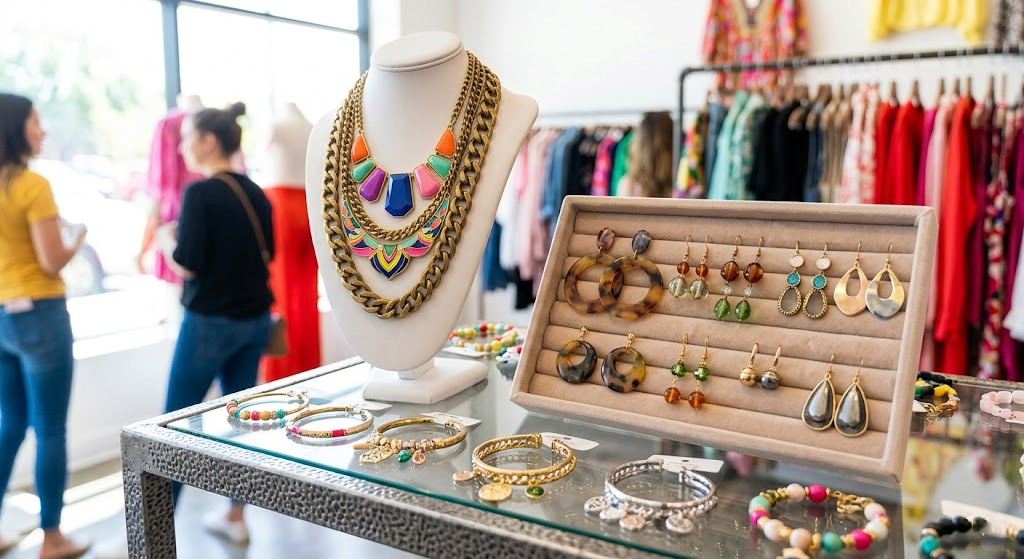
You can differentiate fashion pieces by their use of non-precious base metals and trend-focused design aesthetics. These types of jewellery are typically mass-produced to keep costs low and styles current. They allow your customers to experiment with bold looks without a major financial commitment.
Demi-Fine and Plated Materials
Demi-fine pieces bridge the gap by using sterling silver or gold vermeil to offer a premium feel at a lower price. This category is perfect for shoppers who want the look of gold without the high cost of solid karat pieces. Retailers find these items highly effective for “self-gift” marketing campaigns.
Trend-Driven Design Elements
Fashion jewelry thrives on rapid design cycles that mirror runway trends and social media influencers. Large geometric shapes, vibrant enamel, and mixed-media materials define this high-energy category.
Here is why: Frequent inventory refreshes keep your storefront looking modern and exciting for repeat visitors.
- Gold Plating: Provides a luxurious finish at a fraction of the cost.
- Enamel Work: Adds pops of color that are difficult to achieve with gems.
- Mixed Metals: Offers a contemporary, versatile look for daily wear.
Key Takeaway: Fashion jewelry provides the volume and variety needed to drive foot traffic and encourage impulsive, low-risk purchases.
| Material | Durability | Price Range | |
|---|---|---|---|
| Gold Vermeil | Moderate | Mid-tier (150) | |
| Silver Plated | Low | Budget (< $30) | |
| Stainless Steel | High | Affordable (80) |
Differentiating your materials ensures you can offer the right product at every possible price point.
What necklace types of jewellery are most popular?
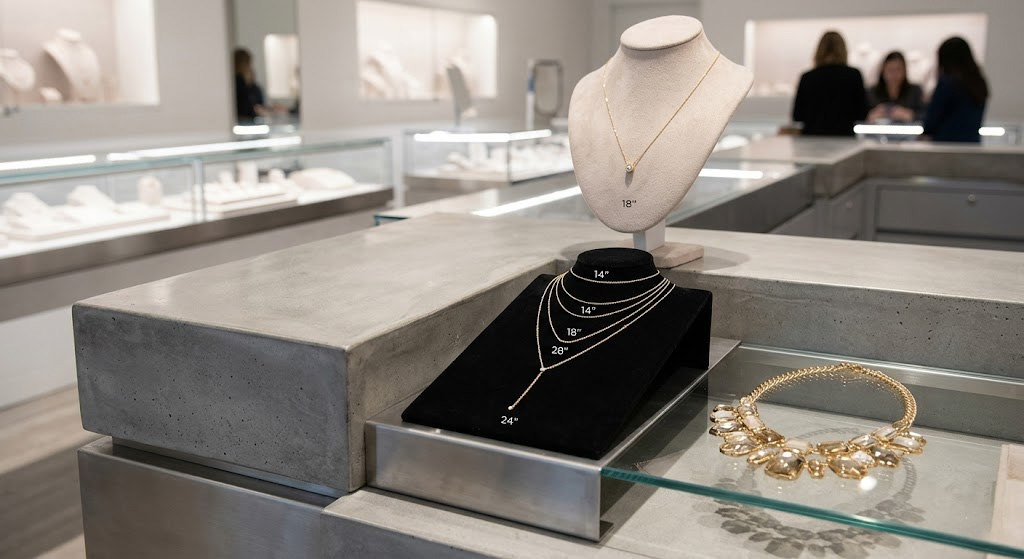
The most popular necklace styles currently driving retail sales are elegant chokers, pendants, and bold statement pieces. These types of jewellery are essential because they frame the face and are often the first thing a customer notices. Carrying a diverse range ensures you have a solution for both minimalist and maximalist tastes.
Elegant Chokers and Pendants
Chokers sit snugly at the neck and are currently trending in both velvet and fine metal varieties. Pendant necklaces, featuring a central focal stone or charm, remain the most versatile gift option in any jewelry store. They are easily layered, allowing you to upsell multiple pieces at once.
Bold Statement Necklaces
Statement necklaces are designed to be the centerpiece of an outfit, often featuring chunky links or elaborate bib designs. These pieces are particularly popular during the holiday and wedding seasons for formal events.
Look: Layering necklaces is a major consumer trend that increases the average transaction value.
- Solitaire Pendants: A classic choice for birthdays and anniversaries.
- Multi-Row Chains: Pre-layered designs that simplify styling for the customer.
- Lariats: Adjustable lengths that work with various necklines.
Key Takeaway: Necklaces are high-visibility items that should be displayed at eye level to capture immediate consumer interest.
| Style | Length Range | Best Use Case | |
|---|---|---|---|
| Choker | 14 – 16 inches | High-neck tops and modern layering | |
| Princess | 17 – 19 inches | Everyday wear and standard pendants | |
| Opera | 30 – 36 inches | Formal evening wear and layering |
Mastering necklace lengths and styles allows you to provide better styling advice to your clientele.
Which earring types of jewellery should you carry?
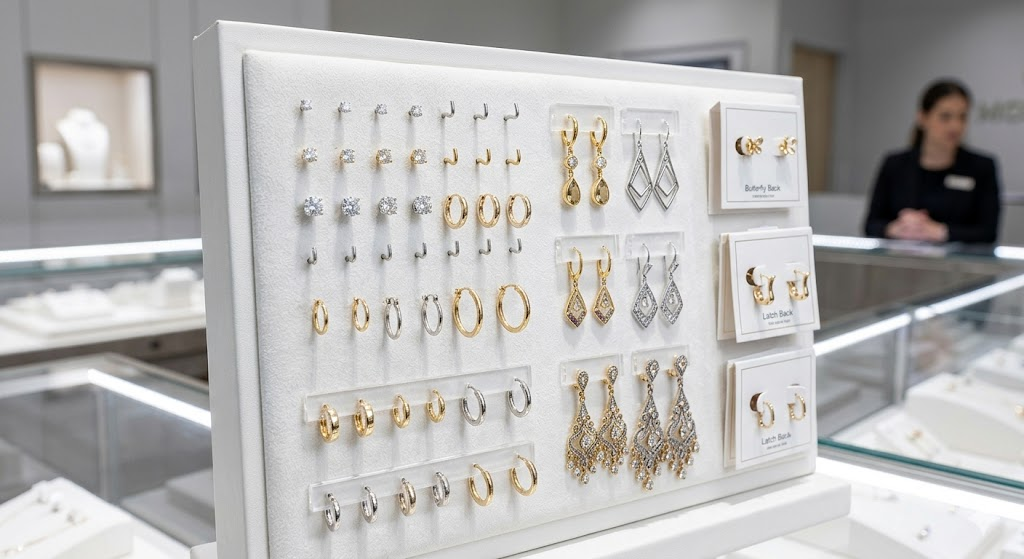
Your inventory should include a mix of classic studs, hoop styles, and decorative dangles to meet diverse customer preferences. Offering these types of jewellery ensures that you can cater to everyone from the minimalist professional to the glamorous bride. Earring sales are often consistent year-round, making them a reliable revenue stream.
Classic Studs and Hoop Styles
Stud earrings are the most common entry point for jewelry buyers, especially in diamond or pearl configurations. Hoops range from tiny “huggies” to oversized statement rings, serving as a staple in almost every woman’s collection. You should stock various sizes and widths to appeal to different age groups.
Dangles, Drops, and Clip-Ons
Dangle and drop earrings add movement and length, making them ideal for formal occasions or evening wear. Clip-on options are a necessary niche for customers without pierced ears who still desire high-fashion looks.
The best part? Earrings are the most frequent “add-on” purchase when customers are already buying a necklace or ring.
- Solitaire Studs: Essential for every jewelry wardrobe.
- Huggie Hoops: Extremely popular for multiple ear piercings.
- Chandelier Earrings: High-impact pieces for special events.
Key Takeaway: A comprehensive earring selection should prioritize comfort and weight to ensure customer satisfaction and repeat business.
| Type | Closure Style | Style Profile | |
|---|---|---|---|
| Stud | Butterfly Back | Minimalist & Professional | |
| Hoop | Latch Back | Casual & Versatile | |
| Dangle | French Hook | Decorative & Festive |
Offering various closures and styles ensures you don’t lose a sale due to specific physical preferences.
How to merchandise various ring types of jewellery?
Merchandising rings effectively requires dedicated displays that highlight the unique settings of engagement bands and fashion rings. These types of jewellery are highly personal and often require sizing, which provides an opportunity for direct customer engagement. You should organize your rings by occasion to help shoppers navigate the selection easily.
Engagement and Wedding Bands
Bridal jewelry is the highest-margin segment for many retailers and requires a professional, high-end presentation. You should display these in individual slots to emphasize their exclusivity and importance. Offering matching sets for both partners can significantly increase the total sale value.
Fashionable Stacking and Signet Rings
Stacking rings allow customers to build a custom look over time by combining multiple thin bands. Signet rings have seen a resurgence in popularity as gender-neutral pieces that offer a sense of heritage and identity.
Look: Interactive displays where customers can “try on” stacks encourage engagement and higher sales.
- Eternity Bands: Symbols of endless love featuring stones all around the band.
- Cocktail Rings: Oversized, colorful pieces meant to be worn solo.
- Midi Rings: Smaller bands designed to be worn above the knuckle.
Key Takeaway: Rings are highly emotional purchases; your merchandising should facilitate an intimate and tactile shopping experience.
| Ring Category | Common Metals | Purpose | |
|---|---|---|---|
| Bridal | Gold, Platinum | Marriage & Commitment | |
| Stacking | Silver, 14K Gold | Personal Expression & Layering | |
| Statement | Brass, Large Gems | Occasion-based Fashion |
Properly categorized ring displays help customers find exactly what they need for their specific milestone.
What bracelet types of jewellery attract buyers?
Buyers are consistently attracted to a variety of rigid bangles, cuffs, and flexible chain designs. These types of jewellery are popular gift items because sizing is often more forgiving than with rings. Stocking a range of adjustable and fixed sizes ensures you can accommodate all wrist types.
Rigid Bangles and Cuff Designs
Bangles are solid loops that can be stacked for a traditional or “boho” look, depending on the material. Cuffs feature an opening that allows them to be slipped onto the wrist easily and often serve as bold, sculptural fashion statements. You should display these on T-bars to show off their shape and diameter.
Flexible Chain and Beaded Bracelets
Chain bracelets, such as tennis styles or charm links, offer a classic look that moves comfortably with the wearer. Beaded bracelets provide a more casual, artisanal feel and are often used in wellness or spiritual-themed collections.
Here is why: Bracelets are excellent “commemorative” gifts that customers often collect over several years.
- Tennis Bracelets: A continuous line of diamonds or gems for timeless elegance.
- Charm Bracelets: Highly customizable pieces that tell a personal story.
- Slider Bracelets: Adjustable closures that fit almost any wrist size perfectly.
Key Takeaway: Offering a mix of rigid and flexible styles allows you to capture buyers looking for both formal elegance and casual daily wear.
| Bracelet Type | Construction | Styling Tip | |
|---|---|---|---|
| Bangle | Solid Ring | Stack multiple for impact | |
| Link | Interconnected Loops | Pair with a matching necklace | |
| Tennis | Stone-set Flexible | Wear solo as a luxury staple |
Diversity in bracelet construction ensures you have the right fit for every customer’s lifestyle.
Which chain types of jewellery are industry staples?
Industry staples include traditional cable and box chains, along with decorative rope and Figaro links. These types of jewellery are the foundation of most necklace and bracelet sales, acting as the carrier for pendants or standing alone as sleek accessories. Understanding chain construction helps you advise customers on durability and style compatibility.
Traditional Cable and Box Chains
Cable chains consist of uniform round or oval links and are the most common choice for light pendants. Box chains feature square links that create a smooth, geometric appearance and are known for their exceptional strength. You should always have these in various lengths to suit different customer needs.
Decorative Rope and Figaro Links
Rope chains use twisted links to create a textured, shimmering effect that looks great without a pendant. Figaro chains feature a pattern of alternating short and long links, offering a classic Italian-inspired aesthetic.
The best part? A high-quality chain can be sold multiple times as a replacement or upgrade for existing jewelry.
- Snake Chains: Smooth, round links that offer a sleek, modern look.
- Wheat Chains: Braided links that provide maximum security for heavy pendants.
- Bead Chains: Small metal spheres that offer a contemporary, industrial feel.
Key Takeaway: Stocking a wide variety of chain styles and weights is essential for supporting your pendant and charm inventory.
| Chain Style | Link Shape | Strength Rating | |
|---|---|---|---|
| Cable | Round/Oval | Moderate | |
| Box | Square | High | |
| Figaro | Alternating Pattern | Moderate |
Understanding the technical aspects of chain styles prevents customer dissatisfaction due to broken or tangled pieces.
How to manage niche types of jewellery?
Managing niche items involves specializing in body jewelry, anklets, and decorative brooches to serve specific market segments. These types of jewellery often see surges in popularity during the summer months or festival seasons. By dedicating space to these items, you position your store as a comprehensive source for all accessory needs.
Body Jewellery and Anklets
Body jewelry includes nose studs, belly rings, and ear cartilage pieces, which are increasingly popular among younger demographics. Anklets are a seasonal staple that adds a delicate touch to summer footwear and beachwear. You should ensure these items are packaged with hygiene in mind to build customer confidence.
Decorative Brooches and Pins
Brooches are making a significant comeback as versatile accessories for blazers, coats, and even handbags. They offer a vintage charm that appeals to collectors and those looking for unique, one-of-a-kind statement pieces.
Look: Niche categories often have less competition, allowing you to become the go-to expert in your local area.
- Cartilage Studs: Small, high-quality pieces for modern ear piercings.
- Belly Rings: Popular fashion items for younger, trend-focused buyers.
- Magnetic Brooches: A modern solution that doesn’t damage delicate fabrics.
Key Takeaway: Niche jewelry allows you to differentiate your brand from generic competitors by offering specialized and hard-to-find items.
| Niche Category | Seasonal Peak | Key Demographic | |
|---|---|---|---|
| Anklets | Summer | Vacationers & Students | |
| Body Jewelry | Year-round | Gen Z & Millennials | |
| Brooches | Autumn/Winter | Professionals & Collectors |
Managing niche products effectively requires a deep understanding of specific sub-cultures and seasonal fashion shifts.
How to protect different types of jewellery?
Protecting your inventory requires a combination of anti-tarnish storage solutions and secure, durable packaging for transit. These types of jewellery are susceptible to environmental damage like oxidation and physical scratches if not handled correctly. Proper protection not only preserves the value of your stock but also enhances the customer’s unboxing experience.
Anti-Tarnish Storage Solutions
Silver and some base metals react with sulfur in the air, leading to a dark tarnish that ruins their retail appeal. Using anti-tarnish strips or treated velvet liners in your display cases can significantly reduce the need for constant polishing. You should also advise customers on these storage methods to add value to their purchase.
Secure Packaging for Transit
When shipping jewelry or providing a box at the point of sale, the interior must immobilize the piece to prevent tangling. Foam inserts with specific cutouts for rings, earrings, and necklaces are the industry standard for safe transport.
Here is why: Damage during transit is a major cause of returns and lost profits in the jewelry industry.
- Velvet Pouches: Soft, non-abrasive protection for delicate finishes.
- Rigid Boxes: Structural integrity that prevents crushing during shipping.
- PE Film Boxes: Modern 3D floating displays that offer both protection and visibility.
Key Takeaway: Investing in high-quality protective packaging reduces your overhead costs by preventing damage and minimizing customer returns.
| Protection Method | Target Issue | Best For | |
|---|---|---|---|
| Anti-Tarnish Tabs | Oxidation | Sterling Silver | |
| Foam Inserts | Movement/Scratches | Fine Jewelry Sets | |
| Padded Envelopes | External Impact | Online Shipping |
Robust protection strategies ensure that your jewelry remains in pristine condition from the factory to the end consumer.
Conclusion
Understanding the diverse landscape of jewelry types is the first step toward building a resilient and profitable retail business. By categorizing your inventory effectively and choosing the right protection strategies, you solve the common problems of stock mismanagement and poor customer presentation. Our mission is to empower your brand with the knowledge and tools needed to create a luxury experience for every shopper. If you are ready to elevate your brand’s presentation and secure your inventory with professional solutions, please contact us today to discuss your specific packaging needs.
FAQ
Can I customize packaging for all these different types of jewellery?Yes. You can fully customize boxes and pouches with specific inserts designed to fit everything from tiny studs to large statement necklaces.
What’s the best material for storing silver to prevent tarnish?Anti-tarnish velvet. This specialized fabric is treated to neutralize the gases that cause silver to turn black over time.
Can I order samples of different box types before committing to a bulk purchase?Yes. Most professional manufacturers offer 3-5 day rapid prototyping so you can test the fit and quality of your jewelry in the packaging.
What is the standard minimum order quantity for custom retail jewelry boxes?Typically 500 pieces. This volume allows for cost-effective manufacturing while still offering full customization of materials and logos.
How long does it take to produce a custom order for my store?Usually 15-20 business days. This timeline accounts for material sourcing, precision printing, and final quality control inspections.