
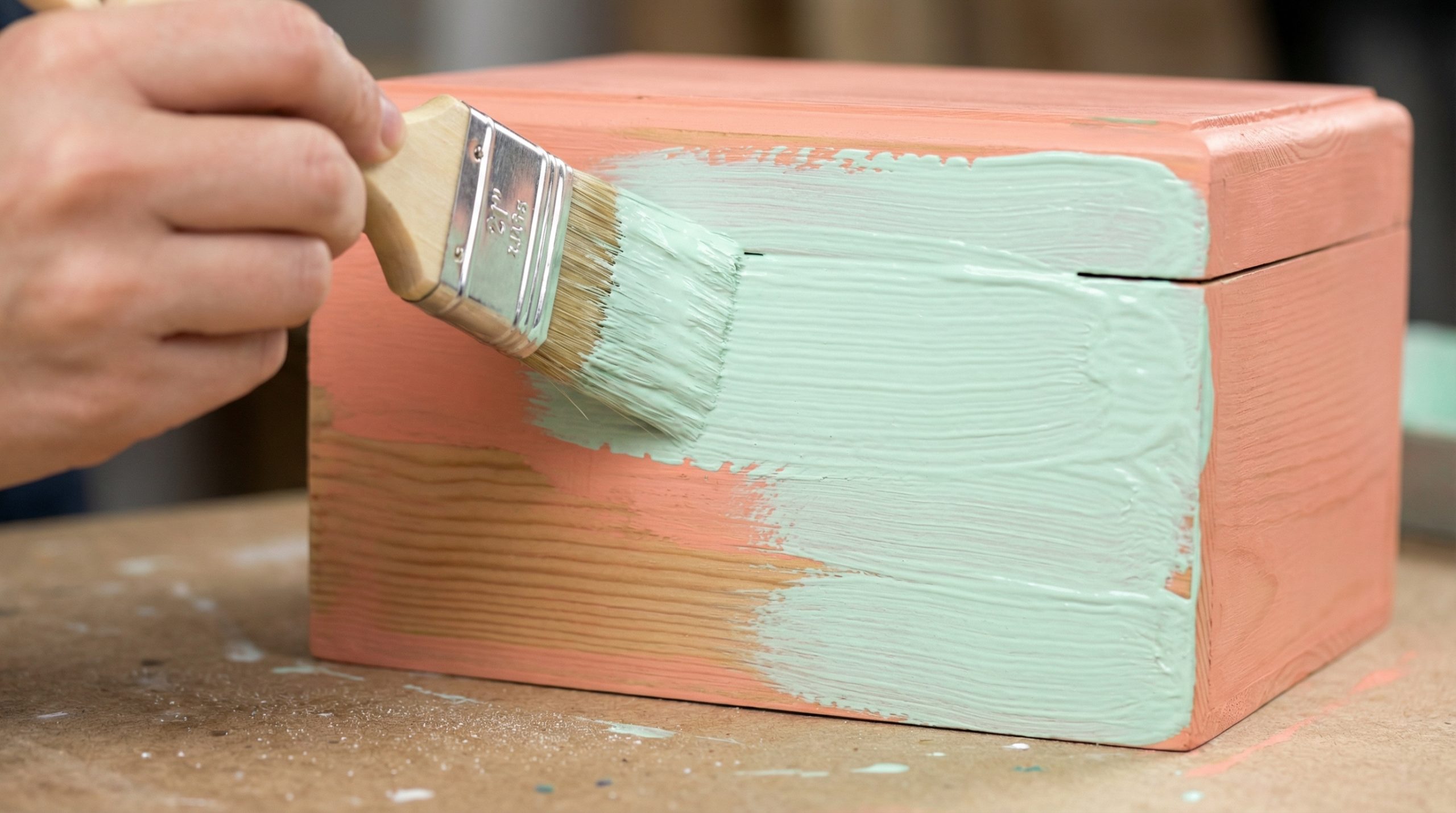
To paint and personalize a small jewelry box, you must first clean the surface, apply a high-quality primer, and use thin layers of acrylic paint followed by a protective sealant.
Generic, mass-produced jewelry boxes often fail to capture the unique essence of a luxury brand or a special gift. This lack of personality can make even the most expensive jewelry feel uninspired during the unboxing process. By taking the time to paint jewelry box exteriors with custom designs, you transform a simple utility item into a premium brand asset. Our expert guide provides a professional roadmap to achieving a flawless, durable finish that elevates your presentation to industrial standards.
Why should you learn to paint jewelry box surfaces?

You can paint jewelry box surfaces to enhance brand recognition, increase the perceived value of your products, and create a memorable unboxing experience for your clients.
Why does custom paint matter?
Look: Customized packaging acts as a silent salesman for your brand. It differentiates your products in a crowded market and shows attention to detail.
- Improves brand recall.
- Justifies higher price points.
- Creates social media-worthy moments.
- Reflects seasonal marketing trends.
The best part?
You don’t need expensive machinery to start making an impact. With the right technique, a hand-painted finish can look just as sleek as a factory-applied coating. This allows for rapid prototyping of new brand colors before committing to large-scale production.
Key TakeawayPersonalizing your inventory through paint is a cost-effective strategy for small businesses to achieve a high-end look without massive initial investment. It bridges the gap between generic stock and bespoke luxury.
| Benefit | Impact on Business | Difficulty Level | |
|---|---|---|---|
| Brand Identity | High | Low | |
| Customer Loyalty | Medium | Low | |
| Profit Margin | High | Medium |
Analytical Guidance: Focus on colors that resonate with your target demographic’s psychological triggers to maximize the impact of your customization.
What prep steps are needed before you paint jewelry box wood?

Preparing the surface to paint jewelry box wood requires removing all hardware, sanding the exterior with fine-grit paper, and wiping away dust with a tack cloth.
Is sanding really necessary?
The best part? Sanding creates “teeth” on the surface, which allows the primer to bond permanently to the substrate. Skipping this step often results in the paint peeling off in large flakes within weeks.
- Use 220-grit for initial smoothing.
- Move to 400-grit for a polished feel.
- Always sand in the direction of the grain.
- Clear debris immediately after sanding.
What about the hardware?
Removing hinges and latches prevents paint from gumming up the mechanical parts. If you cannot remove them, use high-quality painter’s tape to mask them off completely. This ensures the box functions perfectly after the project is complete.
Key TakeawayQuality preparation is 90% of the work in any professional paint project. A clean, scuffed surface ensures that your subsequent layers of paint and primer adhere flawlessly.
| Prep Step | Tool Required | Time Required | |
|---|---|---|---|
| Cleaning | Mild Soap & Water | 5 Mins | |
| Sanding | 220-400 Grit Paper | 10 Mins | |
| Hardware Removal | Small Screwdriver | 5 Mins |
Analytical Guidance: Evaluate the substrate material carefully, as leatherette or plastic surfaces may require specialized plastic-bonding primers compared to natural wood.
Which tools help you paint jewelry box details like a pro?

The best tools to paint jewelry box details like a pro include synthetic filament brushes, high-density foam rollers, and low-tack masking tape for sharp lines.
Should you use a spray or brush?
Here is the deal: Spray paint offers the smoothest finish for flat surfaces, while brushes are essential for intricate detailing and monograms. If you choose a brush, select synthetic bristles to avoid the visible “track marks” left by natural hair.
- Synthetic brushes for acrylics.
- Foam brushes for large areas.
- Detail brushes for logos.
- Spray cans for base coats.
What is the ideal brush set?
A varied set allows you to handle both broad strokes and fine-line work. Investing in high-quality tools prevents bristles from falling out and getting stuck in your wet paint. Proper tool maintenance, like cleaning brushes immediately after use, extends their lifespan significantly.
Key TakeawayProfessional results are impossible without professional tools. Using the correct applicator for each specific task—whether it is a base coat or a fine logo—ensures a consistent texture.
| Tool Type | Best Usage | Professional Tip | |
|---|---|---|---|
| Angular Brush | Cutting in corners | Keep bristles damp | |
| Foam Roller | Large flat lids | Apply very light pressure | |
| Detail Liner | Signature/Monograms | Use thinned paint |
Analytical Guidance: Prioritize tools that offer ergonomic handles if you are painting multiple units, as this reduces hand fatigue and maintains precision over time.
How many coats should you apply to paint jewelry box exteriors?

You should apply at least two to three thin coats to paint jewelry box exteriors to ensure full opacity and a smooth, professional texture.
Does drying time vary?
Think about it: The environment plays a huge role in how fast your paint sets. High humidity will slow down the process, while a dry, warm room will speed it up significantly.
- Wait 1 hour between coats.
- Ensure the surface isn’t tacky.
- Apply in a dust-free zone.
- Use a fan for air circulation.
Why are thin coats better?
Thick coats often lead to “runs” and drips that are difficult to fix once they dry. By building up color slowly, you maintain the sharp edges and fine details of your custom jewelry box design. It also prevents the paint from cracking as it cures.
Key TakeawayBuilding depth through multiple thin layers is the hallmark of professional craftsmanship. It provides a more durable finish that is less prone to chipping during shipping and handling.
| Coat Number | Purpose | Coverage Expectation | |
|---|---|---|---|
| First Coat | Base adhesion | 50-60% Transparent | |
| Second Coat | Color depth | 90-100% Opaque | |
| Third Coat | Final leveling | 100% Solid Finish |
Analytical Guidance: Monitor the edges of the box carefully during the second coat, as paint tends to pull away from sharp corners, requiring extra attention for full coverage.
How do you seal the finish after you paint jewelry box designs?

To protect the surface, you must apply a clear acrylic sealer or polyurethane topcoat after you paint jewelry box designs and allow them to dry completely.
Which finish lasts longest?
Bottom line: A high-gloss polyurethane is the most durable, but a matte acrylic spray is often more forgiving for beginners. The sealer protects the paint from the oils on a customer’s hands and prevents the colors from fading.
- Matte for a modern look.
- Gloss for a luxury shine.
- Satin for a soft glow.
- UV-resistant for long-term display.
Is sealing essential for display boxes?
Absolutely, especially for items like a PE film jewelry box where the frame is handled frequently. Sealing ensures that the personalized elements don’t rub off during the daily use of a 3D floating display. It also makes the surface easier to wipe clean.
Key TakeawayThe sealant is the most critical step for longevity. Without it, your custom artwork is vulnerable to moisture, dust, and physical wear that can ruin the presentation.
| Sealer Type | Durability | Aesthetic | |
|---|---|---|---|
| Water-based Poly | High | Clear/Clean | |
| Oil-based Poly | Maximum | Amber Tint | |
| Acrylic Spray | Medium | Fast Drying |
Analytical Guidance: Opt for water-based sealers whenever possible to avoid the yellowing effect that oil-based products can have on white or pastel paint colors.
What mistakes happen when you paint jewelry box lids at home?
Common mistakes when you paint jewelry box lids include failing to use a primer, applying paint too thickly, and not allowing enough time for the final cure.
How do you fix drips?
Wait, there’s more: If you catch a drip while it is wet, you can carefully brush it out. However, if it has already dried, you must wait for it to harden completely before sanding it flat and repainting the area.
- Never paint in direct sunlight.
- Don’t skip the cleaning phase.
- Avoid using low-quality “craft” paints.
- Stop touching the paint to check dryness.
Why is curing time different?
Curing is a chemical process that takes much longer than simple drying. While the box may feel dry to the touch in an hour, it might take several days before the paint is hard enough to resist indentations from heavy jewelry or stacking.
Key TakeawayAvoiding the urge to rush the process is the best way to prevent common errors. Patience during the drying and curing phases ensures the finish remains pristine for the end consumer.
| Problem | Cause | Solution | |
|---|---|---|---|
| Peeling | No Primer | Sand & Re-prime | |
| Bubbles | Shaking paint can | Stir paint slowly | |
| Tacky feel | Humidity | Use a dehumidifier |
Analytical Guidance: Implement a 48-hour “no-touch” policy after the final coat to ensure the chemical bonding of the sealant is complete before reattaching any hardware.
Can you add metallic accents to paint jewelry box edges?
Adding metallic leaf or gold paint to paint jewelry box edges creates a high-end, luxury appearance that mimics expensive metal inlays.
Is stenciling difficult?
Actually: Stenciling is one of the easiest ways to add a professional logo to a lid. The secret is to use a “dry brush” technique, where you remove most of the paint from the brush before tapping it over the stencil.
- Gold leaf for maximum shine.
- Silver paint for modern styles.
- Rose gold for romantic themes.
- Copper accents for a vintage feel.
How do you accent a necklace box?
When personalizing a necklace box , focus the metallic accents on the rim where the lid meets the base. This draws the eye to the opening mechanism and highlights the jewelry inside once the customer lifts the cover. It creates a frame-like effect for the pendant.
Key TakeawayMetallic accents are a “low effort, high reward” customization technique. A small amount of gold or silver trim can double the perceived value of a standard cardboard or wooden box.
| Accent Type | Skill Level | Visual Impact | |
|---|---|---|---|
| Gold Leaf | Medium | Luxury | |
| Metallic Marker | Low | Clean/Sharp | |
| Rub-on Buff | Low | Antique |
Analytical Guidance: Use a dedicated metallic sealant for leafing projects, as standard topcoats can sometimes dull the reflective properties of real metal flakes.
What themes work best when you paint jewelry box gift sets?
The themes that work best when you paint jewelry box gift sets include minimalist monochrome, botanical illustrations, and classic vintage distressing.
What colors attract buyers?
You see: Colors like deep emerald green, navy blue, and blush pink are currently trending in the luxury jewelry market. These shades provide a sophisticated backdrop that makes gold and silver jewelry pop visually.
- Minimalism: Black and White.
- Bohemian: Earthy ochre and sage.
- Industrial: Grey and metallic iron.
- Romantic: Soft lavender and cream.
Does the box type matter?
Yes, a bracelet box often has a larger surface area on the lid, making it perfect for sprawling botanical designs. Matching the theme of the packaging to the style of the jewelry creates a cohesive brand story that customers find highly appealing and professional.
Key TakeawaySelecting a theme based on market research ensures your personalized boxes appeal to your specific audience. A well-chosen color palette communicates the brand’s message before the box is even opened.
| Theme | Best Jewelry Type | Target Audience | |
|---|---|---|---|
| Monochrome | Diamond/Platinum | Modern/High-end | |
| Botanical | Handmade/Organic | Eco-conscious | |
| Distressed | Antique/Estate | Collector/Vintage |
Analytical Guidance: Analyze your competitors’ packaging to identify “color gaps” in the market where your custom theme can stand out and capture attention.
How do you clean the surface after you paint jewelry box pieces?
To clean the surface after you paint jewelry box pieces, use a dry or slightly damp microfiber cloth to gently buff away dust without scratching the topcoat.
How do you store them?
Point is: Proper storage is just as important as cleaning. You should never stack freshly painted boxes directly on top of each other, as they may stick together even if they feel dry.
- Avoid chemical solvents.
- Use wax paper between layers.
- Store in a climate-controlled area.
- Keep away from direct sunlight.
Can you use soap?
If a box becomes stained, a very small amount of mild dish soap on a damp cloth is usually safe for sealed surfaces. However, you must dry the area immediately to prevent moisture from seeping into the edges of the paint and causing lifting.
Key TakeawayGentle maintenance preserves the integrity of your custom work. Educating your customers on how to care for their personalized boxes adds another layer of value to the purchase.
| Cleaning Tool | Safety Level | Frequency | |
|---|---|---|---|
| Microfiber Cloth | Very High | Weekly | |
| Compressed Air | High | Monthly | |
| Damp Sponge | Medium | As Needed |
Analytical Guidance: Periodically check your stored inventory for “outgassing” or sticking, especially in humid climates, to ensure the paint has not reverted to a tacky state.
Where can you buy wholesale kits to paint jewelry box stocks?
You can buy wholesale stocks to paint jewelry box designs directly from specialized manufacturers who offer unfinished wood or paperboard options designed for customization.
Why choose factory direct?
Imagine this: By cutting out the middleman, you can reduce your procurement costs by 20% or more. This extra margin allows you to invest more in high-quality paints and decorative elements for your personalization projects.
- Lower minimum order quantities.
- Consistent material quality.
- Bulk shipping discounts.
- Customizable box structures.
Is professional sourcing better?
Sourcing from a reputable factory ensures that the boxes are structurally sound and the surfaces are uniform. This consistency is vital when you are applying the same paint design to hundreds of units, as it ensures the color and texture look identical across the entire batch.
Key TakeawayProfessional sourcing is the foundation of a successful customization business. High-quality base materials make the painting process smoother and the final result more durable for the end-user.
| Sourcing Factor | Wholesale | Retail | |
|---|---|---|---|
| Unit Cost | Low | High | |
| Consistency | High | Variable | |
| Customization | High | Low |
Analytical Guidance: Look for suppliers that offer rapid prototyping so you can test how your chosen paints react with their specific box materials before placing a large order.
Conclusion
Mastering the art of painting and personalizing small jewelry boxes is a transformative skill for any jewelry brand. From rigorous preparation to creative thematic design, every step contributes to a premium unboxing experience that delights customers. While DIY techniques allow for unique artistic expression, the highest quality results begin with a superior base.
At YiXin Packaging, our vision is to empower brands with high-quality, customizable packaging solutions that serve as a canvas for their creativity. We believe that every box should tell a story as exquisite as the jewelry it protects. To start your journey toward premium, personalized packaging, contact us today for a free quote and expert consultation.
FAQ
1. Can I use spray paint on a velvet-lined box?Yes, but you must be extremely careful. Use low-tack painter’s tape and paper to mask off every millimeter of the velvet interior, as spray mist travels easily and can ruin the soft texture permanently.
2. What’s the best way to prevent the lid from sticking?Apply a very thin layer of clear wax or a tiny amount of paraffin to the areas where the lid meets the base. This creates a non-stick barrier that allows the box to open smoothly even in humid conditions.
3. How do I know if my paint is fully cured?Press your fingernail into an inconspicuous area (like the bottom) after 24 hours. If it leaves an indentation, the paint is only dry on the surface and needs more time to cure and harden completely.
4. Can I paint over a box that already has a glossy finish?Yes, but only if you sand it thoroughly first. You must remove the original gloss to create a matte, porous surface that your new primer and paint can actually grip onto.
5. What’s the best paint for a leatherette jewelry box?Specialized acrylic leather paints are best. These formulas are designed to be flexible, meaning they won’t crack or peel when the lid hinges open and closed, unlike standard craft acrylics.