
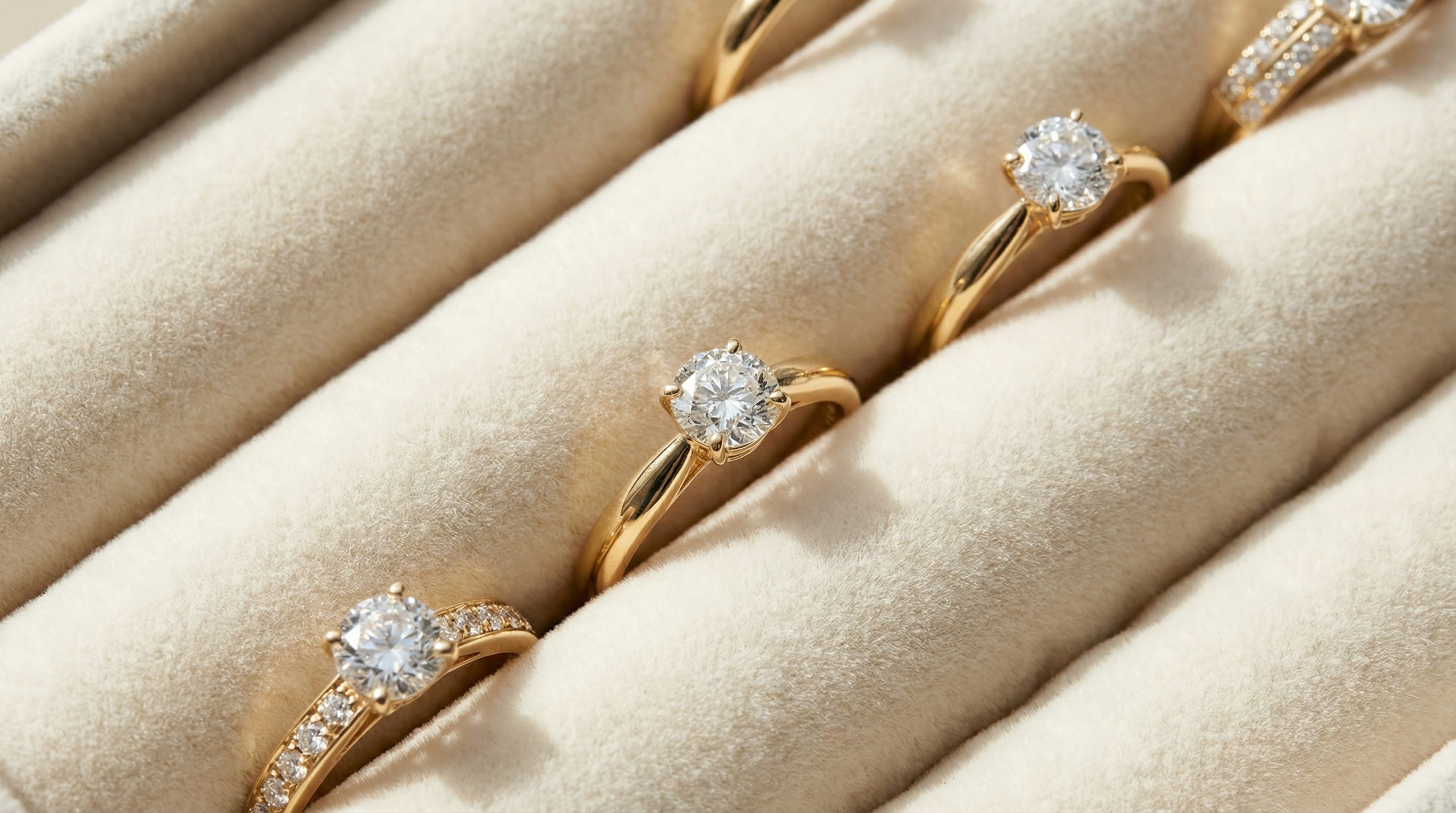
Owning a stunning collection of jewelry is a point of pride, yet most owners struggle with a disorganized mess of knotted chains and missing earring backs. This chaos does more than waste your time; it leads to preventable scratches on gold and dulling of precious gemstones. If you do not have a systematic strategy, your most valuable investments are constantly at risk of physical damage and accelerated oxidation.
The solution is a structured placement system that ensures every piece has a scientifically sound home. By understanding what goes where in a jewelry box , you transform your storage into a protective vault that preserves resale value and streamlines your daily routine. This guide establishes the definitive standard for arranging necklaces, rings, and watches for maximum security and elegance.
How do you organize an earring drawer efficiently?
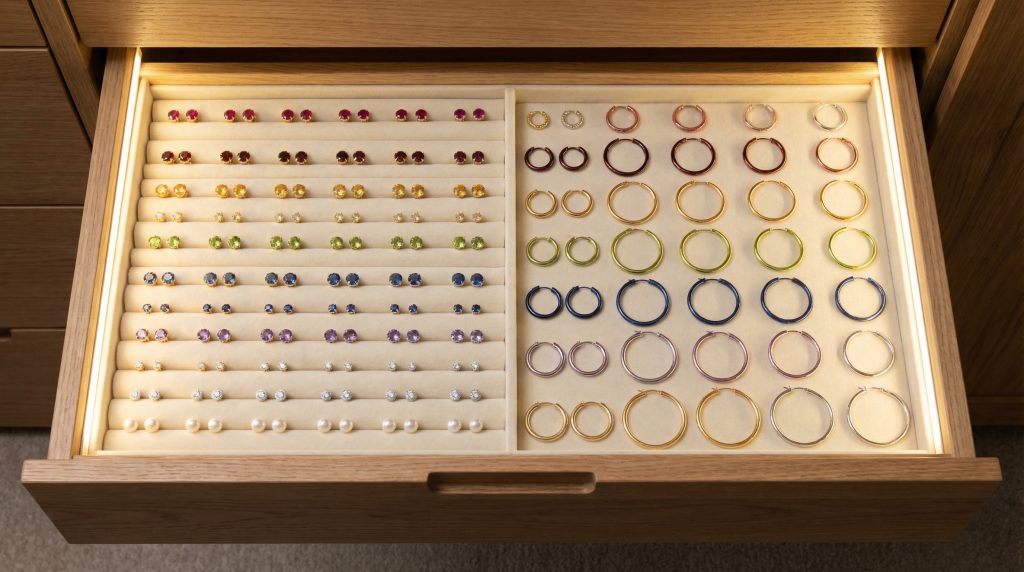
Earring organization begins with separating your pieces by style and size to prevent friction between different metal alloys. Large hoops should be stored in wide, shallow compartments, while delicate studs require dedicated foam or velvet slots. Keeping pairs together in a grid prevents the “lost back” syndrome and makes visual selection much faster during your morning rush.
When you utilize an Earring Box , you protect the integrity of friction posts and delicate butterfly backs. For high-volume collections, color-coding your studs allows for a professional gradient display that enhances the aesthetic of your vanity. This methodical approach ensures that your diamonds and pearls never come into contact with abrasive surfaces.
Earring Placement Standards
The following table summarizes the ideal slot allocation for common earring styles based on mechanical design.
| Earring Style | Recommended Slot Type | Security Level | |
|---|---|---|---|
| Studs | Padded Grid | High | |
| Large Hoops | Wide Flat Bin | Medium | |
| Chandelier Drops | Long Rectangular Slot | High |
Follow this guide to ensure your earrings remain paired and protected within their designated drawer.
What does a standard jewelry box organization chart look like?
Visualizing your storage layout as a series of functional zones is the first step toward professional-grade organization. A standard multi-tier system typically places frequently worn items at the top for easy access. Lower drawers are reserved for bulky statement pieces or sentimental heirlooms that require deeper structural support and less frequent handling.
Strategic mapping helps you avoid overcrowding, which is the leading cause of metal-on-metal scratching. By respecting the capacity limits of each zone, you maintain the airflow necessary to reduce humidity-induced tarnish. A well-mapped box acts as a roadmap for your collection, allowing you to audit your inventory at a single glance.
Zone Mapping Guide
Refer to this breakdown to understand the primary functions of each compartment in a modern Jewelry Packaging Box .
| Zone | Primary Content | Suggested Limit | |
|---|---|---|---|
| Top Tray | Rings & Daily Studs | 10 Rings / 12 Pairs | |
| Side Wings | Necklaces | 5-8 Units | |
| Deep Drawers | Watches & Bangles | 2-4 Items |
Use this zone chart to prevent overcrowding and ensure every item has a clearly defined home.
Why are velvet linings vital in what goes where in a jewelry box?
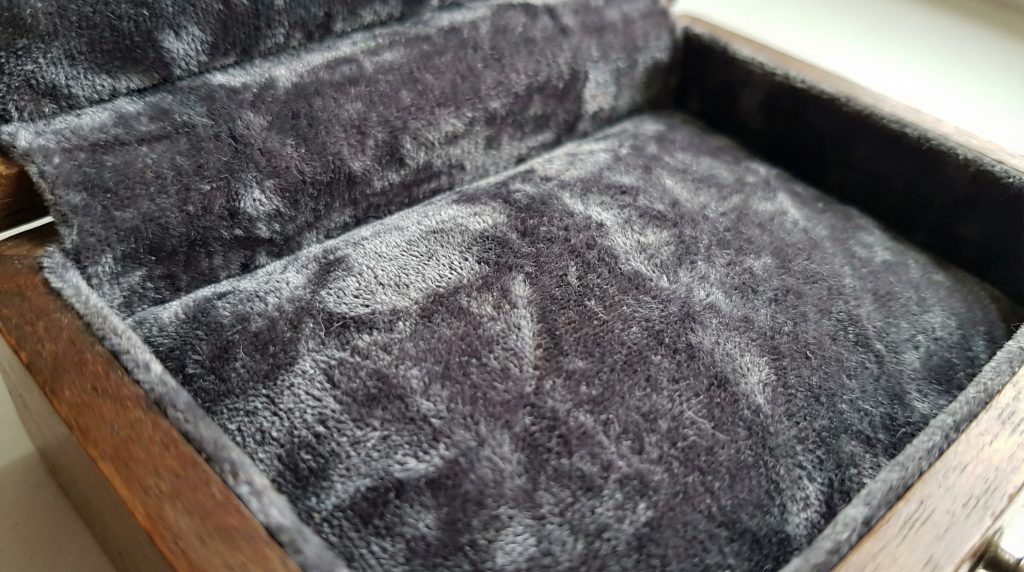
The material lining of your storage compartments is your first line of defense against oxidation and physical abrasion. High-grade velvet or treated felt provides a moisture-wicking environment that is especially beneficial for silver jewelry. These soft fibers cradle your pieces, ensuring that even if the box is moved, the contents do not slide and collide.
Rough or unlined cardboard can contain acidic chemicals that accelerate the tarnishing process of gold and silver alloys. Investing in a box with plush linings ensures that the microscopic surface of your gems remains free from hairline fractures. For business owners, choosing Wholesale Jewelry Boxes with premium interiors reflects a commitment to product longevity and customer satisfaction.
Material Compatibility Features
Understanding the chemical and physical benefits of your box lining is essential for long-term collection health.
| Material Property | Benefit to Jewelry | Target Metals | |
|---|---|---|---|
| Anti-Tarnish Lining | Slows Oxidation | Silver & Low-Karat Gold | |
| Plush Velvet | Prevents Scratches | All Polished Surfaces | |
| Acid-Free Base | Prevents Discoloration | Pearls & Organic Gems |
Select your lining materials based on this compatibility guide to maintain the pristine finish of your inventory.
Where should you hang necklaces to stop tangles?
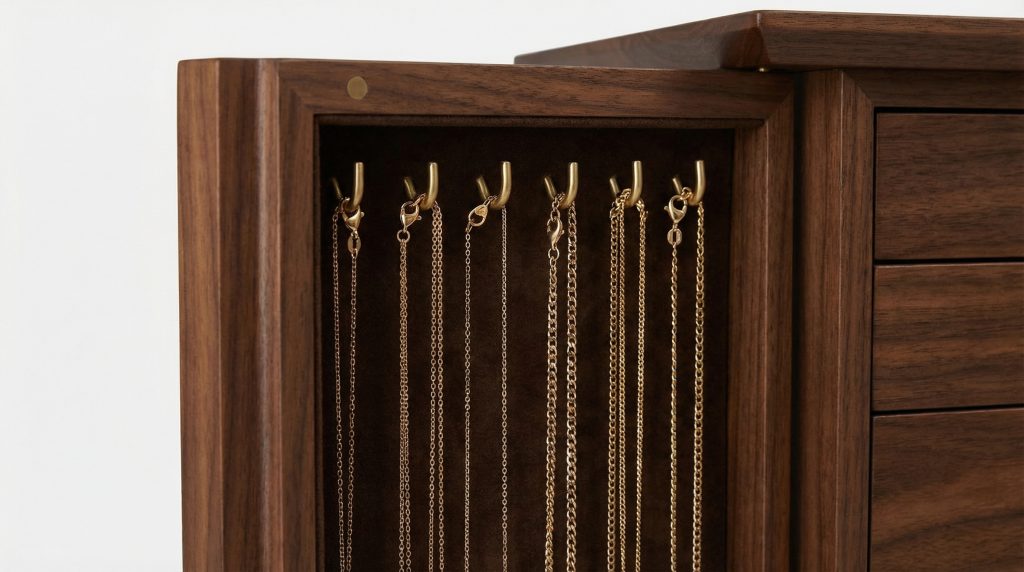
Necklaces are the most common victims of poor organization, often ending up in a “rat’s nest” of tangled chains. The most effective way to store them is vertically, utilizing hooks found in the side wings or doors of a jewelry cabinet. Gravity keeps the chains straight and prevents the friction that causes knots to form during storage.
For delicate micro-chains, consider a Necklace Box that allows the piece to lay flat in a recessed groove. This flat-lay method is ideal for high-value pendants that might be too heavy for a simple hook system. Always ensure the clasp is fastened before hanging to prevent the chain from slipping off the mounting point.
Necklace Storage Methods
Choose the storage method that matches the weight and link style of your specific necklaces.
| Chain Type | Storage Method | Prevention Focus | |
|---|---|---|---|
| Thin Cable Chain | Vertical Hook | Tangle Prevention | |
| Heavy Statement | Flat Compartment | Link Stretching | |
| Pearl Strand | Fabric Pouch | Surface Abrasion |
Refer to these methods to ensure your necklaces remain untangled and ready for immediate wear.
How do multi-tier layouts optimize what goes where?
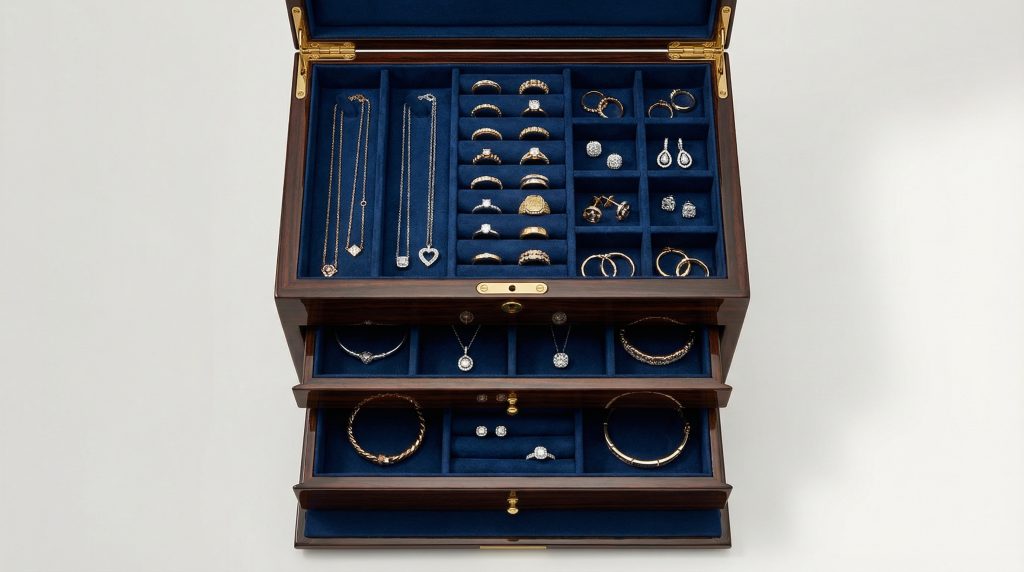
A multi-tier layout is designed to maximize vertical space while categorizing your items by usage frequency. The top tier is your “active zone,” containing the pieces you reach for most mornings, such as wedding bands and everyday earrings. Middle layers should house your professional or semi-formal accessories that complement your office attire.
The bottom drawers are typically deeper, making them perfect for oversized items like rigid cuffs or large Cardboard Jewelry Boxes used for seasonal storage. By segregating items by height and volume, you prevent smaller pieces from being crushed by heavier ones. This hierarchical system makes it easy to maintain an organized vanity even with an expanding collection.
Tiered Level Allocation
Organize your multi-tier box by following this logical distribution of jewelry types.
| Level | Recommended Content | Access Frequency | |
|---|---|---|---|
| Level 1 (Top) | Daily Wear & Rings | Daily | |
| Level 2 (Mid) | Office Jewelry | 2-3 Times Weekly | |
| Level 3 (Base) | Heirlooms & Watches | Monthly / Special Occasions |
Apply this tiered logic to optimize your space and protect your most delicate items from heavy accessories.
Can modular dividers solve your jewelry box organization?
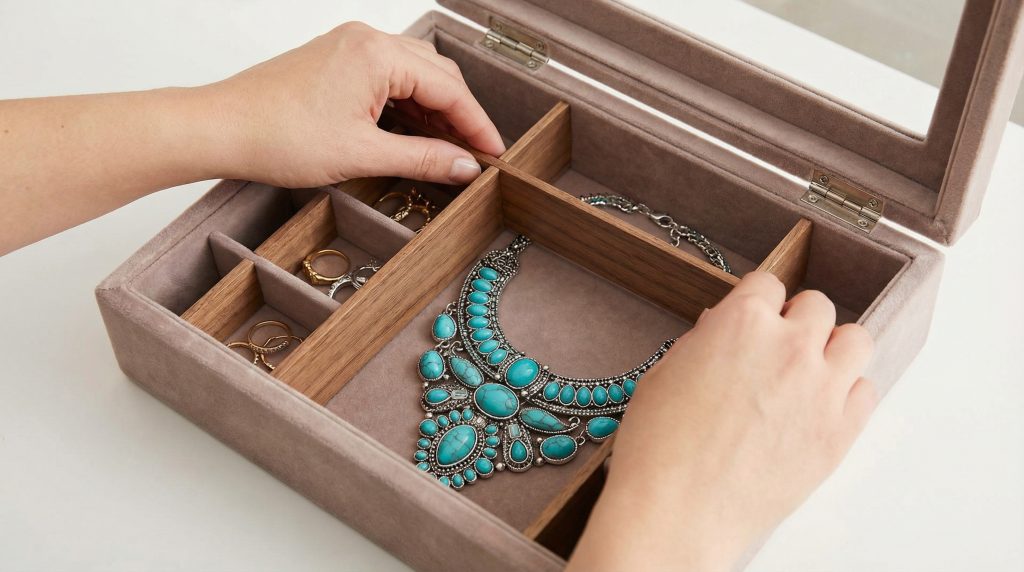
Modular dividers offer the flexibility needed to adapt your storage as your collection evolves over time. These removable slats allow you to create custom-sized “apartments” for unique pieces that don’t fit into standard grids. Whether you have a chunky turquoise necklace or a slim set of bangles, adjustable dividers ensure a snug, safe fit.
Customization is particularly important for preventing the movement of items within the box. If a compartment is too large, your jewelry will slide around and potentially strike the walls or other items. Using a Pe Film Jewelry Box for individual rare stones within these dividers provides an extra layer of 360-degree visibility and protection.
Divider Configuration Options
Use modular systems to build a layout that mirrors the specific dimensions of your current collection.
| Divider Type | Best For | Benefit | |
|---|---|---|---|
| Long Slats | Necklaces / Bracelets | Prevents Coiling | |
| Small Squares | Charms / Studs | Individual Security | |
| Rectangular Bins | Watches / Brooches | Structured Support |
Consult these configuration options when adjusting your modular box to accommodate new acquisitions.
How to maintain the order of what goes where in a jewelry box?
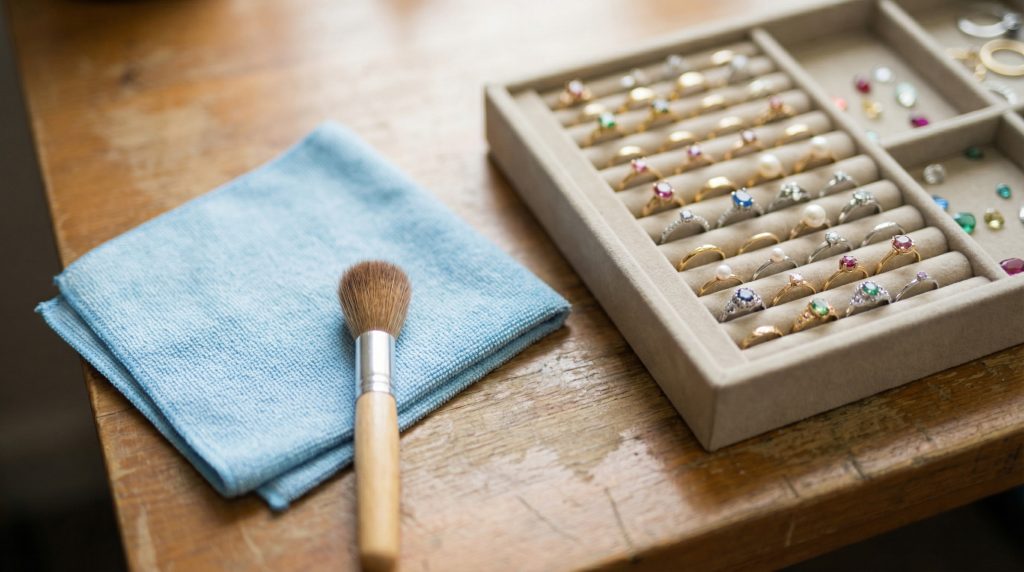
Maintaining your organization system requires a consistent ritual of auditing and gentle cleaning. Over time, skin oils and dust can accumulate in the corners of your compartments, potentially affecting the brilliance of your stones. A monthly inspection allows you to reset any items that have shifted and verify that all clasps are still secure.
During these audits, use a soft microfiber cloth and a gentle brush to remove any residue from your pieces before returning them to their slots. If you notice any wear on the fabric linings, it may be time to upgrade your Jewelry Packaging Boxes to ensure continued protection. Proper maintenance ensures that your organization system remains a clean, professional environment for your valuables.
Monthly Maintenance Checklist
Keep your organized system in top condition by performing these three essential maintenance tasks.
| Task | Tool Required | Frequency | |
|---|---|---|---|
| Dusting Linings | Lint Roller / Tape | Monthly | |
| Polishing Metals | Microfiber Cloth | After Each Wear | |
| Divider Audit | Manual Adjustment | Quarterly |
Follow this checklist to ensure your jewelry box remains a sanitary and orderly environment for your gems.
Why use ring rolls for jewelry box organization?
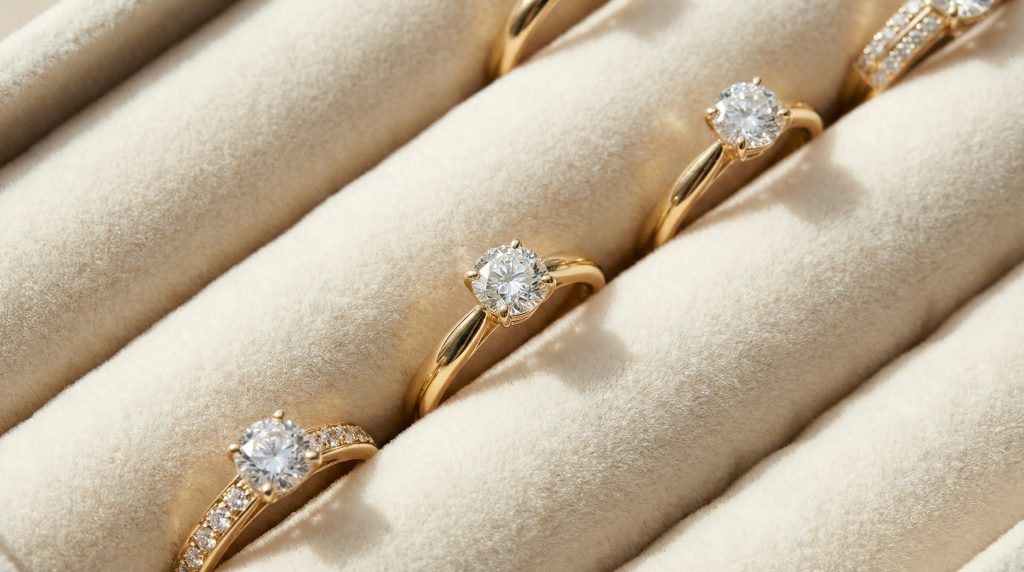
Ring rolls are the industry standard for securing bands because they provide 360-degree cushioned support. By tucking your rings into these padded grooves, you prevent them from rattling against each other, which is crucial for diamond-heavy bands that could easily chip softer metals. The tension of the roll keeps the ring upright, making it easier to see the stone’s cut and color.
Proper spacing between rings is essential to prevent the “domino effect” where one falling ring hits another. For collectors with wide signet rings or high-set engagement pieces, ensure the rolls are deep enough to accommodate the height of the stone without touching the lid. This system provides a professional showroom feel every time you open your case.
Ring Roll Best Practices
Maximize the life of your bands by following these professional storage standards for ring rolls.
| Ring Type | Roll Placement | Spacing Rule | |
|---|---|---|---|
| Engagement Rings | Center Roll | 1-inch Gap | |
| Wedding Bands | Base Roll | 0.5-inch Gap | |
| Statement Rings | Edge Roll | Individual Slot |
Adhere to these spacing rules to prevent metal-on-metal contact and preserve the luster of your bands.
What goes where in a jewelry box for travel?
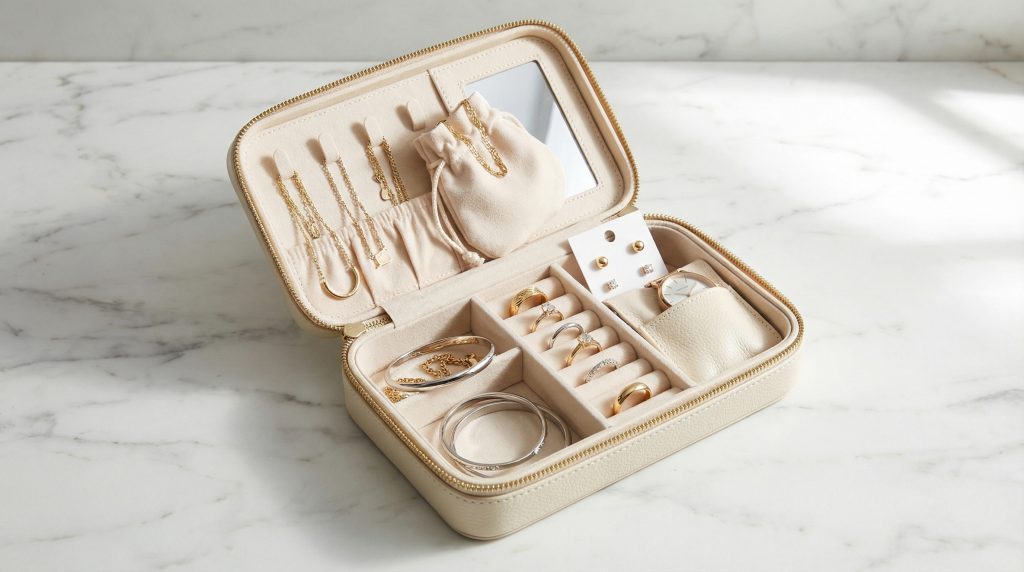
Travel organization requires a more compact and secure approach than your home vanity system. A specialized travel case should feature elasticated pockets for necklaces and a dedicated earring card to keep small pairs immobilized. The primary goal during transit is compression; items should be held firmly in place to prevent them from shifting during luggage handling.
Avoid placing all your jewelry into a single pouch, as the friction of a moving suitcase will cause immediate surface damage. Instead, use a case with modular compartments that mimic your home setup on a smaller scale. If you are a business traveler or jeweler, using professional samples from a contact us request can help you find the perfect balance of portability and protection.
Travel Case Essentials
Ensure your travel organizer includes these three features to protect your valuables on the go.
| Feature | Function | Travel Benefit | |
|---|---|---|---|
| Elastic Pockets | Chain Retention | No Tangles in Transit | |
| Zippered Closure | Total Containment | Prevents Item Loss | |
| Padded Dividers | Impact Absorption | Protects Against Drops |
Use this feature guide to select a travel case that maintains the “what goes where” logic while you are away from home.
Where do watches fit in your jewelry box system?
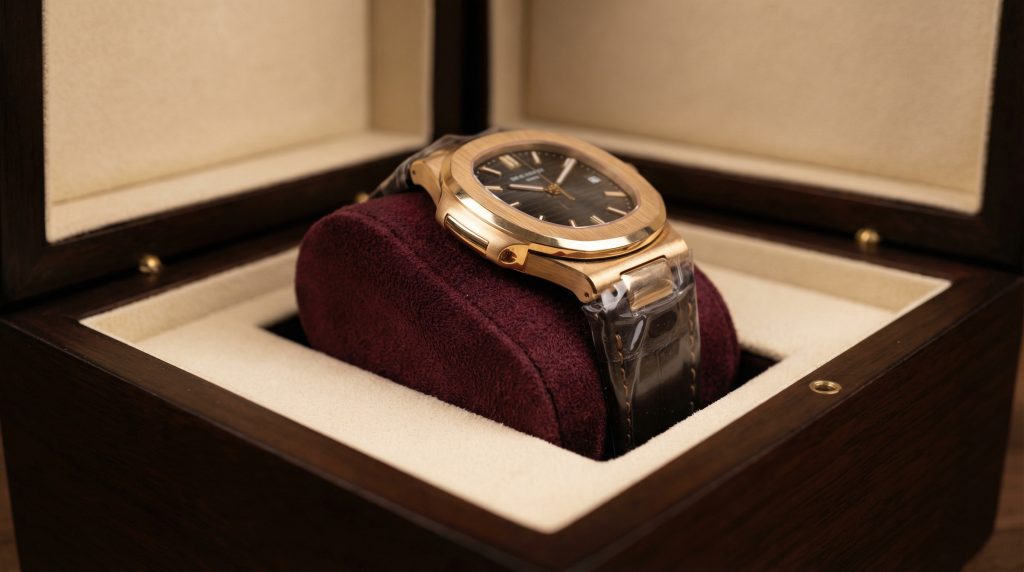
Watches are precision instruments that require more than just a flat surface; they need structural support to prevent band stretching. The ideal placement is on a plush watch pillow within a deep drawer or dedicated compartment. This maintains the natural curve of the strap, whether it is made of stainless steel, leather, or high-grade silicone.
For a cohesive look, store your watches alongside your bracelets, as these items often share similar storage requirements. Using a Bracelet Box for your timepieces ensures that the glass face is never in contact with hard surfaces that could cause scratches. Keep your watches wound and clean before storage to ensure the mechanical movements remain in peak condition.
Watch & Bracelet Placement
Follow this guide to ensure your timepieces and rigid bracelets are stored with proper structural support.
| Accessory Type | Support Requirement | Placement Zone | |
|---|---|---|---|
| Luxury Watch | Padded Pillow | Deep Drawer | |
| Rigid Cuff | Structured Groove | Mid Tier | |
| Link Bracelet | Flat Lay / Roll | Top Tray |
Utilize these placement standards to prevent band deformation and maintain the accuracy of your timepieces.
Conclusion
Mastering your jewelry organization is an investment in both your time and your treasures. By following a systematic approach to placement, you eliminate the daily stress of tangles and ensure your pieces stay in showroom condition. At YiXin Packaging, we are dedicated to helping you protect your brand’s assets with premium, custom-designed storage solutions. Solving your organization problems is our specialty, and our vision is to provide every jewelry lover with the perfect vessel for their collection. Contact us today to discover how our wholesale solutions can elevate your jewelry storage experience.
Frequently Asked Questions
Can I store silver and gold in the same ring roll?No, you should keep them separate. Gold is much harder than silver and can easily scratch it, while silver can transfer tarnish to gold pieces if they are in direct contact.
What’s the best way to prevent my necklaces from tangling?Absolutely use the hanging hooks. Gravity is the only foolproof way to keep fine chains from knotting themselves into a bird’s nest.
How do I know if my jewelry box is too crowded?If you have to move one piece of jewelry to see another, it is over capacity. Overcrowding is the leading cause of scratches and bent earring posts.
Can I use a jewelry box for my luxury watches too?Yes, as long as it has deep drawers and pillows. Watches require the support of a pillow to prevent the band from creasing and the glass from hitting the box lid.
How do I clean the velvet corners of my jewelry box?Use a clean, dry makeup brush. The soft bristles can reach deep into the seams to whisk away dust without damaging the delicate fabric.