
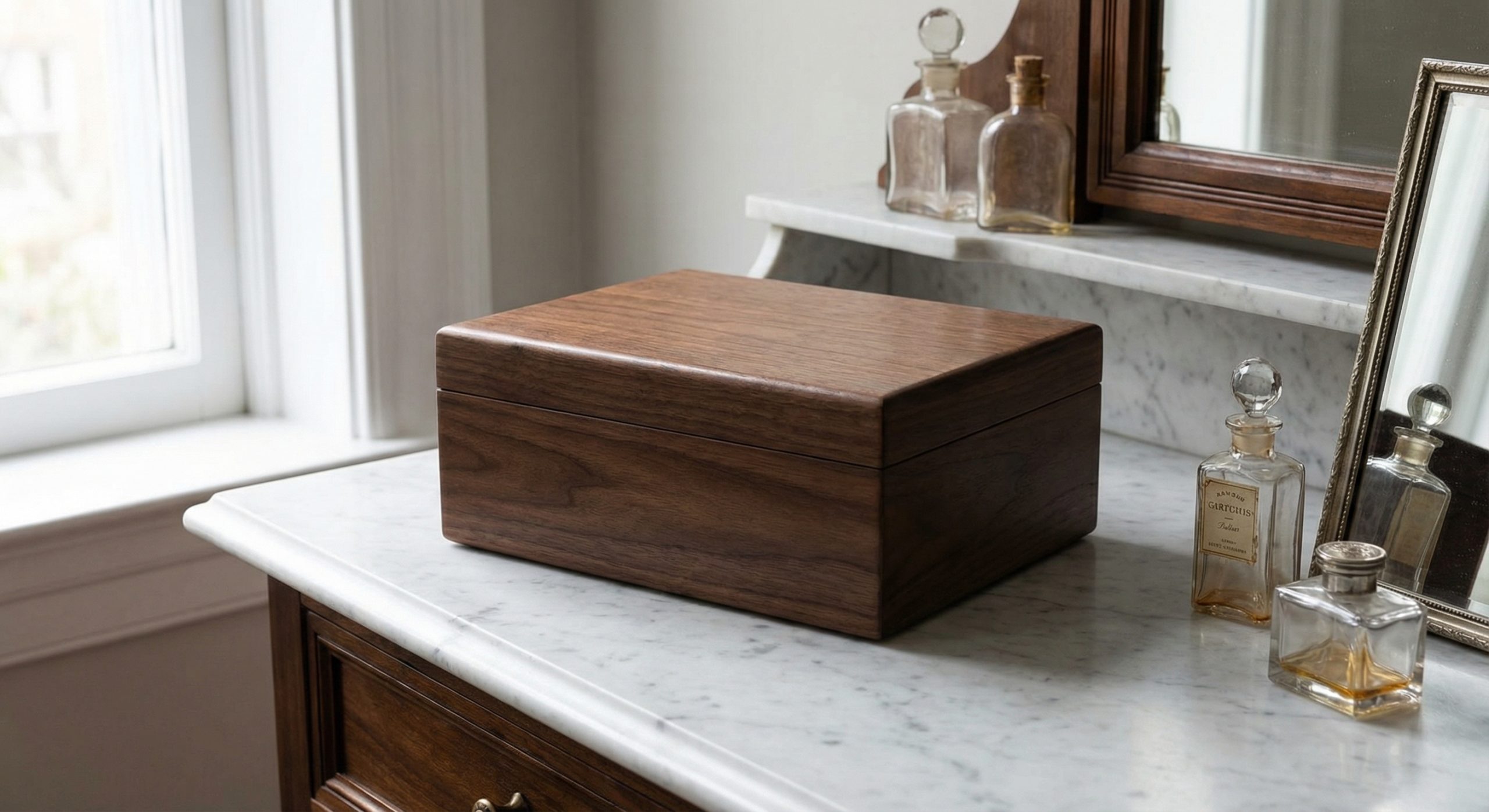
The best material to store jewelry in is a combination of a solid wood exterior for structural protection and a soft velvet or anti-tarnish fabric interior for surface safety. High-quality storage solutions prevent the two greatest threats to your collection: oxidation and physical abrasion. By choosing a professional-grade jewelry box material , you ensure your investments remain pristine for decades.
Think about it: You are preparing for a high-stakes gala or a critical business presentation. You reach for your signature sterling silver necklace or that heirloom diamond ring, only to find it covered in a dull, black film of tarnish or hopelessly tangled with other pieces. This frustration isn’t just a minor inconvenience; it is the physical degradation of your wealth. Proper storage is the only way to stop the silent damage caused by humidity and chemical off-gassing.
Why Is Choosing the Right Jewelry Box Material Critical?
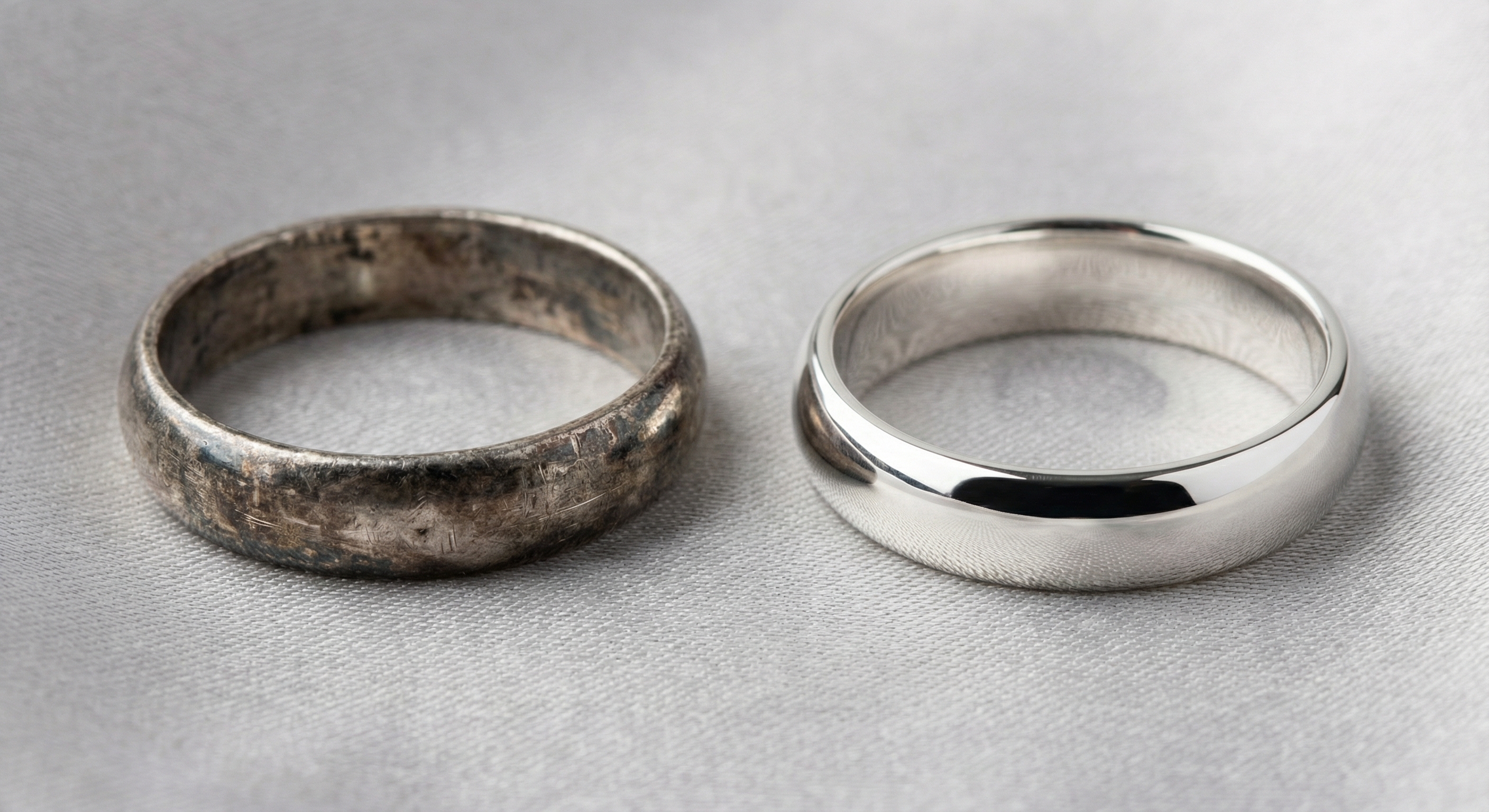
The Science of Oxidation and Metal Health
Atmospheric exposure is the primary enemy of precious metals like silver and low-karat gold. When these metals react with sulfur and oxygen in the air, they undergo a chemical change that creates tarnish. A high-quality storage material acts as a barrier, significantly slowing this reaction.
Risks of Chemical Off-Gassing in Low-End Storage
Many people don’t realize that cheap cardboard or plastic containers can actually accelerate damage. These materials often use acidic glues and dyes that release harmful vapors over time. These gases react with your jewelry, causing permanent pitting or discoloration that is difficult to repair.
Protecting Against Micro-Abrasions and Scratches
Even the hardest gemstones can be damaged if they rub against other pieces or rough surfaces. A proper lining material provides the necessary friction to keep items in place while remaining soft enough to prevent micro-scratches. Key Takeaway: The right material selection is your first line of defense against environmental and physical degradation.
| Feature | Impact on Jewelry | Importance | |
|---|---|---|---|
| Airtight Seal | Prevents Oxidation | Critical | |
| Acid-Free Lining | Prevents Chemical Damage | High | |
| Soft Texture | Prevents Scratches | Essential |
Choose materials that prioritize chemical stability to ensure your collection retains its market value.
Is Velvet the Ultimate Interior Jewelry Box Material?
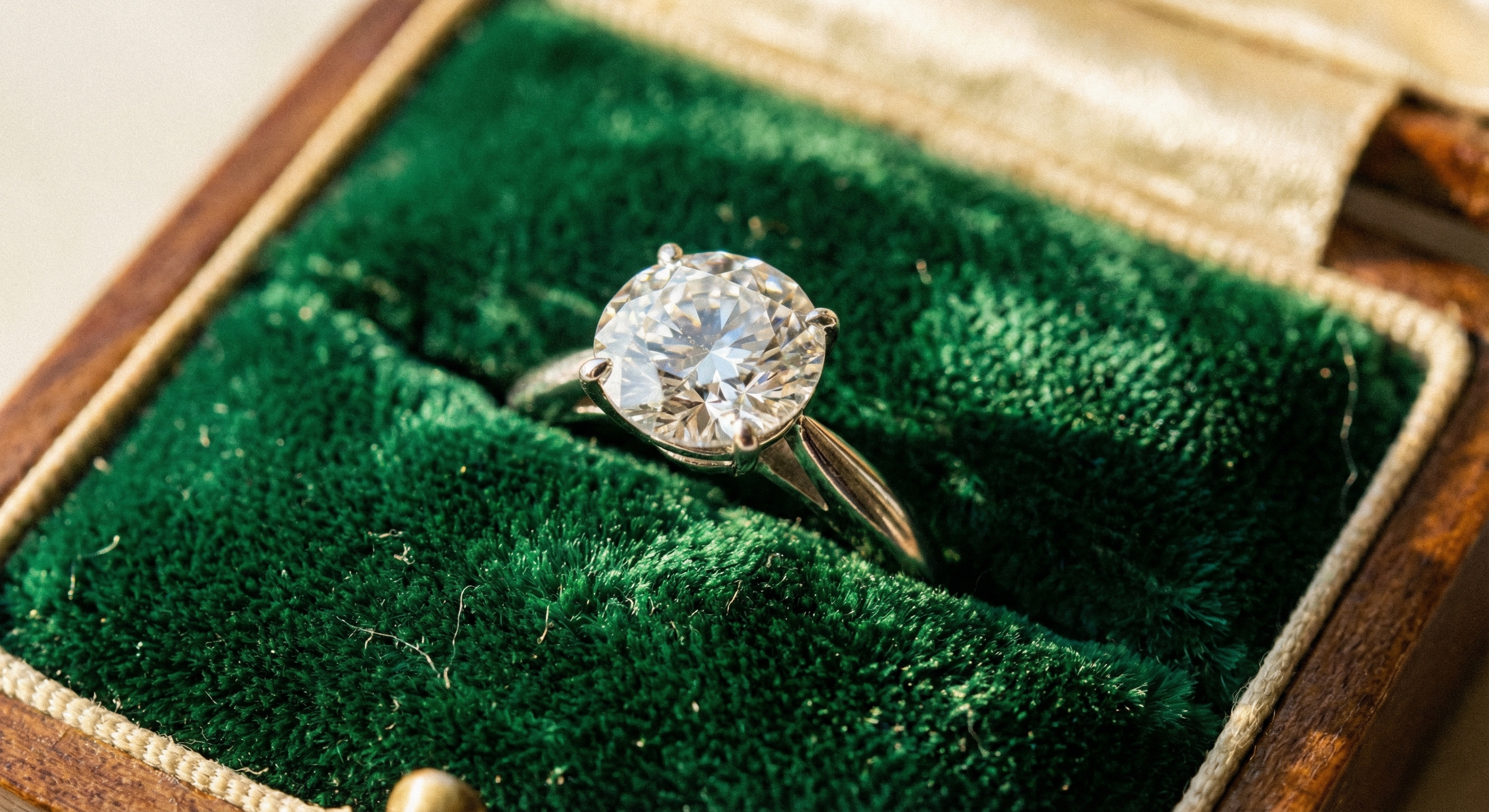
Superior Cushioning for Delicate Gemstones
Velvet is a perennial favorite in the jewelry industry because of its unique pile construction. This dense, soft texture provides a “pocket” of air and fabric that cushions heavy pieces against impact. It is particularly effective for rings and earrings that need to stay stationary during handling.
Visual Contrast and Luxury Presentation
Beyond protection, velvet offers a high-contrast background that makes diamonds and polished metals “pop.” This aesthetic benefit is why luxury retailers almost exclusively use velvet for their display cases. It allows you to quickly locate specific pieces while enjoying a premium tactile experience every time you open the box.
Maintenance and Long-Term Durability
High-quality synthetic velvet is often preferred over cotton velvet for interiors because it is less prone to shedding. It resists crushing and maintains its protective properties for years without becoming abrasive. Key Takeaway: Velvet remains the industry standard for interiors because it perfectly balances luxury aesthetics with high-performance scratch prevention.
| Liner Material | Scratch Resistance | Luxury Feel | Durability | |
|---|---|---|---|---|
| Synthetic Velvet | Excellent | High | High | |
| Cotton Velvet | High | Medium | Medium | |
| Suede | High | High | High |
Invest in velvet-lined compartments to provide your gems with the highest level of surface protection available.
How Does Wood Impact Your Choice of Jewelry Box Material ?
Natural Temperature and Humidity Regulation
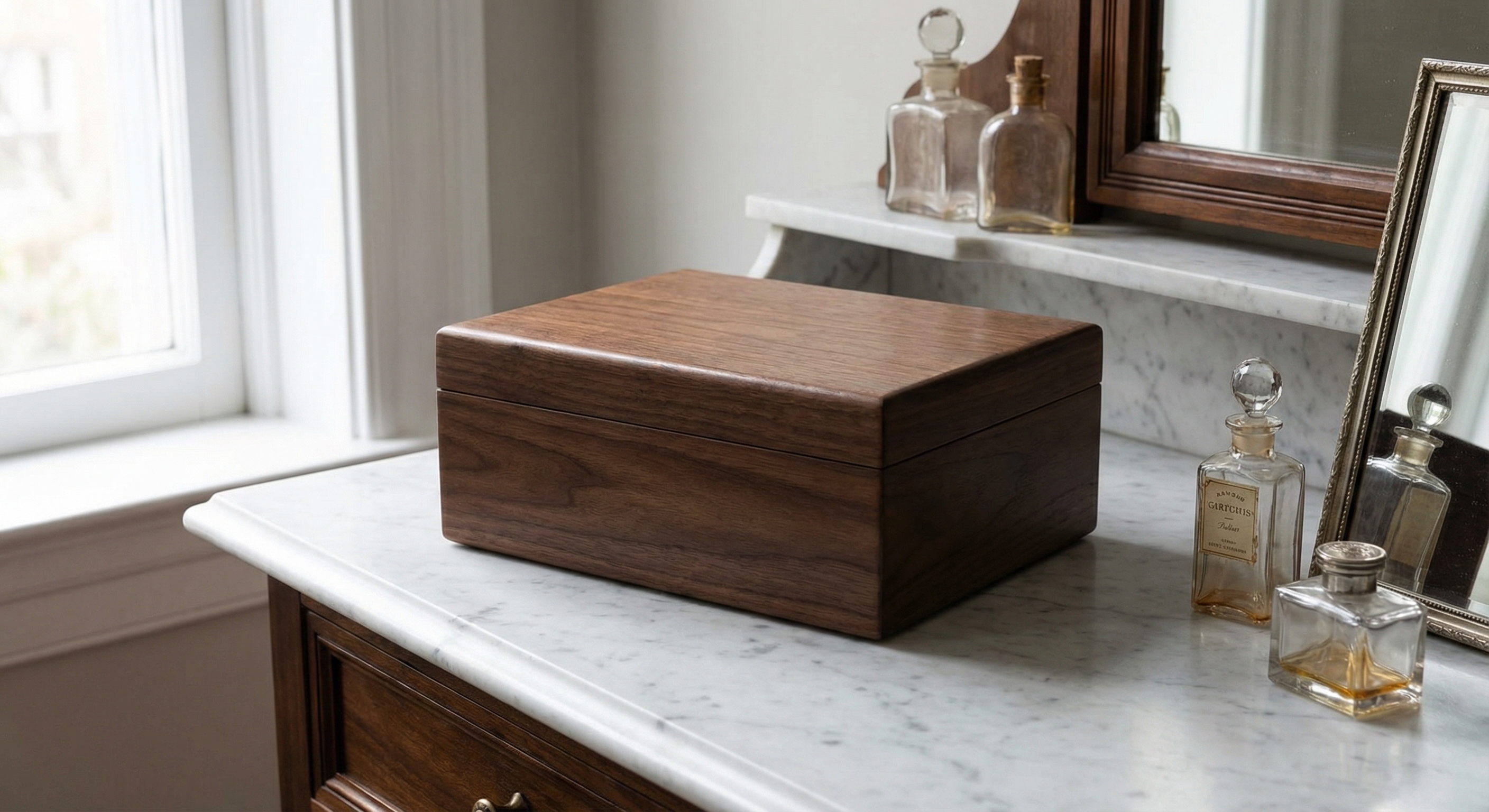
Solid wood is a naturally “breathable” material that helps regulate the internal environment of your storage. It acts as a buffer against rapid temperature changes, which can cause certain gemstones to crack or expand. This stability is why wood has been the preferred exterior for heirlooms for centuries.
Avoiding Volatile Organic Compounds (VOCs)
But there is a catch: not all woods are created equal when it comes to jewelry safety. Softwoods like cedar or pine contain natural oils and resins that can actually damage certain metals and organic gems like pearls. Hardwoods like oak, walnut, and cherry are much safer because they are stable and non-reactive once seasoned.
Structural Integrity for Security
A wooden exterior provides the physical strength necessary to protect your collection from accidental drops or heavy pressure. It offers a level of durability that cardboard or thin plastic simply cannot match. Key Takeaway: Selecting a seasoned hardwood exterior provides the best structural and thermal protection for long-term heirloom storage.
| Wood Type | Suitability | Primary Benefit | |
|---|---|---|---|
| Oak / Walnut | Excellent | Durable and Stable | |
| Mahogany | High | Luxurious and Strong | |
| Cedar / Pine | Poor | Harmful Natural Oils |
Always ensure your wooden storage is finished with non-toxic lacquers to prevent chemical interactions with your pieces.
Can Metal Containers Be a Safe Jewelry Box Material?
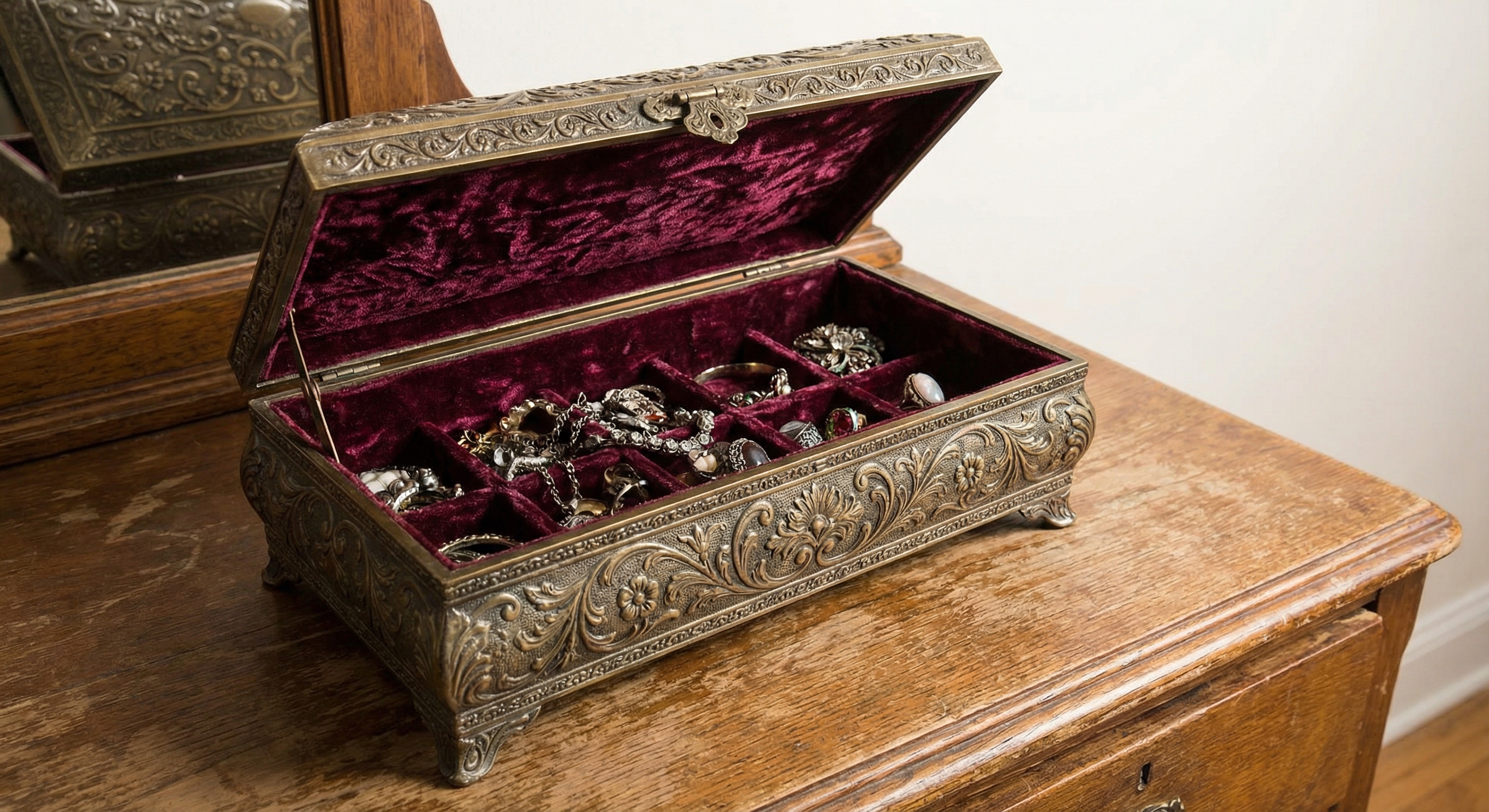
The Durability of Decorative Metal Tins
Metal containers, such as those made from aluminum or brass, offer incredible longevity and a distinct vintage aesthetic. They are virtually indestructible and provide excellent protection against pests and dust. However, they are rarely used alone because they lack the necessary softness for interior protection.
Preventing Metal-on-Metal Friction
Here is the kicker: storing jewelry directly in a metal tin can lead to significant scratching. The hard interior walls of a metal box will easily abrade gold or silver surfaces during movement. If you choose a metal exterior, it must be paired with a thick, high-quality fabric liner to be functional.
Thermal Conductivity Challenges
Metal is a high conductor of heat, meaning the temperature inside the box can fluctuate rapidly depending on the room’s environment. This can be problematic for moisture-sensitive items like opals. Key Takeaway: Metal is a fantastic choice for a protective outer shell, provided the interior is fully lined with a non-reactive soft material.
| Metal Type | Pro | Con | |
|---|---|---|---|
| Aluminum | Lightweight | Dents easily | |
| Brass | Elegant / Antique | Can tarnish metals | |
| Stainless Steel | Maximum Durability | Heavy |
Use metal storage for its aesthetic and structural value, but never sacrifice a soft, protective interior lining.
Why Is Leather a Popular Exterior Jewelry Box Material ?
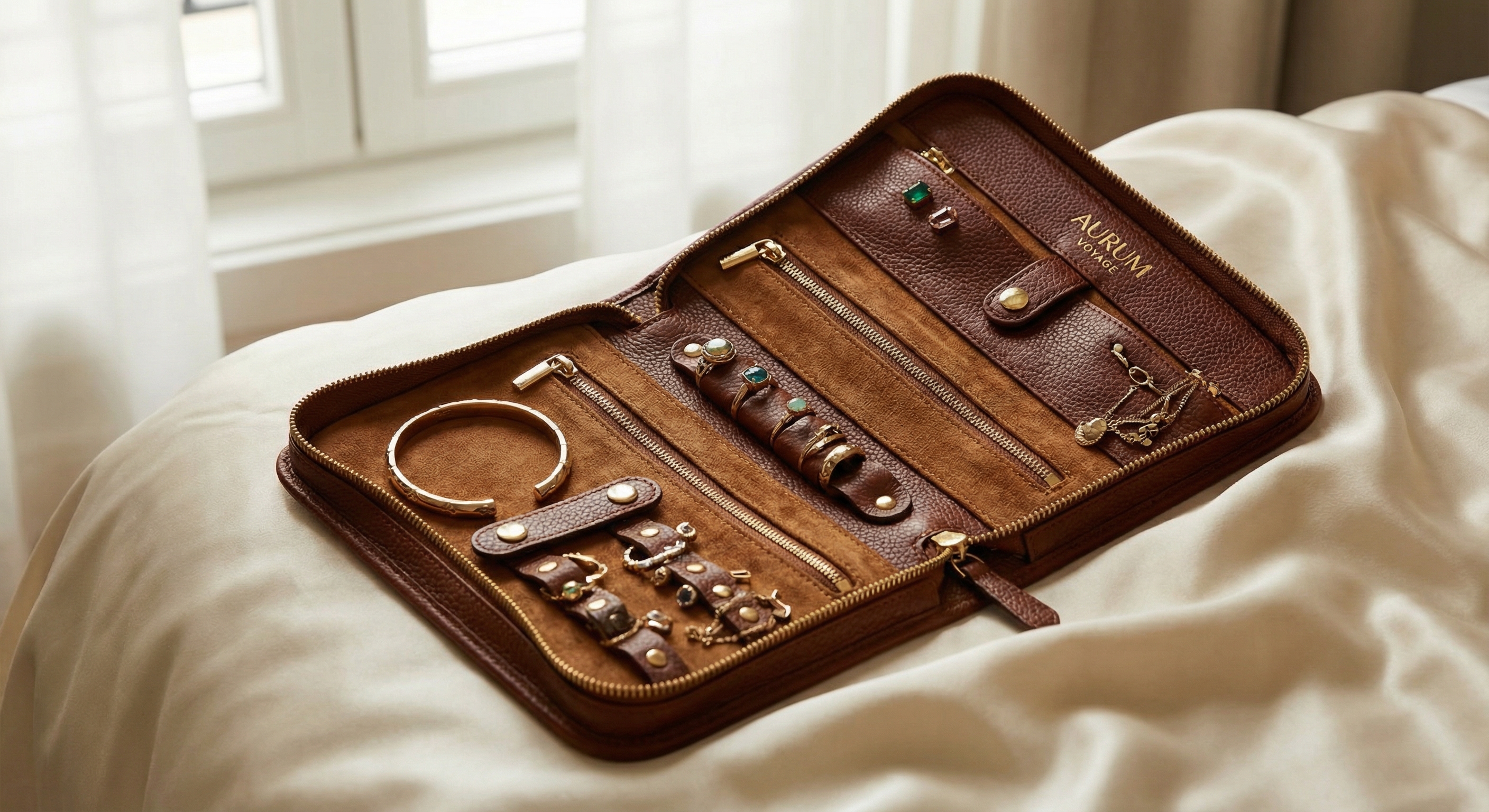
Portability and Impact Resistance for Travel
Leather is the go-to choice for travel rolls and portable cases because of its natural flexibility. Unlike wood, it can absorb shocks and compress slightly in luggage without breaking. This makes it ideal for protecting your jewelry while you are on the move.
Genuine Leather vs. PU (Vegan) Alternatives
Genuine leather ages beautifully and offers a high-end feel, but it can be sensitive to moisture. Many professional organizers now recommend high-quality PU leather because it is water-resistant and easier to clean. Both options provide a sophisticated exterior that signals value and care.
Longevity and Resistance to Wear
A well-made leather case can last for decades, developing a unique patina over time. It provides a tactile, premium experience that enhances the ritual of selecting your daily accessories. Key Takeaway: Leather and its synthetic counterparts offer the perfect blend of style, durability, and portability for modern jewelry owners.
| Material | Travel Rating | Durability | Moisture Resistance | |
|---|---|---|---|---|
| Genuine Leather | High | Very High | Low | |
| PU Leather | High | Medium | High | |
| Fabric Wraps | Medium | Low | Low |
Select a leather-based travel case to ensure your jewelry remains organized and protected during transit.
Is Glass or Acrylic a Good Jewelry Box Material for Display?
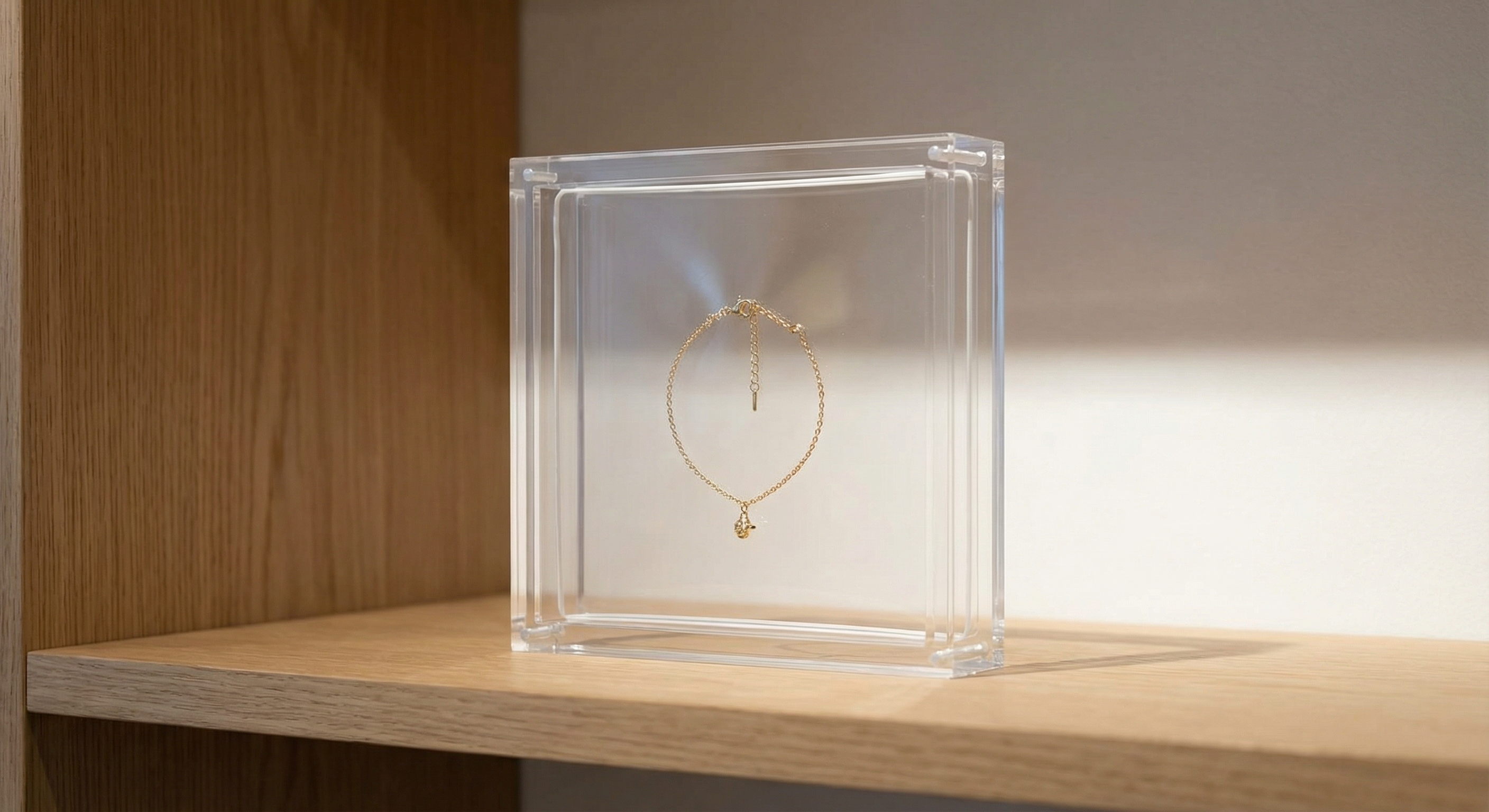
Visual Accessibility and Organization
Glass and acrylic cases are excellent for those who want to see their entire collection at a glance. This visual accessibility reduces the time spent searching for specific items and encourages you to wear more of your collection. They are particularly popular for vanity displays and retail environments.
The Dangers of UV Light Exposure
But there is a catch: prolonged exposure to direct sunlight can fade certain gemstones like amethyst or kunzite. Transparent materials offer no protection against UV rays, which can also degrade some organic materials. If you use glass or acrylic, ensure the display is kept away from windows.
Dust Protection and Airtightness
While these materials keep dust at bay, they are rarely airtight. This means that while your jewelry stays clean, it isn’t necessarily protected from the humidity that causes tarnish. Key Takeaway: Use glass or acrylic for pieces you wear frequently, but store sensitive heirlooms in dark, climate-controlled environments.
| Feature | Glass | Acrylic | |
|---|---|---|---|
| Clarity | Excellent | High | |
| Weight | Heavy | Lightweight | |
| Shatter Risk | High | Low |
Choose acrylic for a modern, lightweight display that keeps your jewelry organized and visible for daily use.
How Do Anti-Tarnish Fabrics Work as a Jewelry Box Material ?
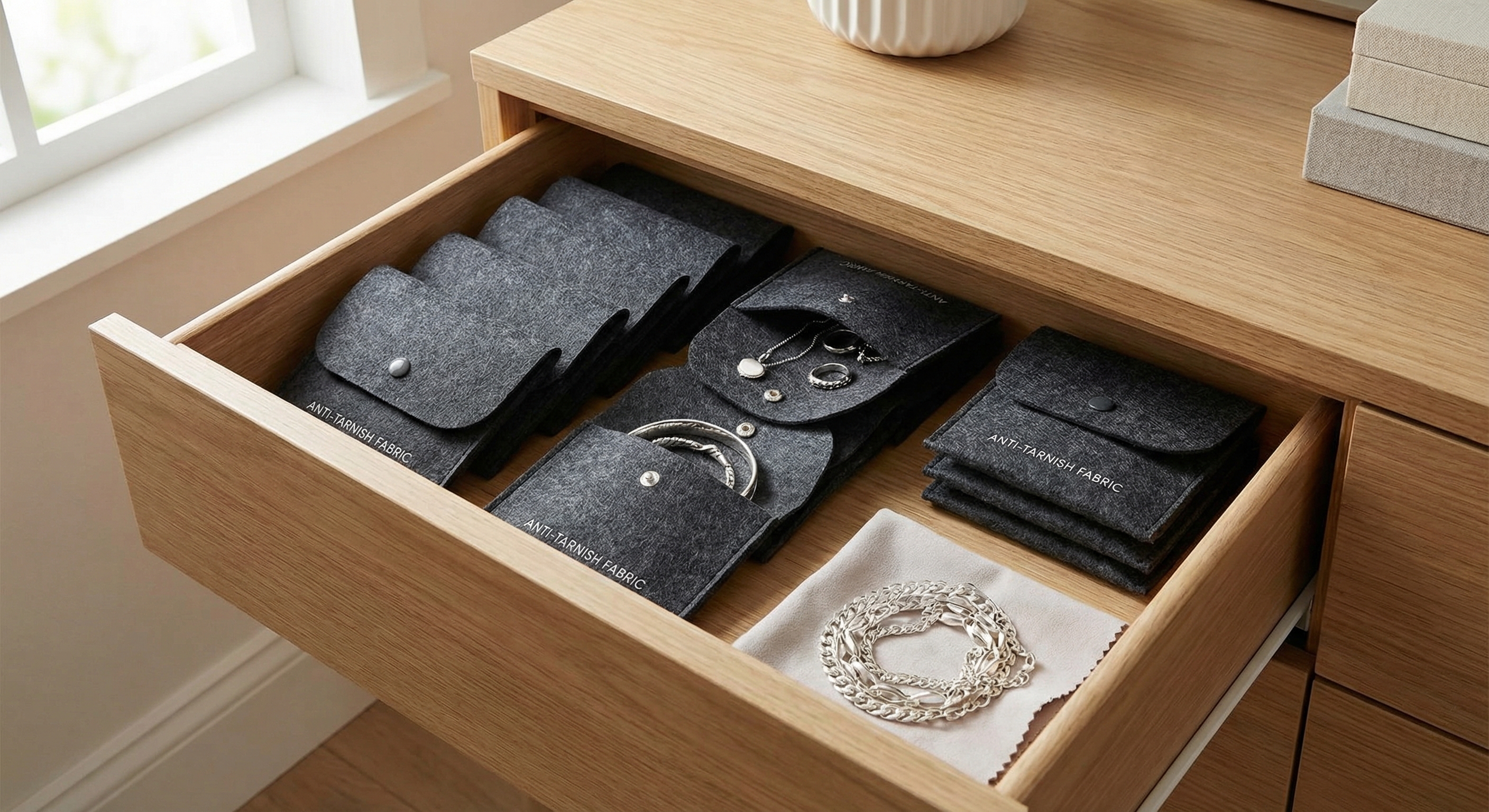
The Science of Sulfur Neutralization
Anti-tarnish fabrics are specially treated with substances like zinc or silver particles that actively “trap” tarnish-causing gases. Instead of the sulfur reacting with your jewelry, it reacts with the fabric’s treatment first. This molecular defense is the most effective way to store sterling silver.
Reducing the Need for Chemical Polishing
Think about it: every time you polish your jewelry, you are removing a microscopic layer of metal. By preventing tarnish in the first place, these fabrics extend the life of your pieces. You save time and preserve the fine details of intricate designs.
Longevity of Anti-Tarnish Treatments
Most anti-tarnish linings are effective for several years before the neutralizing agents are fully spent. High-end storage manufacturers often integrate these fabrics directly into the drawer liners and pouches. Key Takeaway: For silver owners, an anti-tarnish lining is a non-negotiable requirement for maintaining a “like-new” shine without constant maintenance.
| Treatment | Effectiveness | Best For | |
|---|---|---|---|
| Zinc-Infused | High | Sterling Silver | |
| Charcoal-Based | Medium | General Protection | |
| Untreated | None | Gold/Platinum |
Prioritize anti-tarnish fabrics for your silver collection to eliminate the need for harsh chemical cleaning.
What Are the Benefits of Silk as a Jewelry Box Material?
Unmatched Smoothness for Organic Gems
Silk is incredibly smooth, making it the ideal material for storing organic gems like pearls and opals. These items are soft on the Mohs scale and can be easily scratched by coarser fabrics. Silk provides a frictionless environment that preserves the delicate luster of these gems.
Natural Breathability and Moisture Control
Silk allows for a small amount of airflow, which is actually beneficial for pearls. Unlike diamonds, pearls contain a small amount of water and “protein” that can become brittle if stored in an environment that is too dry. Silk helps maintain a balanced micro-climate.
The Trade-off: Fragility and Cost
While silk is luxurious, it is also more fragile than synthetic velvet or felt. It can snag on sharp jewelry edges and is difficult to clean once stained. Key Takeaway: Use silk-lined pouches for your most delicate organic gems to prevent surface abrasion while allowing the stones to “breathe.”
| Material | Smoothness | Breathability | Durability | |
|---|---|---|---|---|
| Natural Silk | Highest | High | Low | |
| Satin (Poly) | High | Low | Medium | |
| Velvet | Medium | Low | High |
Reserve silk linings for high-value organic gems that require a gentle, breathable storage environment.
Should You Use Plastic as a Temporary Jewelry Box Material ?
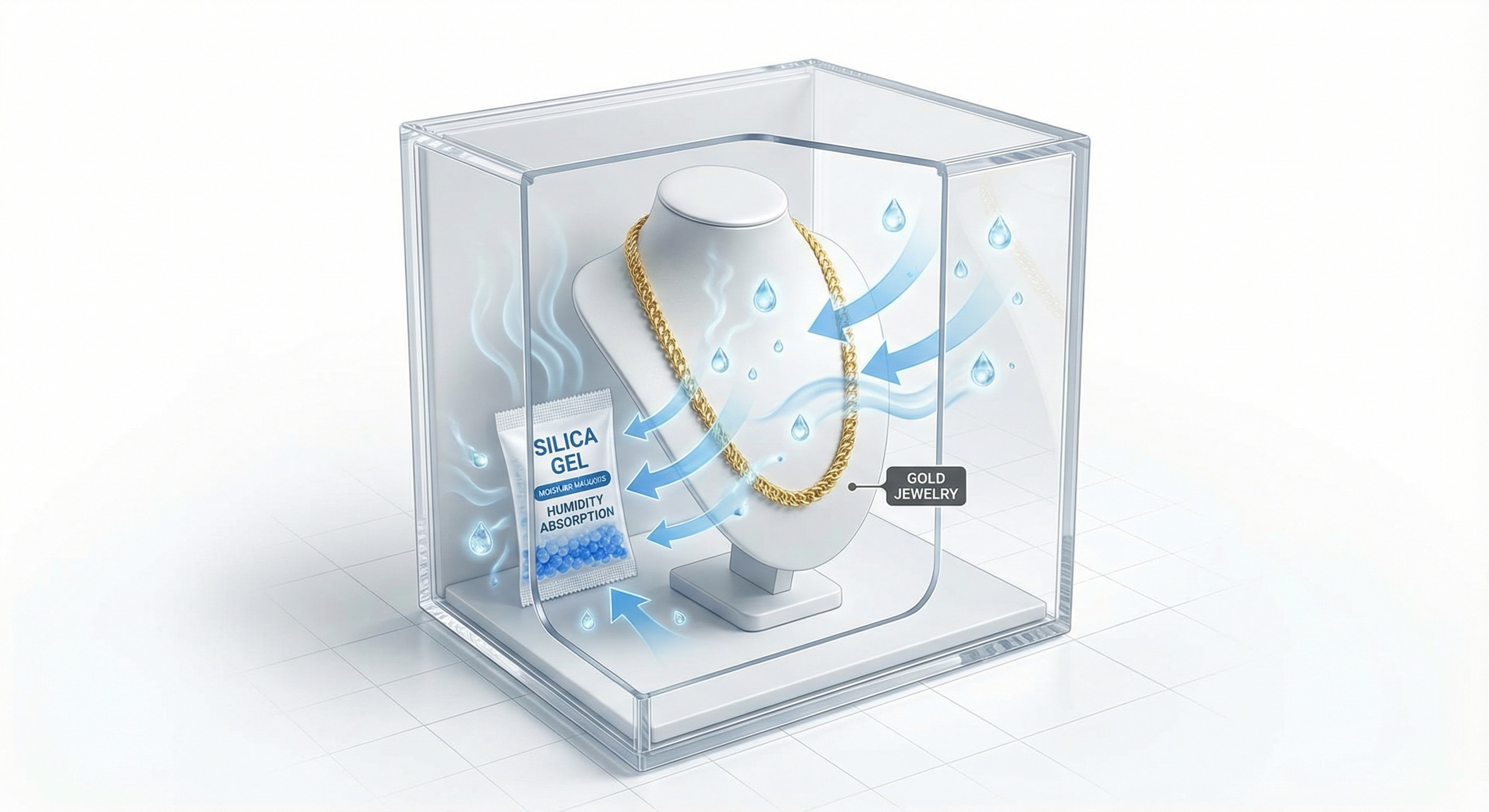
The Hazards of Trapped Humidity
Standard plastic bags are often the worst choice for long-term storage because they create a “greenhouse effect.” Any moisture trapped inside the bag will be sealed in, accelerating tarnish and potentially causing metal corrosion. Plastic is best used only for very short-term transport.
Innovation: PE Film Floating Displays
Here is the kicker: modern PE film technology has changed the game for display storage. This highly elastic, transparent membrane suspends jewelry in mid-air, creating a dust-proof and nearly airtight seal. It provides the visibility of glass with the protective sealing of a modern polymer.
Avoiding Harmful PVC Materials
If you must use plastic, ensure it is PVC-free and archival-safe. PVC contains chlorine, which can release hydrochloric acid as it degrades, devastating your metal collection. Key Takeaway: Avoid standard plastic bags for long-term use; instead, opt for specialized PE film displays for a modern, protective viewing experience.
| Plastic Type | Risk | Best Use | |
|---|---|---|---|
| Standard Polybag | High (Moisture) | Temporary Shipping | |
| PE Film | Low | Floating Display | |
| PVC Pouch | Very High (Acid) | Never Use |
Switch to PE film floating boxes if you want a modern display solution that maintains a seal against dust and humidity.
How to Identify High-Quality Jewelry Box Material for Retail?
Assessing the Density of Interior Linings
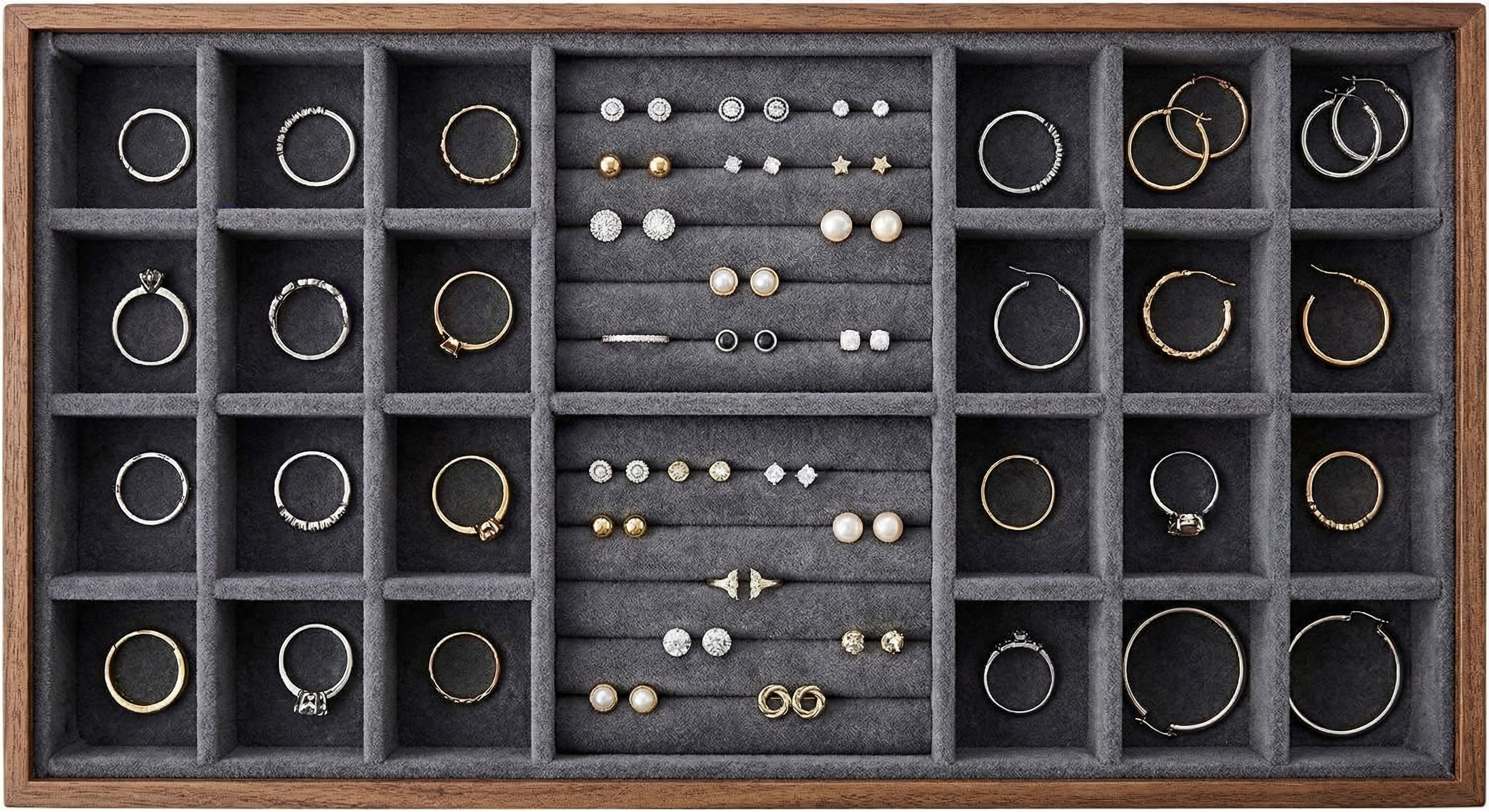
In a B2B or retail context, the quality of the lining is the first thing a customer notices. High-quality materials will have a dense, consistent pile that doesn’t show the underlying structure of the box. If you can see the cardboard or plastic through the fabric, the quality is too low for premium jewelry.
Consistency of the Exterior Finish
Whether you are buying wood, leather, or high-end paper boxes, the finish must be flawless. Look for even staining on wood and tight, clean stitching on leather. These details signal to the end consumer that the jewelry inside is of high value and worthy of protection.
Testing the Seal and Hinge Quality
A high-quality box should close with a satisfying “thud” or click, indicating a tight seal. This seal is crucial for keeping out the dust and air that lead to tarnish. Key Takeaway: Professional-grade retail packaging must combine high-density interiors with precision-engineered exteriors to maximize both protection and brand perceived value.
| Quality Marker | High-End | Budget | |
|---|---|---|---|
| Lining Density | Thick / No “Show-through” | Thin / Sparse | |
| Construction | Solid Wood / Metal Hinge | Cardboard / Paper Hinge | |
| Seal | Airtight / Magnetic | Loose / Gapped |
Select retail packaging that reflects the quality of your jewelry to build trust and ensure customer satisfaction.
Conclusion
Selecting the ideal material for your jewelry storage is more than a design choice; it is a commitment to preserving your legacy. By choosing hardwood exteriors for stability and velvet or anti-tarnish interiors for surface safety, you solve the problem of tarnish and tangles before they start. Don’t let your precious investments lose their luster in inferior packaging. To find the perfect high-quality solutions for your collection, contact us today .
Frequently Asked Questions
What is the best material for silver? The best material for silver is anti-tarnish cloth or zinc-infused fabric stored within an airtight container. This actively neutralizes the sulfur gases that cause silver to turn black.
Is wood or plastic better for jewelry boxes? Wood is significantly better for long-term storage because it regulates temperature and provides structural protection. Plastic should only be used if it is specialized PE film designed for archival-safe displays.
Can I store pearls in velvet? Yes, velvet is excellent for pearls because it is soft and prevents scratches. However, ensure the environment is not completely airtight for long periods, as pearls need a tiny amount of moisture to prevent cracking.
Does leather tarnish jewelry? Genuine leather can sometimes contain tannins from the curing process that may react with metals. It is always safest to choose a leather case that has a dedicated soft fabric lining between the leather and the jewelry.
How often should I replace anti-tarnish liners? Most professional anti-tarnish fabrics are effective for 2 to 5 years. If you notice your silver beginning to dull or tarnish more quickly than usual, it is time to replace the lining or the storage pouch.