The best material to store jewelry in is a combination of anti-tarnish fabric, soft velvet lining, and a protective outer shell made of wood or high-quality PU leather. You likely spent a long time selecting your favorite pieces, but a common scene involves tossing them into a cluttered drawer at the end of the day. This neglect creates a painful reality where your silver necklaces turn black with tarnish and your diamonds suffer micro-scratches from rough contact. The solution is finding the best way to store jewelry by choosing pH-neutral, soft, and climate-controlled materials that preserve your investment for a lifetime.
Why does the material of your jewelry box matter?
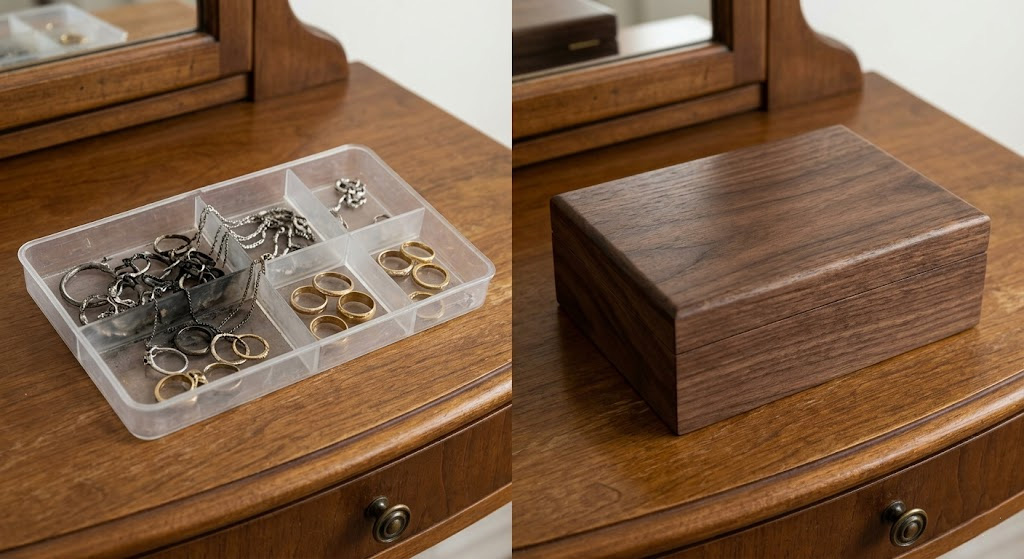
The material of your jewelry box matters because it serves as the primary defense against environmental degradation and physical impact. Investing in the best way to store jewelry requires looking beyond aesthetics to find materials that prevent chemical reactions with the air. If you ignore the science behind storage, your gold and silver will lose their luster much faster.
Preventing the “Silent Killers”: Oxidation and Humidity
Environmental factors like air and moisture are the leading causes of tarnish in precious metals. You need a material that effectively seals out these elements to maintain a pristine shine.
Think about it:
- High humidity levels can corrode metal alloys.
- Constant air exposure accelerates silver oxidation.
- Dust particles can act as abrasives on soft stones.
Summary Table
| Factor | Impact on Jewelry | Ideal Material Solution | |
|---|---|---|---|
| Oxidation | Darkens silver and gold | Anti-tarnish treated linings | |
| Humidity | Causes rust and corrosion | Silica gel and wooden casing | |
| Abrasions | Creates surface scratches | Velvet or high-density foam |
Key TakeawayChoosing the right material is essential for creating a stable micro-climate that prevents chemical damage and physical wear to your collection.
The structural integrity of your storage environment directly correlates to the longevity of the items stored within it.
Is velvet really the best material for lining jewelry boxes?
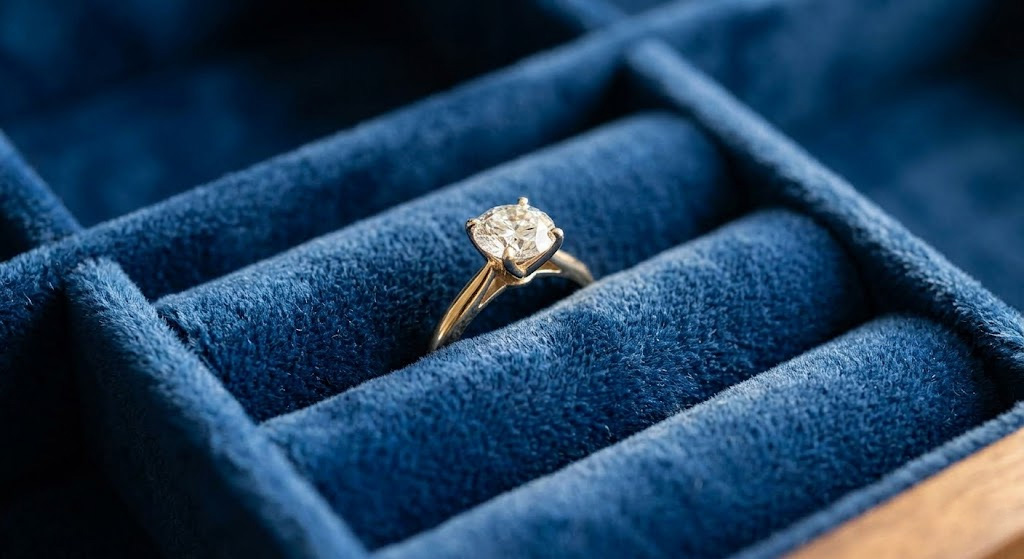
Velvet is widely considered the best lining material because its soft, dense pile prevents scratches and provides a non-slip surface for delicate items. When seeking the best way to store jewelry , you should prioritize high-quality linings that cushion your pieces against sudden movements. A high-quality custom jewelry box often uses velvet to ensure that even the most fragile settings remain secure and unscratched.
The difference between silk velvet and synthetic blends
Not all velvet is created equal, and the type you choose affects the safety of your gemstones. You should look for varieties that do not use harsh dyes or chemicals during the manufacturing process.
Here is why:
- Silk velvet offers superior softness for organic gems.
- Synthetic blends are more durable for daily use.
- Low-quality velvet may contain glues that outgas.
Why high-density foam and suede are viable alternatives
While velvet is traditional, modern materials like high-density foam or micro-suede offer excellent protection for specific jewelry types. These materials can be precision-cut to hold your rings and necklaces firmly in place.
The truth is:
- Foam inserts prevent items from shifting during travel.
- Suede provides a luxurious feel with high durability.
- Both materials are excellent for preventing metal-on-metal contact.
Summary Table
| Lining Material | Best Use Case | Primary Benefit | |
|---|---|---|---|
| Silk Velvet | High-end heirlooms | Maximum softness | |
| Synthetic Velvet | Everyday storage | Wear resistance | |
| Micro-Suede | Modern collections | Aesthetic and grip |
Key TakeawayVelvet and its modern alternatives provide the necessary friction and cushioning to keep your jewelry from sliding and scratching.
The internal texture of a storage unit is the most critical factor in preventing surface-level damage to polished metals.
How does anti-tarnish fabric protect silver and gold?
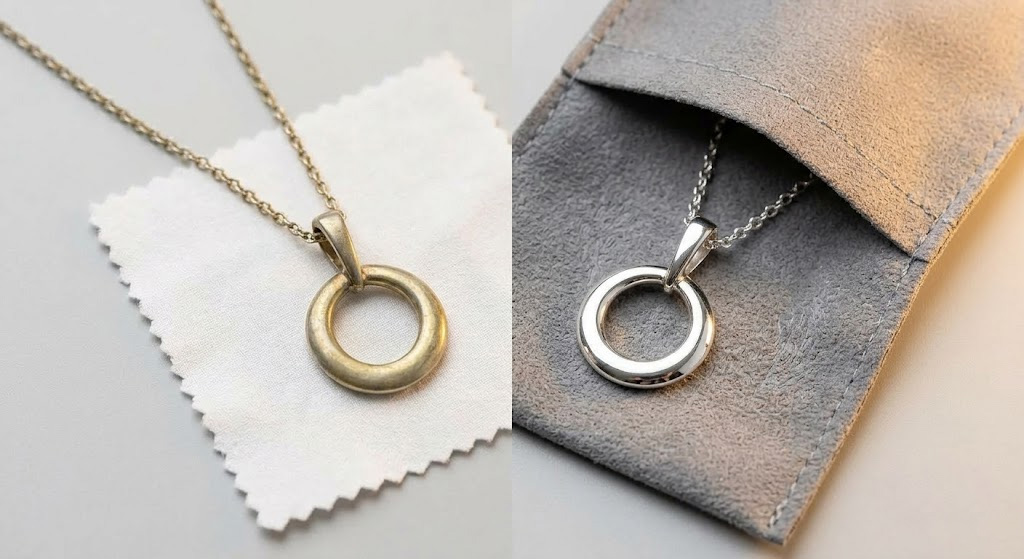
Anti-tarnish fabric protects jewelry by incorporating specialized minerals or chemicals that neutralize tarnish-causing gases in the air. This is widely regarded as the best way to store jewelry made of sterling silver or low-karat gold which are highly reactive to sulfur. By using these treated cloths, you can significantly reduce the frequency of professional cleanings.
The chemical science of tarnish-resistant linings
Treated fabrics act as a sacrificial barrier, attracting and trapping the gases that would otherwise react with your metal. You can find these linings in high-quality pouches and box interiors designed for long-term preservation.
Here is the kicker:
- Silver reacts with sulfur to create black silver sulfide.
- Anti-tarnish fabrics absorb these sulfur molecules first.
- This protection can last for several years before needing replacement.
Summary Table
| Material Type | Protective Mechanism | Effectiveness | |
|---|---|---|---|
| Standard Fabric | Simple physical barrier | Low (Air still penetrates) | |
| Anti-Tarnish Fabric | Chemical neutralization | High (Active protection) | |
| Plastic Bags | Moisture trapping | Negative (Can cause damage) |
Key TakeawayUsing anti-tarnish fabric is a proactive strategy to maintain the chemical stability of your silver and gold pieces.
Active chemical protection is far superior to passive storage when dealing with reactive precious metals.
Should you use wood or plastic for long-term storage?
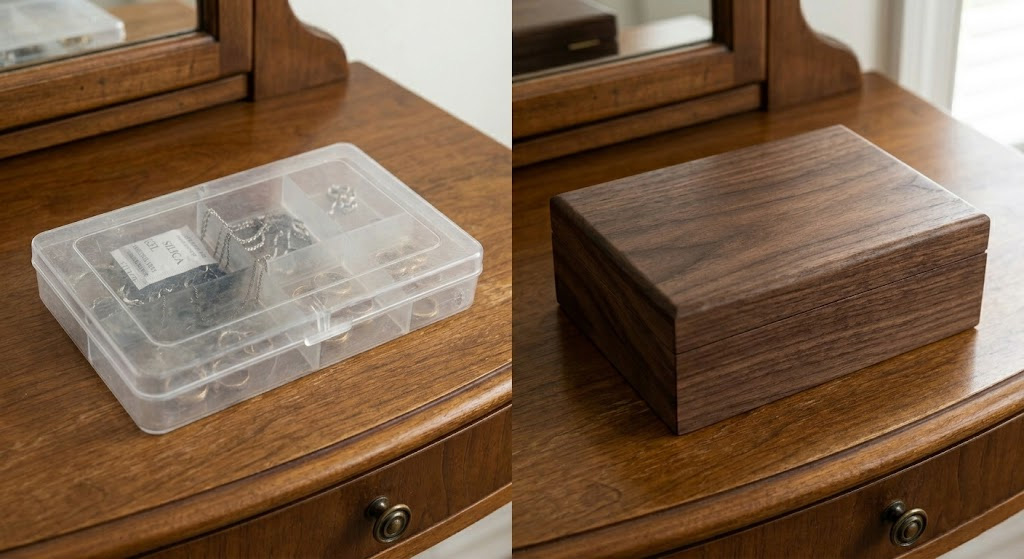
Wood is the superior choice for long-term storage because it provides natural insulation against temperature changes and better humidity regulation. When you are determining the best way to store jewelry , a sturdy ring box made of wood offers the structural integrity needed to protect against crushing. Plastic containers, while cheap, often trap moisture and can release harmful chemicals over time.
The natural insulation of wooden jewelry boxes
Wooden boxes act as a buffer against the external environment, keeping the internal temperature consistent. You should choose hardwoods like oak or walnut, which are durable and provide a solid weight that prevents tipping.
Believe it or not:
- Wood naturally regulates small amounts of moisture.
- Solid structures protect against heavy accidental impacts.
- Natural wood grain adds a timeless aesthetic to your vanity.
Summary Table
| Exterior Material | Durability | Environmental Protection | |
|---|---|---|---|
| Hardwood | High | Excellent (Insulative) | |
| Engineered Wood | Medium | Good (Stable) | |
| Standard Plastic | Low | Poor (Traps moisture) |
Key TakeawayWooden structures offer a combination of physical strength and environmental stability that plastic cannot match.
The density of wood provides a protective shell that guards against both physical trauma and rapid thermal expansion.
Why is acid-free tissue paper recommended for pearls and opals?
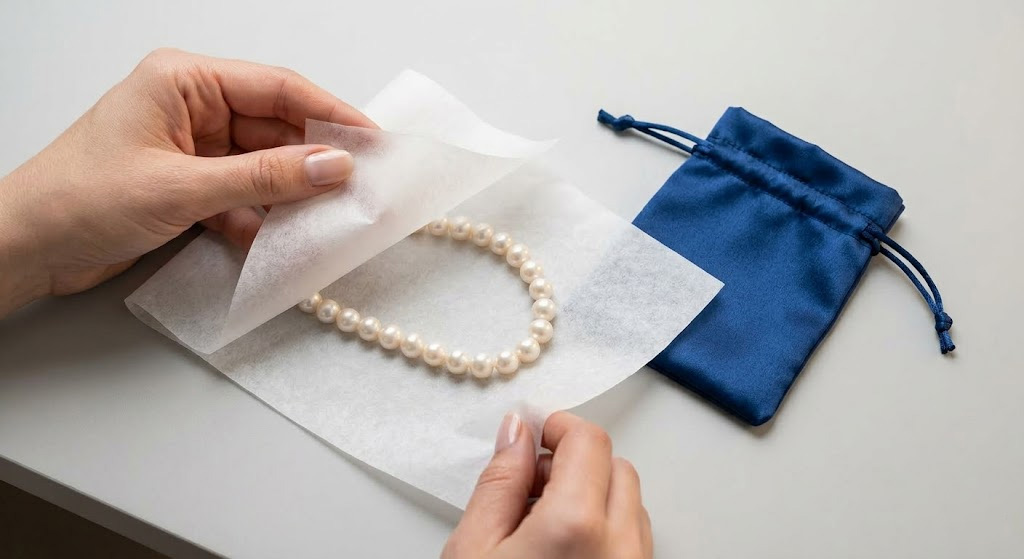
Acid-free tissue paper is recommended because it provides a pH-neutral environment that won’t cause chemical yellowing or degradation of organic gemstones. This is the best way to store jewelry that is porous, such as pearls, which can be easily damaged by the acids found in standard paper or wood. You must take extra care with these “living” gems to ensure they stay hydrated without being exposed to harmful chemicals.
Protecting organic gemstones from chemical reactions
Organic gems like pearls and opals are sensitive to their surroundings and can literally “choke” if stored in airtight plastic. You should use acid-free materials to wrap each piece individually to prevent them from scratching each other.
Follow these steps:
- Lay the piece on a clean sheet of acid-free tissue.
- Fold the paper gently over the jewelry.
- Place the wrapped item in a breathable fabric pouch.
Summary Table
| Gemstone Type | Risk Factor | Recommended Wrap | |
|---|---|---|---|
| Pearls | Acid yellowing | Acid-free tissue paper | |
| Opals | Cracking/Crazing | Breathable silk wrap | |
| Amber | Scratching | Soft cotton cloth |
Key TakeawayAcid-free materials are non-negotiable for organic gemstones to prevent irreversible chemical damage and discoloration.
Maintaining a neutral pH environment is the only way to preserve the luster of delicate organic jewelry.
Can leatherette or PU leather damage your jewelry?
High-quality PU leather is generally safe for jewelry, provided it is manufactured without toxic glues or high-sulfur tanning agents. Utilizing a premium necklace box made from certified synthetics is a cost-effective and safe best way to store jewelry for most collectors. You should, however, avoid low-grade “genuine” leathers that may have been treated with acidic chemicals that cause metal tarnishing.
Identifying safe synthetic options
Modern PU leather is often preferred over real leather because it is more consistent and less likely to contain reactive organic compounds. You should look for “jewelry-grade” synthetics which are specifically designed for long-term contact with metals.
What does this mean for you?
- PU leather is resistant to mold and mildew.
- It does not require the acidic tanning used in real leather.
- Quality synthetics provide a waterproof exterior for the box.
Summary Table
| Material | Tarnish Risk | Durability | |
|---|---|---|---|
| Jewelry-Grade PU | Very Low | High | |
| Real Leather (Tanned) | High | Medium | |
| Low-Quality Vinyl | Medium | Low |
Key TakeawayPremium PU leather offers the luxury look of leather without the chemical risks associated with traditional tanning processes.
Synthetic materials engineered for jewelry storage provide a neutral surface that will not react with precious metal alloys.
How do silica gel packets help in humid environments?
Silica gel packets help by actively absorbing excess moisture from the air inside your jewelry box. Incorporating desiccants is the best way to store jewelry if you live in a coastal or tropical climate where humidity is constant. You can simply place a small packet in a corner of your box to create a dry environment that inhibits rust and tarnish.
Controlling the micro-climate inside your box
Excessive moisture is the catalyst for many chemical reactions that damage jewelry. You need to monitor the state of your desiccants to ensure they remain effective over time.
But that’s not all:
- Silica gel prevents the growth of mold on box linings.
- It reduces the moisture that causes “fogging” in gemstones.
- Reusable packets can be “recharged” in a low-heat oven.
Summary Table
| Environment | Humidity Risk | Solution | |
|---|---|---|---|
| Coastal/Humid | Very High | 2-3 Silica gel packets | |
| Standard Indoor | Medium | 1 Silica gel packet | |
| Desert/Dry | Low | Not usually required |
Key TakeawayActive moisture control through silica gel is a simple yet powerful way to extend the life of your jewelry’s finish.
Regulating the internal humidity of a container is a fundamental step in preventing metal corrosion and gemstone dulling.
What are the dangers of storing jewelry in standard cardboard?
The primary danger of standard cardboard is its high acidity and sulfur content, which can cause rapid tarnishing and “pitting” in metals. Educating yourself on pH-neutral paper is part of mastering the best way to store jewelry without risking chemical corrosion. When you buy a high-quality earring box, it is usually made from specialized, treated paperboard that is safe for long-term contact.
The acidity of common paper products
Most cardboard is made from wood pulp that contains lignin, an organic polymer that turns acidic over time. You might notice old cardboard boxes turning yellow; this same acid will attack your jewelry.
Here is the kicker:
- Acidic paper causes “red rot” in certain alloys.
- Sulfur in cardboard turns silver black almost overnight.
- Glues used in standard boxes can be highly corrosive.
Summary Table
| Paper Type | pH Level | Safety Rating | |
|---|---|---|---|
| Standard Cardboard | Acidic | Dangerous | |
| Gift Box Paper | Neutral/Slightly Acidic | Moderate | |
| Jewelry-Grade Paper | Neutral (pH 7+) | Excellent |
Key TakeawayNever use regular shipping or shoe boxes for jewelry storage, as the chemical makeup of standard cardboard is toxic to metals.
The chemical purity of the paper used in storage determines whether it will protect or destroy the items inside.
Which internal inserts provide the best physical support?
Internal inserts like C-rings, pillows, and 3D floating films provide the best support by suspending jewelry and preventing it from banging against other pieces. Place an analytical focus on these structures because they represent the best way to store jewelry during transport or display. You should look for a pe film jewelry box if you want a modern, high-visibility solution that keeps items perfectly centered and safe from dust.
C-rings, pillows, and elastic bands
Traditional inserts are designed to mimic the shape of the body, such as the wrist or finger, to maintain the jewelry’s form. You should ensure these inserts are covered in soft fabric to avoid any rough edges.
Think about it:
- Watch pillows prevent bracelet links from stretching.
- C-rings keep rings upright and visible.
- Elastic bands should be covered to prevent snagging.
Summary Table
| Insert Type | Best For | Benefit | |
|---|---|---|---|
| 3D PE Film | Small earrings/charms | Total suspension | |
| Velvet Pillow | Watches/Bracelets | Maintains shape | |
| Padded Slots | Rings | Prevents sliding |
Key TakeawayProper inserts do more than organize; they provide the structural tension needed to prevent mechanical wear and tangling.
Structural support within a box is just as important as the materials used for the exterior and lining.
How do you choose the right material for specific jewelry types?
Choosing the right material involves matching the specific vulnerability of the jewelry—such as tarnish, scratching, or crushing—to the protective property of the storage container. Ultimately, customizing your approach for each piece is the true best way to store jewelry for maximum longevity. Whether you are using a specialized watch box or a simple pouch, the goal is to create a tailored environment for every item in your collection.
A quick guide for rings, necklaces, and watches
Different items have different failure points, so you must select your materials accordingly. You should prioritize soft, high-friction linings for items that move easily and rigid shells for items that are easily crushed.
Here is the final checklist:
- Use anti-tarnish bags for silver chains.
- Use rigid, lined boxes for engagement rings.
- Use padded, individual compartments for luxury watches.
Summary Table
| Jewelry Type | Primary Threat | Ideal Material | |
|---|---|---|---|
| Silver Necklace | Tarnish/Tangling | Anti-tarnish fabric roll | |
| Diamond Ring | Scratches/Loss | Velvet-lined wooden box | |
| Pearls | Acid/Scratches | Acid-free tissue & silk |
Key TakeawayMatching the material to the specific needs of the metal and stone is the hallmark of a professional-grade jewelry care routine.
A successful storage strategy is multifaceted, addressing both the chemical and physical risks unique to each jewelry category.
Conclusion
Selecting the proper storage material is an essential discipline for any serious collector. By prioritizing pH-neutral linings, anti-tarnish fabrics, and moisture-controlled environments, you extend the life and brilliance of your pieces. Our brand vision is to provide every jeweler and collector with the highest standard of protection through precision-engineered materials.
For professional-grade solutions tailored to your unique collection, contact us today to explore our premium storage and packaging options.
FAQ
Can I use standard plastic bags for jewelry storage?No, standard plastic bags can trap moisture and release harmful chemicals as they break down, which accelerates tarnish and corrosion.
Is wood better than metal for a jewelry box?Yes, wood provides superior insulation against temperature fluctuations and helps regulate humidity, making it safer for delicate gemstones.
How often should I change silica gel packets?Typically, you should replace them every 6 to 12 months, or sooner if you live in an extremely humid environment.
What is the safest material for storing soft stones like Opals?Acid-free tissue paper or silk pouches are the safest options to prevent both chemical damage and surface scratches on soft stones.
Does the lid of the jewelry box need to be airtight?While not necessarily vacuum-sealed, a tight-fitting lid is highly recommended to minimize the entry of dust and reactive air pollutants.