
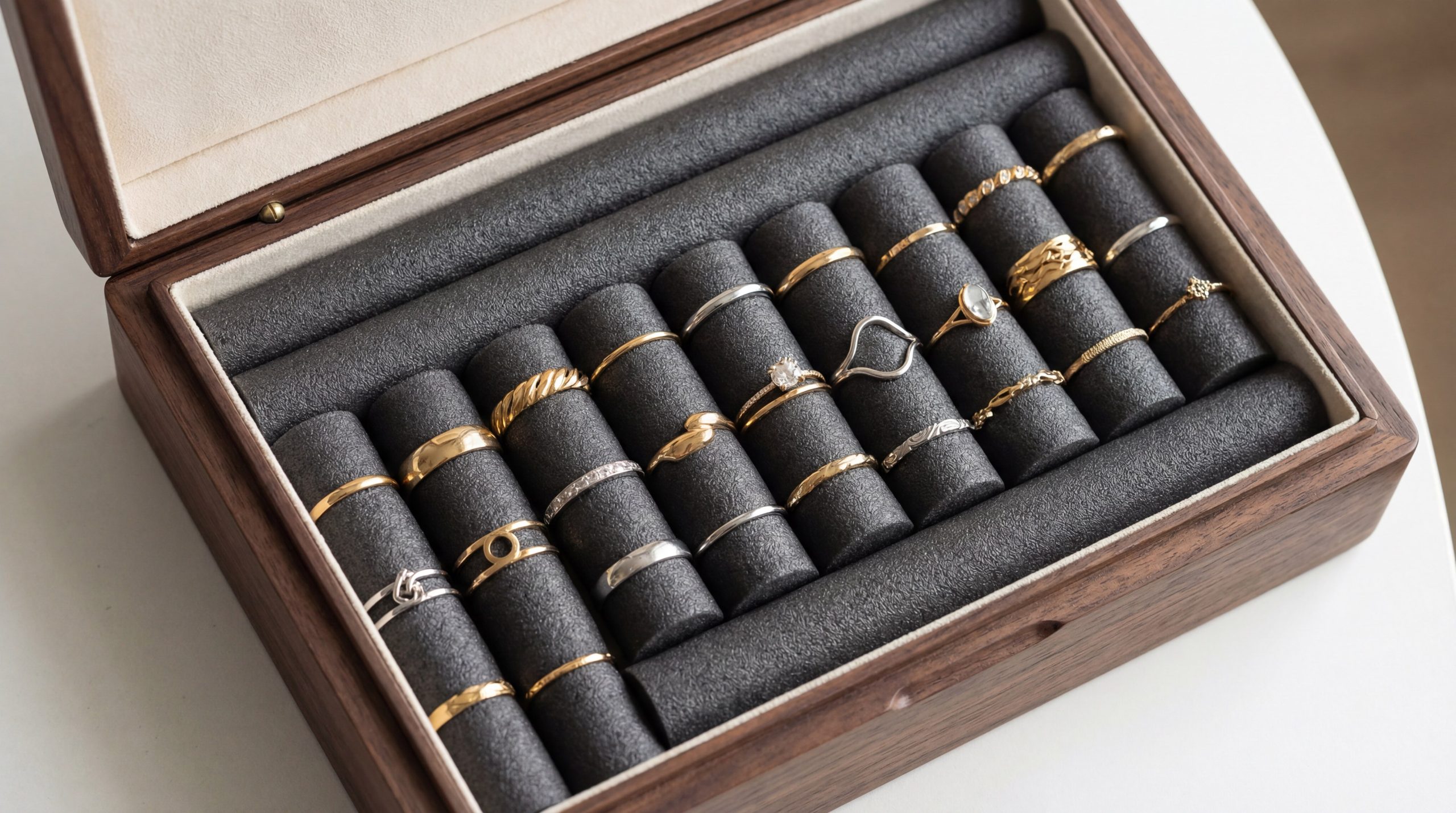
Organizing your collection effectively involves allocating specific items to dedicated sections like cushioned rolls, metal hooks, and soft pillows. Retailers and collectors often face the frustration of tangled chains or scratched gemstones when pieces are stored haphazardly. This lack of structure not only damages the inventory but also diminishes the premium unboxing experience your customers expect. By understanding the functional parts of a jewelry box , you can ensure every piece remains pristine and professionally presented.
What parts of a jewelry box accommodate luxury bracelets?
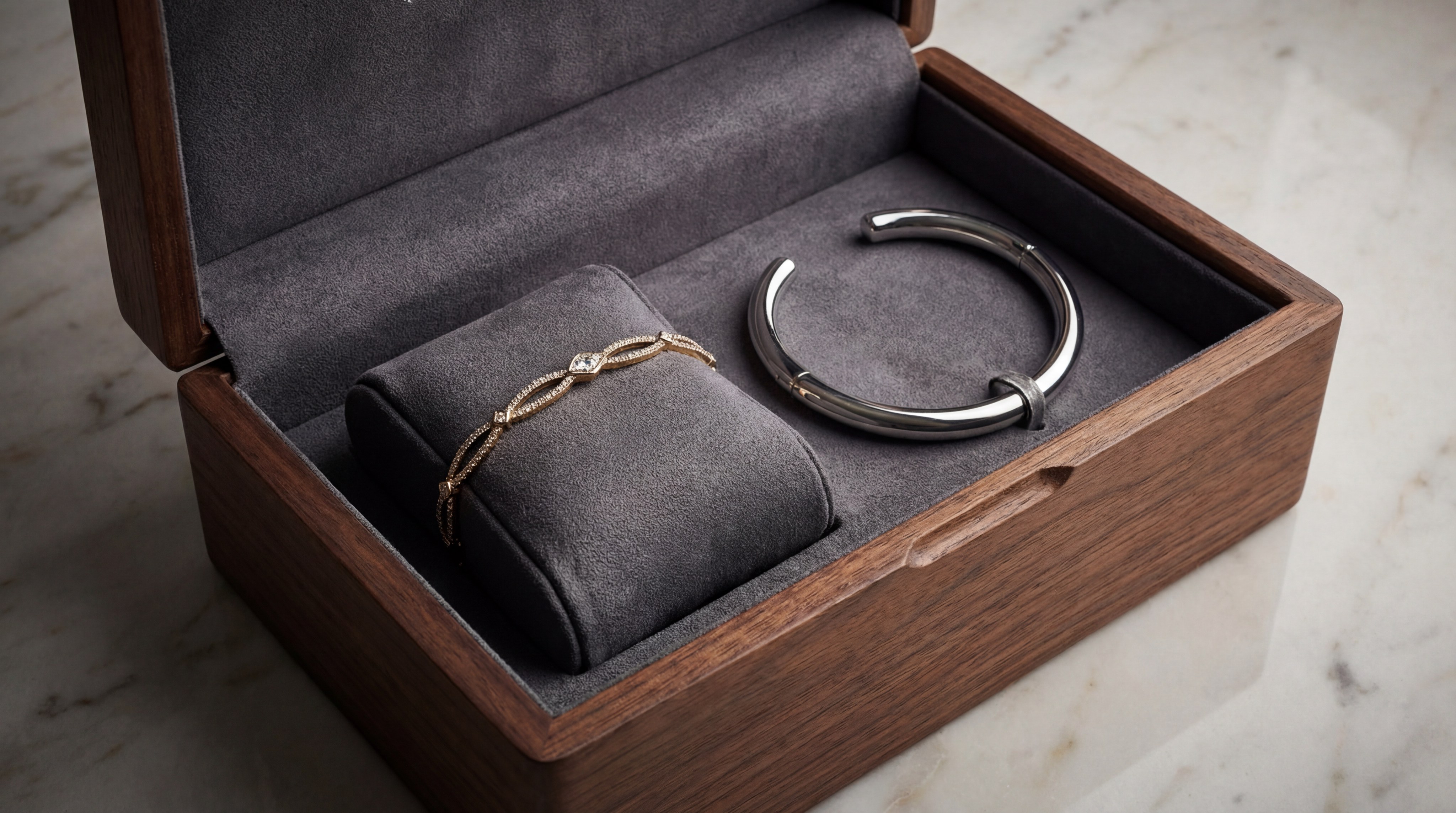
You should use plush pillows or rigid C-rings as the primary parts of a jewelry box to accommodate luxury bracelets. These components provide a soft surface that maintains the item’s circular shape while preventing it from shifting during movement. Using these structures ensures that delicate charms or heavy links do not experience metal fatigue.
Should you use watch pillows for bracelets?
Here is the deal: while watch pillows are similar, bracelet pillows are often more flexible to accommodate various wrist sizes. These parts of a jewelry box allow flexible chain bracelets to wrap naturally around a soft core.
- Fiber-filled cushions for a plush feel.
- Microfiber coverings to prevent surface scratches.
- Precise sizing to fit the outer container perfectly.
Are C-rings better for rigid bangles?
But wait, there is more. Rigid bangles require a different approach than flexible chains to stay upright and visible.
- Plastic cores wrapped in leatherette.
- Vertical display orientation for better retail visibility.
- Tension-based grip to prevent the bangle from sliding.
Key Takeaway: Selecting the correct internal supports for bracelets prevents structural damage and enhances the visual presentation for the end consumer.
| Component Type | Best For | Material Profile | Benefit | |
|---|---|---|---|---|
| Plush Pillow | Chain Bracelets | Fiber Fill + Suede | Prevents tangling | |
| Rigid C-Ring | Solid Bangles | Plastic + Leatherette | High visibility | |
| Horizontal Bar | Multiple Pieces | Wood or Acrylic | Bulk organization |
The choice between a pillow and a C-ring depends entirely on the flexibility and weight of the specific jewelry piece.
How do parts of a jewelry box organize earring pairs?
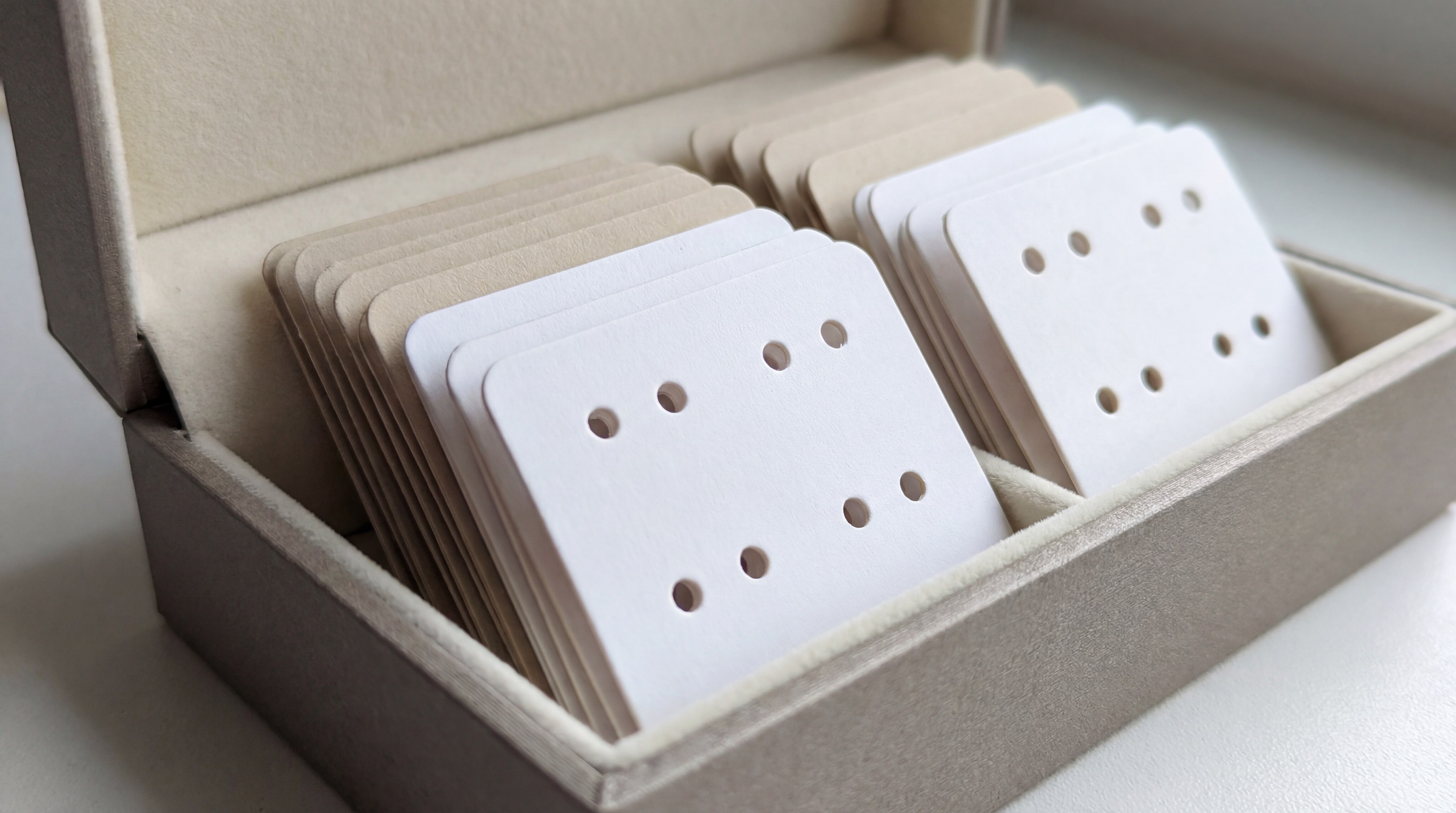
Earring cards and custom foam inserts are the specific parts of a jewelry box that keep pairs organized and secure. These components feature pre-drilled holes or H-shaped cuts to accommodate everything from tiny studs to long dangles. A well-designed earring box utilizes these parts to prevent the items from coming into contact with one another.
Are earring cards effective?
Believe it or not, earring cards are one of the most versatile ways to display and store small items. These parts of a jewelry box can be easily removed for a closer look by the customer.
- Cardboard or plastic construction.
- Space for branding and logos.
- Multiple hole configurations for sets.
Should you choose foam inserts with holes?
The real story is that high-density foam offers superior shock absorption during the shipping process. These parts of a jewelry box grip the earring posts firmly so they do not rattle or bend.
- Anti-tarnish foam chemistry.
- Precision laser-cut apertures.
- Slim profile for compact storage.
Key Takeaway: Utilizing dedicated earring inserts ensures that pairs stay together and remain protected from abrasive contact during retail handling.
| Insert Method | Security Level | Display Style | Ideal Use | |
|---|---|---|---|---|
| Paper Card | Medium | Hanging/Flat | Retail display | |
| Foam Pad | High | Flat/Embedded | E-commerce shipping | |
| Felt Tab | Medium | Hanging | Travel cases |
Structured inserts significantly reduce the time staff spend reorganizing lost or mismatched earring pairs.
What are essential parts of a jewelry box for necklaces?
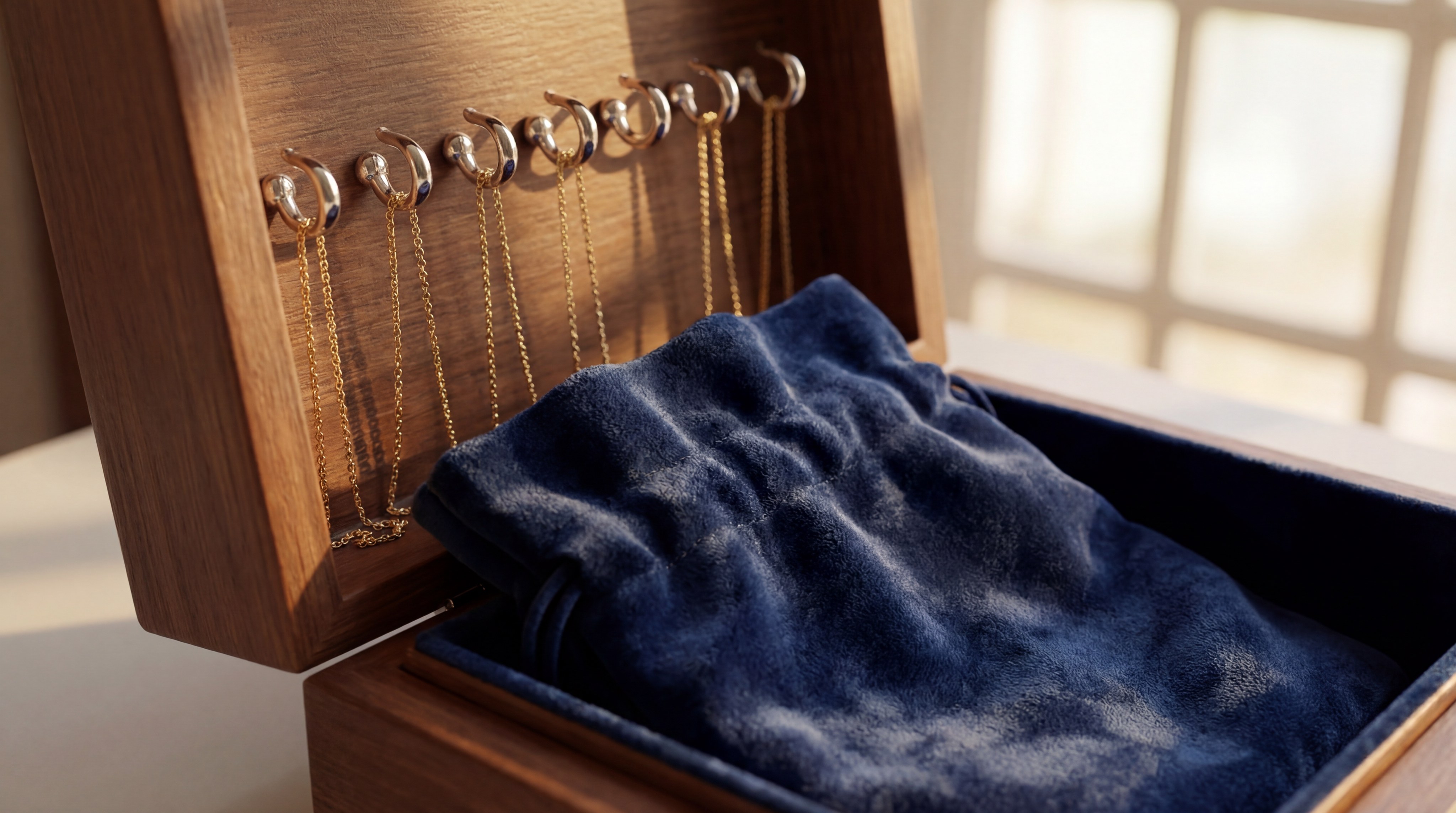
The essential parts of a jewelry box for necklaces include metal hooks and bottom elasticated pouches to prevent tangling. These parts work in tandem to keep the chain taut while allowing the pendant to sit safely in the center of the display. Professional retailers rely on these parts of a jewelry box to maintain a clean aesthetic and avoid the nightmare of knotted metal.
How to use necklace hooks?
You might be wondering: hooks are not just for hanging; they are for tension. These parts of a jewelry box are usually mounted on the inner lid or a removable card.
- Stainless steel for durability.
- Fabric-covered to prevent scratching.
- Multiple hooks for layered necklace sets.
Why are padded pouches necessary?
The truth is, without a pouch, the excess chain length will swing freely and eventually knot. These parts of a jewelry box catch the lower half of the necklace and hold it securely.
- Elastic tops for a snug fit.
- Silk or velvet lining for a premium touch.
- Integrated into the base or back panel.
Key Takeaway: Combining hooks with a bottom pouch is the only way to ensure long necklaces remain untangled and ready for immediate wear.
| Component | Function | Material | Importance | |
|---|---|---|---|---|
| Tension Hooks | Holds chain top | Metal / Fabric | High | |
| Elastic Pouch | Secures chain tail | Silk / Velvet | Essential | |
| Ribbon Ties | Anchors pendant | Satin | Optional |
Properly secured necklaces create a much more professional impression during the unboxing process for high-value clients.
Which parts of a jewelry box keep rings perfectly secure?
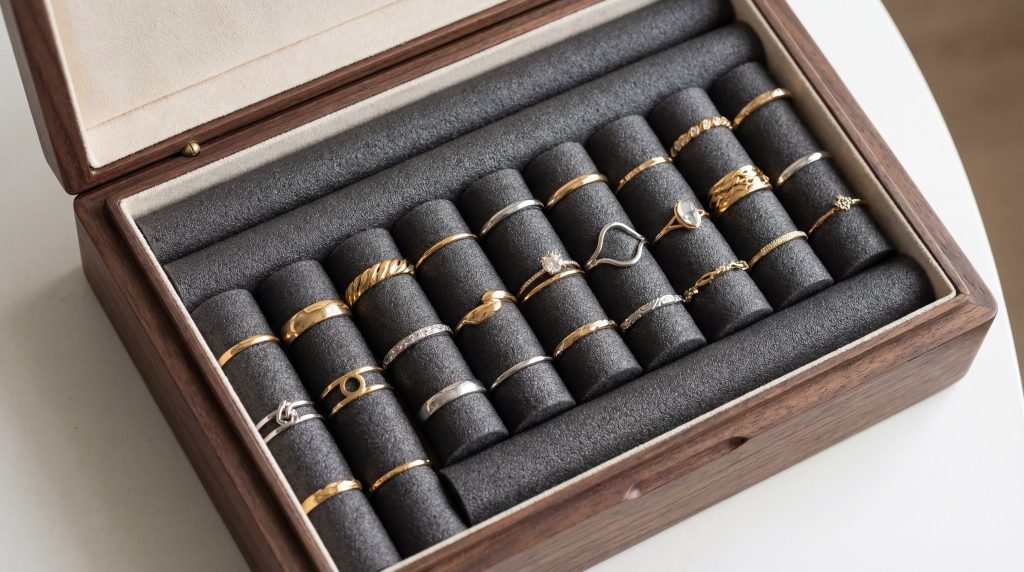
Ring rolls are the specialized parts of a jewelry box that use friction to keep bands perfectly secure. These components are made of foam cylinders wrapped in soft fabric, allowing you to slide a ring box insert easily into a display tray. These parts of a jewelry box are vital for preventing rings from sliding around and scratching their neighbors.
Do ring rolls prevent scratches?
Actually, the soft pile of the velvet covering acts as a protective barrier between the metal bands. These parts of a jewelry box ensure that even if the box is shaken, the rings stay put.
- Friction-fit technology.
- Soft-touch velvet or suede.
- Continuous rows for multiple items.
How many rings fit in a standard slot?
The bottom line is that while slots are flexible, overcrowding can lead to metal-on-metal contact. These parts of a jewelry box are best used with a small gap between each piece.
- 1-2 rings per row in small boxes.
- Up to 10 rings in large retail trays.
- Compatible with various band widths.
Key Takeaway: Ring rolls offer the best balance of security and accessibility for both high-end engagement rings and daily fashion bands.
| Ring Support | Grip Strength | Material | Best For | |
|---|---|---|---|---|
| Foam Roll | High | EVA + Velvet | Multiple bands | |
| Single Slot | Very High | Padded Insert | Solitaires | |
| Vertical Stud | Medium | Wood / Acrylic | Fashion rings |
Using high-density foam in your ring rolls ensures they maintain their shape even after years of daily use.
Why do the outer parts of a jewelry box ensure safe shipping?
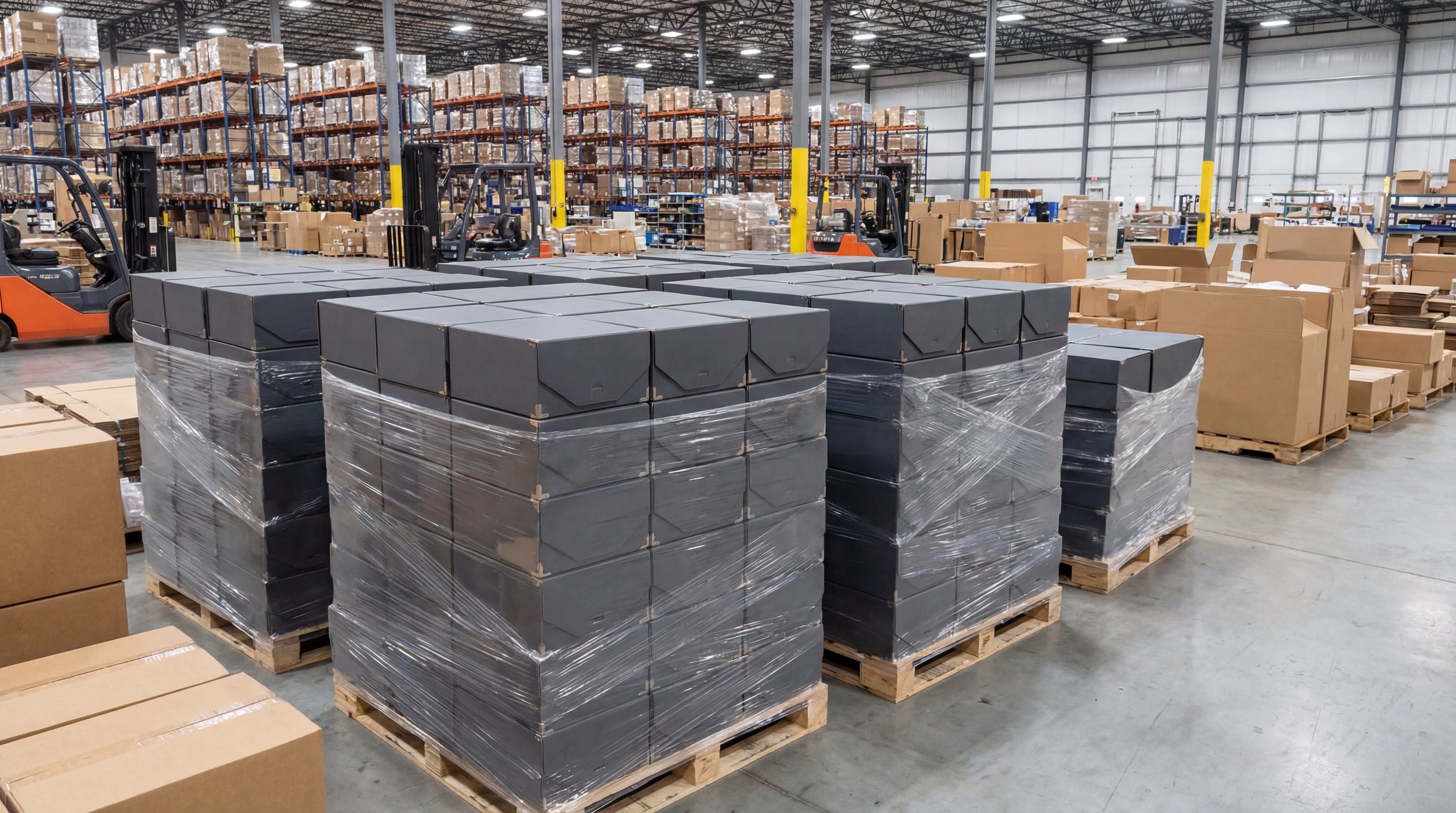
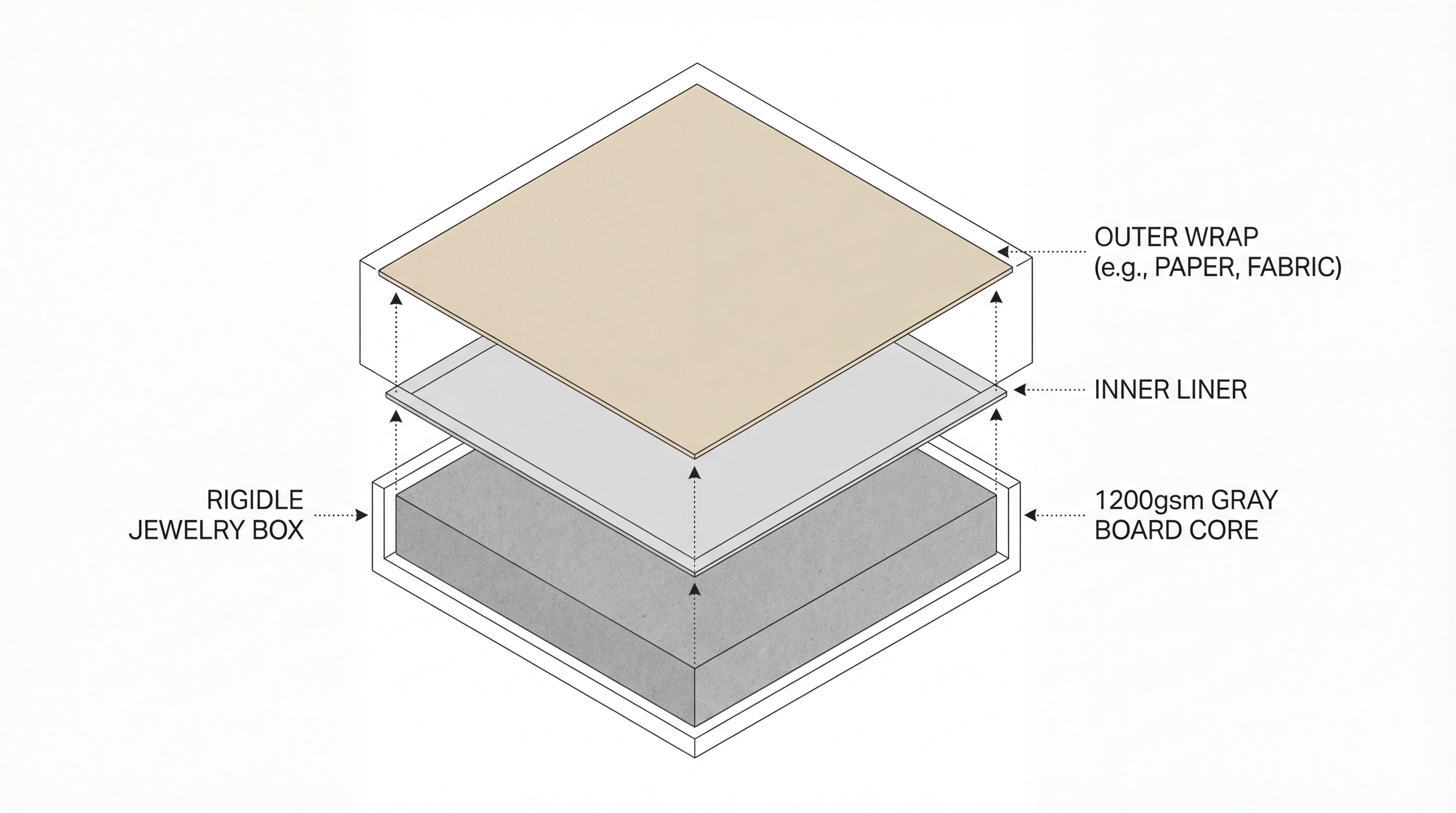
A rigid outer shell and secure closures are the parts of a jewelry box that protect the contents during long-distance shipping. These structural parts of a jewelry box must withstand vertical pressure and external impacts from sorting machines. Without a sturdy exterior, all the internal organization would be rendered useless if the box collapses.
Does a rigid shell prevent crushing?
Here is the deal: we use high-grade gray board to ensure the box corners do not cave in. These parts of a jewelry box act as an exoskeleton for your precious inventory.
- 1200gsm thick cardboard.
- Reinforced corner construction.
- Custom-fit outer mailing sleeves.
Why are magnetic closures preferred?
But wait, there is more. Magnetic closures stay shut through vibrations and drops that might pop open a standard friction lid. These parts of a jewelry box provide a satisfying “click” that signals quality.
- Hidden neodymium magnets.
- Consistent closing force.
- Reusable and durable for consumers.
Key Takeaway: Investing in a rigid outer shell and magnetic closure reduces the risk of expensive returns and shipping insurance claims.
| Shipping Component | Material | Resistance | Function | |
|---|---|---|---|---|
| Outer Shell | Rigid Gray Board | Very High | Anti-crush | |
| Magnetic Seal | Neodymium | High | Secure closure | |
| Paper Sleeve | Art Paper | Medium | Scuff protection |
The structural integrity of the outer box is the first line of defense against the rigors of global logistics.
Can modular parts of a jewelry box enhance retail displays?
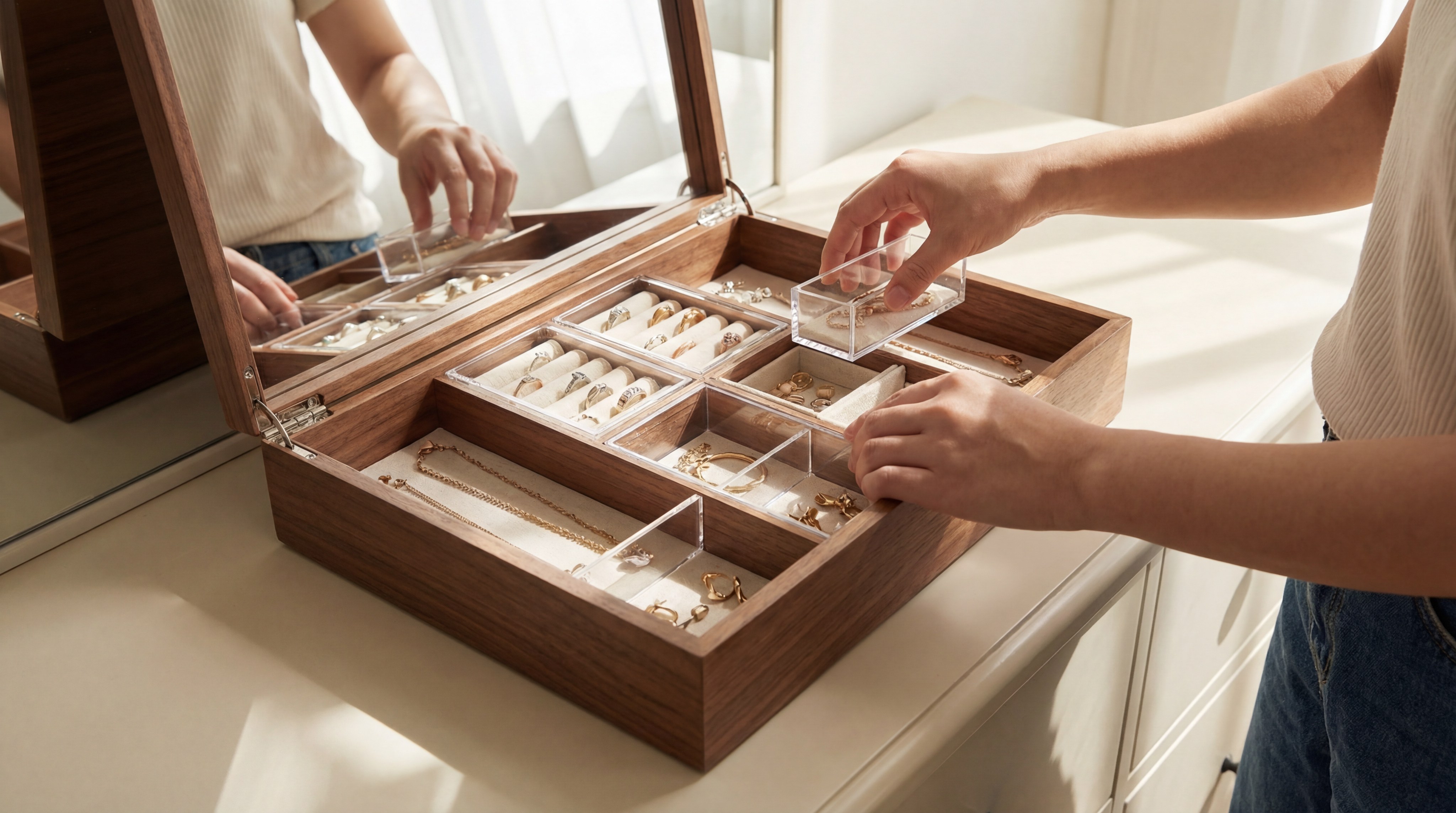
Modular dividers and removable slats are the parts of a jewelry box that allow for a fully customizable retail layout. These parts of a jewelry box give you the flexibility to change your display as your inventory shifts between different seasons. Using these adjustable parts of a jewelry box maximizes the utility of a single container for various jewelry types.
How do removable dividers work?
You might be surprised: dividers simply slide into pre-cut grooves to create smaller or larger compartments. These parts of a jewelry box can be rearranged in seconds without any tools.
- Friction-fit vertical slats.
- Cross-hatch grid patterns.
- Matching fabric for a seamless look.
Can you customize the internal layout?
The real story is that customization allows you to create a “jewelry wardrobe” effect for your customers. These parts of a jewelry box can be swapped to create gift sets combining rings and necklaces.
- Removable watch pillows.
- Interchangeable earring cards.
- Adjustable deep compartments.
Key Takeaway: Modular designs provide cost-effective versatility, allowing a single box style to serve multiple product categories efficiently.
| Modular Feature | Flexibility | Ease of Use | Benefit | |
|---|---|---|---|---|
| Removable Slats | High | Simple | Custom sizing | |
| Swap-out Trays | Medium | Fast | Bulk changes | |
| Multi-purpose Inserts | High | Easy | Versatility |
Adjustable layouts are particularly useful for small boutique owners who need to maximize their limited display space.
What parts of a jewelry box maximize storage for consumers?
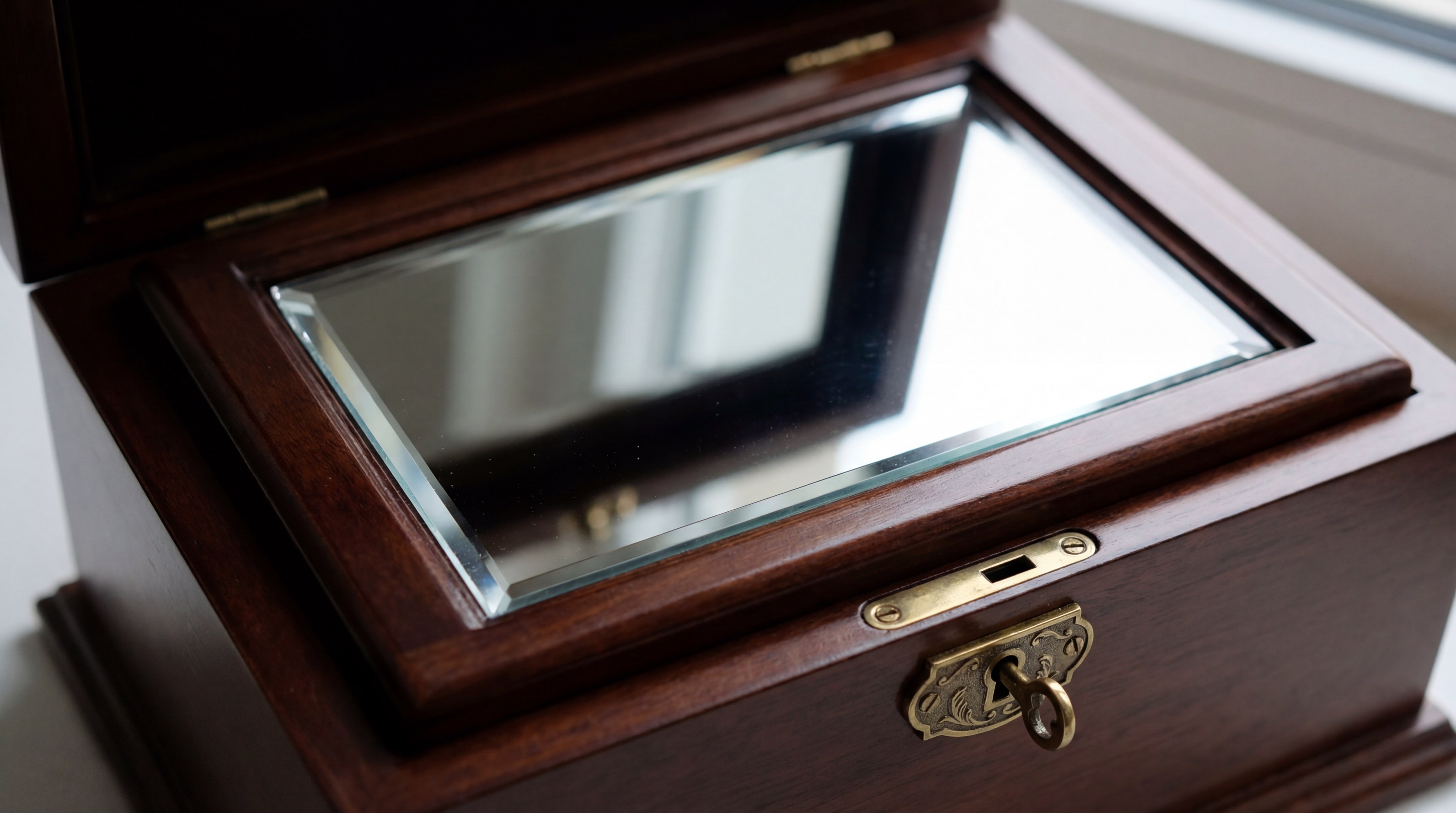
Multi-tier trays and built-in mirrors are the parts of a jewelry box that maximize functional storage for the end user. These parts of a jewelry box allow consumers to see their entire collection at a glance while saving valuable dresser space. High-capacity parts of a jewelry box are a major selling point for individuals with large, diverse collections.
Are multi-tier trays useful?
The truth is, stacking trays vertically uses the same footprint while doubling or tripling storage capacity. These parts of a jewelry box keep seasonal items out of the way while keeping daily wear accessible.
- Removable top layers.
- Deep bottom sections for bangles.
- Easy-lift ribbon handles.
Do secret compartments add value?
Believe it or not, hidden drawers are one of the most requested features for luxury consumers. These parts of a jewelry box provide a sense of security for high-value heirlooms.
- False bottoms or hidden side panels.
- Locking mechanisms for extra safety.
- Ideal for passports or emergency cash.
Key Takeaway: Vertical storage and functional extras like mirrors transform a simple box into a comprehensive jewelry management system.
| Consumer Feature | Storage Gain | Utility | User Experience | |
|---|---|---|---|---|
| Multi-Tier Trays | Very High | High | Organized | |
| Built-in Mirror | None | High | Convenient | |
| Secret Drawer | Medium | Medium | Secure |
Integrated mirrors and tiers significantly enhance the daily grooming routine, making the jewelry box an essential lifestyle tool.
How should you clean the various parts of a jewelry box?
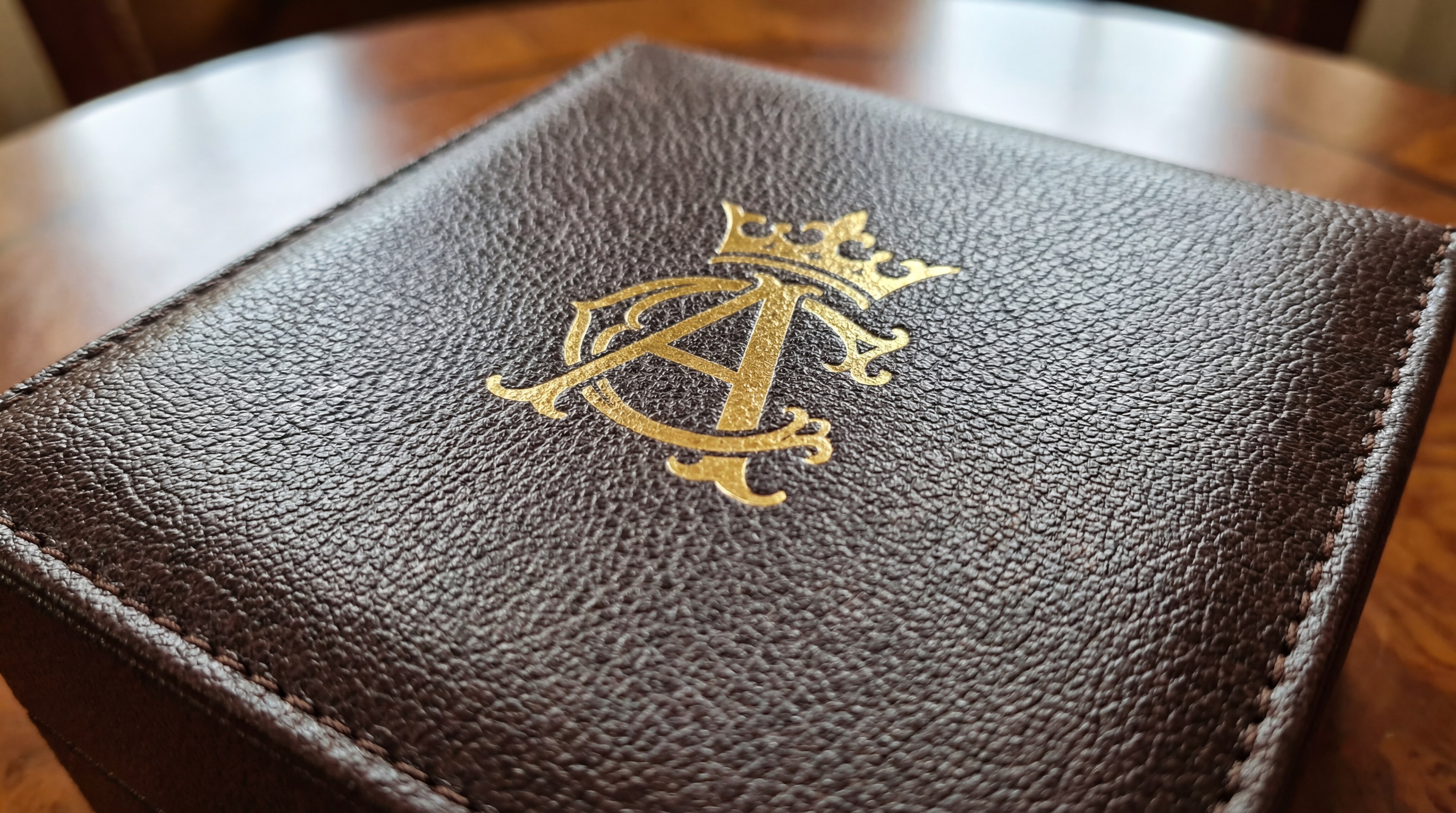
Regular maintenance of the internal parts of a jewelry box is required to preserve the luxury appearance of your brand. Dust, skin oils, and lint can accumulate on the fabric parts of a jewelry box over time, potentially transferring to the jewelry. Using the correct cleaning methods ensures these parts of a jewelry box stay in pristine condition for years.
How to clean velvet surfaces safely?
Here is the deal: a soft-bristled brush or a lint roller is the safest way to remove debris from velvet. These parts of a jewelry box are sensitive to moisture and should never be soaked.
- Gentle brushing in one direction.
- Dry cleaning only for stains.
- Avoid using steam on adhesives.
Can you use water on leatherette parts?
But wait, there is more. While leatherette is more durable, excessive water can cause the material to peel or warp the underlying board. These parts of a jewelry box should be wiped with a barely damp microfiber cloth.
- Mild soap only if necessary.
- Immediate drying with a soft towel.
- Avoid harsh chemical cleaners.
Key Takeaway: Gentle, regular cleaning prevents the buildup of contaminants that can dull the sparkle of gemstones and metals.
| Surface Material | Cleaning Tool | Solution | Warning | |
|---|---|---|---|---|
| Luxury Velvet | Lint Roller | None (Dry) | No water | |
| Leatherette | Microfiber Cloth | Mild Soap (Damp) | No alcohol | |
| Suede Lining | Suede Brush | None | No heat |
Maintaining a clean interior shows your customers that you value the integrity of the jewelry as much as they do.
How do lining parts of a jewelry box prevent tarnishing?
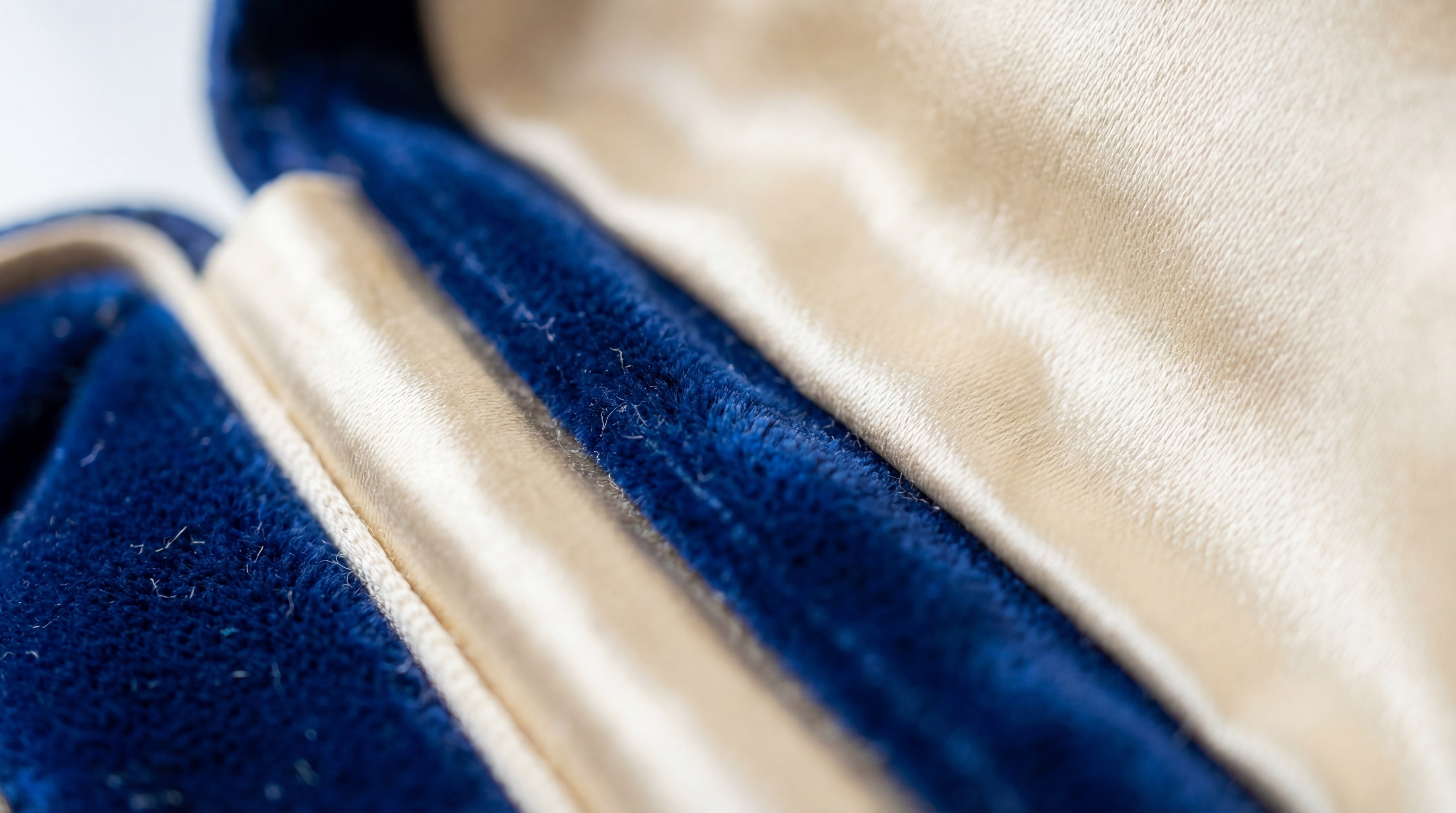
Anti-tarnish fabrics are the critical parts of a jewelry box lining that protect silver and gold from atmospheric oxidation. These parts of a jewelry box are treated with specialized compounds that neutralize sulfur and moisture in the air. Selecting the right lining parts of a jewelry box can significantly extend the shelf life of your retail inventory.
Why is anti-tarnish fabric used?
You might be wondering: tarnish is a chemical reaction, not just dirt. These parts of a jewelry box act as a sacrificial barrier to keep the jewelry bright and shiny.
- Chemical neutralizers in the fibers.
- Ideal for long-term storage.
- Effective for up to 3-5 years.
Does velvet offer better protection than silk?
The real story is that velvet’s thick pile traps more protective chemicals than thin silk or satin. These parts of a jewelry box provide both physical cushioning and chemical defense.
- High surface area for treatment.
- Soft texture prevents abrasion.
- Dense weave blocks dust particles.
Key Takeaway: Anti-tarnish linings are a must-have for silver collections to reduce the need for frequent polishing and maintenance.
| Lining Material | Protection | Aesthetic | Best For | |
|---|---|---|---|---|
| Treated Velvet | Very High | Classic | Silver/Gold | |
| Microfiber | High | Modern | Diamonds | |
| Satin / Silk | Low | Elegant | Fashion jewelry |
Choosing a treated lining material is a proactive way to maintain the high value of your jewelry stock over time.
Which parts of a jewelry box protect high-end timepieces?
A watch box utilizes thick pillows and lid cushions as the primary parts of a jewelry box for protecting high-end timepieces. These parts of a jewelry box are engineered to support the weight of heavy automatic watches while preventing the crystal from hitting the lid. High-quality parts of a jewelry box for watches use non-abrasive materials to protect the polished steel and leather straps.
What are the benefits of watch pillows?
The bottom line is that a watch pillow keeps the strap under slight tension, which prevents it from deforming or cracking. These parts of a jewelry box simulate the shape of a wrist for optimal storage.
- Memory foam or fiber cores.
- Sized for men’s and women’s watches.
- Removable for easy viewing.
Do lid cushions prevent glass cracks?
Believe it or not, the space between the watch face and the lid is a major impact zone during shipping. These parts of a jewelry box provide a soft buffer that absorbs vertical shocks.
- Padded silk or velvet panels.
- Prevents sapphire crystal scratches.
- Essential for travel-ready cases.
Key Takeaway: Dedicated watch supports are necessary to preserve the mechanical integrity and surface finish of luxury timepieces.
| Watch Support | Material | Function | Benefit | |
|---|---|---|---|---|
| Watch Pillow | High-Density Foam | Strap tension | Shape retention | |
| Lid Cushion | Padded Silk | Face protection | Impact safety | |
| Dividers | Rigid Board | Separation | Anti-scratch |
Investing in specialized timepiece compartments reflects a commitment to technical excellence and professional care.
Selecting the right components for your jewelry packaging is the most effective way to protect your inventory and elevate your brand’s perceived value. By focusing on the specific roles of hooks, rolls, and anti-tarnish linings, you can resolve the common problems of damage and tangling that plague the retail industry. Our vision is to provide every brand with the structural tools needed to deliver a flawless customer experience. To find the perfect organizational solution for your collection, contact us today and let our experts guide your design.
Frequently Asked Questions
Can I customize the number of ring rolls in my box?Yes. Our factory provides modular options to increase or decrease ring storage based on your specific inventory volume.
What’s the best material for preventing silver from tarnishing?Treated Velvet. This material contains specific chemical compounds that neutralize the atmospheric elements responsible for oxidation.
Can I clean the interior foam with household detergents?No. Harsh chemicals can break down the adhesives and anti-tarnish treatments, potentially damaging your jewelry.
What’s the best way to ship necklaces safely?Hooks and Pouches. Using these components keeps the chain under tension, which is the only way to prevent knots during transit.
Can I use the same box for watches and bracelets?Yes. If you use removable pillows, you can easily swap between a watch and a flexible bracelet in the same compartment.