
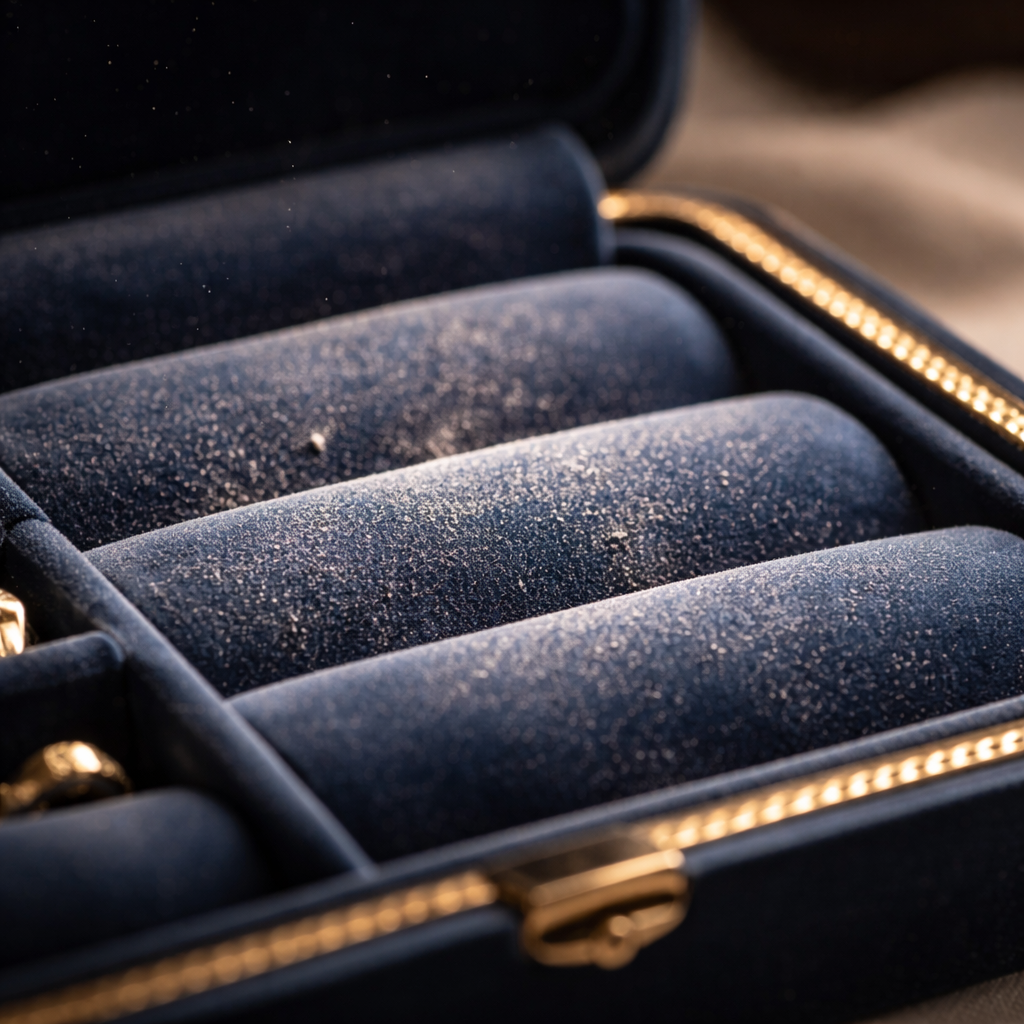
You can clean your velvet jewelry box by gently lifting surface dust with a lint roller and treating deeper stains with a mild sudsy solution of dish soap and warm water. A neglected, dusty interior doesn’t just look unsightly; it can harbor grit that causes microscopic scratches on your precious metals and gemstones. Watching your favorite heirloom lose its luster because it’s sitting in a grimy environment is a frustrating experience for any collector. Learning how to clean felt jewelry box linings properly ensures your collection remains in a pristine, showroom-ready state. This guide provides a professional approach to restoring the soft, plush texture of your storage essentials.
What tools aid how to clean felt jewelry box surfaces?
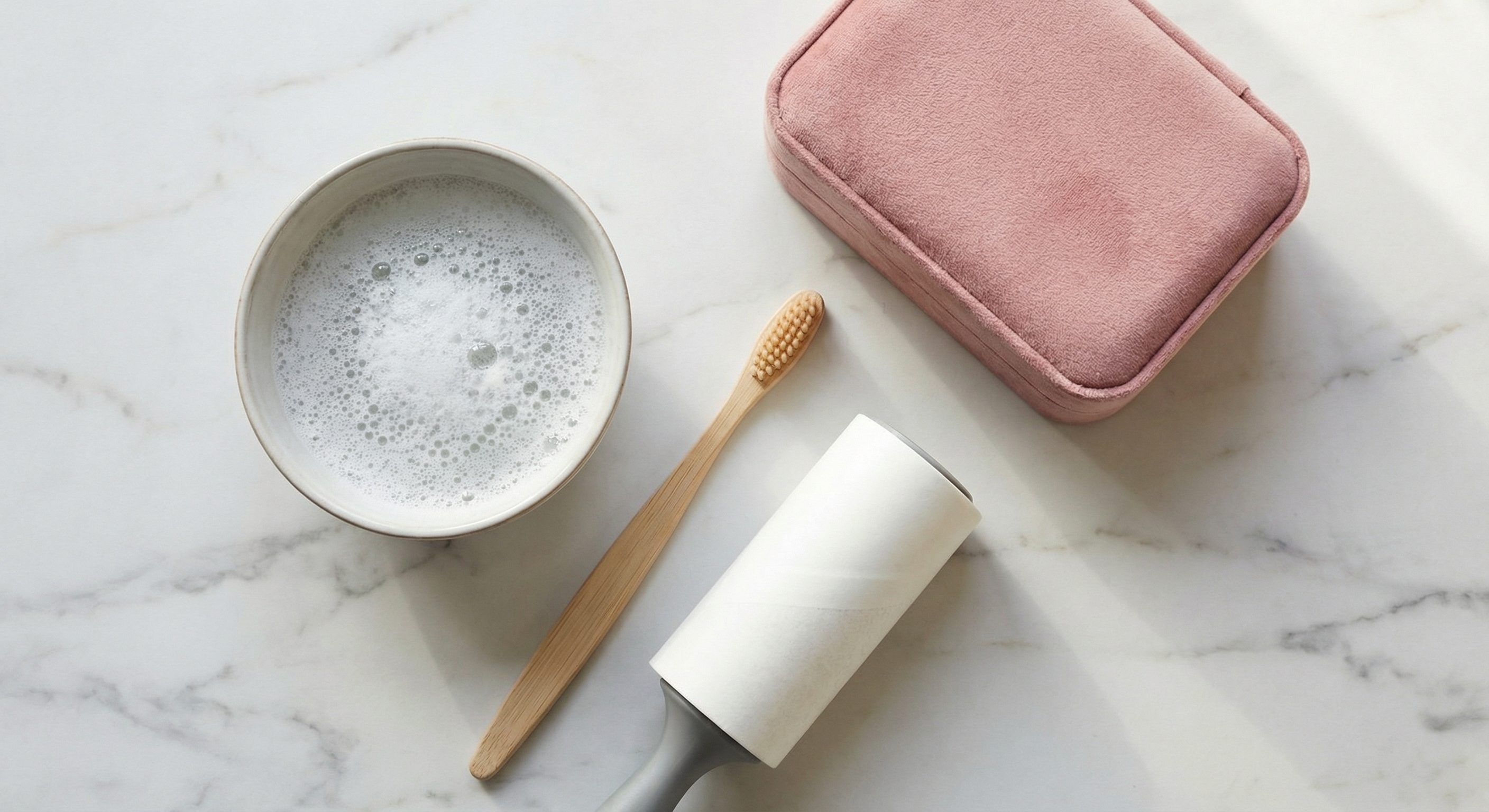
Using a soft-bristle toothbrush, a lint roller, and a mild pH-neutral soap solution are the primary tools required for this task. These items allow you to address both surface debris and deeper stains without damaging the delicate pile of the fabric. Understanding how to clean felt jewelry box surfaces begins with gathering these non-abrasive materials to ensure a gentle touch.
Essential Cleaning Supplies
To get started, you will need a few household items that are safe for luxury fabrics:
- A high-quality lint roller or rolls of masking tape.
- A soft-bristle toothbrush or specialized fabric brush.
- Gentle dish soap and a bowl of lukewarm water.
- A clean microfiber cloth for dabbing moisture.
The Importance of Microfiber
You should always avoid using paper towels or rough sponges on velvet because they can leave behind lint or cause matting. Microfiber is the gold standard for this process because it absorbs moisture vertically without crushing the fibers. Here’s the kicker: using the wrong cloth can actually push dirt deeper into the felt lining.
Key Takeaway
Equipping yourself with the right tools prevents accidental damage and ensures your jewelry box looks as luxurious as the day you bought it.
| Tool | Purpose | Benefit | |
|---|---|---|---|
| Lint Roller | Surface debris removal | Quick and non-invasive | |
| Soft Brush | Agitating stains | Restores fabric texture | |
| Microfiber | Drying/Dabbing | Prevents matting |
This set of tools forms the foundation of a professional-grade maintenance routine for your storage.
Why learn how to clean felt jewelry box liners today?
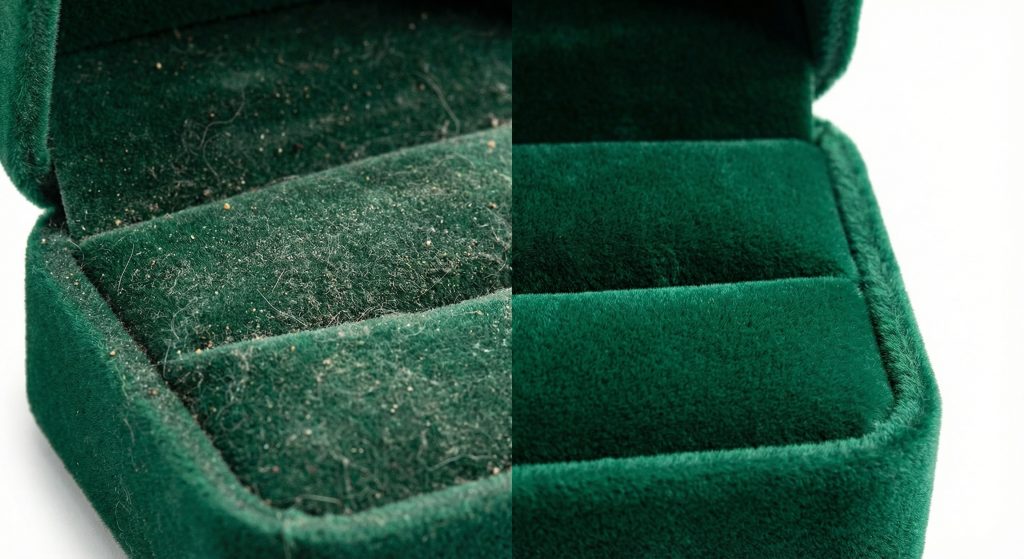
Learning this process today is vital because accumulated dust acts as a hidden abrasive that can slowly ruin the polished finish of your gold and silver pieces. Dirt particles trapped in the velvet can transfer to your rings and necklaces, causing them to look dull over time. If you know how to clean felt jewelry box interiors, you significantly extend the life of both your storage box and your precious jewelry.
Protecting Your Investment
A clean environment is the first line of defense for your high-end jewelry collection. Dust buildup isn’t just an aesthetic issue; it can lead to chemical reactions or physical wear on soft gemstones like pearls.
- Prevents dirt transfer to clean jewelry.
- Reduces the risk of microscopic scratches.
- Keeps metals from tarnishing prematurely.
Maintaining Aesthetic Value
Your jewelry box should reflect the beauty of the items stored inside it. A pristine velvet lining enhances the daily unboxing experience and keeps your presentation professional. But wait, there’s more: a well-maintained box retains its structural integrity and resale value much longer than a neglected one.
Key Takeaway
Taking the time to maintain your jewelry box protects your financial investment in fine gems and keeps your vanity looking elegant.
| Benefit | Impact | Importance | |
|---|---|---|---|
| Grit Removal | Prevents Scratches | High | |
| Clean Fabric | Better Presentation | Medium | |
| Dust Control | Slower Tarnishing | High |
Regular maintenance is the most cost-effective way to preserve the brilliance of your entire collection.
How to clean felt jewelry box dust with a lint roller?
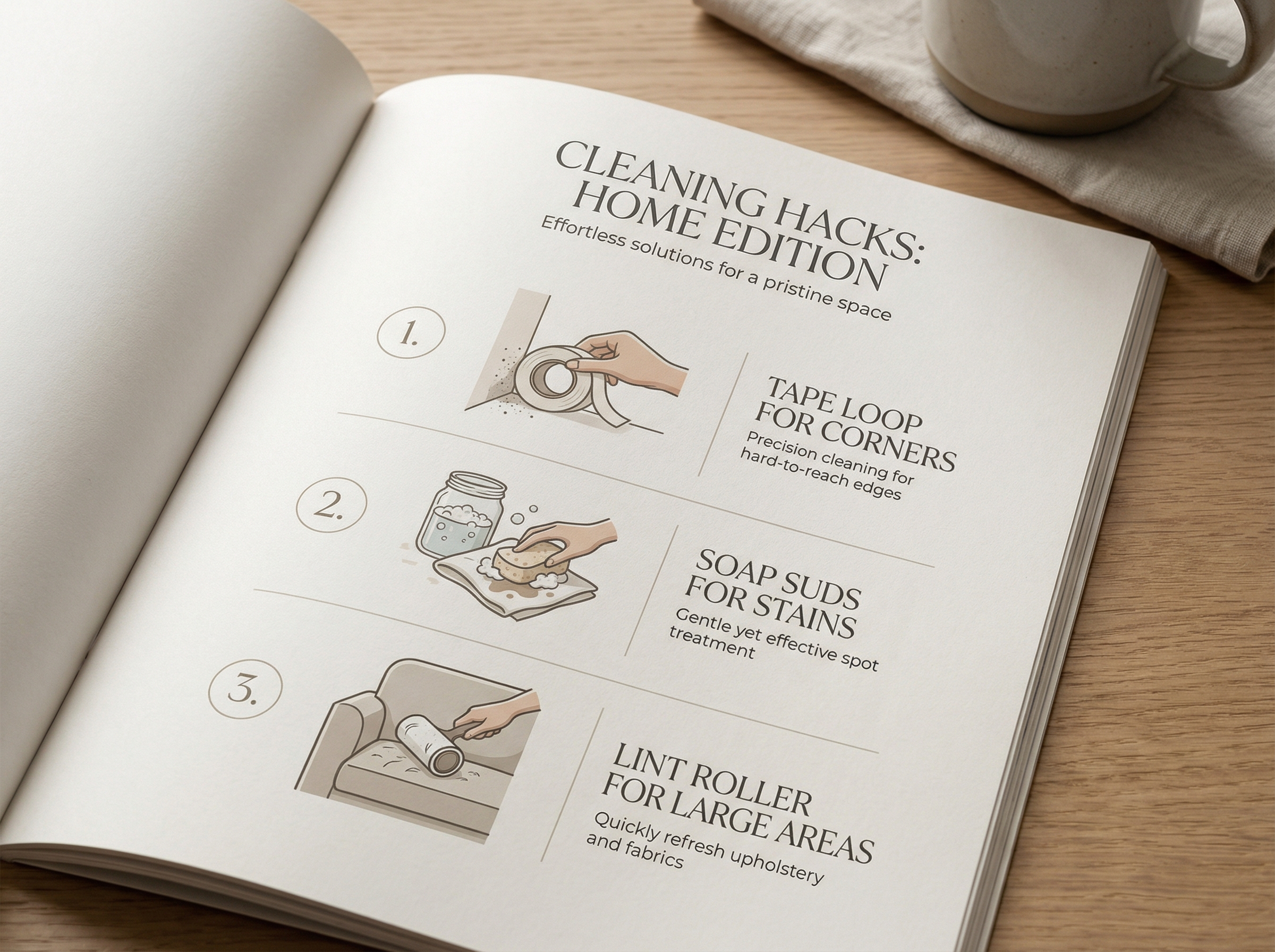
A lint roller is the most effective tool for lifting surface dust, hair, and small particles from velvet without using any moisture. Simply roll the adhesive surface gently over the flat areas of the box to pick up visible debris instantly. Mastering how to clean felt jewelry box linings with this method is the fastest way to refresh your storage weekly.
Rolling Away Surface Debris
When using a lint roller, it is important to apply very light pressure to avoid crushing the velvet’s “nap” or directional pile. Move the roller in one direction to maintain a uniform look across the fabric.
- Use a small roller for better maneuverability.
- Replace the adhesive sheet as soon as it loses tackiness.
- Focus on the large base panels first.
Reaching Deep Crevices
Standard rollers might struggle with tight corners or ring slots where dust loves to hide. For these areas, you can use a “bucket brigade” of small tape strips wrapped around your finger. Here is the kicker: reaching those hidden spots prevents “dust bunnies” from forming and falling onto your jewelry.
Key Takeaway
Frequent use of a lint roller prevents the need for deep wet cleaning, keeping your velvet dry and plush for years.
| Technique | Target Area | Tool | |
|---|---|---|---|
| Light Rolling | Flat surfaces | Standard Lint Roller | |
| Tape Dabbing | Corners/Seams | Masking Tape | |
| Finger Wrap | Narrow ring slots | Clear Tape |
Consistent surface cleaning is the secret to a professional-looking jewelry display.
Can soap help how to clean felt jewelry box deep stains?
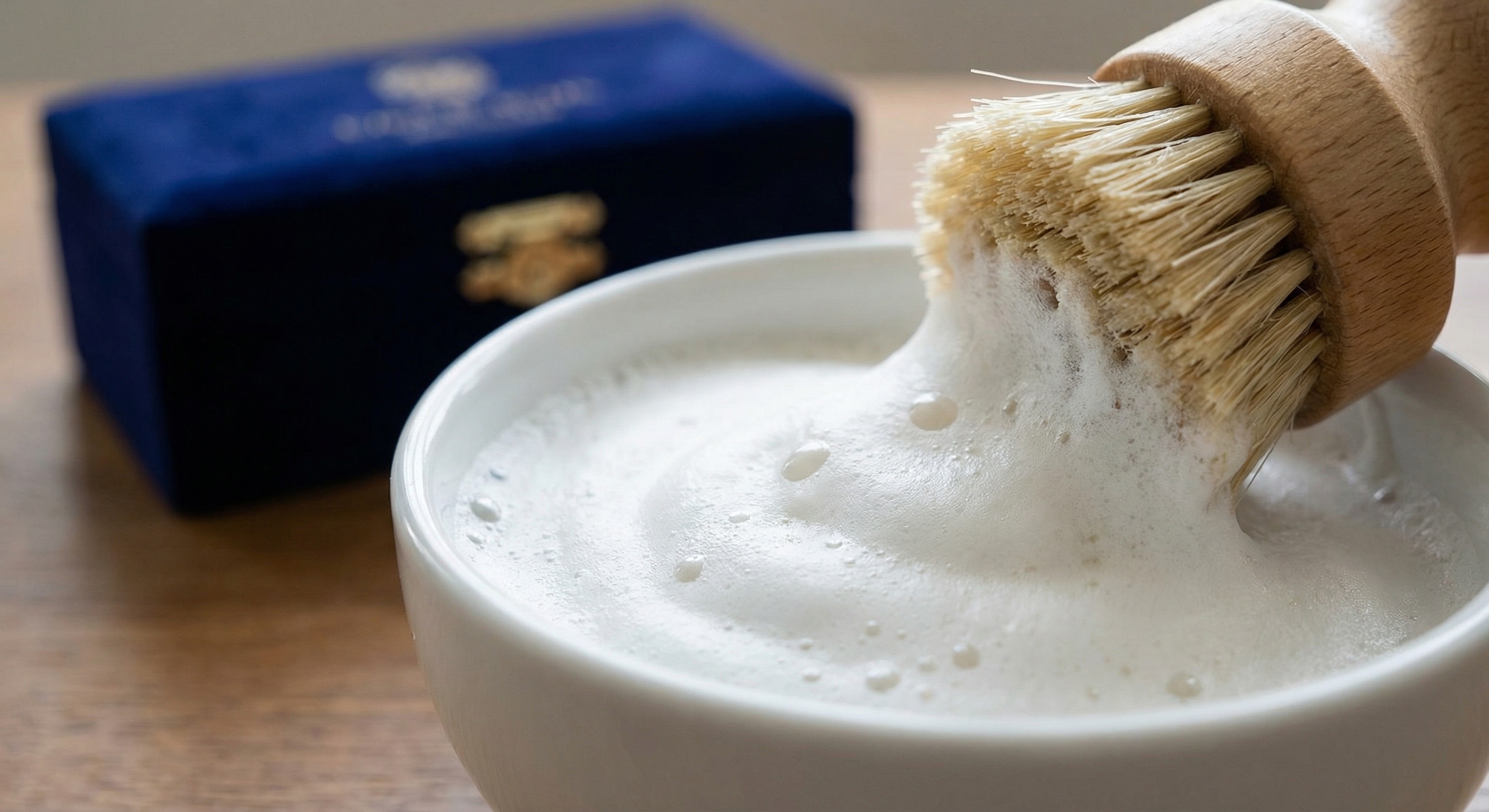
Yes, a mild soap solution is excellent for lifting oil-based stains or makeup marks that a lint roller cannot reach. You should only use the “dry foam” produced by mixing soap and water to avoid over-saturating the underlying box structure. Learning how to clean felt jewelry box stains with this method ensures a deep clean without causing the cardboard to warp.
Mixing the Perfect Solution
To create a safe cleaner, add just two drops of dish soap to a cup of warm water and whisk it until a thick foam forms. You only want to use the bubbles, not the liquid water itself, to treat the velvet.
- Use pH-neutral soap to protect fabric dyes.
- Whisk vigorously to create “dry” suds.
- Avoid using any harsh chemicals or bleach.
The Dab Don’t Rub Technique
When applying the foam, use a soft cloth or brush to dab the stain vertically rather than rubbing it back and forth. Rubbing can break the delicate velvet fibers and create a permanent “bald” spot in the fabric. Believe it or not, patience is your best tool here; you may need to repeat the process several times for stubborn marks.
Key Takeaway
Using only the foam from a soap solution allows you to remove tough stains while keeping the internal structure of the box perfectly dry.
| Step | Action | Goal | |
|---|---|---|---|
| Mix | Whisk soap/water | Create dry foam | |
| Apply | Dab with bubbles | Lift the stain | |
| Dry | Blot with microfiber | Remove moisture |
This careful approach preserves the luxury feel of the velvet while restoring its original color.
How to clean felt jewelry box corners using soft brushes?
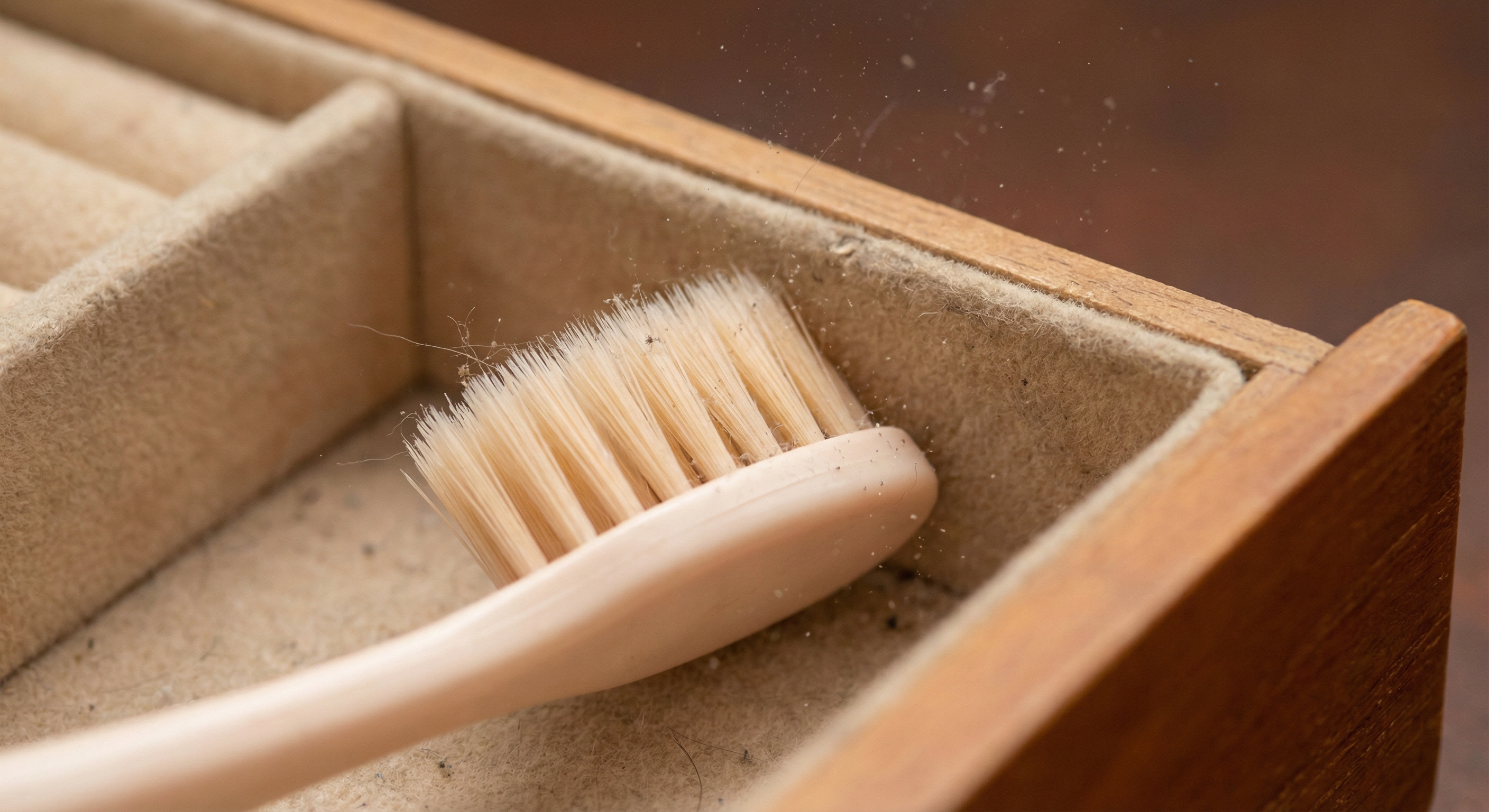
Soft brushes are essential for agitating dirt out of the tight seams and corners where a lint roller cannot reach. By using small, circular motions, you can loosen trapped grit and then lift it away with a vacuum or tape. Knowing how to clean felt jewelry box corners with a brush helps maintain the crisp lines of your storage compartments.
Circular Brushing Motion
Gently rotating a soft toothbrush in the corners helps to “wake up” the fabric fibers and release any embedded particles. This technique is also useful for restoring the pile after the velvet has been compressed by heavy jewelry.
- Use a new, soft-bristle toothbrush.
- Brush outward from the corners toward the center.
- Keep the pressure light to avoid fraying.
Handling Delicate Fibers
Some felt linings are thinner than others, so you must always test your brush in an inconspicuous area first. Natural hair brushes are often softer than synthetic ones and provide a more luxurious finish to the fabric. But wait, there’s more: brushing also helps redistribute the velvet’s natural sheen for a uniform look.
Key Takeaway
Detailing the corners with a brush ensures that no hidden abrasive particles remain to scratch your jewelry hinges or clasps.
| Brush Type | Best Use | Motion | |
|---|---|---|---|
| Toothbrush | Tight corners | Small circles | |
| Fabric Brush | Large panels | Long strokes | |
| Makeup Brush | Very delicate felt | Light dusting |
A thorough brushing restores the tactile quality of the velvet and removes every last speck of dust.
Does tape assist how to clean felt jewelry box grit?
Masking tape is an incredible tool for lifting stubborn grit and pet hair that seems “woven” into the velvet fibers. By creating small loops of tape, you can target specific spots with precision without affecting the surrounding clean areas. Understanding how to clean felt jewelry box surfaces with tape is a professional secret for maintaining narrow necklace channels.
Using Masking Tape Loops
Wrap a piece of tape around your index finger with the sticky side facing out to create a custom precision cleaning tool. This allows you to press into the deep grooves of ring rolls where a standard roller is too bulky.
- Choose a low-tack tape to avoid leaving residue.
- Press down firmly and lift straight up.
- Change the tape frequently as it gathers debris.
Lifting Stuck Particles
Tape is particularly effective at removing lint that has become statically charged and stuck to the fabric. It is also safer than using a vacuum cleaner, which can sometimes pull the velvet away from its glued backing. Here’s the kicker: tape provides a level of control that helps you avoid damaging delicate box hinges or mirrors.
Key Takeaway
Tape offers the highest level of precision for removing localized debris without the risks associated with moisture or suction.
| Tape Type | Advantage | Best For | |
|---|---|---|---|
| Masking Tape | Gentle adhesive | General felt | |
| Painter’s Tape | No residue | Luxury velvet | |
| Packing Tape | Stronger lift | Stubborn pet hair |
Using tape ensures every millimeter of your jewelry box is free from damaging grit.
How to clean felt jewelry box moisture for safe storage?
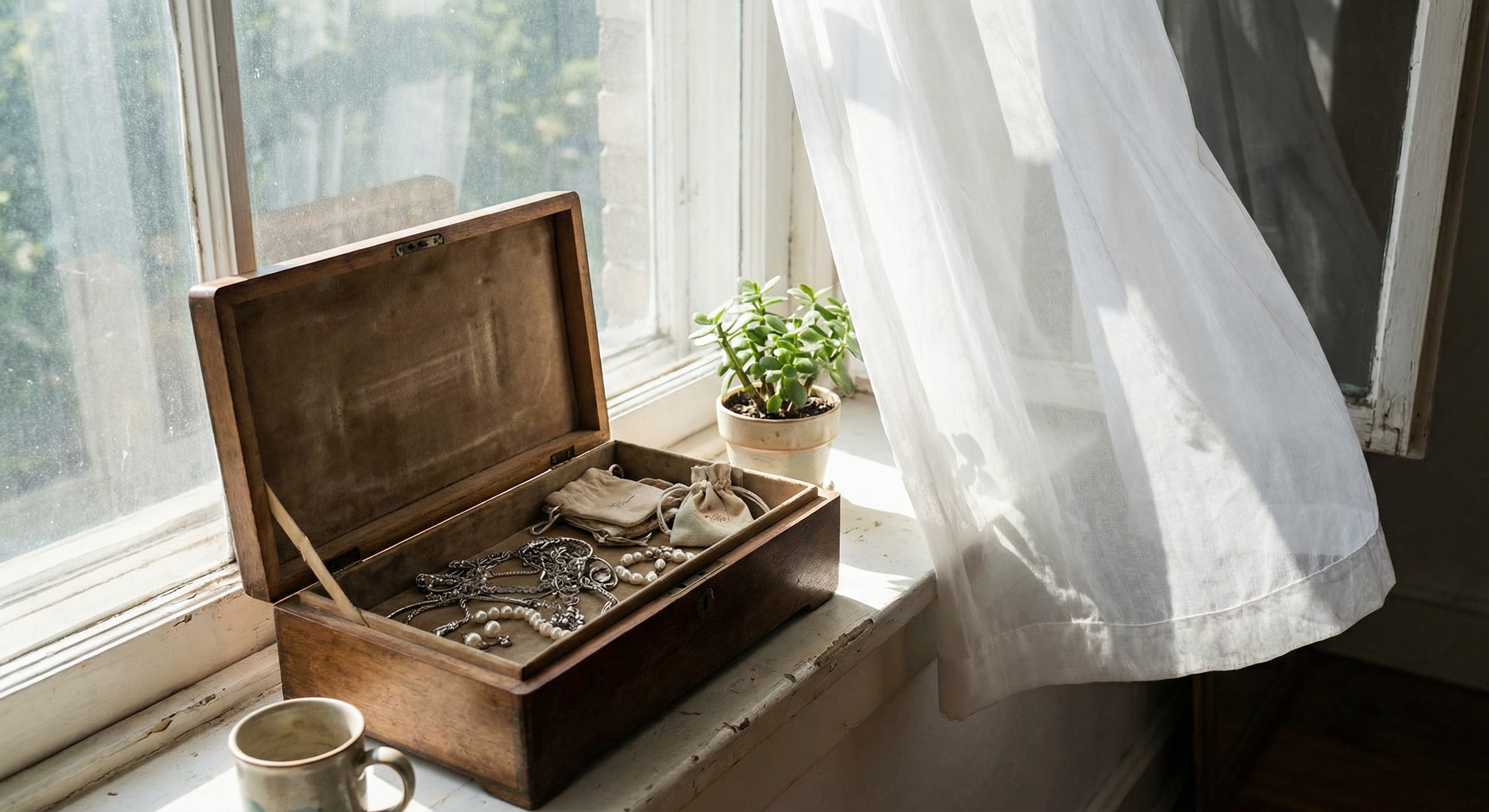
Ensuring your box is completely dry after cleaning is the most critical step to prevent mold and mildew growth inside the compartments. Velvet is highly absorbent, and any trapped dampness can cause your jewelry to tarnish or even lead to fabric rot. Learning how to clean felt jewelry box moisture out properly involves patience and the right environment.
Preventing Fabric Mold
Mold thrives in dark, damp spaces, which makes a closed jewelry box the perfect breeding ground if it’s put away wet. Always leave the lid open in a well-ventilated room for at least 24 hours after a deep clean.
- Never store jewelry in a damp box.
- Check the padded inserts for hidden moisture.
- Keep the box away from humid bathrooms.
Managing High Humidity
If you live in a tropical climate, you might need extra help to keep the interior dry even after the initial cleaning process. Placing a small silica gel packet inside the box can help absorb any ambient moisture that lingers. But wait, there’s more: proper airflow during the drying phase is more important than using heat.
Key Takeaway
A bone-dry jewelry box is the only safe environment for your precious metals, preventing costly tarnish and fabric damage.
| Drying Method | Time Needed | Safety Level | |
|---|---|---|---|
| Natural Air | 24+ Hours | Very High | |
| Microfiber Blot | Immediate | High | |
| Hair Dryer | Not Recommended | Low (Heat Risk) |
Patience during the drying phase is the best way to ensure the long-term health of your collection.
What tips speed how to clean felt jewelry box drying?
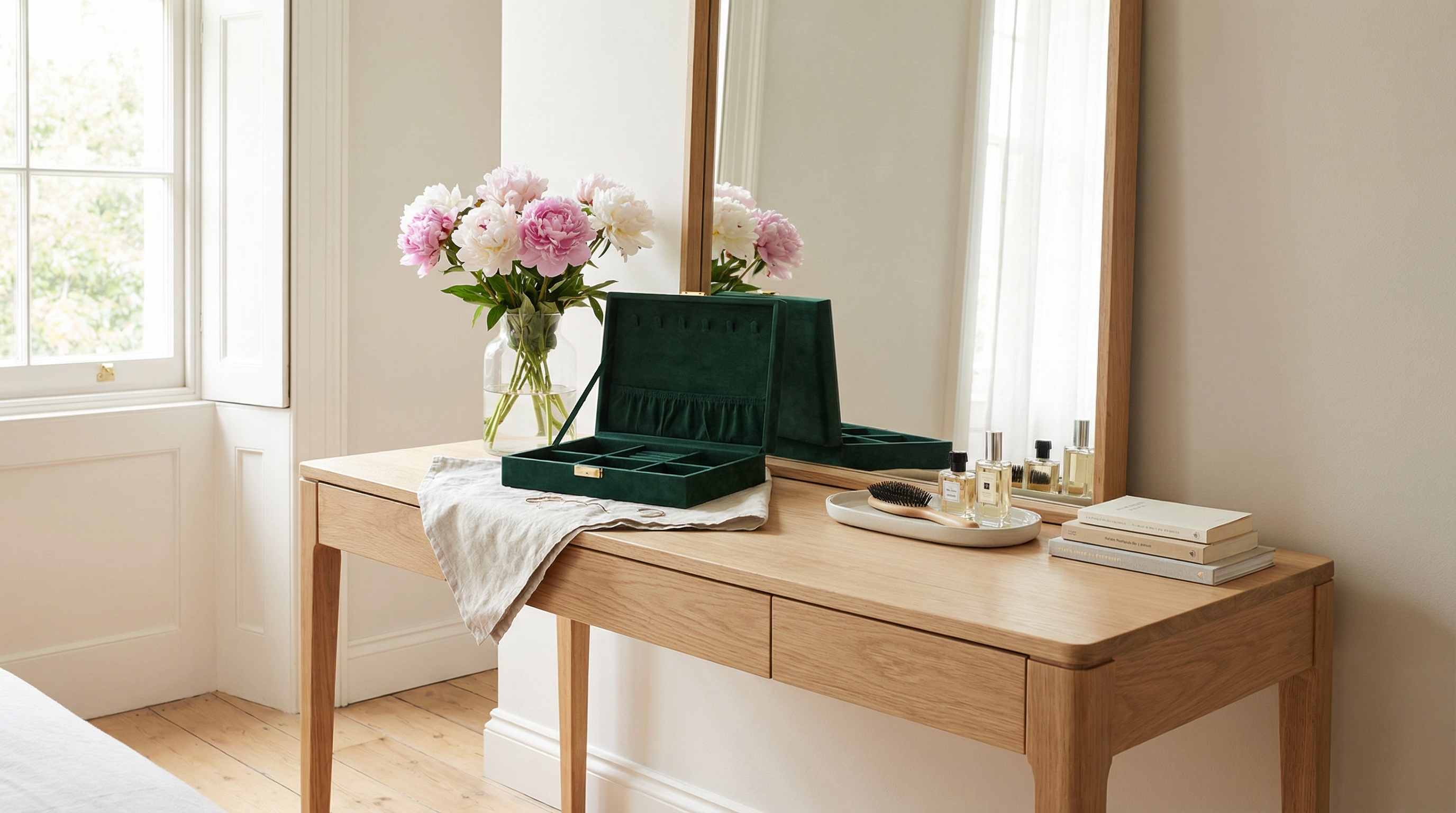
To speed up the drying process safely, you should place the open box near a gentle air source like a ceiling fan or an open window. Avoid using high heat or direct sunlight, as these can cause the fabric dyes to fade or the internal glue to melt and seep through the velvet. If you want to know how to clean felt jewelry box interiors efficiently, focusing on evaporation over heat is the key.
Air Drying Timeframes
Most velvet boxes require a full day to reach a completely dry state, especially if you have treated deep stains with foam. You can test for hidden dampness by pressing a dry tissue into the corners; if it comes away even slightly cool or damp, it needs more time.
- Use a fan to circulate air over the open box.
- Keep the box in a room with low humidity.
- Don’t rush the process by closing the lid early.
Avoiding Direct Sunlight
While a bright room is good for drying, placing the box directly on a sun-drenched windowsill can be problematic. UV rays are powerful enough to bleach rich velvet colors like emerald green or navy blue in just a few hours. Here’s the kicker: once velvet fades from sun damage, the color cannot be restored through cleaning.
Key Takeaway
Safe drying techniques preserve both the structural glue of the box and the vibrant color of the luxury velvet lining.
| Do | Don’t | Why? | |
|---|---|---|---|
| Use a Fan | Use a Hair Dryer | Heat melts glue | |
| Air Dry | Sun Dry | UV fades colors | |
| Test with Tissue | Assume it’s dry | Prevents mold |
Allowing the box to dry naturally ensures that no chemical or heat damage occurs to the delicate materials.
How to clean felt jewelry box parts after organizing?
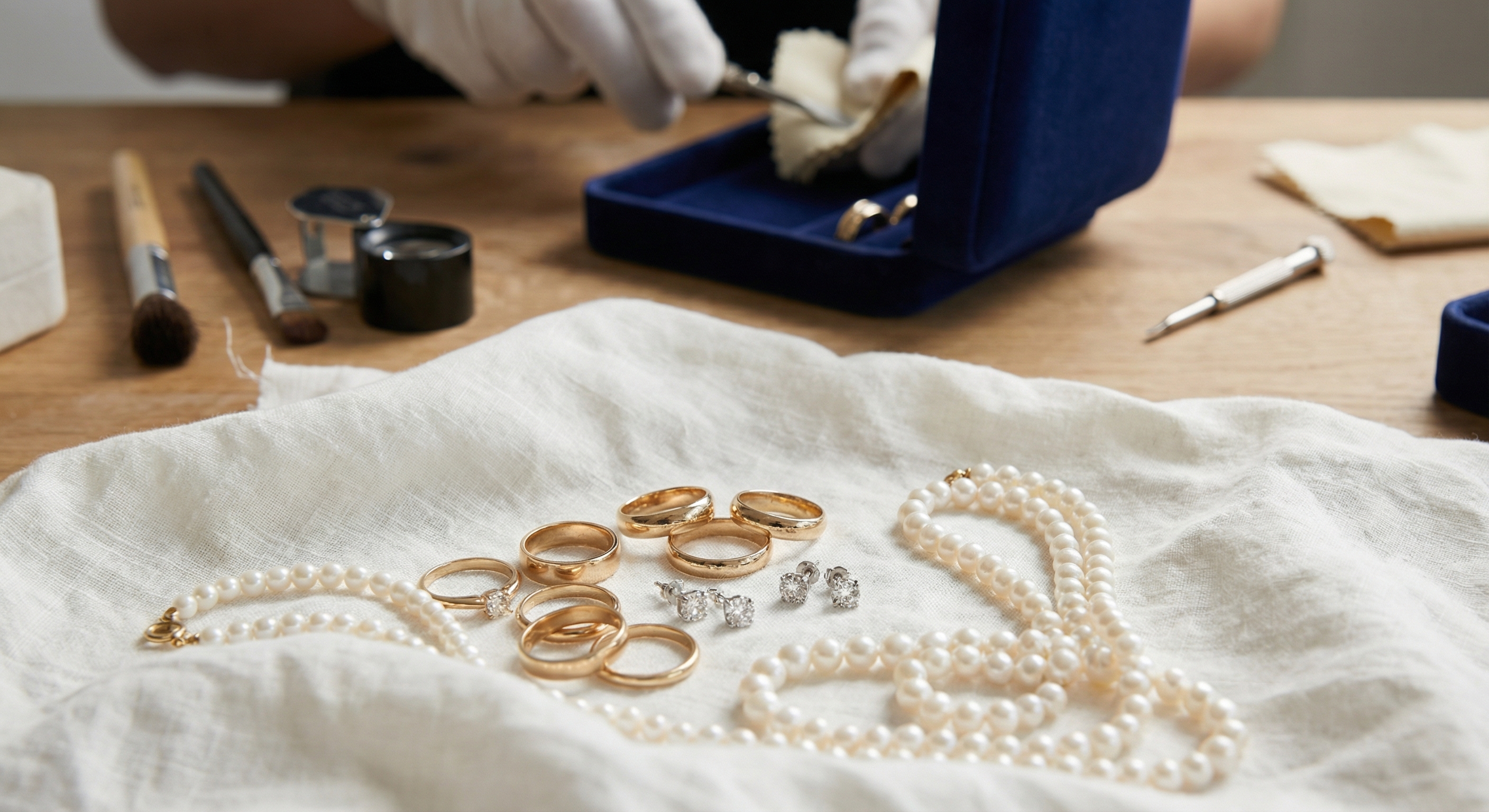
The best time to perform a deep clean is when you are already organizing your collection, as it requires a completely empty workspace. By removing all jewelry, you can reach every corner and ensure that no cleaning solution accidentally touches your sensitive pearls or gemstones. Learning how to clean felt jewelry box components during an organizational overhaul makes the entire process more streamlined.
Emptying the Box First
Removing every item allows you to inspect the structural integrity of the box and identify specific areas that need the most attention. It also provides an opportunity to perform a quick inventory of your pieces and check for any that might need professional repair.
- Lay jewelry on a soft, clean cloth.
- Group items by type to make restocking easier.
- Take photos of your collection for insurance.
Categorizing Your Pieces
While your box is drying, you can take the time to clean the jewelry itself using appropriate methods for each metal and stone. Matching a freshly cleaned jewelry box with polished, sparkling jewelry provides the ultimate luxury experience. But wait, there’s more: organizing your pieces by frequency of use ensures that you don’t disturb the clean velvet more than necessary.
Key Takeaway
A systematic approach to emptying and organizing ensures a more thorough clean and a more functional jewelry storage system.
| Task | Benefit | Time | |
|---|---|---|---|
| Full Empty | Better access | 5 Mins | |
| Piece Inspection | Catch damage early | 10 Mins | |
| Categorization | Easier access | 5 Mins |
Restoring the order of your box is the final step in achieving a truly professional jewelry maintenance routine.
Can how to clean felt jewelry box steps restore luxury?
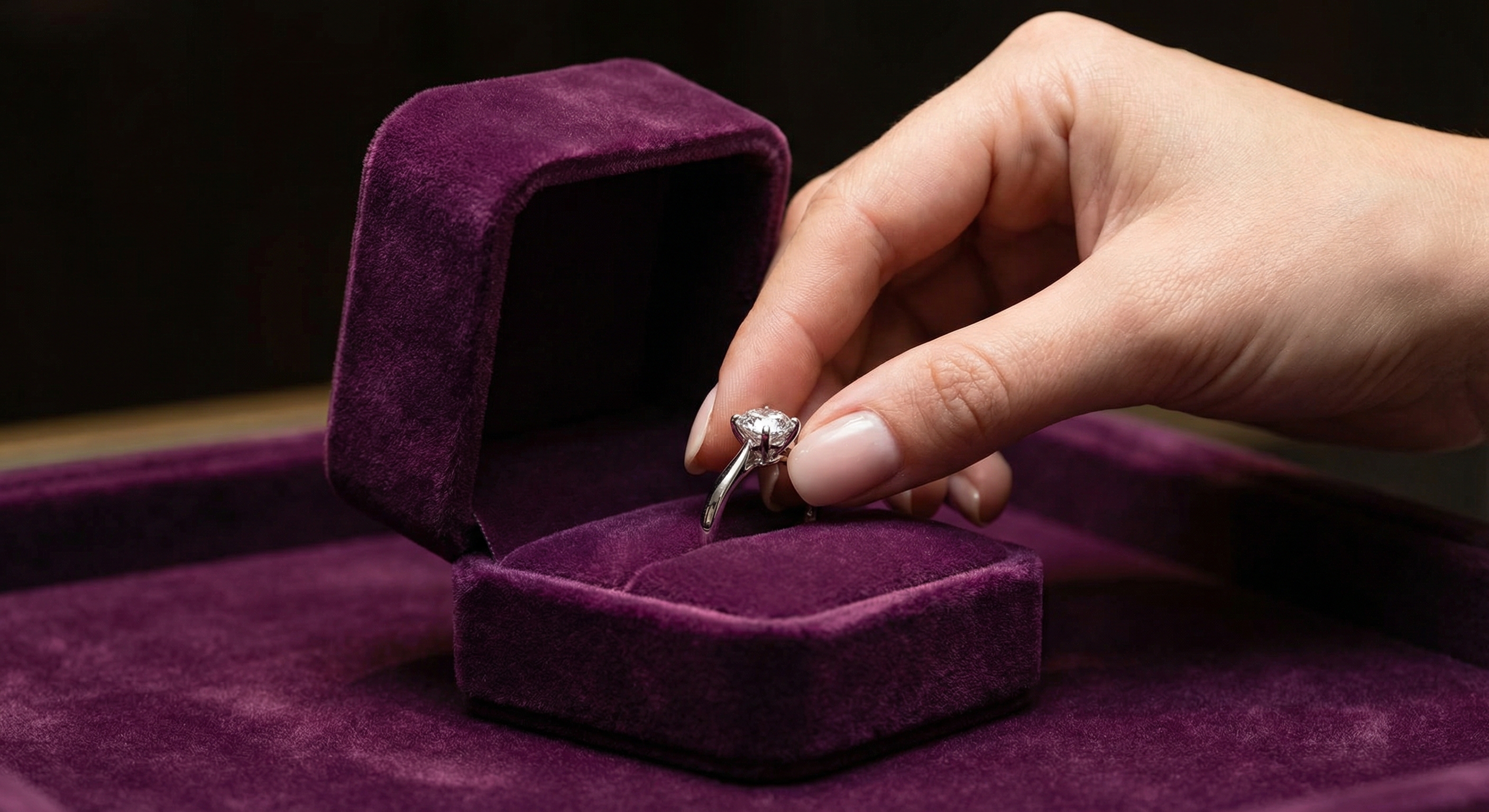
Yes, following these steps can breathe new life into an old box, restoring the rich texture and vibrant appearance of the velvet. However, there are limits; if the velvet is physically thinning or the internal structure is crushed, cleaning may not be enough. Understanding how to clean felt jewelry box linings helps you decide when a piece can be saved and when it’s time for an upgrade.
Evaluating Fabric Wear
Look closely at the “pile” of the velvet after it has been cleaned and dried to see if it stands back up properly. If the fabric feels crunchy or looks matted despite your best efforts, the fibers may have reached the end of their lifespan.
- Check for permanent stains that won’t lift.
- Look for “balding” spots where the velvet has rubbed away.
- Assess if the box still closes securely.
When to Upgrade Your Box
Sometimes, the best way to protect your jewelry is to transition into a new, high-quality storage solution that offers better protection. Modern boxes often feature improved anti-tarnish linings and more durable hinges that cleaning simply cannot replace. Here’s the kicker: a brand-new box provides a fresh start and the perfect motivation to keep your collection pristine.
Key Takeaway
Proper cleaning extends the beauty of your box, but knowing when to invest in a new one ensures your jewelry always stays safe.
| Condition | Action | Result | |
|---|---|---|---|
| Surface Dirt | Clean with roller | Like new | |
| Minor Stains | Use soap foam | Restored | |
| Fraying/Warping | Replace box | Better protection |
Whether you are restoring a vintage treasure or maintaining a new one, these steps ensure your jewelry is always stored in style.
Maintaining a clean environment for your jewelry is the hallmark of a true connoisseur. By following these steps, you ensure that your storage solutions reflect the same quality as the treasures they hold. This guide has solved the problems of dust accumulation, stubborn staining, and safe moisture management for your velvet containers. At YiXin Packaging, we believe that the vessel should be as extraordinary as the gift inside. If your current storage has seen better days, contact us today to explore our premium range of durable, luxury designs. Our brand stands for quality, craftsmanship, and the absolute protection of your most cherished memories.
FAQ
Can I use bleach on a stained felt jewelry box?No. Never use bleach; it will dissolve the delicate fibers and completely ruin the dye and structural integrity of the fabric.
What’s the best way to remove odors from velvet?Directly mist with a 50/50 solution of water and white vinegar, then let it air dry completely in a well-ventilated area.
Can I put my jewelry box in the washing machine?Absolutely not. The excessive water will destroy the internal cardboard or wooden structure and cause the box to fall apart.
How often should I perform a surface clean?A quick pass. Using a lint roller once a month is ideal for active collectors to prevent dust from settling deep into the fibers.
Is there a difference between cleaning velvet and felt?Yes. Velvet has a directional “nap” that requires much gentler brushing in a single direction compared to compressed, non-directional felt.