
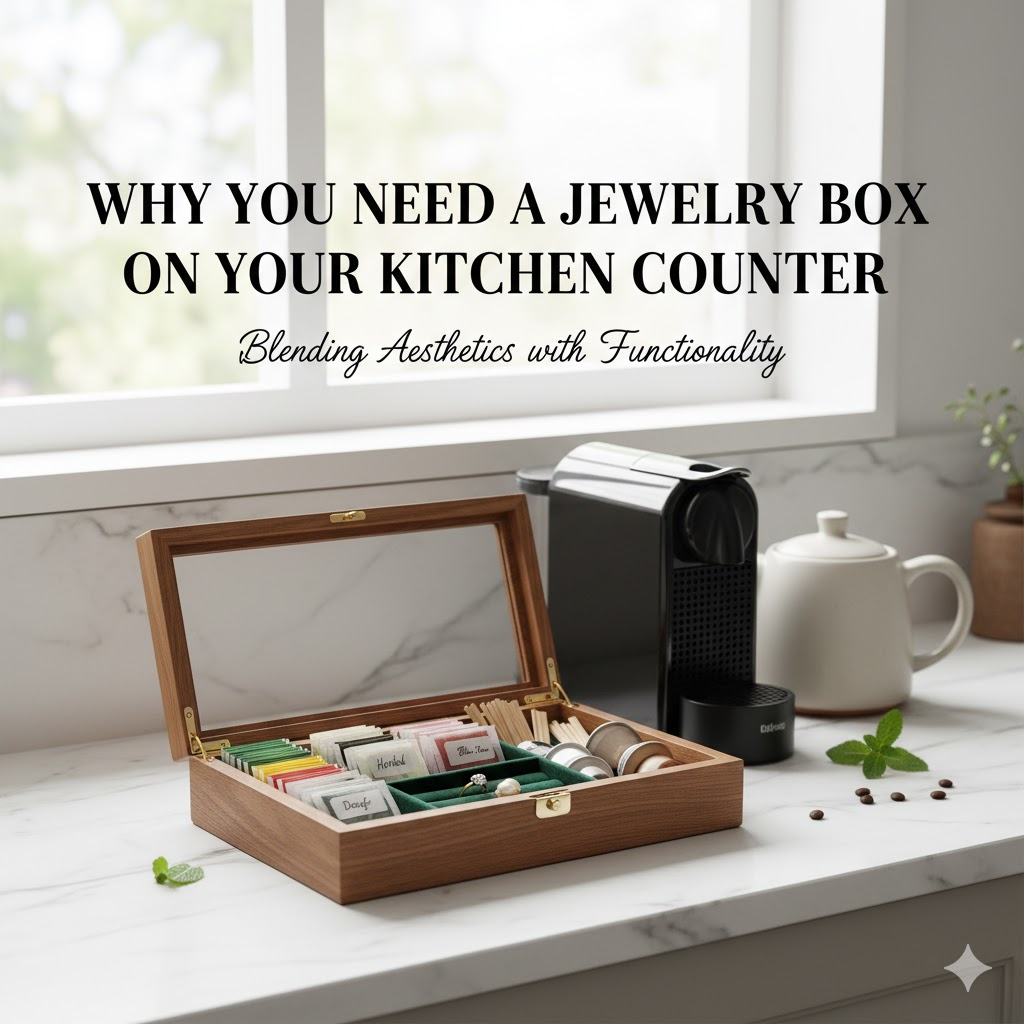
In the world of high-end home organization and interior design efficiency, trends often emerge from the most unexpected cross-pollinations of utility and aesthetics. The concept we are analyzing today—placing a jewelry box on the kitchen counter—is not merely a whimsical decor choice; it is a strategic solution to a common logistical problem faced in residential and even boutique hospitality environments. The modern kitchen is the hub of activity, a space that demands functionality yet often suffers from the visual noise of clutter. Whether it is stray tea bags, vitamin blisters, or the perpetual risk of losing expensive jewelry while washing dishes, the countertop is a battlefield of small, loose items. This article serves as a comprehensive guide to implementing this sophisticated organizational hack. We will explore how repurposing a vessel designed for precious stones can elevate your kitchen’s workflow, protect your assets, and streamline your daily rituals. By the end of this analysis, you will understand why this method is superior to traditional junk drawers and how to execute it with professional flair.
1. Why is placing a jewelry box in the kitchen a brilliant idea?
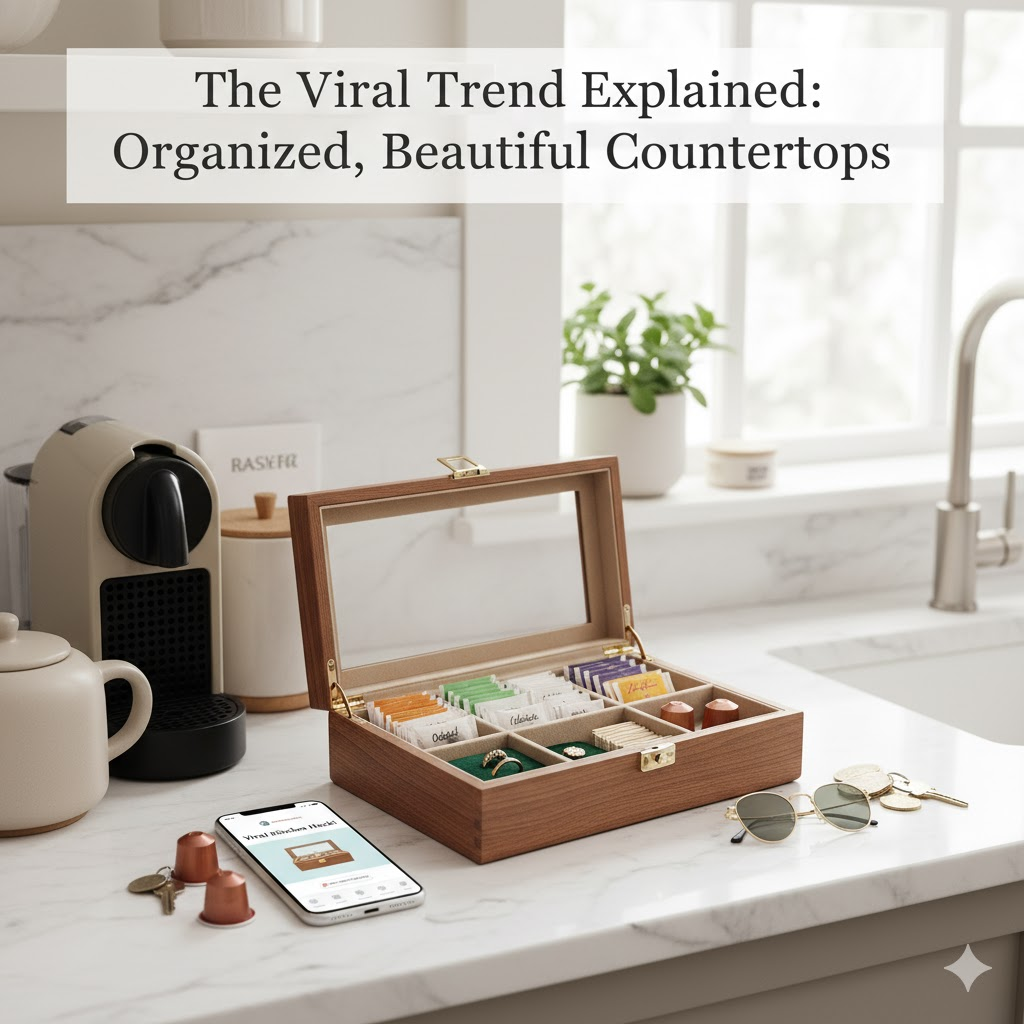
The genesis of the jewelry box on the kitchen counter trend lies in the intersection of visual merchandising and functional necessity. For years, professional organizers have struggled with the “drop zone” dilemma—that specific area on a counter where miscellaneous items accumulate. Keys, rings, loose change, and small packets often end up creating a chaotic pile that disrupts the clean lines of a designed space. The brilliance of using a jewelry box lies in its compartmentalization. Unlike a catch-all tray which essentially frames the mess, a jewelry box offers distinct, lidded sections that categorize and conceal. This is a principle borrowed from high-efficiency manufacturing: a place for everything, and everything in its place. Here is the secret to why this works so well: it triggers a psychological shift. When you place a mundane item like a bouillon cube or a Twist Tie into a velvet-lined or polished wood compartment, you are elevating the act of storage. You are treating utility items with the same respect as heirlooms, which in turn encourages maintenance of the organizational system.
Furthermore, the aesthetic value cannot be overstated. Kitchens are dominated by hard surfaces—granite, stainless steel, ceramic. Introducing a jewelry box, often made of warm wood, leather, or fabric-lined glass, softens the architectural rigidity of the room. It adds a layer of texture and history that plastic bins simply cannot achieve. From a B2B perspective, interior designers are increasingly using this tactic to stage homes, proving that functionality does not have to look industrial. The trend also addresses the “homeless item” phenomenon. Small essentials that do not belong in the silverware drawer or the pantry often float aimlessly. A jewelry box provides a permanent residence for these outliers, reducing the cognitive load required to tidy up the kitchen. It is a masterclass in micro-organization.
2. How can a jewelry box transform your tea and coffee station?

For the coffee aficionado or the tea connoisseur, the visual noise of commercial packaging is a significant detractor from the luxury experience. Cardboard boxes, crinkly plastic wrappers, and mismatched tins can make a high-end coffee station look like a grocery store aisle. Implementing a jewelry box on the kitchen counter specifically for this purpose allows for a process known as “decanting.” This involves removing products from their original, often unsightly branding and placing them into a uniform, aesthetically pleasing vessel. A multi-tiered jewelry box is exceptionally distinct from a standard tea chest because of its varied compartment sizes. You can store standard tea bags in the larger sections, sugar packets in the medium ones, and even small espresso pods or stirring spoons in the ring rolls or long necklace sections.
But wait, there is more to this strategy than just looks. It creates a hospitality experience within the home. Imagine a guest visiting for a meeting or a social call. Instead of fumbling through a cabinet of crushed boxes, you present a sleek, mahogany jewelry box. You lift the lid to reveal a curated selection of Earl Grey, Chamomile, and Green Tea, all neatly filed and facing forward. It elevates the simple act of offering a drink into a ritual. This setup also aids in inventory management. When items are laid out in a single layer within a jewelry box, you can instantly see when stock is low, preventing the frustration of reaching for a tea bag only to find an empty box. The separation prevents flavor contamination as well; strong mint teas can be kept in a separate drawer from delicate white teas, preserving the integrity of the product.
| Compartment Type | Ideal Kitchen Item | Reason for Suitability |
|---|---|---|
| Ring Rolls | Espresso Pods / Sugar Cubes | Holds items upright and prevents shifting. |
| Necklace Hooks | Not applicable (Remove or ignore) | Usually removed to create flat storage space. |
| Large Square Grid | Tea Bags / Oatmeal Packets | Perfect width for standard foil envelopes. |
| Shallow Drawers | Stirrers / Napkins | Keeps flat items organized and accessible. |
| Deep Bottom Drawer | Honey Sticks / Spoons | Accommodates longer or bulkier utensils. |
3. Why is this the perfect solution for keeping jewelry safe while cooking?
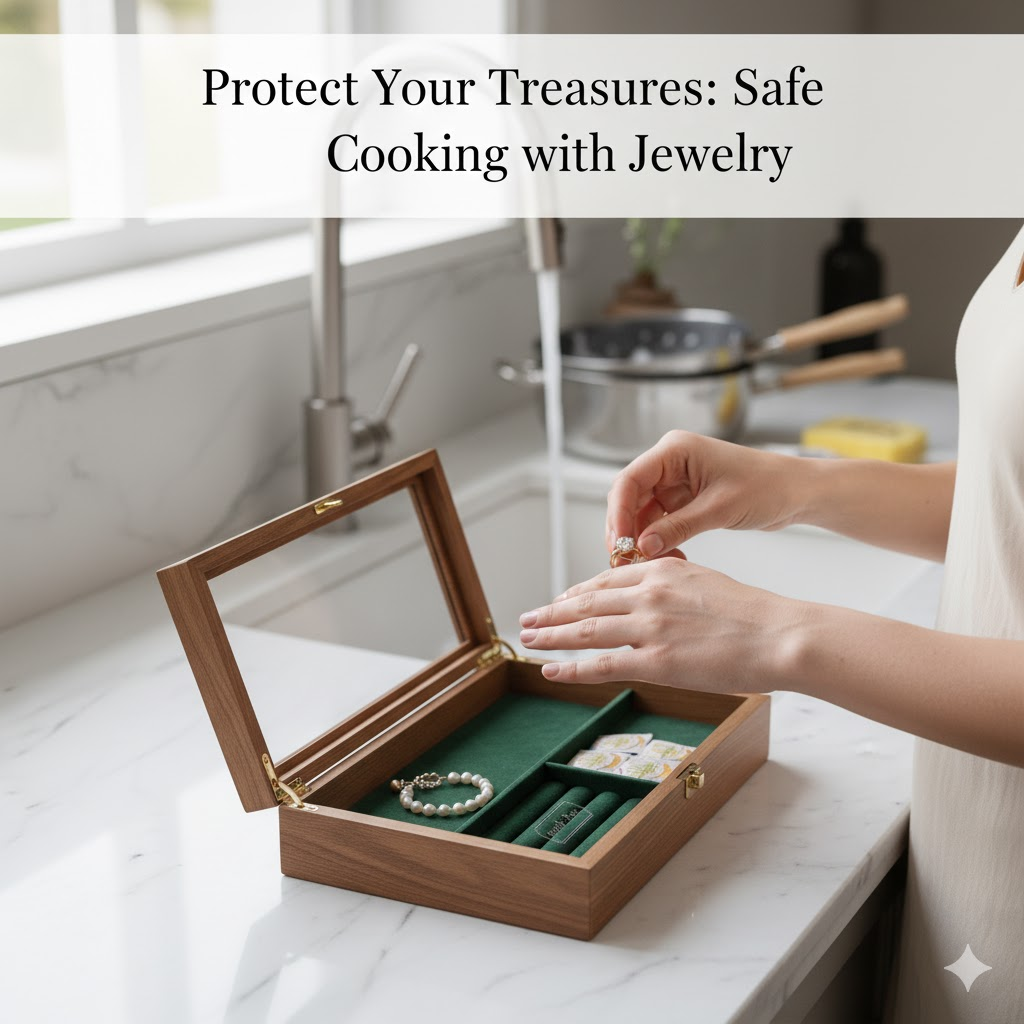
One of the most expensive risks in a household environment occurs at the kitchen sink. Every year, countless engagement rings, luxury watches, and heirloom bracelets are lost down the drain or damaged by harsh chemical detergents. The standard behavior is to place these items on the windowsill or the countertop itself, where they are vulnerable to being knocked over, covered in food splatter, or swept into the garbage disposal during cleanup. Establishing a dedicated jewelry box on the kitchen counter acts as a centralized safety vault. This is not merely about organization; it is about asset protection. By designating a specific “safe spot,” you create a muscle memory habit. Before you touch raw meat or start scrubbing a cast-iron skillet, the jewelry comes off and goes into the box.
You might be thinking, why not just a ring dish? While a dish is better than the bare counter, it is open to the air. Cooking involves grease, steam, flour dust, and acidic lemon sprays. An open dish exposes your precious metals and stones to these airborne contaminants, which can degrade settings and cloud gemstones over time. A lidded jewelry box provides a physical barrier against the kitchen elements. Furthermore, lined compartments prevent scratches. If you toss a diamond ring onto a granite countertop or a ceramic dish, you risk chipping the stone or scratching the band. A velvet or felt-lined box cushions the item, ensuring that it remains in pristine condition while you work. For those who wear multiple pieces daily, a box offers separation so that your watch face does not scratch against your diamond bracelet. It is a professional-grade solution to a domestic hazard.
4. What materials work best for kitchen countertop storage?
Selecting the right material for your jewelry box on the kitchen counter is critical because the kitchen is a hostile environment compared to a bedroom vanity. Fluctuating temperatures, high humidity, and the presence of oils and water mean that delicate materials may deteriorate. Wood is a classic choice that brings warmth and sophistication. Hardwoods like bamboo, acacia, or varnished mahogany are excellent because they are durable and naturally resistant to minor moisture levels. However, vintage wood boxes with peeling veneer should be avoided unless sealed, as they can harbor bacteria or warp near the sink. The tactile nature of wood also hides fingerprints better than other materials, making it a low-maintenance option for high-traffic zones.
Here is the deal regarding modern alternatives: Acrylic and glass are rapidly gaining popularity for this specific application. An acrylic jewelry box offers transparency, allowing you to identify contents—like your tea selection or vitamin stock—without opening the lid. This is particularly useful for inventory checks. Glass boxes with brass trim offer a vintage, Parisian aesthetic that pairs beautifully with marble countertops. However, these materials require more frequent cleaning to remove smudges and steam residue. Ceramic or stoneware lidded boxes are another robust option, often matching existing dinnerware or backsplashes, providing a seamless look. They are easy to wipe down and are impervious to water damage. Conversely, one must be cautious with unsealed metals which might rust or oxidize when exposed to kitchen humidity. Leather-bound boxes, while luxurious, can absorb cooking odors and grease, making them a poor choice unless placed far from the stove.
| Material | Durability in Kitchen | Maintenance Level | Best For |
|---|---|---|---|
| Hardwood (Bamboo/Acacia) | High | Low (Occasional polish) | Tea stations, general storage. |
| Clear Acrylic | High | Medium (Shows dust/prints) | Visual inventory, modern look. |
| Glass & Brass | Medium | High (Needs Windex) | Displaying colorful items, vintage style. |
| Ceramic/Stoneware | Very High | Very Low (Wipe clean) | Near sinks, humid areas. |
| Fabric/Velvet Exterior | Low | Very High (Absorbs odors) | Dry areas only, away from cooking. |
5. What are the best items to store in a kitchen jewelry box beyond tea and rings?
Once you have established the infrastructure of a jewelry box on the kitchen counter, the possibilities for storage expand well beyond the obvious. This container becomes a command center for the “micro-clutter” that every kitchen generates. Consider the “junk drawer” overflow. Items like rubber bands, twist ties, bag clips, and birthday candles are essential but visually unappealing. Sorting these into small jewelry compartments transforms chaos into order. A designated section for batteries ensures you are never hunting for power for your kitchen scale. Another compartment can hold small office supplies like pens, sticky notes, and stamps, facilitating the immediate creation of grocery lists or mailing of bills without leaving the food preparation area.
This is where it gets interesting: creating a wellness station. Many people forget to take their daily vitamins or supplements simply because the bottles are hidden away in a cabinet. By decanting pills into a clean, food-safe jewelry box (or keeping them in their blister packs within the box), you create a visual trigger that integrates health into your morning coffee routine. The box can also serve as a culinary toolkit for specialized, small-volume ingredients. Fancy bouillon cubes, saffron threads in small jars, nutmeg nuts, or bay leaves can be stored in the box, keeping them accessible yet protected from light and air. For households with children, the box can hold small treats or stickers used as rewards. Ideally, the contents should be small, frequently used, and prone to getting lost. This method applies the principle of “mise en place” not just to cooking, but to kitchen management.
6. How do you style a jewelry box to match your kitchen decor?
Integrating a jewelry box on the kitchen counter requires a keen eye for design to ensure it looks intentional rather than misplaced. The goal is to make the box feel like a piece of architectural hardware or a deliberate decor element. First, consider the scale. A massive, floor-standing jewelry armoire is obviously inappropriate. You want a tabletop unit that is proportional to your counter space. If you have limited space, a tall, narrow box with stacking drawers utilizes verticality without sacrificing prep surface. Visually, the box should converse with other elements in the kitchen. If you have matte black cabinet handles, a black lacquer or dark wood box will create a cohesive look. If your kitchen features brass faucets, a glass box with gold trim will tie the room together perfectly.
Picture this: a vignette that tells a story. Don’t just plop the box in the middle of an empty counter. Anchor it by pairing it with other items. Place the jewelry box atop a beautiful wooden cutting board or a marble tray alongside a vase of fresh eucalyptus and a stack of high-end cookbooks. This clustering technique, often used by interior stylists, transforms the box from a solitary storage unit into part of a curated display. For a farmhouse or cottage-core aesthetic, a distressed vintage wooden box adds character and soul. For a sleek, ultra-modern minimalist kitchen, a clear acrylic block with sharp angles preserves the airy feel of the space. Lighting also plays a role; placing the box under under-cabinet lighting can highlight its finish and make the contents sparkle, turning the practical act of grabbing a tea bag into a moment of beauty.
| Style Aesthetic | Recommended Box Style | Pairing Accessories |
|---|---|---|
| Modern Minimalist | Clear Acrylic or White Lacquer | Concrete planter, geometric tray. |
| Farmhouse / Rustic | Distressed Wood or Tin | Vintage linens, ceramic pitcher. |
| Industrial | Metal, Iron, or Dark Leather | Espresso machine, brick backdrop. |
| Traditional / Classic | Cherry or Mahogany Wood | Crystal vase, antique silver spoons. |
| Glamour | Mirrored or Glass with Gold | Candle, perfume bottle (if safe). |
7. Is it sanitary to use a jewelry box near food preparation areas?
When discussing the jewelry box on the kitchen counter, sanitation is a valid and necessary concern for any professional standard. Jewelry boxes are traditionally designed for bedrooms, not for the rigorous hygiene standards of a food preparation zone. If you are repurposing a vintage box, the first step is a deep clean. Old velvet and silk linings can harbor decades of dust, mites, and potentially lead-based particles if the box is a true antique. Let’s be honest, you do not want that near your chamomile tea. For food storage, it is imperative to ensure the materials are food-safe. If the interior is lined with fabric, it is best to use the box only for pre-packaged items like sealed tea bags or sugar packets. Do not place loose herbs or pills directly onto vintage velvet.
To upgrade the sanitation level, consider modifying the box. You can remove old fabric linings and replace them with wipeable materials like adhesive cork, leather, or even food-grade silicone mats. This allows you to wipe down the interior regularly, preventing crumb accumulation and bacterial growth. If the box is made of wood, ensure it is sealed with a food-safe varnish if it will be in close proximity to moisture. Routine maintenance is also key. Unlike a bedroom jewelry box which might be dusted monthly, a kitchen box requires weekly attention. Wipe the exterior to remove grease generated from cooking vapors. Check the interior for moisture, which can lead to mold growth in dark, enclosed spaces. By treating the box with the same hygiene protocols as your spice rack or bread bin, you ensure that this organizational hack remains safe and effective.
8. How can you repurpose vintage jewelry boxes for this trend?
There is a distinct charm in repurposing a vintage item, giving it a second life as a functional piece of kitchen equipment. Sourcing a vintage jewelry box on the kitchen counter adds a layer of narrative and uniqueness that mass-produced organizers lack. Thrift stores, estate sales, and flea markets are treasure troves for these items. Look for solid construction—dovetail joints in wood, heavy glass, or sturdy metal hinges. Often, the exterior might look worn, but with a little restoration, it can become a focal point. It gets better when you realize the customization potential. A slightly scratched wooden box can be sanded down and stained to perfectly match your kitchen cabinets, creating a custom built-in look for a fraction of the cost.
Restoration starts with safety. Test older painted boxes for lead paint before bringing them into a food environment. Once cleared, thoroughly vacuum the interior. If the lining is stained or smells musty, rip it out. You can leave the raw wood (sanded and oiled) for a rustic look or reline it with patterned contact paper that complements your kitchen wallpaper. You can also replace the hardware; swapping out old, tarnished knobs for modern brushed nickel or brass pulls can instantly modernize a vintage piece. This upcycling process not only saves a functional object from the landfill but also provides you with a storage solution that is robust and likely of higher build quality than cheap modern plastic alternatives. It effectively bridges the gap between sustainability and style.
| Restoration Step | Tool/Material Needed | Purpose |
|---|---|---|
| Safety Check | Lead Testing Kit | Ensure no toxic paint is present. |
| Cleaning | Vacuum & Mild Soap | Remove dust, grime, and odors. |
| Surface Prep | Sandpaper (Fine grit) | Smooth scratches, prep for stain. |
| Lining Removal | Pliers / scraper | Remove dirty fabric interiors. |
| Finishing | Mineral Oil / Beeswax | Seal wood and protect from moisture. |
9. Where should you position the box for maximum efficiency?
The placement of your jewelry box on the kitchen counter determines its utility. If it is placed in an inconvenient corner, it will become just another dust collector. The location must be dictated by the function you have assigned to it. If the primary purpose is to store rings and watches while cleaning, the box needs to be within arm’s reach of the sink, but elevated enough to avoid direct splash-back. A small pedestal or placing it on a shelf just above the faucet is ideal. If the box serves as a tea and coffee station, it logically belongs next to the kettle, coffee maker, or espresso machine. This creates a “zone of usage” where all necessary components are clustered, reducing the movement required to make a beverage.
Here is the bottom line: workflow is king. For general “junk drawer” replacement items, the box should be placed in a central location, perhaps on a kitchen island or a desk area if your kitchen has one. This makes it accessible to all family members. However, avoid high-heat zones. Placing a wooden or acrylic box directly next to the stove or oven is a recipe for disaster. Heat can warp wood, melt acrylic, and degrade the quality of tea or spices stored inside. Similarly, avoid direct sunlight which can fade the finish of the box and spoil food items. Strategic positioning transforms the box from a passive object into an active tool that facilitates smoother kitchen operations. It should be visible enough to be enjoyed, but unobtrusive enough to not hinder the primary function of cooking.
10. What are the signs that your kitchen needs this organizational hack?
How do you know if the jewelry box on the kitchen counter solution is right for you? There are clear indicators that your current system is failing. If you find yourself constantly frantically searching for your wedding ring after cooking dinner, you have a critical failure in your asset protection protocol. If your tea cupboard is an avalanche of half-empty, crushed cardboard boxes that tumble out every time you open the door, you have an inventory management problem. These are not just minor annoyances; they are micro-stressors that accumulate over time, degrading your experience of your own home. Ready for the best part? Solving these issues is incredibly simple with this one addition.
Another sign is visual clutter fatigue. If you look at your counters and feel overwhelmed by the visual noise of scattered vitamins, hair ties, and loose change, a jewelry box offers an immediate “calm down” effect. It provides a container for the uncontainable. Furthermore, if you enjoy hosting but feel embarrassed by the state of your coffee supplies, this upgrade is essential. It signals to yourself and your guests that you value order and beauty. Ultimately, if you possess items that are too small for a drawer but too necessary to pack away, the jewelry box is the missing link in your organizational chain. It creates a designated “home” for the homeless items of the kitchen, closing the loop on clutter and bringing a sense of professional polish to the heart of the home.
Conclusion
In conclusion, integrating a jewelry box on the kitchen counter is a masterstroke of organizational strategy that transcends mere trends. It addresses the fundamental need for order in a chaotic space while simultaneously upgrading the aesthetic value of the room. We have explored how this method solves the issue of “homeless” small items, elevates the presentation of tea and coffee, and provides a crucial safety zone for precious jewelry. By selecting the right materials—be it robust wood, sleek acrylic, or sanitary ceramic—and positioning the box strategically within your workflow, you transform a bedroom accessory into a kitchen essential. Whether you are a busy professional needing to streamline your morning routine or a design enthusiast looking to curate a vignette, this solution offers high return on investment for minimal effort. It is time to stop treating kitchen storage as a purely utilitarian afterthought and start embracing solutions that are as beautiful as they are functional.
FAQ Section
Q1: What is the jewelry box on the kitchen counter trend? It is a home organization trend where people use multi-compartment jewelry boxes on their kitchen counters. Instead of storing necklaces, these boxes are typically used to organize tea bags, sugar packets, spices, or to serve as a safe “drop spot” for rings and watches while washing dishes.
Q2: How does using a jewelry box help with kitchen organization? It eliminates visual clutter by removing ugly commercial packaging (like cardboard tea boxes) and consolidating small, loose items (like twist ties or vitamins) into one cohesive, attractive container. It turns storage into decor.
Q3: Is it safe to store food items in a jewelry box? It depends on the material. If the items are pre-packaged (like tea bags or sugar packets), most boxes are fine. If you are storing loose food (like spices), ensure the box is made of food-safe materials like glass, ceramic, or food-grade treated wood, and consider using small glass inserts.
Q4: Can I use a jewelry box with a velvet lining in the kitchen? Yes, but with caution. Velvet creates a luxurious look but traps crumbs and moisture. It is best used for packaged items (tea bags) or strictly for holding jewelry. If used for food items, consider removing the velvet or covering it with a wipeable liner.
Q5: How do I choose the right size box for my counter? Measure your available counter space first. Look for a box with a small footprint but vertical height (stacking drawers) if you are short on space. Ensure it is large enough to hold your intended items (e.g., check that tea bags fit flat) but not so large that it impedes your cooking workspace.