

This guide serves as your expert roadmap to identifying, vetting, and purchasing a high-value antique jewelry box with confidence. Many collectors struggle to distinguish between a mass-produced reproduction and a genuine historical piece. Without knowing the specific markers of age—such as hand-cut dovetails or period-accurate linings—you risk purchasing a piece that lacks historical value. By following these steps, you will learn to protect your precious heirlooms in a vessel worthy of their history.
Why should you buy an antique jewelry box today?
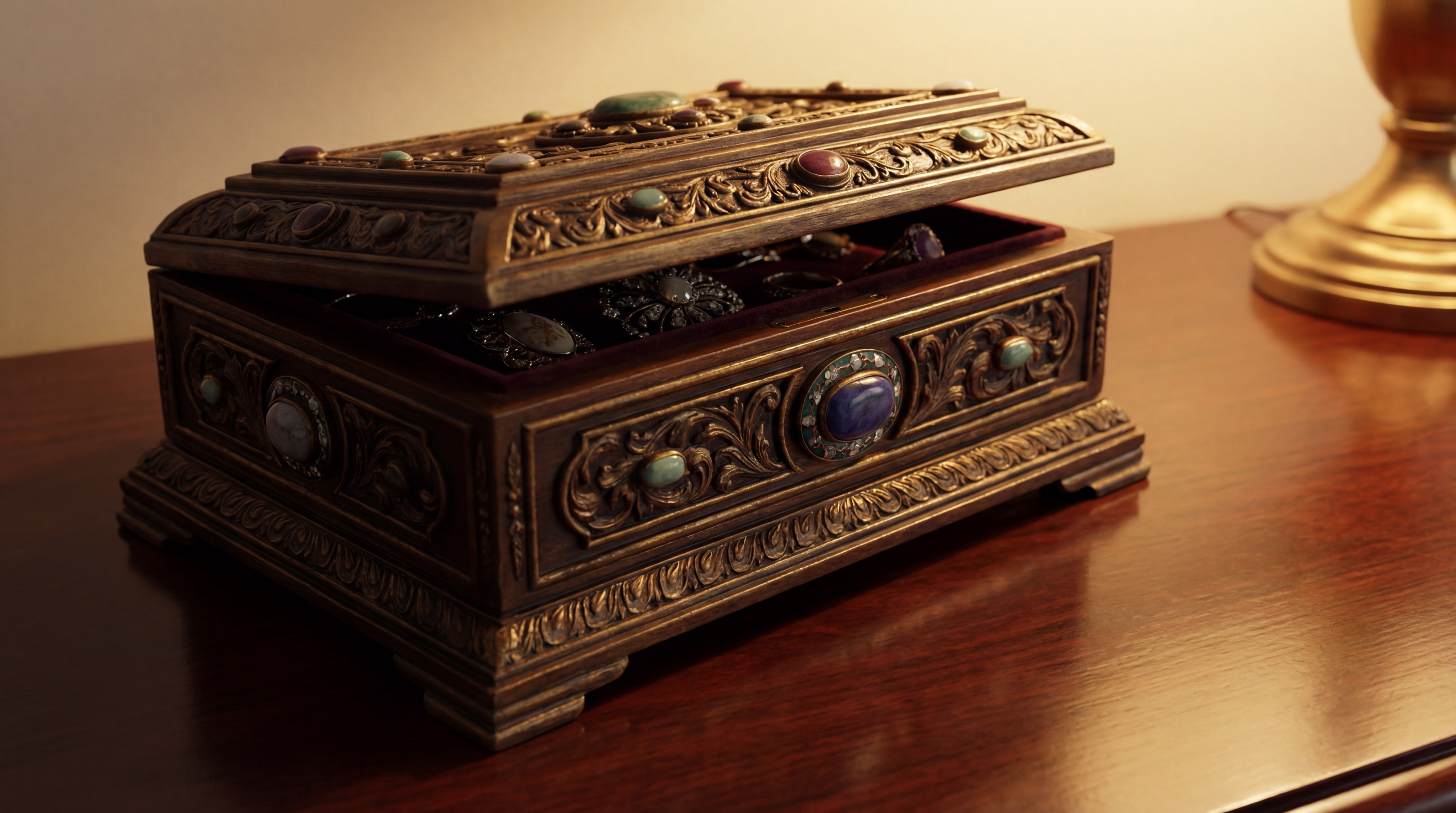
You should invest in an antique jewelry box today because they represent a unique fusion of historical artistry and appreciating financial value. Think about it: Modern boxes rarely match the intricate craftsmanship of a 19th-century artisan. These pieces offer a tangible connection to history through their specific design language and rare materials. Most collectors value the unique patina that only centuries of careful use can provide.
Is it a good investment?
The market for a well-preserved box remains robust due to its scarcity and artistic merit. High-quality pieces often appreciate as they become harder to find in the open market.
| Feature | Investment Value Impact | |
|---|---|---|
| Hand-cut Joinery | High Appreciation | |
| Rare Materials | Very High | |
| Original Hardware | Essential |
The data suggests that craftsmanship and material rarity are the primary drivers of long-term appreciation in the collectors’ market.
Key Takeaway: Buying an antique box is more than a purchase; it is an acquisition of a historical asset that blends utility with artistic investment.
What materials define a real antique jewelry box?
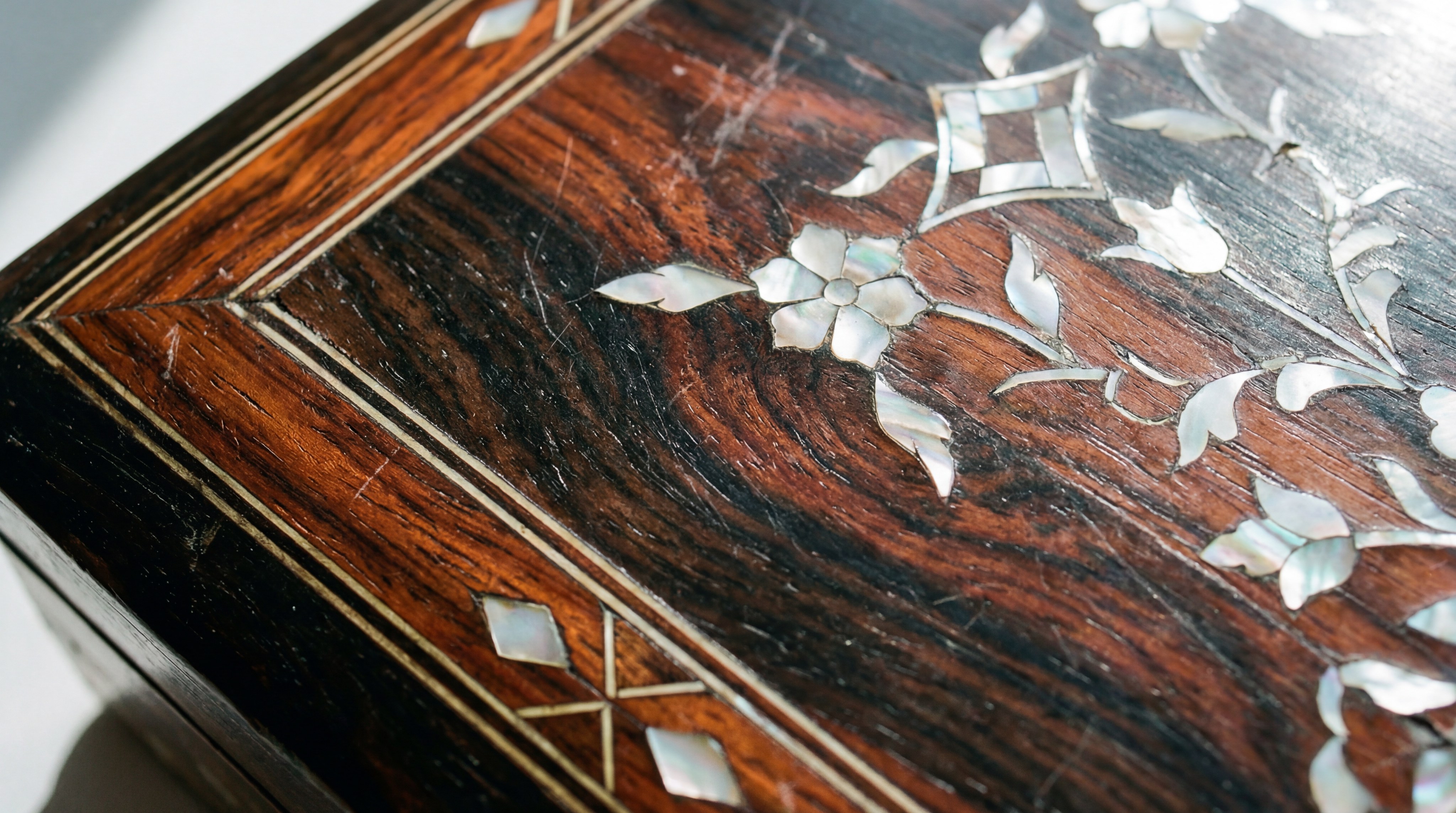
Authentic pieces are typically defined by rare hardwoods like mahogany, organic inlays such as mother of pearl, and heavy metals used in an antique jewelry box . The weight of the box often indicates the density and quality of the wood used by master craftsmen. Look for features like repoussé metalwork or hand-carved motifs that define different historical periods. Inspect surfaces closely for chips or cracks, as repairing organic materials is notoriously difficult.
Identifying rare wood types
Common materials include walnut and oak, which were favored for their durability and rich grain patterns.
- Walnut provides a dark, sophisticated finish.
- Oak offers incredible structural durability.
- Mahogany is prized for its deep reddish-brown hue.
| Material | Era Popularity | Durability | |
|---|---|---|---|
| Mahogany | 18th – 19th Century | High | |
| Mother of Pearl | Late 1800s – 1920s | Delicate | |
| Brass | Victorian Era | Very High |
Selecting the right material ensures the box can withstand the test of time while maintaining its aesthetic appeal.
Key Takeaway: Understanding material science is the first step in verifying the age and geographic origin of your chosen piece.
How do you identify an antique jewelry box era?
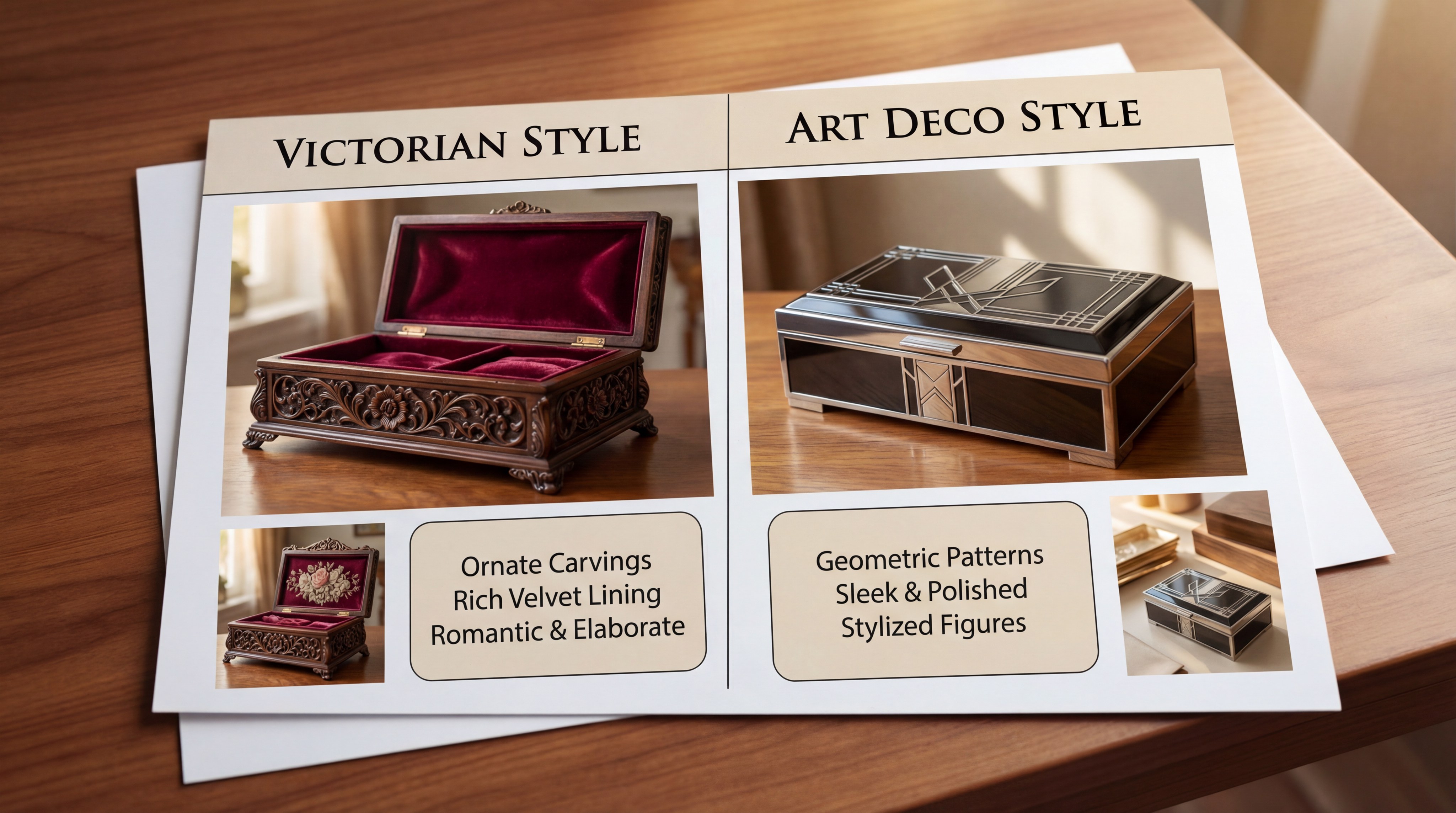
Identifying the era requires looking for specific design signatures like Victorian florals or Art Deco geometry found on an antique jewelry box. Victorian boxes often feature heavy ornamentation, velvet linings, and romantic carvings. Here is the kicker: many of these boxes contain hidden drawers meant for storing private correspondence. Art Deco designs prioritize symmetry and often use modern-for-the-time materials like sleek chrome or early plastics.
Recognizing Art Deco designs
Look for geometric shapes, bold lines, and faceted glass or crystal elements characteristic of the 1920s.
- Check for sunburst patterns.
- Observe the use of bold, contrasting colors.
- Look for streamlined, aerodynamic shapes.
| Era | Key Design Traits | Common Symbols | |
|---|---|---|---|
| Victorian | Ornate, Gothic | Florals, Initials | |
| Art Deco | Geometric, Sleek | Sunbursts, Lines | |
| Edwardian | Light, Elegant | Garlands, Ribbons |
Design trends serve as a chronological map that helps you pinpoint the exact decade of production.
Key Takeaway: Each historical period has a distinct visual signature that helps narrow down the production date of a genuine piece.
Where can you find a genuine antique jewelry box?
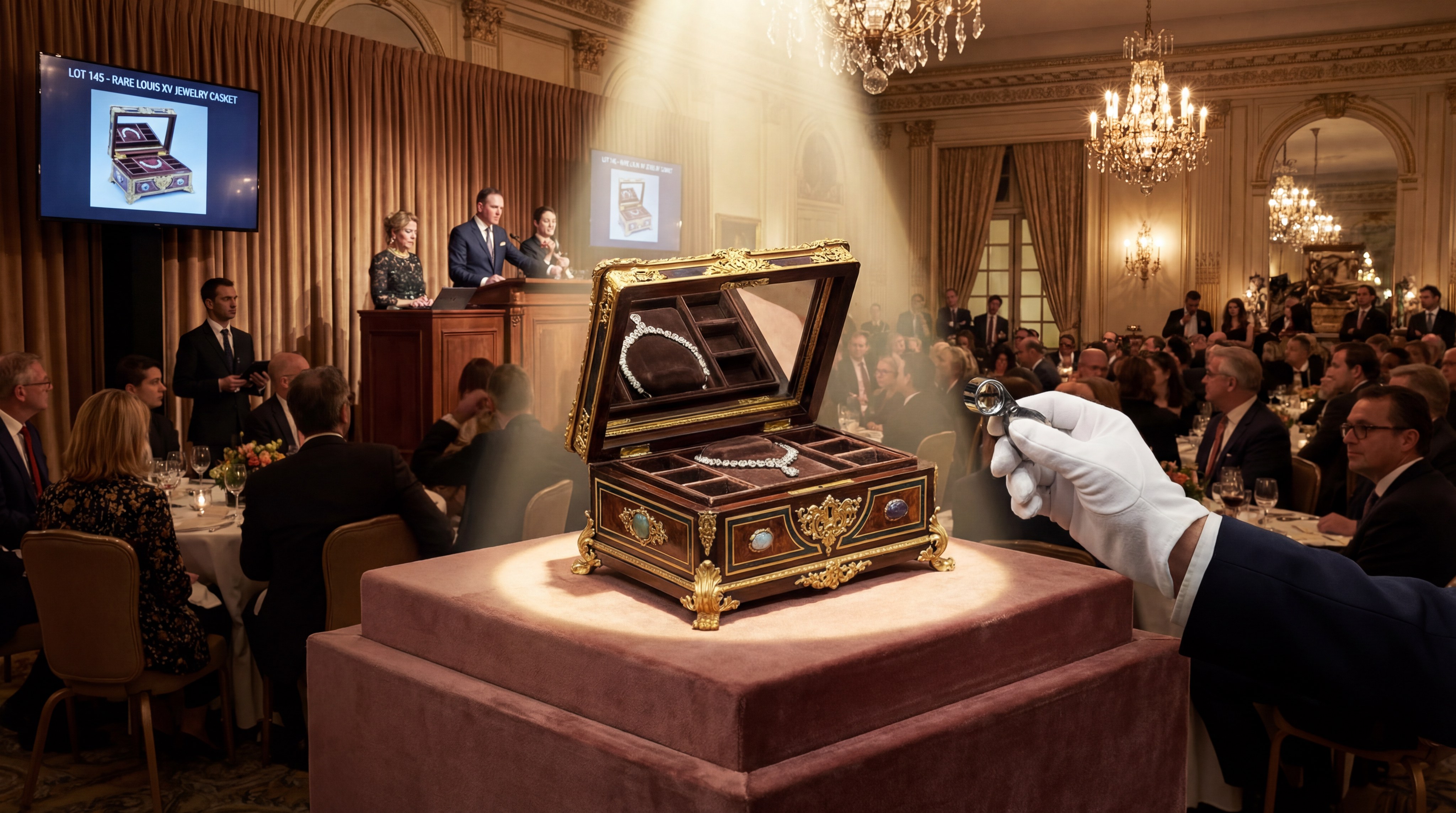
You can find these treasures through specialized auction houses, estate sales, and reputable vintage dealers who specialize in an antique jewelry box . Auctions at reputable houses provide the best chance for high-end provenance, though prices can be competitive. Estate sales are gold mines for finding a piece that hasn’t hit the public market yet. Arrive early and bring a magnifying glass to check for maker’s marks or hidden signatures.
Online marketplaces vs. auctions
While online platforms offer variety, they require a keen eye to avoid deceptive listings or low-quality reproductions.
- Research the seller’s history.
- Request high-resolution photos of the joinery.
- Ask for a certificate of authenticity.
| Channel | Pros | Cons | |
|---|---|---|---|
| Auctions | Verified Authenticity | Higher Fees | |
| Estate Sales | Lower Prices | Limited Selection | |
| Specialty Dealers | Expert Curation | Premium Pricing |
Comparing different sourcing channels allows you to balance the need for authenticity with your specific budget constraints.
Key Takeaway: Diversifying your search locations increases your chances of finding a rare gem at a fair market price.
Is your antique jewelry box truly authentic?
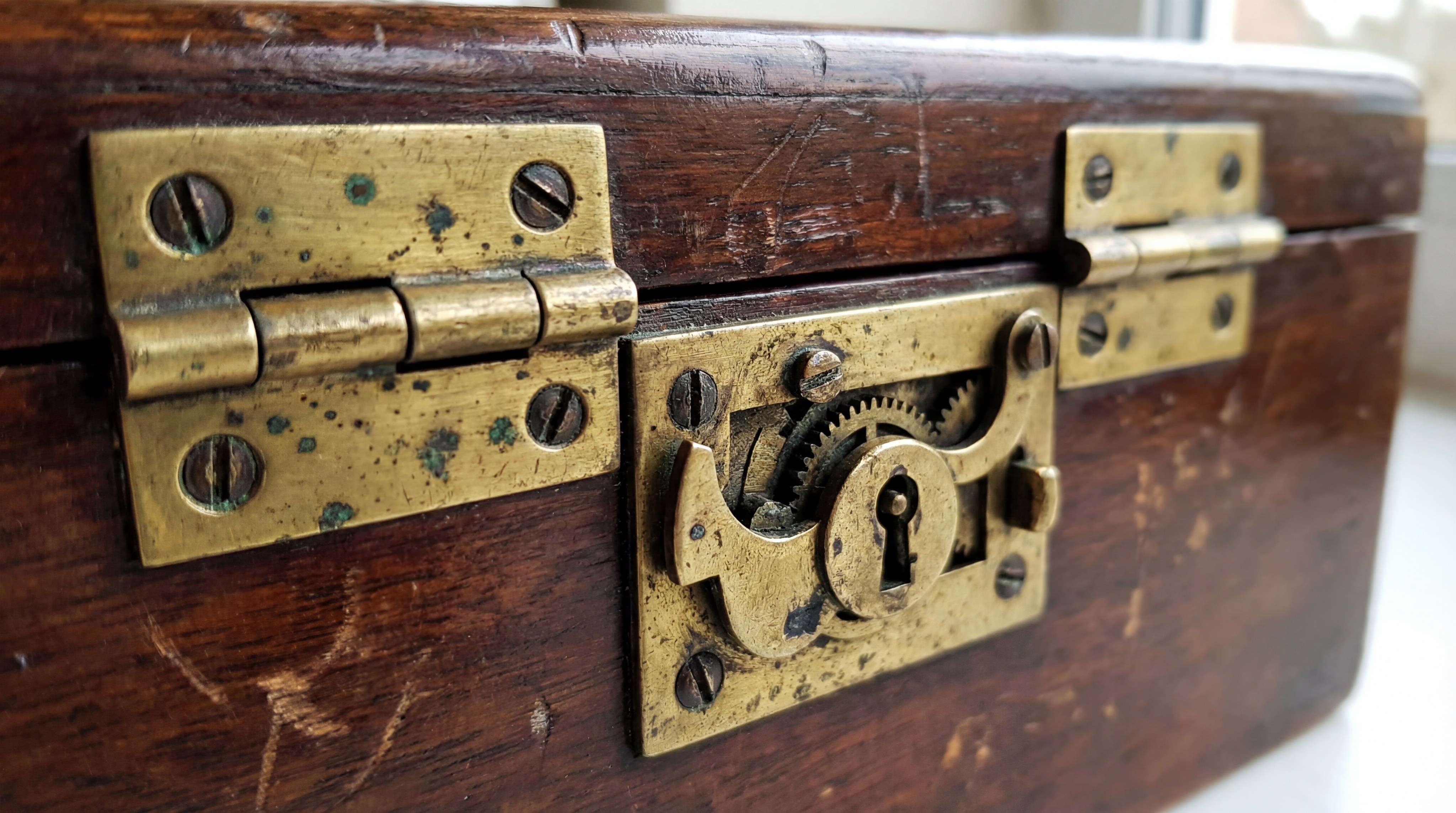
Authenticity is verified by inspecting the hand-cut joinery, aged hardware, and original fabric linings of an antique jewelry box. Authentic older boxes will have hand-filed hinges and screws that aren’t perfectly uniform. But wait, there’s more: the lock mechanism itself can reveal if the box was made before or after the Industrial Revolution. While linings can be replaced, a box with its original silk or velvet is significantly more valuable.
Checking hinges and hardware
Inspect the screws for hand-cut threads rather than the perfectly uniform machine-made threads found in modern reproductions.
- Open the lid slowly to check hinge tension.
- Look for “patina” on the brass components.
- Check for the presence of a maker’s stamp on the lock.
| Component | Authenticity Marker | Modern Red Flag | |
|---|---|---|---|
| Screws | Hand-cut threads | Phillips head screws | |
| Hinges | Heavy brass/iron | Thin stamped metal | |
| Finish | Natural wax/shellac | High-gloss polyurethane |
Mechanical details provide undeniable proof of age that cannot be easily faked by modern manufacturing processes.
Key Takeaway: Authentication lies in the details; never ignore the small mechanical parts of a box when verifying its age.
How do you value an antique jewelry box?
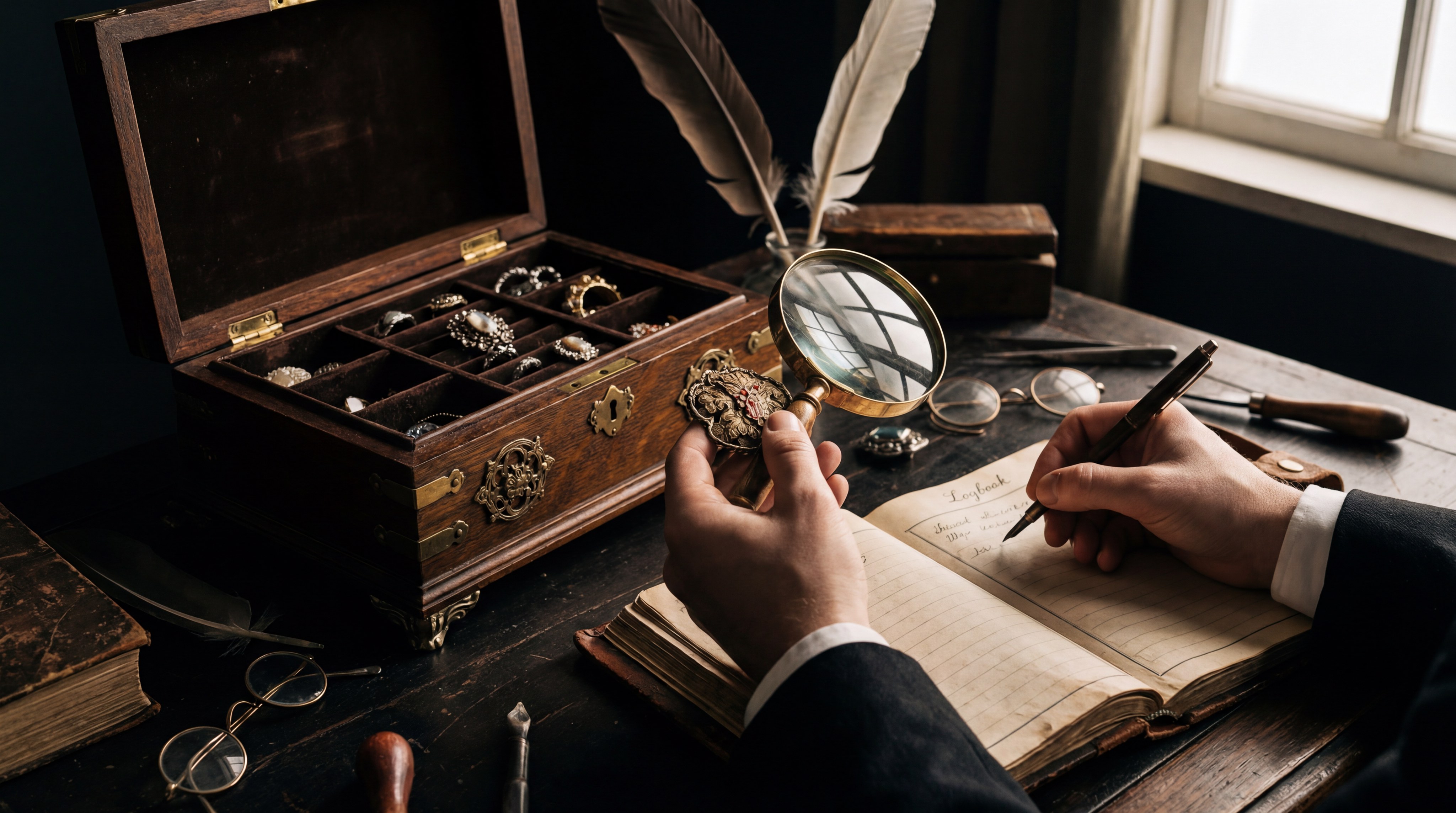
Valuing a piece involves assessing its physical condition, rarity, and the documented provenance associated with an antique jewelry box . Minor wear adds character, but structural damage like warping or missing inlays can slash the value significantly. A documented history of ownership by a notable family or a famous maker increases desirability and price. Always ask for any accompanying paperwork or original purchase receipts if they exist.
Does condition affect price?
Professional collectors always weigh the cost of restoration against the potential increase in market price before purchasing.
- Evaluate the exterior wood finish.
- Check for missing decorative elements.
- Assess the integrity of the internal dividers.
| Valuation Factor | Weight | Impact | |
|---|---|---|---|
| Condition | 40% | Critical for display | |
| Rarity | 30% | Drives auction prices | |
| Provenance | 30% | Adds historical depth |
A comprehensive valuation requires balancing subjective beauty with objective historical data and physical preservation.
Key Takeaway: Price is a reflection of condition, rarity, and the story the piece carries through time.
What hidden features should you look for?
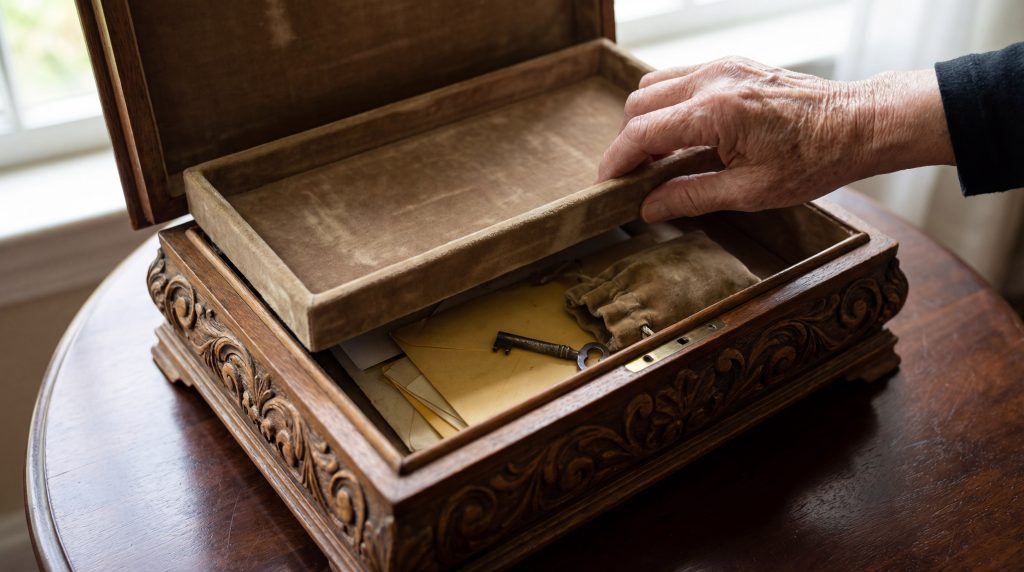
You should search for secret compartments, spring-loaded drawers, and intricate locking mechanisms within an antique jewelry box. Many 18th-century boxes were designed with false bottoms to hide gold coins or sensitive documents. Check the side panels and the base for small springs or sliding mechanisms that might reveal hidden spaces. A working key is a major plus, as these old locks are complex and expensive to repair.
Understanding locking mechanisms
Test the lock gently to ensure the bolt moves smoothly without forcing the mechanism or damaging the key.
- Look for dual keyholes.
- Check for sliding panels.
- Measure the interior depth against the exterior height.
| Feature | Purpose | Detection Tip | |
|---|---|---|---|
| False Bottom | Security | Measure interior depth | |
| Spring Drawer | Quick Access | Press corner panels | |
| Dual Locks | High Value Items | Look for two keyholes |
The presence of secret compartments often distinguishes luxury, custom-made commissions from standard historical production models.
Key Takeaway: Hidden features are not just functional; they are hallmarks of high-end, custom-made craftsmanship.
How to care for your antique jewelry box?
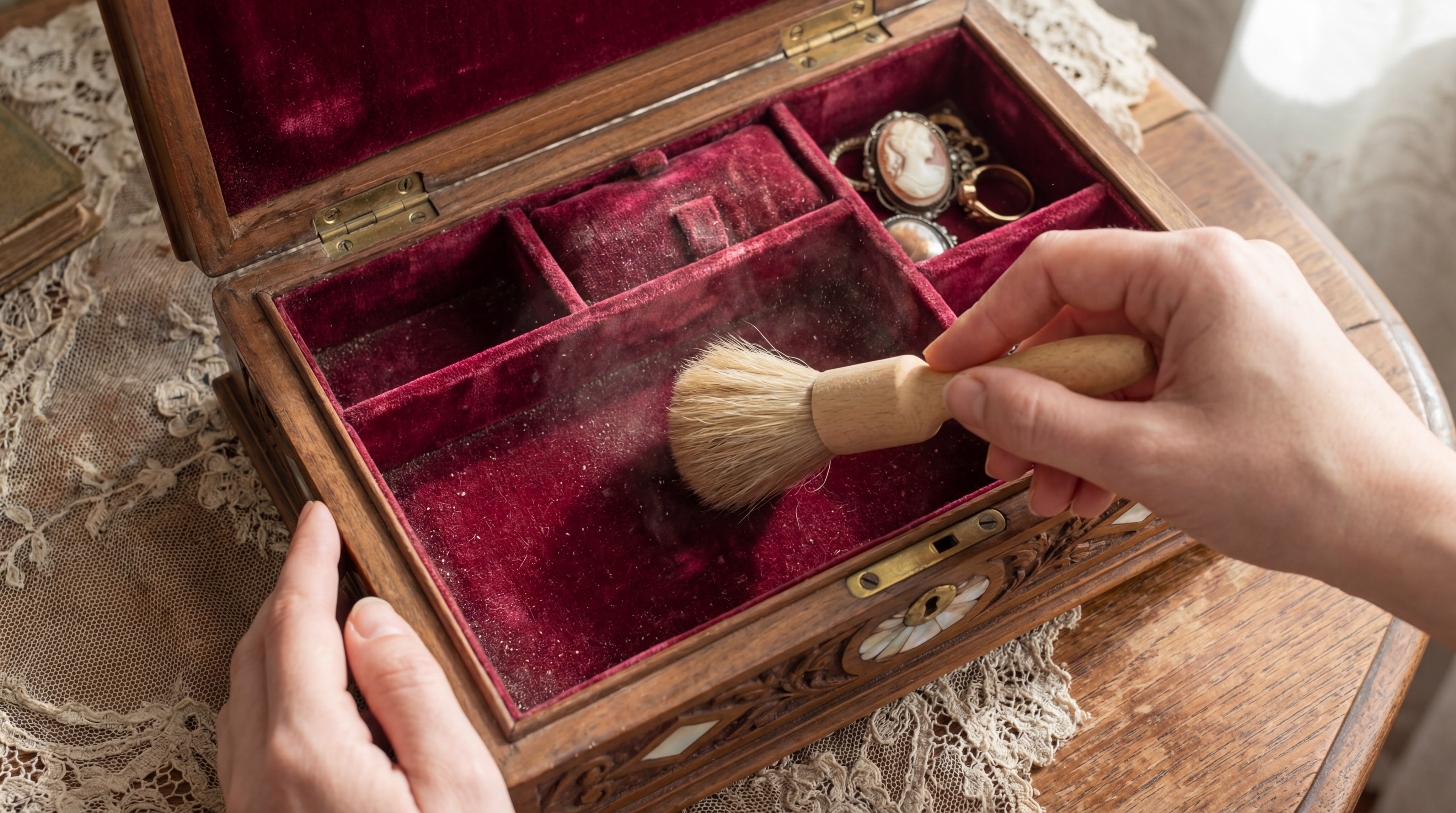
Proper care involves gentle dusting with microfiber and maintaining a stable, low-humidity environment for your antique jewelry box . You might be wondering: How do I clean this without ruining the finish? Use only a soft cloth for dusting and avoid any harsh chemical cleaners on the antique wood. Keep your piece away from direct sunlight and extreme humidity to prevent wood cracking or warping.
Best storage environments
Use silica packets inside the box to manage moisture and protect the delicate fabric lining from mold.
- Avoid placing boxes near radiators.
- Keep out of humid basements.
- Use natural wax for periodic polishing.
| Material | Care Requirement | Avoid | |
|---|---|---|---|
| Wood | Natural wax polish | Silicone sprays | |
| Velvet | Soft brush | Liquid cleaners | |
| Metal | Microfiber wipe | Abrasive polishes |
Consistent and gentle maintenance preserves the structural integrity of the box and prevents the degradation of organic materials.
Key Takeaway: Consistent, gentle maintenance is the key to preserving both the beauty and the resale value of your antique.
What should beginners avoid when buying?
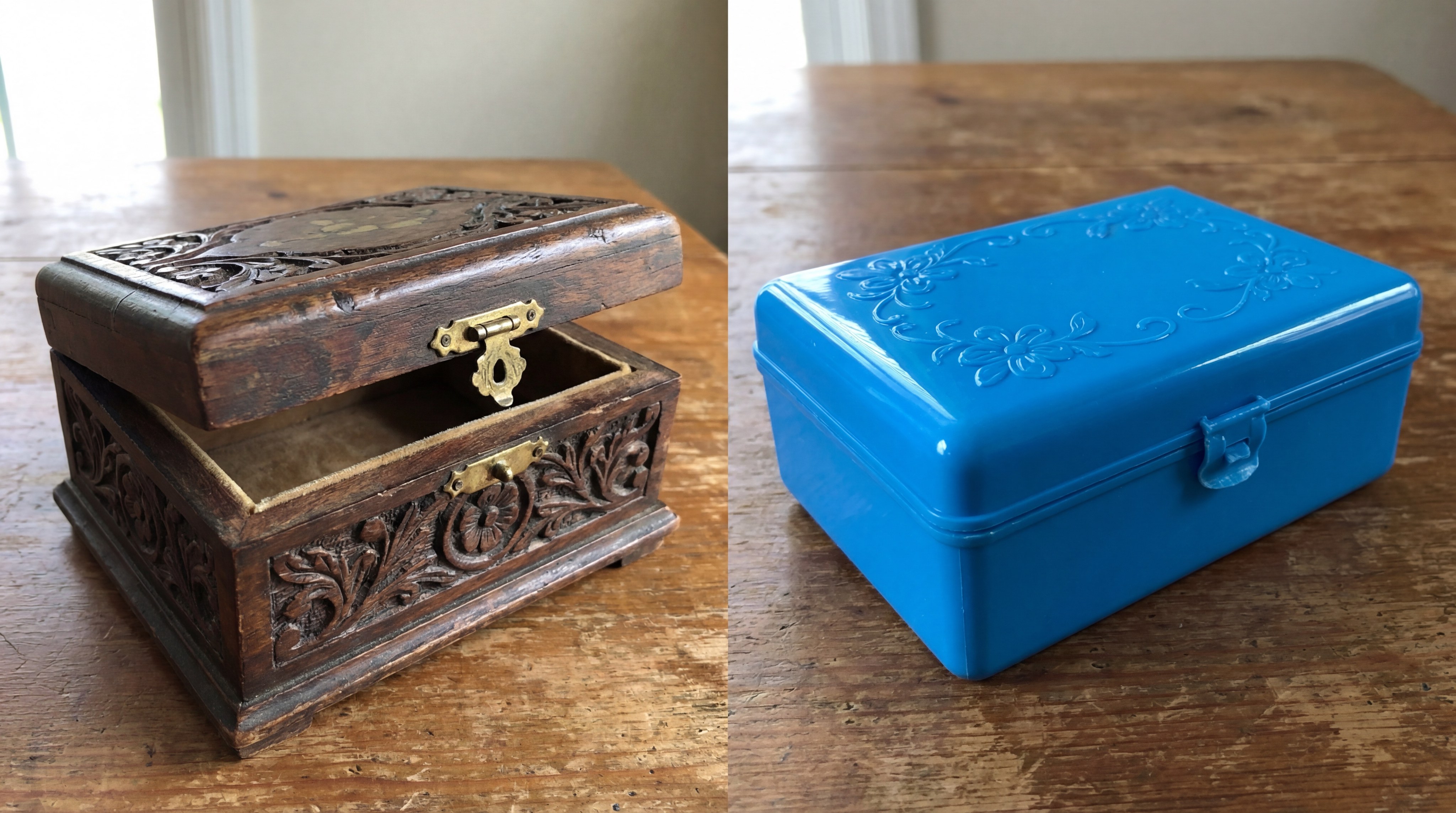
Beginners must avoid “too perfect” modern reproductions and pieces with signs of aggressive over-restoration in an antique jewelry box. Beware of boxes that look brand new or smell strongly of modern industrial stains and glues. If the price doesn’t match the claimed age, it is likely a modern copy. Over-restoring a box by stripping its original finish can destroy up to 80% of its market value.
Common restoration mistakes
Always consult a professional before attempting to repair hinges or replace old fabric yourself to avoid permanent damage.
- Never use sandpaper on the patina.
- Avoid replacing original hardware.
- Do not use modern high-gloss varnishes.
| Mistake | Consequence | Prevention | |
|---|---|---|---|
| Sanding Wood | Loss of Patina | Only use wax | |
| Replacing Silk | Value Drop | Patch if possible | |
| New Hardware | Authentication Failure | Keep original parts |
Avoiding these common pitfalls protects your investment and ensures the historical narrative of the piece remains intact.
Key Takeaway: Patience and education are your best defenses against the common pitfalls of the antique market.
How can you showcase your antique jewelry box?
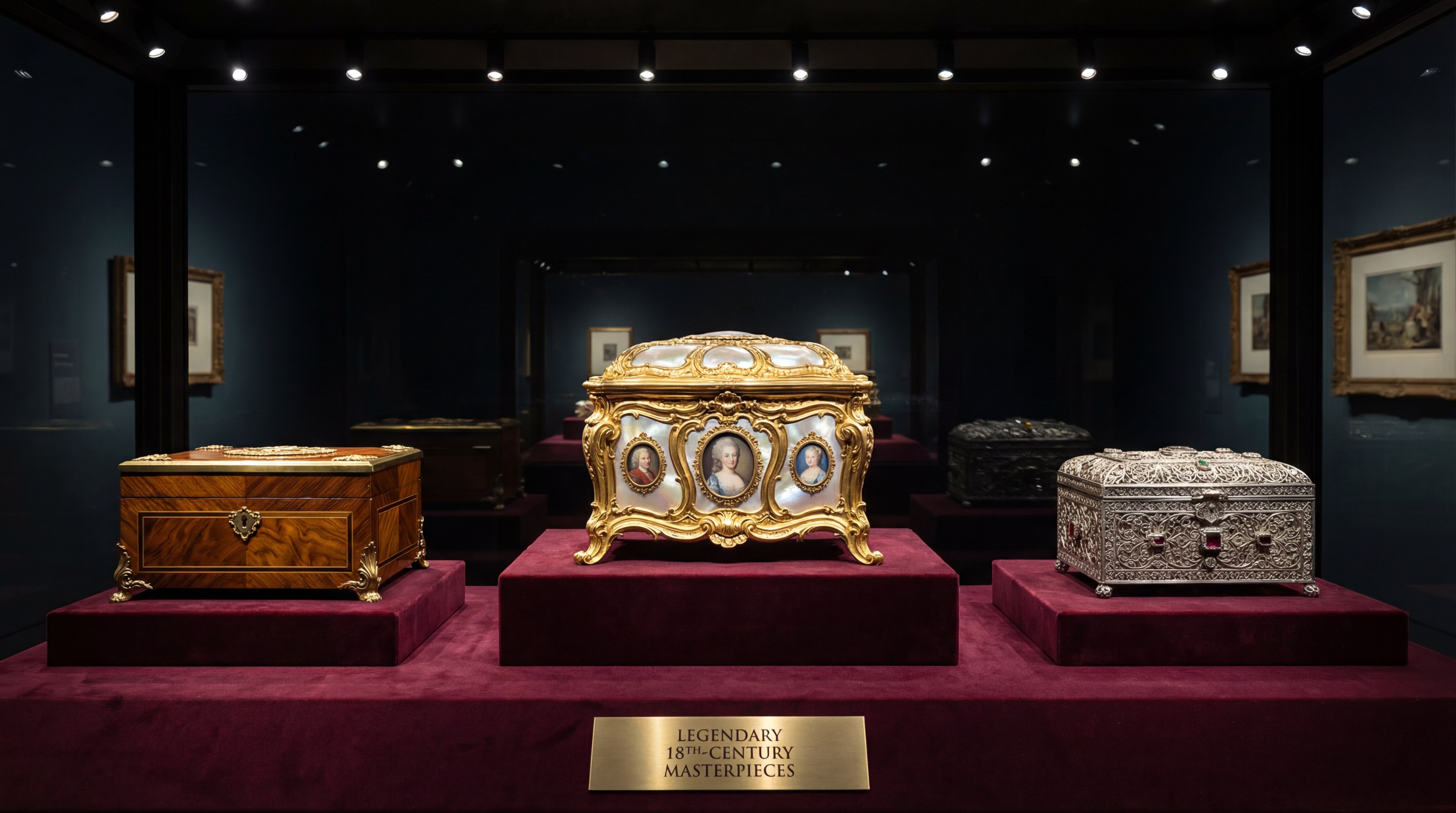
Showcasing your collection requires balancing aesthetic lighting with physical security to highlight the craftsmanship of your antique jewelry box . A single box can serve as a centerpiece, but a collection requires organized presentation and specialized stands. Proper lighting enhances the wood grain and inlays without causing UV damage to the finish over time. Ensure your display area is secure, as these boxes are often as valuable as the jewelry they contain.
Creating an expert display
Think about using glass cases or velvet-lined shelves to create a museum-quality environment for your prized acquisitions.
- Use LED lighting to minimize heat.
- Group boxes by era or material.
- Maintain a dust-free environment.
| Element | Importance | Benefit | |
|---|---|---|---|
| Lighting | High | Highlights detail | |
| Security | Essential | Protects value | |
| Layout | Medium | Visual harmony |
Thoughtful presentation allows you to appreciate the historical and aesthetic value of your collection while ensuring its long-term safety.
Key Takeaway: Presentation is the final step in appreciating the historical and aesthetic value of your acquisition.
FAQs about your antique jewelry box
- Can I use an antique box for daily storage?Yes, but you must ensure the interior is clean and the hinges are stable enough for frequent movement.
- What’s the best way to clean the velvet lining?The best method is to use a very soft brush or low-suction handheld vacuum to remove dust without pulling the fabric.
- How do I know if the hardware is original?Look for inconsistencies in the screw heads and a natural, non-uniform patina that matches the wear on the wood.
- Can I polish the brass parts?You can, but it is often better to leave the original patina as aggressive polishing can decrease the antique value.
- How do I know if the wood is solid or veneer?Examine the corners and edges for thin layers; high-quality antiques often used thick veneers over solid wood frames.
Conclusion: Securing Your Piece of History
Finding the perfect piece requires a blend of historical knowledge, sharp observation, and a bit of luck. By focusing on material integrity, era-specific markers, and proper care, you ensure that your collection remains both beautiful and valuable for generations to come. At our core, we believe that the containers for our most precious items should be as timeless and enduring as the memories they hold. For further assistance or to explore professional packaging solutions, please contact us today .