
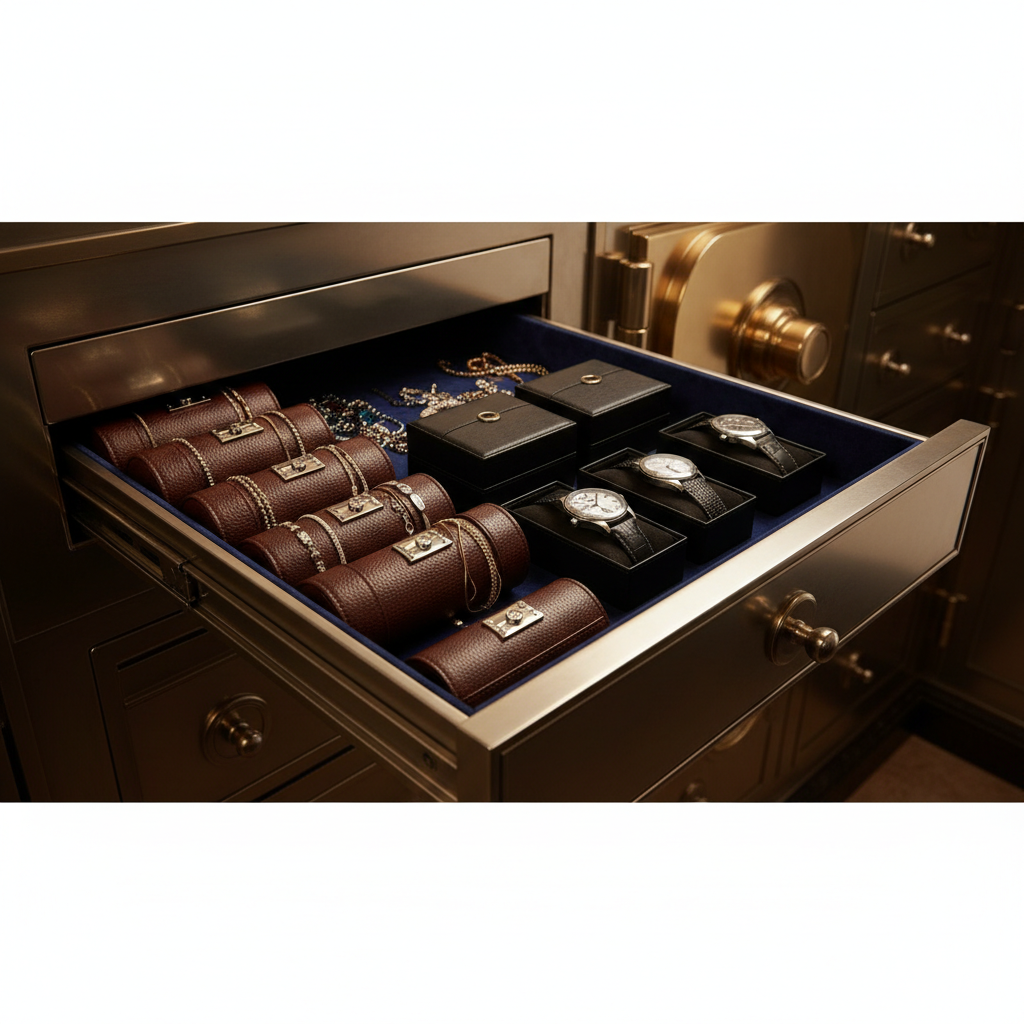
You have just invested in a stunning high-karat gold necklace or a rare gemstone ring, but your home safe feels like a risky compromise for such valuable assets. Unfortunately, many luxury owners discover too late that improper environmental control leads to permanent metal degradation or micro-scratches, which effectively devalues their entire collection. Learning how to store jewelry in safe deposit box units is the definitive solution for protecting your investment from theft and atmospheric damage while maintaining its original showroom luster.
How to store jewelry in safe deposit box for maximum safety?
You maximize security by placing every individual piece within a dedicated soft pouch before nesting them inside a secondary rigid protective outer shell. Mastering how to store jewelry in safe deposit box methods ensures your precious inventory remains pristine during long storage cycles within a professional bank vault. These specialized facilities offer superior climate control, yet you must still organize your assets to prevent metal-on-metal friction during tray handling. Selecting high-quality jewelry boxes from a trusted manufacturer provides the necessary structural defense for your most delicate filigree or thin chains.
Organize your collection by metal hardness
But here’s the kicker… even a bank vault cannot protect your gems from their own hardness if different stones rub against each other. You should categorize your inventory by Mohs scale ratings to ensure that diamonds never come into contact with softer gold or silver surfaces.
- Silk liners provide gentle contact
- Velvet resists external pressure
- Suede offers durable protection
- Drawstring closures keep items contained
Utilize rigid hardshell containers
Wait, there’s more! Placing your soft fabric bags inside a crush-proof box adds a vital layer of protection against accidental drops or pressure. This double-layer strategy ensures that heavy necklaces do not press down on fragile earrings while the bank staff handles your storage tray.
| Container Choice | Security Level | Best Use Case | |
|---|---|---|---|
| Rigid Shell Box | Maximum | Heavy gold watches | |
| Microfiber Pouch | Moderate | Delicate silver chains | |
| Padded Insert | High | Fragile gemstone rings |
Using a multi-layered containment strategy effectively mitigates risks associated with physical handling and long-term storage vibrations within the vault. Key Takeaway: Always utilize soft dividers inside a rigid hardshell case to ensure maximum safety for your vault-stored jewelry.
Why learn how to store jewelry in safe deposit box for assets?
Understanding how to store jewelry in safe deposit box systems preserves the liquidation value of your retail collection or personal heirloom assets indefinitely. Bank security protocols far exceed residential capabilities, so these facilities remain the gold standard for protecting your high-appraisal inventory against unforeseen events. Most business insurance underwriters require specific vault standards to maintain full coverage for rare diamonds or vintage timepieces held in your stock. Business owners who master this organization process reduce their yearly maintenance costs by preventing avoidable repairs caused by poor home storage conditions.
Maximize your insurance policy compliance
What’s the real story? Many insurance companies offer lower premiums when you demonstrate that your most expensive pieces reside in a bank-grade security environment. Documenting your vault organization helps prove due diligence during any potential claim process involving your high-value luxury goods or inventory.
- Reduce monthly premium costs
- Verify policy requirement fulfillment
- Enhance asset protection records
- Simplify yearly audit procedures
Preserve the long-term resale value
This is where it gets interesting… even minor environmental shifts can cause some metals to oxidize or delicate gemstones to become brittle over several years. Learning professional vaulting techniques keeps your inventory in “as-new” condition without requiring constant professional polishing which can thin out delicate gold plating.
| Security Option | Protection Grade | Financial Impact | |
|---|---|---|---|
| Bank Vault | Professional | Positive Premium | |
| Home Safe | Residential | Standard Rate | |
| Display Case | Low | High Risk |
Professional vaulting provides a clear financial advantage for businesses handling rare or historical pieces that require absolute physical and environmental security. Key Takeaway: Bank vaults provide the highest security tier for maintaining the financial value of your luxury jewelry assets.
What materials help how to store jewelry in safe deposit box?
You should only use acid-free materials that inhibit tarnish when deciding how to store jewelry in safe deposit box compartments for long periods. Low-quality plastics often release harmful gases that corrode silver or gold plating, so you must prioritize archival-grade fabrics for your inserts. High-density foam provides stabilization for rings while custom watch rolls support heavy movements during any movement of the bank tray. Expert collectors prioritize materials like treated cotton or non-reactive synthetics for their internal organizational structures to ensure total chemical neutrality. Avoid using rubber bands or common adhesives because these substances contain sulfur which rapidly blackens your silver inventory through chemical reactions.
Select non-reactive fabric liners
Ready for the good part? Using specialized anti-tarnish cloths can neutralize sulfur in the air before it ever reaches your silver or gold pieces. These high-tech materials act as a chemical shield without actually touching the metal itself, so your jewelry remains bright and sale-ready.
- Acid-free paper prevents yellowing
- Anti-corrosive tabs absorb moisture
- Treated cotton inhibits oxidation
- Microfiber cloths remove oils
Utilize custom foam ring inserts
Here’s the deal… movement inside the safe deposit box is a secret enemy of fine jewelry because shifts lead to surface abrasion. Custom-cut foam holds every piece in a static position so nothing slides around when the bank staff carries your tray.
| Material Type | Chemical Safety | Cushioning Power | |
|---|---|---|---|
| Acid-Free Paper | Excellent | Minimal | |
| High-Density Foam | Good | Superior | |
| Treated Velvet | Excellent | Moderate |
Using laboratory-tested materials prevents the chemical damage that frequently occurs when pieces remain in long-term storage environments without proper atmospheric buffers. Key Takeaway: Only use certified acid-free and non-reactive materials to build your internal vault organization system for jewelry.
How to store jewelry in safe deposit box to prevent tarnishing?
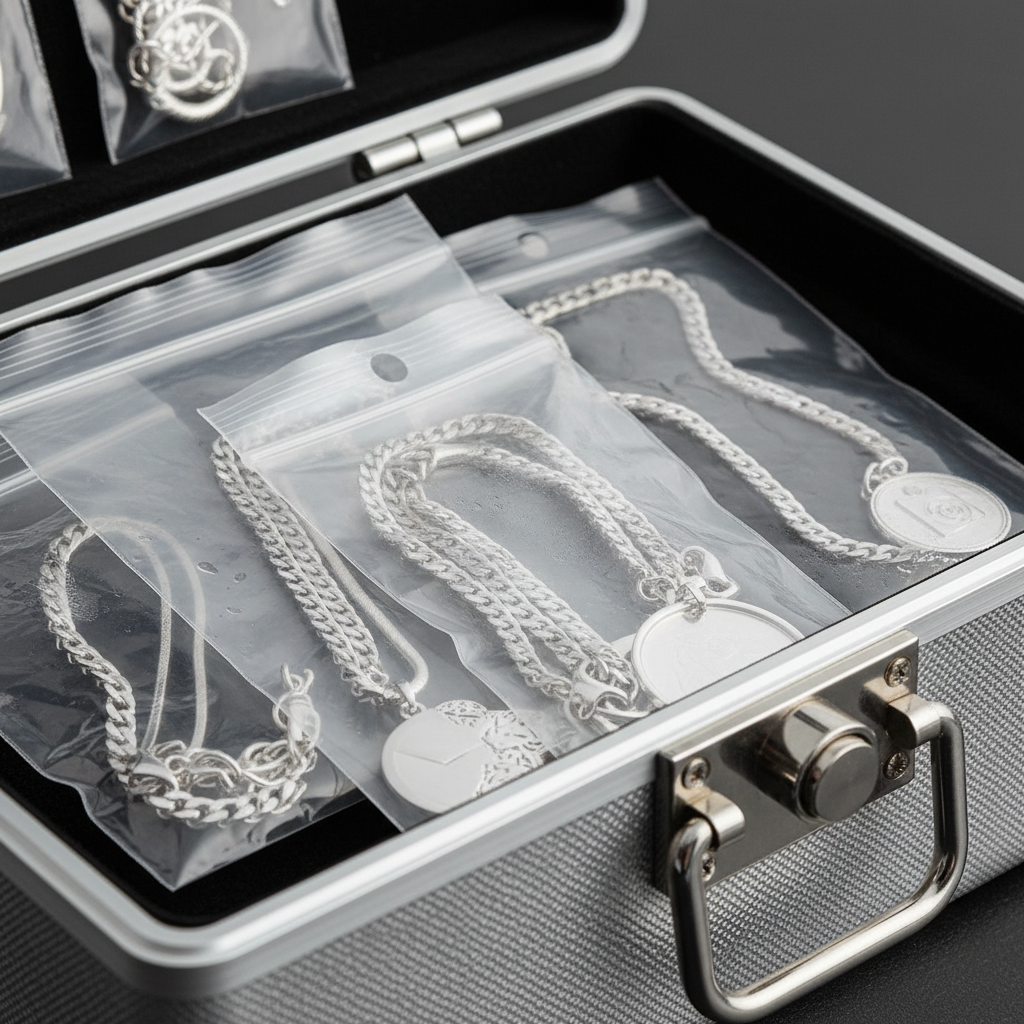
You prevent tarnishing by using vacuum-sealed bags or anti-tarnish strips to stop oxygen from reacting with your sensitive silver or gold alloys. Determining how to store jewelry in safe deposit box units requires you to eliminate moisture, which is the primary catalyst for oxidation in dark environments. Including silica gel packets within your storage containers absorbs any humidity that might seep into the bank vault area over several months. Silver inventory requires the most attention since it reacts quickly with trace amounts of pollutants found in common cardboard or wooden boxes. Wrapping individual pieces in specialized anti-tarnish tissue provides a physical and chemical barrier against the atmosphere for your collection.
Implement airtight sealing techniques
But here’s the kicker… trapping moisture inside a sealed bag can actually speed up corrosion if you do not dry your jewelry first. You must verify that every item is completely free of oils and water before placing it into an airtight plastic environment.
- Use jewelry-grade plastic bags
- Insert one silica packet
- Remove excess air manually
- Check seals every six months
Use chemical tarnish inhibitor strips
You might be wondering… how a simple strip of treated paper can protect a thousand-dollar necklace from the effects of the air. These strips contain microscopic silver particles that attract and neutralize corrosive gases before they ever touch your valuable gold or silver stock.
| Tarnish Factor | Prevention Method | Effectiveness | |
|---|---|---|---|
| High Humidity | Silica Gel Packets | Maximum | |
| Air Exposure | Vacuum Sealing | Moderate | |
| Sulfur Gas | Inhibitor Strips | Maximum |
Combining physical barriers with chemical absorbers creates a fail-safe environment that protects your silver and low-karat gold from developing dark spots. Key Takeaway: Control the internal atmosphere of your containers with inhibitors and desiccant packets to eliminate all tarnish risks.
Which gems need how to store jewelry in safe deposit box care?
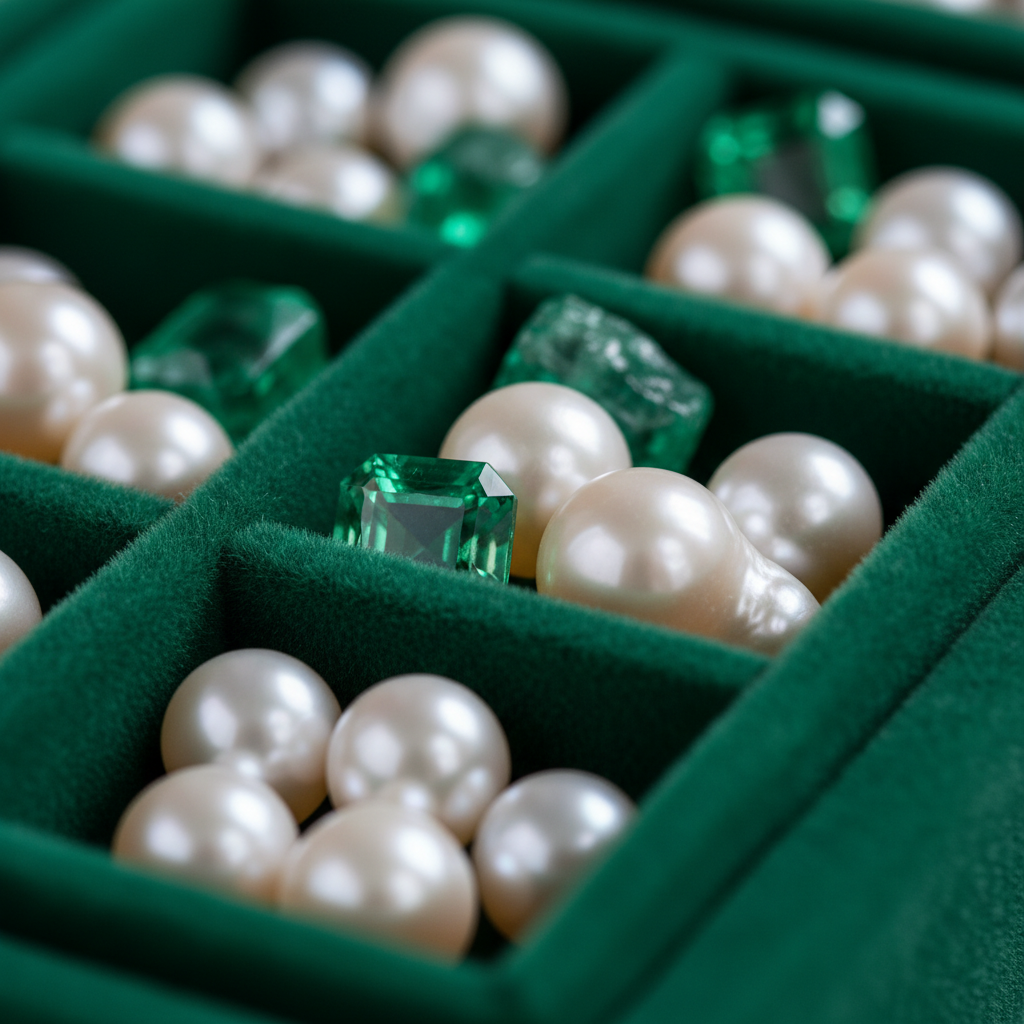
Organic gems like pearls and opals require a breathable environment when you decide how to store jewelry in safe deposit box locations. Diamonds are the hardest natural material, but they can easily scratch softer stones like emeralds if you store them in the same tray. Pearls contain a small percentage of water that prevents cracking, so they must never be stored in airtight plastic for long periods. Storing turquoise or amber in the darkness of a vault prevents color fading from UV exposure, but these stones also require stable temperatures. Professional curators separate every gemstone type into dedicated ring boxes or slots to prevent physical contact between varying hardness levels.
Separate diamonds from soft gems
What’s the real story? A single diamond ring can ruin a whole tray of gold bands or soft emeralds if the pieces collide during transit. Using dedicated slots for high-hardness items prevents them from acting like cutting tools inside your vault tray and causing permanent damage.
- Individual ring slots are key
- Padded dividers stop movement
- Soft linings prevent abrasion
- Hardness charts guide placement
Provide airflow for your pearls
Wait, there’s more! Pearls and opals can “suffocate” in airtight environments and lose their natural iridescent glow if the internal moisture balance is disrupted. These organic treasures need to breathe slightly within a soft cloth pouch to maintain their structural integrity and surface luster over time.
| Gemstone Type | Hardness Level | Storage Need | |
|---|---|---|---|
| Diamond | 10 (Highest) | Rigid Isolation | |
| Natural Pearl | 2.5 – 4.5 | Breathable Fabric | |
| Emerald | 7.5 – 8.0 | Padded Protection |
Matching your storage container to the specific physical properties of each gemstone prevents irreversible surface damage that would decrease the market value. Key Takeaway: Use isolated rigid compartments for diamonds and breathable natural fabrics for all organic gems like pearls.
How to store jewelry in safe deposit box when traveling?
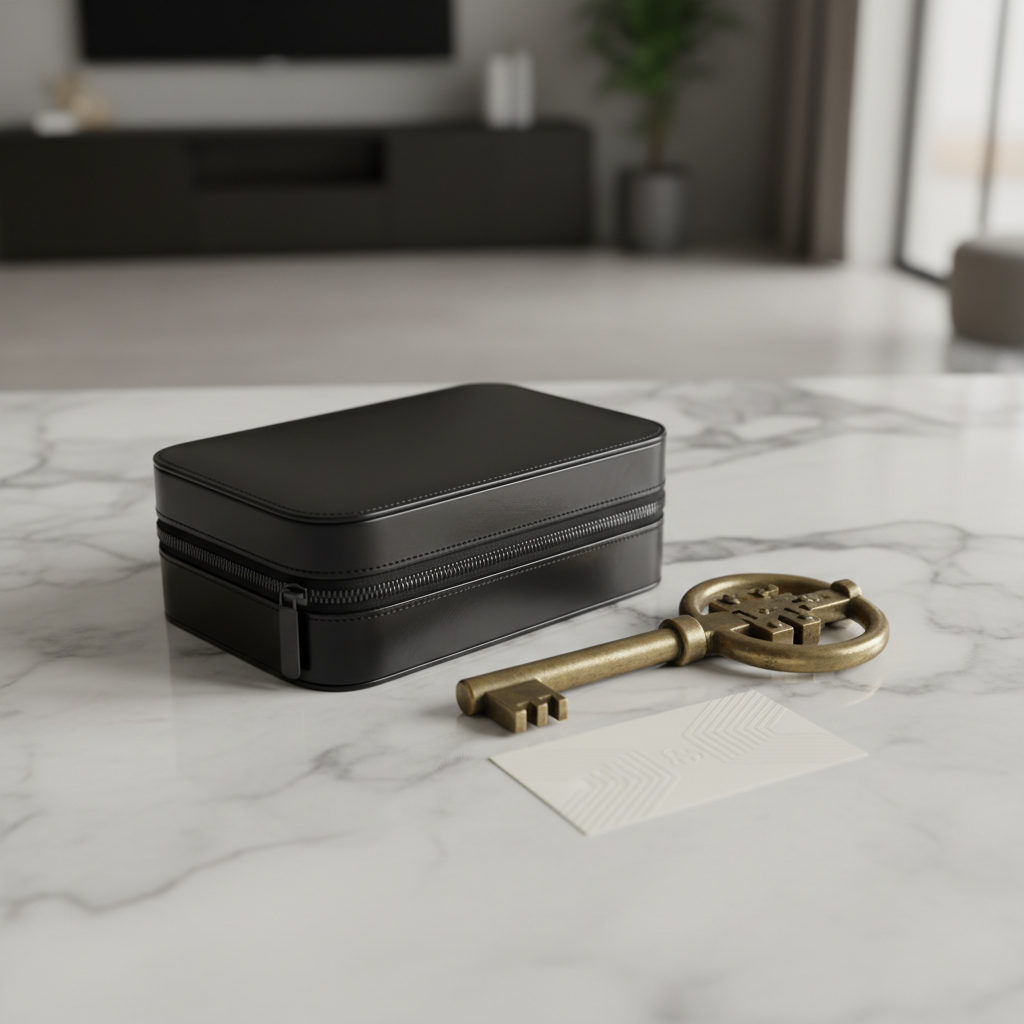
You maximize safety by using compact, high-security jewelry rolls that fit perfectly within the limited dimensions of a temporary bank vault. When you are on the road for trade shows or business meetings, relying on hotel safes is a significant risk that could void your insurance coverage. Professional travelers always secure a short-term box at a local branch to ensure their high-value inventory remains protected overnight. This strategy allows you to maintain organization while keeping your assets in a facility with armed security and reinforced infrastructure.
Use compact jewelry rolls for space efficiency
But here’s the kicker… standard jewelry boxes are often too bulky for the narrow drawers provided by banks in metropolitan areas. You should transition your inventory into slim, padded rolls that offer multiple compartments without adding unnecessary volume.
- Secure zippered sections prevent spills
- Padded bars keep rings stationary
- Soft fabric prevents surface friction
- Slim profile fits multiple units per box
Maintain a digital travel inventory
Ready for the good part? You should photograph your organized vault tray immediately after placement to create a time-stamped record of the inventory’s condition. This digital log serves as vital evidence if you ever need to file an insurance claim or verify stock levels during a busy event.
Secure your transit containers
Wait, there’s more! You must ensure your transit cases are lockable and discreet to avoid drawing unwanted attention while moving between the bank and your venue. Utilizing a dedicated jewelry travel case provides the structural integrity needed to protect delicate pieces from the vibrations and impacts common during business travel.
| Travel Method | Protection Level | Best Use Case | |
|---|---|---|---|
| Jewelry Roll | High Portability | Chains and Bracelets | |
| Rigid Mini-Case | Superior Impact Defense | Fragile Gemstone Rings | |
| Pouch Set | Basic Organization | Low-Value Inventory |
Selecting specialized travel containers ensures that your inventory remains organized and pristine even when you are away from your primary storage facility. Key Takeaway: Use slim jewelry rolls and digital logs to manage your assets when utilizing temporary vault storage during business trips.
How to store jewelry in safe deposit box to avoid bending?
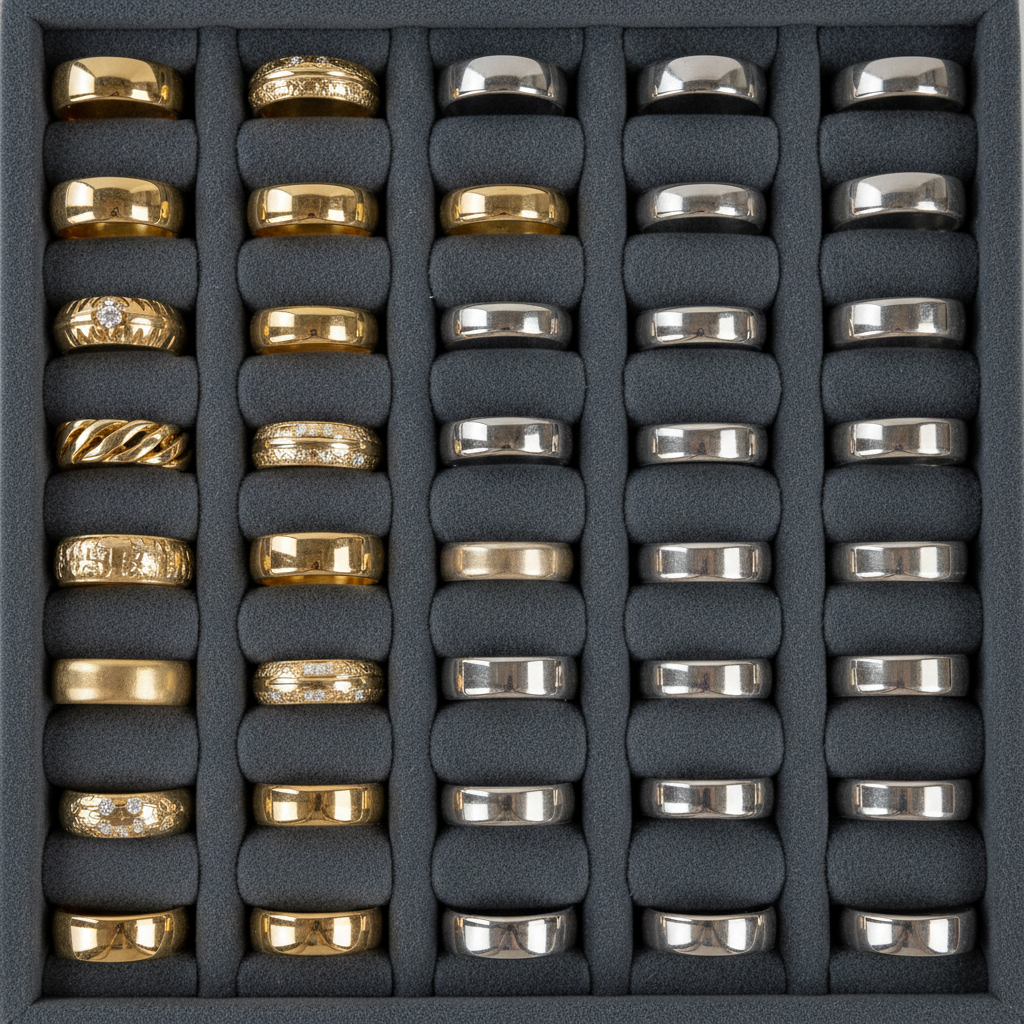
You prevent physical deformation by using structured jewelry trays that provide individual support for every metal frame or delicate chain. High-karat gold and platinum are surprisingly malleable, meaning they can easily warp or bend if you stack them under the weight of heavier items. Learning how to store jewelry in safe deposit box units properly involves laying pieces flat to ensure the metal never experiences unnecessary tension. This professional approach maintains the structural integrity of your settings and prevents stones from becoming loose due to frame shifts.
Utilize individual ring slots
Here’s the deal… when you toss multiple rings into a single pouch, the pressure from the vault tray’s movement can cause thin bands to lose their circular shape. You should use high-density foam inserts that hold each ring upright and isolated from its neighbors.
- Prevents metal-on-metal friction
- Maintains original band curvature
- Simplifies visual inventory checks
- Protects delicate side-stone settings
Support bracelets with padded pillows
But here’s the kicker… stiff bracelets and watches can develop weak points or kinks if they are stored flat for extended periods. You should wrap these items around soft pillows to maintain the natural tension and shape they were designed to hold.
Prevent chain stretching and knots
You might be wondering… how a heavy pendant affects a thin gold chain when it sits in a vault for months at a time. You must lay your necklaces in long, flat channels to ensure the weight is distributed evenly across all links rather than pulling on a single point.
| Metal Support | Tool Required | Primary Benefit | |
|---|---|---|---|
| Ring Slots | Foam Inserts | Prevents Band Warping | |
| Bracelet Pillows | Padded Cushions | Maintains Circular Shape | |
| Flat Channels | Long Trays | Eliminates Chain Kinks |
Implementing structural supports within your vault box effectively eliminates the risk of physical damage that often requires expensive professional reshaping. Key Takeaway: Use foam-slotted trays and padded pillows to maintain the original shape and structural integrity of your precious metal jewelry.
How to store jewelry in safe deposit box for insurance claims?
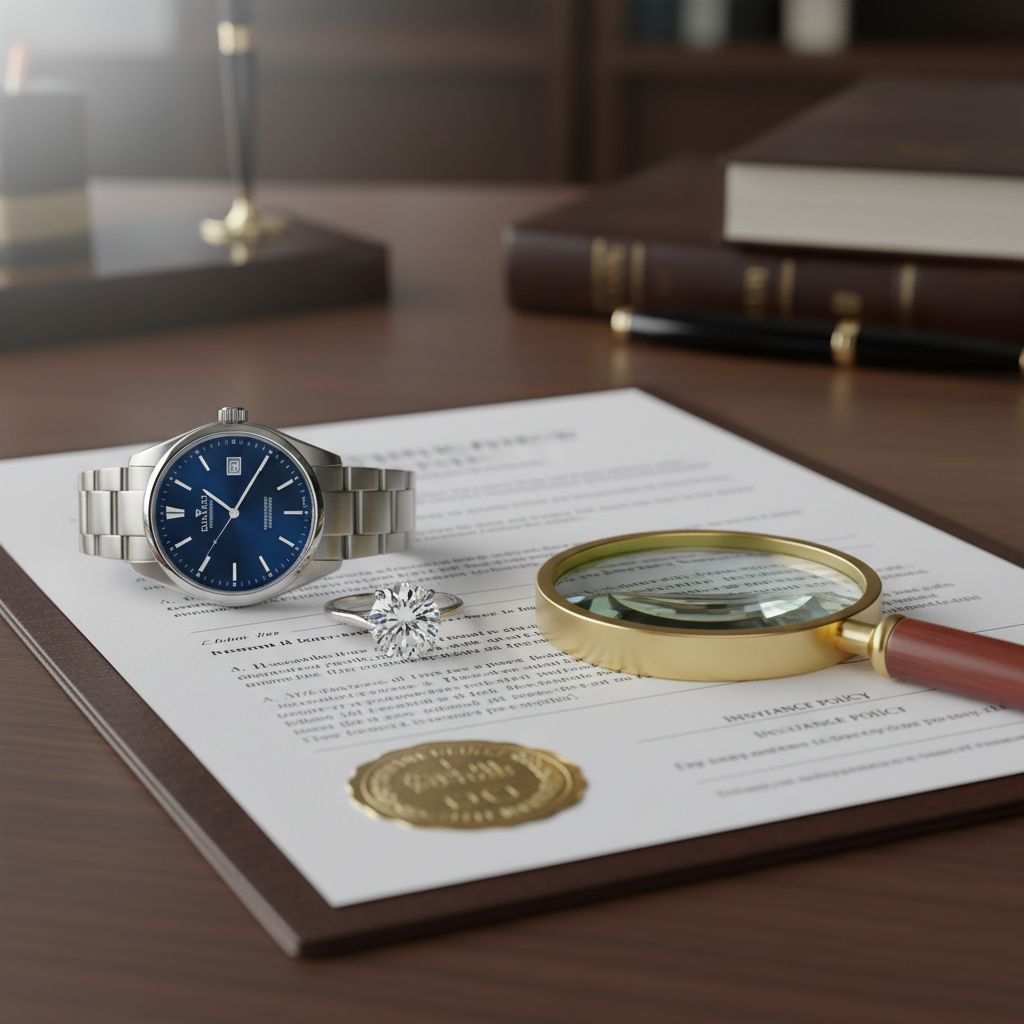
You ensure full policy compliance by keeping detailed appraisals and high-resolution photos inside the vault alongside your jewelry pouches . Most luxury insurance underwriters require you to demonstrate “due diligence” in how you protect your most valuable retail assets or personal heirlooms. Storing your jewelry in a bank-grade facility often qualifies you for significant premium discounts, but only if you maintain perfect records. You should organize your inventory so that every piece has a corresponding tag that matches your official appraisal documents for easy verification.
Organize with transparent identification
What’s the real story? You can speed up the audit process by using high-quality pouches that feature clear windows or external labeling for quick identification. This prevents you from having to handle and potentially scratch every piece just to find a specific SKU for an inspector.
- Accelerates inventory audits
- Reduces physical handling risks
- Matches pieces to appraisals
- Simplifies high-value tracking
Keep physical appraisal backups
Wait, there’s more! While digital records are essential, you should always keep a laminated copy of your most recent appraisals within the safe deposit box itself. This ensures that the necessary documentation is always present at the point of access if you need to prove value to a potential buyer or agent.
Use tamper-evident seals
Ready for the good part? You can add an extra layer of security by placing your most expensive assets in sealed, tamper-evident bags within the vault. This provides you with immediate visual confirmation that your items have not been moved or tampered with since your last visit.
| Document Type | Storage Location | Importance | |
|---|---|---|---|
| Appraisal Report | Inside Vault Box | Extremely High | |
| Purchase Receipt | Digital & Physical | High | |
| Inventory Photo | Cloud & Vault | Mandatory |
Maintaining a rigorous documentation system within your vault storage simplifies insurance renewals and ensures you receive the full value of your collection in the event of a claim. Key Takeaway: Store appraisals with your jewelry and use tagged pouches to satisfy insurance requirements and simplify inventory management.
Is how to store jewelry in safe deposit box better than home safes?
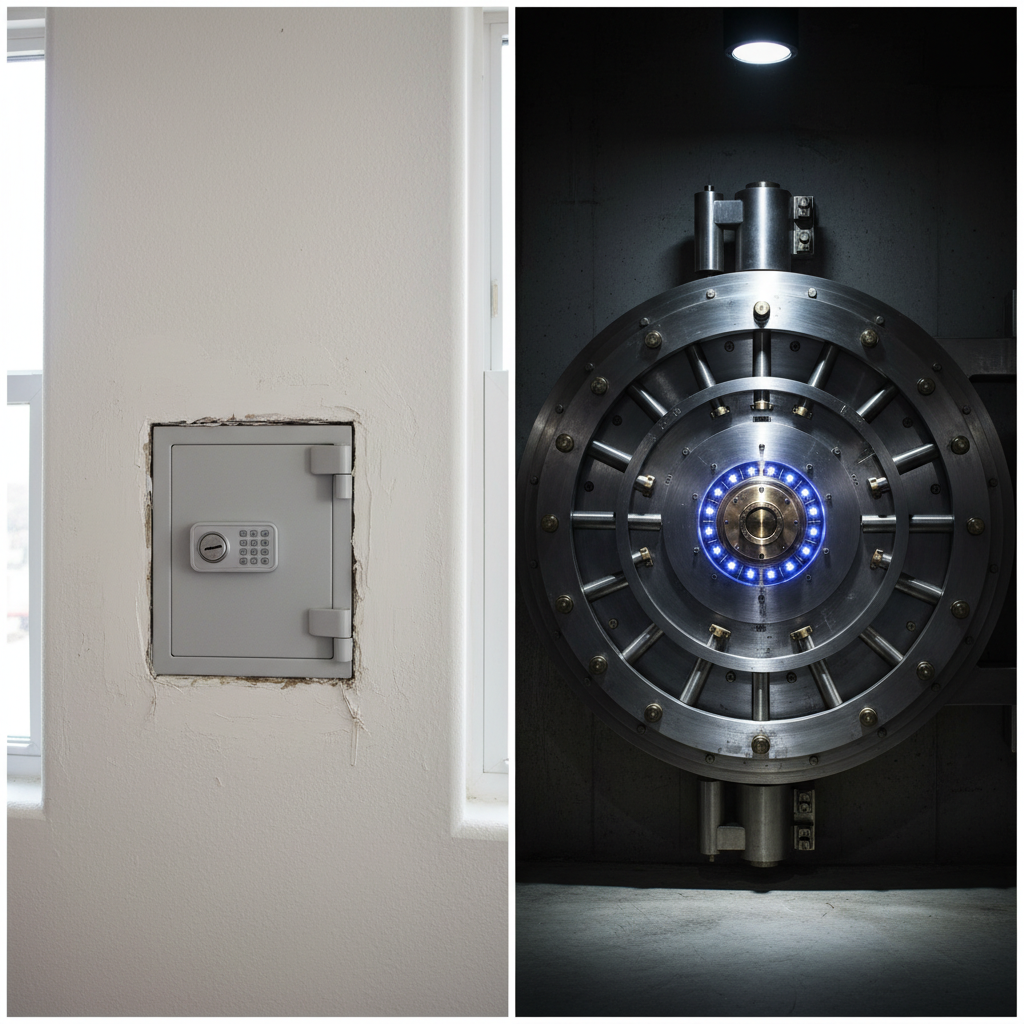
You achieve a much higher level of physical protection by choosing a bank vault because these facilities offer multi-layered security protocols that residential safes cannot match. While a high-end home safe provides convenience, it remains vulnerable to sophisticated tools or physical removal from the property. Bank vaults are integrated into the building’s foundation and monitored 24/7 by professional security teams and advanced sensor networks. Additionally, banks maintain strict environmental controls that protect your jewelry cases from the humidity fluctuations common in home environments.
Analyze the physical security gap
This is where it gets interesting… a typical home safe is rated for only a few minutes of resistance against professional burglary tools. In contrast, a bank vault requires dual-key authentication and is surrounded by reinforced concrete and steel that provides hours of resistance.
- 24/7 armed monitoring
- Reinforced seismic protection
- Dual-key access protocols
- Climate-controlled atmosphere
Evaluate cost versus risk
Ready for the good part? You will find that the annual fee for a safe deposit box is often significantly lower than the cost of purchasing and maintaining a TL-30 rated residential safe. For businesses with large inventories, the bank is the most cost-effective way to achieve professional-grade security.
Consider environmental stability
But here’s the kicker… home safes can trap moisture or be subject to extreme heat during a house fire, which can melt gold and destroy gemstones. Bank vaults are designed to withstand catastrophic events while keeping the internal temperature stable enough to preserve delicate organic materials.
| Security Feature | Bank Vault | Home Safe | |
|---|---|---|---|
| Armed Response | Included | Optional/Extra | |
| Fire Resistance | Industrial Grade | Residential Grade | |
| Accessibility | Limited Hours | 24/7 |
While home safes offer instant access, the superior physical and environmental protection of a bank vault makes it the definitive choice for high-value long-term storage. Key Takeaway: Choose a bank vault for your most valuable assets to benefit from superior physical security and industrial-grade environmental control.
How to store jewelry in safe deposit box for long-term storage?
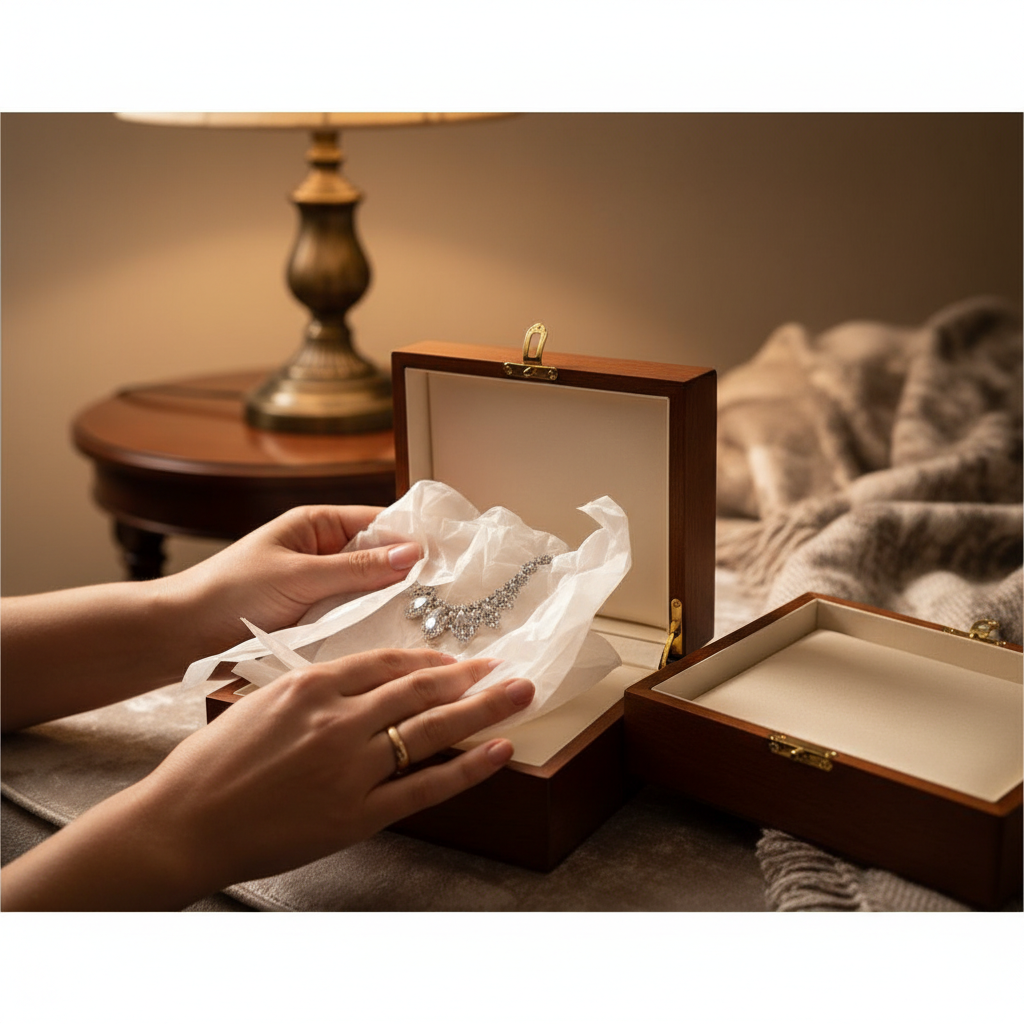
You ensure long-term preservation by thoroughly cleaning every piece and wrapping them in archival-grade jewelry boxes before they enter the vault for extended periods. Any residual skin oils, perfumes, or lotions can become corrosive over several months of stagnant storage in a dark environment. You should use acid-free tissue paper or specialized anti-tarnish cloths to create a chemical barrier for each individual item. This preparation step is crucial for maintaining the “showroom shine” of your inventory without needing frequent professional polishing.
Perform a pre-storage deep clean
Here’s the deal… if you store a diamond necklace with even a tiny amount of moisture or oil on the setting, it can attract dust that hardens over time. You should use a professional-grade ultrasonic cleaner or a gentle jewelry solution to ensure every crevice is perfectly clean and dry.
- Removes corrosive skin oils
- Eliminates chemical residues
- Prevents dullness during storage
- Inspects for loose prongs
Wrap pieces individually in silk
Wait, there’s more! You should avoid using common plastic wrap or rubber bands, as these materials can release gases that turn silver black and degrade low-karat gold. Using natural silk or acid-free paper ensures that the atmosphere inside your container remains chemically neutral.
Schedule bi-annual vault audits
But here’s the kicker… “set it and forget it” is a dangerous mindset for luxury assets because even bank vaults can experience micro-climatic shifts. You should visit your box every six months to replace silica gel packets and inspect your items for any signs of early oxidation or tarnish.
| Long-Term Step | Material Needed | Frequency | |
|---|---|---|---|
| Deep Cleaning | Jewelry Solution | Before Storage | |
| Archival Wrapping | Acid-Free Tissue | Once | |
| Audit & Desiccant | Silica Gel | Every 6 Months |
A disciplined maintenance routine combined with the use of high-quality packaging materials prevents the gradual degradation that devalues long-term jewelry investments. Key Takeaway: Clean every item professionally and use acid-free wrapping materials to ensure your jewelry remains in pristine condition for years.
Conclusion
Mastering the art of how to store jewelry in safe deposit box facilities is the most effective way to safeguard your high-value inventory from theft, physical damage, and environmental tarnish. By utilizing professional-grade materials—ranging from acid-free jewelry boxes to structured watch rolls —you ensure that your assets retain their luster and market value for decades. At YX Jewelry Packaging, we are dedicated to providing retailers and collectors with the sophisticated tools needed to preserve their most precious investments. Protect your legacy and enhance your security protocols by choosing the right organization system; contact us today to find the perfect storage solutions for your collection.
FAQ
Q1: Can I store my jewelry in original retail boxes inside a bank vault?Judgment call: Yes, but it is often inefficient. Original boxes take up significant space in a narrow safe deposit box, so you should consider switching to compact, stackable jewelry cases to maximize your storage area.
Q2: What’s the best way to prevent my silver necklaces from tangling in the vault?Judgment call: Use long, flat jewelry trays or specialized rolls. You should never bundle multiple chains together; instead, lay each necklace in an individual channel to prevent kinks and knotting during transit.
Q3: How do I know if my storage materials are safe for long-term use?Judgment call: Look for “acid-free” or “archival-grade” certifications. You must avoid materials like low-grade plastics or adhesives that contain sulfur, as these will cause rapid tarnishing and metal degradation within the dark vault environment.
Q4: Can I place silica gel packets directly against my pearls?Judgment call: No, you should avoid this. While silica gel is great for metals, placing it too close to organic gems like pearls can over-dry them, leading to surface cracking; keep desiccant packets in a separate corner of the box.
Q5: What’s the best frequency for checking my items in a safe deposit box?Judgment call: Every six months is the professional standard. You should perform a quick visual inspection and replace your humidity-control strips to ensure the internal environment remains optimal for your collection.