
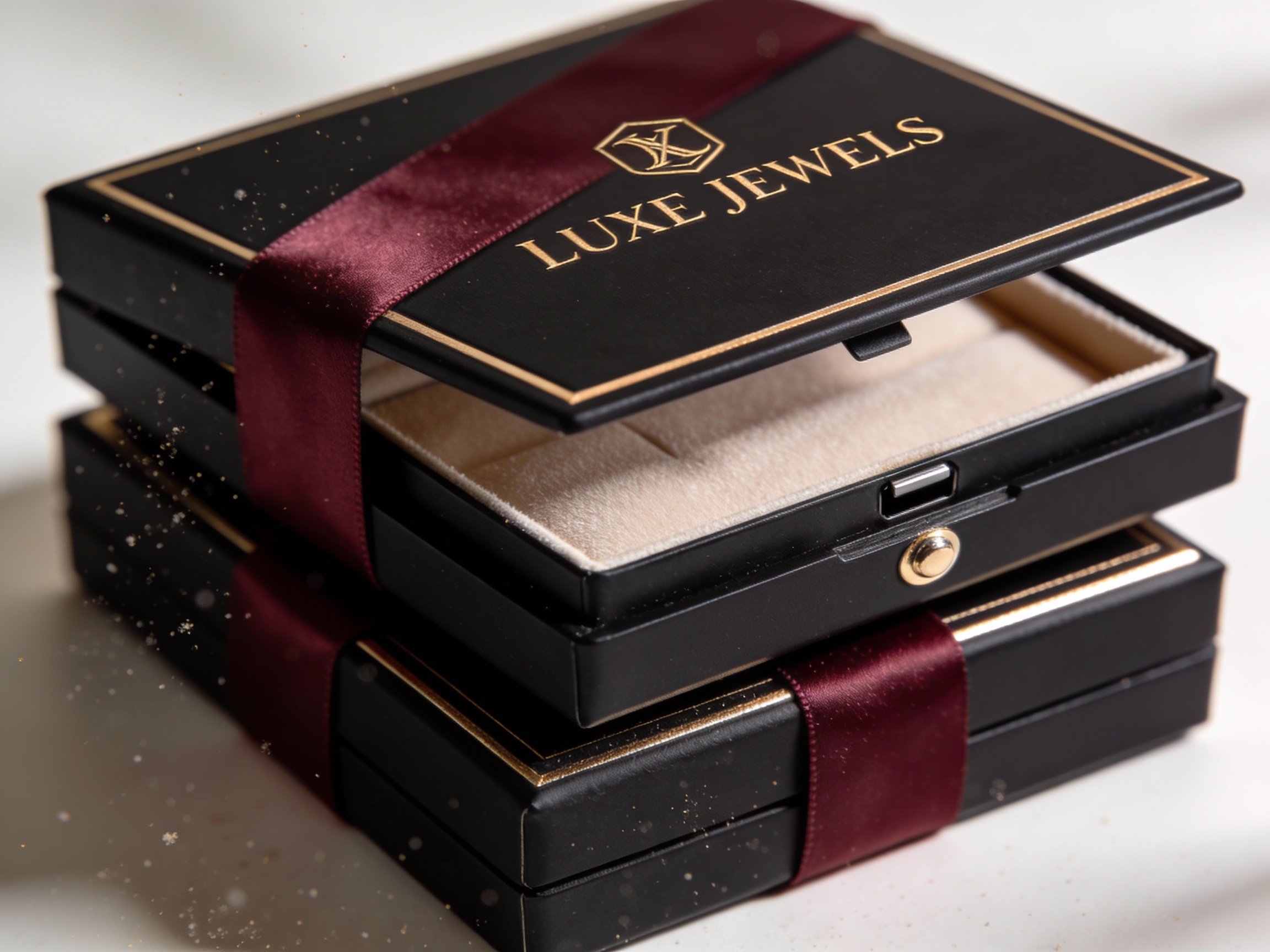
For many luxury retailers and private collectors, the discovery of a blackened silver piece in storage is a significant operational setback. Tarnish is not merely a surface blemish; it is a chemical reaction that can permanently pit delicate metals and erode the resale value of high-end inventory. Maintaining a pristine, retail-ready finish requires a strategic approach to atmospheric control. By implementing a solution focused on how to keep jewelry from tarnishing in jewelry box environments, you can eliminate labor-intensive polishing and preserve your collection’s luster.
How to keep jewelry from tarnishing in jewelry box interiors?
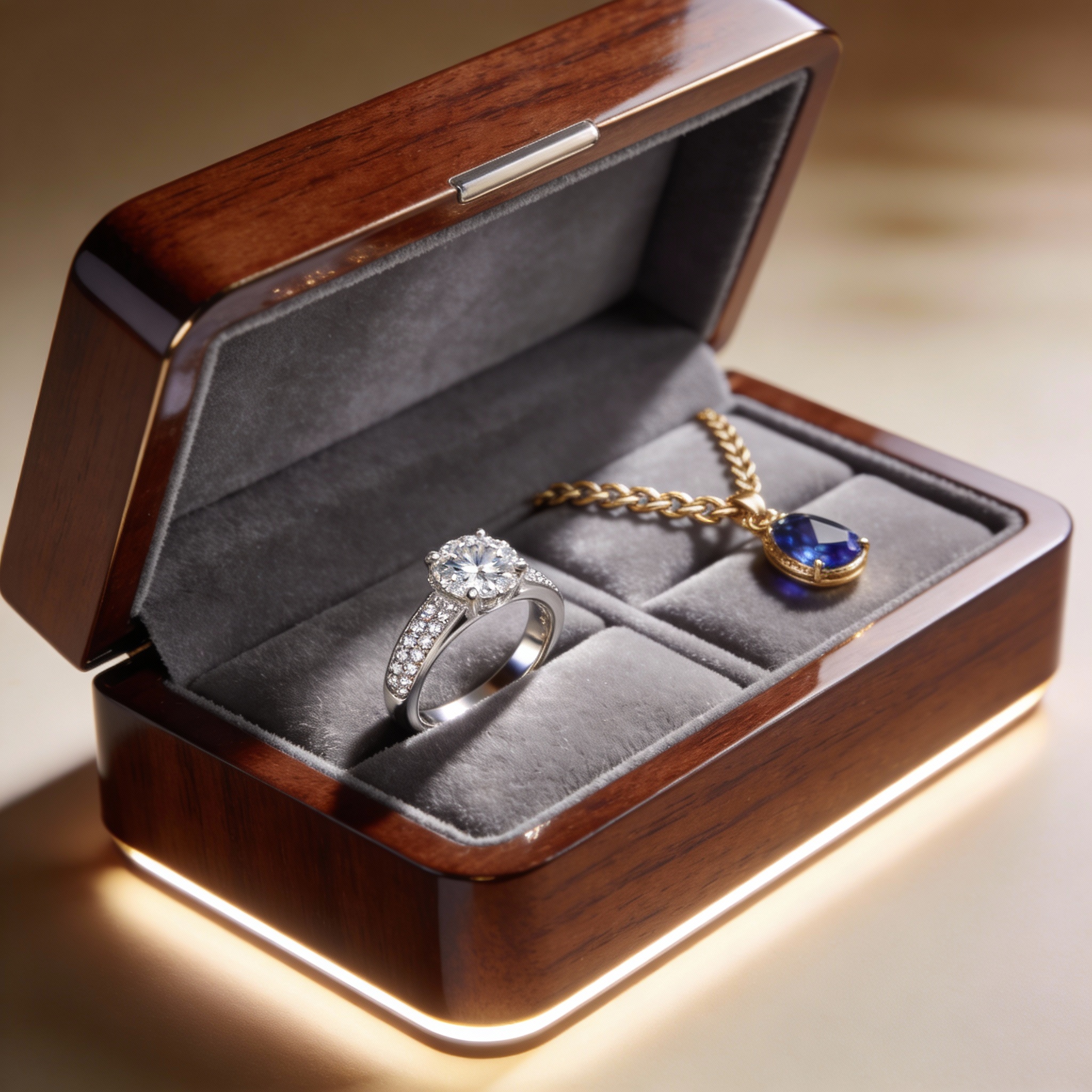
The primary method for how to keep jewelry from tarnishing in jewelry box units is selecting containers lined with non-reactive, chemically treated fabrics. These specialized linings are engineered to neutralize sulfur and other atmospheric pollutants before they reach the metal surface.
Which materials prevent oxidation?
Choosing the right interior fabric is the first step toward long-term preservation of fine metals. High-quality anti-tarnish storage relies on materials that act as a chemical filter.
- Treated Velvet: Infused with zinc or silver particles to attract and trap sulfur.
- Anti-Tarnish Flannel: A soft, chemically bonded barrier that protects delicate finishes.
- Acid-Free Suede: Prevents chemical leaching that often occurs with standard adhesives.
Think about it. Standard velvet often contains glues that actually accelerate oxidation, making verified “acid-free” status a non-negotiable requirement for professionals.
Key Takeaway for Interior Linings
Key Takeaway: Always prioritize treated, acid-free linings to ensure the interior environment actively works against atmospheric pollutants.
| Material Type | Protection Level | Primary Use Case | |
|---|---|---|---|
| Treated Velvet | High | Sterling Silver & Copper | |
| Standard Cotton | Low | Costume Jewelry | |
| Acid-Free Suede | Medium | Gold-Plated Pieces |
Proper material selection transforms a simple container into an active preservation tool for valuable inventory.
Why learn how to keep jewelry from tarnishing in jewelry box?

Professional jewelers prioritize how to keep jewelry from tarnishing in jewelry box displays because maintaining inventory luster directly impacts brand reputation and the bottom line. Unprotected pieces require constant maintenance, which eventually degrades the metal.
The cost of inventory degradation
Excessive polishing is not just a labor burden; it physically removes microscopic layers of gold or silver over time. This process can thin out intricate engravings and weaken settings.
- Labor Costs: Hours spent cleaning instead of focusing on sales or design.
- Asset Depletion: Frequent friction reduces the total weight and integrity of the metal.
- Customer Trust: Tarnished display items suggest poor quality control and storage standards.
It gets better. Modern storage solutions eliminate the need for harsh cleaning chemicals, making your brand more sustainable and your inventory significantly more durable.
Key Takeaway for Business Efficiency
Key Takeaway: Preventive storage is significantly more cost-effective than reactive cleaning for high-volume or high-value inventory.
| Business Factor | Reactive Cleaning | Preventive Storage | |
|---|---|---|---|
| Initial Cost | Low | Moderate | |
| Long-term Labor | High | Minimal | |
| Metal Integrity | Decreases | Maintained |
Investing in high-quality storage protects the physical assets of a jewelry business while optimizing daily operational workflows.
How to keep jewelry from tarnishing in jewelry box using film?
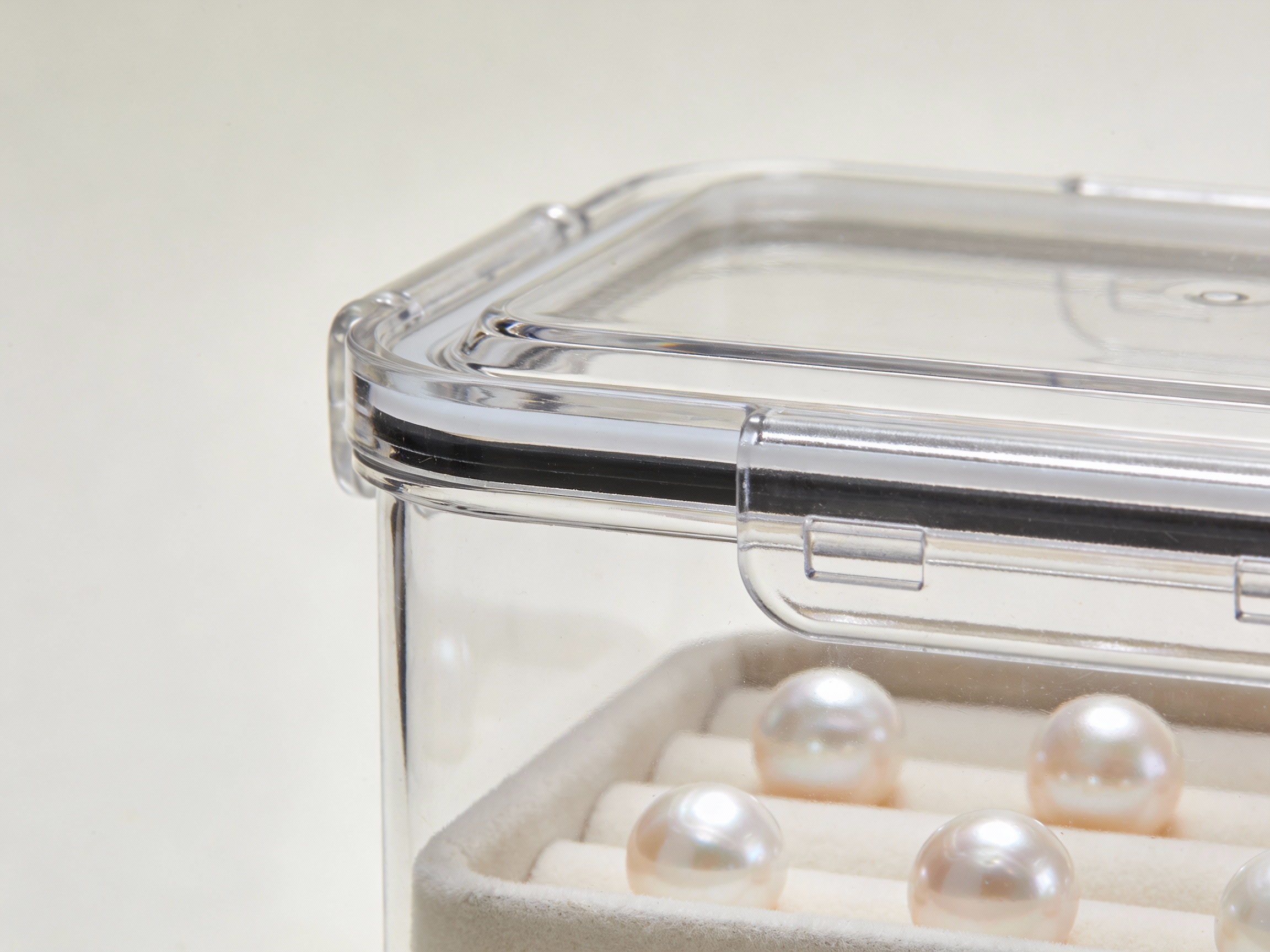
A cutting-edge solution for how to keep jewelry from tarnishing in jewelry box setups involves PE film technology which creates a vacuum-like seal around the piece. This method is particularly effective for high-turnover retail environments where visibility is as important as protection.
Benefits of 3D floating displays
The use of ultra-thin, highly elastic PE film provides a unique combination of display aesthetics and airtight shielding. It allows the jewelry to remain visible from all angles while blocking oxygen.
- Airtight Seal: Prevents oxygen and moisture from reaching the metal surfaces.
- High Visibility: Customers can inspect the piece without breaking the protective seal.
- Minimalist Design: Reduces the physical footprint on retail shelves and in safes.
Believe it or not. This technology allows a piece to appear “floating” while being shielded from the very air that causes rapid discoloration.
Key Takeaway for Film Technology
Key Takeaway: PE film jewelry boxes are the gold standard for retail environments where visibility and protection are equally vital.
| Technology | Airtightness | Visual Impact | |
|---|---|---|---|
| PE Film | 95% | Excellent | |
| Hinged Box | 40% | Traditional | |
| Glass Case | 20% | High |
Utilizing film-based storage ensures that even the most reactive metals remain bright during long periods of display or transit.
How to keep jewelry from tarnishing in jewelry box with wood?
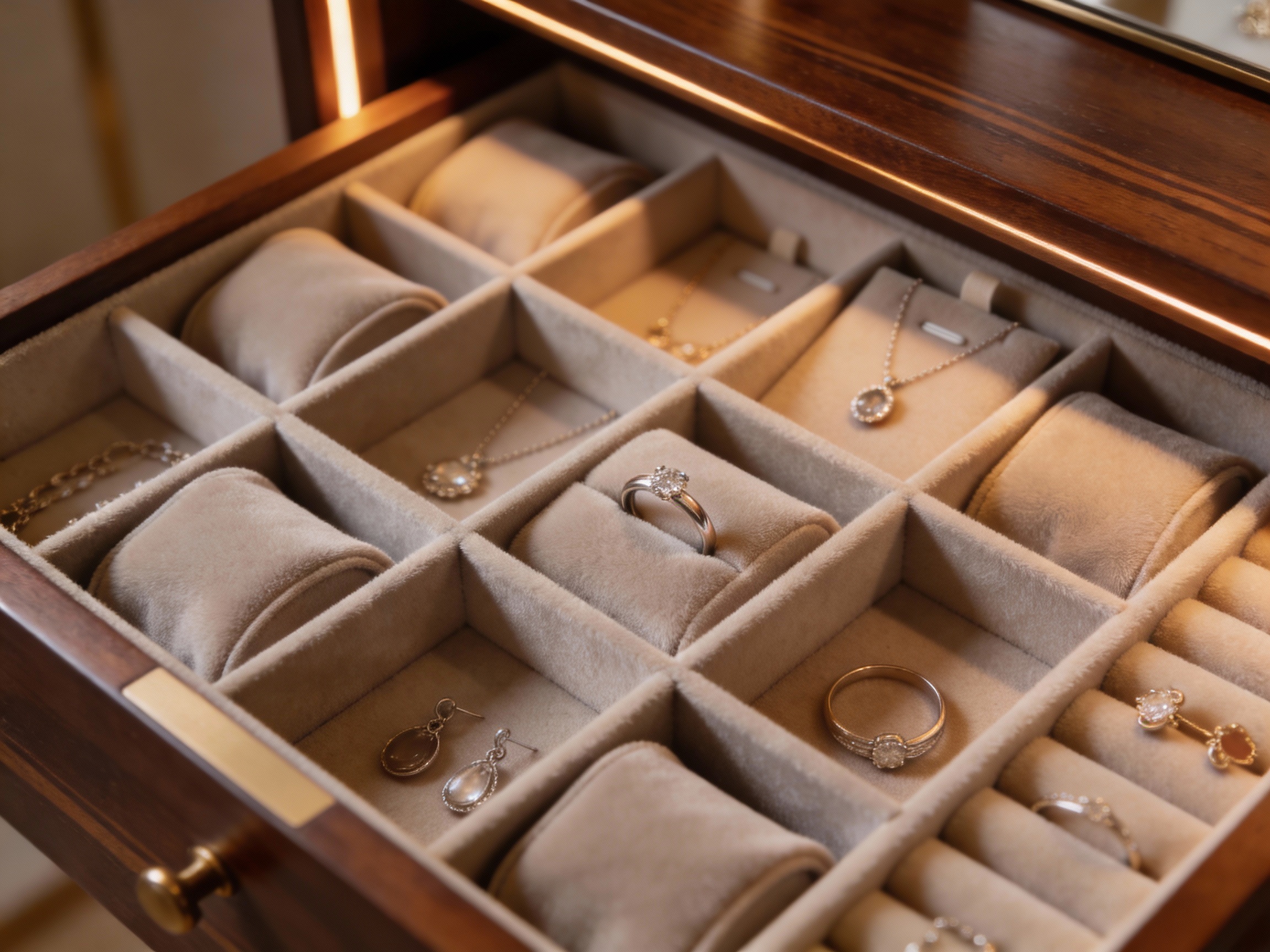
Utilizing solid wood is a classic approach to how to keep jewelry from tarnishing in jewelry box design, provided the wood is properly finished. Hardwoods offer structural integrity and natural temperature regulation, which are critical for long-term stability.
Why choose sealed hardwood?
Hardwoods like walnut or mahogany provide a sturdy structure that naturally buffers against rapid temperature changes. However, the wood must be sealed to prevent the release of organic acids.
- Structural Integrity: Protects against physical impact during moving or storage.
- Thermal Regulation: Reduces the risk of moisture condensation inside the box.
- Aesthetic Appeal: Conveys a sense of luxury and permanence to the client.
Here is the kicker. Raw, unsealed wood can release gases that actually cause tarnish, so always ensure your wooden boxes use jewelry-safe lacquers.
Key Takeaway for Wooden Storage
Key Takeaway: Wooden boxes offer the best physical protection and aesthetic value when combined with a treated interior lining.
| Wood Type | Durability | Tarnish Risk (Unsealed) | |
|---|---|---|---|
| Walnut | High | Moderate | |
| Oak | Very High | High | |
| MDF | Medium | Low |
A well-constructed wooden box serves as a fortress for jewelry, balancing classic style with modern chemical protection.
How to keep jewelry from tarnishing in jewelry box for rings?
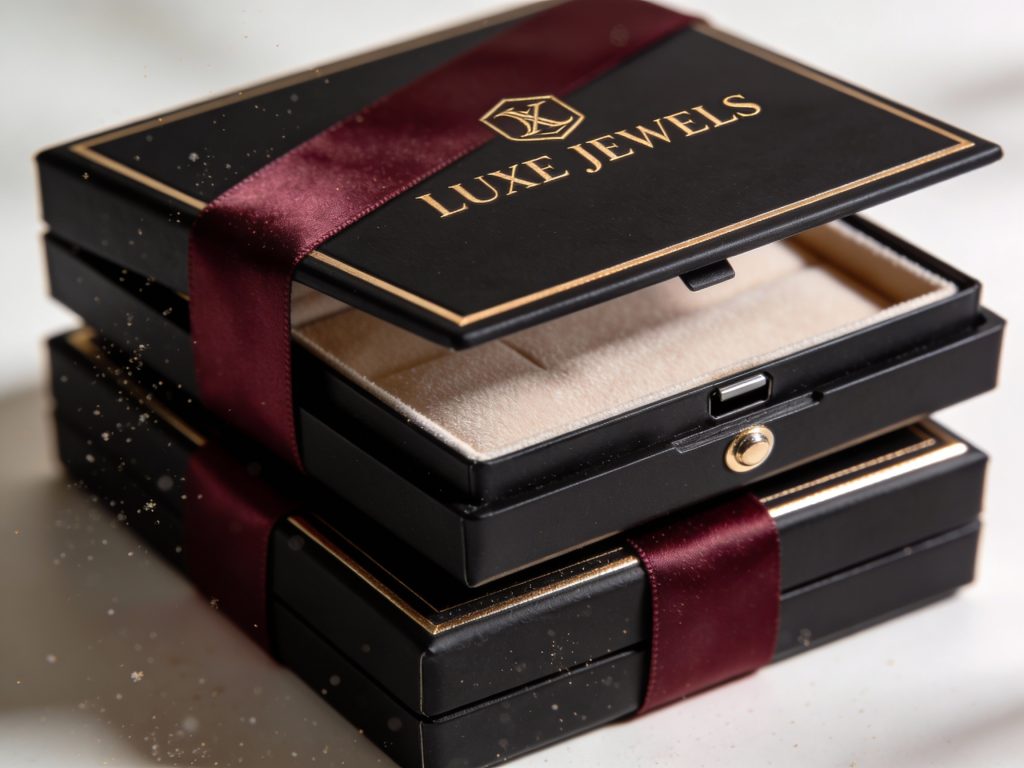
The best strategy for how to keep jewelry from tarnishing in jewelry box ring sections is to use individual slots that prevent metal-on-metal contact. Isolating each piece minimizes air exposure and prevents physical abrasions that can trap moisture.
Organizing individual ring rolls
For professional inventory, a high-quality ring box should feature tight, treated rolls that grip the band securely. This setup ensures that the anti-tarnish fabric is in direct contact with the metal.
- Separation: Prevents stones from scratching adjacent bands or settings.
- Reduced Exposure: Minimizes the volume of air circulating around the jewelry.
- Accessibility: Allows for quick inventory counts and effortless presentation.
But wait, there’s more. Using specialized ring rolls ensures that the most delicate part of the jewelry—the setting—is cushioned against vibration during transport.
Key Takeaway for Ring Storage
Key Takeaway: Individualized ring storage is essential for preventing both chemical tarnish and physical abrasion on delicate bands.
| Storage Style | Scratch Protection | Tarnish Prevention | |
|---|---|---|---|
| Ring Rolls | Excellent | High | |
| Open Trays | Poor | Moderate | |
| Pouches | Good | High |
By using dedicated ring rolls, retailers can maintain the factory-fresh shine of their bridal and fashion rings for years.
How to keep jewelry from tarnishing in jewelry box for necklaces?
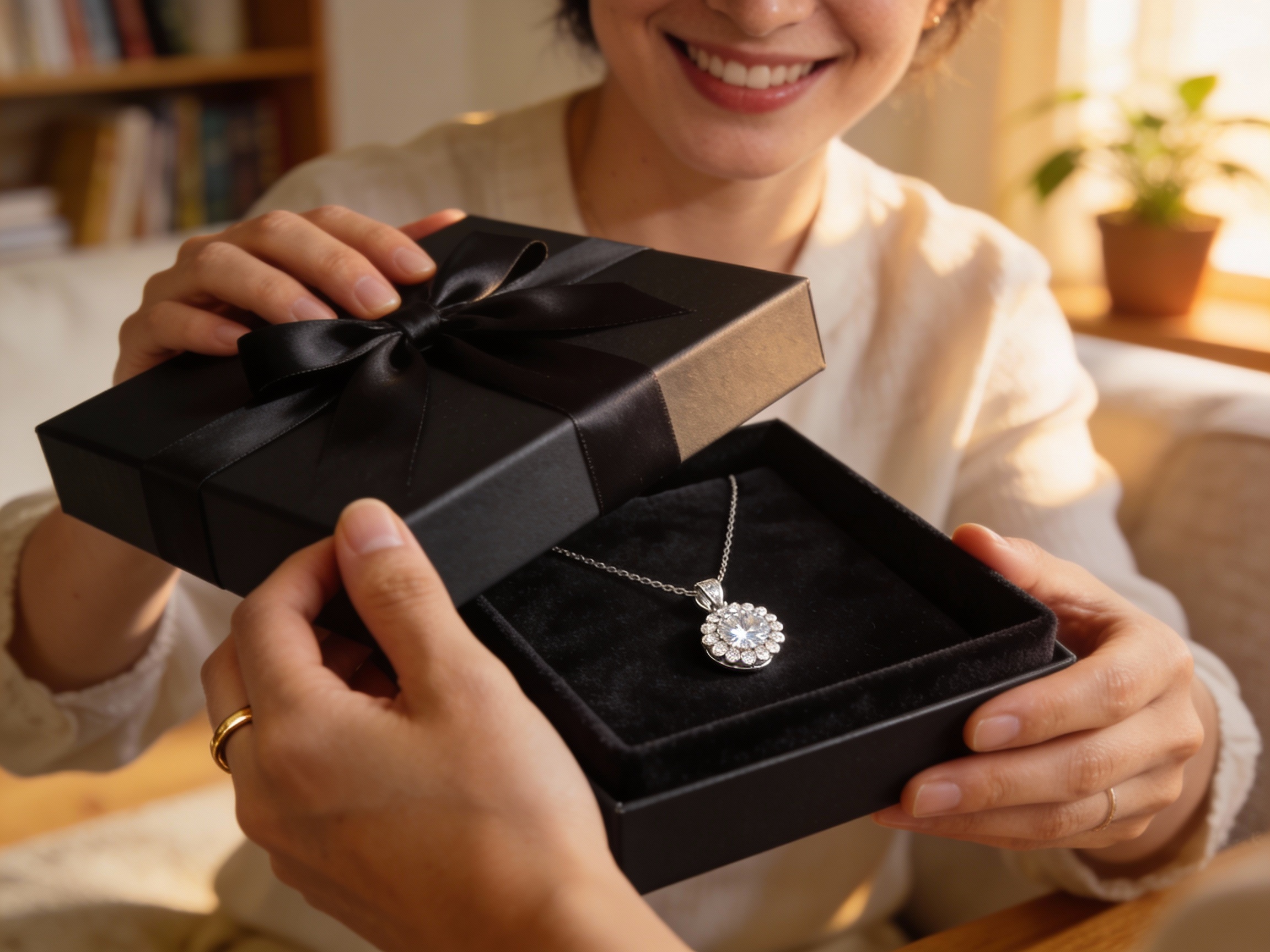
Learning how to keep jewelry from tarnishing in jewelry box necklace compartments requires a focus on hanging systems that prevent chain tangling and oxidation. When chains are bunched together, moisture can become trapped in the links.
The importance of vertical hooks
A dedicated necklace box with hooks keeps chains extended, which is vital for preventing “kinks” and uneven tarnishing. Vertical storage ensures the anti-tarnish lining touches the entire surface area of the chain.
- No Tangles: Prevents the friction that can strip plating or scratch gold.
- Even Exposure: Ensures the treated lining can neutralize sulfur across the whole piece.
- Presentation: Keeps pendants centered and upright for an immediate retail-ready look.
The secret is simple. When a necklace is coiled in a pile, moisture and air pollutants get trapped between the links, leading to localized spots of heavy tarnish.
Key Takeaway for Necklace Storage
Key Takeaway: Vertical storage is the only way to ensure 360-degree protection for delicate chains and pendants.
| Hanging Method | Tangling Risk | Protection Level | |
|---|---|---|---|
| Vertical Hooks | Zero | High | |
| Flat Lay | Low | Medium | |
| Coiled | High | Low |
Hanging necklaces individually prevents the chemical and physical degradation often found in bulk storage solutions.
How to keep jewelry from tarnishing in jewelry box for earrings?
Efficiently managing how to keep jewelry from tarnishing in jewelry box earring drawers involves using micro-compartments to isolate pairs and maintain their luster. Earrings often have intricate surfaces that are difficult to clean once tarnish sets in.
Compact drawer style benefits
Utilizing an earring box with a drawer-style mechanism provides a dark, enclosed environment that is perfect for light-sensitive metals. These systems are highly effective at sealing out dust and pollutants.
- Dust Prevention: Keeps fine particles away from intricate filigree or pave settings.
- Pair Integrity: Ensures matching sets are never separated or lost in bulk trays.
- Dark Storage: Reduces the catalytic effect of light on the chemical oxidation process.
Make no mistake. Isolation is your best defense against the rapid tarnishing of small, detailed items like studs, hoops, and chandelier earrings.
Key Takeaway for Earring Organization
Key Takeaway: Enclosed drawer systems provide the best environmental seal for small, intricate items that are prone to tarnishing.
| Design Type | Seal Quality | Space Efficiency | |
|---|---|---|---|
| Drawer Style | High | Excellent | |
| Top-Loading | Medium | Moderate | |
| Stand-up | Low | Low |
Drawer systems offer a scalable way to store large earring inventories while maintaining a strictly controlled micro-environment.
How to keep jewelry from tarnishing in jewelry box for bracelets?
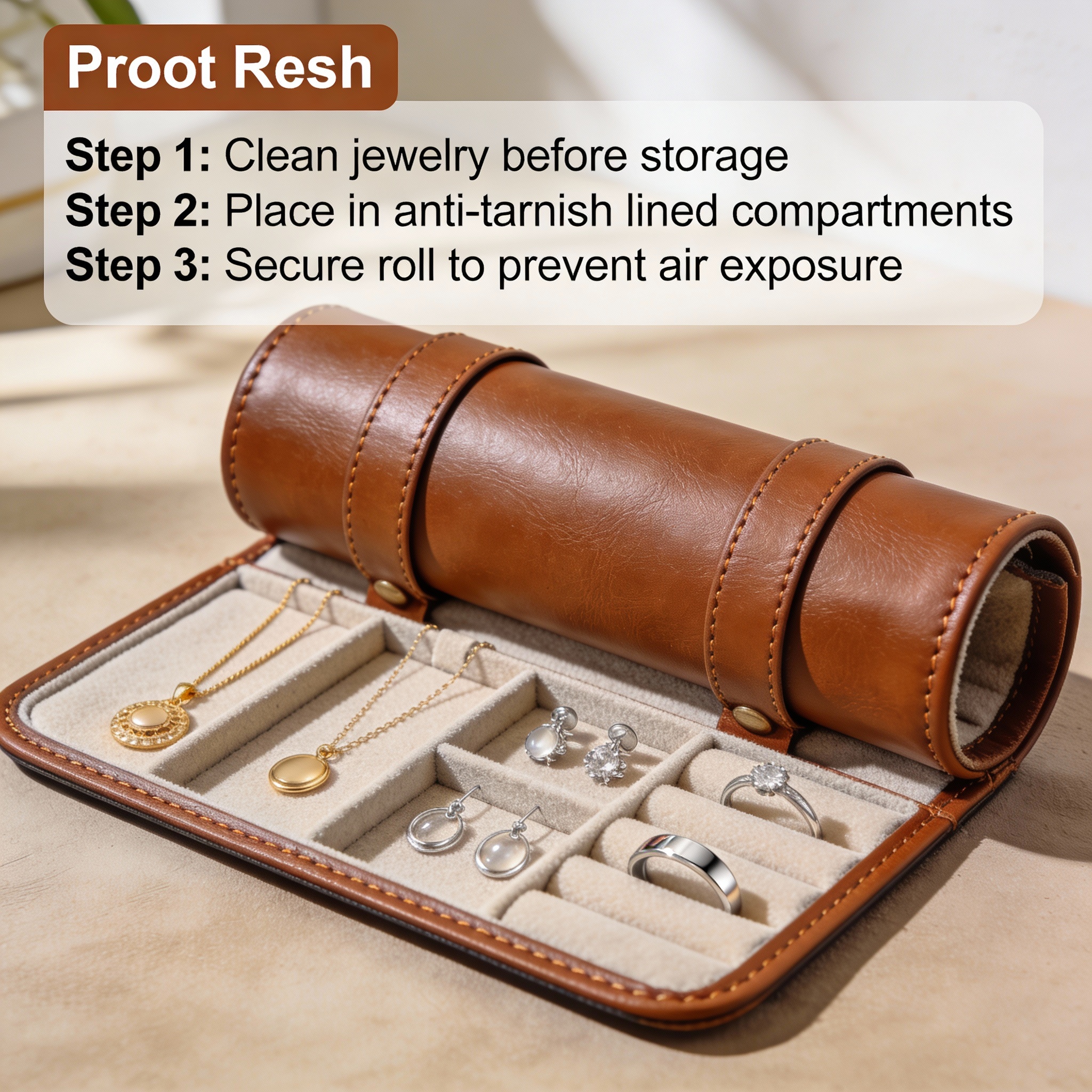
The primary method for how to keep jewelry from tarnishing in jewelry box bracelet sections is the use of soft pillow inserts. These inserts maintain the item’s shape while providing a protective surface that prevents air circulation.
Using soft pillow inserts
A professional bracelet box should include a cushion that mimics the wrist’s shape, ensuring the metal stays in constant contact with the protective fabric. This tension reduces the amount of airflow around the metal.
- Form Maintenance: Prevents bangles and link bracelets from becoming misshapen or bent.
- Complete Coverage: The pillow provides an internal barrier against stagnant air.
- Presentation: Displays the piece in a wearable, attractive position for potential buyers.
Let that sink in. The tension provided by a pillow insert actually reduces the airflow around the inner diameter of the bracelet, cutting tarnish risk significantly.
Key Takeaway for Bracelet Protection
Key Takeaway: Bracelet pillows are dual-purpose tools that maintain the structural integrity and the finish of the piece.
| Insert Type | Support | Tarnish Barrier | |
|---|---|---|---|
| Soft Pillow | High | Excellent | |
| Flat Pad | Low | Moderate | |
| Watch Clip | High | Medium |
Using pillow inserts ensures that bracelets remain perfectly round and oxidation-free, ready for immediate sale or wear.
How to keep jewelry from tarnishing in jewelry box over time?
To master how to keep jewelry from tarnishing in jewelry box units long-term, you must implement humidity control and regular maintenance of the storage environment. An anti-tarnish box is a filter, not a magic shield.
Managing humidity and air quality
The efficacy of any anti-tarnish box is limited if the ambient environment is overly humid or heavily polluted. Adding secondary desiccants can prolong the life of the box’s treated lining.
- Silica Gel Packs: Absorb excess moisture that accelerates the chemical reaction of tarnish.
- Avoid Heat: Keep storage units away from radiators, vents, or direct sunlight.
- Closed Lid Policy: Ensure the lid is only open during active inventory checks or sales.
Simply put. A protective box needs a clean, stable environment to perform its best over a period of several years without losing effectiveness.
Key Takeaway for Long-Term Storage
Key Takeaway: Environmental control outside the box is just as important as the protective materials used inside the box.
| Factor | Impact on Tarnish | Solution | |
|---|---|---|---|
| High Humidity | Severe | Silica Packs | |
| Direct Light | Fading | Opaque Boxes | |
| Pollution | Rapid | Airtight Seals |
Mastering the external environment ensures that your internal anti-tarnish measures remain effective for their maximum rated lifespan.
Does an anti tarnish jewelry box work for all metals?
While primarily designed for silver, the science behind how to keep jewelry from tarnishing in jewelry box setups benefits most jewelry alloys. Most gold jewelry, for instance, contains copper or silver that will eventually oxidize if not protected.
Protection for silver and alloys
Pure gold and platinum do not tarnish, but almost all commercial jewelry is an alloy. 14k or 18k gold contains significant amounts of reactive base metals that require protection from sulfur.
- Sterling Silver: The most reactive common jewelry metal, requiring high-grade sulfur protection.
- Gold Alloys: Copper content in rose gold or silver in yellow gold can cause dulling over time.
- Plated Pieces: Anti-tarnish storage prevents the thin layer of plating from wearing through due to oxidation.
Truth be told. Even if a metal is technically “non-tarnishing,” a protective box still guards against dust and micro-abrasions that dull the metal’s reflective surface.
Key Takeaway for Metal Compatibility
Key Takeaway: Anti-tarnish boxes provide essential protection for silver and all common jewelry alloys, including 14k and 18k gold.
| Metal Type | Tarnish Risk | Protection Benefit | |
|---|---|---|---|
| Sterling Silver | High | Essential | |
| 14k Gold | Moderate | Recommended | |
| Platinum | Low | Dust Protection |
Understanding the chemical composition of your inventory allows you to select the appropriate level of protection for every piece in your collection.
For professional-grade packaging solutions that protect your inventory and enhance your brand value, please contact us today to discuss our custom anti-tarnish options and bespoke storage designs.
Frequently Asked Questions
How long does anti-tarnish lining typically last?Most professionally treated linings remain effective for 3 to 5 years. This duration depends heavily on the frequency of opening the box and the local humidity levels.
Can I store different metals in the same compartment?It is highly recommended to keep silver, gold, and copper separate. Storing them together can sometimes lead to galvanic corrosion if moisture or specific pollutants are present.
Does gold jewelry really need anti-tarnish storage?Yes, because most gold jewelry is an alloy containing copper or silver. These secondary metals will react with atmospheric sulfur, causing the gold to look dull or reddish over time.
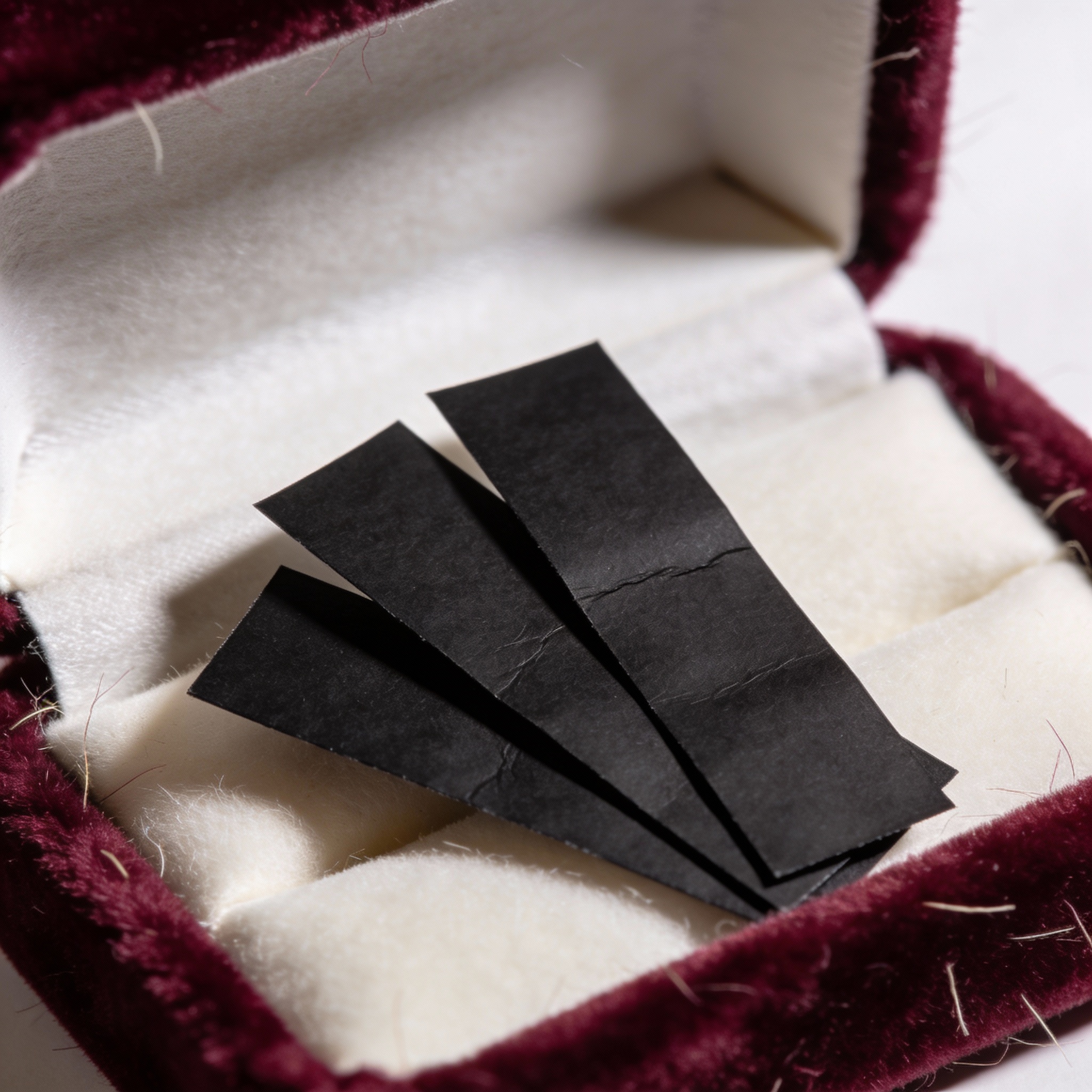
Are anti-tarnish strips necessary if the box is already lined?While not strictly necessary, adding a specialized anti-tarnish strip can provide an extra layer of protection. This is particularly useful in coastal regions or high-pollution urban areas.
How do I know if my anti-tarnish box is no longer working?The clearest indicator is if your sterling silver pieces begin to show signs of yellowing or darkening while stored inside. You should also check if the lining feels damp or looks discolored.