
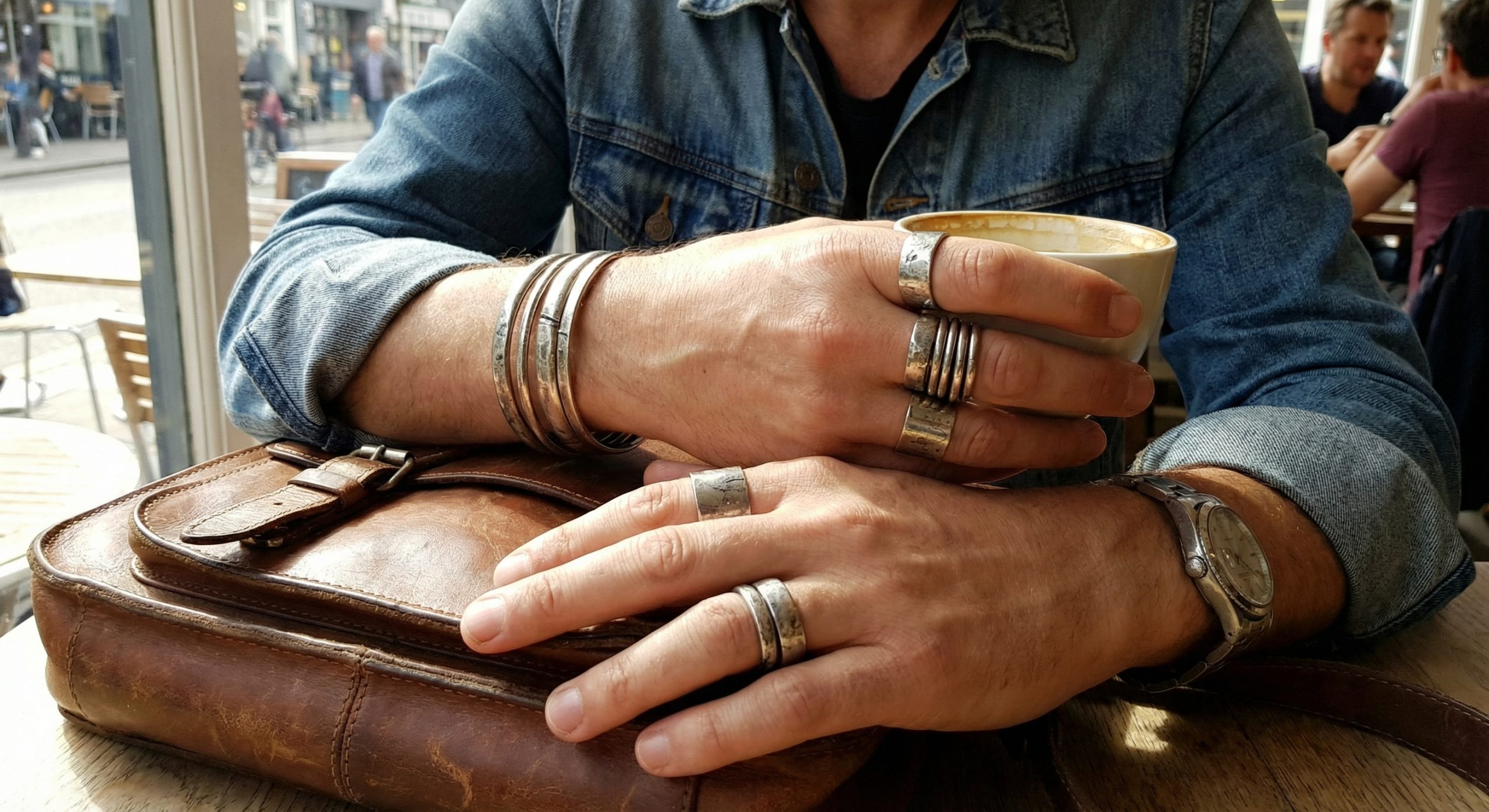
You can restore your silver collection using professional electrolytic baths or simple mild soap solutions at home. Nothing diminishes a luxury brand’s reputation faster than displaying tarnished, dull silver pieces to high-end clients. Watching your inventory lose its mirror-like finish can feel like losing money with every passing day. This guide provides the definitive answer on how to clean silver jewelry to maintain a premium presentation.
Why Does Sterling Silver Tarnish Over Time?
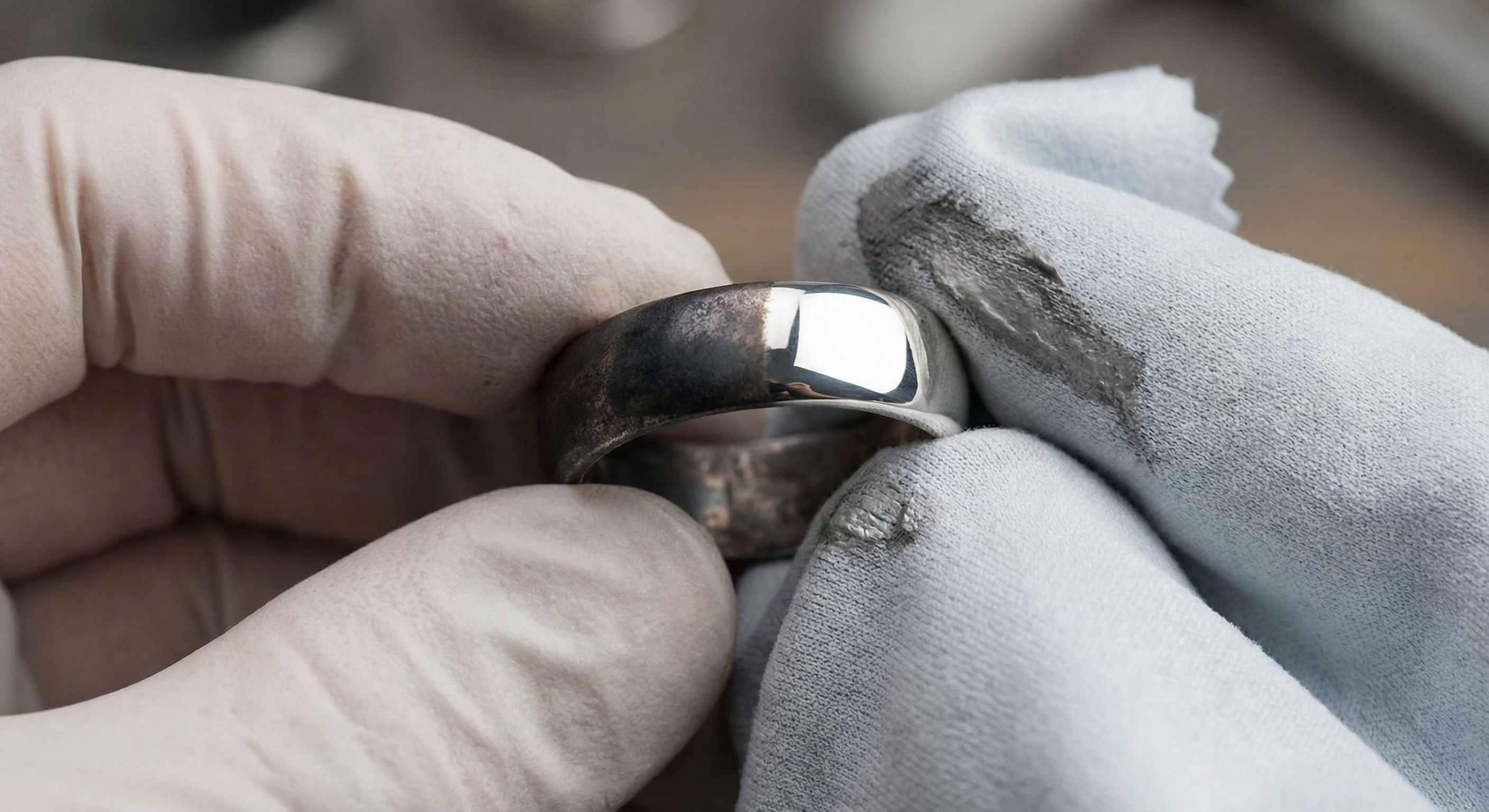
Tarnish occurs due to a chemical reaction between the copper alloy in silver and sulfur-containing substances in the air. Learning how to clean silver jewelry starts with understanding that oxidation is a natural, surface-level process. It creates a dark layer of silver sulfide that obscures the metal’s natural brilliance.
What causes that dull gray film?
Sulfur compounds in the atmosphere are the primary culprits behind that unwanted gray coating. High humidity and exposure to salty coastal air accelerate this corrosion significantly.
Think about this:
- Industrial pollutants in urban air.
- Human perspiration and skin oils.
- Household cleaning agents containing bleach.
Is the tarnish permanent damage?
Discoloration is almost always surface-level and does not represent permanent structural decay of the metal. Most tarnished pieces can be restored to their original luster with minimal effort and the right tools.
It gets better:
- Reversible chemical reactions.
- Non-corrosive restoration techniques.
- Protective barriers found in quality liners.
Regular maintenance prevents light tarnish from turning into deep corrosion that requires professional resurfacing.
| Factor | Impact on Silver | |
|---|---|---|
| Humidity | Accelerates sulfur reaction | |
| Air Quality | Higher sulfur increases tarnish | |
| Copper Content | Provides durability but attracts oxidation |
Understanding these chemical triggers allows you to implement better storage and handling protocols.
When Should You Clean Your Silver Jewelry?
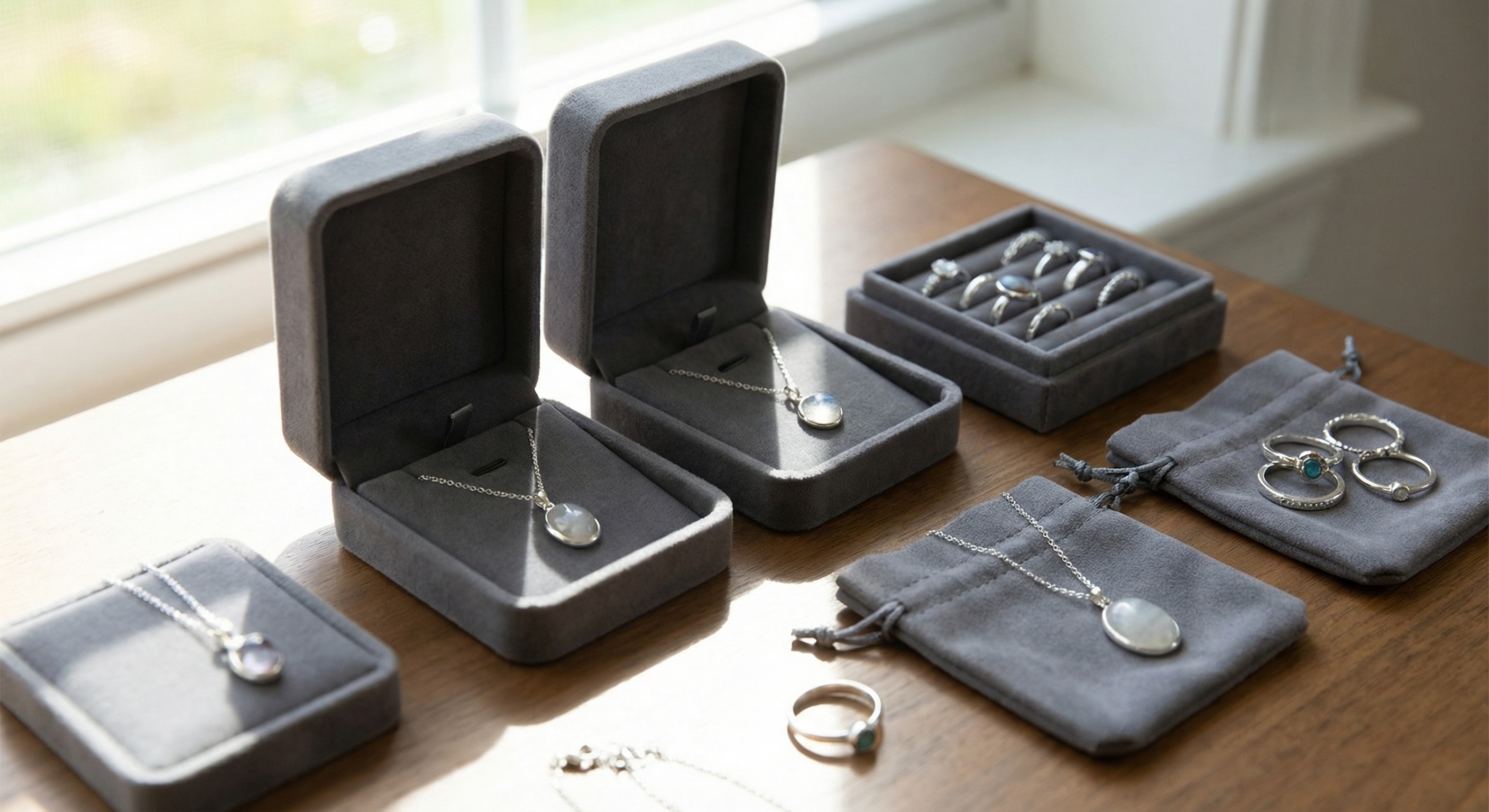
You should clean your silver at least twice a year or whenever visible dullness begins to mask the metal’s luster. Regular inspections ensure your collection always meets retail standards. Items kept in a premium bracelet box often stay cleaner for much longer durations.
Signs your silver needs attention
Visible yellowing or dark patches on the surface are the most obvious indicators that cleaning is overdue. You might also notice a gritty texture or a loss of “mirror” reflection in flat surfaces.
Here is the kicker:
- Fading brilliance on edges.
- Dark spots in recessed patterns.
- Oily residue from frequent handling.
The importance of regular maintenance
Preventative care is much easier than restorative cleaning after years of neglect. Promptly wiping down pieces after exposure to lotions or sweat keeps the finish flawless.
But wait, there is more:
- Preserves wholesale resale value.
- Simplifies inventory audit processes.
- Enhances customer trust in quality.
Routine cleanings every few months are the secret to maintaining a professional jewelry inventory that looks brand new.
| Jewelry State | Recommended Action | |
|---|---|---|
| Light Dullness | Polishing cloth buffing | |
| Yellowing Patches | Mild soap and water soak | |
| Deep Black Tarnish | Electrolytic foil method |
Scheduling periodic maintenance prevents minor oxidation from becoming a major restoration project for your team.
How Does Baking Soda and Foil Remove Tarnish?
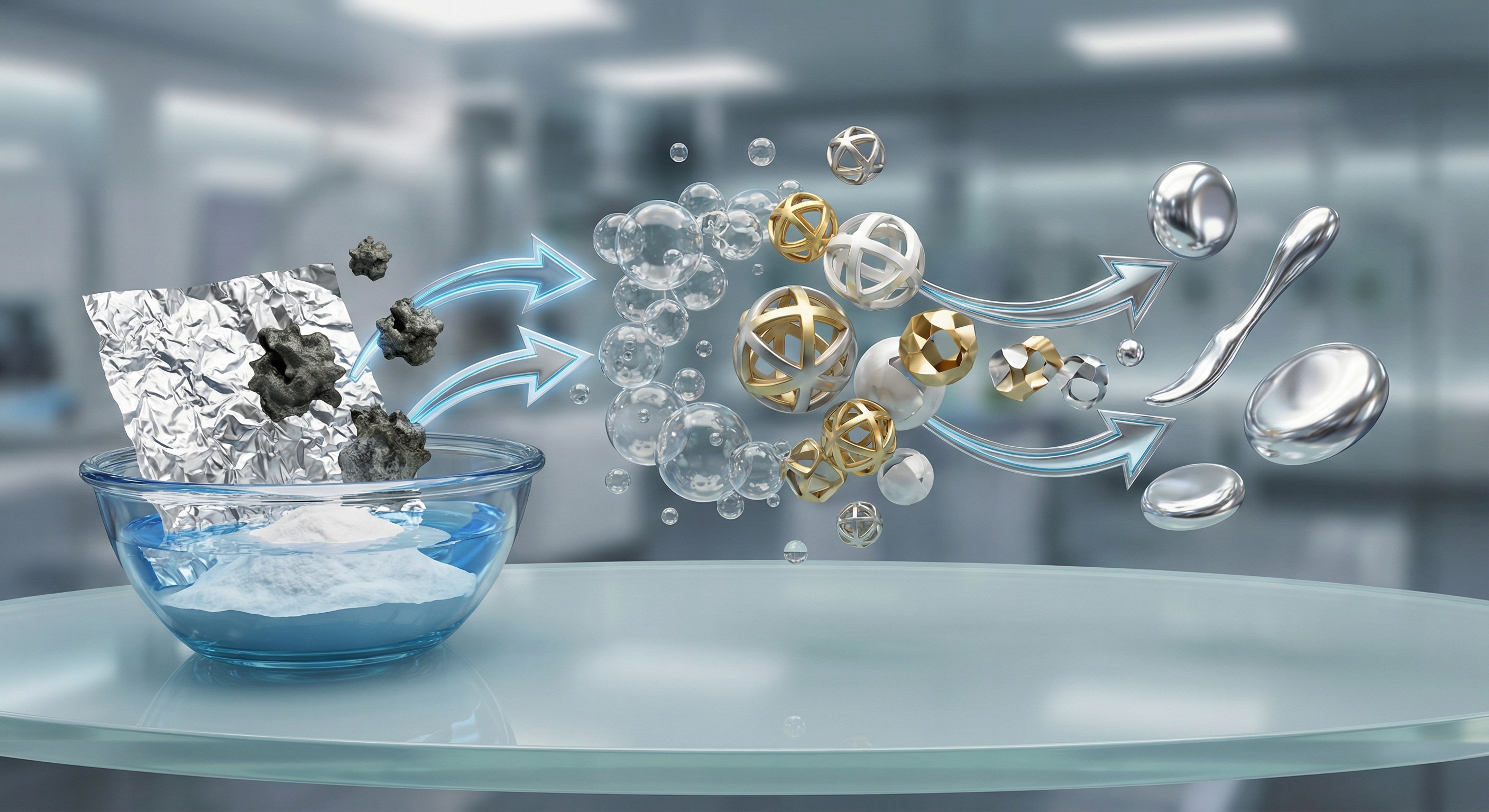
The most efficient way to learn how to clean silver jewelry involves an electrolytic reaction using aluminum foil and baking soda. This method literally pulls tarnish off the metal and onto the foil in seconds. It is a cost-effective solution for high-volume cleaning in a professional setting.
Gathering your cleaning supplies
You only need common household staples to perform this high-level chemical restoration. Ensure you have a non-reactive heat-proof bowl and a large piece of aluminum foil.
Believe it or not:
- Standard baking soda.
- Boiling distilled water.
- Clean microfiber drying cloths.
Step-by-step instructions for the foil method
Line the bowl with foil, place the jewelry in direct contact with the shiny side, and sprinkle baking soda over it. Pouring boiling water initiates a bubbling reaction that cleans the silver instantly.
Now for the best part:
- Contact jewelry with foil.
- Add boiling water slowly.
- Rinse pieces in cold water.
The electrolytic process is the fastest way to restore heavily oxidized silver without using toxic commercial dips.
| Tarnish Level | Recommended Soak Time | |
|---|---|---|
| Surface Dullness | 30 – 60 seconds | |
| Visible Yellowing | 2 – 3 minutes | |
| Heavy Black Oxidation | 5 – 10 minutes |
Using the right timing ensures maximum tarnish removal while protecting the underlying metal from excessive heat exposure.
Can Vinegar and Baking Soda Restore Shine?
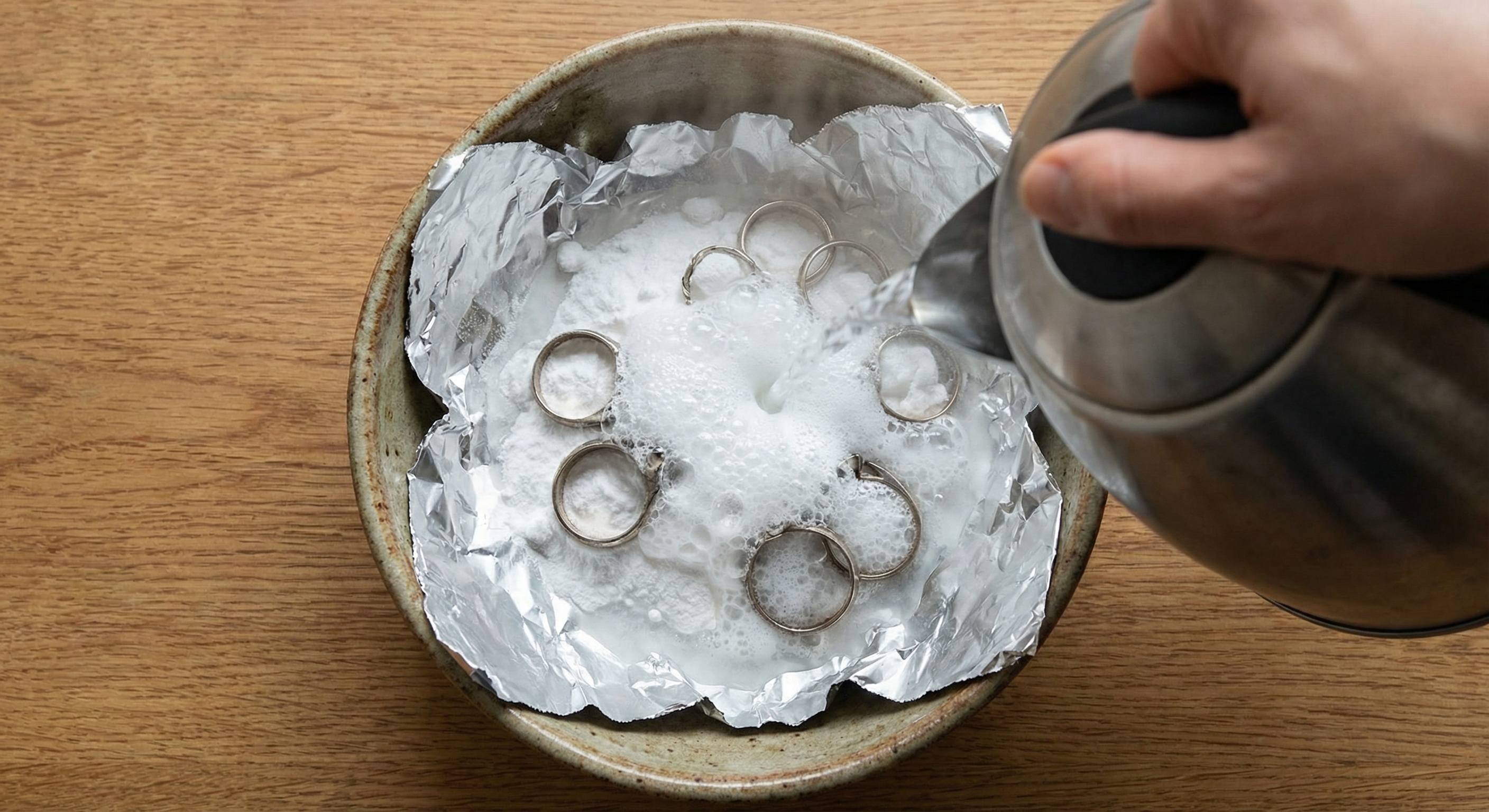
Using white vinegar and baking soda provides a powerful dual-action cleaning process for stubborn stains. The natural acidity of the vinegar breaks down organic buildup while the baking soda neutralizes odors and lifts grime. This method is ideal for pieces that have been stored improperly for long periods.
Why the fizzy reaction works
The bubbling carbon dioxide reaction helps physically lift dirt out of intricate filigree and engravings. It reaches deep crevices that a cloth or brush might miss during standard cleaning.
You will love this:
- Deep-cleaning fizzy action.
- Chemical-free stain removal.
- Safe for non-porous components.
A guide to the soaking process
Submerge the jewelry in a mixture of half a cup of white vinegar and two tablespoons of baking soda. Allow the pieces to sit for two to three hours before rinsing thoroughly with cool water.
Here is a pro tip:
- Use a shallow glass bowl.
- Ensure total item submersion.
- Dry immediately to avoid spots.
A long soak in vinegar and baking soda acts as a deep-cleansing treatment for neglected silver pieces.
| Ingredient | Primary Cleaning Role | |
|---|---|---|
| White Vinegar | Dissolves hard water spots | |
| Baking Soda | Gentle abrasive for grime | |
| Cold Water | Final residue removal |
Combining these two agents creates a synergetic effect that outperforms most single-ingredient home cleaning remedies.
Is Mild Soap Enough for Light Cleaning?
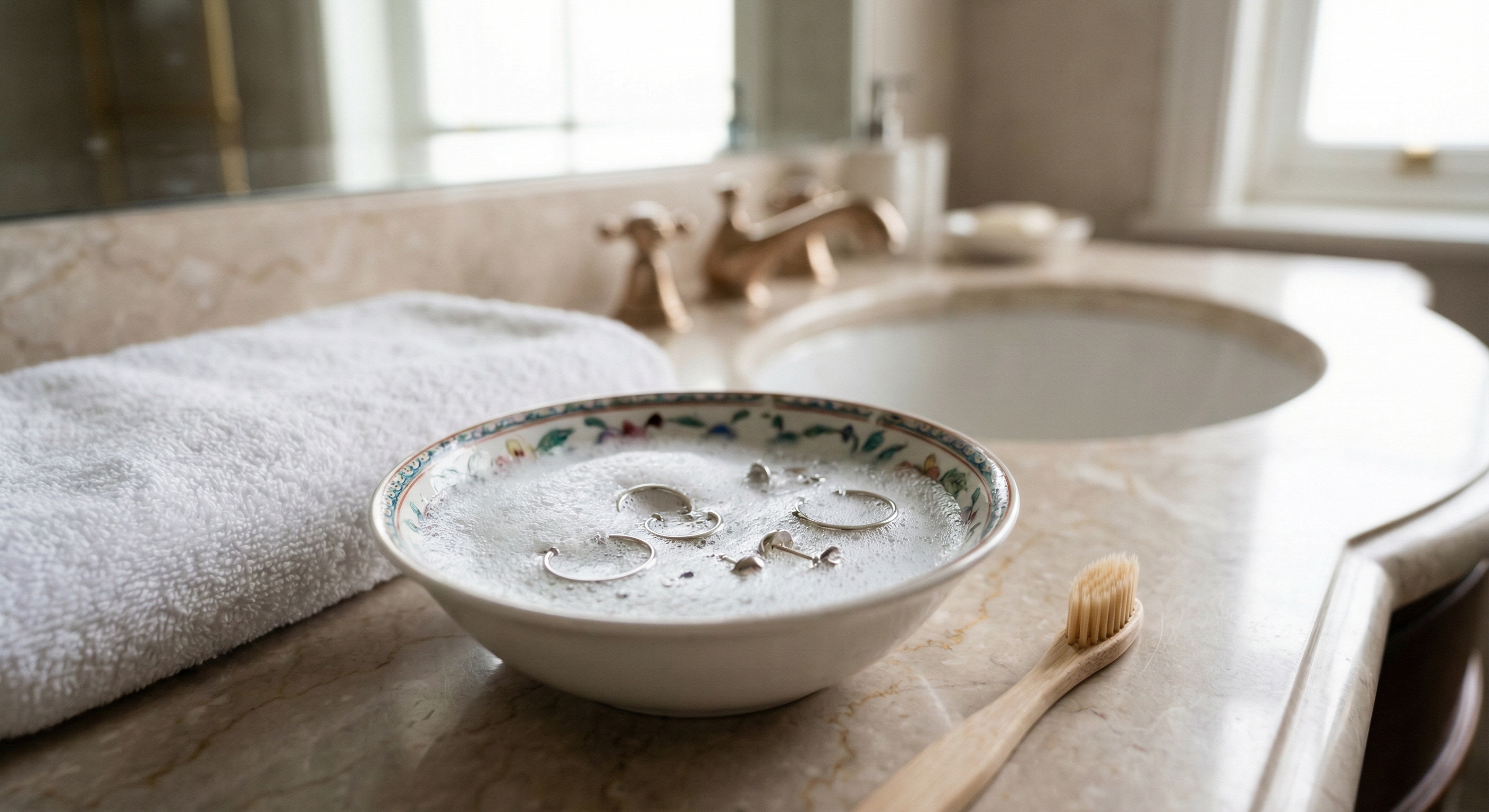
For delicate items like studs stored in a custom earring box , you should know how to clean silver jewelry using a mild soap solution. This gentle approach is safest for pieces with intricate settings or glued components. It effectively removes oils and dust without risk of chemical damage.
When to choose the gentle approach
Use soap and water for routine maintenance of pieces worn daily to remove body oils and cosmetic buildup. This method is the “gold standard” for jewelry containing gemstones that might be sensitive to acids or heat.
Keep this in mind:
- Daily wear grime removal.
- Safe for organic gemstones.
- Prevents long-term buildup.
Proper scrubbing and drying techniques
Apply the soapy water with a soft-bristled toothbrush to gently agitate dirt in hard-to-reach areas. You must dry the jewelry immediately with a lint-free cloth to prevent water spots or new oxidation.
But that’s not all:
- Circular brushing motions.
- Thorough rinsing in lukewarm water.
- Complete air-drying before storage.
Starting with the gentlest possible method protects the longevity and structural integrity of your most delicate silver pieces.
| Grime Source | Recommended Tool | |
|---|---|---|
| Cosmetic Oils | Soft microfiber cloth | |
| Deep Crevice Dirt | Soft-bristled toothbrush | |
| Dust Buildup | Compressed air or gentle rinse |
Selecting the correct tool for the specific type of buildup prevents unnecessary scratching while maximizing cleaning efficiency.
How Can You Polish Silver Without Scratching?
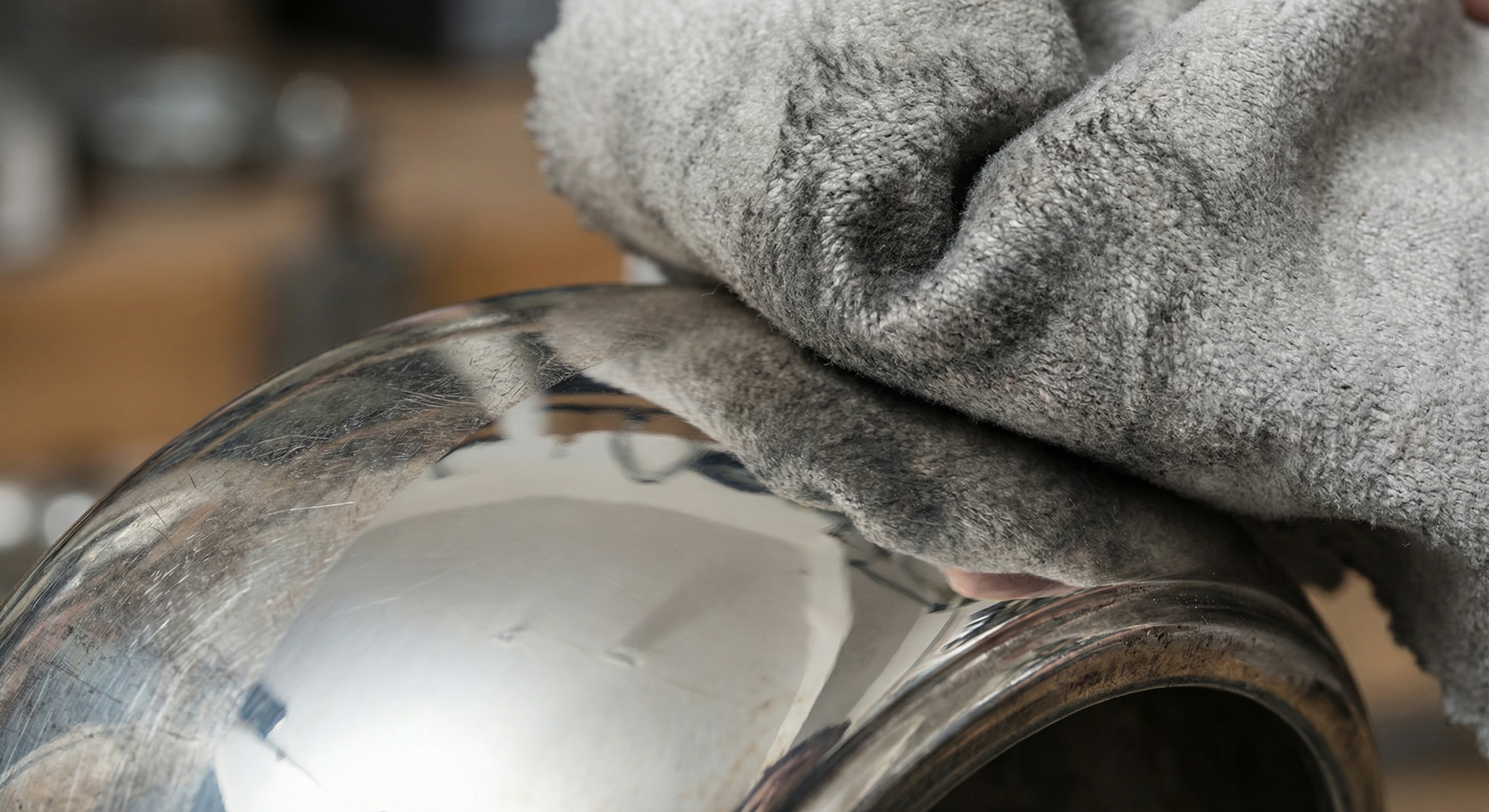
Polishing focuses on removing light oxidation and restoring the metal’s reflective properties through mechanical buffing. Unlike deep cleaning, polishing uses specialized cloths to smooth the surface without removing significant amounts of metal. A high-shine finish is essential for pieces displayed in retail lighting.
Choosing the right polishing cloth
Never use paper towels or tissues, as their wood-pulp fibers can create microscopic scratches on the soft silver surface. Professional polishing cloths are treated with specialized compounds that lift tarnish while you buff.
The secret is here:
- Multi-layer treated cloths.
- Lint-free cotton materials.
- Anti-tarnish chemical additives.
Professional vs at-home polishing
Professional polishing services use high-speed wheels to achieve a flawless “mirror” finish that is difficult to replicate by hand. However, weekly manual buffing at home is sufficient for maintaining the luster of your daily collection.
Make no mistake:
- Pro wheels for deep scratches.
- Manual buffing for daily glow.
- Consistent light pressure application.
Consistent light polishing is the most effective way to keep silver looking its best between professional service appointments.
| Cloth Type | Shine Intensity | |
|---|---|---|
| Microfiber | Low (Dust removal only) | |
| Treated Cotton | Medium (Tarnish removal) | |
| Professional Buffing | High (Mirror finish) |
Matching the polishing intensity to the current state of the jewelry ensures a perfect finish without over-wearing the metal.
What Is the Best Way to Store Sterling Silver?
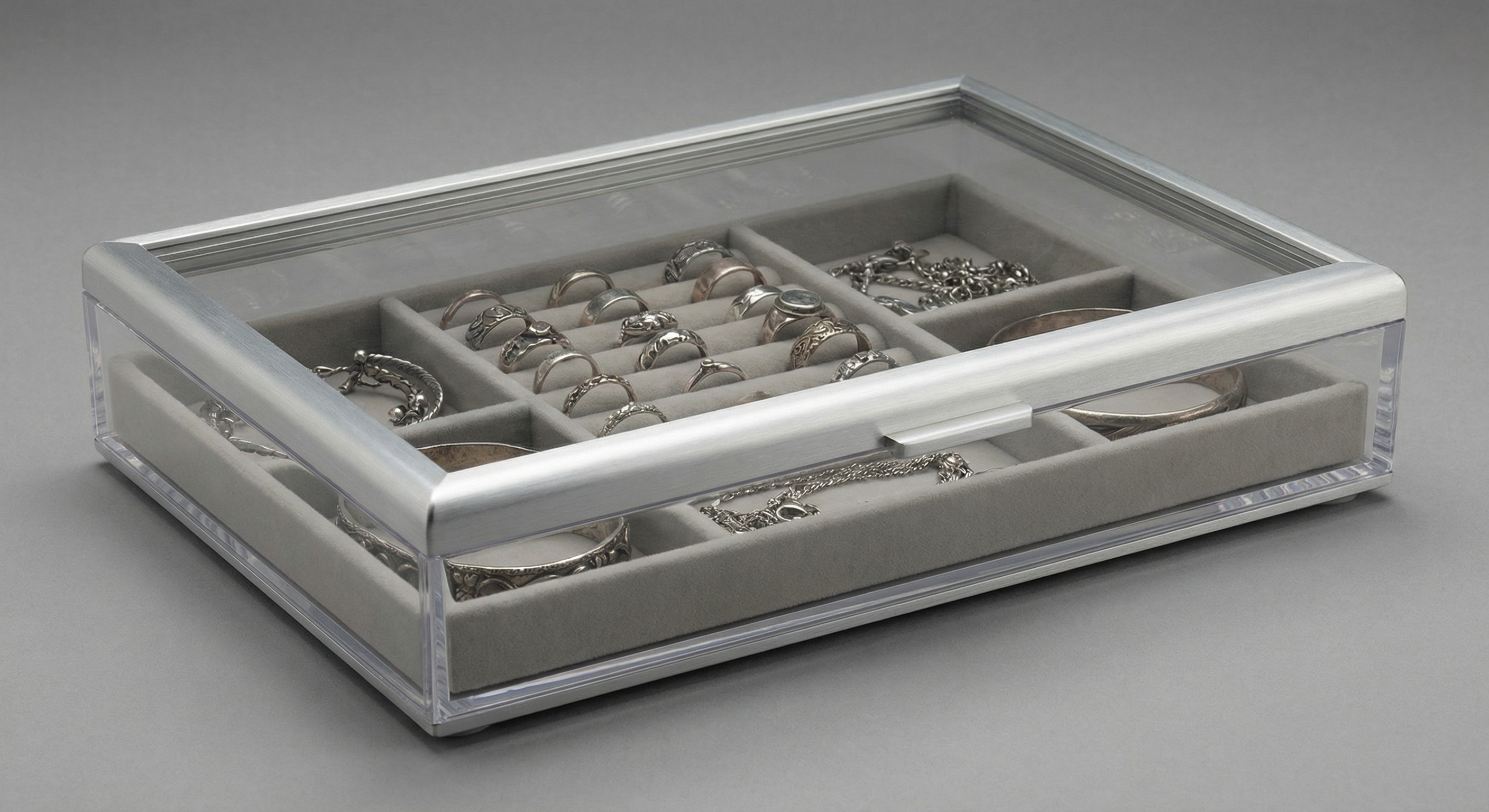
Utilizing airtight solutions like a pe-film jewelry box is the most effective way to understand how to clean silver jewelry less often. Proper storage slows down the oxidation process by limiting air and moisture exposure. High-quality custom jewelry box linings also provide an additional barrier against environmental sulfur.
Preventing tarnish with airtight solutions
Airtight containers prevent the sulfur-rich air from coming into contact with your silver pieces. You can further enhance these systems by including anti-tarnish strips or small silica gel packets to absorb residual moisture.
The kicker is:
- Vacuum-sealed film technology.
- Moisture-wicking silica packets.
- Chemical-treated storage liners.
Why organization matters for silver care
Keeping silver pieces in individual compartments prevents them from scratching each other during movement or transport. Dedicated slots for necklaces also prevent tangling, which can lead to stress and micro-fractures in the silver chains.
There is more to consider:
- Individual velvet compartments.
- Soft-touch jewelry pouches.
- Dedicated necklace suspension hooks.
Investing in high-quality, airtight storage solutions is the single most important step in long-term silver preservation.
| Storage Method | Tarnish Prevention Level | |
|---|---|---|
| Open Tray | Very Low (High air exposure) | |
| Standard Box | Medium (Limited air flow) | |
| PE-Film Case | High (Airtight suspension) |
The transition to airtight storage technology significantly reduces the frequency of deep cleaning required for your inventory.
Should You Use Professional Cleaning Services?
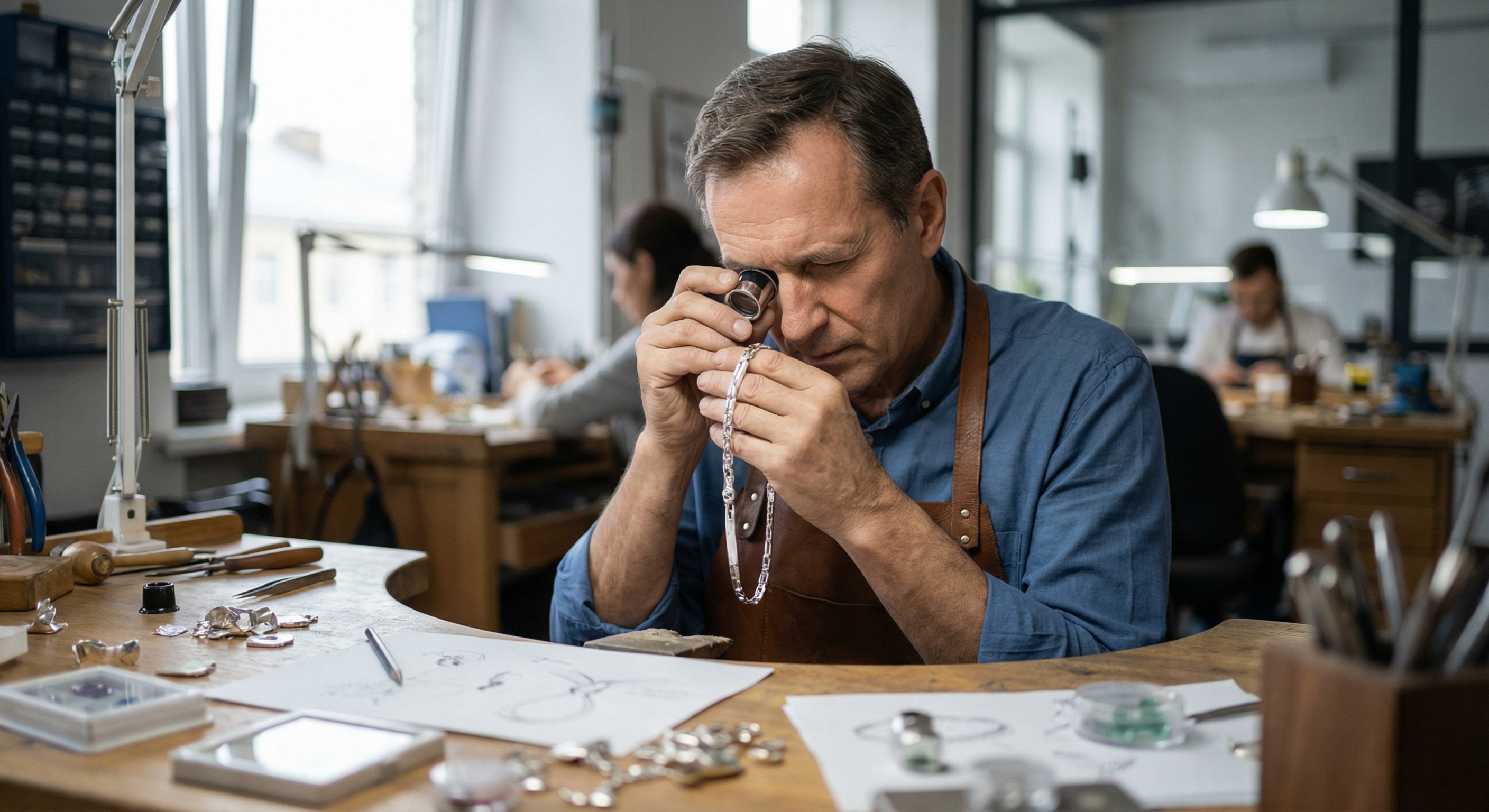
You should seek professional cleaning for heirloom pieces or jewelry containing high-value precious stones. A professional jeweler can inspect the structural integrity of prongs and settings that might be weakened during home cleaning. They have access to industrial ultrasonic cleaners and steam systems that provide a level of sanitation home methods cannot match.
Handling delicate gemstones and vintage pieces
Porous stones like opals or pearls can be permanently damaged by the heat and chemicals used in many DIY silver cleaning methods. Professionals know how to isolate the silver metal for cleaning while protecting the sensitive organic components.
Think about this:
- Ultrasonic setting inspections.
- Targeted steam sanitization.
- Gemstone-safe chemical dips.
What to expect from a pro jeweler
A professional service typically includes deep cleaning, high-speed buffing, and a final quality inspection of all functional parts. They can also apply professional-grade tarnish inhibitors that last longer than standard consumer products.
You might be surprised:
- Restoration of lost detail.
- Repair of loose stone prongs.
- Application of protective sealants.
Delegating complex restoration tasks to professional jewelers protects your investment and ensures the highest level of craftsmanship.
| Problem Type | Recommended Professional Service | |
|---|---|---|
| Loose Settings | Prong tightening and inspection | |
| Heavy Scratches | High-speed wheel resurfacing | |
| Antique Patina | Controlled restoration and cleaning |
Professional intervention is necessary whenever the jewelry requires more than simple surface-level tarnish removal.
How Do Chemicals Affect Your Silver Jewelry?
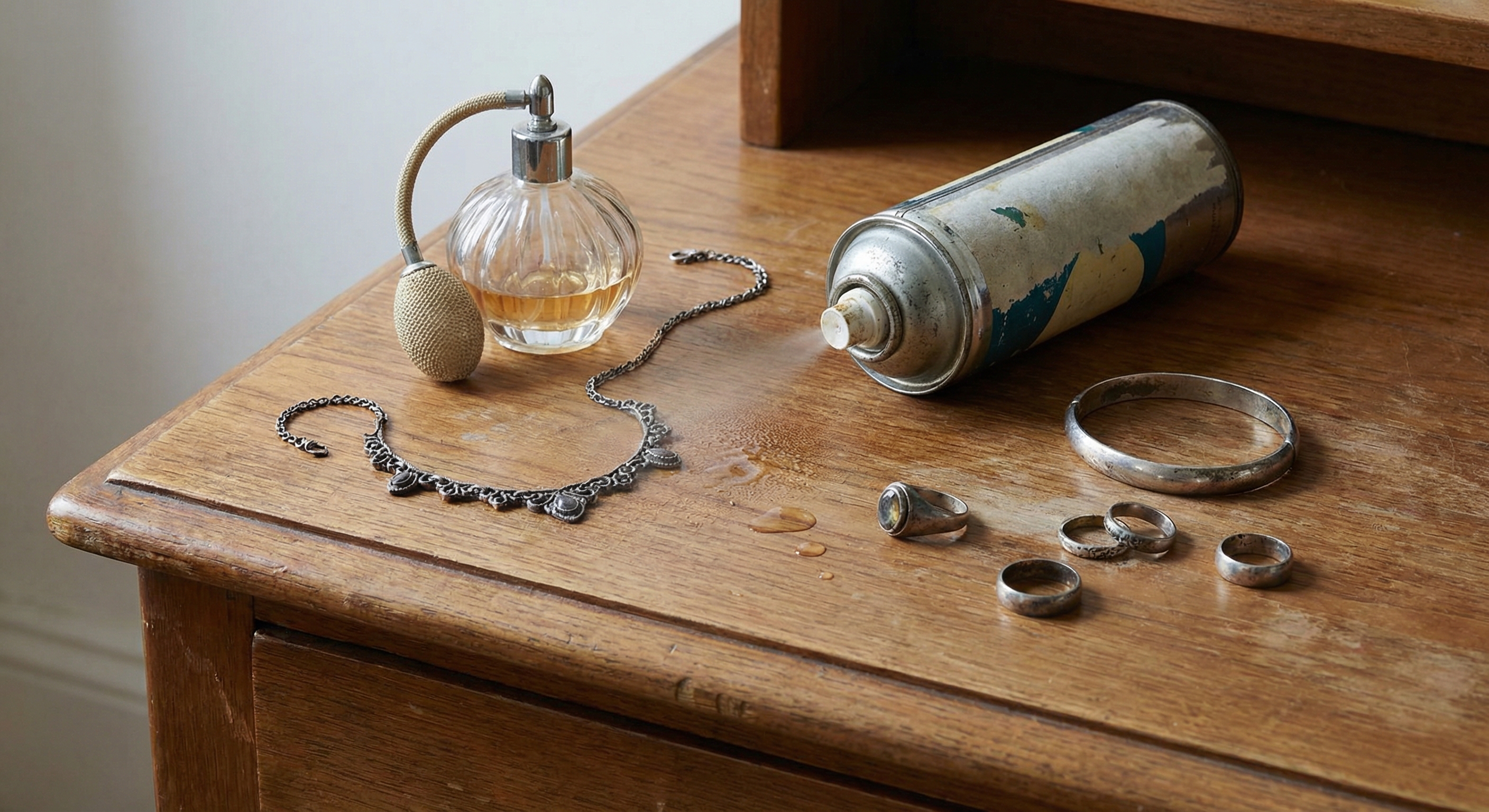
Common household chemicals can cause rapid and severe tarnish, so knowing how to clean silver jewelry after exposure is critical. Chlorine, bleach, and even some perfumes contain sulfur or corrosive elements that eat away at the silver’s surface. These substances can cause permanent pitting or deep discoloration if not addressed immediately.
Common household items to avoid
Hairspray, lotions, and perfumes are the most frequent causes of “mysterious” tarnish on daily-wear jewelry. You should also avoid wearing silver while swimming in chlorinated pools or cleaning with heavy industrial chemicals.
Here is the kicker:
- Chlorine in swimming pools.
- Ammonia in glass cleaners.
- Sulfur in rubber products.
Protecting jewelry during daily activities
Adopt the “last on, first off” rule to minimize the time your silver is exposed to cosmetics and daily stressors. Removing rings before washing dishes or gardening significantly reduces the risk of chemical abrasion and impact damage.
Wait, there is more:
- Protective barrier applications.
- Immediate rinsing after exposure.
- Safe-zone storage during chores.
Minimizing chemical contact is the most effective preventative strategy for maintaining the long-term brilliance of silver jewelry.
| Chemical Agent | Reaction with Silver | |
|---|---|---|
| Chlorine | Rapid gray/black oxidation | |
| Ammonia | Potential surface pitting | |
| Cosmetic Alcohol | Dullness and residue buildup |
Awareness of these reactive agents allows you to proactively protect your collection from accidental chemical damage.
How Does Frequent Wear Help Prevent Tarnish?
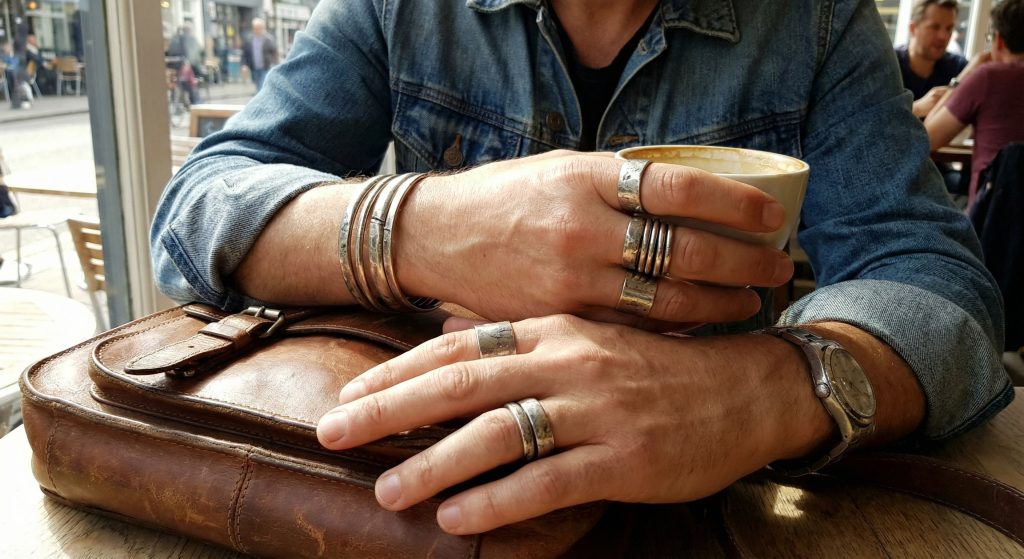
Wearing your sterling silver often is a highly effective way to keep it clean and brilliant through natural friction. Storing a ring in a specialized ring box for years leads to more tarnish than wearing it every day. Your body’s natural movements provide a constant, gentle “polishing” effect against your skin and clothing.
The role of natural skin oils
The natural oils on your skin act as a mild protective barrier against environmental sulfur and moisture. While excessive oils should be wiped off at the end of the day, a healthy balance helps maintain the silver’s surface finish.
But wait, check this out:
- Natural friction buffing.
- Protective lipid barriers.
- Consistent surface movement.
Daily habits for lasting brilliance
Wiping your silver pieces with a soft cloth after each wear removes any accumulated salts or acids from your skin. This simple ten-second habit can double the time required between deep cleaning sessions.
The kicker is:
- End-of-day buffing ritual.
- Separation during sleep.
- Rotation of your collection.
Integrating simple care habits into your daily routine ensures your silver jewelry remains a stunning asset for a lifetime.
| Activity | Impact on Brilliance | |
|---|---|---|
| Daily Wear | Maintains shine through friction | |
| Long-term Storage | High risk of stagnant oxidation | |
| Post-wear Wiping | Extends time between cleanings |
The paradox of silver care is that regular usage is often more beneficial than keeping pieces hidden away in a drawer.
Frequently Asked Questions
Can I use toothpaste to clean my silver?No, you should avoid this method because the silica and other abrasives in modern toothpaste can create permanent scratches on soft silver. These micro-scratches eventually make the metal look dull and trap more dirt over time.
What’s the best way to clean silver with pearls?Use caution and only a damp cloth with extremely mild soap. You must never submerge pearls or other organic gems in chemicals or ultrasonic cleaners, as it can dissolve their natural nacre or loosen their adhesive.
How do I know if my jewelry is real sterling silver?Always look for the “.925” hallmark stamped on an inconspicuous part of the piece. This stamp certifies that the metal consists of 92.5% pure silver and 7.5% alloy, which is the international standard for sterling.
Can I clean silver-plated jewelry with these methods?Use extreme caution when cleaning plated items because aggressive scrubbing or chemical baths can strip away the thin layer of silver entirely. Stick to the mildest soap and water solution and avoid all abrasive cloths.
What’s the best home remedy for heavy tarnish?The aluminum foil and baking soda method is superior for heavy restoration. It uses a scientific electrolytic process to lift thick oxidation layers without requiring the manual scrubbing that can damage delicate details.
Conclusion
Maintaining the brilliance of your sterling silver doesn’t have to be a complicated or expensive endeavor. By understanding the chemical causes of tarnish and applying the correct cleaning methods—from electrolytic baths to gentle soap solutions—you can ensure your collection remains pristine. We have solved the problems of dull finishes and chemical damage by providing a comprehensive maintenance roadmap.
Our team specializes in premium anti-tarnish storage that complements these cleaning techniques perfectly. To find the ideal protective packaging that keeps your silver shining like new, contact us today for a customized consultation. We are committed to a vision where every piece of jewelry is preserved in its most brilliant state through innovative design and expert care.