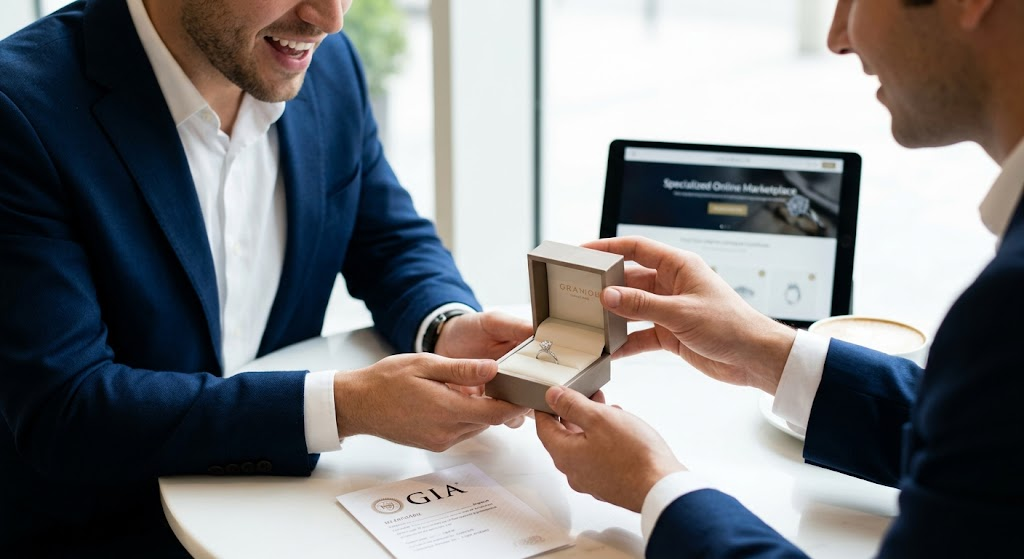
Jewelry selling tips include understanding current market values, preparing your items for a professional presentation, and selecting the most profitable sales channel for your specific pieces. Many owners leave thousands of dollars in assets gathering dust because the appraisal and sales process feels overwhelmingly complex. This hesitation leads to financial stagnation as your jewelry sits idle instead of providing liquid capital. By following this guide, you will learn how to sell jewelry efficiently to maximize your return and avoid common industry pitfalls.
Why is learning how to sell jewelry worth the effort?

Learning how to sell jewelry is worth the effort because it empowers you to demand the true market value of your assets. Without this knowledge, you are likely to accept low-ball scrap offers that ignore the craftsmanship or rarity of your pieces. Professional sellers understand that timing and education are the keys to a successful transaction.
Is the market timing right for your sale?
Market timing depends heavily on current precious metal spot prices and fluctuating consumer demand for specific gemstone cuts. You must monitor these trends to ensure you are selling when prices are at a seasonal or economic peak.
Think about it:
- Gold and platinum trading rates change daily.
- Consumer demand shifts between vintage and modern styles.
- Holiday seasons often drive up the prices for finished jewelry.
| Factor | Impact on Price | Best Time to Sell | |
|---|---|---|---|
| Gold Spot Price | High | During economic uncertainty | |
| Gemstone Rarity | Medium | High demand periods | |
| Design Trend | Variable | When style is in high demand |
Evaluating the current economic climate is the first step in determining your potential profit margins.
Key Takeaway: Checking daily spot prices and seasonal trends can increase your final payout by 10% to 15% compared to selling blindly.
What are the first steps in how to sell jewelry?

The first step in how to sell jewelry is to inventory your items and gather all relevant documentation, such as grading reports. Organizing your collection allows you to present a professional front to potential buyers or appraisers. This preparation phase is critical for establishing the baseline value of your collection.
How to prepare your pieces for inspection?
Cleaning your jewelry and sorting it by metal type makes the appraisal process faster and more professional. Items that look well-maintained naturally command more respect and better offers from seasoned buyers.
Here is the deal:
- Use warm water and mild soap for a gentle cleaning.
- Group your items by karat weight, such as 14k or 18k.
- Locate any original GIA or AGS certificates to prove quality.
| Action Item | Tool Needed | Benefit | |
|---|---|---|---|
| Cleaning | Soft brush/Soap | Enhances visual appeal | |
| Sorting | Jewelry Scale | Prevents bulk-scrap pricing | |
| Documentation | Original Receipts | Proves provenance |
A clean and organized presentation reduces the time required for a professional to evaluate your items.
Key Takeaway: Presentation directly impacts the initial offer from professional buyers, making pre-sale cleaning a high-ROI activity.
Can private buyers help you in how to sell jewelry?
Selling to a private buyer is often the best method of how to sell jewelry if your primary goal is to net the highest possible percentage of the original retail price. Private individuals are often looking for specific pieces for personal use rather than for resale profit. This allows you to capture more of the value that a middleman would typically take.
Where can you find reliable private buyers?
Online marketplaces and specialized social media groups are the primary platforms for connecting directly with individual collectors. These platforms allow you to set your own price and negotiate directly with the end consumer.
Look:
- Specialized jewelry auction sites offer targeted audiences.
- Local community “buy and sell” groups facilitate safe, local meetups.
- Direct referrals from your personal network can lead to trusted sales.
| Platform | Profit Margin | Time Investment | |
|---|---|---|---|
| Marketplace | High | Very High | |
| Specialized Auctions | Medium-High | Medium | |
| Family/Friends | High | Low |
While private sales require more effort in communication and security, the financial rewards are generally superior to other methods.
Key Takeaway: Private sales yield the highest returns but require careful attention to personal security and platform fees.
Is consignment the right way for how to sell jewelry?

Consignment is an excellent choice for how to sell jewelry when you have high-value pieces and are not in an immediate rush for cash. This method puts your jewelry in front of a qualified audience while the jeweler handles the marketing and sales process. It bridges the gap between a quick scrap sale and a labor-intensive private transaction.
How do consignment fees affect your return?
Most jewelers charge a commission fee that typically ranges from 20% to 50% of the final sale price. You must weigh these costs against the benefit of having a professional showroom represent your items to high-end clients.
Believe it or not:
- Standard commissions cover the store’s overhead and marketing.
- Insurance fees may apply while the item is held in-store.
- Refurbishment costs might be deducted to ensure the piece is showroom ready.
| Service | Typical Fee | Payment Speed | |
|---|---|---|---|
| Local Boutique | 30-40% | Slow (Upon sale) | |
| High-End Gallery | 40-50% | Very Slow | |
| Online Consignor | 20-35% | Moderate |
Understanding the fee structure upfront ensures there are no surprises when your item finally sells.
Key Takeaway: Consignment is ideal for unique or antique pieces that require a specific type of collector to reach their full value.
How to sell jewelry to local stores and pawnbrokers?

The fastest method of how to sell jewelry for immediate cash is visiting a local jewelry store or a reputable pawnbroker. These businesses offer liquidity that online platforms or consignment shops cannot match. While the payout may be lower than a private sale, the speed and convenience are often worth the trade-off for many sellers.
What is the difference between pawning and selling?
Pawning involves taking a short-term loan against your jewelry, whereas selling is a permanent transfer of ownership for a cash sum. Knowing which path to take depends on whether you intend to eventually reclaim your jewelry or let it go permanently.
The truth is:
- Selling provides immediate cash with no future obligations.
- Pawn loans do not require credit checks or lengthy applications.
- Payouts are generally a percentage of the item’s wholesale or scrap value.
| Buyer Type | Payout Speed | Typical Offer % | |
|---|---|---|---|
| Jewelry Store | Instant | 30-50% of Wholesale | |
| Pawn Shop | Instant | 25-40% of Resale | |
| Gold Buyer | Instant | 60-80% of Scrap Value |
Local buyers are best utilized when you need funds within the hour and want to avoid shipping risks.
Key Takeaway: Negotiation is expected in local shops, so always bring documentation to support a higher asking price.
How to sell jewelry online through secondary markets?
Online secondary markets provide a massive global audience, making them a very effective way to handle how to sell jewelry efficiently. These platforms allow you to reach buyers far outside your local geographic area, which is essential for niche or branded items. Modern technology has also made these transactions significantly safer than they were in the past.
Which online platforms offer the most security?
Escrow-based platforms and sites that offer built-in authentication services provide the highest level of security for both parties. Using these services protects you from common online scams and ensures that the buyer receives exactly what was described.
It gets better:
- Look for sites that provide prepaid and insured shipping labels.
- Use platforms that verify gemstone quality before releasing funds.
- Check user ratings to find marketplaces with robust dispute resolution.
| Feature | Peer-to-Peer | Professionally Managed | |
|---|---|---|---|
| Security | Moderate | High | |
| Fees | Low (5-10%) | High (15-25%) | |
| Audience | General | Targeted Collectors |
Choosing a managed platform reduces your risk but typically involves higher transaction fees.
Key Takeaway: High-quality professional photography is the single most important factor in driving online sales and higher offers.
What items should you prioritize in how to sell jewelry?
You should prioritize items with high metal purity or large, natural center stones when deciding how to sell jewelry for the highest margins. These “liquid” assets are much easier to price and sell quickly because they have a constant demand in the global market. Focusing on these high-value pieces ensures you get the best return on your time investment.
Why do natural diamonds hold better value?
Natural diamonds have a well-established secondary market and a level of scarcity that lab-grown alternatives currently do not possess. This makes them a more reliable asset for resale, especially when they come with recognized certifications.
You should know:
- GIA-certified round brilliant diamonds are always in high demand.
- Precious metals like 18k and 22k gold sell reliably based on weight.
- Signed pieces from famous design houses command a significant brand premium.
| Item Type | Resale Strength | Notes | |
|---|---|---|---|
| Natural Diamonds | Strong | Over 1.0ct is preferred | |
| High-Karat Gold | Excellent | Sells based on daily weight | |
| Designer Brands | Strong | Requires authenticity proof |
Understanding which items are “liquid” helps you prioritize what to sell first for the best financial outcome.
Key Takeaway: Focus your efforts on gold bullion and large, certified diamonds, as small accent stones have very little resale value.
How to sell jewelry and get the best stone evaluation?
Getting a professional evaluation is a vital part of learning how to sell jewelry for its maximum potential. A gemologist will test the stone’s 4Cs—Cut, Color, Clarity, and Carat weight—to determine its precise market standing. This objective data prevents you from being misled by buyers who might downplay the quality of your gems.
Can a local jeweler identify lab-grown stones?
Yes, most modern jewelers use specialized UV and laser equipment to distinguish between natural and lab-created diamonds instantly. It is important to know the origin of your stone before entering a negotiation, as lab-grown diamonds have much lower resale values.
Let’s get started:
- Professionals use refractometers to measure how light bends in the stone.
- Visual inspections for growth lines are done under high magnification.
- Laser-inscribed serial numbers on the diamond’s girdle are checked against databases.
| Tool | Purpose | Importance | |
|---|---|---|---|
| Loupe (10x) | Clarity/Inclusions | Essential | |
| Electronic Tester | Diamond vs. Moissanite | Critical | |
| Color Stones | Master Set Comparison | High |
Requesting that the buyer performs these tests in your presence builds transparency and trust during the transaction.
Key Takeaway: A “verbal appraisal” is often free and provides enough information for most sellers to make an informed decision.
Does packaging help in how to sell jewelry effectively?
Original or high-quality packaging is a secret weapon in how to sell jewelry effectively because it significantly increases the perceived value. When a buyer sees a piece in a premium box, they immediately associate the item with luxury and careful ownership. This emotional connection can often lead to a faster sale and a higher final price point.
Why does a professional box matter?
A professional box suggests the item was well-cared for and provides a superior unboxing experience for the new owner. It transforms a simple transaction into a gift-ready purchase, which is highly appealing to private buyers.
Bottom line:
- High-quality boxes enhance the visual appeal of online listing photos.
- Packaging protects the jewelry from damage during transit or viewing.
- Matching sets presented together in a single box appear more valuable.
| Presentation | Perceived Condition | Price Premium | |
|---|---|---|---|
| Loose/Plastic Bag | Used/Scrap | 0% | |
| Generic Box | Good | +5% | |
| Original/Custom Box | Excellent | +10-15% |
Investing in professional display solutions can bridge the gap between a “scrap” offer and a “retail” resale.
Key Takeaway: Never underestimate the power of first impressions; quality packaging can justify a 10% to 15% price premium.
How to sell jewelry and handle professional appraisals?
Handling an appraisal correctly requires you to understand the difference between insurance value and resale value when figuring out how to sell jewelry. Many sellers are disappointed because they expect to receive the high number listed on an insurance document. Understanding these different valuation types will help you set realistic expectations for your sale.
What is the difference in appraisal types?
Insurance appraisals reflect the cost to replace the item with a brand-new equivalent, while resale appraisals reflect what a buyer will pay you today. These two numbers are rarely the same, with insurance values often being significantly higher.
Watch out for this:
- Insurance values are often double what you will receive in a cash sale.
- Estate appraisals focus on the “as-is” liquidation value of the items.
- Fair market value is the price a willing buyer and seller agree upon.
| Type | Intended Use | Value Level | |
|---|---|---|---|
| Insurance | Protection/Policy | High | |
| Liquidation | Fast Sale | Low | |
| Fair Market | Private Sale | Moderate |
Knowing which appraisal you have will help you navigate negotiations without becoming frustrated by lower offers.
Key Takeaway: Use a GIA-certified appraiser for any item valued over $2,000 to ensure the most accurate market data.
Conclusion
Selling jewelry does not have to be a daunting or mysterious process. By understanding market timing, preparing your pieces with professional cleaning and packaging, and choosing the right sales channel, you can turn unwanted assets into significant liquid capital. We have addressed the primary challenges of valuation, security, and buyer selection to ensure you are fully equipped for success. If you are ready to enhance the value of your pieces with professional presentation solutions, contact us today to find the perfect packaging for your collection. Our vision is to empower every jewelry owner with the tools and knowledge needed to navigate the secondary market with confidence and professional flair.
FAQ
Can I sell jewelry without the original box?Yes, you can. While original packaging increases the perceived value for private buyers, most professional stores and gold buyers are primarily interested in the intrinsic value of the metal and stones.
What’s the best way to value inherited jewelry?The best way is to consult a certified gemologist. They can provide a “fair market value” appraisal which reflects what you can realistically expect to receive in today’s resale market.
How do I know if my diamond is natural or lab-grown?You can determine this by checking for a laser inscription on the diamond’s girdle or having it tested by a jeweler. Professional testing equipment is required to accurately distinguish between the two.
Can I sell broken or damaged jewelry?Yes, you can. Damaged items are typically sold for their “scrap” value, which is based on the weight and purity of the precious metals they contain.
What’s the best platform for a quick sale?The best platform for speed is a local jewelry store or gold buyer. These businesses offer immediate cash payments, though you may receive a lower price than you would through a private sale.