The fundamental difference between fashion jewelry and fine jewelry is the quality of the raw materials, specifically the preciousness of the metals and the authenticity of the gemstones used. Many retailers struggle when customers hesitate at premium price points because the visual difference between plated brass and solid gold isn’t always obvious at first glance. This confusion leads to lost sales and eroded trust in your brand’s value proposition. By understanding what is fine jewelry , you can confidently educate your clients and justify the investment in high-quality inventory.
What defines the materials and what is fine jewelry?

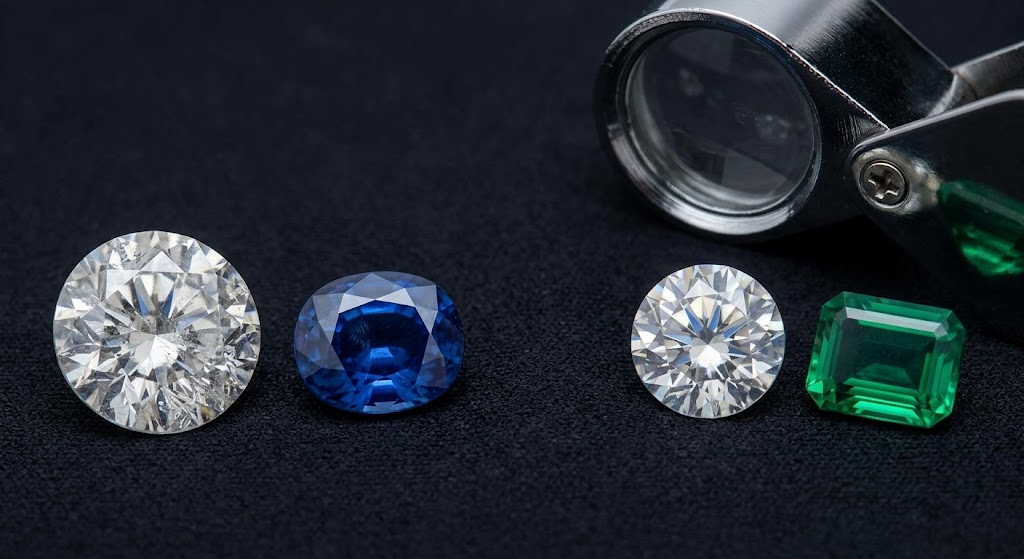
What is fine jewelry is characterized by the use of solid precious metals such as 14k gold, 18k gold, platinum, and sterling silver. These materials possess intrinsic value and are paired with natural gemstones like diamonds, rubies, or sapphires. Unlike cheaper alternatives, these pieces do not tarnish easily and maintain their brilliance for a lifetime.
Why do natural stones matter for value?
Natural gemstones are earth-mined minerals that are valued for their rarity and physical properties. They offer a level of depth and light refraction that synthetic glass or plastic simply cannot replicate in a professional setting.
Believe it or not.
- Natural gems appreciate in value over time.
- They possess unique inclusions that act as a “fingerprint.”
- Hardness ratings allow for daily wear without significant scratching.
Key Takeaway: Fine jewelry serves as a long-term investment due to the rarity of its natural components and precious metal content.
| Material Type | Fashion Jewelry | Fine Jewelry | |
|---|---|---|---|
| Metal Base | Brass or Copper | Solid Gold or Platinum | |
| Stone Origin | Synthetic/Plastic | Earth-Mined Natural | |
| Resale Value | Negligible | High |
This table demonstrates that the material source is the primary driver of both retail cost and long-term asset value.
How does the metal purity clarify what is fine jewelry?
The purity of the metal is a definitive factor in identifying what is fine jewelry because it determines both the price and the hypoallergenic properties of the piece. Fine pieces use metals that are significantly more durable and resistant to environmental oxidation than base metals. This high purity ensures that the jewelry remains a staple in a customer’s collection for decades.
Is solid gold essential for retail success?
Solid gold is the industry standard for luxury because it does not peel or wear down like plated fashion items. While it requires a higher initial investment, the lack of customer returns due to skin irritation makes it a safer bet for growing brands.
Think about it.
- 14k and 18k gold offer the best balance of purity and strength.
- Gold is a non-reactive metal that protects the wearer’s skin.
- The weight of solid gold feels substantial and premium to the touch.
Key Takeaway: Choosing solid precious metals eliminates the common retail risks associated with tarnishing and metal allergies.
| Gold Type | Composition | Durability | |
|---|---|---|---|
| 24k Gold | 99.9% Pure | Very Soft | |
| 18k Gold | 75% Gold + Alloys | High | |
| 14k Gold | 58.3% Gold + Alloys | Highest |
Selecting the right karatage allows you to balance the luxury of gold with the structural needs of complex jewelry designs.
Can fashion items mimic what is fine jewelry?
What is fine jewelry is frequently imitated by fashion jewelry through the use of high-quality plating and simulated stones. These “costume” pieces allow consumers to follow rapidly changing trends without the financial commitment of precious materials. However, while they may look identical initially, the lack of a precious metal core means they have a very limited lifespan.
How do simulated stones affect aesthetics?
Simulated stones like cubic zirconia or glass are designed to mimic the sparkle of diamonds and emeralds at a fraction of the cost. They are perfect for high-volume retailers who focus on the “fast fashion” segment of the market.
But that’s not all.
- Simulated stones can be produced in any color or size.
- They provide a “luxury look” for budget-conscious consumers.
- These components are easily replaced if damaged during retail display.
Key Takeaway: Fashion jewelry provides aesthetic versatility for trend-driven markets but lacks the structural integrity of fine pieces.
| Feature | Fine Jewelry | Fashion Jewelry | |
|---|---|---|---|
| Stone Clarity | Variable/Natural | Flawless/Synthetic | |
| Color Range | Natural Spectrum | Infinite/Artificial | |
| Production | Artisan/Handcrafted | Mass-Produced |
The difference in production methods reflects the target consumer’s desire for either unique heritage or affordable style.
Does semi-fine quality bridge what is fine jewelry?

To understand the middle ground, one must look at what is fine jewelry standards applied to gold vermeil and rhodium-plated silver. Semi-fine jewelry uses sterling silver as a base, which is a precious metal, but utilizes thick plating to achieve a gold appearance. This category is increasingly popular for B2B wholesalers who want to offer luxury at a more accessible entry point.
Why is gold vermeil a top seller?
Gold vermeil requires a sterling silver base and a gold thickness of at least 2.5 microns, ensuring a much longer lifespan than standard fashion plating. It allows your brand to use the “precious metal” label while keeping price points attractive for gift-shoppers.
Here is why:
- Vermeil is hypoallergenic due to the silver and gold components.
- It offers a much higher perceived value than brass-based items.
- The plating is thick enough to withstand moderate daily wear.
Key Takeaway: Semi-fine jewelry offers a strategic balance of precious metal status and competitive market pricing.
| Tier | Base Metal | Plating Thickness | |
|---|---|---|---|
| Fashion | Brass/Copper | < 0.5 Microns | |
| Semi-Fine | 925 Silver | > 2.5 Microns | |
| Fine | Solid Gold | N/A (Solid) |
Semi-fine options are ideal for brands looking to upgrade their image without fully committing to the high overhead of solid gold.
Does durability explain what is fine jewelry value?
What is fine jewelry is defined by its ability to withstand the test of time without losing its structural form or material value. Precious metals like platinum and gold are chemically stable, meaning they do not rust or corrode when exposed to moisture or air. This permanence is the primary reason why fine pieces are passed down through generations as cherished family heirlooms.
Can fine pieces be repaired easily?
Because fine jewelry is made of solid precious metals, it can be soldered, resized, and polished back to its original condition. Fashion jewelry, by contrast, is often made of “pot metals” that melt or shatter under the high heat required for professional repair.
It gets better.
- Professional jewelers can reset stones in fine settings.
- Solid gold chains can be welded without visible seams.
- Scratches on platinum can be burnished away without losing metal.
Key Takeaway: The repairability of fine jewelry ensures that the customer’s investment is protected for a lifetime.
| Service | Fine Jewelry | Fashion Jewelry | |
|---|---|---|---|
| Resizing | Possible | Not Recommended | |
| Stone Resetting | Yes | Glue/Adhesive only | |
| Polishing | Restores Luster | May remove plating |
Maintenance capabilities significantly increase the long-term satisfaction of the B2B client and the end consumer.
How do hallmarks help identify what is fine jewelry?

A hallmark is a small stamp that acts as a legal guarantee of what is fine jewelry and its metal purity. You will typically find these marks on the inside of a ring band or near the clasp of a necklace to verify its authenticity. For international B2B trade, these marks are essential for customs compliance and ensuring you are receiving the quality you paid for.
Where should you look for stamps?
The most common hallmarks include “925” for sterling silver, “14k” or “585” for gold, and “950” for platinum. Checking for these stamps is the fastest way for a retail buyer to distinguish between a plated imitation and a genuine precious item.
Don’t miss this.
- Hallmarks are often microscopic and require a loupe.
- They provide legal protection for both the buyer and seller.
- Genuine fine jewelry will always include a purity mark.
Key Takeaway: Hallmarking is the industry’s standard for verifying material integrity and protecting brand reputation.
| Hallmark | Metal Type | Purity Percentage | |
|---|---|---|---|
| 925 | Sterling Silver | 92.5% | |
| 585 | 14k Gold | 58.5% | |
| PT950 | Platinum | 95.0% |
Understanding these codes is vital for any professional involved in the procurement of high-end jewelry collections.
Why does packaging reflect what is fine jewelry status?

What is fine jewelry requires high-end, protective housing to match its market value and prevent damage to expensive gemstones. When you invest in a custom jewelry box , you are signaling to the customer that the contents are precious and worthy of careful storage. Low-quality packaging can diminish the perceived value of even the most expensive diamond ring.
Does unboxing drive your brand value?
A premium unboxing experience creates an emotional connection between the consumer and your brand, which is crucial for luxury marketing. Using high-density rigid boards and soft velvet linings ensures that the jewelry is presented as an elite asset.
Here is the secret.
- Rigid boxes provide a “heft” that feels expensive.
- Custom inserts prevent fine stones from scratching each other.
- Branding finishes like hot stamping add a professional touch.
Key Takeaway: The quality of your packaging must be proportional to the material value of the jewelry inside.
| Jewelry Tier | Box Material | Interior Finish | |
|---|---|---|---|
| Fashion | Lightweight Cardboard | Foam or Plastic | |
| Semi-Fine | Textured Paper | Suede or Microfiber | |
| Fine | Rigid Paper/Leather | Premium Velvet |
Strategic packaging choices directly influence the customer’s willingness to pay a premium price for your products.
Is the resale value tied to what is fine jewelry?
The most significant financial advantage of what is fine jewelry is its ability to retain value based on the weight of its precious metals. Unlike fashion jewelry, which has zero resale value once it is used or tarnished, fine pieces can be sold for the “melt value” of the gold or silver. This makes it an attractive purchase for B2B wholesalers who need to maintain an inventory that holds its capital value.
Do gemstones hold their market price?
High-quality natural diamonds and rare colored gemstones often appreciate in value over time as mines are depleted and demand increases. For institutional buyers, this turns inventory from a depreciating expense into a tangible financial asset.
The facts are clear.
- Gold is a global hedge against economic inflation.
- Certified diamonds have a transparent international market.
- Fine jewelry can be liquidated quickly if necessary.
Key Takeaway: Fine jewelry serves a dual purpose as both a wearable luxury and a portable financial investment.
| Investment Factor | Fine Jewelry | Fashion Jewelry | |
|---|---|---|---|
| Raw Material Value | High (Market Prices) | None | |
| Collectibility | High (Vintage market) | Low | |
| Liquidity | Easy to sell | Difficult |
The secondary market for precious metals provides a safety net that fashion jewelry simply cannot offer to investors.
How do you clean and maintain what is fine jewelry?
What is fine jewelry is easy to maintain because precious metals are highly resistant to the chemicals found in most professional cleaning solutions. You can restore the original shine of solid gold and diamonds using ultrasonic cleaners, a process that would destroy the plating on a fashion piece. For delicate storage, using a jewelry pouch protects the metal surface from environmental dust and accidental scratches.
Are ultrasonic cleaners safe for gems?
While gold and diamonds thrive in ultrasonic cleaners, you must be careful with softer natural stones like pearls or opals. These “fine” materials require specialized care to ensure that their natural moisture levels and luster are preserved over time.
It’s simpler than you think.
- Solid gold can be polished infinitely without losing color.
- Natural diamonds are the hardest substance and resist all scratches.
- Sterling silver just needs a simple cloth to remove oxidation.
Key Takeaway: Fine jewelry maintenance is a straightforward process that restores the item to its brand-new condition.
| Method | Fine Gold | Plated Fashion | |
|---|---|---|---|
| Ultrasonic | Safe and Effective | Will strip plating | |
| Steam Cleaning | Recommended | Can melt adhesives | |
| Hand Polish | Ideal for shine | Best for longevity |
Providing customers with the correct care guidelines builds loyalty and reduces the likelihood of product damage.
What is fine jewelry for your specific brand model?
To answer what is fine jewelry for your business, you must determine if your target market prioritizes trend-driven volume or long-term heritage. If you are operating in the jewelry brand industry , your focus should likely be on fine or semi-fine pieces to maintain a high-end reputation. Alternatively, using a pe film jewelry box can help keep your silver fine jewelry tarnish-free while in storage, combining industrial protection with luxury presentation.
Can you successfully mix your tiers?
Many modern brands offer a “bridge” model, where they sell fashion jewelry for seasonal trends and a fine jewelry line for milestone events. This allows you to capture a wider audience and encourages customers to “upgrade” their purchases as their loyalty to your brand grows.
Make no mistake.
- Tiered pricing attracts both Gen Z and affluent buyers.
- Fashion lines drive traffic, while fine lines drive profit.
- Packaging can be used to distinguish the tiers visually.
Key Takeaway: A multi-tier inventory strategy allows your brand to scale across different consumer price sensitivities.
| Model Type | Focus | Target Margin | |
|---|---|---|---|
| Volume Model | Fashion Trends | Low (High Turnover) | |
| Luxury Model | Fine/High Jewelry | High (Perceived Value) | |
| Hybrid Model | Mixed Collections | Balanced |
Defining your tier early in the design process ensures that your material sourcing and packaging strategies are perfectly aligned.
Frequently Asked Questions
Can I use the same box for fashion and fine jewelry?You can, but it is not strategically sound. Fine jewelry requires the structural support of rigid boxes to prevent stone loss, while fashion jewelry is better suited for cost-effective pouches or lightweight paper boxes to keep shipping costs low.
What’s the best way to prevent silver from tarnishing in retail?The most effective method is using an airtight suspension display, such as a PE film box. These create a vacuum-like seal that prevents oxygen from reaching the metal, keeping your fine silver inventory bright and showroom-ready for months.
How do I know if a piece is truly fine jewelry?Check for a hallmark stamp on the metal. Genuine fine jewelry will always be marked with its purity (925, 14k, 18k, etc.). Additionally, fine jewelry will feel significantly heavier and cooler to the touch than its plastic or brass counterparts.
Is lab-grown jewelry considered fine jewelry?Yes, lab-grown diamonds and gemstones are chemically identical to their natural counterparts. When set in precious metals like gold or platinum, they meet all the criteria for the fine jewelry category, offering high quality at a lower environmental impact.
What is the minimum order for custom high-end packaging?Most specialized factories require a minimum of 500 pieces for fully custom rigid boxes. This volume allows you to access direct factory pricing while ensuring that every unit meets the high quality control standards required for luxury branding.
Conclusion
Understanding the technical nuances between fashion and fine jewelry is the first step toward building a sustainable and profitable B2B jewelry brand. By sourcing the right materials and matching them with professional packaging solutions, you solve the problem of customer price resistance and build long-term market authority. Our brand is dedicated to providing the structural engineering and design expertise needed to protect your most valuable inventory. We invite you to contact us today to discuss how our manufacturing capabilities can elevate your brand and optimize your global