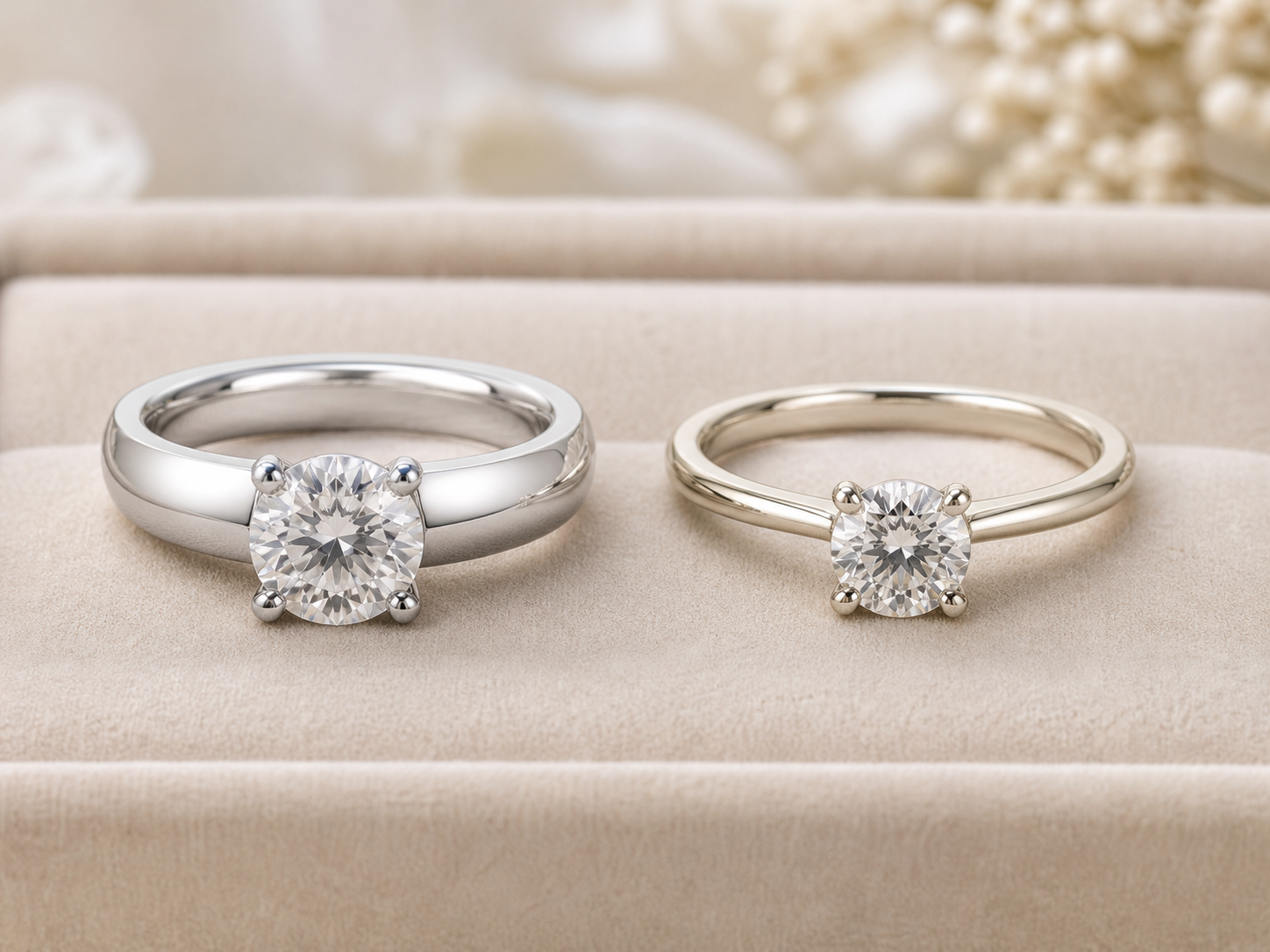
What is platinum jewelry ? It is a luxury category of fine accessories crafted from one of the densest and rarest precious metals on the planet. Many jewelry enthusiasts invest in pieces that eventually tarnish or irritate the skin, leading to a loss of both beauty and financial value over time.
Imagine the heartbreak of seeing a family heirloom lose its shape or discovering that your sensitive skin cannot handle the alloys in common gold rings. These problems often stem from choosing softer metals that require constant maintenance and frequent replating. By choosing the superior strength and pure composition of platinum, you ensure your investment remains flawless, especially when protected by a high-quality custom jewelry box .
What is platinum jewelry and why is it so rare?

What is platinum jewelry ? It is an exclusive metal choice defined by its extreme scarcity, with global production being about 30 times less than that of gold. Because so little of this metal is mined each year, owning it places you in an elite tier of jewelry collectors.
Global Scarcity and Mining
Let’s face it: the numbers are staggering. Platinum is only produced at a rate of approximately 170 tons per year, compared to the thousands of tons of gold pulled from the earth.
- Mining is concentrated in very few locations, primarily South Africa and Canada.
- The extraction process is incredibly labor-intensive and technically complex.
- It takes several tons of ore to produce just one ounce of pure platinum.
Comparison with Gold Rarity
Think about it: gold is found all over the world, but platinum is geographically limited. This isolation creates a supply chain that is much more sensitive to market changes.
- Platinum’s scarcity makes it a more exclusive investment for high-end brands.
- The limited supply ensures that the metal maintains a high level of prestige.
- Low annual production means every piece created is part of a very limited global stock.
Key Takeaway: The extreme rarity of platinum is the primary driver behind its high market value and its status as a pinnacle of luxury.
| Metal Type | Annual Production (Approx.) | Mining Difficulty | |
|---|---|---|---|
| Platinum | 170 Tons | Extremely High | |
| Gold | 3,300 Tons | Moderate to High |
This significant production gap explains why platinum remains a more exclusive choice for luxury jewelry retailers.
What is platinum jewelry’s level of durability?

What is platinum jewelry’s primary physical advantage? It is its remarkable hardness and structural integrity, which far surpass other precious metals like gold or silver. Because of its density, it provides a secure home for your most valuable gemstones in a ring box .
Hardness on the Mohs Scale
Here is the kicker: platinum scores between 4 and 4.5 on the Mohs scale. This is significantly higher than 24K gold, which is quite soft and prone to bending.
- The higher hardness rating prevents the metal from deforming under daily pressure.
- It provides a much safer setting for diamonds and other precious stones.
- Settings made of platinum are less likely to lose their grip on gems over time.
Metal Displacement vs. Erosion
The best part? When platinum is scratched, the metal is simply moved aside rather than being lost. Over time, this creates a soft “patina” finish that many collectors find highly desirable.
- Gold loses tiny amounts of metal every time it is polished or scratched.
- Platinum retains its total mass and volume throughout decades of wear.
- A patina can be polished back to a high shine without thinning the piece.
Key Takeaway: Platinum’s unique physical properties ensure that it maintains its weight and volume even after a lifetime of daily use.
| Material | Mohs Hardness Scale | Wear Characteristic | |
|---|---|---|---|
| Platinum | 4.0 – 4.5 | Metal Displacement (Patina) | |
| 24K Gold | 2.5 | Metal Loss (Erosion) | |
| Sterling Silver | 2.5 – 3.0 | Tarnish and Scratching | |
| Diamond | 10.0 | Extreme Hardness |
The structural stability of platinum makes it the safest choice for securing high-value diamonds in engagement jewelry.
What is platinum jewelry made of for sensitive skin?

What is platinum jewelry made of? It is typically composed of 95% pure metal, making it a naturally hypoallergenic choice for anyone with skin sensitivities. Unlike white gold, which often contains nickel, platinum is safe for continuous wear against the skin.
The Hypoallergenic Nature of Platinum
Believe it or not, platinum is one of the few metals that is truly skin-friendly for almost everyone. Because it is used in such a high state of purity, it does not require the addition of irritating base metals.
- It is the ideal choice for individuals who suffer from contact dermatitis.
- The lack of reactive alloys means no green or black marks on your skin.
- You can wear platinum bands 24/7 without experiencing rashes or itching.
Avoiding Common Metal Allergies
Wait, there’s more: many people don’t realize that white gold is often mixed with nickel or copper to achieve its color. These are the most common culprits for jewelry-related allergic reactions.
- Platinum is naturally white and does not need copper to change its hue.
- It bypasses the need for rhodium plating, which can wear off and expose allergens.
- Pure metal composition provides peace of mind for buyers with known allergies.
Key Takeaway: If you have sensitive skin, platinum is the healthiest and most comfortable metal choice for long-term daily wear.
| Alloy Component | Platinum (950) | White Gold (14K) | |
|---|---|---|---|
| Primary Metal | 95% Platinum | 58.3% Gold | |
| Common Alloys | Iridium or Ruthenium | Nickel, Copper, Zinc | |
| Skin Reaction | Hypoallergenic | Possible Irritation |
Choosing high-purity platinum eliminates the dermatological risks associated with the base metal alloys found in white gold.
What is platinum jewelry compared to white gold?

What is platinum jewelry’s main difference from white gold? It is a naturally white metal that does not require chemical plating to maintain its brilliant appearance. While white gold is an alloy that is plated with rhodium, platinum is white all the way through the piece.
Density and Weight Differences
Let’s dive in: you will immediately notice the difference when you hold a platinum ring in your hand. Platinum is roughly 60% heavier than 14K gold, giving it a substantial, premium feel.
- The density of platinum is 21.45 grams per cubic centimeter.
- This weight provides a sense of luxury that lighter metals cannot replicate.
- The heavy feel is often associated with higher quality and durability in the B2B market.
Maintenance and Color Longevity
Think about it: white gold eventually turns a yellowish tint as the rhodium plating wears off. Platinum never changes color because its white hue is a fundamental property of the metal itself.
- You will never need to pay for “re-dipping” or replating a platinum piece.
- The metal’s luster is permanent and resistant to fading from UV exposure.
- While it develops a patina, a simple professional polish restores the original shine.
Key Takeaway: While platinum has a higher upfront cost, its lower maintenance requirements make it a better long-term value than white gold.
| Feature | Platinum | White Gold | |
|---|---|---|---|
| Natural Color | Bright White | Yellowish White | |
| Plating Required | None | Rhodium Plating | |
| Weight/Density | Very Heavy | Moderate | |
| Long-term Maintenance | Low (Polishing) | High (Periodic Replating) |
Platinum’s permanent color removes the cycle of maintenance costs that white gold owners must face every few years.
What is platinum jewelry’s ideal skin tone match?

What is platinum jewelry ‘s best visual quality? It is a neutral, icy brilliance that complements nearly every skin tone, from very fair to deep complexions. This versatility makes it an excellent choice for retailers who want to offer a “universal” luxury metal.
Complementing Warm and Cool Tones
The best part? Platinum’s neutral color can be adjusted with different finishes to suit any undertone. Whether polished to a mirror shine or given a matte finish, it harmonizes beautifully with your natural coloring.
- Cool skin tones are enhanced by the blue-white brilliance of polished platinum.
- Warm skin tones find balance with a brushed or satin platinum finish.
- It does not “clash” with clothing colors as much as yellow or rose gold might.
Visual Contrast on Darker Skin
Here is the kicker: the bright white of platinum provides a stunning, high-contrast look on deeper skin tones. This visual pop makes the jewelry stand out as a clear statement of luxury and elegance.
- The cool blue undertones in platinum pop against rich, dark skin.
- Diamonds set in platinum appear whiter and more vibrant on deep complexions.
- It offers a sophisticated, modern aesthetic that is highly sought after in fashion.
Key Takeaway: Platinum is the most versatile metal choice because its neutral white color harmonizes with all skin undertones and fashion styles.
| Skin Undertone | Recommended Platinum Finish | Visual Effect | |
|---|---|---|---|
| Cool (Blue/Pink) | High Polish | Enhances natural brightness | |
| Warm (Yellow/Olive) | Satin or Brushed | Softens the contrast | |
| Neutral | Any Finish | Versatile and balanced |
The ability of platinum to match various complexions makes it the safest option for gift-giving and stock collections.
What is platinum jewelry’s reaction to tarnishing?
What is platinum jewelry’s chemical secret? It is a noble metal, meaning it is almost entirely resistant to oxidation and corrosion from common environmental factors. You can store your most precious items in a necklace box knowing they will never turn black or dull.
Resistance to Oxidation and Corrosion
Think about it: silver turns black because it reacts with sulfur in the air, but platinum remains unchanged. Even when exposed to water, salt, or common household chemicals, the metal stays bright.
- It does not rust or corrode when exposed to moisture.
- The metal is chemically inert, preventing the “tarnish” film seen on silver.
- It is highly resistant to acids that would damage lower-purity metals.
Maintaining Luster Over Time
Wait, there’s more: because the metal does not react with the environment, its brilliance is essentially permanent. While it may collect surface dirt, the metal underneath remains as bright as the day it was forged.
- Daily activities like swimming or washing dishes won’t damage the finish.
- The metal’s stability makes it the perfect candidate for heirloom jewelry.
- It requires much less frequent cleaning than silver or low-karat gold.
Key Takeaway: Platinum’s chemical stability ensures that your jewelry remains as radiant and beautiful as the day you bought it.
| Factor | Platinum Reaction | Silver/Low Gold Reaction | |
|---|---|---|---|
| Air Exposure | No Change | Tarnish/Darkening | |
| Water/Salt | No Corrosion | Potential Surface Pitting | |
| Chlorine/Chemicals | Highly Resistant | Significant Damage/Brittleness |
This resistance to environmental damage makes platinum the most reliable metal for jewelry intended to last for generations.
What is platinum jewelry hallmarking like for 950?
What is platinum jewelry verification? It is a standardized system of stamps, such as “950” or “Plat,” that guarantees the piece contains at least 95% pure platinum. These hallmarks provide essential protection for B2B buyers and consumers alike.
Identifying 950Pt and Plat Stamps
Let’s dive in: you should always look for the hallmark on the inside of a ring band or the clasp of a necklace. These small engravings are the “birth certificate” of your fine jewelry.
- “950” indicates the piece is 95% pure platinum and 5% other metals.
- The “Plat” stamp is a shorthand used in many international markets.
- Higher purity stamps like “999” are rare but signify nearly 100% purity.
Purity Standards for Consumers
Think about it: in many countries, a piece cannot even be called “Platinum” unless it meets these strict purity thresholds. This ensures that when you pay for platinum, you aren’t getting a piece filled with cheap base metals.
- The 95% standard is the global benchmark for high-quality platinum jewelry.
- Strict hallmarking laws protect the investment value of your collection.
- Always verify these stamps to ensure you aren’t purchasing a “platinum-plated” fake.
Key Takeaway: Always check for official hallmarking to ensure the purity and long-term value of your platinum jewelry investment.
| Hallmark | Meaning | Purity Percentage | |
|---|---|---|---|
| 950Pt / 950 / Plat | High Quality Standard | 95% Pure | |
| 900 / 850 | Lower Grade Platinum | 85-90% Pure | |
| No Hallmark | Unverified Metal | Unknown |
Understanding these stamps allows you to shop with confidence and verify the authenticity of your high-end inventory.
What is platinum jewelry care and storage?
What is platinum jewelry’s maintenance routine? It is surprisingly simple, requiring only basic cleaning and smart organization to maintain its “like-new” appearance. Using high-quality jewelry packaging is the most effective way to prevent surface damage over time.
Cleaning Methods for Maximum Shine
Here is the kicker: you don’t need expensive chemicals to keep your platinum glowing. A simple solution of warm water and mild dish soap is usually all that is required.
- Soak the piece for 15-20 minutes to loosen oils and dirt.
- Use a soft-bristled toothbrush to clean hard-to-reach settings.
- Dry with a lint-free cloth to avoid leaving streaks or fibers.
Importance of Secure Storage Solutions
The best part? Because platinum is a dense metal, it needs to be stored separately from other items to avoid scratching softer pieces or being scratched by diamonds. A rigid, soft-lined container is the best defense against accidental damage.
- Individual compartments prevent pieces from rubbing against each other.
- Soft velvet or suede linings protect the metal from surface abrasions.
- Secure enclosures prevent heavy platinum pieces from shifting during travel.
Key Takeaway: Proper storage and simple cleaning are the two most important factors in preserving the lifetime beauty of platinum.
| Task | Recommended Action | Avoid This | |
|---|---|---|---|
| Cleaning | Mild soap and warm water | Harsh bleach or abrasives | |
| Tools | Soft-bristled toothbrush | Metal scrapers or pins | |
| Storage | Padded, separate boxes | Throwing all items in one tray |
Investing in professional packaging solutions ensures that your platinum pieces remain scratch-free and ready for display.
What is platinum jewelry investment value?
What is platinum jewelry ‘s financial outlook? It is a “store of value” that combines the intrinsic worth of a precious metal with the artistic value of fine craftsmanship. Because it does not wear away, it remains a tangible asset for decades.
Longevity as a Family Heirloom
Wait, there’s more: because platinum is so durable, it can be passed down through four or five generations without ever needing to be remade. Its structural integrity makes it the ultimate “forever” metal.
- It holds its shape better than gold over hundreds of years.
- The emotional value grows as the piece survives the test of time.
- Heirlooms in platinum often command higher prices at specialized auctions.
The Patina of Resilience
Think about it: the soft glow of a “patina” is actually a sign of the metal’s history and resilience. Many collectors prefer this look over a high-polish shine because it proves the piece has been lived in and loved.
- Patina is unique to platinum and highly valued by vintage collectors.
- It gives a piece a soft, sophisticated look that hides minor wear.
- Unlike gold wear, patina can be “reset” at any time through polishing.
Key Takeaway: Platinum’s physical indestructibility and high purity ensure that both its emotional and financial value remain intact for centuries.
| Value Driver | Why It Matters | Result | |
|---|---|---|---|
| Extreme Scarcity | Limited global supply | High resale potential | |
| Physical Purity | 95% precious metal | Higher melt value than gold | |
| Durability | Does not thin or erode | Permanent asset weight |
Platinum represents a stable investment because its industrial demand and jewelry prestige keep its market value strong.
What is platinum jewelry packaging’s importance?
What is platinum jewelry packaging’s specific role? It is the vital protection needed for a metal that is significantly heavier and more valuable than standard gold. A professional custom jewelry box manufacturer understands how to build structures that support this extra weight.
Protecting Fine Metals with Custom Boxes
Here is the kicker: a standard, flimsy box can easily fail when holding a heavy platinum necklace or a dense men’s wedding band. You need custom inserts that are designed to grip the piece securely.
- Custom-fitted inserts prevent the jewelry from rattling during shipping.
- Reinforced box walls protect the heavy metal from external pressure.
- High-density foam provides the necessary support for platinum’s weight.
Elevating the Unboxing Experience
Let’s face it: if a customer spends a premium on platinum, they expect the unboxing experience to match that level of luxury. Premium packaging reinforces the brand’s value and justifies the higher price point of the jewelry.
- Luxury materials like velvet or PU leather reflect the metal’s quality.
- A well-designed box creates a “wow” moment for the final consumer.
- Professional packaging builds brand loyalty and encourages repeat business.
Key Takeaway: High-end jewelry requires high-end presentation to protect the product and validate the premium price for the customer.
| Packaging Benefit | Impact on Retailer | Impact on Consumer | |
|---|---|---|---|
| Structural Support | Reduces shipping damage | Perception of durability | |
| Premium Materials | Higher perceived brand value | Increased satisfaction | |
| Custom Inserts | Displays jewelry perfectly | Better unboxing experience |
To ensure your luxury pieces are presented with the prestige they deserve, you should contact us today to discuss your custom packaging needs.
Conclusion
Platinum jewelry represents the absolute peak of durability, hypoallergenic safety, and timeless elegance. Its rare nature and unique physical properties make it an investment that truly lasts a lifetime—and beyond. Such a significant investment deserves a presentation and protection that matches its prestige. Whether you are a retailer looking to elevate your brand or a collector wanting to preserve an heirloom, the right packaging is essential. We invite jewelry brands and retailers to explore wholesale solutions that protect and celebrate their collections. For more information on how to enhance your brand’s presentation, contact us today .
FAQ
- Can I wear my platinum jewelry every day without it wearing down? Yes, because platinum is incredibly dense and displaces metal instead of losing it, making it ideal for daily wear.
- Can I resize a platinum ring easily if my finger size changes? Yes, although it requires a jeweler with specialized equipment because platinum has a much higher melting point than gold.
- What’s the best way to remove the patina if I prefer a shiny finish? Professional polishing is the best option, as it smoothly redistributes the metal to restore a mirror-like shine.
- What’s the best type of box to store a heavy platinum necklace? A rigid box with a custom-fitted, soft-lined insert is best to support the metal’s weight and prevent tangling or scratching.
- How do I know if my jewelry is real platinum or just white gold? Check the hallmark first, as real platinum will be stamped with “950” or “Plat,” and it will feel significantly heavier than white gold.