
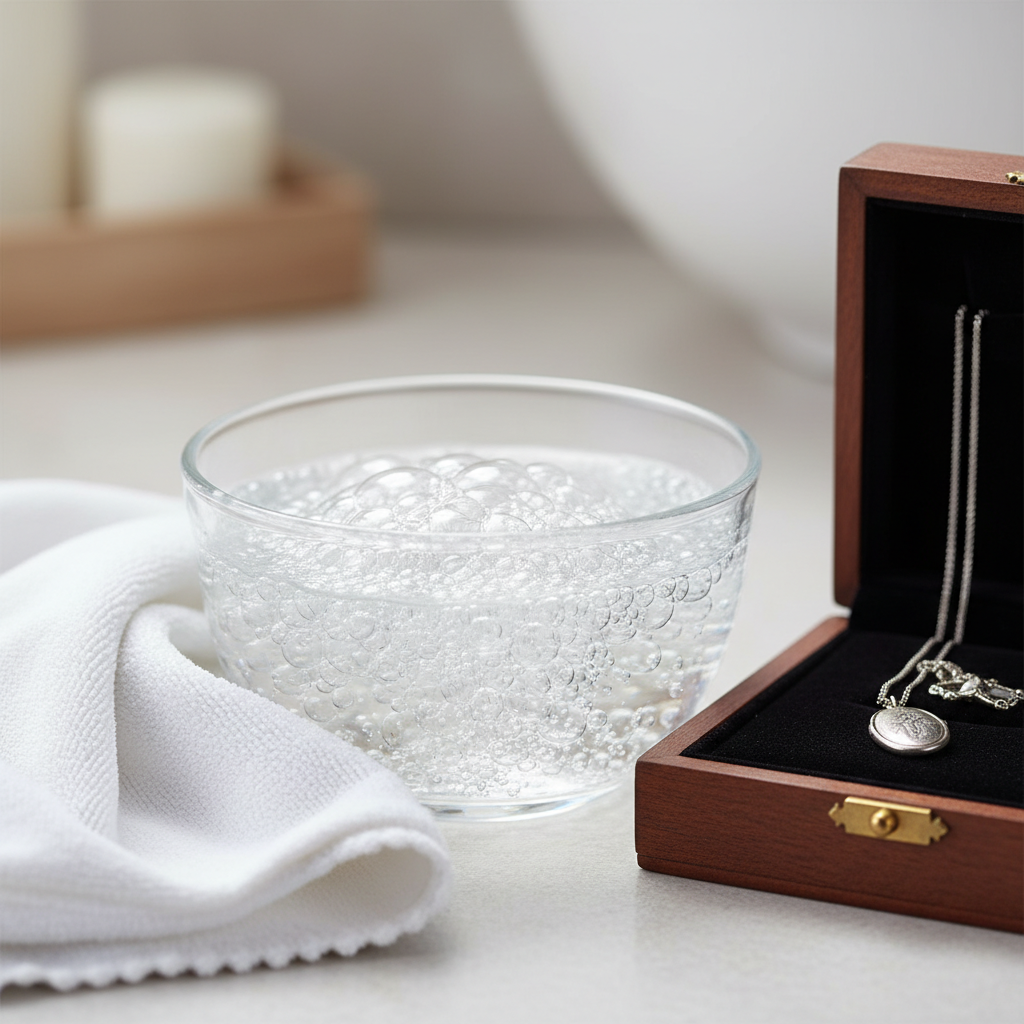
To clean a felt-lined jewelry box, you should use a soft-bristled brush to remove surface dust and a lightly dampened cloth with distilled water for deep-set stains. Over time, these delicate linings trap skin oils, moisture, and abrasive particles that can significantly damage your precious collection. Ignoring the buildup of grime not only dulls the appearance of your luxury packaging but also risks chemical reactions that lead to rapid silver tarnish and gemstone scratching. This expert guide provides professional techniques on how to clean jewelry box felt to restore your organizer to a factory-fresh state and safeguard your investments for years to come.
Why is it vital to know how to clean jewelry box felt?
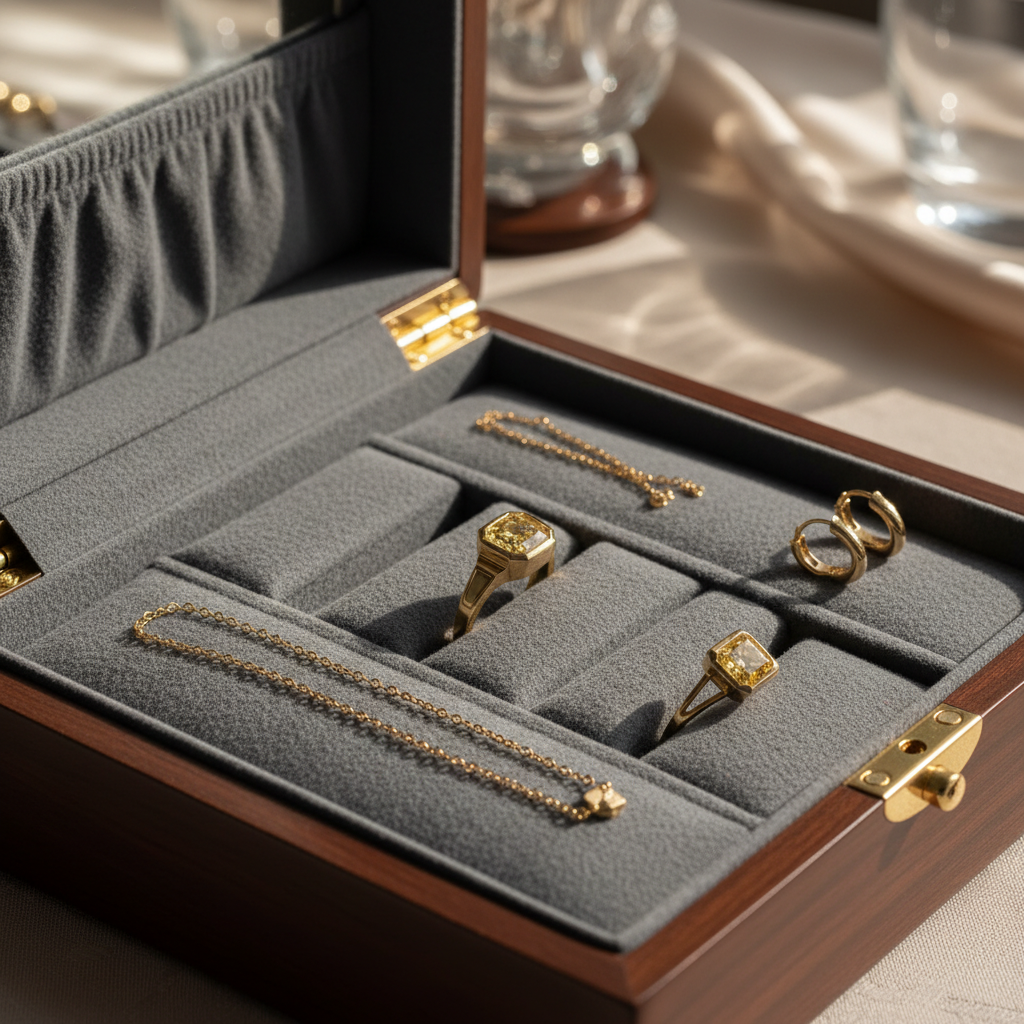
Knowing how to clean jewelry box felt is vital because it stops abrasive particles from scratching gems and prevents chemical reactions that cause metal tarnish. When dust accumulates in the fibers, it acts like sandpaper against soft stones like pearls and opals. Regular maintenance ensures your protective lining remains a safe haven rather than a source of damage.
Proper storage hygiene is the foundation of jewelry longevity and preserves the aesthetic of the box. For collectors and brands, a stained or dusty interior significantly devalues the unboxing experience. Proper maintenance preserves the “factory-new” feel that customers expect from premium packaging solutions.
Key TakeawayRegularly cleaning the felt lining is an essential practice that protects your jewelry from mechanical damage and preserves the financial value of your luxury storage solutions.
| Importance Factor | Benefit to User | |
|---|---|---|
| Fiber Purity | Prevents microscopic scratching on gems | |
| Chemical Balance | Reduces the rate of silver and gold tarnish | |
| Aesthetic Appeal | Maintains the luxury unboxing experience |
Understanding the underlying material is the next logical step in ensuring a safe and effective cleaning process.
What fibers matter for how to clean jewelry box felt?
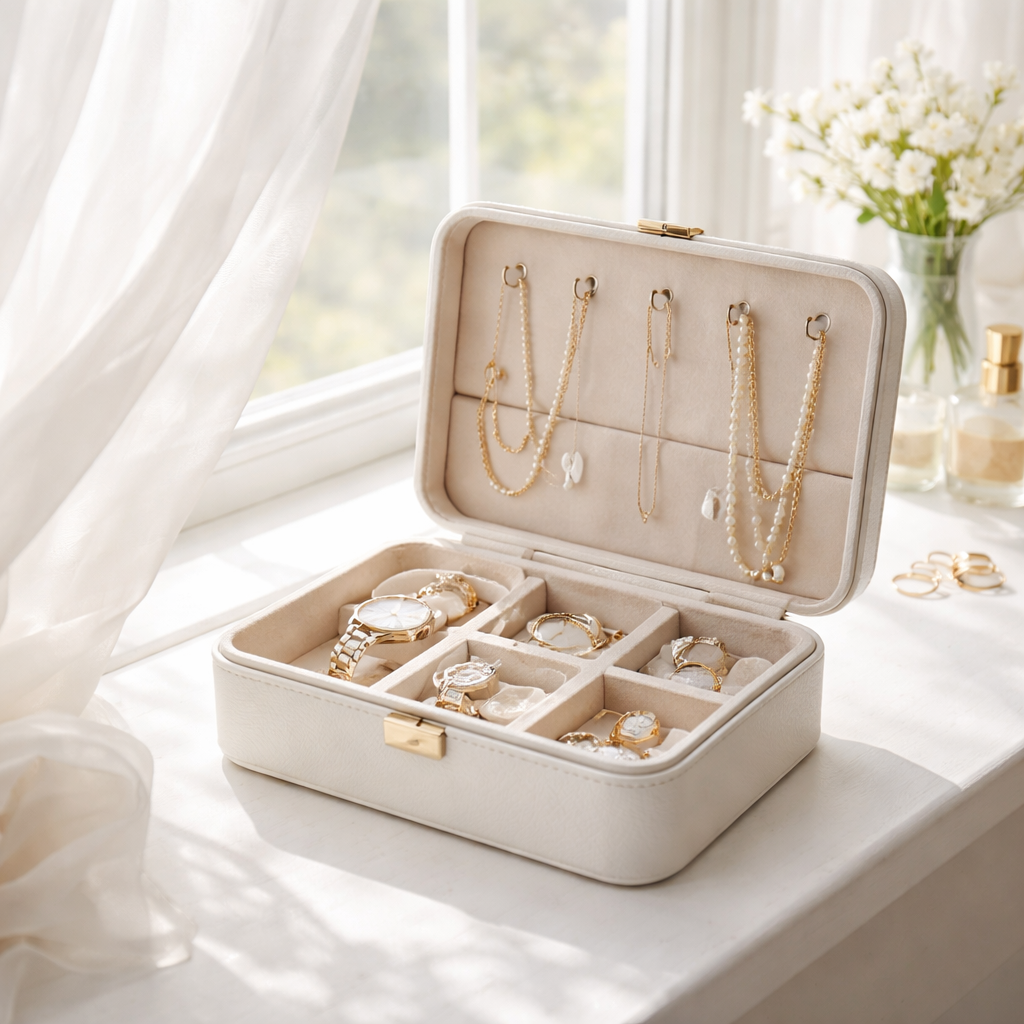
Identifying the specific material is essential for how to clean jewelry box felt without causing structural shrinkage or pilling. Natural wool is highly sensitive to moisture and heat, requiring a much more delicate touch than synthetic alternatives. Synthetic blends are typically more resilient but can still develop static charges that attract additional lint.
The interlocking fiber structure of felt is designed to trap dust effectively. Learning the material’s density helps you determine how much pressure to apply when lifting debris with your tools. Identifying your material prevents shrinking or pilling during the cleaning process and ensures the long-term durability of the lining.
Key TakeawayAlways distinguish between wool and synthetic linings before starting, as the material dictates the temperature and intensity of your cleaning approach.
| Fiber Type | Water Sensitivity | Cleaning Tool Recommendation | |
|---|---|---|---|
| Natural Wool | High (Shrinkage risk) | Dry soft brush only | |
| Polyester Blend | Low (Resilient) | Damp microfiber cloth | |
| Suede-Style | Medium (Matting risk) | Specialized suede brush |
Once the fiber type is identified, you must assess the physical state of the box before applying any cleaning agents.
Ready to start how to clean jewelry box felt safely?
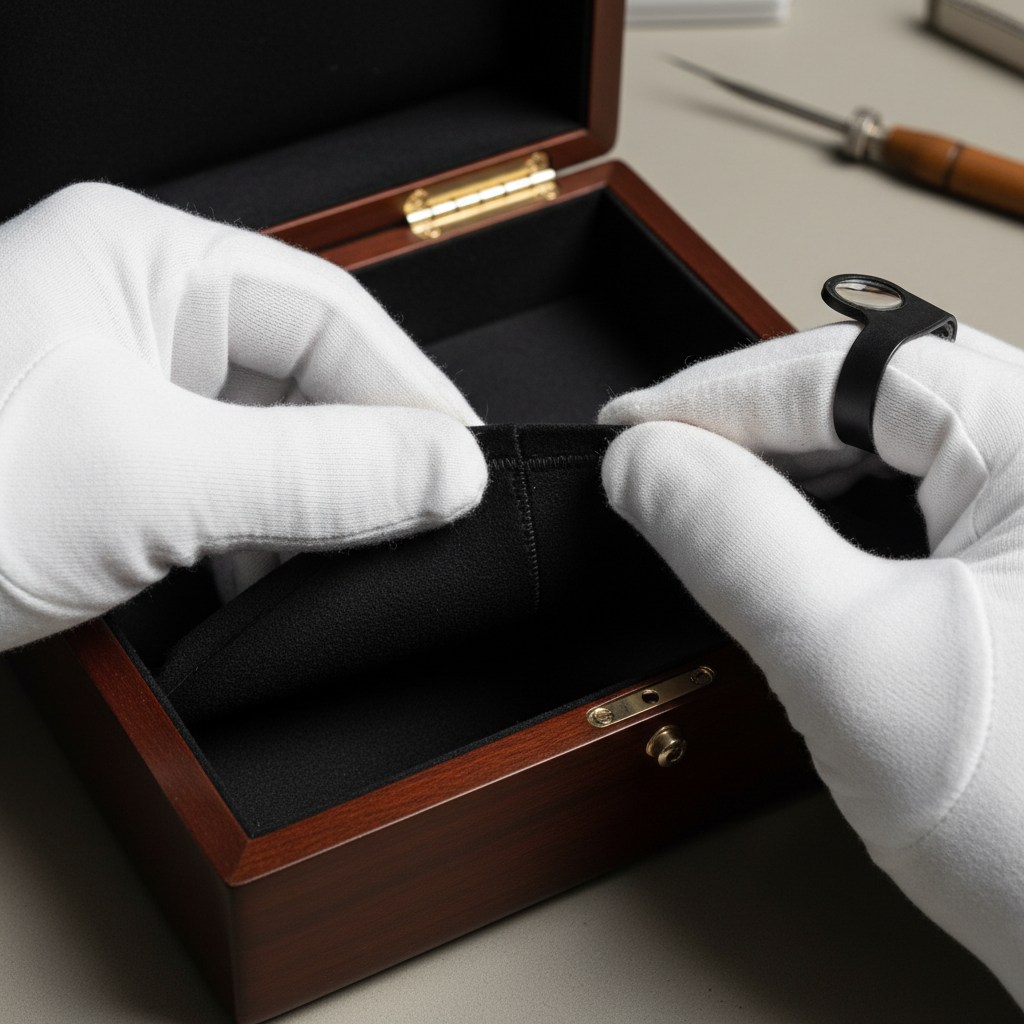
You must begin how to clean jewelry box felt by checking the structural integrity and glue adhesion of the lining to avoid permanent damage. Excessive moisture can dissolve the adhesives used by manufacturers, leading to the felt peeling away from the base. A quick physical inspection ensures you don’t trade a little dust for a major structural repair.
Distinguishing between dry and wet contaminants dictates your choice of tools and cleaning strategy. Is it just surface dust, or are there oily residues from fingerprints or spilled lotions? Identifying the type of contamination saves you time and prevents the accidental spread of stains during the cleaning process.
Key TakeawayA thorough pre-cleaning inspection prevents accidental damage to the box’s structure and helps you choose the most efficient removal method for specific grime.
| Assessment Step | Action Required | Success Metric | |
|---|---|---|---|
| Edge Check | Gently pull felt corners | No lifting from the base | |
| Stain Test | View under bright light | Clear distinction of oil vs. dust | |
| Fiber Pull | Lightly pinch surface | No shedding of loose fibers |
After confirming the box is structurally sound, you can assemble the specialized tools required for a professional result.
What tools are best for how to clean jewelry box felt?
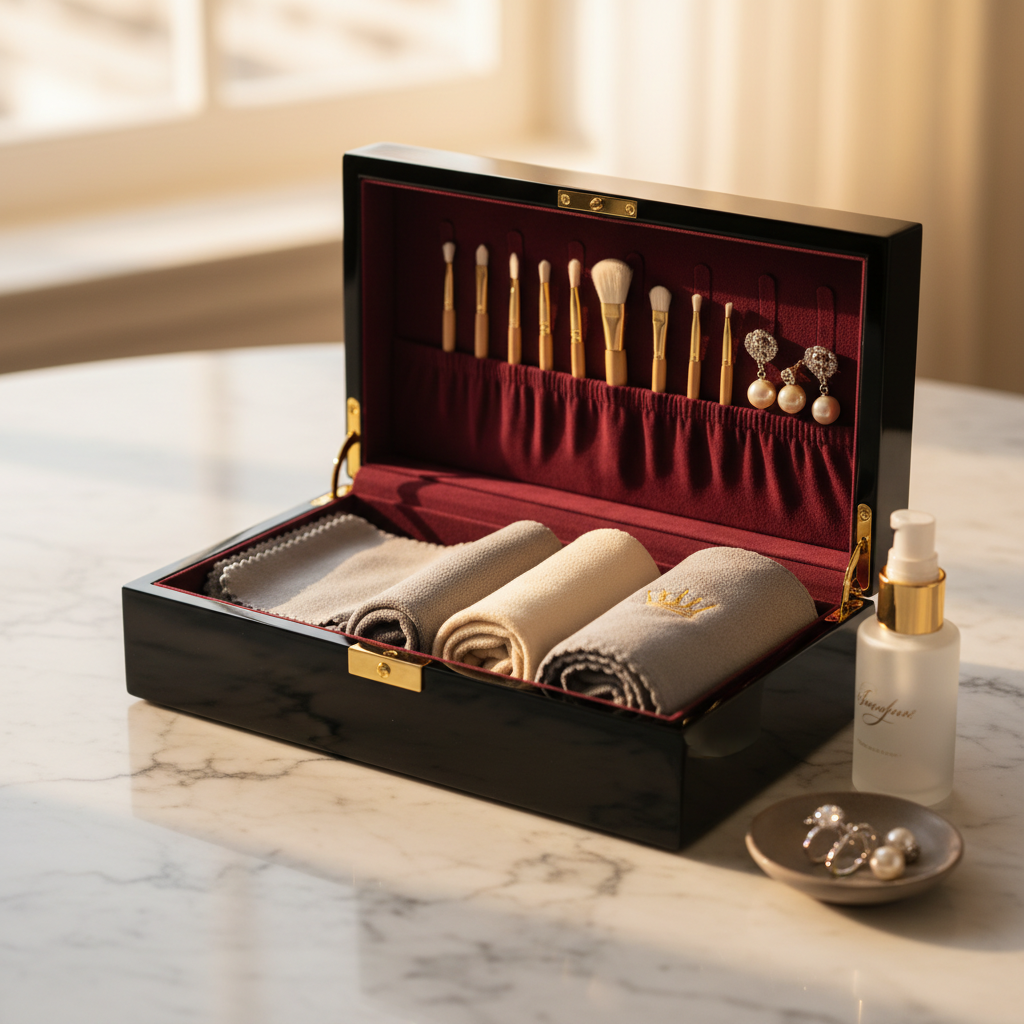
The best tools for how to clean jewelry box felt include soft makeup brushes, low-suction handheld vacuums, and high-quality microfiber cloths. Using the wrong tool, such as a stiff toothbrush, can fray the delicate fibers and create a fuzzy, worn appearance. Professionals recommend a multi-layered approach using different tools for surface lint and deep-seated grit.
While microfiber is great for dabbing, a handheld vacuum with a brush attachment is the professional’s choice for removing deep particles. A soft makeup brush or a specialized jewelry cleaning brush is the primary tool for dislodging dust without fraying fibers. These tools ensure that you can reach into every crevice without compromising the material’s integrity.
Key TakeawayInvest in a dedicated cleaning kit featuring soft brushes and microfiber to ensure you never use abrasive household tools on your luxury linings.
| Tool Type | Primary Function | Best Used On | |
|---|---|---|---|
| Makeup Brush | Dust dislodging | Deep corners and crevices | |
| Mini Vacuum | Particle removal | Ring slots and large trays | |
| Microfiber | Spot treatment | Fingerprint and oil removal |
With the correct tools in hand, you can now apply the specific techniques that ensure a damage-free restoration.
How to clean jewelry box felt without causing damage?
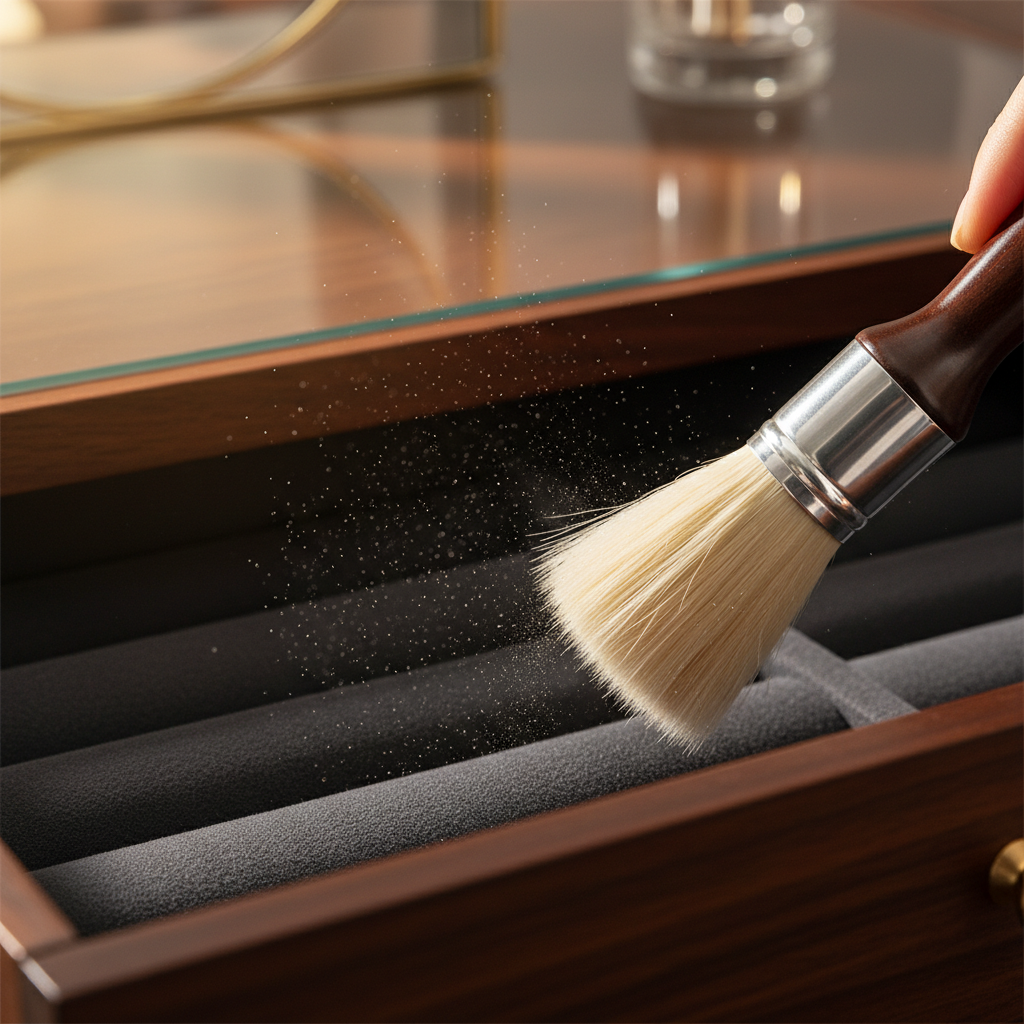
To master how to clean jewelry box felt without causing damage, you must always work from the corners toward the center using circular motions. Never scrub the material, as friction creates heat that can permanently distort the fiber texture. Use light, controlled strokes to lift dust to the surface before sweeping it out of the box entirely.
Ring slots and earring holes trap more debris than flat sections and require specialized attention. Use a thin, soft-tipped brush to reach into these areas without stretching or tearing the material. This careful approach maintains the tight fit necessary to keep your jewelry secure and organized.
Key TakeawayUsing a “center-focused” dusting strategy and avoiding aggressive scrubbing prevents the felt from pilling and preserves the tightness of jewelry slots.
| Technique | Motion | Purpose | |
|---|---|---|---|
| Corner Sweeping | Outward flick | Clears hidden dust traps | |
| Blotting | Vertical pressure | Removes oils without friction | |
| Tape Lifting | Press and pull | Grabs stubborn hair and lint |
When surface dusting is insufficient, you must move to targeted spot treatments for more stubborn blemishes.
Can you spot-treat for how to clean jewelry box felt?
You can spot-treat for how to clean jewelry box felt by using a single drop of pH-neutral detergent mixed with distilled water. Distilled water is crucial to prevent mineral spots or “rings” from forming on the fabric as it dries. This method should be reserved for specific stains like ink or makeup that dry brushing cannot remove.
The professional dabbing method involves pressing a damp cloth against the stain and lifting it vertically. Never rub felt, as this “blotting” action pulls the stain out of the fibers rather than spreading it. This ensures the blemish is removed without creating a fuzzy or matted texture on the surface.
Key TakeawaySpot treatment requires a “less is more” philosophy with distilled water and neutral soap to prevent mineral staining and adhesive failure.
| Step | Detail | Warning | |
|---|---|---|---|
| Solution | Distilled water + pH-neutral soap | Avoid bleach or harsh chemicals | |
| Application | Use suds only on a cloth | Do not pour liquid into the box | |
| Blotting | Press and lift vertically | Never rub or scrub the spot |
Following any moisture-based treatment, a proper drying phase is vital to prevent mold and structural warping.
How to clean jewelry box felt and dry it properly?
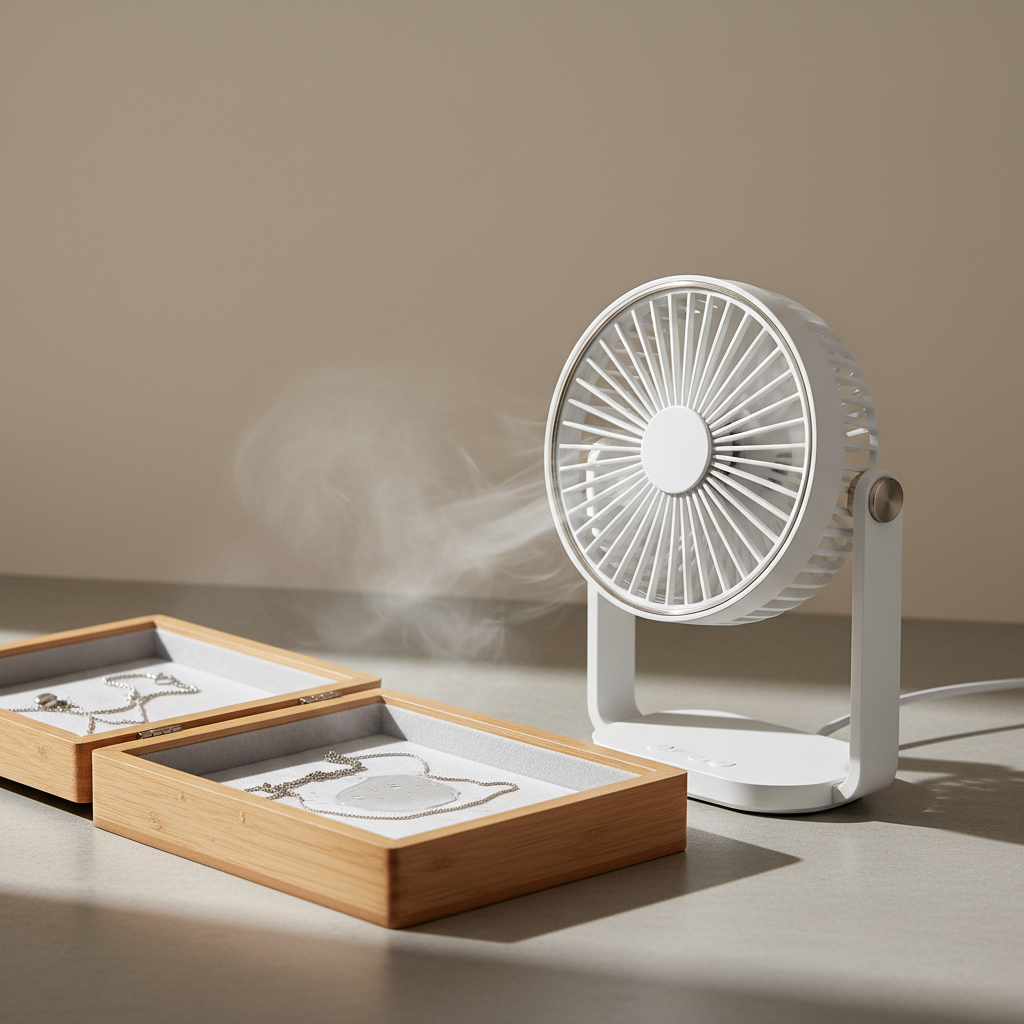
Properly finishing how to clean jewelry box felt requires air-drying the box in an open, inverted position within a well-ventilated room. This prevents moisture from settling into the structural corners of the box and potentially weakening the base. Always dry the box naturally to ensure the fibers return to their original soft and supple state.
UV rays can cause rapid fading of dyed felt, especially in dark colors like navy or forest green. Always dry in a shaded, well-ventilated area and avoid direct sunlight or hair dryers. Extreme heat can cause the felt to shrink and the adhesive to become brittle over time.
Key TakeawayPatience is essential during the drying phase; always opt for indirect airflow and avoid all forms of direct heat or sunlight.
| Drying Factor | Recommended Method | Risk of Improper Method | |
|---|---|---|---|
| Heat Source | Room temperature air | Shrinkage and glue failure | |
| Light Exposure | Shaded area | Color fading and fabric rot | |
| Air Movement | Gentle desk fan | Mold or musty odor buildup |
Establishing a regular maintenance schedule is the best way to avoid the need for intensive deep cleaning.
Want a routine for how to clean jewelry box felt fast?

The fastest way for how to clean jewelry box felt is to implement a 30-second monthly maintenance routine. A quick brush-out once a month prevents dust from compacting and eliminates the need for aggressive cleaning. Consistency is the most effective way to preserve the factory-new look of your high-end packaging.
While cleaning the felt, you should also inspect the metal components and hinges for signs of wear. Ensure no oils from the hinges have leaked onto the fabric, which can cause permanent yellowing or odor. This holistic approach ensures the entire jewelry box remains in top condition for its entire lifespan.
Key TakeawayA proactive monthly maintenance schedule prevents grime buildup and allows you to catch hardware issues before they damage the lining.
| Frequency | Action | Estimated Time | |
|---|---|---|---|
| Weekly | Quick surface dusting | 10 Seconds | |
| Monthly | Full brush and hardware check | 1 Minute | |
| Yearly | Deep assessment and spot check | 5 Minutes |
Beyond physical cleaning, managing the storage environment is critical for preventing odors and bacterial growth.
How to clean jewelry box felt to prevent future odors?

To how to clean jewelry box felt and prevent odors, you should use silica gel packets to manage humidity levels. Felt is hygroscopic, meaning it absorbs moisture and environmental smells, leading to a “musty” odor. Keeping the air dry prevents the growth of odor-causing bacteria and protects your precious metal items from tarnish.
Never spray perfume or hairspray while your jewelry box is open, as these mists settle into the fibers. These chemicals react with the felt and can cause long-term degradation and permanent sticky residues. Keeping your box closed during your beauty routine is a simple but effective preventive measure.
Key TakeawayOdor prevention is achieved through strict humidity control and by keeping the box closed during your daily beauty routine.
| Odor Source | Prevention Strategy | Solution | |
|---|---|---|---|
| Humidity | Use silica gel packets | Absorbs moisture | |
| Perfume Mists | Close box before spraying | Prevents chemical settling | |
| Skin Oils | Clean jewelry before storing | Reduces organic buildup |
Partnering with manufacturing experts ensures you have the right materials and knowledge to maintain your brand’s quality.
Why trust experts for how to clean jewelry box felt?

Trusting experts for how to clean jewelry box felt ensures you are using manufacturer-approved methods that preserve luxury items. A clean box reflects a brand’s commitment to quality and enhances the overall value of the jewelry. Leading manufacturers like YiXin Packaging emphasize that packaging is a critical extension of the jewelry’s intrinsic value.
Choosing high-quality, easy-to-clean materials at the manufacturing stage simplifies long-term maintenance for the end-user. Selecting the right custom packaging involves balancing aesthetics with practical durability to ensure a lasting positive brand impression. Expert guidance helps you navigate these choices and maintain your packaging’s brilliance over time.
Key TakeawayExpert guidance helps you maintain the “unboxing magic” and choose materials that stand the test of time through better engineering.
| Professional Value | Brand Impact | Consumer Benefit | |
|---|---|---|---|
| ISO Standards | Guaranteed quality | Consistent protection | |
| Material Science | Durability in design | Reduced maintenance | |
| Expert Support | Trusted advice | Peace of mind |
Maintaining a luxury jewelry box is an art form that directly impacts the lifespan of your most cherished possessions. By applying the techniques outlined in this guide—from gentle dusting to strategic spot treatment—you ensure your jewelry remains in a pristine, tarnish-free environment. At YiXin Packaging, our vision is to provide high-end, durable solutions that simplify the maintenance process while elevating your brand’s prestige. We are dedicated to the intersection of aesthetic brilliance and practical longevity in every box we manufacture. To explore our latest collection of easy-to-maintain luxury packaging or to get a custom quote for your brand, contact us today .
FAQ
Can I use a hair dryer to speed up the process?Absolutely not. You should never use a hair dryer as the high heat can shrink the felt fibers and weaken the underlying adhesive.
What’s the best way to remove pet hair from the lining?Ideally, you should use a small piece of masking tape wrapped around your finger to gently lift the hair without pulling the felt.
Can I wash the felt in the sink if it is very dirty?Never. You should never submerge a jewelry box in water, as this will destroy the structural cardboard or wood and cause the felt to permanently warp.
Can I use bleach on white felt stains?Definitely not. Bleach is far too aggressive and will dissolve the fiber structure, likely leaving a yellowed or weakened patch.
What’s the best frequency for deep cleaning the felt?Typically, you should only perform a deep clean once a year, provided you maintain a regular monthly dusting routine.