
To effectively clean a felt-lined jewelry box, you should use a combination of dry dusting with a soft brush and targeted spot cleaning with a pH-neutral soap solution. Your expensive inventory deserves a pristine presentation, yet dust and moisture constantly threaten the integrity of delicate felt interiors. When these fibers become matted or stained, the luxury experience for your customers is compromised, and the perceived value of your products begins to drop. By mastering professional techniques for how to clean a jewelry box, you can restore your jewelry packaging box to its original showroom quality.
Why does felt need a specific how to clean a jewelry box method?
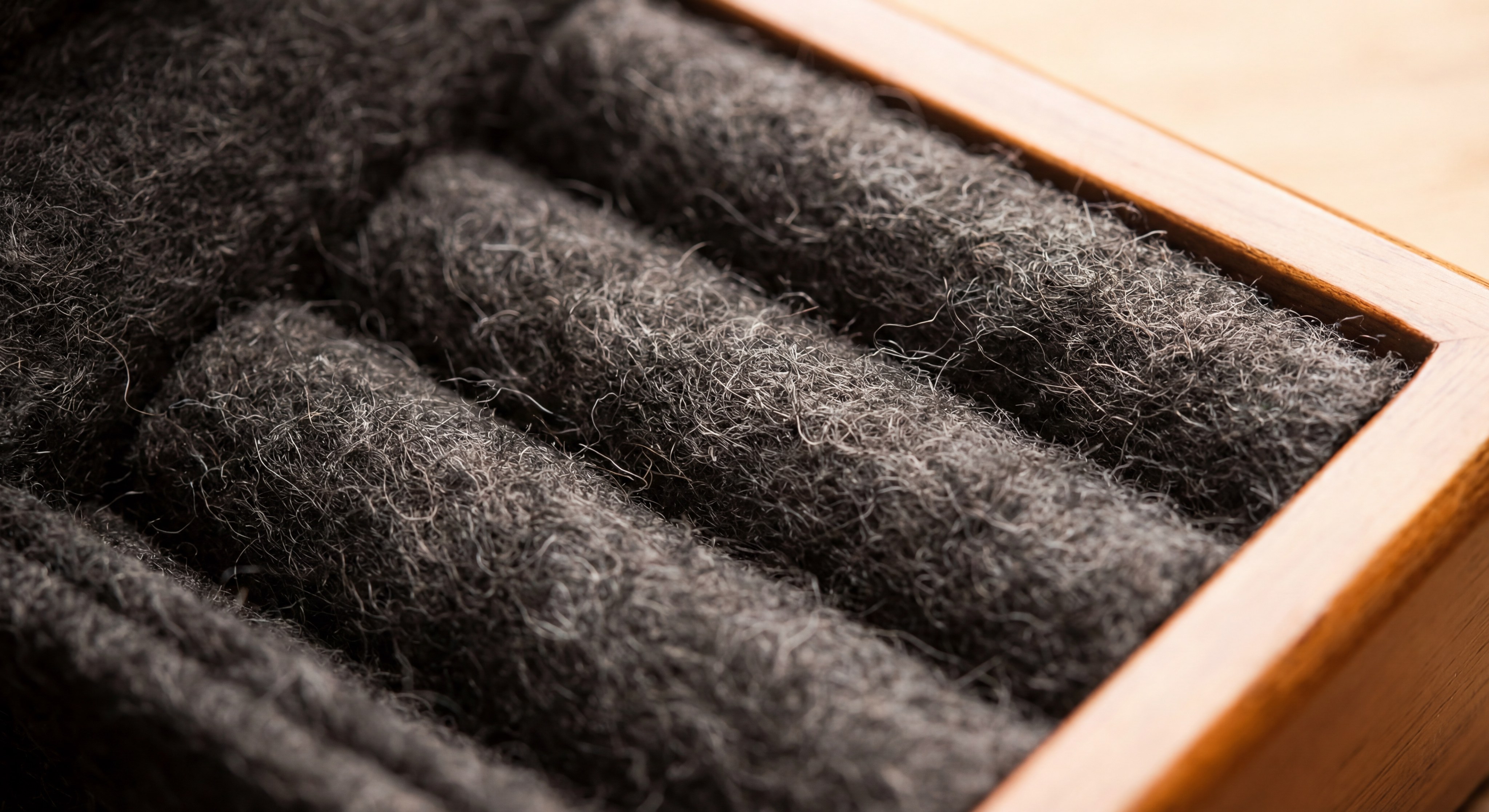
Felt requires a specialized approach because its non-woven fibers trap particulates deeply within the material nap. This structural density is what makes learning how to clean a jewelry box so critical for long-term preservation. Standard cleaning methods that work on hard surfaces can permanently damage these interlocking textiles.
Is felt more delicate than other fabrics?
You will find that felt lacks a traditional weave, making it highly susceptible to pilling if you apply aggressive friction. Because it is often made from wool or synthetic blends, you must treat the surface with the same care you would give to high-end apparel.
Think about it. Aggressive scrubbing will only lead to “fuzzing” that ruins the professional aesthetic of your display. You should always prioritize fiber protection over speed when maintaining these delicate storage solutions.
The role of felt in jewelry protection
You should understand that felt is the industry standard for a reason, providing a specific protective environment for precious metals. When you maintain it correctly, you ensure the box continues to offer its natural cushioning benefits.
- Non-abrasive surface to prevent scratches.
- Shock absorption during shipping and handling.
- Moisture-wicking properties to reduce tarnish.
- Soft cushioning for delicate gemstones.
Key Takeaway: Felt provides a unique protective environment that requires non-invasive maintenance to remain effective for luxury retail.
| Feature | Benefit | Cleaning Implication | |
|---|---|---|---|
| Fiber Density | Shock Absorption | Traps dust deep in the nap | |
| Texture | Scratch Prevention | Cannot withstand high heat |
The density of the felt determines its ability to absorb impact but necessitates deep-level dusting techniques.
What tools are best for how to clean a jewelry box interior?
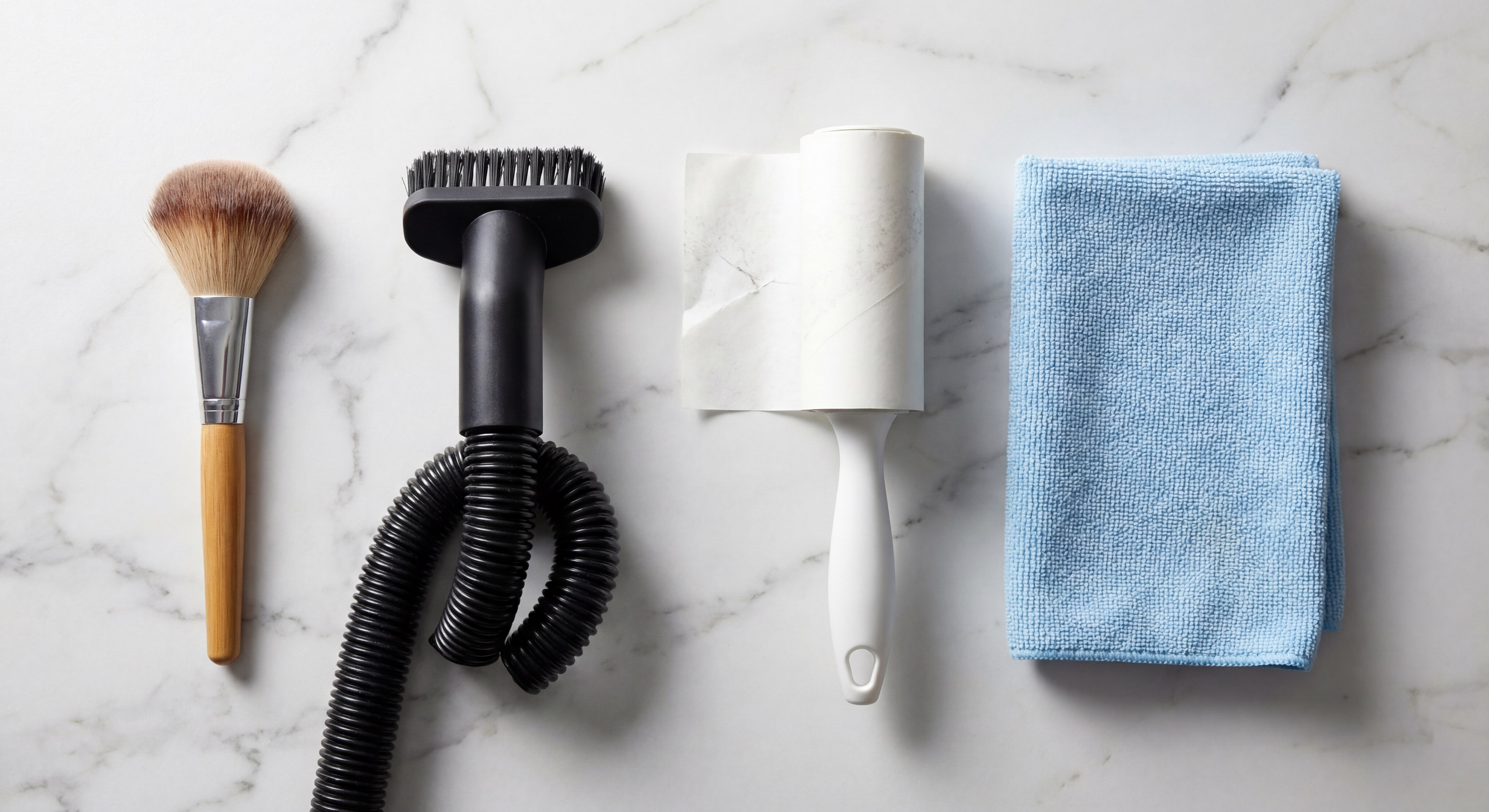
The best tools for this task include soft-bristled makeup brushes, low-suction vacuums, and lint-free microfiber cloths. Selecting the right instruments is the foundation of how to clean a jewelry box without introducing new contaminants to the textile. Using specialized equipment for your necklace box ensures that every corner remains debris-free.
Should you use a soft-bristled brush?
You should always keep a dedicated soft brush in your maintenance kit to dislodge dust from tight corners and seams. You will find that a clean makeup brush or a specific textile brush works perfectly for lifting particles without snagging the fibers.
You might be wondering. Why is a brush better than a cloth for initial dusting? A brush reaches into the felt’s nap, whereas a cloth might simply push the dust deeper into the substrate.
Essential non-abrasive supplies
You must gather your supplies before you begin to ensure the process remains efficient and safe. Professional-grade results require that you use tools specifically designed to lift debris rather than smear it.
- Miniature vacuum attachment for deep cleaning.
- High-quality lint roller for surface hair.
- Microfiber cloths that are strictly lint-free.
- Distilled water for all spot treatments.
Key Takeaway: Using specialized, soft tools prevents the physical breakdown of the felt fibers and preserves the box’s structural integrity.
| Tool | Purpose | Warning | |
|---|---|---|---|
| Soft Brush | Corner dusting | Avoid stiff nylon bristles | |
| Lint Roller | Surface debris | Don’t use heavy-duty industrial tape |
A properly curated toolkit prevents accidental abrasion during the cleaning process.
Is dry dusting effective for how to clean a jewelry box?
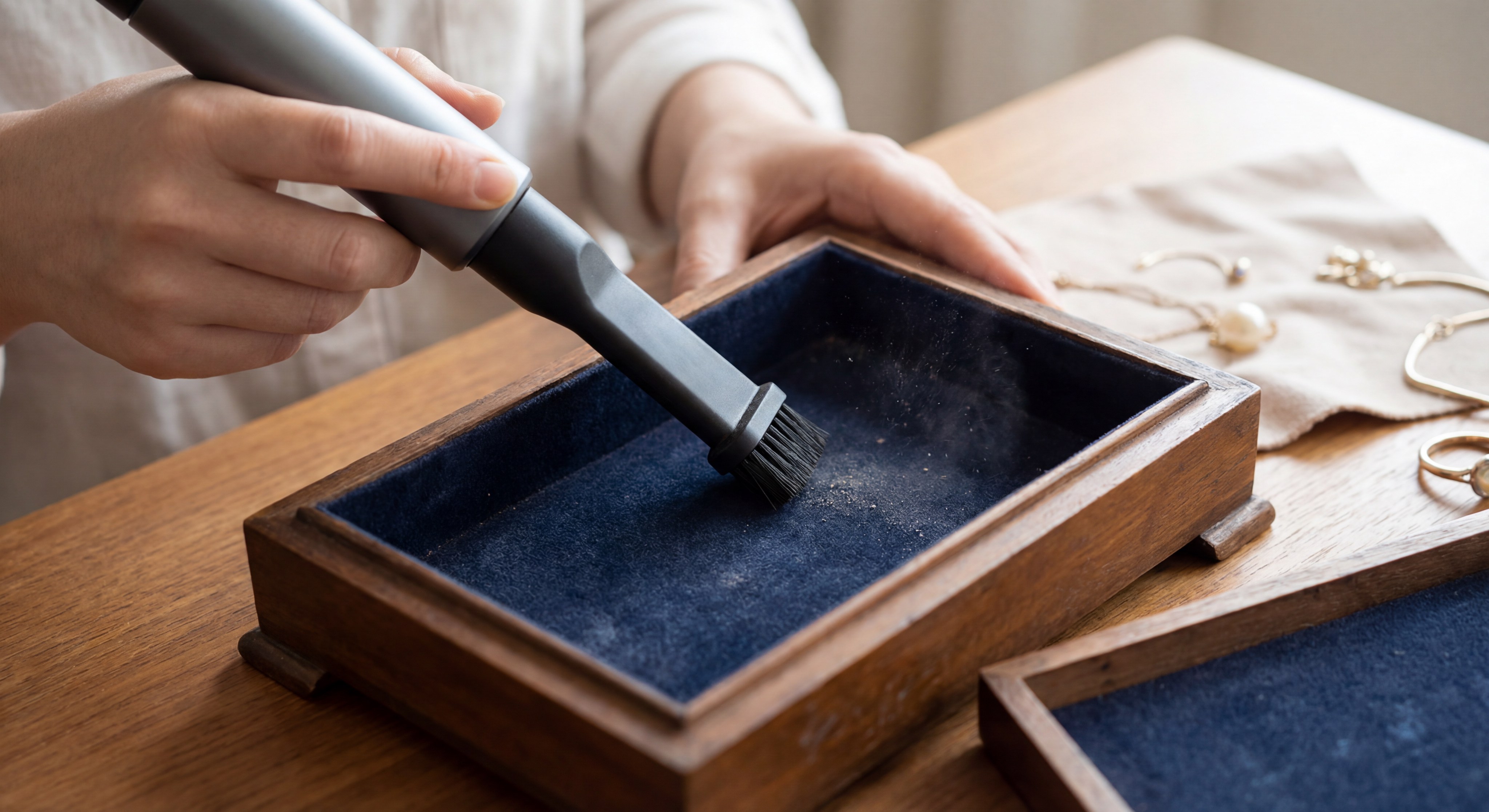
Dry dusting is the most effective and safest primary method for maintaining the interior of your storage. Consistent removal of abrasive particles is a major part of how to clean a jewelry box while preventing scratches on your precious collection. You should always perform dry cleaning before considering any moisture-based treatments.
Can you use a vacuum on felt?
You can safely use a vacuum if you use a low-suction setting and a dedicated brush attachment. You will find that this pulls microscopic dust out of the felt nap without stretching or distorting the material.
Here is the deal. High-powered vacuums can actually pull the felt away from its adhesive backing. You must maintain a gentle touch to keep the lining flat and secure.
Using a lint roller effectively
You should use a lint roller for quick weekly maintenance to remove surface-level hair and lint. You will notice that this keeps the interior looking fresh between deeper cleaning sessions.
- Empty all jewelry compartments completely.
- Use a brush to sweep dust toward the center.
- Vacuum the loose particles on low power.
- Apply a lint roller for remaining surface fibers.
Key Takeaway: Dry cleaning is the safest maintenance method and should be performed at least once a month for retail displays.
| Method | Frequency | Best For | |
|---|---|---|---|
| Vacuuming | Monthly | Deep-seated dust | |
| Lint Rolling | Weekly | Surface hair and lint |
Routine dry maintenance significantly extends the lifespan of the felt lining.
What is the secret for how to clean a jewelry box stain?
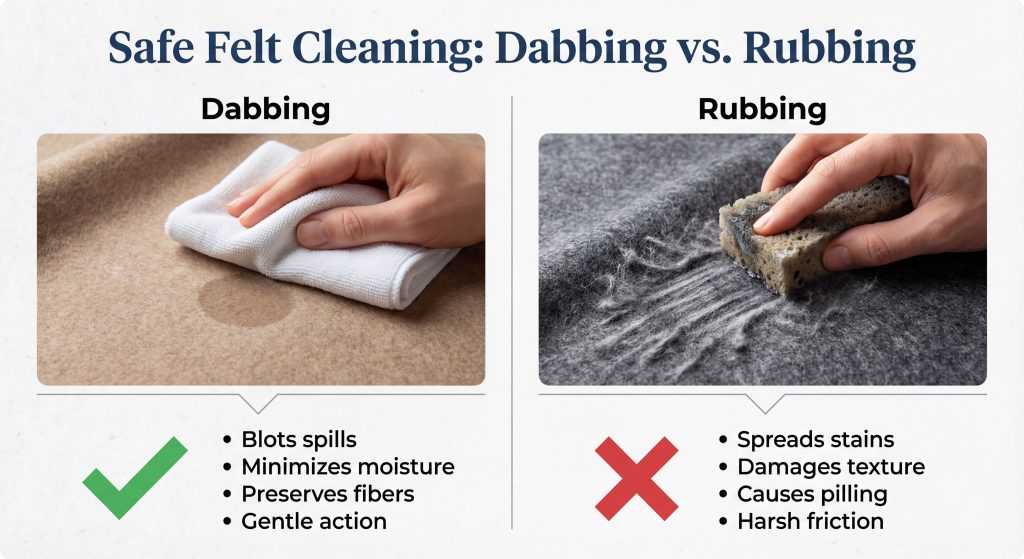
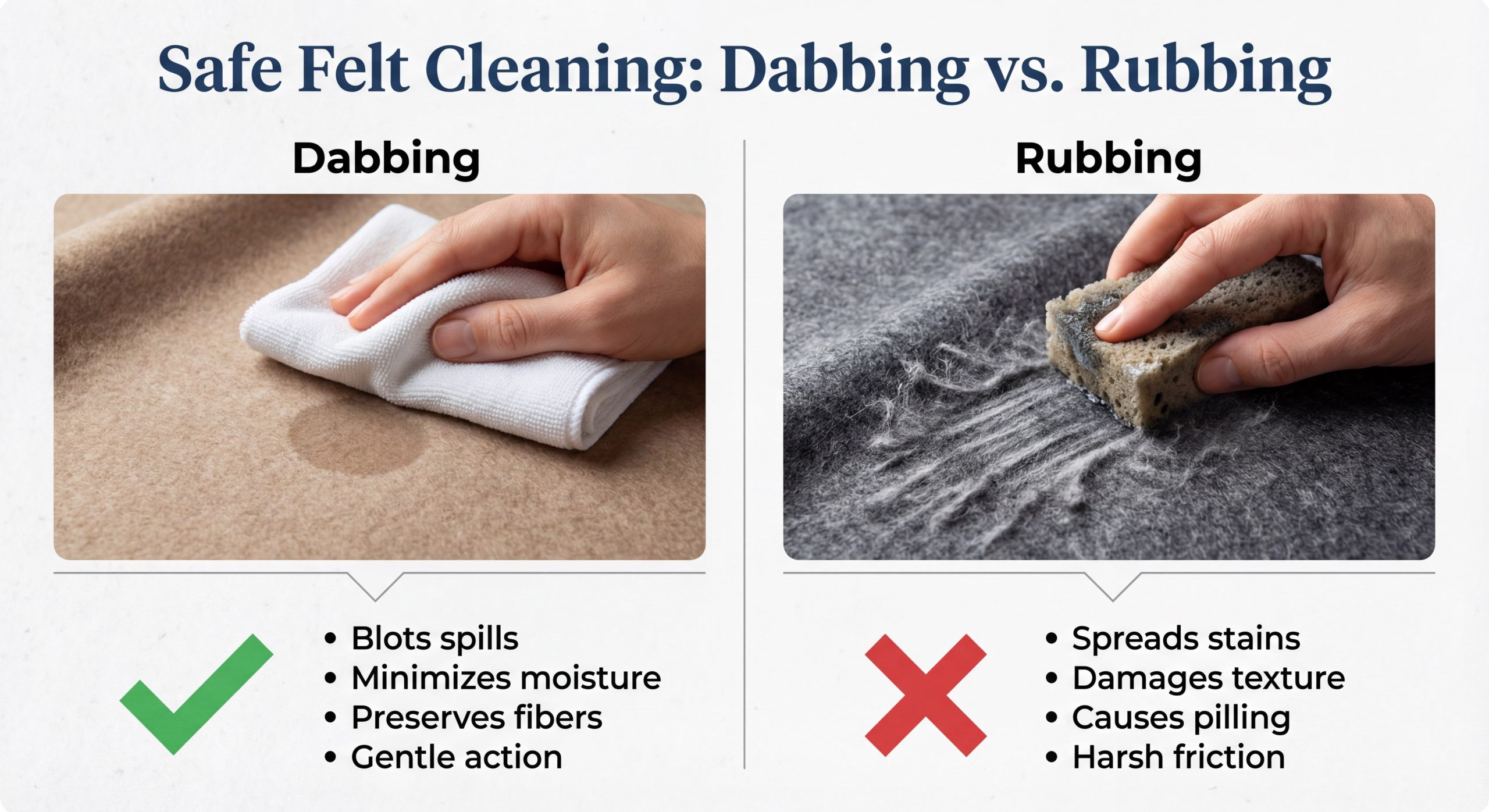
The secret to removing stains is using a “dab, don’t rub” technique with a highly diluted, pH-neutral soap solution. Understanding this nuance of how to clean a jewelry box prevents permanent discoloration of your earring box interiors. You must act quickly when spills occur to prevent the liquid from soaking into the underlying structure.
How to mix a gentle soap solution?
You should create a cleaning agent by mixing distilled water with a single drop of mild dish soap. You will find that this solution is strong enough to break down oils without stripping the color from the felt.
Want to know the secret? Using distilled water prevents mineral deposits that often leave white rings on dark felt after the box dries.
The dabbing vs. rubbing technique
You must always dab the stain from the outer edges toward the center to avoid spreading the contaminant. You will find that rubbing the fabric causes the fibers to pill and destroys the smooth finish of the interior.
- Never pour liquid directly onto the felt lining.
- Blot the area with a dry cloth immediately.
- Use the absolute minimum amount of moisture required.
- Maintain light pressure throughout the process.
Key Takeaway: Moisture is the primary enemy of felt; you must use the absolute minimum amount to lift stains effectively.
| Action | Result | Recommendation | |
|---|---|---|---|
| Dabbing | Lifts the stain | Preferred method | |
| Rubbing | Spreads the stain | Strictly avoid |
Precision in movement ensures that the stain is removed without damaging the surrounding textile fibers.
When should you deep-set how to clean a jewelry box steps?

Deep cleaning is only necessary when a box has been neglected for years or has developed a musty odor. This intensive version of how to clean a jewelry box involves a more thorough pressing of the fabric with damp cloths. You should reserve this method for extreme cases to avoid weakening the adhesive bonds.
When is spot cleaning not enough?
You will know deep cleaning is required when you see widespread grime or smell a persistent odor after dusting. You should assess the structural integrity of the box before applying widespread moisture.
Look at it this way. If surface treatments don’t restore the color and texture, a more comprehensive approach is your only remaining option.
Handling extensive liquid spills
You must work in small sections when deep cleaning to ensure you don’t over-saturate any single area. You will find that pressing a damp microfiber cloth into the felt transfers dirt more effectively than wiping.
- Dampen a large microfiber cloth with distilled water.
- Press the cloth firmly into the felt surface.
- Rotate the cloth to a clean section frequently.
- Use a specialized fabric foam if dirt is set-in.
Key Takeaway: Deep cleaning should be a rare occurrence to avoid weakening the glue that holds the interior in place.
| Level | Severity | Approach | |
|---|---|---|---|
| Surface | Light grime | Damp cloth press | |
| Deep | Set-in dirt | Professional fabric foam |
Restorative cleaning requires a balance between moisture application and structural preservation.
Can you fix odors while finding how to clean a jewelry box?
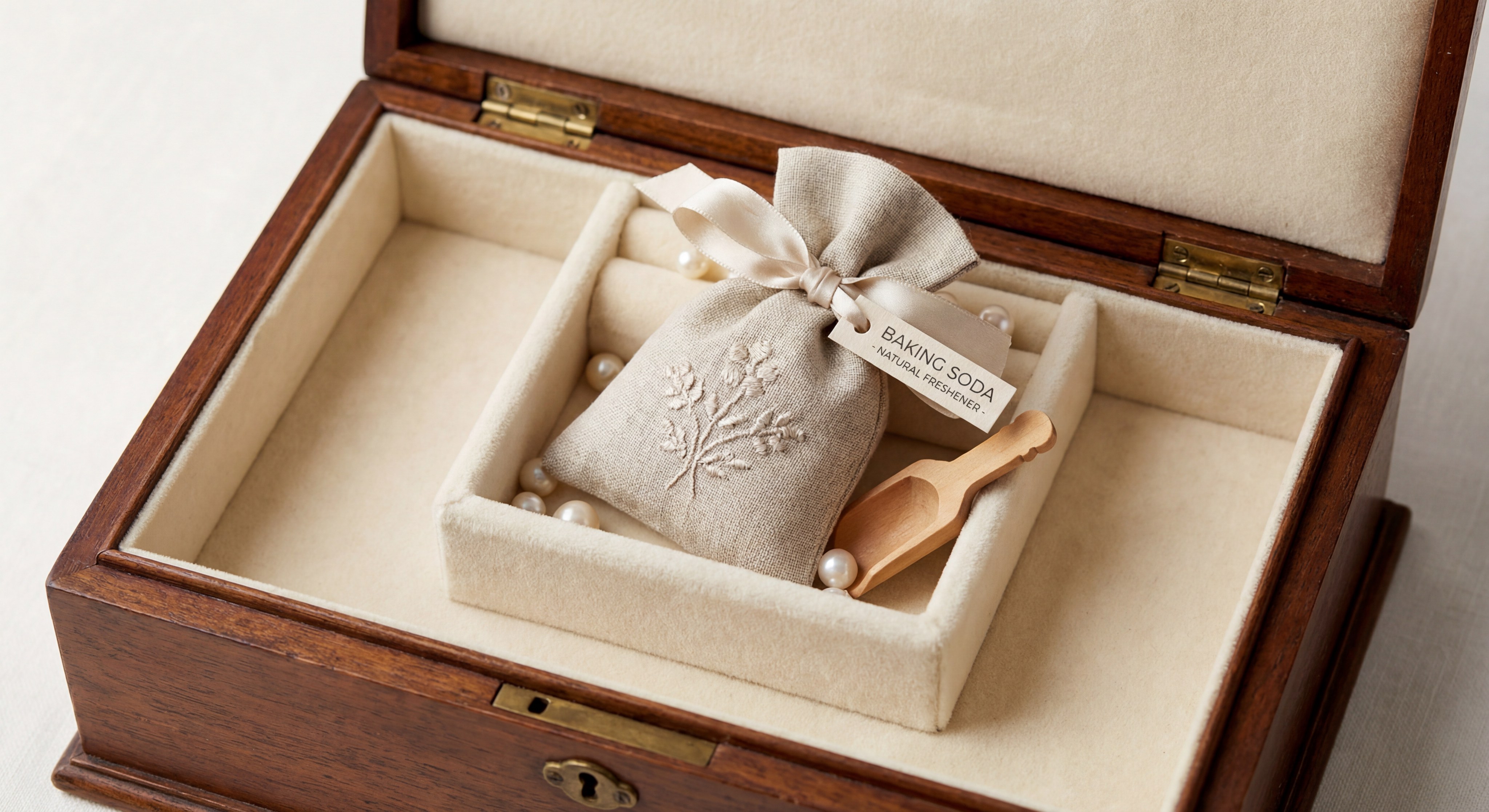
Yes, you can neutralize odors by placing absorption agents like baking soda inside the closed box for 24 hours. This is a vital step in how to clean a jewelry box, especially when dealing with vintage items or humid storage environments. Keeping your ring box fresh ensures that your jewelry does not absorb unpleasant scents.
Does baking soda work on felt?
You can safely use baking soda to deodorize your box as long as the powder never makes direct contact with the felt. You should place the soda in a small sachet or a shallow container inside the box while the lid is shut.
But wait, there’s more. This method works through absorption, which is far more effective than trying to mask smells with perfumes or chemical sprays.
Freshness tips for vintage boxes
You should consider using natural deodorizers that provide long-term protection against mustiness. You will find that these inserts are particularly useful for bulk inventory stored in warehouses.
- Activated charcoal inserts for high-efficiency absorption.
- Dry cedar blocks to add a subtle, clean scent.
- Indirect sunlight exposure for brief periods.
- Unscented moisture absorbers to prevent mold.
Key Takeaway: Odor removal should rely on natural absorption rather than artificial masking with sprays that might stain.
| Agent | Action | Duration | |
|---|---|---|---|
| Baking Soda | Odor neutralization | 24 Hours | |
| Activated Charcoal | Scent absorption | Permanent |
Neutralizing odors without chemicals protects the metal finish of the jewelry stored within the box.
Why is drying vital for how to clean a jewelry box safely?
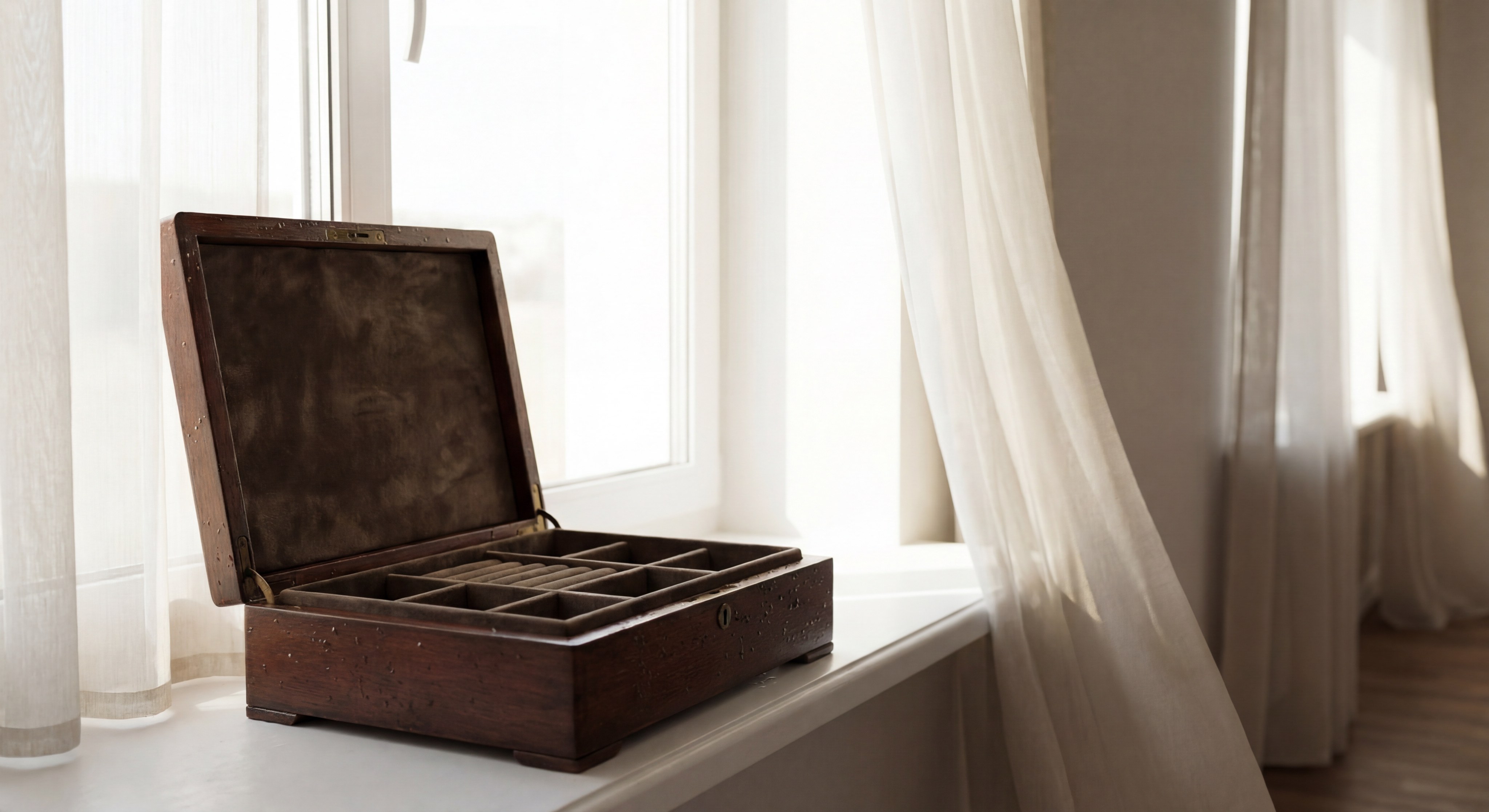
Proper drying is the most critical phase because trapped moisture can lead to mold growth and structural warping. You must master this step of how to clean a jewelry box to ensure that the interior remains hygienic for your collection. Failure to dry the box completely can cause the felt to rot or the adhesive to fail.
Why is air drying better than heat?
You must avoid using hair dryers or radiators because excessive heat will shrink the felt fibers and melt the glue. You will find that natural air circulation is the only way to preserve the original dimensions of the lining.
The bottom line is this. Rapid drying causes uneven tension in the fabric, leading to unsightly bubbling and peeling at the corners.
Preventing mold and mildew growth
You should ensure that the box stays in a fully open position in a well-ventilated room until it is completely dry. You will find that this process may take up to 12 hours depending on the humidity levels.
- Choose a room temperature environment.
- Ensure there is consistent air circulation.
- Keep the box away from direct sunlight.
- Test the corners for dampness before closing.
Key Takeaway: Patience is mandatory during the drying phase to prevent mold and structural damage to the box.
| Environment | Drying Speed | Risk Level | |
|---|---|---|---|
| Open Window | Moderate | Low | |
| Hair Dryer | Fast | High (Shrinkage) |
Natural evaporation is the only safe method for maintaining the bond between the felt and the frame.
What errors ruin the way how to clean a jewelry box felt?
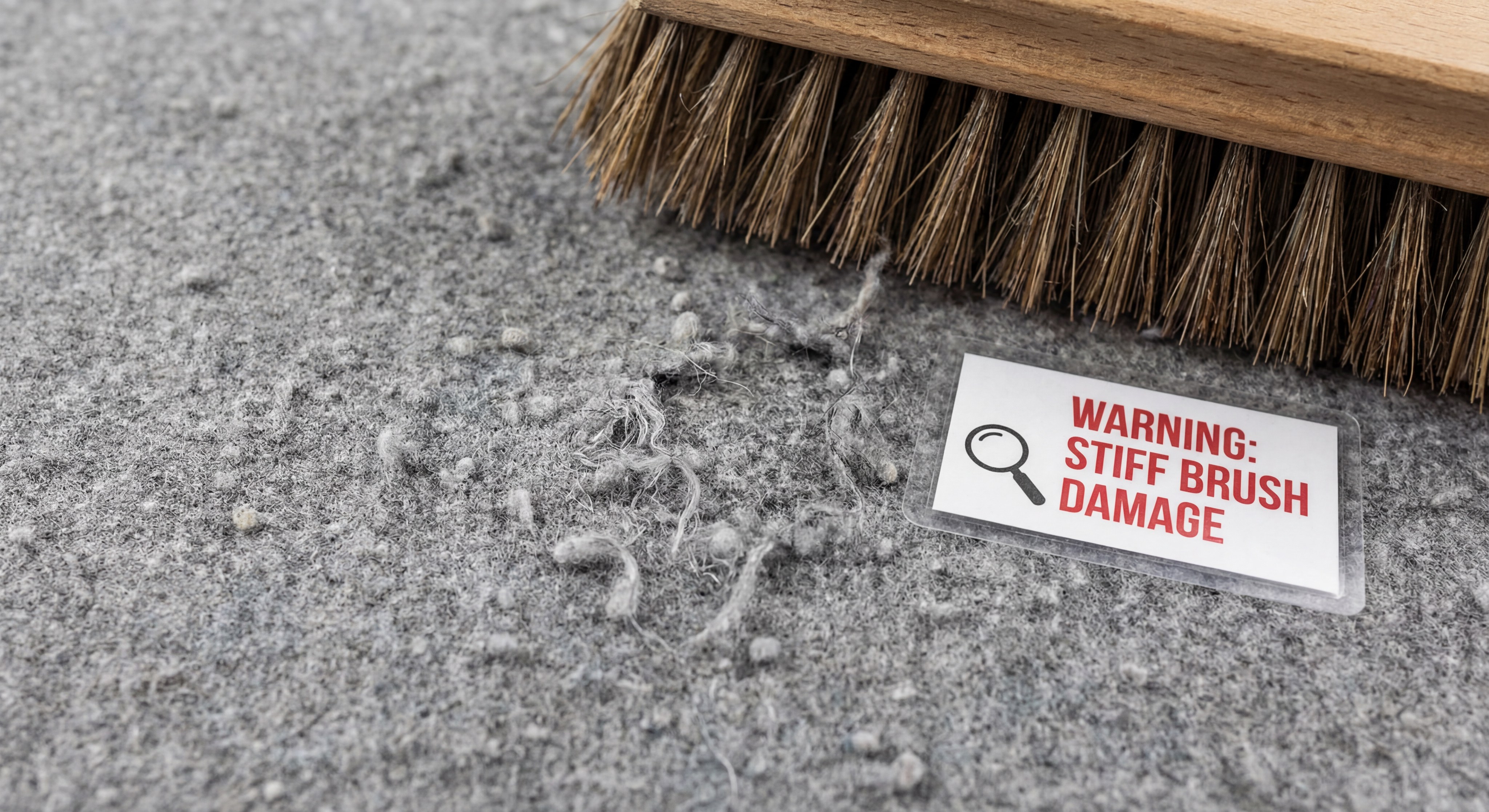
The most common errors include using harsh chemicals like bleach and soaking the entire box in water. Avoiding these pitfalls is essential for how to clean a jewelry box while maintaining its luxury status and brand value. You must protect your bracelet box from aggressive cleaning agents that dissolve industrial glues.
Can harsh chemicals ruin the glue?
You should never use solvents, ammonia, or bleach on felt linings as they will instantly destroy the adhesive bonds. You will see the interior begin to bubble and detach almost immediately if these chemicals are introduced.
Now, consider this. Once the glue is dissolved, the box is often beyond repair, requiring a total replacement of the packaging.
Why you should never soak the box
You must avoid submerging the box in liquid because the cardboard or wooden frame will warp and lose its shape. You will find that moisture can penetrate the structure and cause irreversible damage that cleaning cannot fix.
- Do not submerge the box in water.
- Avoid using abrasive scrubbing pads.
- Do not use scented laundry detergents.
- Never close the lid while the felt is damp.
Key Takeaway: Aggressive cleaning is often more damaging to luxury packaging than the original stain itself.
| Prohibited Item | Alternative | Reason | |
|---|---|---|---|
| Bleach | Mild Soap | Color stripping | |
| Scrub Brush | Microfiber | Fiber pilling |
Careful tool selection is the difference between a successful restoration and a ruined product.
How to clean a jewelry box regularly for long-term use?
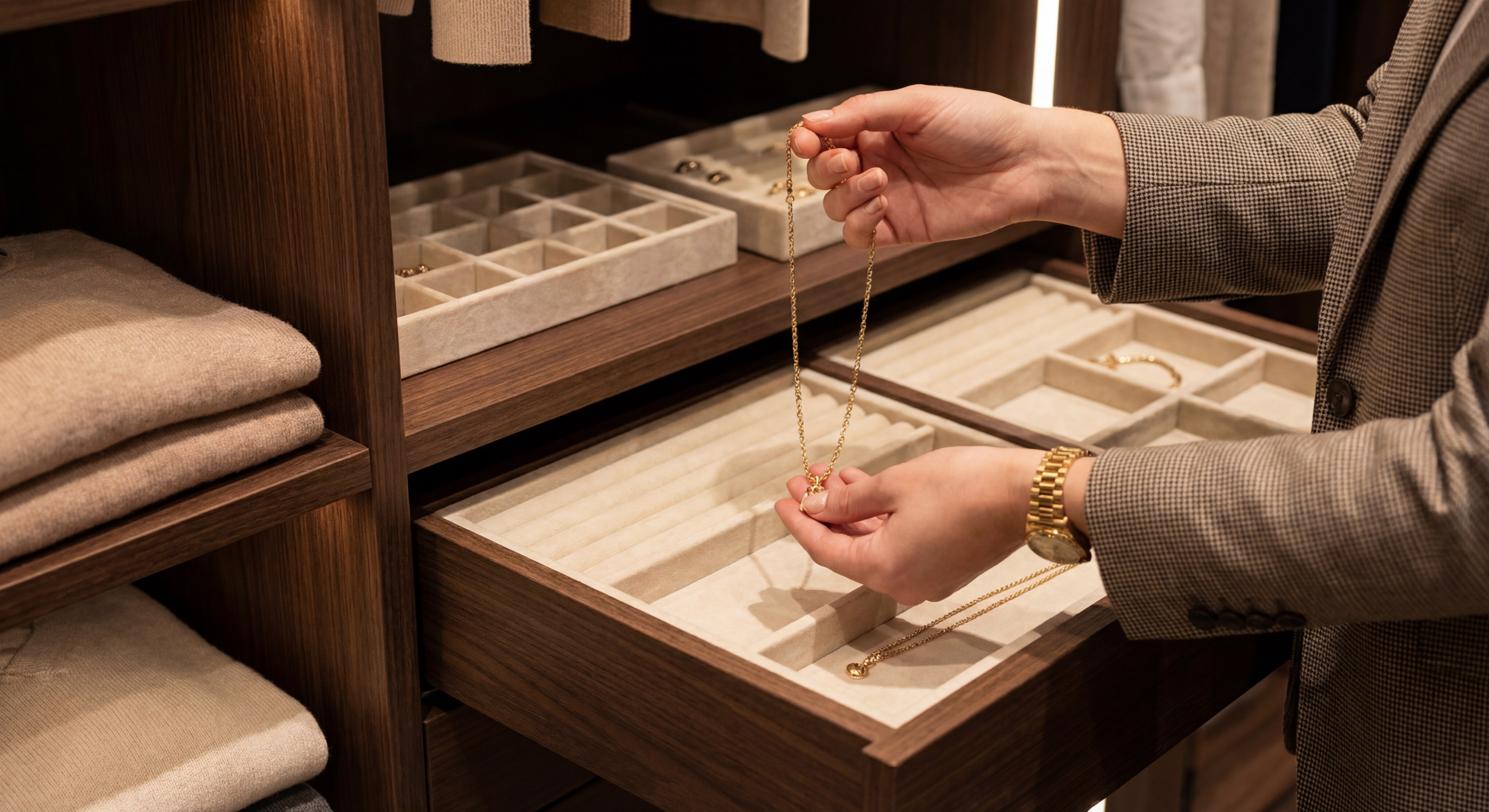
Establishing a monthly dusting routine is the best way to prevent grime from becoming permanently set into the fibers. Prevention is significantly more cost-effective than restoration when considering how to clean a jewelry box for B2B applications. You should view regular maintenance as a protective measure for both your packaging and your jewelry.
What is a good monthly routine?
You should spend five minutes once a month performing a light dry-dusting of your entire storage collection. You will find that this simple habit prevents the buildup of skin oils and environmental dust that eventually require wet cleaning.
Believe it or not. A clean box is the best defense against jewelry tarnish, as it keeps the chemical environment around the metal stable.
Organizing for less debris
You can minimize the need for cleaning by ensuring that only clean jewelry enters the compartments. You will notice that wiping your pieces with a polishing cloth before storage keeps the felt in pristine condition.
- Wipe jewelry with a cloth before storing.
- Keep the box lid closed when not in use.
- Avoid storing “loose” items like coins.
- Inspect the lining for wear during every use.
Key Takeaway: Clean jewelry prevents a dirty box; the two habits are inextricably linked in professional collection maintenance.
| Routine | Frequency | Benefit | |
|---|---|---|---|
| Dusting | Monthly | Prevents buildup | |
| Lid Closure | Daily | Blocks airborne dust |
Consistent upkeep ensures that your retail presentation always reflects the high quality of your brand.
When is how to clean a jewelry box no longer an option?
You should stop trying to clean a box when the felt has thinned to the point where the underlying structure is visible. Knowing when to stop researching how to clean a jewelry box and instead invest in new packaging is vital for your brand image. Eventually, all textiles reach a point where physical degradation makes them a liability.
Identifying irreversible felt thinning
You will see that over-cleaned felt loses its plushness and becomes thin or transparent in high-friction areas. You must replace the box at this stage because the fibers no longer provide adequate protection against scratches.
That’s not the whole story. Thinned felt can actually become abrasive itself as the rough backing of the box begins to show through.
Signs of structural damage
You should look for signs of permanent damage that go beyond the surface of the felt lining. You will find that once the box’s frame is compromised, the protection of the jewelry is no longer guaranteed.
- Permanent, pervasive odors like mold.
- Peeling or bubbling of the lining.
- Broken hinges or weakened frames.
- Severe color fading from UV exposure.
Key Takeaway: A worn-out box can actually damage jewelry through abrasion or chemical off-gassing from deteriorating old glues.
| Sign | Action | Priority | |
|---|---|---|---|
| Thinned Felt | Replace | High (Scratch risk) | |
| Faded Color | Replace | Moderate (Aesthetic) |
Replacing aged packaging ensures that your brand’s luxury standards are never compromised by substandard storage.
Maintaining your jewelry boxes is an essential investment in brand longevity and product safety. By following these expert cleaning protocols, you ensure that your storage remains a high-value asset that enhances the customer experience. Our vision at YX Jewelry Packaging is to provide premium storage solutions that stand the test of time through superior craftsmanship and durable materials. Whether you are dealing with dust, stains, or odors, the techniques outlined here have provided the solutions you need for professional preservation. To upgrade your brand’s presentation or inquire about our custom wholesale options, contact us today for expert guidance and high-quality packaging.
Frequently Asked Questions
Can I use a hairdryer to speed up the drying process?No, you should never use a hairdryer as the intense heat can shrink the felt fibers and melt the adhesive backing. Air drying in a well-ventilated area is the only safe method to preserve the box’s shape.
What’s the best way to remove pet hair from the lining?The most effective way is to use a high-quality lint roller or a piece of masking tape wrapped around your fingers. These tools lift hair without pulling on the felt nap.
Can I use rubbing alcohol to sanitize the felt?You should avoid using rubbing alcohol because it can dry out the fibers and cause the dye to bleed. Stick to a pH-neutral soap and distilled water for all cleaning needs.
What’s the best alternative if I don’t have distilled water?You can use boiled and cooled water as a temporary substitute. This helps reduce the mineral content that typically causes white rings on fabric during the drying process.
Can I use a steam cleaner on set-in stains?No, you should avoid steam cleaners because the combination of high heat and moisture can destroy the glue bonds. Manual dabbing with a damp cloth remains the safest professional approach.