
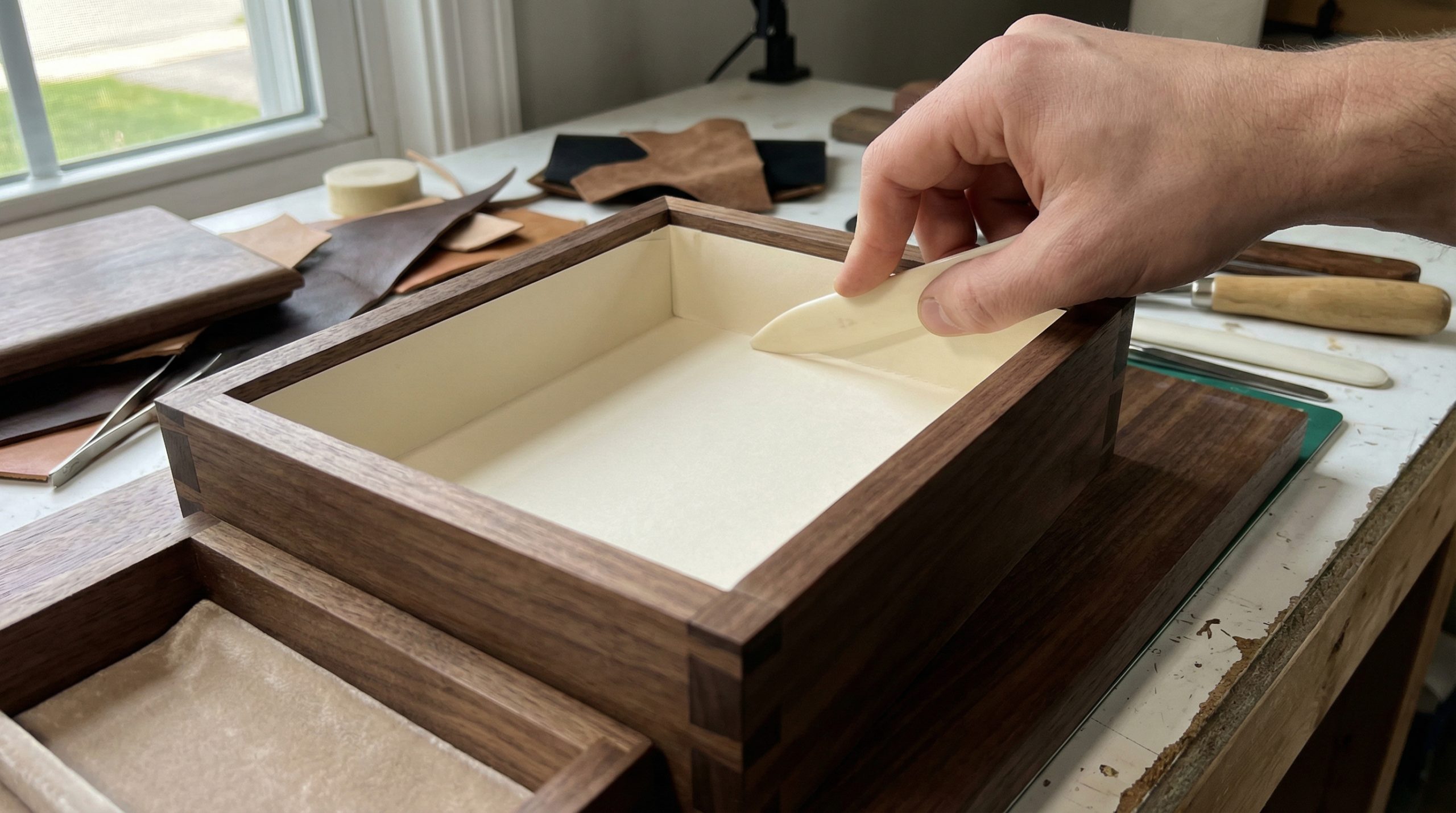
To make a watch box, you must integrate structural stability with chemical neutrality, ensuring the housing protects mechanical movements while presenting an aesthetic of luxury. Many collectors face the frustration of discovering their timepieces have suffered strap degradation or metal oxidation due to subpar storage environments. This isn’t just a minor inconvenience; using the wrong adhesives or low-density materials can devalue a five-figure investment overnight. By understanding how to make a watch box through professional engineering standards, you can create a vessel that preserves horological value for generations.
What materials are essential for your box?
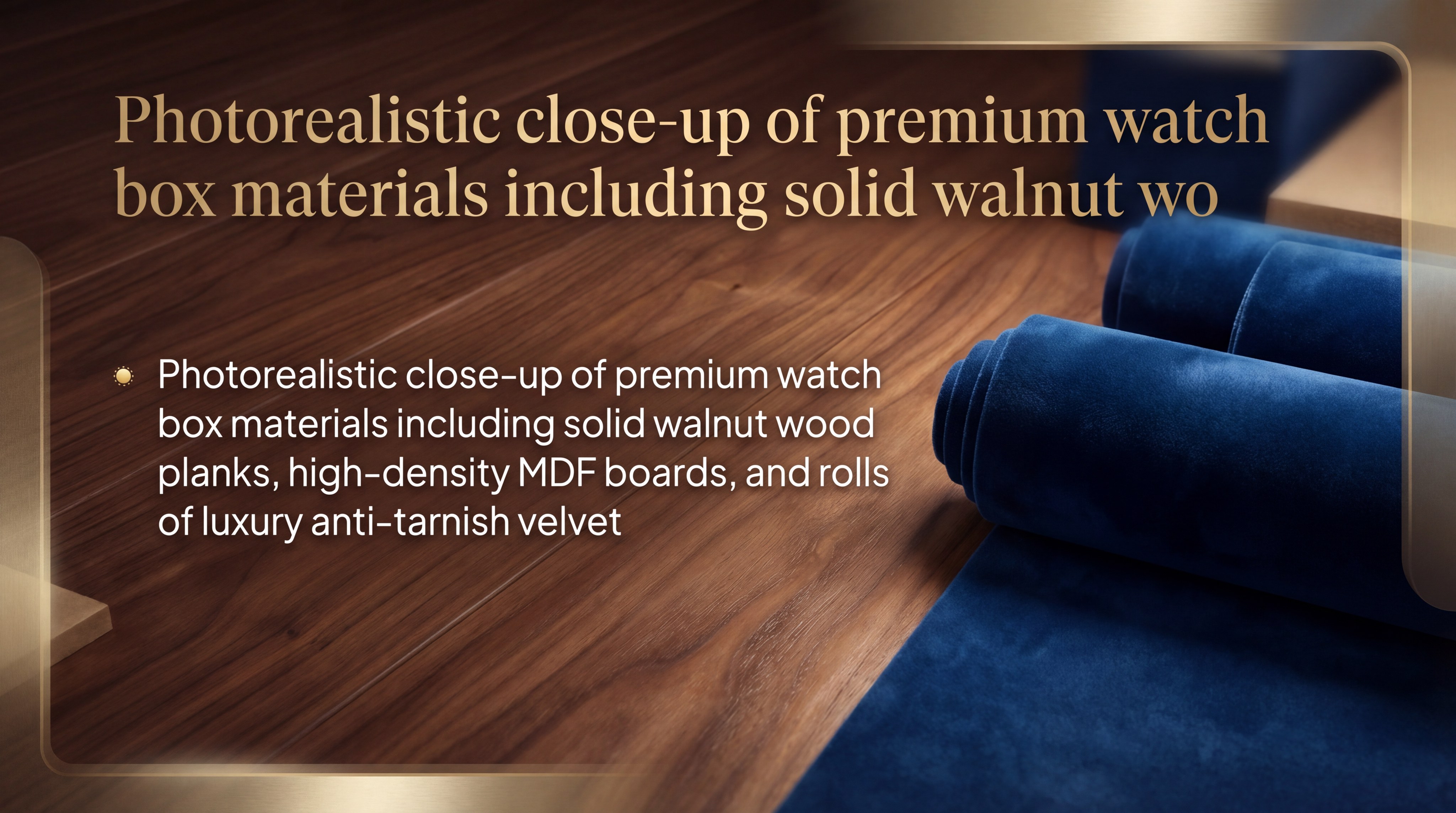
Selecting the right materials is the first and most critical step in how to make a watch box successfully. You must prioritize materials that offer structural integrity and are free from volatile organic compounds (VOCs).
Selecting between solid wood and MDF?
The choice between solid timber and high-density MDF often defines the product’s market positioning. While solid walnut provides a prestigious weight and natural grain, MDF is frequently used for its superior resistance to warping under varying humidity levels.
- MDF is ideal for high-gloss piano lacquer finishes.
- Solid wood offers a timeless, heirloom-quality patina.
- Composite materials provide consistency for large production runs.
But here is the kicker: the interior is where the true protection happens.
Why use non-reactive adhesives?
Standard industrial glues can emit gases that react with watch oils and metals, leading to tarnishing. Professionals always utilize PH-neutral, acid-free adhesives to ensure the environment remains inert.
- Prevent chemical reactions with stainless steel and gold.
- Avoid the drying out of delicate leather straps.
- Maintain the longevity of the interior fabric bond.
Think about it. Would you risk a luxury caliber in a box that “sweats” chemicals?
| Material Component | Recommendation | Purpose | |
|---|---|---|---|
| Core Base | High-Density MDF | Warp resistance and stability | |
| Adhesive | PH-Neutral Glue | Prevents metal oxidation | |
| Interior Lining | Anti-tarnish Velvet | Protects case finish |
The foundation of luxury begins with material purity and structural resilience.
Key Takeaway: Prioritizing non-reactive materials is essential for maintaining the long-term value and mechanical integrity of the watches stored within.
How to make a watch box using premium materials?
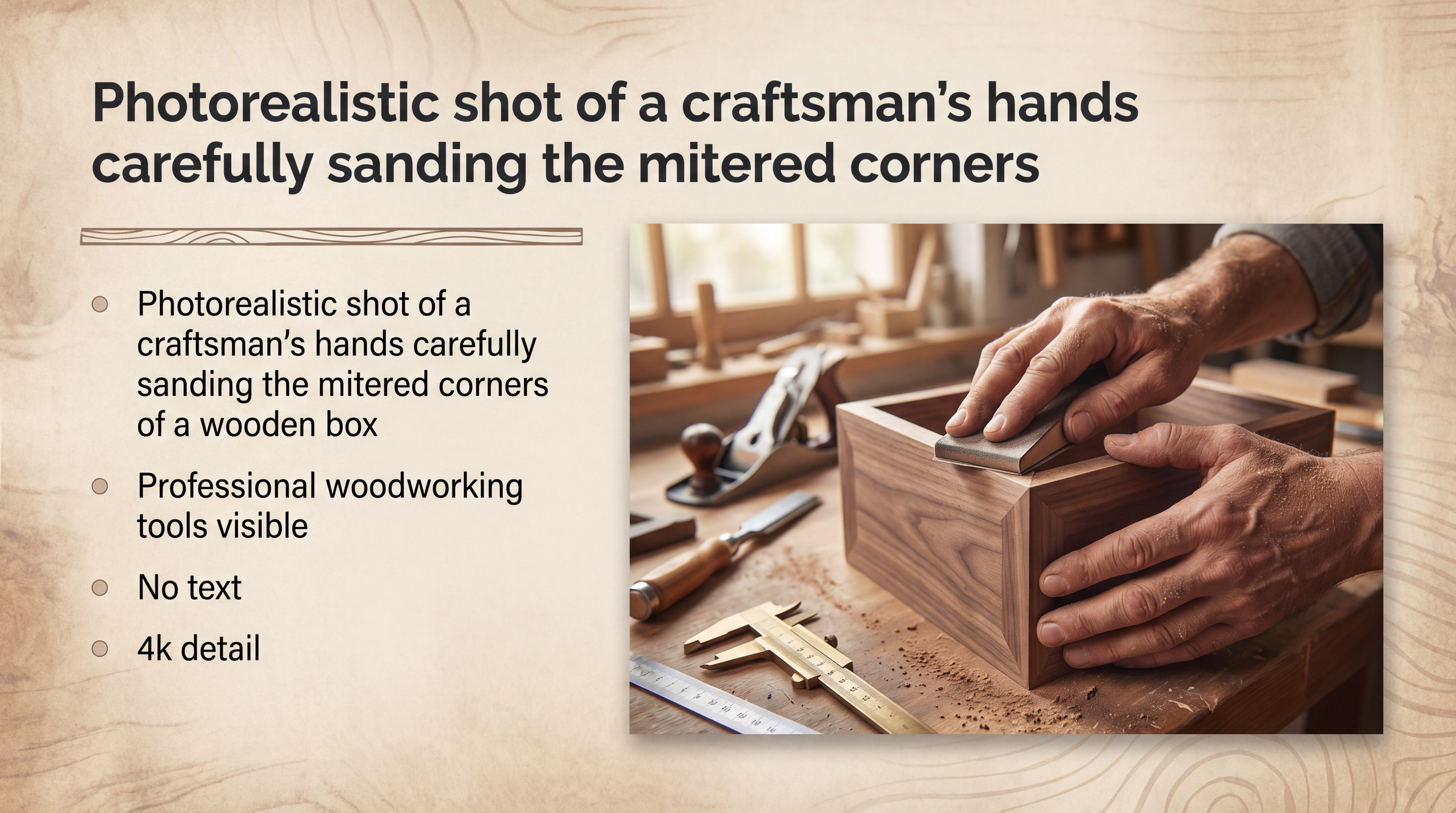
Executing the build requires a sequence of assembly that emphasizes seamless joins and surface preparation in the process of how to make a watch box. You must focus on the “flap and fold” technique for exterior wrapping to ensure the corners remain crisp and durable.
Achieving a seamless exterior wrap?
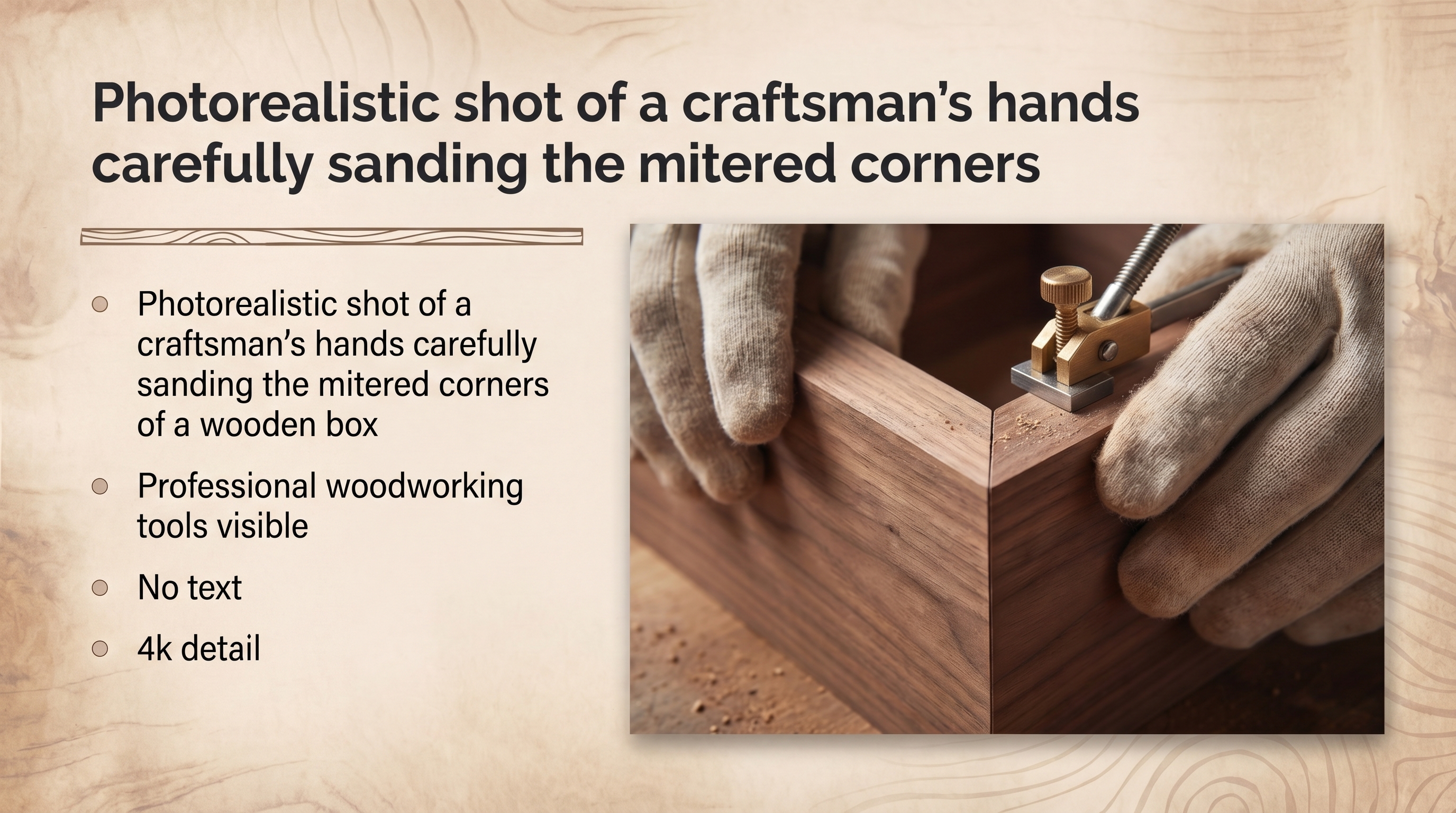
Whether you are applying PU leather or exotic veneers, the exterior must be free of visible overlaps. Cutting precise 45-degree mitered edges on your wrapping material allows for a flush fit that mimics a solid-carved appearance.
- Use a sharp blade for zero-fray leather edges.
- Apply uniform pressure to avoid air bubbles.
- Reinforce corners with extra adhesive for high-traffic use.
The best part? This technique hides the structural core completely, creating a monolithic look.
Why is sanding to a high grit vital?
Before the lining or lacquer is applied, the internal and external surfaces must be sanded to at least 400 grit. Any minor imperfection in the base material will be magnified once the reflective finish or thin fabric is applied.
- Eliminate “telegraphing” through thin leather or velvet.
- Ensure the lid fits the base with airtight precision.
- Provide a smooth tactile experience for the user.
Here’s the deal: a luxury finish is 90% preparation and only 10% application.
| Step | Technical Focus | Success Metric | |
|---|---|---|---|
| Wrapping | Mitered Corners | Zero visible overlap or bulk | |
| Sanding | 400+ Grit Surface | Smooth touch under the lining | |
| Assembly | Pressure Bonding | No lifting edges over time |
Consistency in surface preparation dictates the final perceived quality of the luxury housing.
Key Takeaway: Precision sanding and expert wrapping techniques are what differentiate a professional-grade box from a standard storage unit.
Why is the internal grid structure so critical?
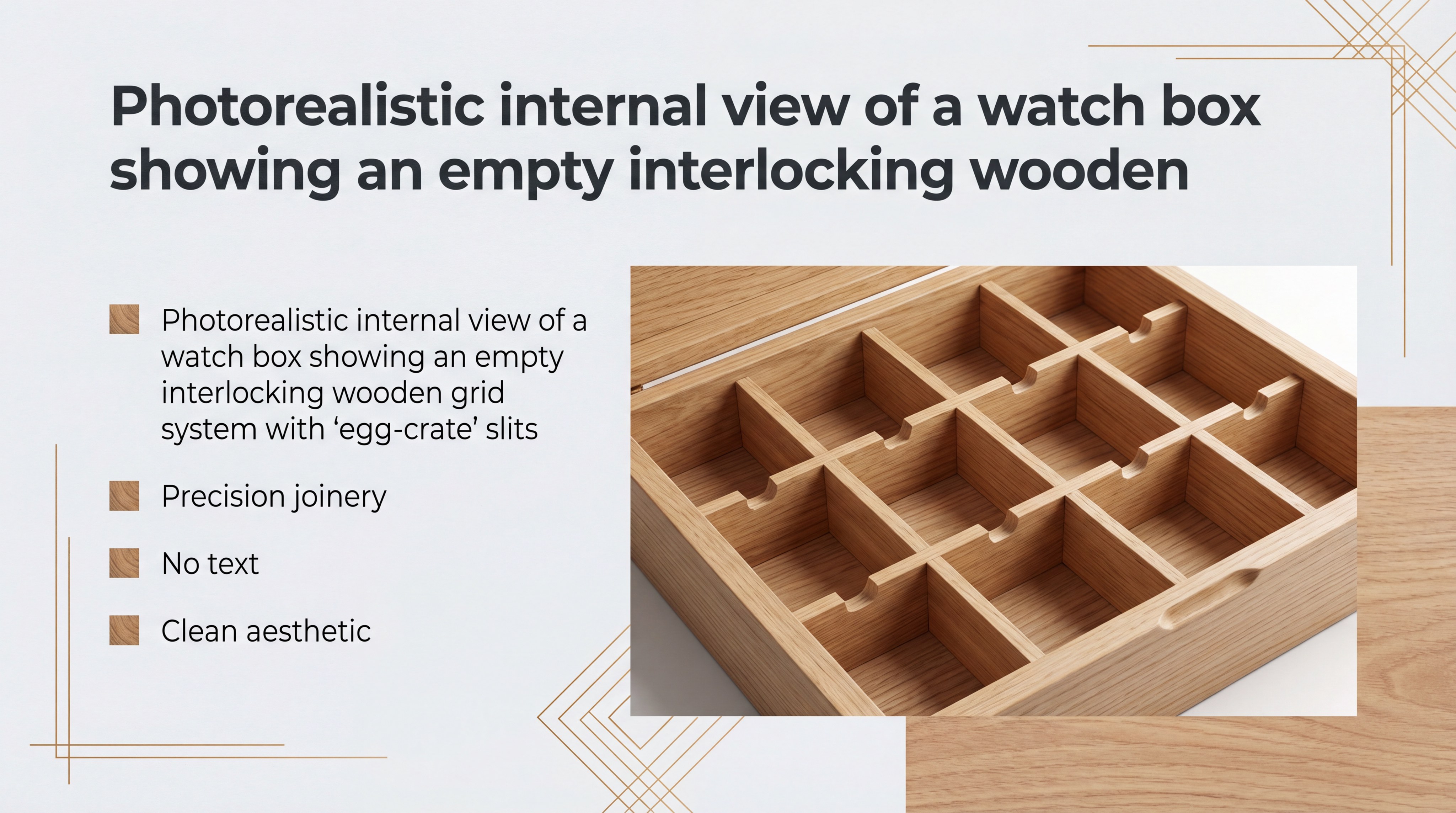
The internal grid acts as the skeleton that prevents movement, which is a vital component when learning how to make a watch box . You need a rigid interlocking system to ensure that individual watches do not collide during handling or transport.
Designing the interlocking slit system?
The most effective grid design uses a “half-lap” or “egg-crate” joint, where slits are cut halfway through intersecting pieces. This provides lateral strength and keeps the walls perfectly vertical without the need for bulky fasteners.
- Maintains equal slot dimensions for uniformity.
- Allows the grid to be easily removed for cleaning.
- Provides a friction fit that eliminates rattling.
It gets better. This modular approach allows you to swap grids for different watch sizes.
How to wrap dividers for a soft touch?
Each divider must be individually wrapped in microsuede or velvet before the grid is assembled. This ensures that every surface a watch might touch is cushioned, preventing scratches on the crown or case flanks.
- Use thin-profile fabrics to avoid altering slot dimensions.
- Glue fabric only on the non-visible bottom edges.
- Ensure the top edges are rounded for a premium feel.
Think about it. The grid is the primary defense against sapphire-on-sapphire contact.
| Grid Element | Specification | Benefit | |
|---|---|---|---|
| Slit Depth | 50% of Wall Height | Maximum structural rigidity | |
| Slot Tolerance | +/- 0.5mm | Snug fit for standard pillows | |
| Lining Material | Anti-scratch Velvet | Protects the watch case flanks |
A well-fitted internal grid provides the organization and protection expected in high-end horological storage.
Key Takeaway: A rigid, friction-fitted grid system is the best way to prevent damage and maintain a professional organized aesthetic.
How to make a watch box with bespoke pillows?
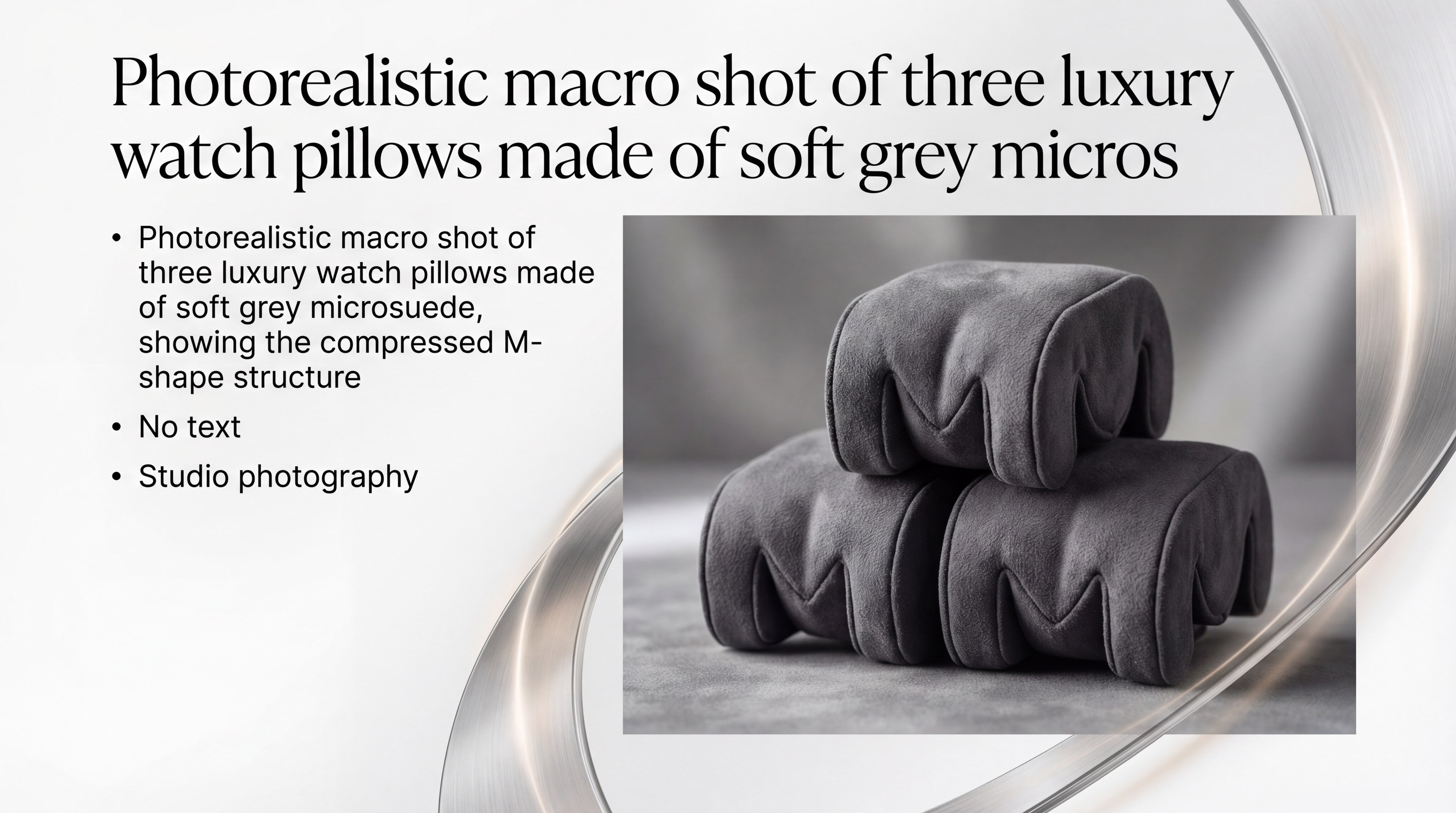
Pillows are the most interactive part of the storage system, requiring specific compression ratios in how to make a watch box. You must engineer them to support both heavy steel bracelets and delicate leather straps without causing tension fatigue.
Sizing for the “M-Shape” compression?
Modern luxury pillows often utilize an “M-shape” or high-density foam core that allows for 15-25mm of compression. This flexibility ensures that the watch remains secure regardless of the owner’s wrist size.
- Accommodates small female wrists and large diver watches.
- Prevents the watch from spinning on the pillow.
- Reduces stress on the bracelet’s spring bars.
But here is the kicker: the wrong fill material can ruin the experience.
Selecting moisture-wicking fillings?
You should avoid traditional cotton batting, which can trap ambient humidity against the watch’s case back. High-density synthetic poly-fill or specialized foam allows for airflow and prevents moisture buildup.
- Maintains pillow shape over years of use.
- Resists mold and mildew in humid climates.
- Provides a consistent “spring-back” feel.
The best part? These materials are chemically inert and won’t react with watch oils.
| Pillow Feature | Professional Standard | User Benefit | |
|---|---|---|---|
| Fill Material | High-Density Foam | Retains shape and tension | |
| Exterior Fabric | Acid-free Microfiber | Won’t tarnish metal surfaces | |
| Compression | 20% Flexible Range | Fits all bracelet and strap sizes |
High-quality pillows ensure the watch remains perfectly centered and protected within its dedicated slot.
Key Takeaway: Engineered pillows with high-density cores provide the necessary tension to hold watches securely without risking structural damage.
What defines the best luxury storage solutions?
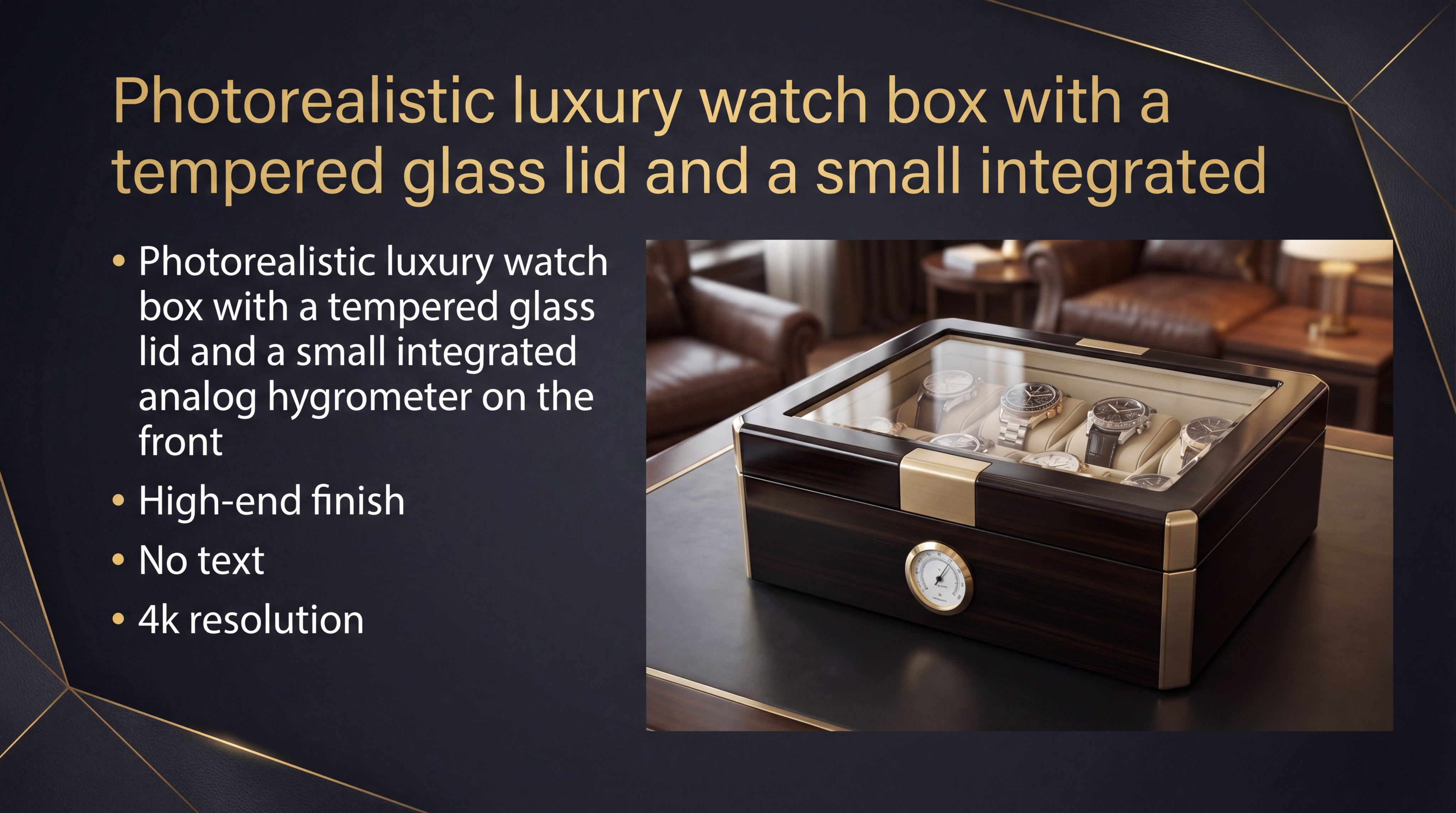
Luxury is defined by the integration of environmental controls and visual clarity in how to make a watch box . You must consider how the box functions as a climate-controlled vault for sensitive mechanical movements.
Integrating humidity control systems?
Premium boxes often include a recessed slot for a hygrometer or a silica gel packet to monitor and regulate internal moisture levels. This is essential for preventing the lubrication oils inside the watch from drying out or becoming too viscous.
- Protects rubber gaskets from becoming brittle.
- Prevents rust on non-stainless movement components.
- Offers the collector peace of mind in any climate.
Here’s the deal: environmental stability is just as important as physical protection.
The role of 360-degree transparency?
For the serious collector, the box is a display piece, requiring the use of tempered, UV-coated glass. This allows for constant visibility while shielding the watches from dust and harmful sunlight that can fade dials.
- Tempered glass adds weight and a premium feel.
- UV coating prevents “dial rot” from sun exposure.
- Airtight gaskets keep the internal environment pristine.
Think about it. Visibility should never come at the cost of security or protection.
| Luxury Feature | Technical Requirement | Value Proposition | |
|---|---|---|---|
| Glass Type | Tempered / UV Coated | Protection from light damage | |
| Sealing | Gasket-lined Lid | Dust and moisture resistance | |
| Monitoring | Integrated Hygrometer | Real-time climate tracking |
The intersection of display and preservation is where true luxury packaging excels for the horology market.
Key Takeaway: Integrating environmental monitoring and UV protection transforms a simple box into a professional-grade preservation vault.
How to make a watch box for a luxury brand?
Branding requires a level of precision and consistency that goes beyond basic assembly in how to make a watch box. You must focus on the sensory experience, from the sound of the lid closing to the tactile response of the logo embossing.
Maintaining Pantone color consistency?
For a brand, the box is a vital touchpoint, meaning the interior velvet and exterior PU must match the brand’s identity perfectly. This requires rigorous material batch testing to ensure zero color deviation across thousands of units.
- Ensure brand recognition through precise color matching.
- Maintain uniformity across different product tiers.
- Use high-quality dyes that won’t bleed or fade.
The best part? Consistent color builds trust and perceived value in the customer’s mind.
Optimizing for the unboxing experience?
The “suction” sound of a perfectly fitted lid and the smooth resistance of the hinges are the results of CNC-milled precision. These small details signal to the customer that they are handling a high-value, engineered product.
- Use CNC routing for perfect lid-to-base alignment.
- Incorporate weighted bases for a substantial feel.
- Add hidden magnets for a satisfying tactile “click.”
Here’s the deal: the unboxing experience is the first step in long-term customer loyalty.
| Brand Element | Implementation | Impact | |
|---|---|---|---|
| Logo | Hot Stamping / Embossing | Premium brand recognition | |
| Precision | CNC Milling | Satisfying lid “suction” sound | |
| Consistency | Batch QC Testing | Uniformity across retail channels |
A branded watch box serves as an extension of the timepiece itself, reinforcing the brand’s commitment to quality.
Key Takeaway: Precision engineering and sensory details are essential for creating an unboxing experience that matches a luxury brand’s reputation.
Why are hinges the weak point of most boxes?
The hinge is the only mechanical component that undergoes repetitive stress in how to make a watch box . You must select hardware that can withstand thousands of cycles without sagging or squeaking.
Testing for cycle longevity?
Professional-grade hinges are typically rated for 1,000+ opening and closing cycles. Stainless steel or reinforced alloy quadrant hinges are the gold standard because they provide a 90-degree stop and maintain alignment.
- Stainless steel resists corrosion in humid environments.
- Quadrant hinges prevent the lid from falling back too far.
- Hidden hinges offer a cleaner, more modern aesthetic.
Think about it. A snapped hinge can lead to a dropped lid and shattered display glass.
Anti-slam and soft-close mechanisms?
For boxes with heavy glass lids, integrating a soft-close or anti-slam mechanism is a critical safety feature. This protects the delicate mechanical movements inside from the shock of a violent closure.
- Reduces vibration transferred to the watch balance wheel.
- Prevents glass-on-wood impact damage.
- Adds a layer of mechanical luxury to the movement.
The best part? It makes the box feel as engineered as the watches it contains.
| Hinge Type | Material | Best Use Case | |
|---|---|---|---|
| Quadrant | Stainless Steel | High-end wooden display chests | |
| Spring | Reinforced Alloy | Compact travel and retail cases | |
| Soft-Close | Hydraulic / Friction | Heavy glass-top collector boxes |
High-quality hardware ensures the box remains functional and beautiful for the lifetime of the watch collection.
Key Takeaway: Investing in superior hinge hardware prevents mechanical failure and protects watches from the shock of accidental lid closure.
How to make a watch box more cost-efficient?
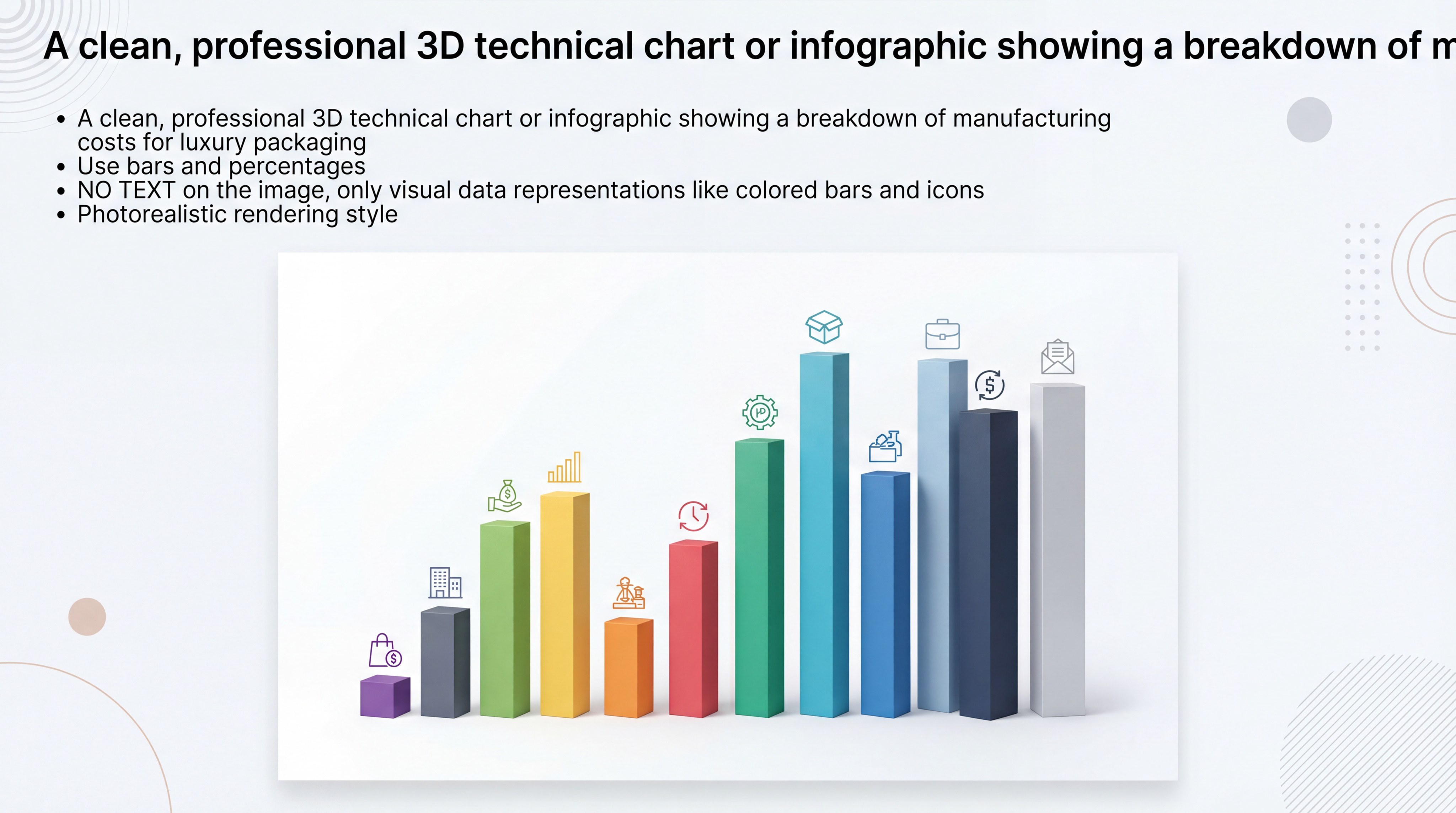
For manufacturers, optimizing the design for production is the only way to master how to make a watch box at scale. You should look for ways to reduce waste and logistics costs without compromising the end-user’s perception of quality.
Utilizing modular tooling?
By using standardized exterior dimensions and customizing only the internal inserts, you can significantly reduce the “mold” or tooling costs. This allows for a wider variety of internal configurations while keeping the base manufacturing price low.
- Reduce upfront engineering costs for new models.
- Speed up the transition from prototype to production.
- Simplify inventory management for outer shells.
But here is the kicker: the biggest savings often come from logistics, not materials.
Flat-pack shipping designs?
Designing boxes that can be shipped flat and assembled at the destination can reduce logistics costs by over 20%. This “shipped air” reduction is a major factor in maintaining healthy margins for wholesale distribution.
- Maximize container space for international freight.
- Lower the carbon footprint per unit shipped.
- Allow for easier storage in retail warehouses.
Here’s the deal: efficiency in shipping is as important as efficiency in building.
| Cost Driver | Optimization Strategy | Estimated Saving | |
|---|---|---|---|
| Logistics | Flat-pack / Container Optimization | 15-22% reduction | |
| Tooling | Standardized Outer Shells | 500−2,000 per SKU | |
| Materials | Premium PU vs. Genuine Leather | 25-35% material savings |
Strategic design choices allow for a premium product feel while optimizing the bottom line for the business.
Key Takeaway: Cost efficiency is achieved by standardizing structural components and optimizing the supply chain for bulk logistics.
What quality control protocols are necessary?
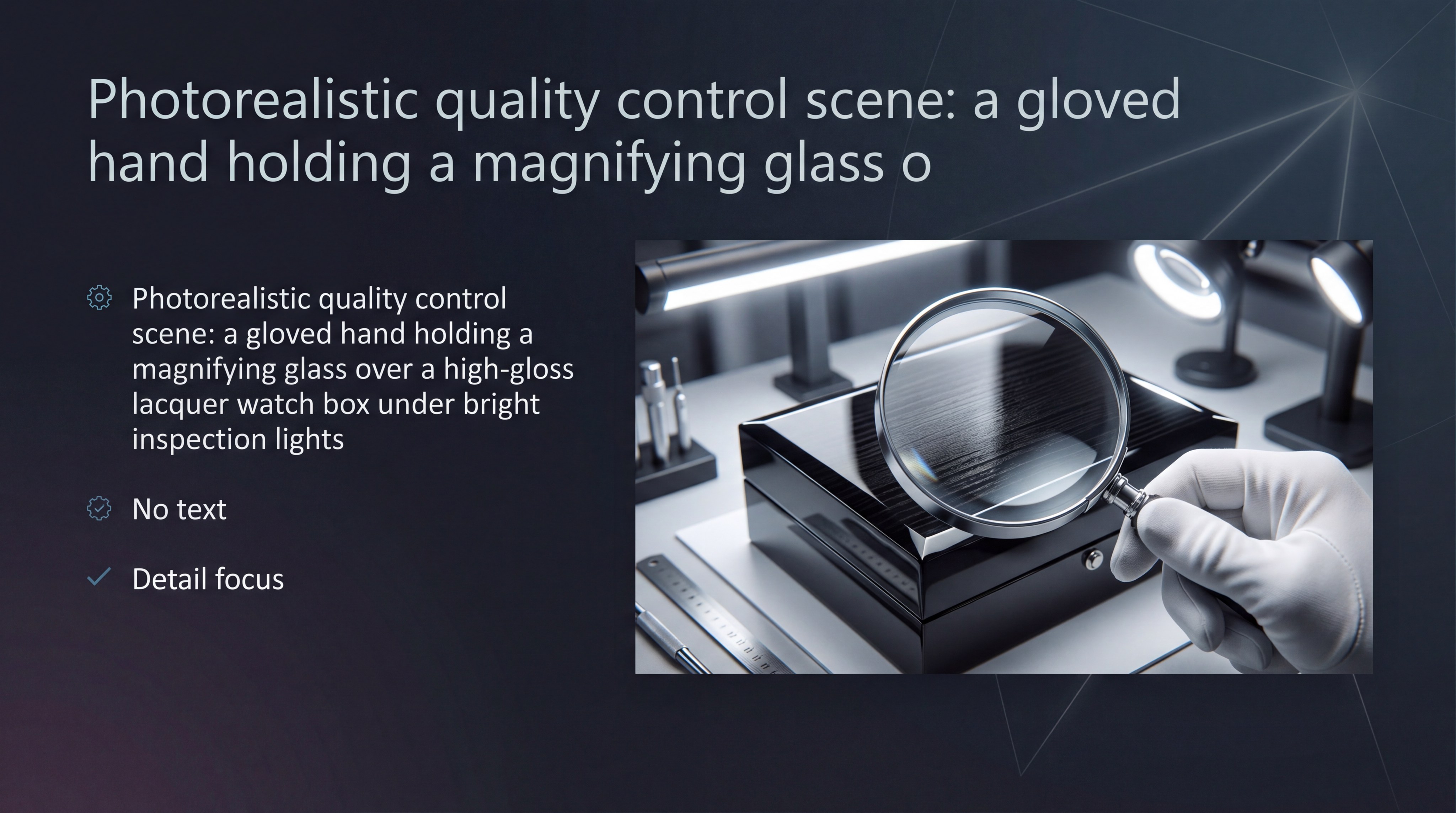
A single flaw can destroy the value proposition of a luxury item, making QC a mandatory phase in how to make a watch box . You must implement a multi-point inspection process that covers every detail from adhesive bonds to hinge alignment.
The 4-point inspection protocol?
The standard for high-end manufacturing involves checking material quality, structural alignment, hinge movement, and final cleanliness. Every unit should be inspected under high-intensity lighting to ensure there are no stray glue drops or surface scratches.
- Caliper measurements for slot symmetry within 0.2mm.
- Manual cycle tests for smooth hinge operation.
- Compressed air cleaning to remove all dust and lint.
Think about it. The customer’s first impression is formed within seconds of opening the box.
Testing adhesive bond strength?
In humid or tropical climates, poor-quality glues will fail, causing the lining to peel away from the core. QC labs use “heat-aging” tests to simulate years of environmental stress in a matter of days.
- Ensure the lining stays bonded for the lifetime of the box.
- Prevent bubbling or lifting in high-temperature zones.
- Verify that the glue remains non-reactive after curing.
It gets better. Rigorous testing reduces returns and protects your brand’s reputation.
| QC Check | Tool/Method | Goal | |
|---|---|---|---|
| Alignment | Digital Caliper | Symmetry within 0.2mm tolerance | |
| Function | Manual Cycle Test | Zero friction or squeaking in hinges | |
| Finish | High-Intensity Light | Zero glue residue or surface scuffs |
Comprehensive quality control ensures that every unit delivered meets the exacting standards of luxury horology.
Key Takeaway: A rigorous multi-point inspection protocol is the only way to guarantee a zero-defect unboxing experience for the customer.
How to make a watch box that survives shipping?
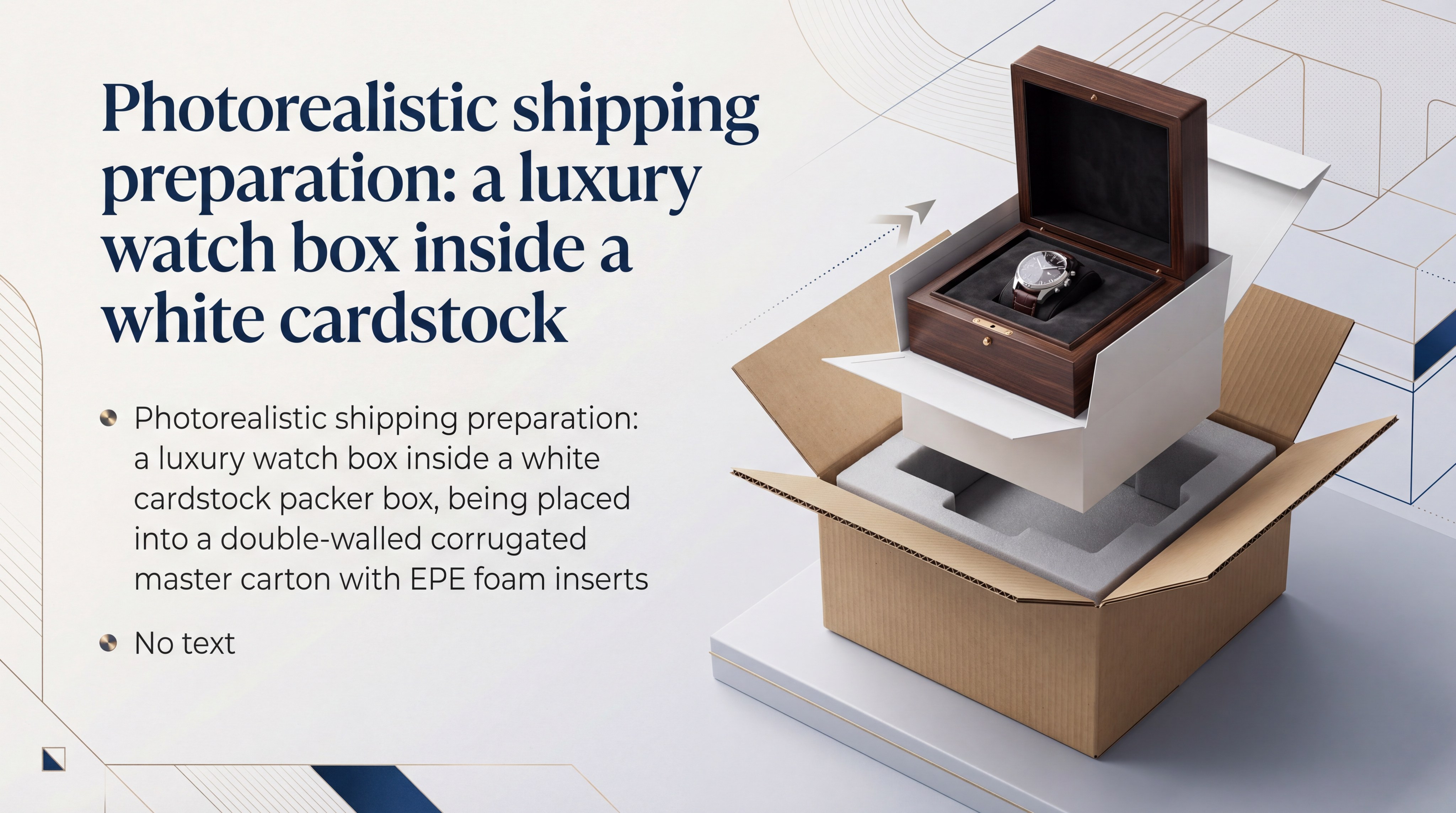
The final challenge is ensuring your hard work reaches the customer in pristine condition through engineered packaging in how to make a watch box. You must design a multi-layer “system” that absorbs impacts and shields the lacquered surface from scratches.
Selecting the right master carton?
The outer shipping container should be double-walled corrugated cardboard, which provides the necessary crush resistance. Inside, the watch box should be suspended in EPE foam to prevent any corner impacts from reaching the product.
- Absorb shocks from drops during the courier process.
- Protect the box from compression in warehouse stacks.
- Ensure the lid remains closed during rough handling.
But here is the kicker: the “packer box” is just as important as the carton.
Using protective “Packer” boxes?
Every luxury watch box should be housed in its own cardstock packer box before being placed in the master carton. This prevents “shelf wear” and ensures the primary box arrives with a flawless, showroom-ready finish.
- Prevents fine scratches from vibration during transit.
- Adds an extra layer of structural support.
- Provides a premium, branded shipping presentation.
The best part? These layers cost very little compared to the price of a returned, damaged item.
| Shipping Layer | Material | Function | |
|---|---|---|---|
| Inner Wrap | Tissue / Poly-bag | Surface scratch prevention | |
| Packer Box | Rigid Cardstock | Structure and shelf-wear protection | |
| Master Carton | Double-Walled Corrugated | Impact absorption and shipping safety |
Professional-grade shipping protection is an engineering requirement that safeguards both the product and the brand’s integrity.
Key Takeaway: A multi-layered shipping strategy is essential for ensuring that high-value watch boxes survive the rigors of global logistics.
Strategic Conclusion
By mastering these engineering protocols—from material selection to shipping protection—you solve the primary problems of horological storage: environmental degradation, physical damage, and poor presentation. At YX Jewelry Packaging, we combine 15 years of OEM expertise with a “zero-defect” manufacturing philosophy to provide luxury brands with the world’s most reliable watch housing solutions. If you are ready to elevate your brand’s packaging to the industrial standard, please contact us for a custom prototype today.
Professional FAQ
Can I use any fabric for the internal lining?Judgment: No. Explanation: You must use acid-free, anti-tarnish fabrics like microsuede or high-grade velvet. Standard fabrics may contain dyes or chemicals that react with watch metals and oils over time.
What’s the best material for a durable watch box core?Judgment: High-density MDF. Explanation: While solid wood is beautiful, high-density MDF offers superior resistance to warping and provides a smoother surface for luxury lacquer finishes in varying climates.
How do I know if my watch pillows are the right size?Judgment: They should offer 20% compression. Explanation: A pillow is sized correctly if it provides enough tension to hold the watch securely in the slot without putting undue stress on the bracelet’s spring bars or stretching a leather strap.
Can I ship watch boxes without foam inserts?Judgment: Not recommended. Explanation: Luxury finishes are highly susceptible to impact damage. Without EPE or EVA foam suspension, a single drop can lead to cracked lacquer or broken hinges, resulting in costly returns.
How do I know if my adhesives are safe for watches?Judgment: Verify they are PH-neutral. Explanation: You must request MSDS (Material Safety Data Sheets) from your supplier to ensure the glues do not emit VOCs or acidic vapors that can tarnish stainless steel and gold cases.