
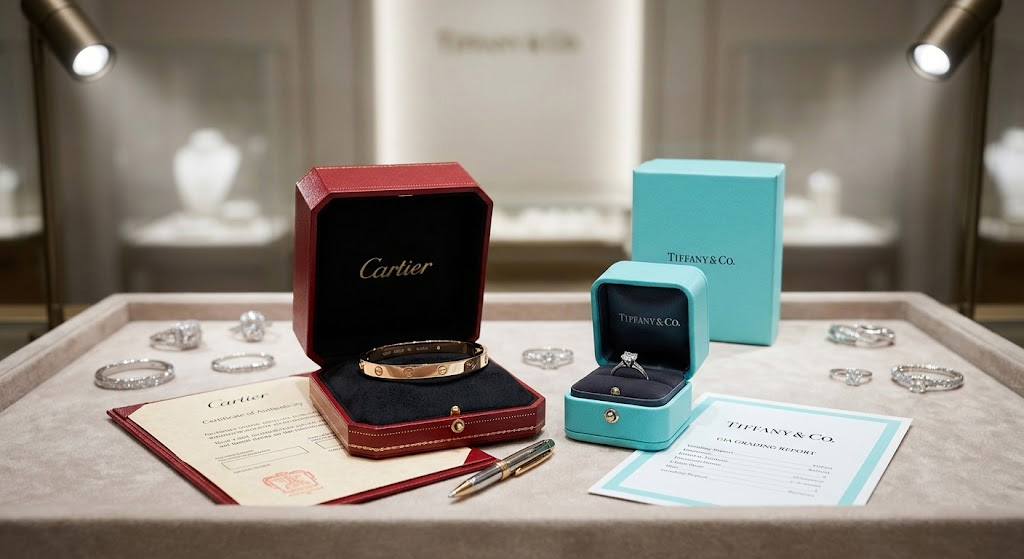
To price consignment jewelry without losing money, you must balance the intrinsic value of materials with current market demand while accounting for your operational overhead. Many retailers struggle with stagnant inventory because they fail to align their prices with buyer expectations. This imbalance leads to lost revenue and frustrated consignors who see their pieces gathering dust rather than generating cash. You can master how to price jewelry for resale by implementing a data-driven valuation strategy that considers material quality, brand prestige, and seasonal trends before signing any contract.
Why is it vital to know how to price jewelry for resale?
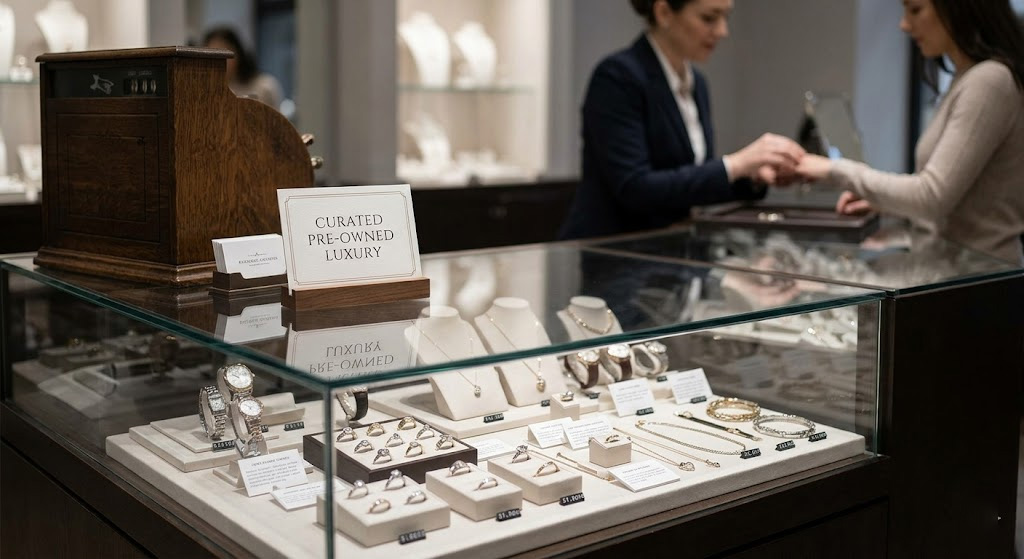
Accurate pricing protects your profit margins while ensuring a fair return for your consignors. When you value items correctly, you maintain high inventory turnover and keep your display cases fresh for recurring customers. Understanding how to price jewelry for resale is the cornerstone of a sustainable luxury business.
Does low pricing hurt your brand?
Pricing items significantly below market value can signal a lack of quality or authenticity to discerning buyers. While it might lead to a quick sale, it diminishes the luxury experience your store aims to provide. Consider the following risks of undervaluing:
- Loss of prestige in the local market.
- Lower commission revenue for the shop.
- Attracting bargain hunters rather than loyal clients.
Is accuracy necessary for sales momentum?
Precision in valuation allows you to move products quickly, which builds trust with your partners. Keeping a steady flow of “sold” tags encourages more high-end consignors to bring their treasures to your shop.
The best part?
A reputation for fair pricing makes you the first choice for both buyers and sellers. This creates a self-sustaining cycle of high-quality inventory and consistent sales.
Key Takeaway: Correct pricing balances the needs of the buyer, the seller, and the consignor to maintain a healthy retail ecosystem.
| Metric | Impact of Accurate Pricing | |
|---|---|---|
| Inventory Turnover | Increases as items meet buyer expectations | |
| Consignor Trust | Strengthens when items sell within 90 days | |
| Profitability | Ensures overhead is covered by every transaction |
Use local market benchmarks alongside national trends to ensure your accuracy remains competitive.
What models exist for how to price jewelry for resale?
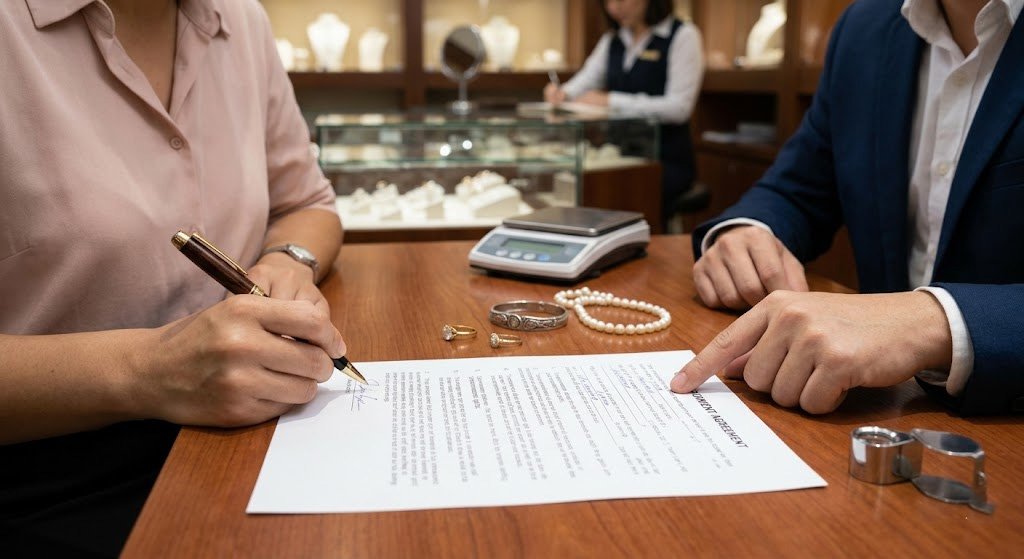
The most effective models for how to price jewelry for resale include commission-based splits, memo agreements, and direct purchase options. Each model carries different levels of risk and potential reward for the jeweler. Most successful shops utilize a mix of these to ensure a diverse and profitable inventory.
How does the standard consignment model work?
In a standard agreement, the shop acts as an intermediary that provides marketing, insurance, and professional display services. The original owner retains legal title to the jewelry until the moment a transaction is completed. Key features include:
- Zero upfront capital required from the retailer.
- Risk shared between the owner and the shop.
- Flexible pricing adjustments over time.
Which model maximizes retail profit?
Standard commission models often yield the highest profit when you have a high volume of quality pieces. By avoiding the cost of goods sold, your revenue is purely based on the service and space you provide.
Here is the kicker:
Your profitability depends entirely on your ability to select items that match your clientele. Without a curated selection, even the best commission model will fail to generate revenue.
Key Takeaway: Choosing the right model depends on your cash flow and the level of risk you are willing to assume.
| Model Type | Primary Benefit | Ownership | |
|---|---|---|---|
| Standard Consignment | Zero upfront inventory cost | Consignor until sold | |
| Memo Agreement | Access to wholesale gems | Wholesaler/Manufacturer | |
| Direct Purchase | Maximum profit margin | Retailer |
Evaluate your current cash reserves before moving from a consignment model to direct purchases.
How do splits affect how to price jewelry for resale?
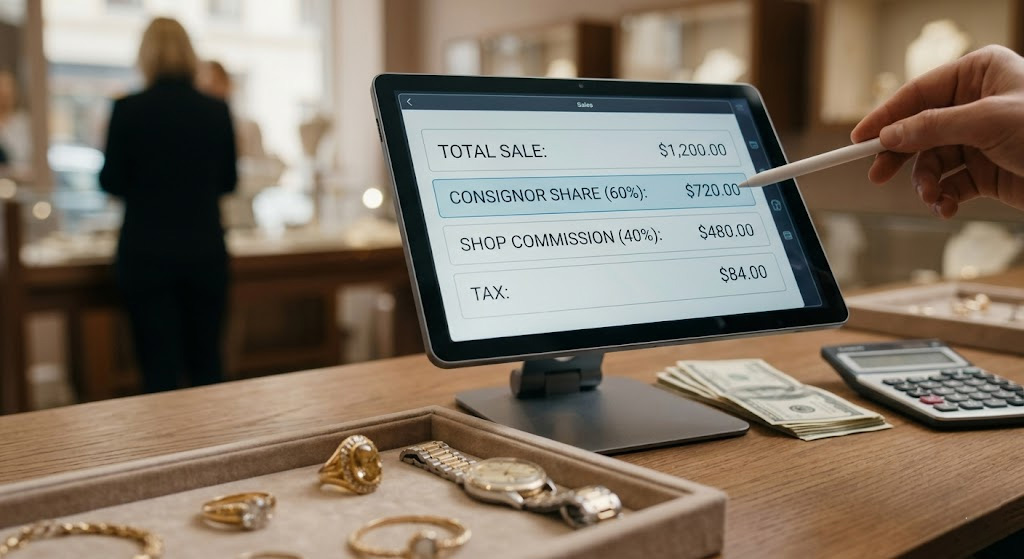
Revenue splits determine the portion of the sale price that covers your business expenses and net profit. When considering how to price jewelry for resale , the split ratio directly dictates the final asking price needed to break even. Higher-value items often require a more favorable split for the consignor to incentivize them.
How do you determine a fair split?
A fair split accounts for the work you put into the sale, including cleaning, photographing, and insuring the item. For luxury pieces that require extensive marketing, a 60/40 split in favor of the house is common. Standard industry tiers include:
- 50/50 for entry-level fashion pieces.
- 60/40 for mid-range gold and gemstones.
- 70/30 for high-ticket luxury items.
Why is transparency vital in split agreements?
Clear communication regarding the split prevents disputes once the item is sold and the check is cut. Always include these details in a written contract to protect both your business and the consignor.
The best part?
Automating these calculations in your POS system reduces human error and builds trust. Your consignors will appreciate receiving clear statements that show exactly how the final payout was derived.
Key Takeaway: Revenue splits must be high enough to cover your overhead but low enough to remain attractive to the item’s owner.
| Item Value | Common Split (Consignor/Shop) | Best For | |
|---|---|---|---|
| Under $500 | 50% / 50% | Fashion jewelry, silver | |
| 500−5,000 | 60% / 40% | Standard gold, gemstones | |
| Over $5,000 | 70% / 30% | Luxury watches, large diamonds |
Review your split percentages annually to ensure they still cover your rising operational costs.
Which materials impact how to price jewelry for resale?
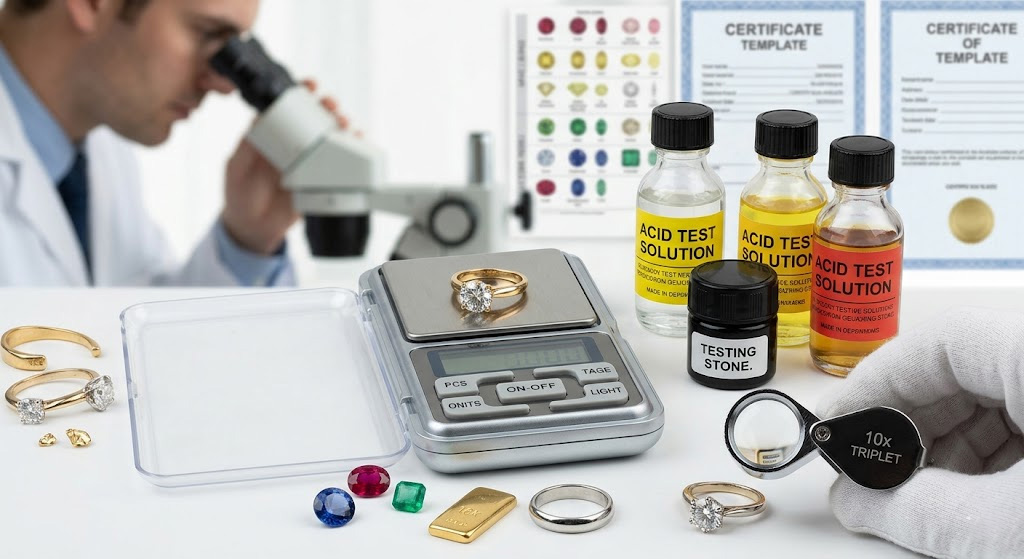
Precious metal purity and gemstone quality serve as the fundamental baseline for how to price jewelry for resale. You must stay updated on current commodity prices to ensure your base valuation is grounded in reality. Even small fluctuations in gold or platinum prices can impact your potential margins on heavy pieces.
How does gold purity change the price?
The difference between 10k, 14k, and 18k gold significantly alters the intrinsic value of the piece. Using a jewelry scale and testing kit ensures you aren’t overestimating the metal’s worth. Always check for:
- Official karat hallmarks on the clasp or band.
- Signs of heavy plating versus solid metal.
- Current spot prices for daily market accuracy.
Why do the 4 Cs matter for gemstones?
Carat, cut, clarity, and color determine the marketability and rarity of diamonds and precious stones. A high-clarity stone will always command a premium regardless of the setting’s material.
But wait, there’s more:
Rare materials like ethically sourced gemstones can increase the perceived value beyond just the material weight. Highlighting these features in your descriptions justifies a higher price point to the modern consumer.
Key Takeaway: Never guess on material quality; use professional testing tools to establish a factual baseline for every piece.
| Material | Key Valuation Factor | Market Sensitivity | |
|---|---|---|---|
| Gold | Karat weight and purity | High (Daily fluctuations) | |
| Diamonds | GIA Grading (4 Cs) | Moderate (Stable) | |
| Platinum | Density and rarity | High (Industrial demand) |
Verify all gemstone claims with a loupe or tester before finalizing the consignment intake form.
Does branding change how to price jewelry for resale?
Established luxury brands command significantly higher resale values compared to unbranded or mass-market pieces. When determining how to price jewelry for resale , the name on the box or the hallmark on the band adds a layer of prestige. This branding allows for a higher markup because the marketing has already been done for you.
Why do designer names command a premium?
Designer brands have built decades of trust and recognition, which lowers the perceived risk for the buyer. Customers are often willing to pay for the status associated with a specific luxury logo. Significant price drivers include:
- Historical significance of the collection.
- Limited production runs or discontinued styles.
- Secondary market demand for specific designers.
Does original packaging increase resale value?
Including the original box and certificates of authenticity can boost the final sale price by 10% to 15%. It provides the buyer with the complete luxury experience and proof of the item’s history.
The best part?
Even if the original packaging is missing, providing high-quality replacement boxes can maintain a high perceived value. Professional presentation ensures that the “luxury” feel is not lost during the resale process.
Key Takeaway: Brand prestige allows for higher pricing, provided you can verify the item’s authenticity and provenance.
| Brand Tier | Example Brands | Price Retention | |
|---|---|---|---|
| Heritage Luxury | Cartier, Van Cleef | Very High | |
| Premium Retail | Tiffany & Co., Yurman | High | |
| Fashion/Boutique | Kendra Scott, Pandora | Low to Moderate |
Always inspect pieces under magnification to confirm that hallmarks match the expected quality of the brand.
Why use appraisals for how to price jewelry for resale?
Professional appraisals provide an objective, third-party validation that builds trust with skeptical buyers. Relying on expert insights for how to price jewelry for resale prevents you from accidentally underpricing a rare or historically significant piece. It transforms a subjective negotiation into a factual transaction based on expert documentation.
How does an appraisal protect your profit?
An appraiser identifies the exact quality of stones and metals, ensuring you don’t miss hidden value like rare hallmarks. This prevents “money left on the table” during the negotiation phase. Appraisals offer:
- Unbiased valuation of gemstone clarity and color.
- Verification of historical or antique provenance.
- Documented proof for insurance and tax purposes.
Should you use a certified gemologist?
Partnering with a certified gemologist adds a layer of professional credibility to your shop. Their documentation serves as a sales tool that validates your asking price to skeptical customers.
Here is the kicker:
An appraisal that is too old may no longer reflect current market realities for precious metals. Encourage your consignors to provide updated documentation for any piece over five years old.
Key Takeaway: Appraisals turn subjective “guesses” into objective “facts,” making it much easier to close sales at premium prices.
| Appraisal Type | Purpose | Best For | |
|---|---|---|---|
| Fair Market | Determines selling price | Consignment Sales | |
| Replacement Value | Insurance coverage | High-end/Rare pieces | |
| Liquidation | Wholesale cash value | Bulk inventory |
Use the appraisal as a primary sales tool in your display to reduce price haggling.
How does condition influence how to price jewelry for resale?
The physical state of a piece, including surface wear and structural integrity, dictates whether it sells at a premium or a discount. When assessing how to price jewelry for resale , you must inspect every item for loose stones or thinned prongs. Poor condition not only lowers the price but can also create a liability if the item breaks shortly after purchase.
What are the essential tools for valuation?
Investing in professional-grade equipment allows you to verify the physical characteristics of every piece that enters your shop. Without the right tools, you risk making costly errors in identification. You should always have:
- A high-precision digital jewelry scale.
- A 10x triplet loupe for stone inspection.
- An electronic metal tester for purity verification.
Why is a loupe necessary for grading?
A loupe reveals inclusions in gemstones and wear patterns on the metal that are invisible to the naked eye. This detail helps you categorize the item’s condition accurately.
But wait, there’s more:
Minor refurbishments, such as professional polishing or steam cleaning, can significantly improve a piece’s condition. Spending a small amount on maintenance can often justify a much higher retail price.
Key Takeaway: Professional tools and minor refurbishments eliminate human error and provide the data needed for confident pricing.
| Condition Grade | Description | Price Impact | |
|---|---|---|---|
| Excellent | Like-new, no visible wear | Full market value | |
| Good | Minor surface scratches | 10-15% discount | |
| Fair | Visible wear, needs polish | 25%+ discount |
Never accept a piece for consignment without a thorough inspection under at least 10x magnification.
Does market rarity affect how to price jewelry for resale?
Market rarity increases the ceiling for how to price jewelry for resale because unique pieces face less competition. If a piece is one-of-a-kind or part of a limited vintage collection, you can often price it above the standard material-plus-labor formula. Rarity creates a sense of urgency for collectors who know they may not find the item elsewhere.
How do you find margins when you price jewelry?
To find a profitable margin, you must calculate the “Minimum Selling Price” by adding the melt value and your specific overhead. A standard markup of 20% to 50% above the intrinsic value is usually required. Consider these factors:
- The “melt value” of the raw metals.
- The replacement cost of any gemstones.
- The “scarcity premium” for unique designs.
Why must you factor in overhead costs?
Your rent, electricity, staff wages, and marketing expenses must be paid for by the commission you earn. If your commission doesn’t cover these “soft costs,” you are losing money on every sale regardless of the price.
The best part?
Items with high market rarity often allow for higher commissions because the seller knows the piece requires a specialized audience. This helps offset the costs of holding the item in your inventory for a longer period.
Key Takeaway: Your final price must exceed the raw material cost and the cost of doing business to generate actual profit.
| Cost Component | Description | Example ($1,000 Item) | |
|---|---|---|---|
| Intrinsic Value | Metal + Stone worth | $400 | |
| Operating Costs | Marketing, Labor, Rent | $150 | |
| Business Profit | Net earnings for the shop | $150 |
Calculate your break-even point for every square inch of your display case to maximize efficiency.
When do seasons change how to price jewelry for resale?
Seasonal demand cycles create opportunities to adjust how to price jewelry for resale based on peak shopping periods. Jewelry is a highly gift-oriented industry, meaning prices can fluctuate based on the calendar. Staying agile allows you to raise prices during high-traffic months to maximize your annual revenue.
How does seasonality affect jewelry prices?
Engagement rings and diamonds typically see higher demand in the winter months, allowing for slightly higher margins. Conversely, colorful fashion jewelry might sell better during the summer. Use these seasonal peaks:
- Q4 Holiday Season for luxury gifts.
- February for romantic and heart-themed items.
- May for Mother’s Day and graduation jewelry.
Is vintage jewelry more price-stable?
Classic styles and vintage pieces tend to hold their value over time because they are not tied to fleeting fashions. These items are safer for long-term consignment agreements because they don’t go “out of style” quickly.
But wait, there’s more:
Even vintage pieces can see a surge in value if a specific era, like Art Deco, becomes trendy in the fashion world. Monitoring fashion magazines helps you identify which vintage stocks to prioritize.
Key Takeaway: Adjust your pricing based on the calendar and current fashion cycles to maximize your sales velocity.
| Trend Type | Price Stability | Strategy | |
|---|---|---|---|
| Timeless Classics | High | Firm pricing, long hold | |
| Seasonal Peaks | Moderate | Premium pricing in-season | |
| Viral Trends | Low | Low price, fast turnover |
Plan your inventory rotations at least 60 days before a major holiday to capture the full demand.
When should you adjust how to price jewelry for resale?
You should adjust how to price jewelry for resale when inventory remains unsold for more than 30 to 60 days to maintain healthy cash flow. Stagnant inventory is a liability that takes up space better served by faster-moving products. Most successful jewelers review their consignment prices regularly to ensure they remain competitive with online marketplaces.
How often should you markdown items?
A common strategy is to reduce the price by 10% every 30 days that the item remains in the case. This creates a sense of urgency for buyers who have been “watching” the piece. Your schedule might look like this:
- Day 31: Apply a 10% discount.
- Day 61: Apply a 20% discount.
- Day 91: Move to clearance or return to owner.
Can you re-negotiate with the consignor?
If you receive a “close but low” offer from a customer, call the consignor to see if they are willing to accept a lower payout. This flexibility often results in a sale that would otherwise be lost to a competitor.
Here is the kicker:
Returning an item to the owner after 90 days is often better than keeping it at a price that won’t sell. It keeps your selection fresh and signals to customers that your inventory is constantly changing.
Key Takeaway: Active price management prevents inventory from becoming “stale” and keeps your cash flow moving.
| Days in Case | Action | Price Adjustment | |
|---|---|---|---|
| 1 – 30 Days | Premium Display | Original Price | |
| 31 – 60 Days | Social Media Feature | 10% Discount | |
| 61 – 90 Days | Clearance Section | 20% Discount |
Set a hard “expiration date” for all consignment contracts to avoid holding dead inventory indefinitely.
Elevate Your Resale Success
Pricing jewelry for resale is only half the battle; the presentation is what ultimately closes the deal. We have helped countless retailers move stagnant inventory by upgrading their display and unboxing experience. Our mission is to provide high-impact, factory-direct packaging solutions that justify your premium resale prices.
Ready to transform your unboxing experience? To learn how our custom solutions can enhance your brand’s perceived value, contact us today for a personalized consultation. We believe that every piece of jewelry deserves a presentation that reflects its unique history and value.
Frequently Asked Questions
Can I change the price without the owner’s consent?No, you should always have a pre-negotiated markdown schedule in your contract or call the consignor for approval before changing the price. Altering the price without permission can lead to legal disputes and a loss of professional reputation.
What is the best way to handle damaged display items?The best way is to ensure your business insurance covers the “fair market value” of consigned items before you put them on the floor. If minor damage occurs, you should communicate transparently with the owner and offer to cover repair costs.
How do I know if my split is competitive?You should compare your rates with other local boutiques and specialized online resale platforms to see if you are within the 30% to 50% commission range. If your split is too high, you will struggle to attract high-quality inventory from savvy sellers.
Can I charge a storage fee for unsold items?Yes, you can include a small monthly administrative or insurance fee in your contract if the item remains unsold after a specific period. However, many retailers find that returning the item is a more effective way to manage limited shelf space.
What is the best tool for verifying gold?The best tool is an electronic precious metal verifier, as it can detect plated items that traditional acid tests might miss. Using professional-grade electronic testers builds immediate trust with consignors during the intake process.