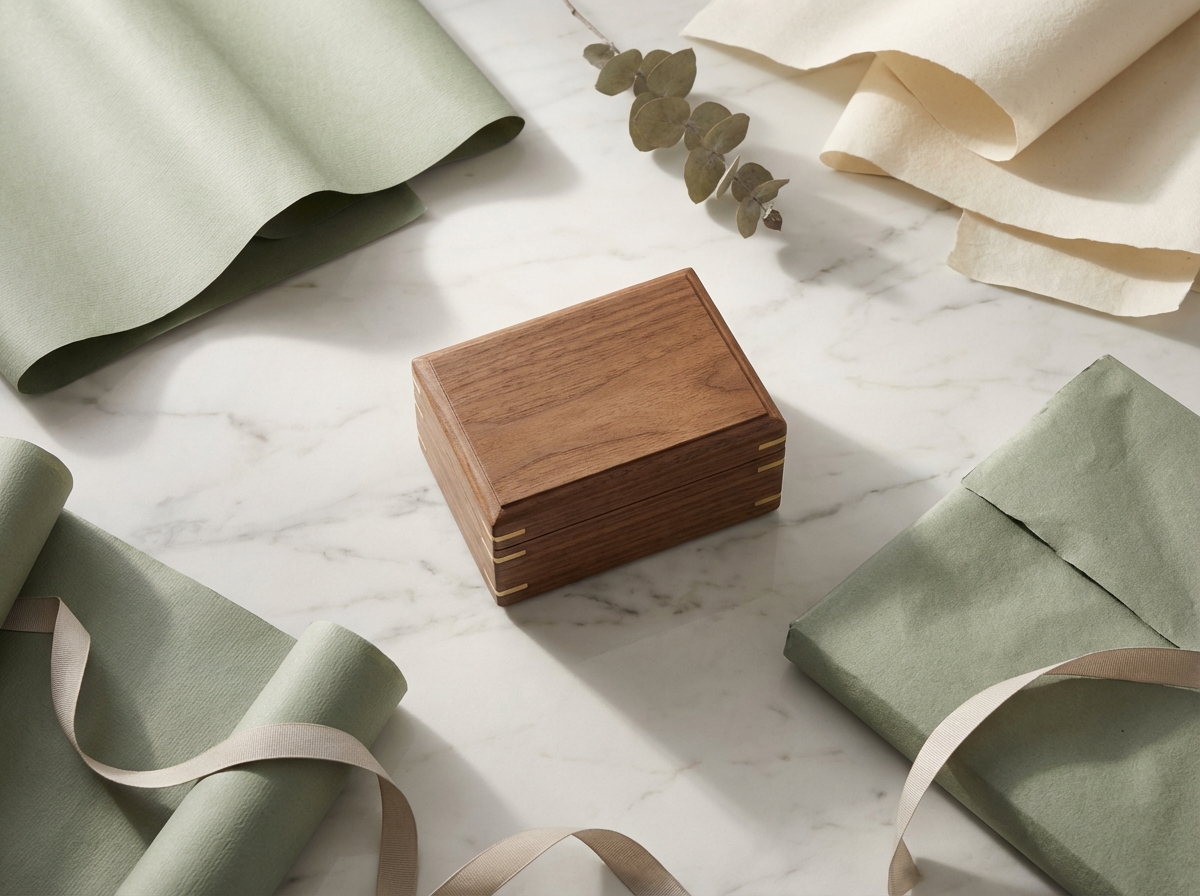
Presentation in the B2B jewelry sector is often the thin line between a perceived luxury item and a generic commodity. If you deliver a high-value piece in a poorly finished package, you risk alienating discerning clients who equate the exterior wrap with the quality of the craftsmanship inside. Mastering professional presentation through precise techniques ensures your brand consistently communicates authority and premium value at every touchpoint.
To learn how to wrap a jewelry box like a professional, you must focus on precision, high-quality material selection, and clean finishing techniques.
What Tools Are Essential?
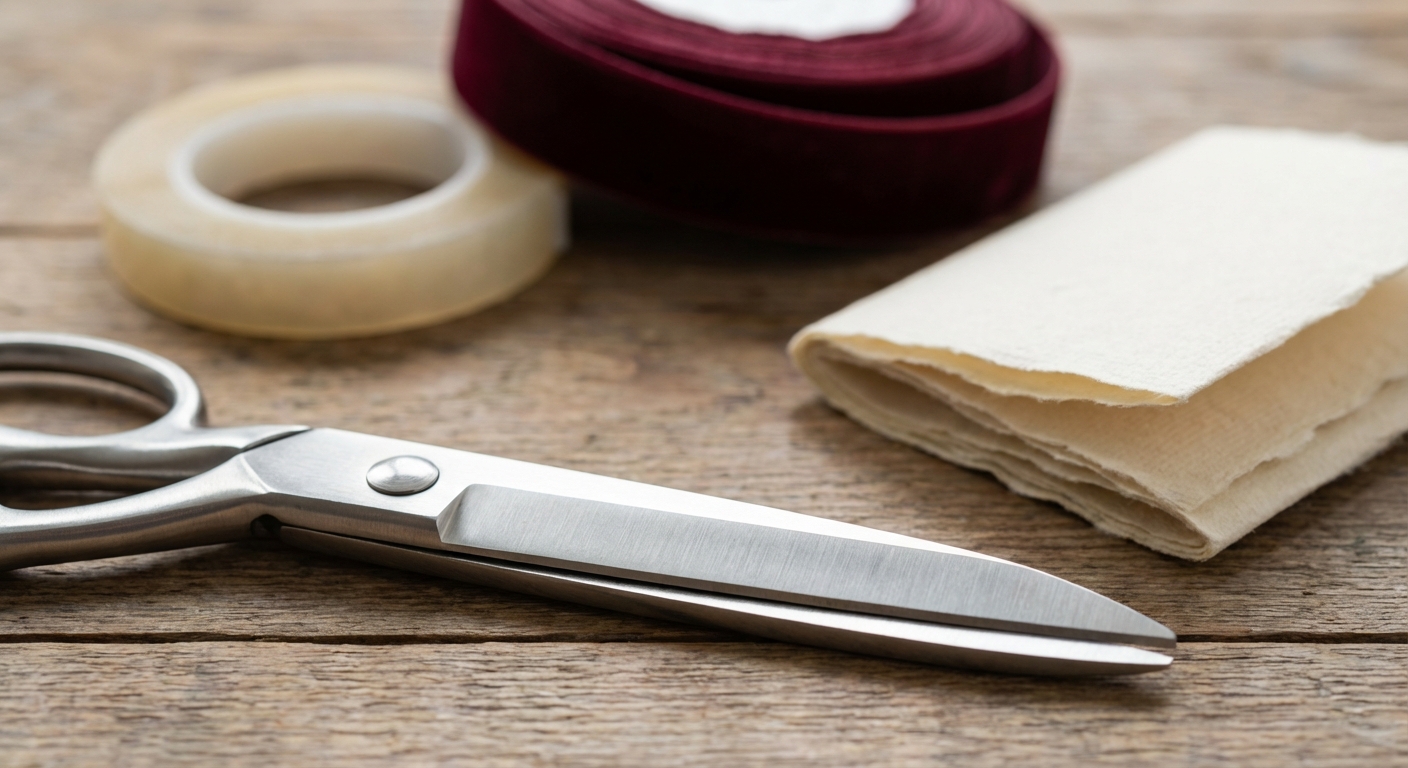
Essential tools for professional wrapping include sharp steel shears, translucent double-sided tape, and a bone folder for achieving crisp edges. Learning how to wrap a jewelry box effectively begins with having the right equipment to ensure clean cuts and invisible seams. High-quality tools prevent the “DIY” look that can damage a brand’s reputation.
Using professional-grade shears is particularly important because jagged paper edges are a hallmark of amateur work. You want your cuts to be fluid and straight, especially when working with jewellery packaging material that has a high-gloss or textured finish.
Why are sharp shears critical?
Clean cuts prevent the edges of your wrapping paper or fabric from fraying or looking uneven.
The truth is: dull blades will snag on premium fibers, ruining your material instantly.
- Professional steel shears
- Precision paper trimmers
- Fabric-specific rotary cutters
Is double-sided tape better?
Double-sided tape is the industry standard for creating invisible seams on high-end jewelry boxes.
Here’s the deal: visible tape is a major distraction that pulls the eye away from the luxury of the gift. It allows the paper to sit flush against the box surface.
How do I set up my space?
A clean, flat, and well-lit workspace is necessary to maintain the integrity of the jewelry box.
Think about it: any dust or debris on your table will stick to your adhesive or scratch the delicate surface of the box.
- Use a marble or glass surface
- Ensure overhead lighting is bright
- Keep a waste bin nearby for scraps
Key Takeaway: Professional results require a curated kit of precision tools to eliminate visible errors and ensure a seamless finish.
| Tool Category | Recommended Item | Purpose | |
|---|---|---|---|
| Cutting | Steel Shears | Clean, non-frayed edges | |
| Adhesive | Double-sided Tape | Invisible, flush seams | |
| Finishing | Bone Folder | Sharp, professional creases |
A well-equipped workstation serves as the foundation for scalable, high-quality packaging workflows in a retail environment.
How Do I Choose Sustainable Materials?
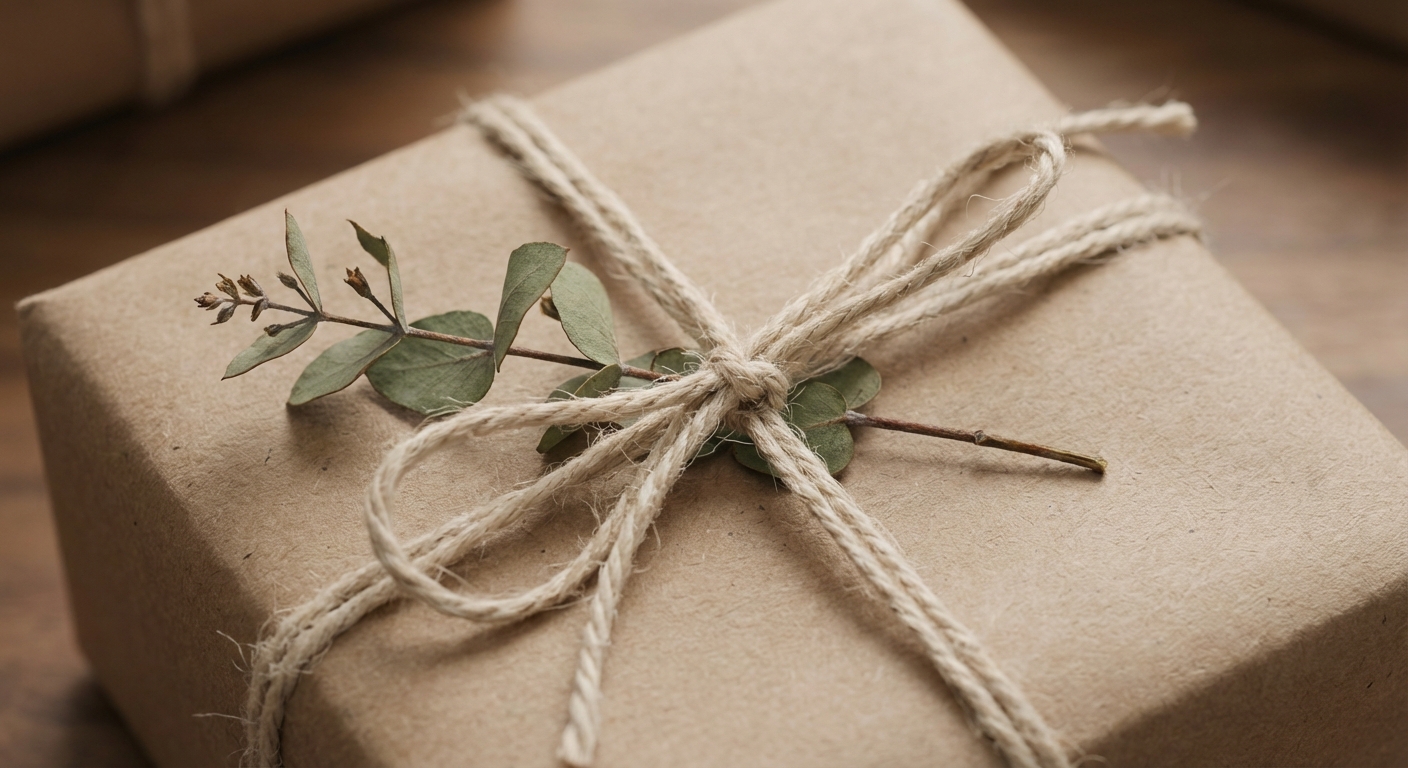
You should choose sustainable materials like FSC-certified papers, recycled pulp, or bamboo-based wraps to align with modern B2B ESG goals. Determining how to wrap a jewelry box with eco-friendly alternatives is no longer just a trend; it is a market requirement for 2026. Sustainable materials provide a raw, organic texture that many luxury consumers find more appealing than traditional plastics.
Selecting the right sustainable jewelry packaging design helps your brand reduce its carbon footprint. It also tells a story of ethical luxury that resonates deeply with modern buyers.
Are recycled papers durable?
Recycled pulp and kraft papers are exceptionally durable and provide a unique, tactile grip during the wrapping process.
But wait: not all recycled papers are created equal in terms of GSM (grams per square meter).
- 100% Post-consumer waste paper
- Bamboo-based wraps
- Grass paper alternatives
Can I use fabric instead?
Reusable fabric wraps are a highly sustainable alternative that the recipient can keep and reuse for years.
The best part? It eliminates the need for single-use paper and plastic ribbons entirely. This aligns with a circular economy mindset.
What about biodegradable accents?
Natural accents like cotton twine or dried eucalyptus sprigs replace synthetic ribbons perfectly.
Here’s the deal: these elements are fully compostable and add a bespoke, artisanal touch to your presentation.
- Unbleached cotton twine
- Dried botanical elements
- Soy-based inks for branding
Key Takeaway: Sustainable materials elevate the brand narrative by combining environmental responsibility with a high-end tactile experience.
| Material Type | Sustainability Factor | Aesthetic Result | |
|---|---|---|---|
| FSC Paper | Low carbon footprint | Classic luxury feel | |
| Bamboo Wrap | Rapidly renewable | Modern, textured look | |
| Cotton Twine | Biodegradable | Rustic, artisanal charm |
Transitioning to eco-friendly materials often simplifies the wrapping process while significantly increasing the “unboxing” satisfaction.
How to Wrap a Jewelry Box Step-by-Step?

The best way to wrap a jewelry box involves a rolling technique that creates soft, elegant fabric folds for a premium finish. Mastering how to wrap a jewelry box with this method provides a tactile experience that traditional paper cannot replicate. You should always ensure the box is centered to allow for even coverage during the roll.
This technique is particularly popular for premium retail brands looking to stand out. Using a 3D diagram as a guide helps visualize the tension needed for a perfect wrap.
How do I position the box?
Place your jewelry box near the corner of the wrap closest to you on a flat surface.
But wait: the orientation of the grain or pattern matters for the final look.
- Lay fabric face down
- Position box at a 45-degree angle
- Leave enough material for a full roll
What is the rolling technique?
Draw the corner over the box top and begin rolling the box toward the opposite corner of the fabric.
Think about it: the rolling action creates natural layers that protect the box while looking effortless. You want to maintain consistent tension throughout.
How do I finish the ends?
Gather the remaining fabric at each end, fold it atop the box, and tie the final ends into a knot.
The truth is: a double knot or a bow works best depending on the thickness of your material.
- Gather side ends tightly
- Cross ends over the center
- Secure with a firm double knot
Key Takeaway: A step-by-step rolling method ensures total coverage and a sophisticated, multi-layered aesthetic that protects the jewelry box.
| Step | Action | Critical Success Factor | |
|---|---|---|---|
| 1 | Position | Box angle relative to corner | |
| 2 | Roll | Consistent fabric tension | |
| 3 | Tie | Secure, centered double knot |
Systematizing the wrapping process allows for rapid training of retail staff while maintaining brand standards across locations.
How Do I Achieve Sharp Folds?
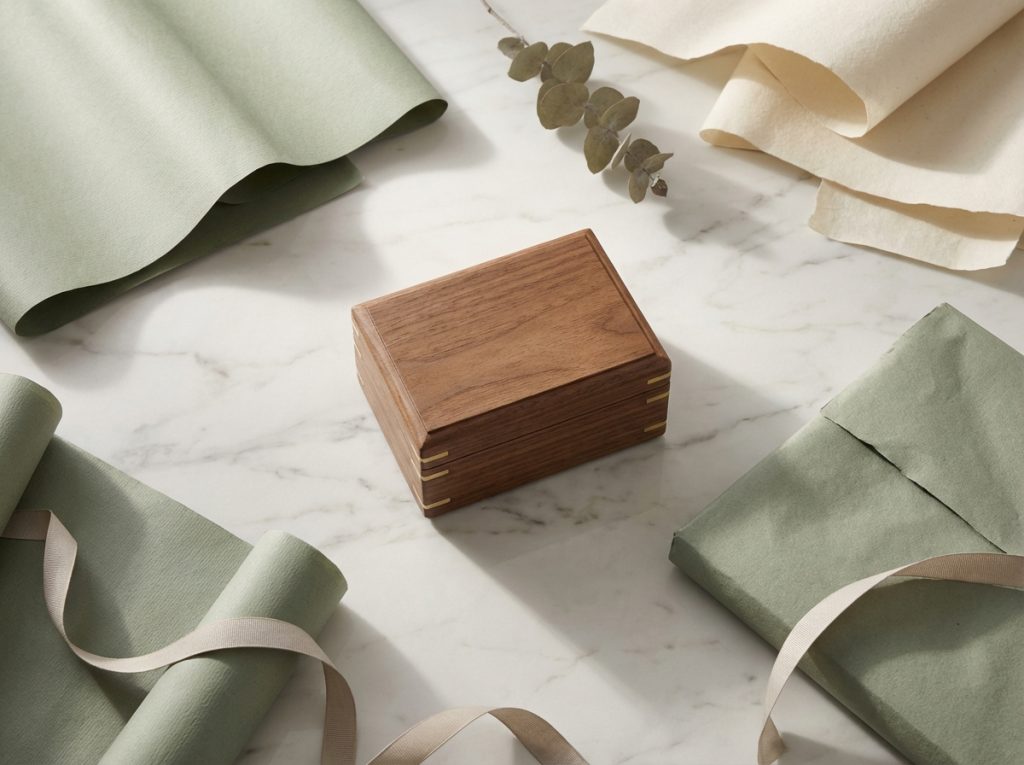
You achieve sharp folds by using a bone folder or the back of your fingernail to crease the paper firmly against the box edges. Learning how to wrap a jewelry box with minimalist precision requires you to eliminate any air gaps between the box and the paper. When the paper fits tightly, the box looks like it was manufactured with the wrap already attached.
Minimalist wrapping styles often use heavier weight paper which holds a crease much better than thin, flimsy materials. This is vital when presenting high-value items where every detail is scrutinized.
Is paper weight important?
High-GSM paper (between 100 and 120) provides the structural integrity needed for architectural, sharp corners.
Here’s the deal: thin paper will tear at the corners, while overly thick paper will look bulky and lumpy.
- 100-120 GSM coated paper
- Matte finish cardstock
- Textured linen paper
How do I fold corners?
Use the “hospital corner” technique, where you fold the sides in first and then create a sharp triangular flap.
But wait: if you don’t use a creasing tool, the paper will likely “rebound” and lose its sharp edge.
- Fold side flaps inward
- Crease the top flap downward
- Secure with invisible tape
Why avoid excess material?
Excess paper creates bulk that ruins the clean lines of a small jewelry box.
The truth is: you only need about an inch of overlap on the sides to secure the wrap effectively.
- Measure before cutting
- Trim excess paper immediately
- Focus on symmetry
Key Takeaway: Sharp, precise creases are the primary differentiator between professional retail wrapping and casual home wrapping.
| Technique | Tool | Benefit | |
|---|---|---|---|
| Creasing | Bone Folder | Zero-gap paper fit | |
| Measuring | Steel Ruler | Eliminates lumpy bulk | |
| Taping | Double-sided Tape | Maintains the clean “line” |
Precision folding transforms a simple paper wrap into a sophisticated extension of the jewelry brand’s identity.
How Can I Tie the Perfect Bow?
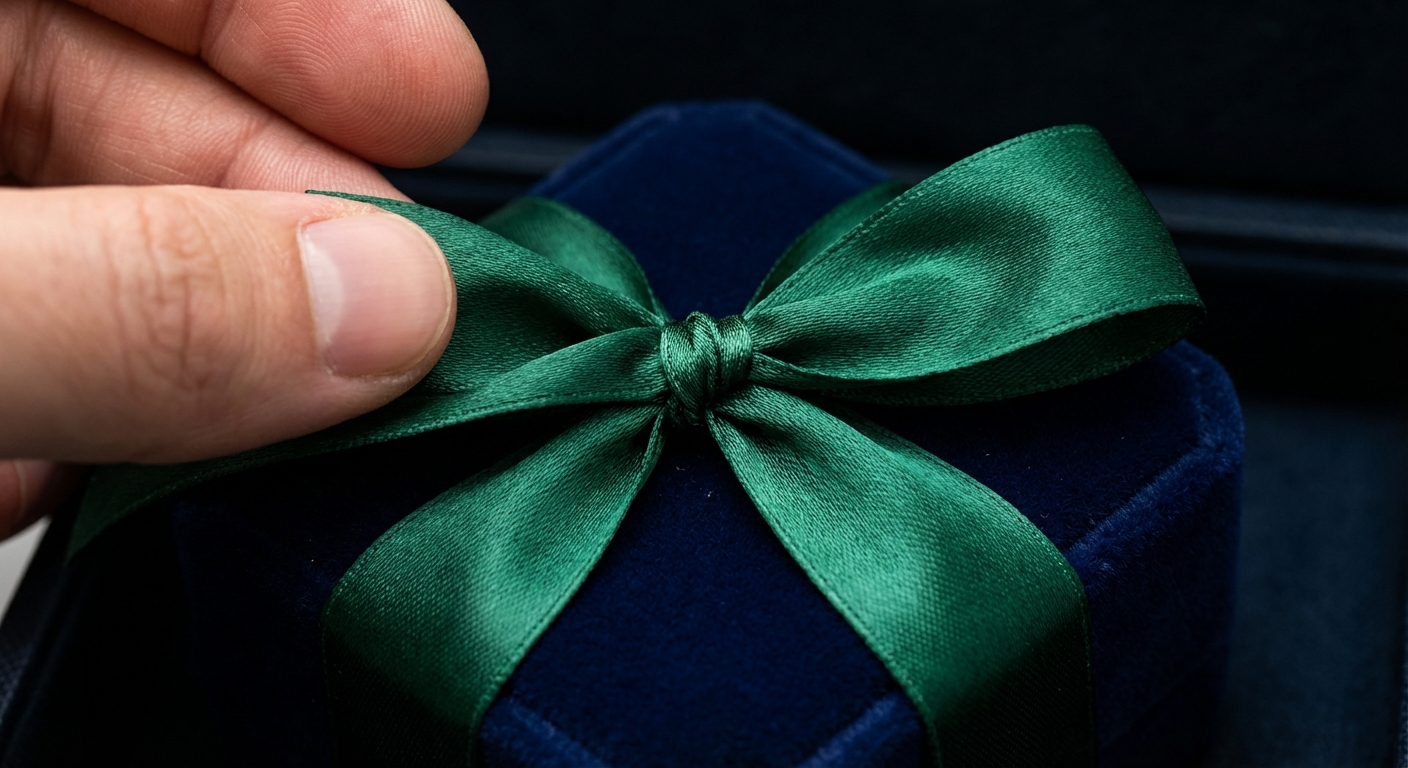
To tie the perfect bow, you must maintain tension in the center knot and loop the ribbon so the “shiny” side always faces out. When exploring how to wrap a jewelry box , the bow acts as the focal point and the final seal of quality. A voluminous, well-proportioned satin bow can increase the perceived value of a gift by a significant margin.
Selecting the right ribbon is half the battle; satin and velvet are favorites for 2026. These materials hold their shape and provide a luxurious sheen that complements custom jewelry boxes .
What ribbon width is best?
For small jewelry boxes, a 1/2-inch to 5/8-inch ribbon provides the most balanced and elegant look.
The best part? It doesn’t overwhelm the box but still allows for a full, double-looped bow.
- 15mm Satin ribbon
- 10mm Velvet ribbon
- Narrow grosgrain for texture
How do I prevent slipping?
Use a “cross-over” technique where the ribbon passes under itself at the center of the box to lock it in place.
Here’s the deal: a loose ribbon suggests poor attention to detail and can actually cause the box to slide out of the wrap.
- Tighten the initial knot
- Place a finger on the center
- Pull loops simultaneously
Can I layer ribbons?
Layering a thin velvet ribbon over a wider satin one creates a multi-dimensional, high-end look.
Think about it: contrast in texture is a subtle way to signal luxury without using loud colors or patterns.
- Contrast matte and shine
- Use complementary colors
- Trim ends at a 45-degree angle
Key Takeaway: The bow is the “handshake” of the gift; it must be firm, symmetrical, and made from premium materials.
| Ribbon Type | Best Use Case | Texture Feel | |
|---|---|---|---|
| Double-faced Satin | High-end Retail | Smooth and glossy | |
| Silk Velvet | Boutique/Artisanal | Soft and deep | |
| Metallic Cord | Modern/Minimalist | Rigid and bright |
A perfectly executed bow serves as a visual guarantee of the premium contents housed within the jewelry box.
What Is the Furoshiki Method?
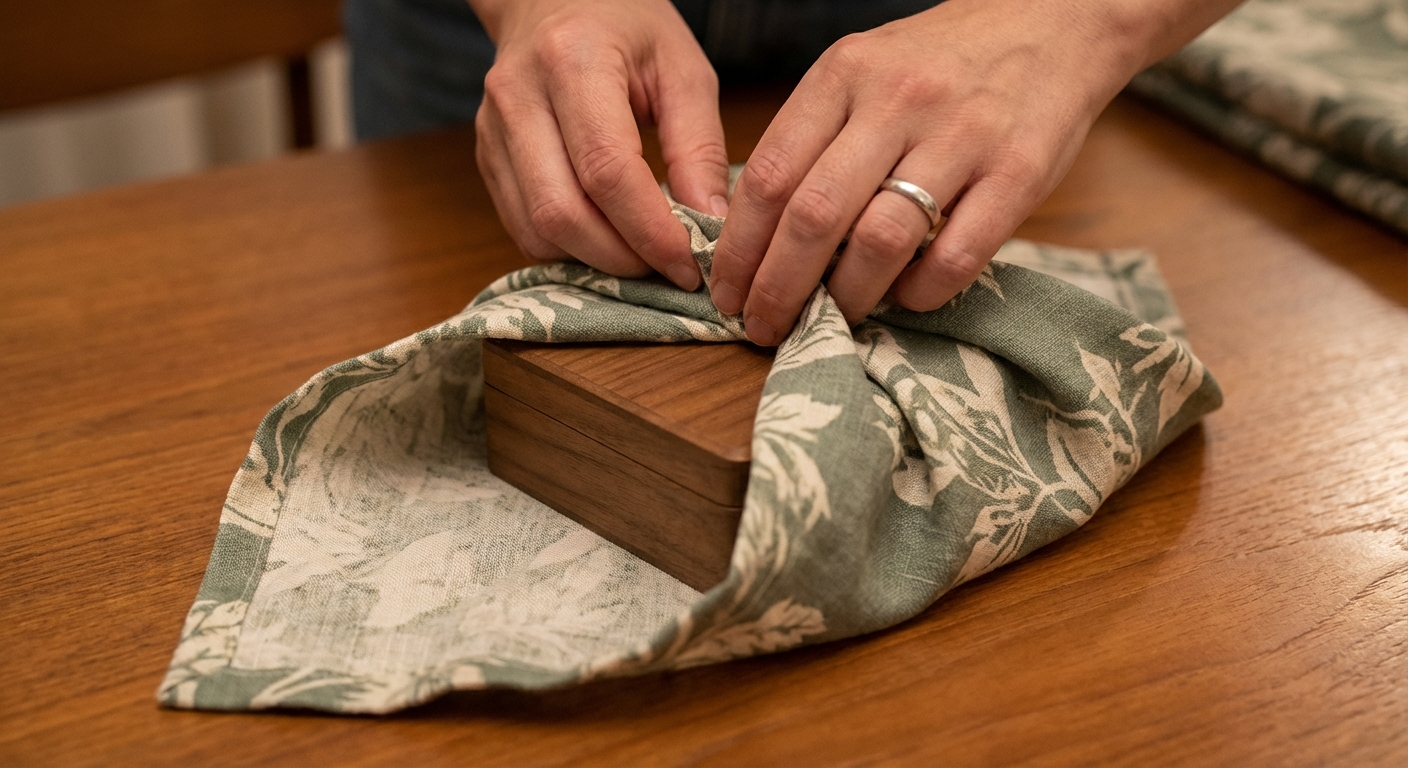
The Furoshiki method is a traditional Japanese technique that uses a single square of fabric to wrap and carry items without the need for tape or glue. When considering how to wrap a jewelry box for a client who values sustainability, Furoshiki is the ultimate choice. It relies on folds and knots to secure the package, making it both beautiful and functional.
This method is gaining massive traction in the jewelry packaging trends for 2026. It offers a level of artistry that standard paper simply cannot reach.
Why is fabric superior?
Fabric is forgiving of odd shapes and adds a soft, protective layer that prevents the jewelry box from being scuffed.
The truth is: it feels significantly more expensive in the customer’s hands than even the finest paper.
- Linen for a rustic feel
- Silk for ultimate luxury
- Cotton for versatility
Is it hard to learn?
While it looks complex, the basic “rolling” or “two-knot” methods can be mastered in just a few minutes of practice.
The best part? If you make a mistake, you can simply untie it and start over without wasting any materials.
Can clients reuse it?
Yes, and this is a major selling point for eco-conscious B2B brands looking to add “value-add” features.
Here’s the deal: the wrap itself becomes a second gift that can be used as a scarf, a hair tie, or a future gift wrap.
- Multi-functional utility
- Zero waste packaging
- Brand longevity in the home
Key Takeaway: Furoshiki combines traditional artistry with modern sustainability, providing a memorable and reusable packaging solution.
| Factor | Furoshiki Method | Traditional Paper | |
|---|---|---|---|
| Adhesives | None Required | Tape/Glue Needed | |
| Reusability | 100% Reusable | Usually Discarded | |
| Protection | High (Soft Padding) | Moderate |
Integrating Furoshiki into your service offering distinguishes your brand as a leader in cultural appreciation and environmental stewardship.
How Does Design Impact Value?
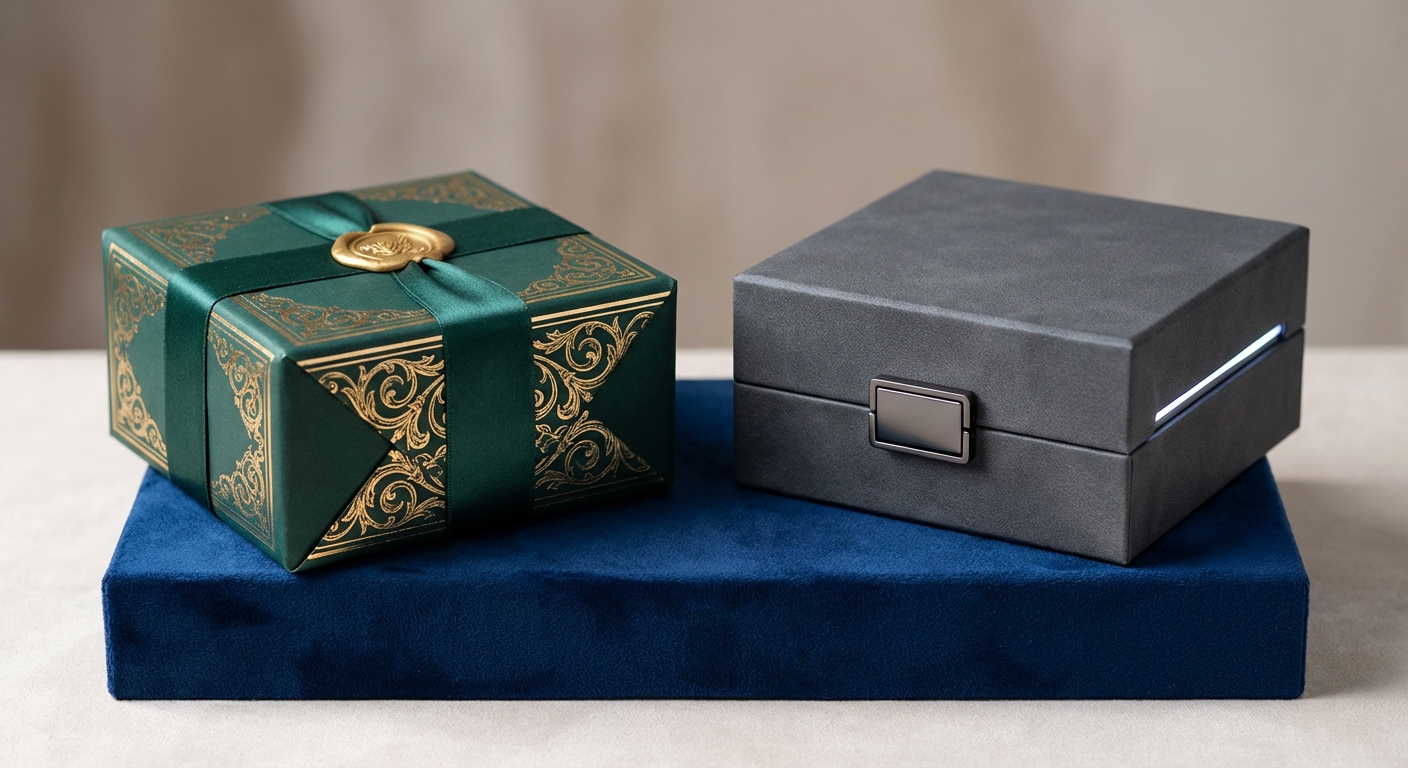
Design impacts value by setting the recipient’s expectations of the jewelry’s price point and quality before the box is even opened. When you decide how to wrap a jewelry box , you are choosing a brand language—whether that is “old-world luxury” or “modern high-tech.” A cohesive design increases consumer trust and justifies premium pricing.
Modern industry standards now allow for interactive digital integrations, such as QR codes hidden in the wrap. You can see this evolution in current jewelry packaging industry trends .
Classic vs. Modern Tech?
Classic luxury uses gold foil and heavy textures, while modern tech-focused design uses matte finishes and minimalist lines.
Think about it: which one speaks to your specific B2B client base more effectively?
- Foil stamping for prestige
- Embossed logos for tactile luxury
- Digital tags for storytelling
Does color palette matter?
Yes, colors like sage green, cream, and deep navy are projected to dominate the luxury jewelry space through 2026.
Here’s the deal: the right color palette can evoke specific emotions, such as calmness, trust, or excitement.
- Neutral tones for timelessness
- Bold jewel tones for impact
- Pastels for modern softness
What are functional luxury features?
Features like magnetic closures or “drawer-style” boxes add a layer of functional luxury that people love to open.
But wait: the wrap must not interfere with these functional elements; it should enhance the “reveal” process.
- Magnetic snap-locks
- Ribbon pull-tabs
- Soft-touch coatings
Key Takeaway: Strategic design choices in wrapping align the physical product with the brand’s intended market positioning.
| Style | Key Elements | Consumer Perception | |
|---|---|---|---|
| Classic Luxury | Gold foil, velvet | Expensive, traditional | |
| High-Tech | Matte, QR codes | Innovative, trendy | |
| Minimalist | Raw paper, twine | Sustainable, honest |
A design-led approach to wrapping ensures that the exterior of the package is as considered as the jewelry it contains.
How Do I Avoid Common Errors?
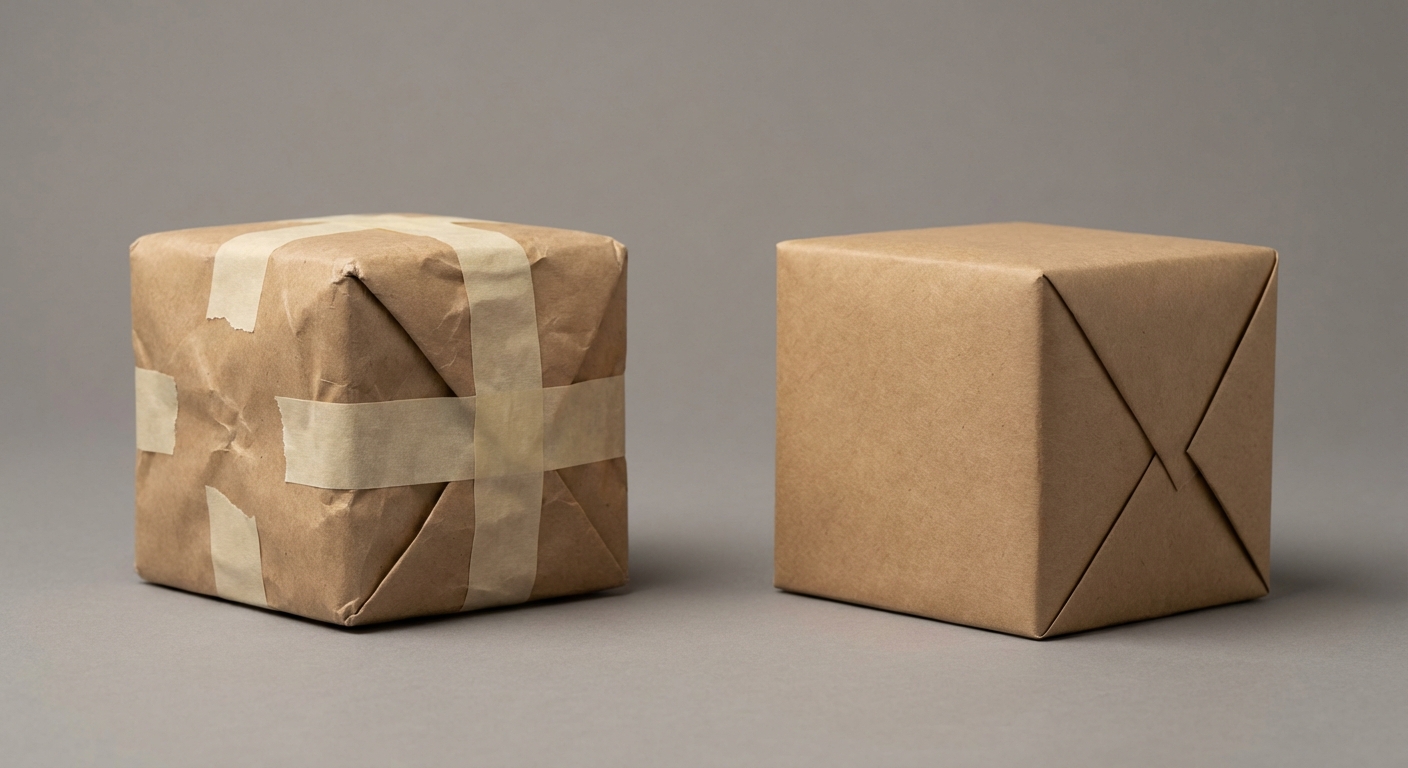
You avoid common errors by measuring your materials precisely and ensuring all seams are hidden or perfectly aligned. When learning how to wrap a jewelry box, “less is more” is the golden rule for small packages. Over-taping or using too much paper leads to a bulky, unattractive finished product that looks cluttered.
A “Mistake vs. Mastery” comparison often reveals that the biggest flaw is mismatched patterns or sloppy corner folds. These minor details can undermine the perceived value of a diamond ring or gold necklace.
Why is excess tape a problem?
Visible tape or excessive use of adhesive makes the package look cheap and suggests a lack of professional skill.
The truth is: one small piece of double-sided tape is usually enough to secure a seam.
- Avoid yellowing clear tape
- Use acid-free adhesives
- Tape the inner flaps only
How do I handle misalignments?
If your paper has a pattern, ensure it runs straight across the box and isn’t skewed at an awkward angle.
Here’s the deal: a crooked logo or pattern is a jarring visual mistake that suggests a lack of quality control.
- Check alignment before taping
- Use a grid on the back of the paper
- Anchor the first side firmly
What about bulky corners?
Bulky corners happen when too much paper is folded over itself, creating a lumpy profile that won’t sit flat.
But wait: if your paper is too thick, you should trim the interior “hidden” flaps to reduce the total layers.
- Trim overlapping flaps
- Press folds flat immediately
- Check for “springy” edges
Key Takeaway: Mastery is found in the details; eliminating bulk and visible adhesive is the hallmark of professional packaging.
| Error | Impact | Professional Fix | |
|---|---|---|---|
| Bulky Corners | Box won’t sit flat | Trim interior flap layers | |
| Visible Tape | Cheapens the brand | Use double-sided tape | |
| Crooked Pattern | Unprofessional look | Align to box edge before fold |
Identifying and correcting these common pitfalls ensures every jewelry box leaves your facility looking like a masterpiece.
How Should I Prepare for Shipping?
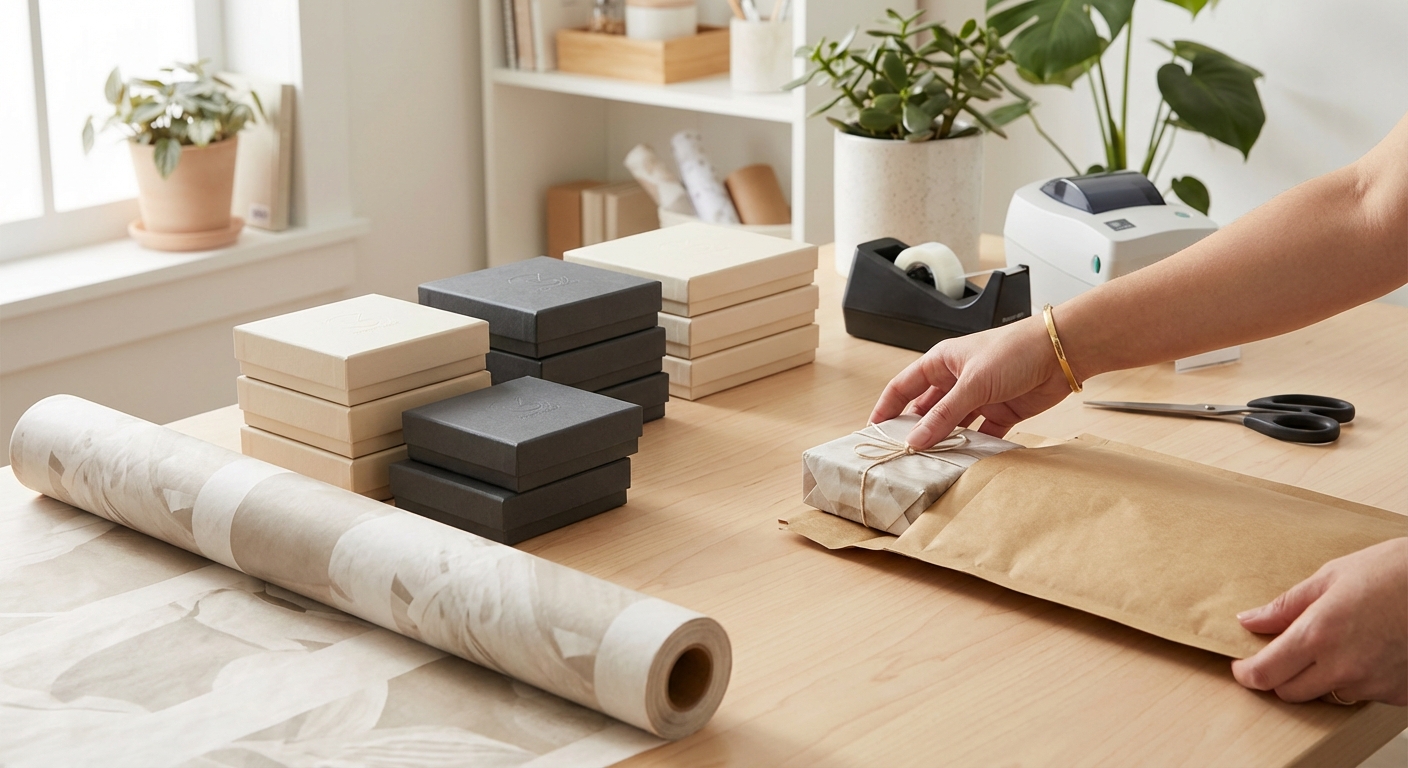
To prepare for shipping, you must place the wrapped jewelry box inside a secondary, rigid protective mailer with enough padding to prevent movement. Knowing how to wrap a jewelry box for transport is different from wrapping for an in-person hand-off. The wrap must remain pristine despite the rigors of the postal system.
Efficiency in the shipping station is critical for small business jewelry packaging . A streamlined workflow ensures that protection doesn’t sacrifice presentation.
What padding is safe?
Use acid-free tissue paper or biodegradable cornstarch peanuts to cushion the wrapped box within the mailer.
The best part? These materials protect the delicate outer wrap from being crushed or torn during transit.
- Acid-free tissue paper
- Recycled paper honeycomb
- Padded eco-mailers
How do I secure the mailer?
Use reinforced paper tape to seal the outer mailer, ensuring it is tamper-evident and professionally branded.
Here’s the deal: plastic tape on a luxury mailer can ruin the aesthetic before the customer even gets to the jewelry box.
- Water-activated paper tape
- Custom branded tape
- Secure adhesive strips
Is a “shipping station” necessary?
A dedicated area with all your materials organized can increase your shipping speed by up to 50%.
Think about it: if you aren’t hunting for tape or scissors, you can focus on the quality of the wrap and the accuracy of the label.
- Scale for weight accuracy
- Label printer integration
- Organized material bins
Key Takeaway: Effective shipping preparation bridges the gap between a beautiful wrap and a successful customer delivery.
| Component | Function | Best Practice | |
|---|---|---|---|
| Inner Box | Aesthetic Presentation | Professional gift wrap | |
| Padding | Shock Absorption | Acid-free tissue | |
| Outer Mailer | Structural Integrity | Rigid cardboard mailer |
A robust logistics strategy ensures that your high-quality wrapping survives the journey and delights the customer upon arrival.
Why Is Unboxing So Important?
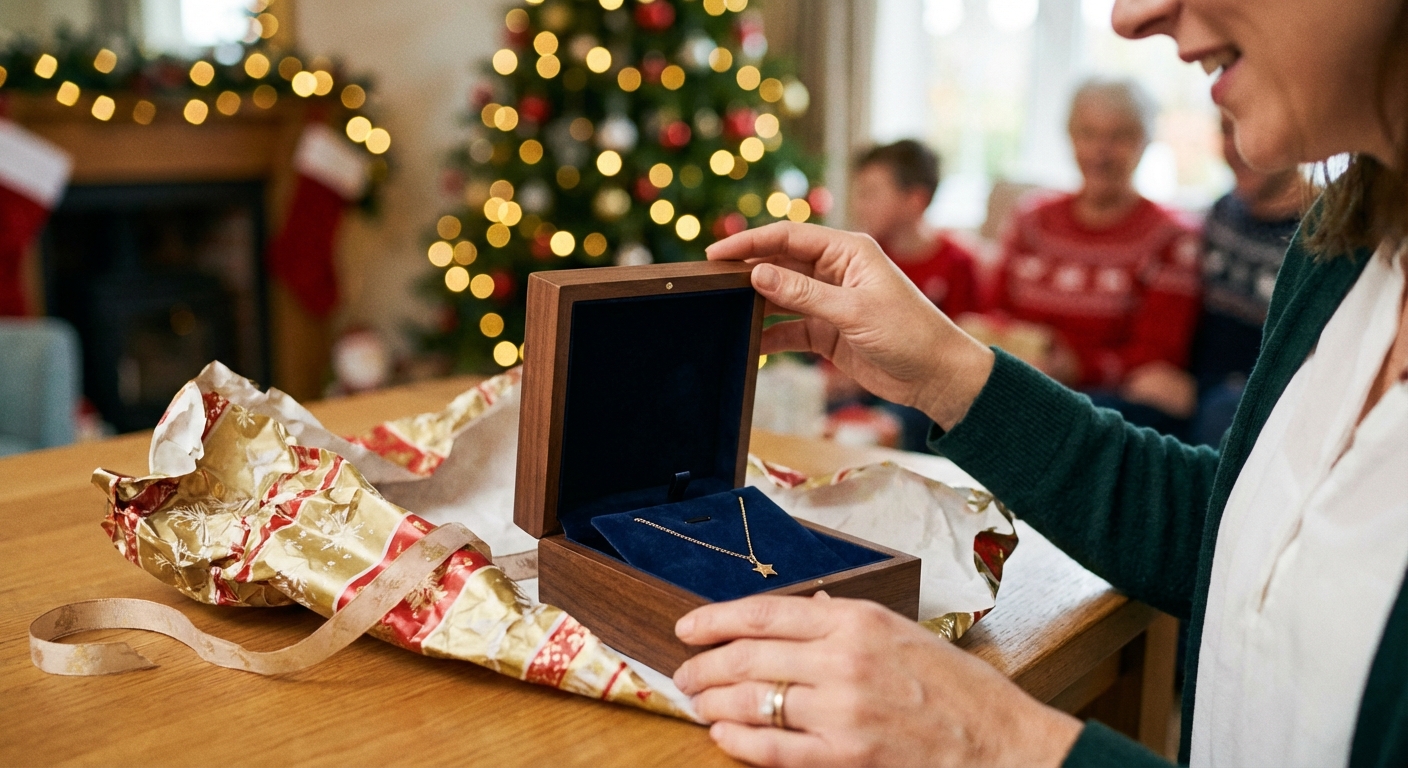
Unboxing is important because it creates an emotional connection between the customer and your brand through a multi-sensory “reveal” experience. When you master how to wrap a jewelry box, you aren’t just protecting a product; you are stage-managing a moment of joy. This experience is what drives social media shares and repeat business in the B2B world.
The final reveal—where the wrapping, the outer box, and the interior layout work together—is the peak of the customer journey. You can learn more about this in our guide on jewelry packaging vs other packaging .
What is the “reveal” factor?
The reveal factor is the anticipation built as the customer removes each layer of packaging to finally see the jewelry.
The truth is: a slow, intentional opening process makes the item inside feel more exclusive and valuable.
- Layered tissue paper
- Personalized thank-you notes
- Scented inserts for memory
How do I personalize it?
Adding a hand-written note or a custom wax seal to the wrap shows the customer that you value their individual business.
Here’s the deal: in an era of mass production, these “human” touches are what people remember most.
Does it impact social sharing?
Yes, “Instagrammable” packaging is one of the most effective free marketing tools available to jewelry brands today.
But wait: the unboxing must be easy to film or photograph, meaning the wrap shouldn’t be overly frustrating to open.
- Photogenic color schemes
- Branded “surprise” elements
- Clear, visible logos
Key Takeaway: The unboxing experience is the final opportunity to solidify brand loyalty and justify the investment in premium packaging.
| Stage | Sensory Input | Emotional Response | |
|---|---|---|---|
| Initial Sight | Color/Texture | Excitement/Trust | |
| The Touch | Paper/Fabric weight | Quality Assurance | |
| The Reveal | Layout/Jewelry | Joy/Satisfaction |
Crafting a memorable unboxing experience ensures that the jewelry’s story begins the moment the package is received.
At YiXin Packaging, we believe that the container should be as extraordinary as the jewel it holds. Whether you are a boutique artisan or a global retail chain, our mission is to provide you with the tools and materials to create unforgettable brand moments. From sustainable FSC papers to custom rigid boxes, our team is dedicated to elevating your presentation standards.
Experience the difference that premium, thoughtful packaging can make for your business growth.
Contact us today to discuss your custom jewelry packaging needs and start building a more sustainable, luxurious future for your brand.
Frequently Asked Questions
Can I wrap a jewelry box without using any tape?Yes, you can use the Furoshiki fabric wrapping method or specialized “origami” folding techniques that tuck the paper ends into themselves. These methods are highly eco-friendly and offer a unique, artisanal aesthetic that clients love.
What is the best way to prevent the ribbon from falling off during shipping?The best way is to use a “cross-and-tuck” method where the ribbon passes through itself at the bottom of the box. You can also use a tiny dot of glue or a branded sticker at the intersection point on the underside for extra security.
How much extra paper should I cut for a standard ring box?You generally need enough paper to wrap around the box once with about 1 inch of overlap. For the sides, ensure the paper extends about 3/4 of the height of the box on each end to allow for clean, non-bulky folds.
Should I include a price tag inside the wrapped jewelry box?In a B2B or gift context, it is best practice to remove all price tags. If the recipient needs a way to verify the item, consider including a branded “Certificate of Authenticity” or a packing slip (without prices) tucked into a side pocket.
Is it better to wrap the box or use a pre-decorated gift bag?Wrapping the box directly is always considered more high-end and personal. While gift bags are convenient for high-volume retail, a hand-wrapped jewelry box suggests a higher level of care and premium craftsmanship.